Stop fleas fast with a realistic, family-friendly plan. Learn the flea life cycle, how to check for flea dirt, vet-approved treatments, home cleaning steps, ...
Article
•
Designer Mixes
Life Cycle of Dog Fleas: Care Tips

Shari Shidate
Designer Mixes contributor
As a veterinary assistant here in Frisco, Texas, I can tell you this with a lot of love: fleas are not a “dirty pet” problem. They are an outdoor and indoor life cycle problem. Once you understand how fleas grow and where they hide, you can stop an infestation faster and keep it from coming back.
This guide walks you through the flea life cycle, what you can do at each stage, and the practical steps that protect your dog, your home, and your sanity.
Why the life cycle matters
Most people treat what they can see, which is adult fleas on a dog. But adult fleas are only a small slice of the total problem. In many homes, many of the fleas are actually in the egg, larva, and pupa stages in carpets, floor cracks, pet bedding, and shaded outdoor areas.
That is why you can start a pet-safe flea preventive, see fewer fleas, and then get hit again days or weeks later. The next generation is simply developing in your environment.
The 4 flea stages
Fleas develop through four stages: egg, larva, pupa, and adult. The timing varies based on temperature, humidity, and access to a host. Warm, humid conditions can speed things up. Cool, dry conditions tend to slow it down.
1) Eggs
What it is: After feeding, adult female fleas lay eggs that fall off your pet into the environment.
Where they are: Carpets, rugs, couch cushions, floorboards, pet bedding, car upholstery, and dust along baseboards.
Care tips:
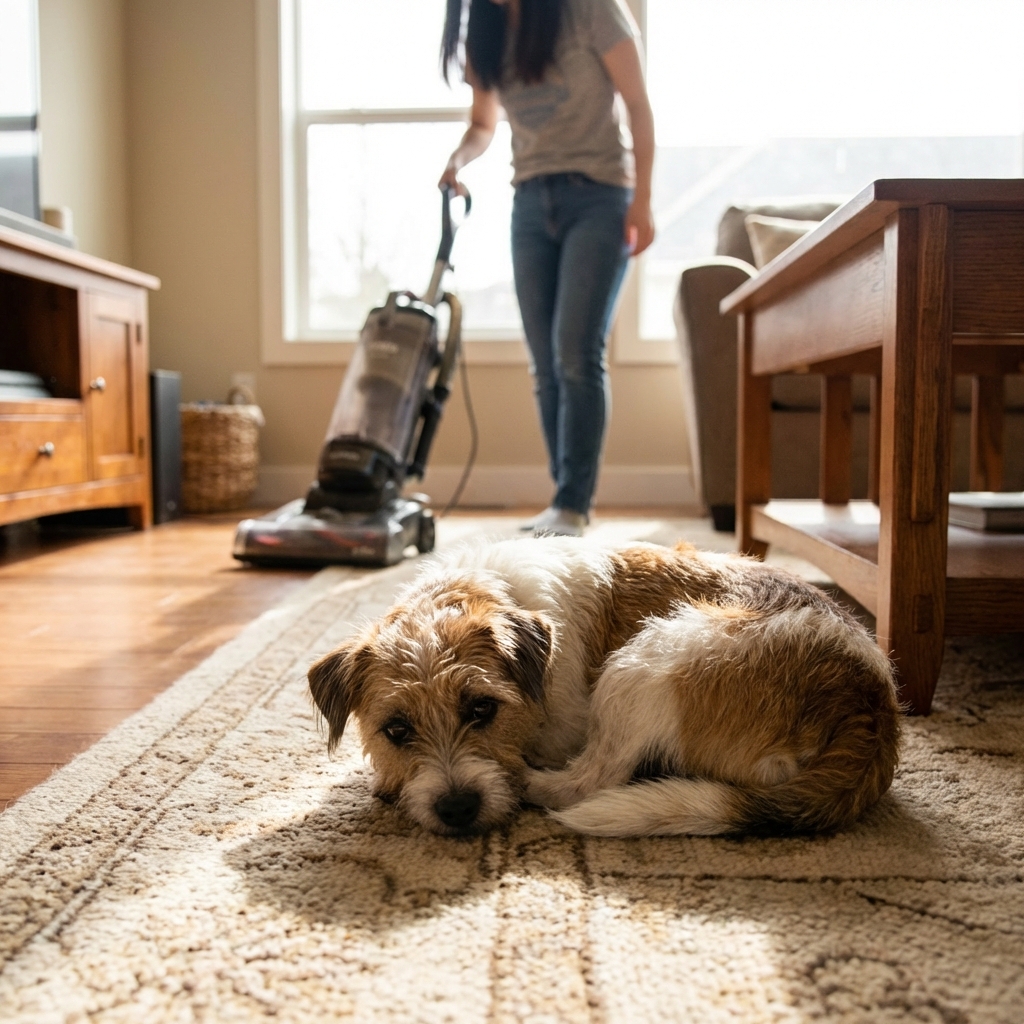
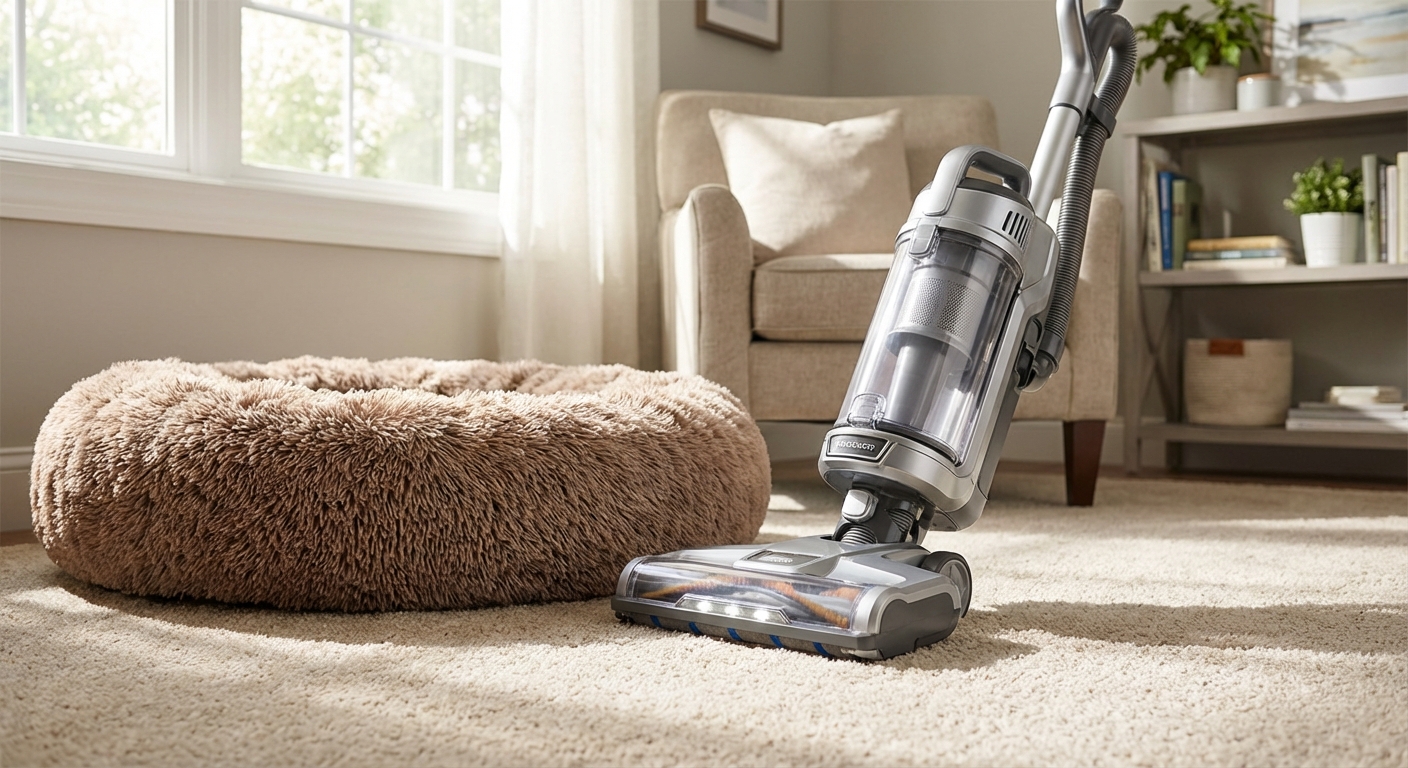
- Vacuum like you mean it at least every other day during an active problem. Focus on edges of rooms, under furniture, and where your dog sleeps.
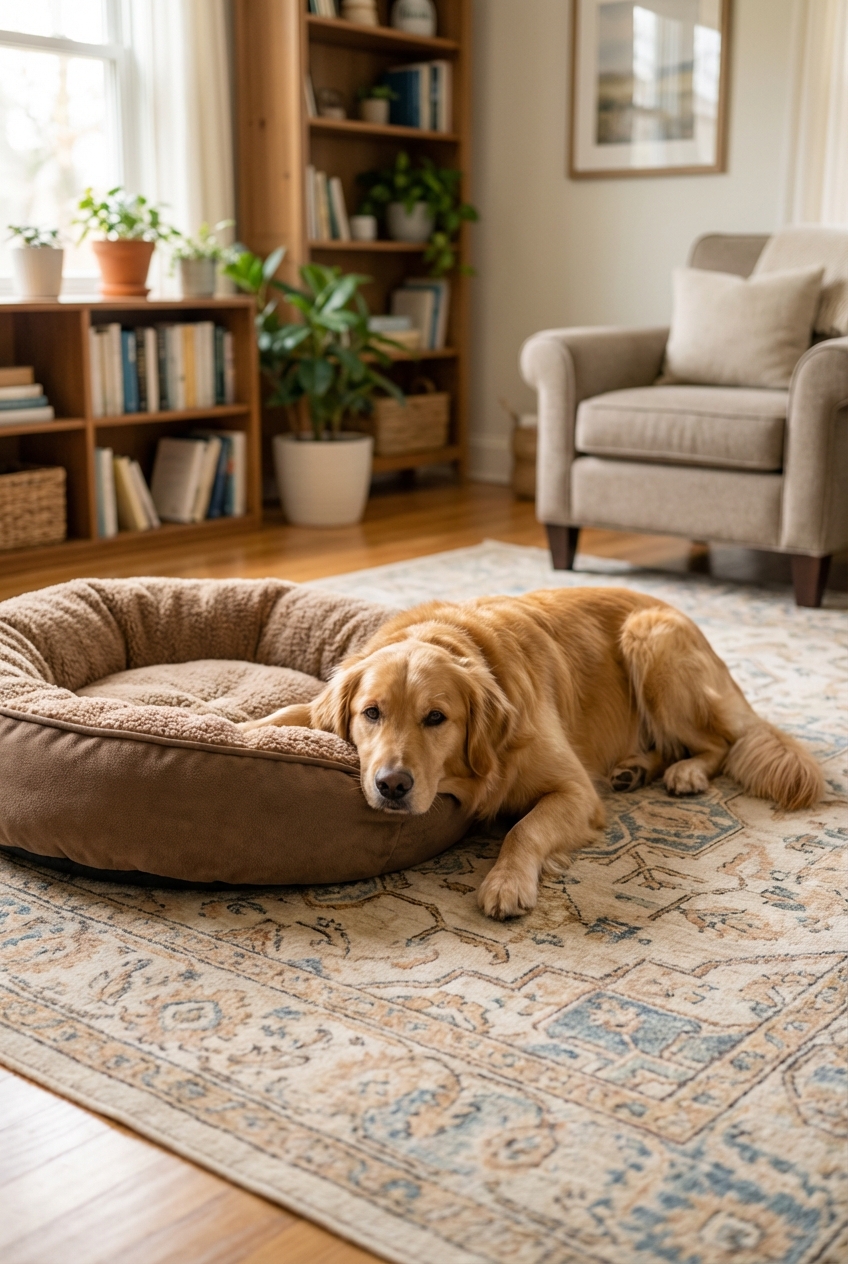
- Wash bedding weekly in hot water and dry on high heat if the fabric allows.
- Do not rely on baths alone. Bathing can remove some fleas, but eggs in your home will continue to develop.
2) Larvae
What it is: Tiny worm-like larvae hatch from eggs and avoid light. They feed on organic debris and flea dirt, which is essentially digested blood from adult fleas.
Where they are: Deep carpet fibers, cracks in flooring, under furniture, shaded areas outdoors, and dusty corners.
Care tips:
- Stay on the vacuum routine. It physically removes larvae and the debris they feed on.
- Reduce clutter so you can clean thoroughly, especially around pet rest areas.
- Outdoor focus: If your dog spends time in shaded spots, rake debris and consider limiting access while you treat.
3) Pupae
What it is: Larvae spin a cocoon and become pupae. This is the most frustrating stage because the cocoon is protective and can make pupae hard to reach with many environmental treatments.
Why it is tricky: Pupae can “wait” and then emerge when they sense vibration, warmth, or carbon dioxide. That means you can treat and still see adult fleas popping up later.
Care tips:
- Consistency is key. Continue prevention on every pet and keep up home cleaning for several weeks.
- Vacuuming can help trigger emergence so newly emerged adults contact treated pets and die before reproducing.
- Be patient. A few weeks of follow-through often makes the difference between “better” and “gone.”
4) Adults
What it is: Adult fleas jump onto a host, bite, and feed. Dogs with flea allergy dermatitis can react strongly even to a small number of bites.
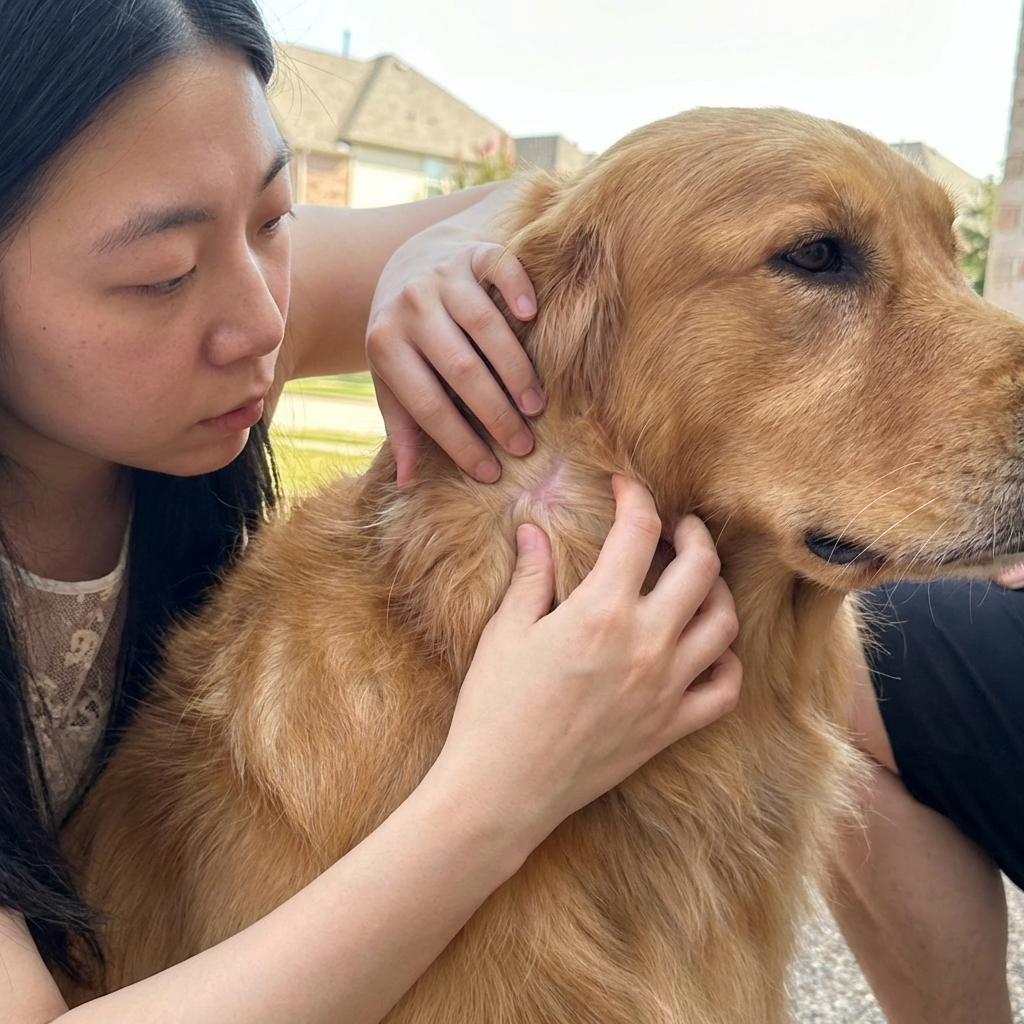
What you may notice: Itching, chewing at the base of the tail, scabs, hair loss, red skin, and flea dirt (black specks that turn reddish-brown when wet).
Care tips:
- Use veterinarian-recommended flea prevention on all pets in the home, not just the itchy one. That includes cats, using cat-specific products.
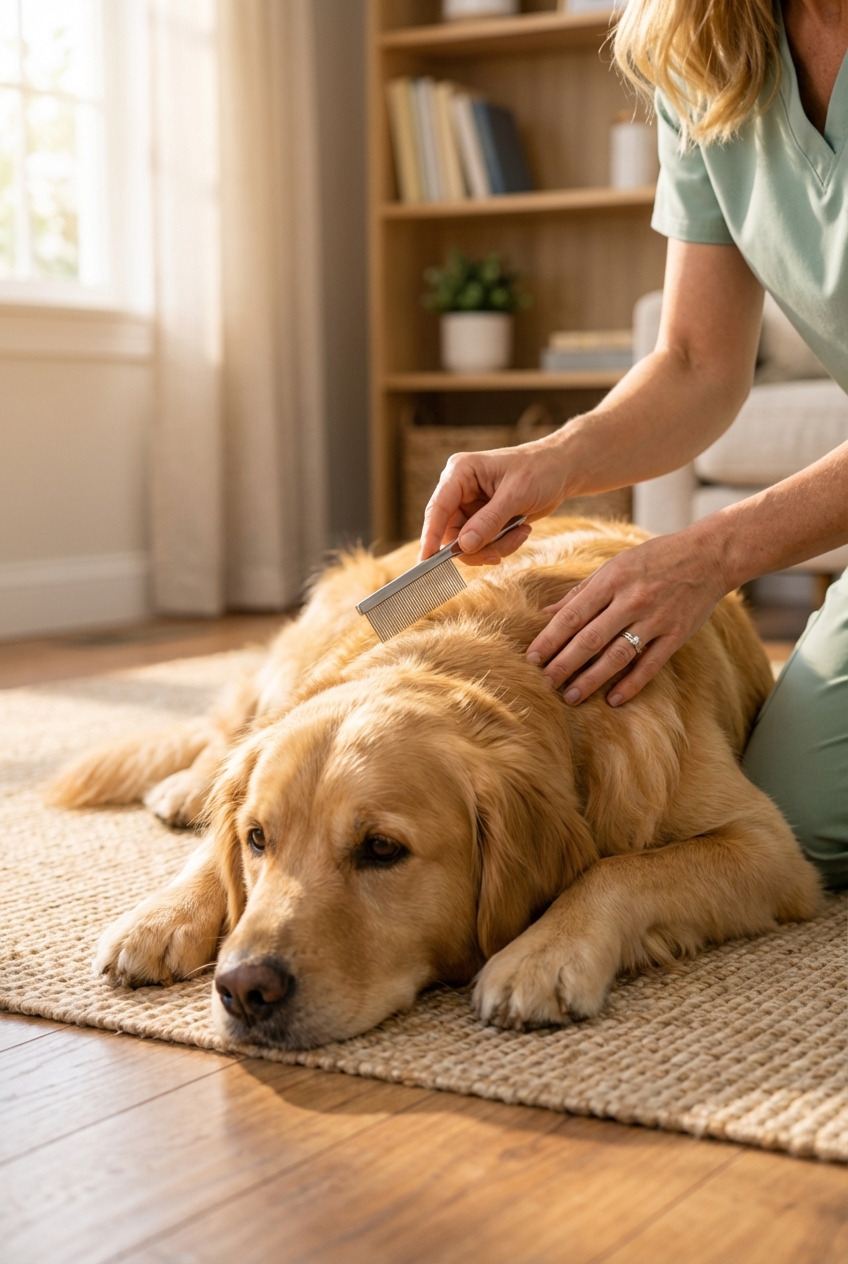
- Comb daily with a fine-toothed flea comb during an outbreak to monitor progress. Dip the comb into soapy water to kill collected fleas.
- Watch for tapeworms. Dogs can get tapeworms from swallowing an infected flea while grooming. If you see rice-like segments near the rear end or in the stool, call your vet.
Why it can take weeks
Even with excellent products, it often takes 4 to 8 weeks to fully break the cycle because of pupae emerging over time. Sometimes it takes longer, especially with heavy infestations or if the environment is warm and humid. If you stop too early, fleas rebound.
Think of flea control as a short-term campaign and a long-term habit. The campaign clears the current infestation. The habit prevents the next one.
Home checklist
Here is a simple routine I recommend to many pet families during flea season.
Weekly
- Wash dog bedding, blankets, and washable toys.
- Vacuum rugs, carpets, and upholstery thoroughly.
- Empty the vacuum canister outside, or seal and discard the bag.
Every other day during an active infestation
- Vacuum high-traffic pet areas and room edges.
- Flea comb your dog and check for flea dirt.
Outdoor quick wins
- Mow the lawn and trim tall weeds.
- Rake leaves and organic debris, especially in shaded areas.
- Limit access to known “flea zones” like under decks while you are addressing the problem.
Choosing prevention
There is no single “best” flea product for every dog. The best choice is the one your dog can safely use and you can apply consistently.
Ask your veterinarian about:
- Oral vs topical options for your dog’s age, weight, and medical history.
- Speed of kill and whether the product kills before fleas can lay eggs.
- Egg and larval control and whether the plan includes an insect growth regulator (IGR) when appropriate for heavy infestations.
- Coverage for ticks if you hike, travel, or live near brushy areas.
- Multi-pet households and how to coordinate treatment timing so every pet is protected at the same time.
Important: Never use dog flea products on cats, and do not assume “natural” is automatically safer. Some essential oils can be toxic to pets, especially cats.
A quick caution about home sprays and foggers: Some are misused, some do not reach where fleas are developing, and most will not solve the pupa stage issue by themselves. If you use any home insecticide, follow the label exactly, remove pets during application, and ventilate well. When in doubt, ask your vet which options are safest and worth your time.
When it is more than fleas
Fleas can kick off a skin spiral: inflammation, secondary bacterial infection, and yeast overgrowth. If your dog is still miserable after you start flea control, it is worth getting a veterinary exam.
Contact your vet promptly if you notice:
- Open sores, oozing, or a strong odor
- Significant hair loss or thickened skin
- Ear redness, head shaking, or recurrent ear infections
- Lethargy or pale gums, especially in puppies or small dogs
Quick FAQ
Can my dog get fleas even if they stay indoors?
Yes. Fleas can hitch a ride on people, other pets, or wildlife near doorways and patios. Once inside, eggs can drop into carpeting and bedding.
Will I see fleas if my dog has them?
Not always. Fleas move fast. Flea dirt is often easier to spot than the flea itself. Use a flea comb and check near the tail base and belly.
Do I need to treat my home if I use a good flea preventive?
If you have an active infestation, cleaning helps a lot. Preventives kill adult fleas on your dog, but vacuuming and washing reduce the next wave developing in your home.
What if I am still seeing fleas even with prevention?
Do not panic, and do not stop early. Call your vet team and ask about product choice, correct dosing by weight, application timing, and common reinfestation sources (like untreated pets, wildlife in the yard, or a missed cleaning routine). Sometimes a plan tweak is all it takes.
The bottom line
Flea control becomes much less stressful when you treat it like a life cycle. Protect every pet with the right species-specific product, clean the environment, and stick with your plan long enough to get past the pupa stage. If you ever feel stuck, your vet team can help you choose the safest products and rule out skin infections or allergies that need extra support.