Confused about “yearly shots”? Learn core vs non-core vaccines, typical rabies and DHPP schedules, and when bordetella, lepto, canine flu, and Lyme are r...
Article
•
Designer Mixes
Leptospirosis Vaccine for Dogs: Is It Worth It?

Shari Shidate
Designer Mixes contributor
As a veterinary assistant here in Frisco, Texas, I hear this question all the time: “Do I really need the lepto vaccine?” The honest answer is: it depends on your dog’s lifestyle and your local risk. Leptospirosis is a preventable disease that can become life-threatening quickly, and it can also pose a risk to people. But like any vaccine, it is still a medical decision worth making thoughtfully with your veterinarian. If you are in North Texas, ask your vet about current trends in Collin and Denton County and the surrounding area.
What the leptospirosis vaccine protects against
Leptospirosis (often called “lepto”) is caused by Leptospira bacteria. Dogs usually get exposed through contaminated water or soil, or by contact with urine from infected animals.
The lepto vaccine helps protect dogs from several common strains (called serovars, which are basically different “types” of Leptospira). In the U.S., many clinics use “4-way” products, meaning they target four important serovars linked to severe illness in dogs. Availability and product choice can vary by region and clinic. Because lepto strains can vary by region and change over time, vaccination is about risk reduction, not a 100 percent guarantee.
Why prevention matters
- Lepto can be severe. It may cause kidney failure, liver injury, bleeding problems, and intense dehydration.
- It can spread. Lepto is zoonotic, meaning it can infect people. Families with kids, elderly relatives, or immunocompromised household members should take that seriously.
- Treatment can be intensive. Hospitalization, IV fluids, and repeat lab work are common in moderate to severe cases.
Which dogs need it most
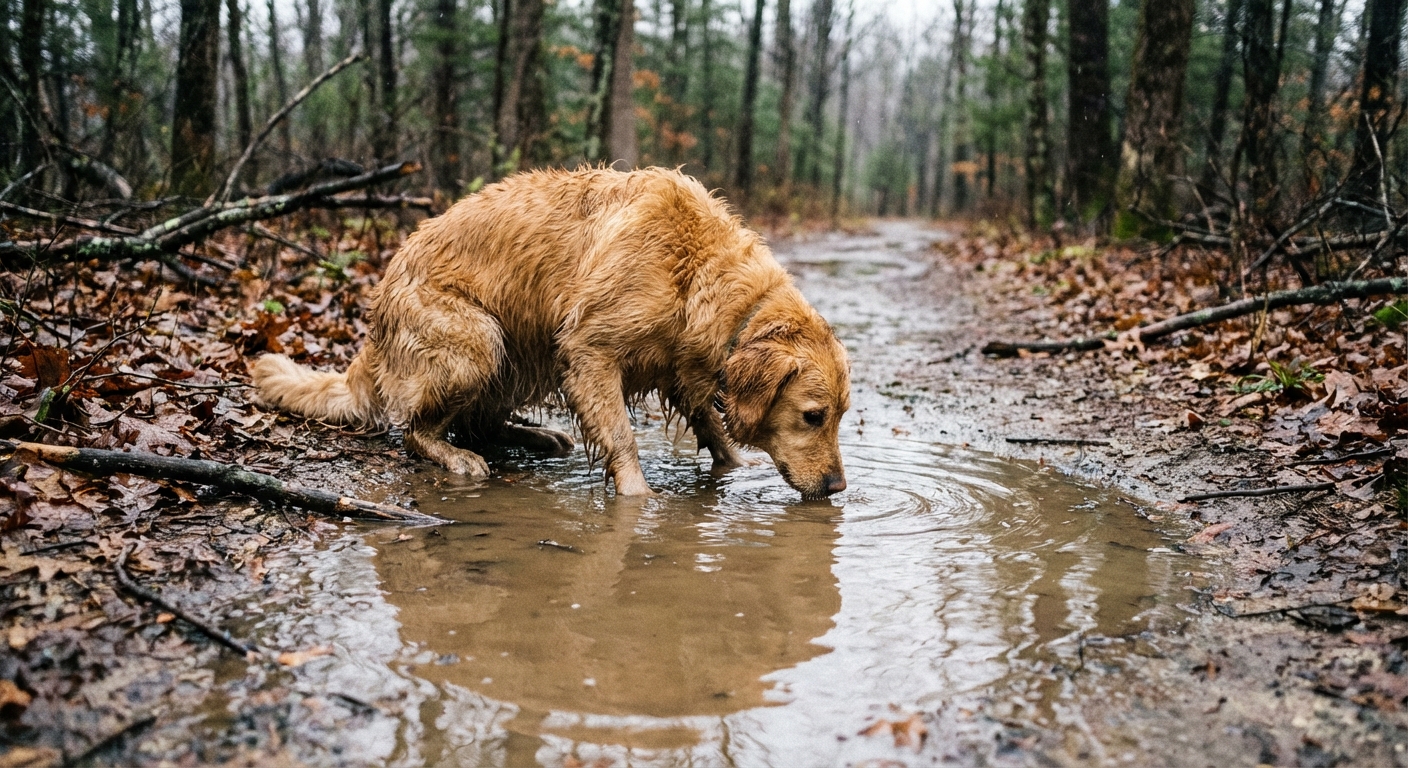
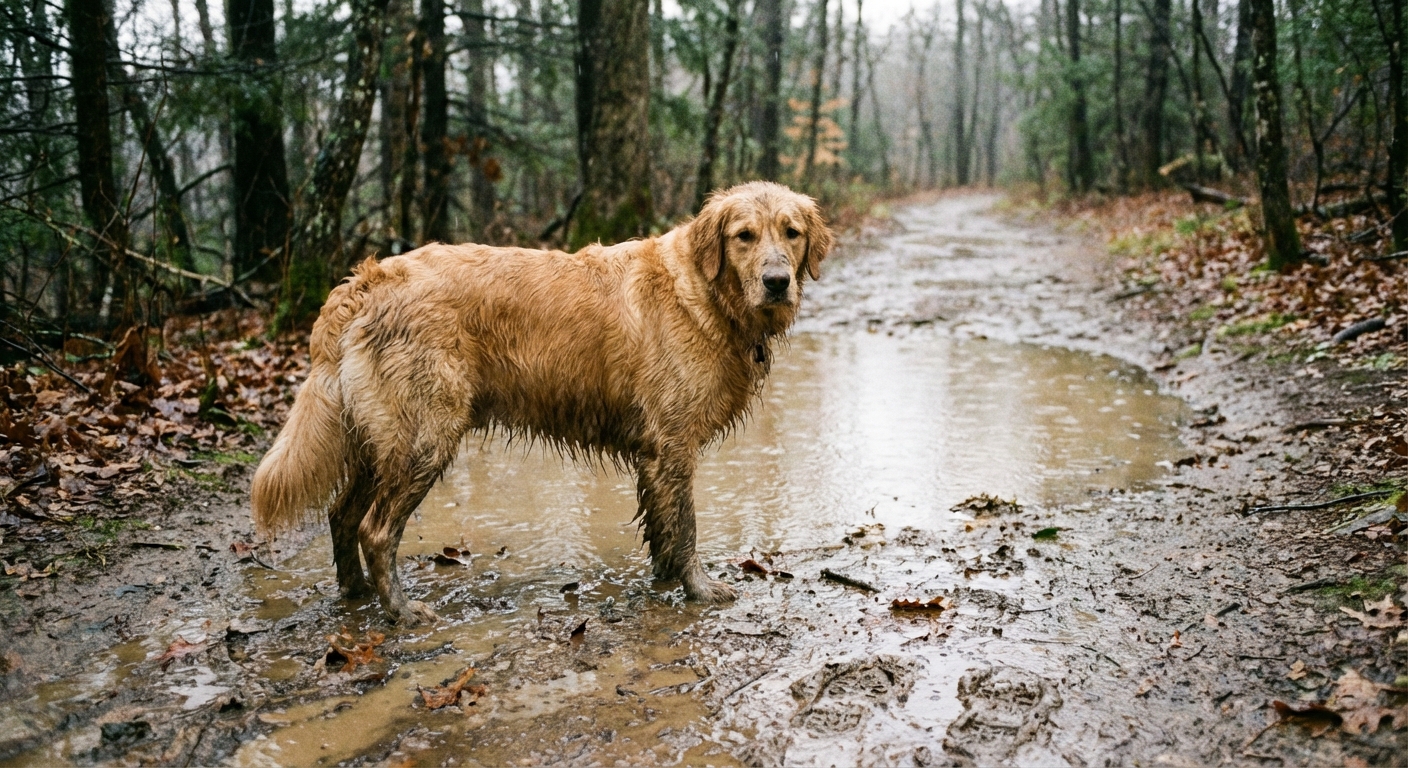
Years ago, leptospirosis was often framed as a “rural dog” disease. Today, we see it in suburbs and cities too. Rats, raccoons, skunks, opossums, stray animals, and even livestock can all contribute to environmental contamination. Infected dogs can also shed bacteria in urine. Even a backyard can become a risk zone if wildlife visits regularly.
Higher-risk lifestyles
- Dogs who swim or play in natural water like lakes, ponds, creeks, drainage areas, or standing puddles.
- Outdoor adventurers including hiking, camping, hunting, farm and ranch dogs.
- Dogs who visit dog parks where shared water sources and heavy foot traffic may increase exposure opportunities.
- Dogs who live where wildlife or rodents are common, including many suburban neighborhoods.
- Dogs in warm, rainy climates or areas with seasonal flooding where the bacteria can persist in wet environments.
Lower-risk (not zero risk)
A truly indoor dog with controlled potty breaks on dry, well-maintained property may have lower exposure risk. But if you ever deal with rodents, standing water after storms, or wildlife in the yard, your dog’s risk may be higher than it looks on paper.
Vaccination schedule
Your veterinarian will tailor recommendations to your dog’s age, health history, and local disease patterns. In our clinic, we talk through lifestyle and local risk first, then match the vaccine plan to the dog. That said, the leptospirosis vaccine commonly follows this approach (per product label and your vet’s guidance):
Puppies
- Initial series: Two doses, often started around 8 to 12 weeks of age depending on the product and local risk, spaced 2 to 4 weeks apart.
- Booster: Then boosted on a schedule recommended by your veterinarian, commonly annually for dogs who remain at risk.
Adult dogs who have never had lepto vaccine
- Starter series: Two doses, 2 to 4 weeks apart.
- Then: A booster interval based on product labeling and your dog’s risk, often annually.
Important: Protection is not immediate. The first shot introduces the immune system, and the second shot significantly strengthens the response. If your dog is due to go on a lake trip next week, talk with your veterinarian now, not after you get back.
Signs of leptospirosis
Lepto can look like a lot of other illnesses at first. If your dog has possible exposure (like drinking from puddles, lake water, or muddy runoff) and then seems sick, do not wait it out.
Common signs
- Lethargy or weakness
- Fever
- Vomiting or diarrhea
- Loss of appetite
- Increased thirst and urination (or sometimes decreased urination)
- Yellowing of the gums, eyes, or skin (jaundice)
- Abdominal pain
Diagnosis often involves lab work and urine testing. Treatment typically includes antibiotics plus supportive care, and in more serious cases that means hospitalization and IV fluids. Early care can make a big difference.
Side effects and what to watch for
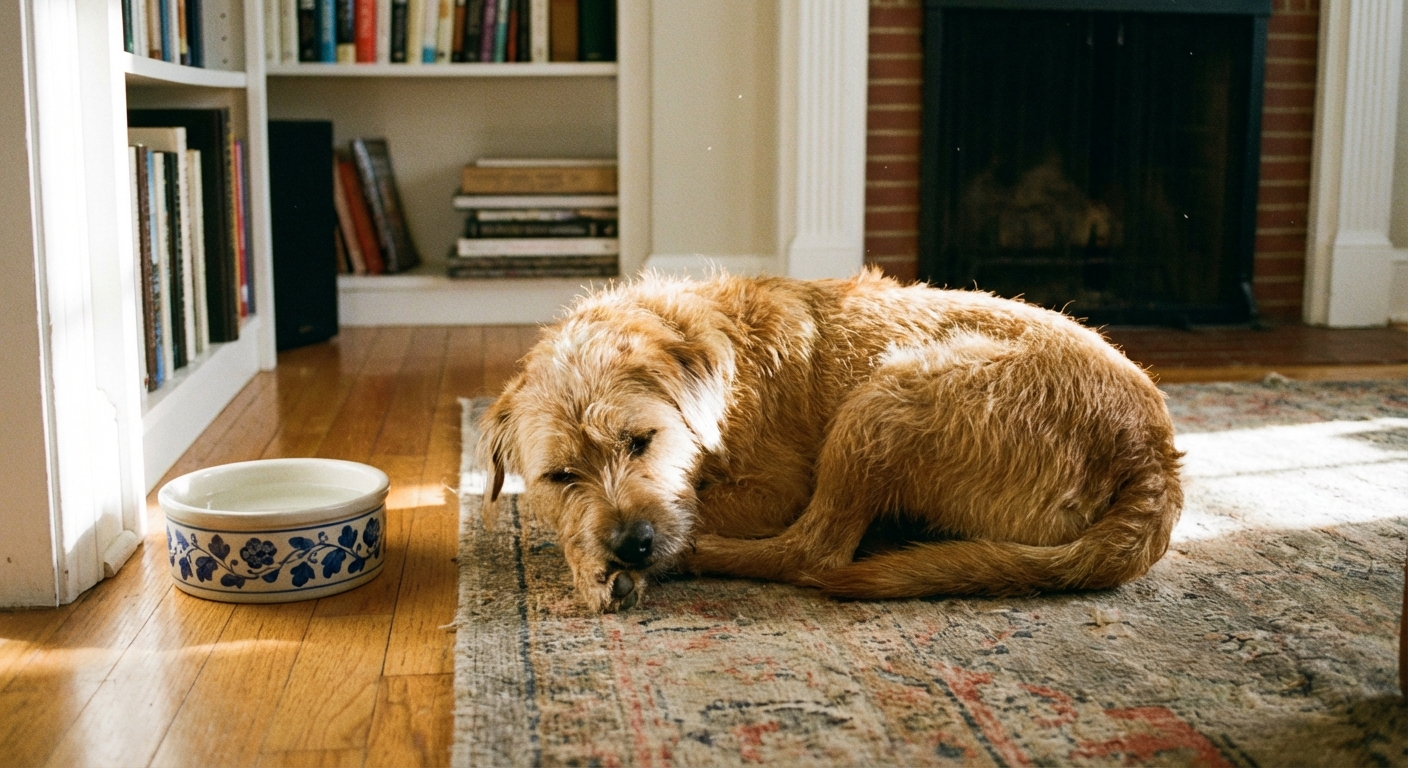
Most dogs do very well with the leptospirosis vaccine. Mild side effects are possible with any vaccination, and they are usually short-lived.
More common, mild reactions
- Soreness at the injection site
- Sleepiness for 24 hours
- Decreased appetite for a day
- Low-grade fever
Less common, more concerning reactions
- Facial swelling
- Hives or intense itchiness
- Vomiting or diarrhea soon after vaccination
- Weakness or collapse
- Difficulty breathing
If you notice facial swelling, repeated vomiting, trouble breathing, or your dog seems “not right,” contact your veterinarian or an emergency clinic right away.
If your dog has had vaccine reactions in the past, tell your vet before vaccinating. Your clinic may adjust the plan, such as spacing vaccines apart, scheduling when staffing is robust for monitoring, or using other precautions when appropriate.
Risk vs benefit
When families ask, “Is it worth it?”, I try to bring it back to two questions: How likely is exposure? and How serious would the disease be if it happened?
Why many vets lean yes
- Exposure can be unpredictable. A single puddle after a storm can be enough in some cases.
- Illness can be severe and expensive. Treatment costs can climb quickly with hospitalization and diagnostics.
- It supports public health. Lowering the chance your dog becomes infected also lowers the chance of household exposure.
When it is more nuanced
- Very low exposure lifestyle and minimal wildlife or rodent activity.
- History of significant vaccine reactions, where your vet may weigh alternatives and extra safety measures.
- Underlying health conditions where timing or vaccine spacing matters.
If your dog swims, hikes, explores parks, or lives anywhere rodents and wildlife exist, the lepto vaccine is often a practical layer of protection.
One more helpful detail: lepto is considered a non-core vaccine in some guidelines, meaning it is given based on risk rather than automatically to every dog. That said, because lepto risk has expanded in many regions, plenty of veterinarians recommend it for a large number of pets.
Smart prevention tips
Vaccination is powerful, but it is not the only tool. These habits can reduce risk even more:
- Avoid stagnant water like puddles, drainage ditches, and ponds after heavy rain.
- Control rodents around your home and store pet food securely.
- Leash in high-risk areas so your dog is less likely to drink from unknown water sources.
- Practice good hygiene if you suspect exposure. Wash hands after handling muddy paws, and talk with your vet if your dog becomes sick after a water outing.
Also, even vaccinated dogs can still become infected in some situations. The vaccine greatly lowers the odds of severe illness, but good hygiene and quick veterinary care still matter if exposure is suspected.
Questions to ask your vet
Here are a few helpful, non-intimidating questions that make the appointment more productive:
- Is leptospirosis common in our county or region right now?
- Which lepto vaccine product do you use, and what strains does it cover?
- What schedule makes sense for my dog’s age and lifestyle?
- Should we space this vaccine apart from other vaccines for my dog?
- What side effects should I watch for, and when should I call you?
The bottom line: For many dogs, especially outdoor explorers and swimmers, the leptospirosis vaccine is absolutely worth discussing seriously. It is a straightforward step that can help prevent a complicated, scary disease. If you are unsure, bring your dog’s routine into the conversation with your veterinarian. That context is what turns a generic recommendation into the right plan for your dog.