Confused about “yearly shots”? Learn core vs non-core vaccines, typical rabies and DHPP schedules, and when bordetella, lepto, canine flu, and Lyme are r...
Article
•
Designer Mixes
Leptospirosis in Dogs

Shari Shidate
Designer Mixes contributor
Leptospirosis (often called “lepto”) is one of those diseases that can feel confusing and a little scary, because it can make dogs seriously ill and it can also affect people. The good news is that lepto is preventable in many cases, and when it is caught early, treatment can be very effective.
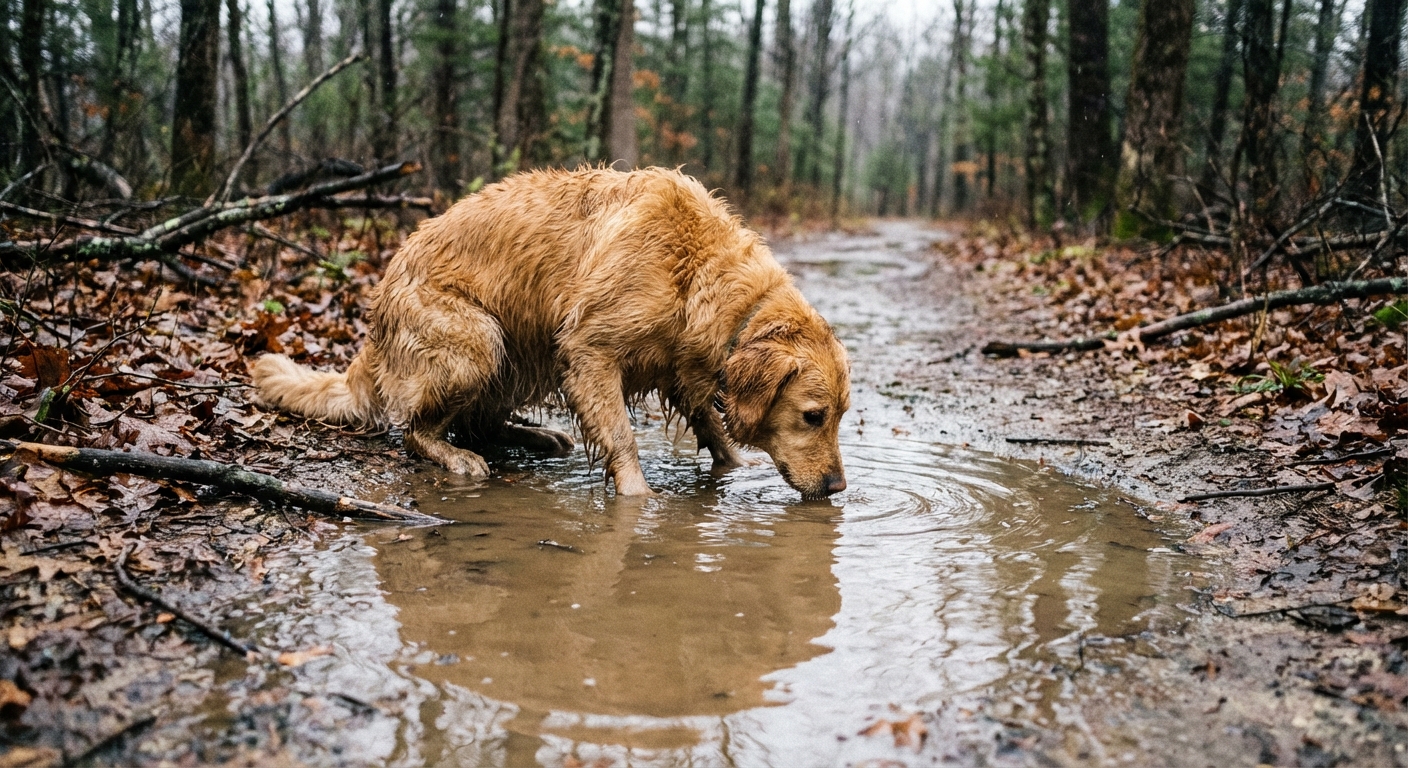
As a veterinary assistant, I like to keep it simple: lepto is a bacterial infection that dogs usually pick up from contaminated water or soil. If your dog loves puddles, creeks, dog parks, hiking trails, or has frequent wildlife visitors in your neighborhood, this is worth learning about.
What it is and how dogs catch it
Leptospirosis is caused by Leptospira bacteria. These bacteria are shed in the urine of infected animals, commonly wildlife like raccoons, skunks, opossums, and rodents, but also farm animals and other dogs.
Dogs typically get infected when bacteria enter the body through:
- Mouth or nose while drinking or sniffing contaminated water
- Skin, especially through small cuts or irritated areas on the paws or belly
- Mucous membranes (eyes, gums)
Lepto bacteria can survive for weeks (and sometimes longer) in warm, wet environments. How long they last depends on things like moisture, temperature, sunlight, and soil conditions. That is why cases often rise after heavy rain or flooding.

Why lepto matters
Lepto can range from mild to life-threatening. In dogs, it most commonly affects the kidneys and liver. Some dogs recover fully, but others can be left with long-term kidney or liver issues.
Lepto is also considered a zoonotic disease, meaning it can spread from animals to humans. People are usually exposed through contact with infected urine or contaminated water or soil, especially if there are cuts on the skin. This is one reason veterinarians take suspected lepto cases very seriously.
If your dog is diagnosed with lepto, your veterinary team will typically review household safety steps to reduce the risk to people and other pets.
Symptoms in dogs
Lepto symptoms can look like many other illnesses at first. Because lepto can affect multiple organs, signs can vary from dog to dog. Many dogs show signs within a few days to about two weeks after exposure.
Call your veterinarian promptly if you notice symptoms, especially after possible exposure to puddles, lakes, creeks, or wildlife-heavy areas.
Common signs
- Fever, shivering, or suddenly seeming painful or sore
- Lethargy, weakness, or seeming down
- Loss of appetite
- Vomiting and/or diarrhea
- Increased thirst and increased urination (kidney involvement)
- Dehydration
More serious red flags
- Yellowing of the gums or eyes (jaundice, often related to liver involvement)
- Very dark urine or decreased urination
- Bleeding (nosebleeds, bruising, bloody vomit or stool)
- Breathing difficulty or coughing (in severe cases, lepto can affect the lungs)
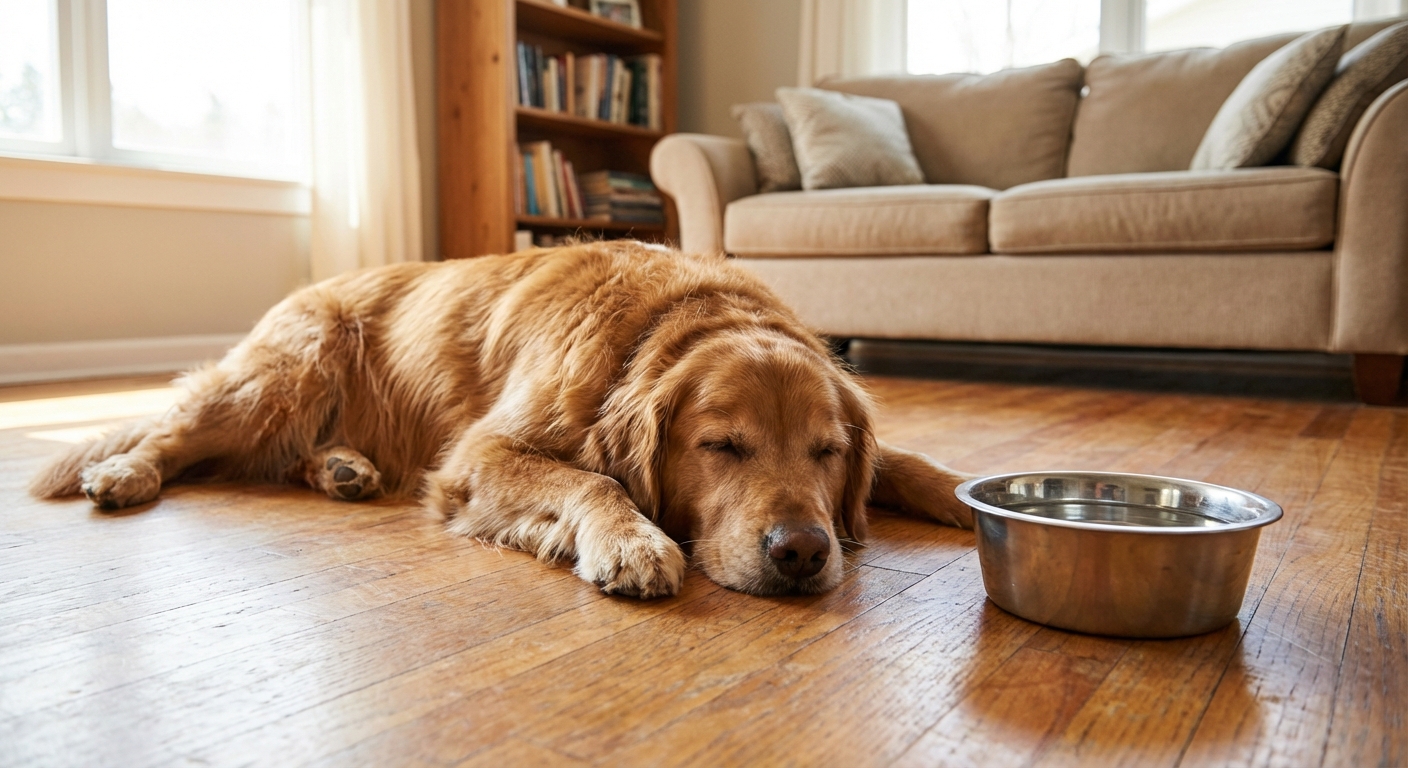
Important note: some infected dogs can shed bacteria in urine even if they seem only mildly sick. That is another reason early diagnosis and treatment matter.
Diagnosis and treatment
If your vet suspects leptospirosis, they will usually recommend a combination of bloodwork and urine testing. Testing may include:
- Blood chemistry panel to check kidney and liver numbers
- Complete blood count (CBC) for infection and inflammation clues
- Urinalysis to assess kidney function and hydration status
- Lepto-specific tests, often a PCR (detects bacterial DNA) and/or an antibody test like MAT (your vet will choose based on timing and vaccination history)
Treatment commonly includes:
- Antibiotics (often started quickly if suspicion is high)
- Fluids to support the kidneys and correct dehydration
- Anti-nausea and supportive medications
- Hospitalization in moderate to severe cases
Some dogs need intensive care, especially if kidney injury is significant. With prompt treatment, many dogs do well, but recovery time can vary from days to weeks.
Lepto vaccine facts
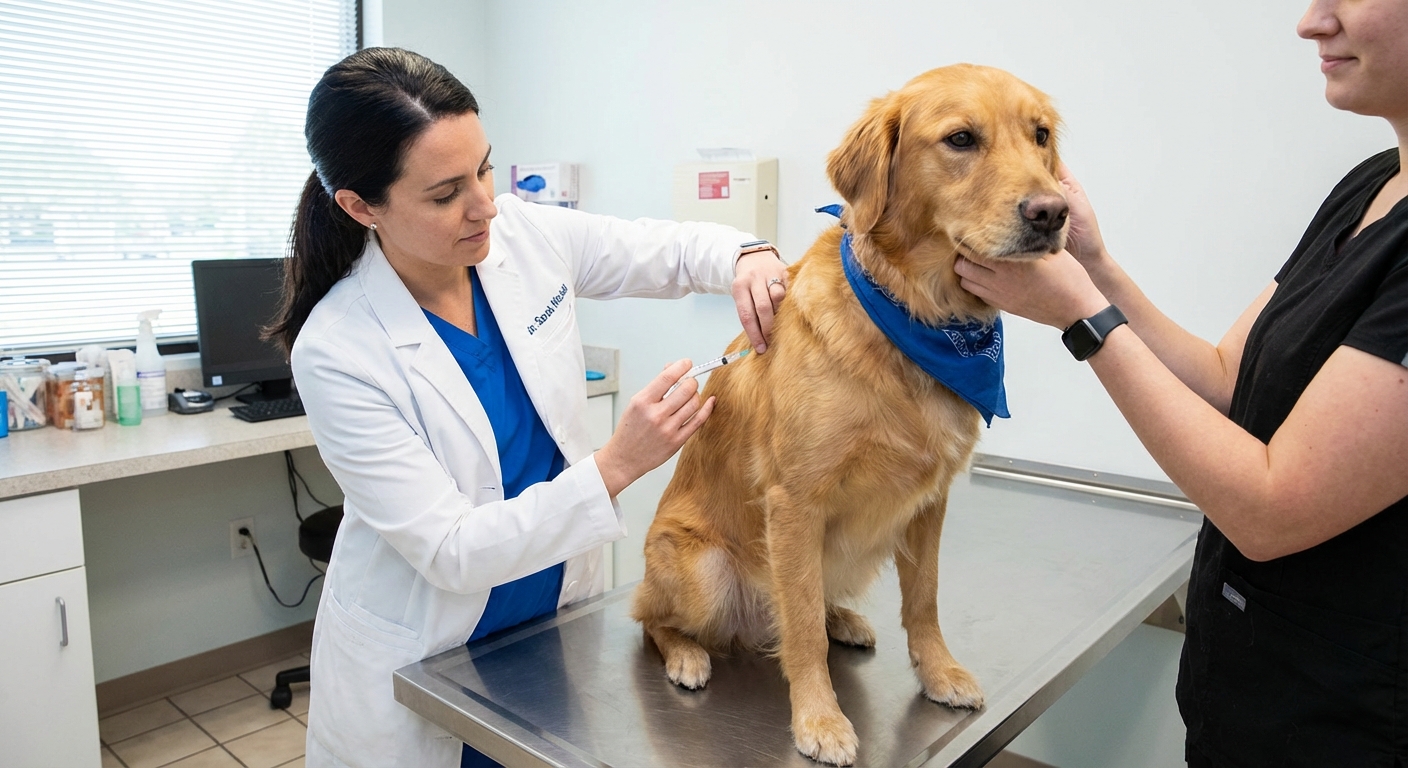
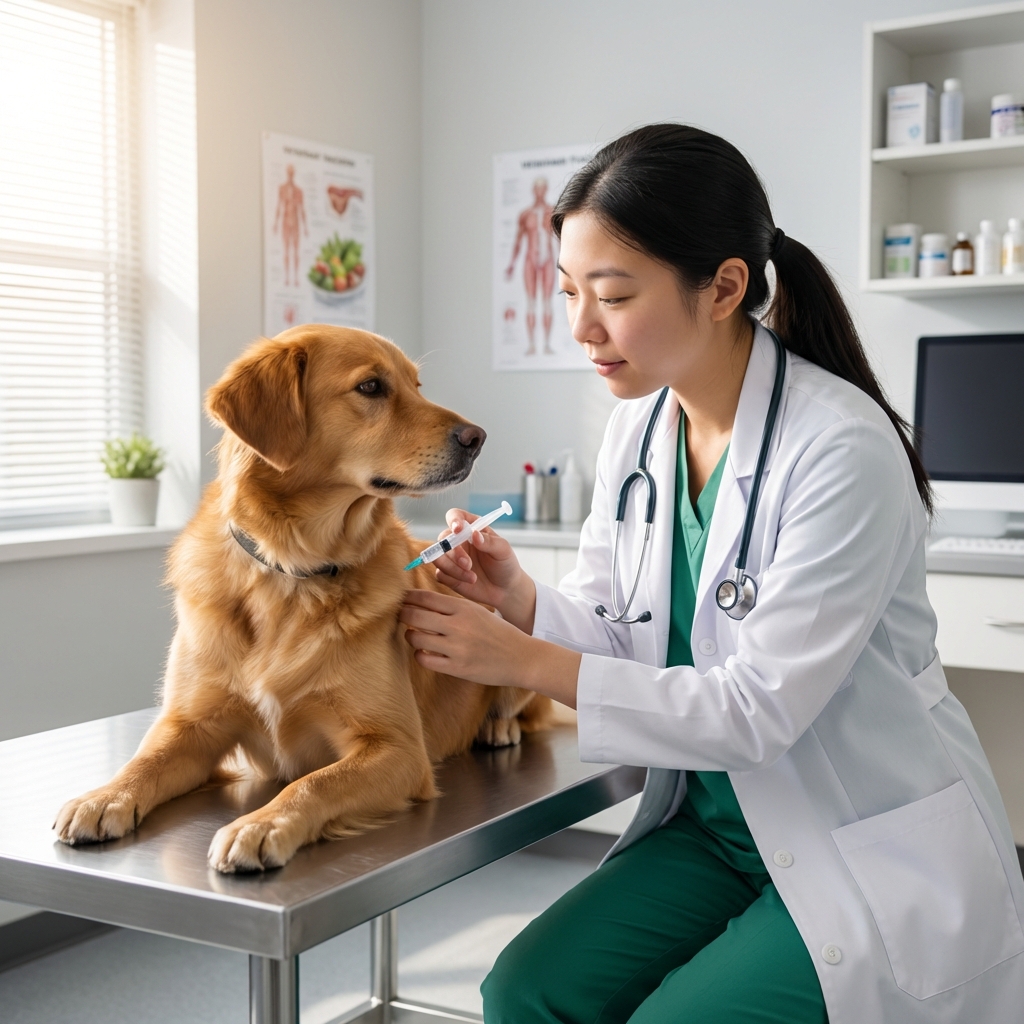
The lepto vaccine is a tool to reduce the risk of infection and, importantly, reduce severe disease. It does not make exposure impossible, but it can make a huge difference in outcomes.
1) “Is lepto only a rural problem?”
No. Lepto shows up in suburbs and cities too, because rodents and wildlife are everywhere, and standing water happens in every zip code. In places like North Texas, where we can get warm weather plus rainy stretches, the environment can be a good setup for lepto bacteria.
2) “Does the vaccine cover all types?”
Lepto has multiple strains (serovars). In the U.S., many current canine vaccines cover four common serovars, but products and strain coverage can vary by region and clinic. Your veterinarian will recommend what fits your local risk.
3) “Can my dog still get lepto if vaccinated?”
It is possible, but vaccination generally reduces the risk of severe illness. Think of it like a raincoat in a storm: it does not control the weather, but it can help protect your dog when exposure happens.
One more nuance that owners should know: vaccination can reduce shedding, but it does not guarantee a dog will never carry or shed lepto bacteria if infected. That is why vets still take precautions when lepto is suspected, even in vaccinated dogs.
4) “How often is it given?”
Many dogs start with a two-dose initial series (spaced a few weeks apart), followed by boosters as recommended by your veterinarian. In higher-risk areas, boosters are often annual, but your vet will tailor this to your dog’s age, lifestyle, and local risk.
5) “Is it safe?”
For most dogs, yes. Like any vaccine, mild side effects can happen, such as sleepiness or soreness for a day. More significant reactions are uncommon but possible. If your dog has had a vaccine reaction before, tell your vet so they can plan the safest approach.
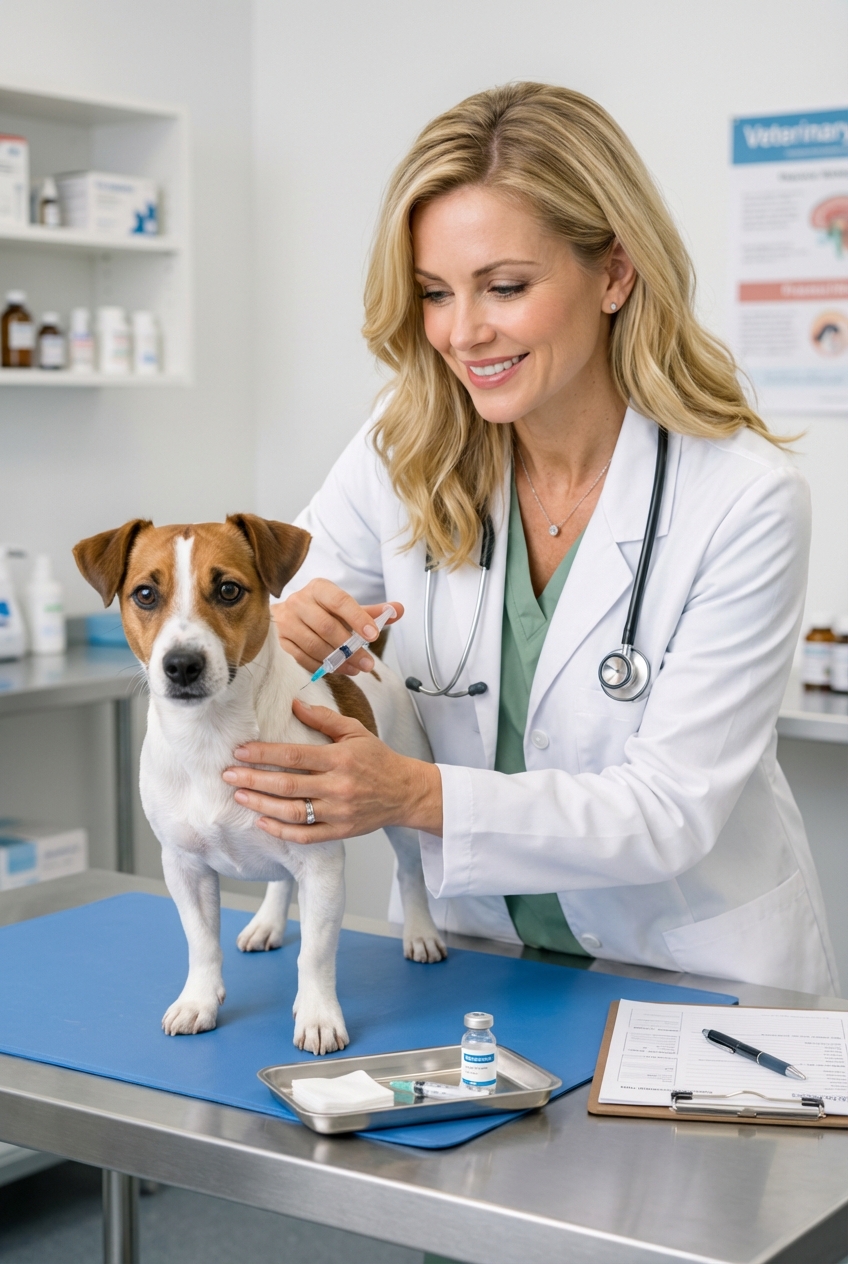
My practical advice: Ask your veterinarian, “Based on my dog’s lifestyle and our area, do you consider lepto vaccination essential, recommended, or optional?” That one question opens up a clear, personalized conversation.
Prevention at home
Vaccination is a major layer of protection, but daily habits matter too, especially for dogs who love exploring.
- Avoid standing water when possible, especially after heavy rain or flooding.
- Bring fresh drinking water on walks and hikes so your dog is less tempted by puddles.
- Discourage “puddle snacks”: licking wet soil, mud, or runoff areas.
- Control rodents around your home and keep pet food stored securely.
If your dog is diagnosed with lepto, follow your veterinary team’s guidance closely. Common safety steps include:
- Wear gloves when cleaning urine or accidents, and wash hands thoroughly afterward.
- Keep kids and other pets away from urine spots and accidents.
- Disinfect properly (your clinic may recommend a dilute bleach solution or another disinfectant, used as directed).
- Leash-walk during treatment so you can control where your dog urinates and make cleanup easier.
- Wash soiled bedding promptly, separately if possible.
When to call the vet
If your dog has any combination of vomiting, lethargy, fever, increased thirst and urination, or yellow gums, do not wait it out. Lepto and other kidney or liver issues can progress quickly .
If you suspect lepto exposure, tell your clinic specifically about:
- Recent puddle, lake, creek, or flood-water contact
- Wildlife sightings in your yard
- Any travel, boarding, daycare, or dog park visits
Those details help your veterinarian move faster toward the right testing and treatment plan.
Bottom line
Leptospirosis is a serious bacterial disease, but it is also one where prevention and early care truly change outcomes. If your dog spends time outdoors, interacts with wildlife-rich environments, or loves exploring wet areas, talk to your veterinarian about whether the lepto vaccine makes sense for your family.
Small steps add up: clean water on walks, smart choices after rain, and a vaccination plan that matches your dog’s lifestyle.