Understand heavy breathing in dogs: panting vs fast or labored breathing, how to check resting breathing rate and gums, common causes, and the emergency red ...
Article
•
Designer Mixes
Laryngeal Paralysis in Dogs

Shari Shidate
Designer Mixes contributor
When a dog sounds like they are “breathing through a straw,” it can be scary fast. One possible cause is laryngeal paralysis, a condition where the cartilage and muscles of the larynx (voice box) do not open properly during inhalation. Instead of widening to let air in, the opening stays narrow, making breathing louder and harder.
One important note from the clinic: that “straw breathing” sound is a symptom, not a diagnosis. Other airway problems can sound similar, including brachycephalic airway syndrome, a collapsed trachea, a foreign body, infection, or a mass. If this is new, worsening, or happening with distress, get your dog seen promptly.
As a veterinary assistant, I can tell you this: laryngeal paralysis is often manageable, and many dogs do very well with the right plan. The key is recognizing the signs early and knowing when it is an emergency.
What it is
The larynx sits at the top of the trachea and acts like a gatekeeper for air and food. With normal breathing, the laryngeal cartilages open wide on inhalation. With laryngeal paralysis, those structures do not move correctly, so the airway does not open enough.
This creates turbulent airflow, which causes the classic noisy breathing (often called stridor). It can also increase your dog’s work of breathing, especially during heat, excitement, or exercise.
Signs you might notice
Many dogs start with subtle changes that gradually worsen over months. These are the most common symptoms owners report:
- Noisy breathing, especially on inhaling (a harsh, raspy sound)
- Exercise intolerance or getting tired faster on walks
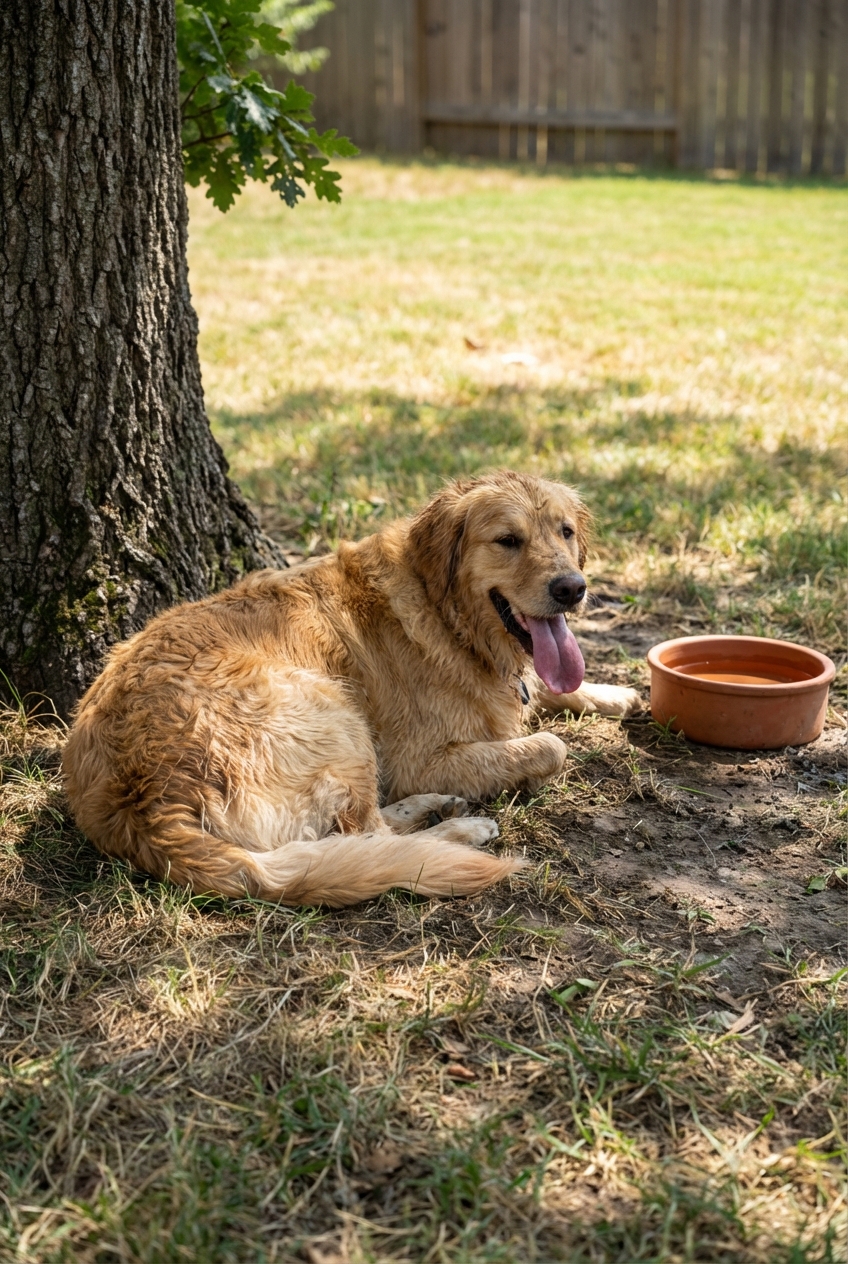
- Heat intolerance and panting that seems out of proportion
- Voice changes like a hoarse bark, quieter bark, or “different sounding” vocalizations
- Gagging or coughing after eating or drinking
- Regurgitation in some dogs (especially if there is concurrent esophageal disease), which can raise aspiration risk
- Anxiety or restlessness related to struggling to breathe
That coughing after drinking can be a big clue. When the larynx does not close and open normally, it can increase the risk of aspiration (food or water going down the wrong way), which can lead to aspiration pneumonia.

Common triggers
Even mild cases can flare when the airway is stressed. Triggers we commonly see include:
- Heat and humidity
- Excitement or stress (guests, car rides, fireworks)
- Exercise, especially bursts like running or playing fetch
- Obesity
- Tight collars or pressure on the neck
Who is most at risk
Laryngeal paralysis can happen for different reasons, but the most common pattern we see clinically is acquired, age-related laryngeal paralysis in larger breeds. It is also increasingly understood as part of a broader neuromuscular issue in many dogs, sometimes referred to as geriatric onset laryngeal paralysis polyneuropathy (GOLPP).
Higher-risk breeds
- Labrador Retrievers
- Golden Retrievers
- German Shepherd Dogs
- Saint Bernards
- Newfoundlands
- Irish Setters
- Other senior, large-breed dogs
It can also occur in younger dogs due to congenital issues (less common), trauma, or other neurologic conditions. In some cases, your veterinarian may recommend thyroid testing as part of the workup. Hypothyroidism has been discussed as a possible contributing factor in some dogs, but it is best thought of as something to consider and rule out rather than a proven common cause.
Laryngeal paralysis vs. collapsed trachea
These two conditions can look similar because both can cause noisy breathing and coughing, but they affect different parts of the airway and often sound different.
Typical laryngeal paralysis pattern
- Noisy inhalation (stridor), often worse with heat or excitement
- Voice change is common
- More common in older, large-breed dogs
- Risk of overheating and respiratory distress during stress
Typical collapsed trachea pattern
- Goose-honk cough is classic
- Often triggered by pulling on a collar, excitement, or pressure on the neck
- More common in small breeds (like Yorkies, Pomeranians, Chihuahuas)
- Noisy breathing can occur, but the cough is often the headline symptom
There are exceptions. Some dogs can have more than one airway issue at the same time. That is why a proper veterinary workup matters.

Other causes of noisy breathing
If your dog’s symptoms started suddenly, or if they are rapidly worsening, your vet will also think about other problems that can sound similar, such as:
- Brachycephalic airway syndrome (short-nosed breeds)
- Foreign body (stick, toy piece, plant material)
- Laryngeal mass or throat swelling
- Infection or inflammation affecting the upper airway
- Pain or anxiety driving severe panting
Any dog that is struggling to move air comfortably deserves urgent evaluation.
Emergency signs
If you take away one thing, let it be this: laryngeal paralysis can become an emergency, especially during hot weather or high excitement. Dogs can spiral into respiratory distress quickly.
Go to an emergency vet now if you see:
- Labored breathing with the belly and chest working hard
- Blue, gray, or pale gums
- Collapse or weakness
- Extreme distress, frantic pacing, or inability to settle
- Choking-like episodes that do not resolve quickly
- Overheating with heavy panting that is not improving in a cool environment
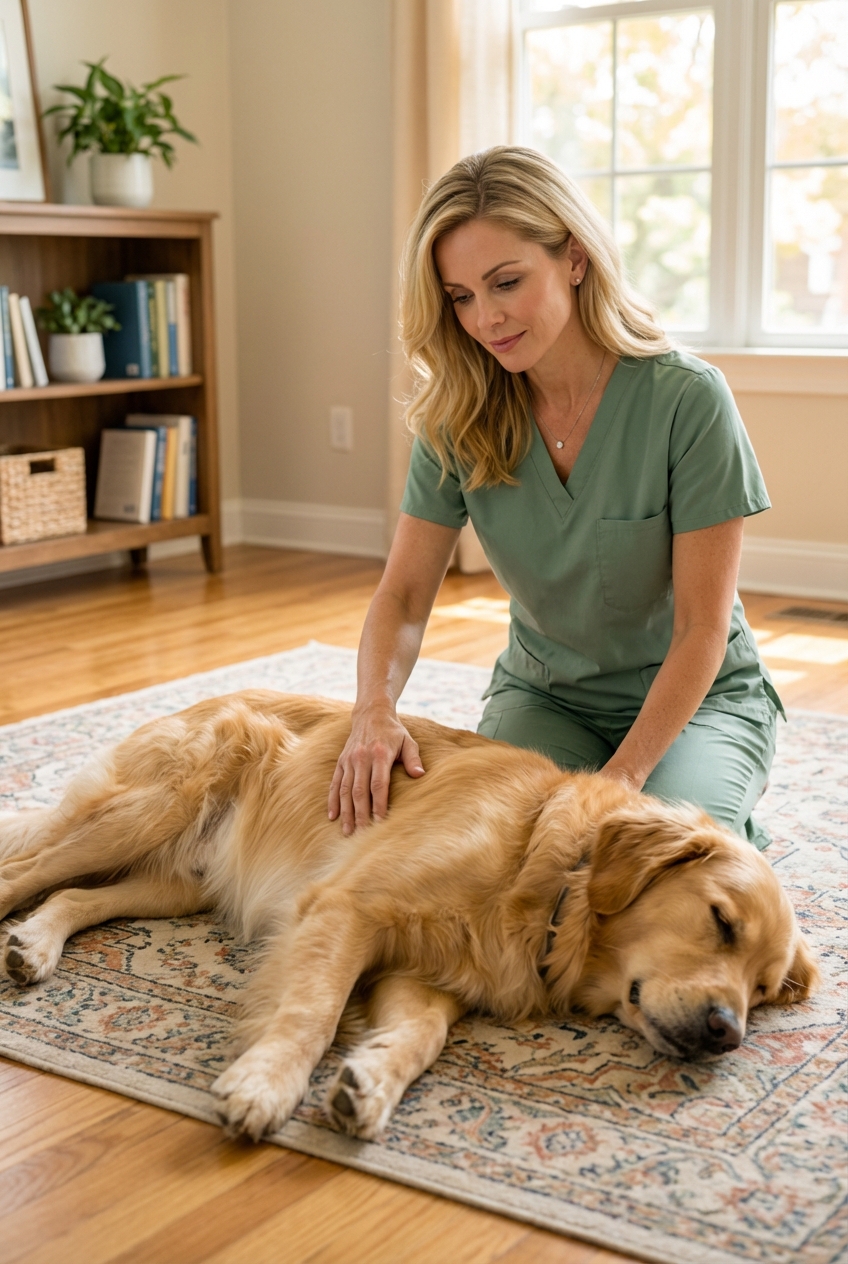
At-home first aid while you travel: Keep your dog calm, move to air conditioning or shade, and help them cool down with a fan or cool room air. Avoid forcing water. Use a harness, not a neck collar. Call ahead so the team can be ready.
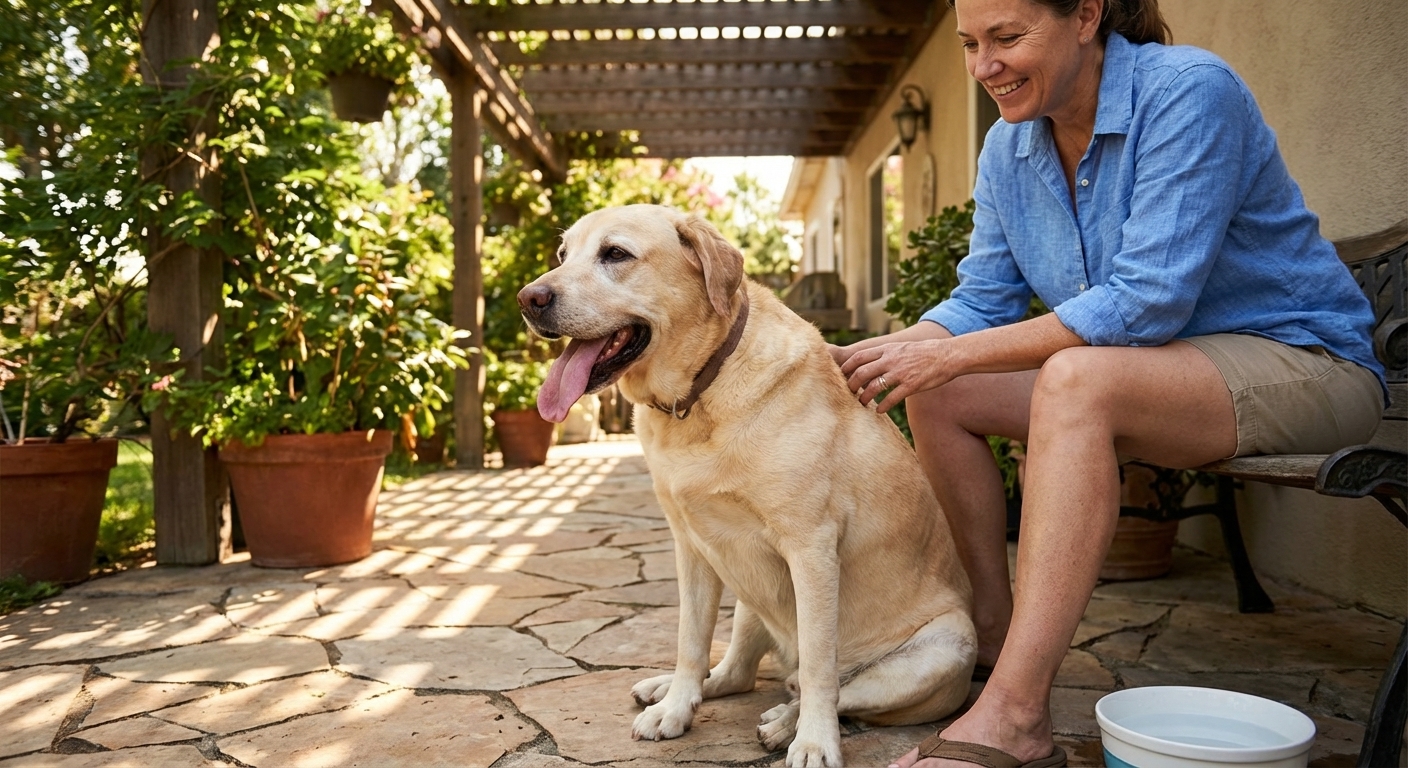
Tip from the clinic: If your dog has known or suspected laryngeal paralysis, avoid stressful situations in heat. “Just one more block” on a hot day is a common way dogs get into trouble.
How vets diagnose it
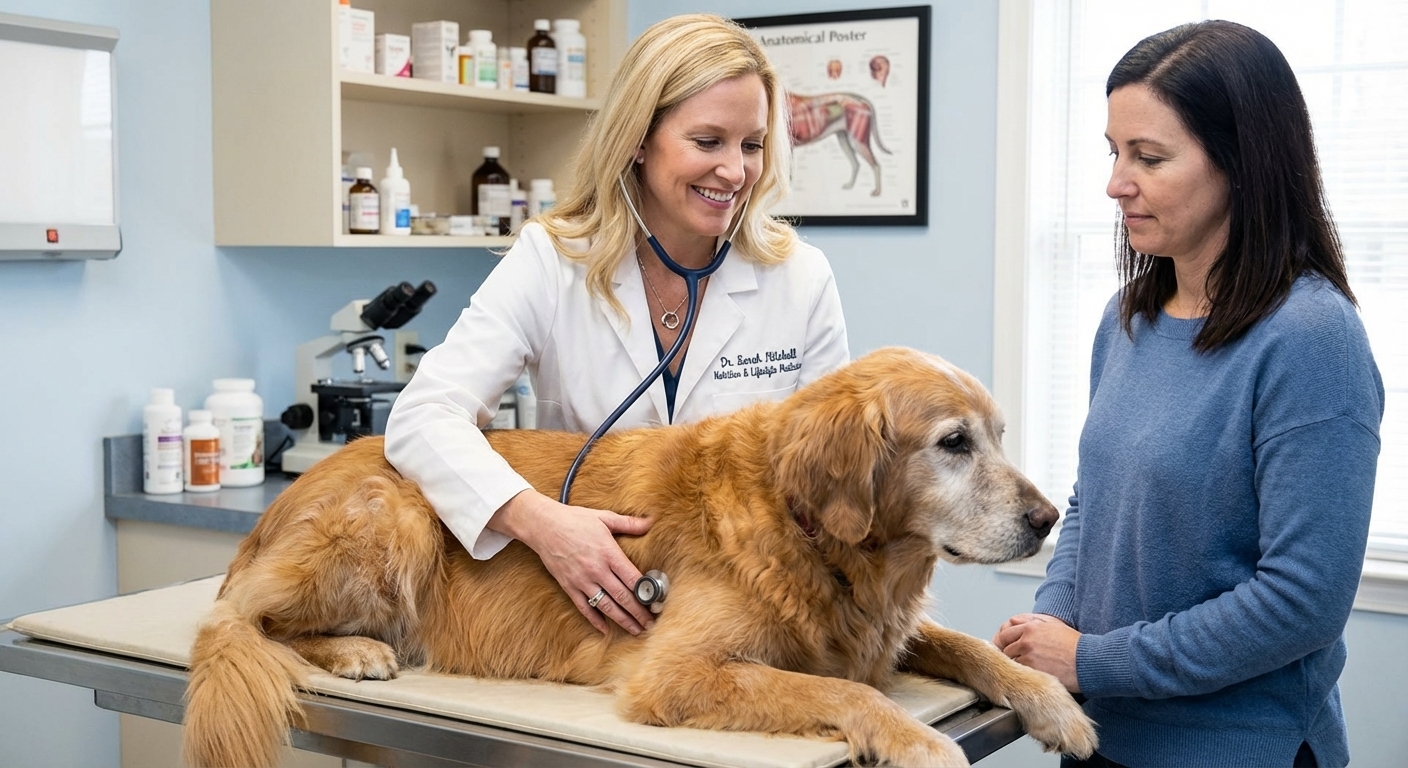
Your veterinarian will start with history and a physical exam, then recommend tests based on severity. Diagnosis often includes:
- Listening to the airway and assessing breathing pattern
- Chest X-rays to check lungs and look for aspiration pneumonia
- Neck X-rays in some cases to evaluate other causes
- Laryngeal exam under light anesthesia to confirm that the larynx is not opening properly
- Bloodwork as needed, sometimes including thyroid testing depending on the case
The laryngeal exam is important because it directly evaluates how the larynx moves. The goal is a light plane of anesthesia with drugs chosen to preserve laryngeal motion. Too-deep anesthesia can reduce normal movement and can make the larynx look more “paralyzed” than it truly is, which is one reason this test is best done by an experienced veterinary team.
Your veterinarian will also consider other causes of breathing noise, including mass lesions, infection, or brachycephalic airway disease.
Treatment options
Treatment depends on how severe the symptoms are and how well your dog is coping day to day.
Conservative management
For mild cases or dogs that are not good surgical candidates, management can help reduce flare-ups:
- Weight management to reduce breathing workload
- Harness instead of collar to avoid pressure on the neck
- Heat and exercise changes, shorter walks, avoid midday heat
- Stress reduction, avoid high excitement situations
- Medication when appropriate (your vet may prescribe anti-anxiety meds for stressful events, or treat concurrent issues)
- Treat aspiration pneumonia promptly if it occurs
Management is not “doing nothing.” It is a structured plan to prevent episodes and protect the airway.
Surgery (tie-back)
The most common surgical approach is often called a laryngeal tie-back (unilateral arytenoid lateralization). The goal is to permanently hold one side of the larynx more open so air can pass more freely.
Many dogs experience a big improvement in breathing comfort and exercise tolerance after recovery. That said, surgery is not a perfect fix and it comes with real risks. The most discussed complication is an increased risk of aspiration after surgery, which can lead to aspiration pneumonia.
Your veterinarian or surgical specialist will help you weigh:
- How severe symptoms are
- How often your dog is having distress episodes
- Your dog’s overall health and anesthesia risk
- Risk factors for aspiration and your ability to manage feeding safely
Day-to-day care
If your dog has laryngeal paralysis (or your vet suspects it), these practical steps can make a meaningful difference:
- Keep walks cool and calm: early mornings, evenings, and shaded routes
- Use a well-fitted harness instead of a collar
- Slow down meals: smaller portions, avoid heavy panting right before and after eating
- Monitor drinking: some dogs do better with smaller, more frequent drinks
- Prevent overheating: fans, AC, cooling mats, and avoiding hot cars completely
- Watch for aspiration signs: coughing after meals, lethargy, fever, decreased appetite, fast breathing
If your dog has repeated coughing after eating or seems “off” after a choking-like episode, call your vet. Aspiration pneumonia is treatable, but time matters.
After tie-back surgery
If your dog has tie-back surgery, your surgeon will give you specific instructions. Common themes include:
- Feeding adjustments: smaller meals, slow feeding, and avoiding situations where your dog pants hard right before or after eating
- Water safety: avoid swimming and rough water play unless your surgeon clears it, since aspiration risk can be higher after surgery
- Activity restriction during early recovery, then a gradual return to normal routines
- Monitor for pneumonia: cough, lethargy, fever, reduced appetite, or faster breathing should be reported quickly
What to expect
Many dogs are diagnosed as seniors, and for some, laryngeal paralysis is part of GOLPP. That means you may also notice signs outside the throat over time, like hind-end weakness, wobbliness, or reduced stamina. This is not meant to alarm you. It is meant to help you plan.
“Manageable” often means a combination of smart lifestyle changes, close monitoring for aspiration pneumonia, and in more advanced cases, surgery. With the right plan, many dogs keep enjoying walks, family time, and comfortable breathing.
Questions to ask your vet
If you are heading into an appointment and want to feel prepared, here are a few helpful questions:
- Do my dog’s symptoms fit laryngeal paralysis, collapsed trachea, or something else?
- Do you recommend chest X-rays to check for aspiration pneumonia?
- Would a laryngeal exam under light anesthesia be safe and useful in my dog’s case?
- Is surgery recommended, and what is my dog’s aspiration risk?
- What home changes should I make right now to reduce emergencies?
- What are the warning signs that should send us to ER immediately?
The hopeful part
Laryngeal paralysis is a serious diagnosis, but it is not the end of a good life. With smart prevention, the right exercise plan, and timely veterinary care, many dogs continue to do very well. If you are noticing changes, trust your instincts and get your dog checked sooner rather than later.