Laminitis can escalate quickly. Learn vet-approved warning signs like hoof heat, bounding digital pulse, stance changes, and lameness—plus immediate steps ...
Article
•
Designer Mixes
Laminitis Symptoms in Horses

Shari Shidate
Designer Mixes contributor
Laminitis is one of those horse health emergencies where time matters. It is a painful condition that damages the laminae, the tiny structures that suspend the coffin bone inside the hoof. When those tissues become stressed, inflamed, or weakened, your horse can experience severe pain, and in serious cases the coffin bone can rotate or sink. That outcome is not inevitable, and early action can make a real difference.
If you remember one thing, let it be this: laminitis is not just “a little sore foot.” Early signs can be subtle, but quick action can protect your horse’s comfort and long-term soundness.
Common symptoms to watch for
Laminitis can present differently from horse to horse, and it can affect one foot or multiple feet. Many horses show signs in the front feet first because they bear more weight.
Early symptoms
- Warm hooves, especially at the toe or along the hoof wall compared with the other feet (at rest or without an obvious reason)
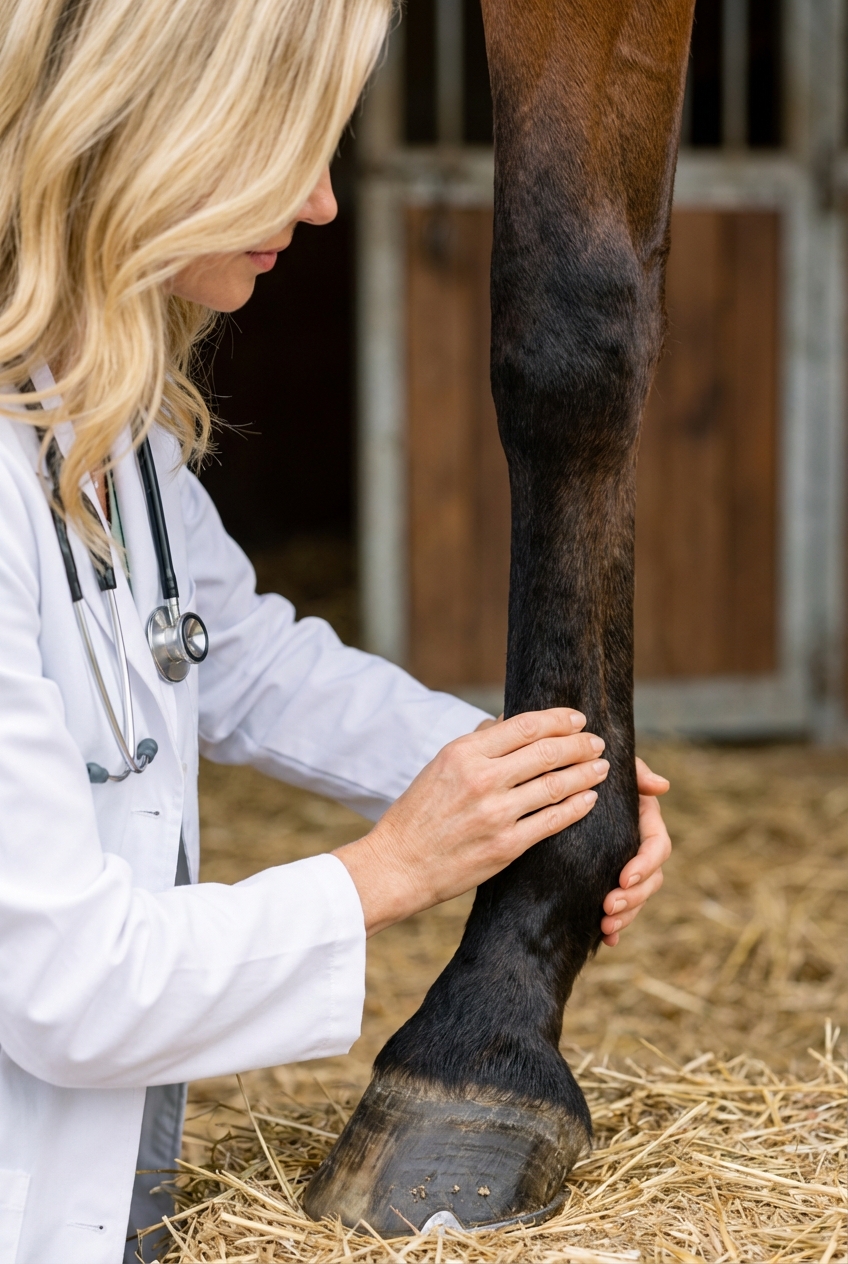
- Stronger digital pulse (a bounding pulse felt at the pastern or fetlock region) that is more noticeable than usual
- Reluctance to turn or pivot, particularly on hard ground
- Short, choppy stride or looking “tight” in front
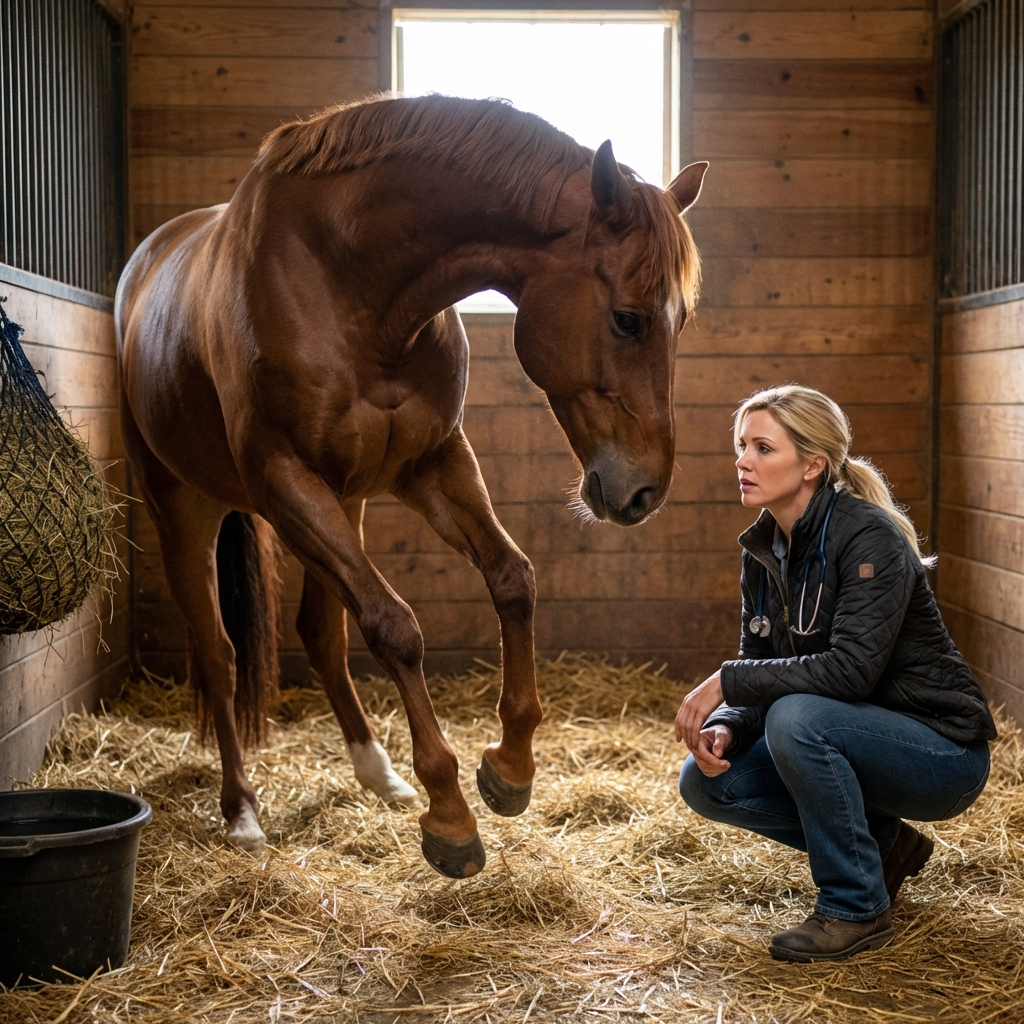
- Frequent weight shifting between feet, as if your horse cannot get comfortable
- Standing parked out with front feet stretched forward to reduce pressure on the toes
- Tenderness on firm surfaces that seems unusual for your horse
Moderate to severe symptoms
- Obvious lameness, sometimes refusing to walk
- Lying down more and reluctance to rise
- Increased heart rate due to pain and stress
- Hoof pain in multiple feet, including hind feet in some cases
- Visible distress such as sweating, trembling, or agitation
If your horse shows sudden, intense foot pain, laminitis should be on the short list, right along with hoof abscesses. Abscesses are often a single-foot problem with more localized pain, while laminitis can involve multiple feet and commonly comes with a stronger digital pulse and a posture that looks like the horse is trying to take weight off the toe area. That said, there is overlap, so it is safest to treat both as urgent until your veterinarian confirms the cause.
When it is an emergency
Call your veterinarian right away if you notice any of the following:
- Reluctance to walk, especially if it worsens quickly
- A pounding digital pulse in one or more feet
- Hot hooves plus lameness
- “Sawhorse” stance or repeated weight shifting
- Laminitis risk factors plus any foot soreness (recent grain overload, lush pasture change, retained placenta, illness, or known metabolic issues)
Early treatment can reduce damage inside the hoof capsule. Waiting “to see if it passes” can turn a manageable episode into a long rehab.
Who is most at risk
Any horse can develop laminitis, but some groups deserve extra caution:
- Ponies and easy keepers, especially those that gain weight easily
- Overweight horses or horses with a cresty neck
- Horses with EMS or PPID (Cushing’s disease) or suspected insulin dysregulation
- Horses with a prior laminitis episode
- Post-foaling mares, especially with retained placenta or uterine infection
- Horses with a severe injury in another limb who are overloading one leg (supporting limb laminitis)
Why laminitis happens
Laminitis is complex, and it can develop through more than one pathway. Most cases fall into a few common categories. Understanding the trigger helps prevent repeats.
Common triggers
- Endocrine or metabolic issues such as Equine Metabolic Syndrome (EMS) or PPID (Cushing’s disease)
- High sugar and starch intake from grain overload, rich treats, or sudden access to lush pasture
- Systemic illness or inflammation including colic, severe infection, or retained placenta
- Supporting limb laminitis when a horse overloads one limb for weeks due to an injury
- Mechanical stress from excessive concussion or work on hard ground, especially in poorly supported feet (less common, but possible)
Many modern cases are tied to insulin dysregulation. That means prevention often starts with weight management, careful pasture control, and a diet designed to keep sugars and starches in check.
How vets confirm it
Your veterinarian will usually combine the history, a lameness and hoof exam, and pain response to hoof testers with imaging and lab work when needed. Common next steps include:
- Radiographs (x-rays) to assess coffin bone position and guide trimming and support
- Bloodwork to look for underlying endocrine drivers such as insulin dysregulation and PPID (ACTH testing)
- Follow-up imaging over time in more serious cases to track progress
Immediate care while you wait for the vet
Always follow your veterinarian’s guidance, but these steps are widely used as first-aid support while help is on the way.
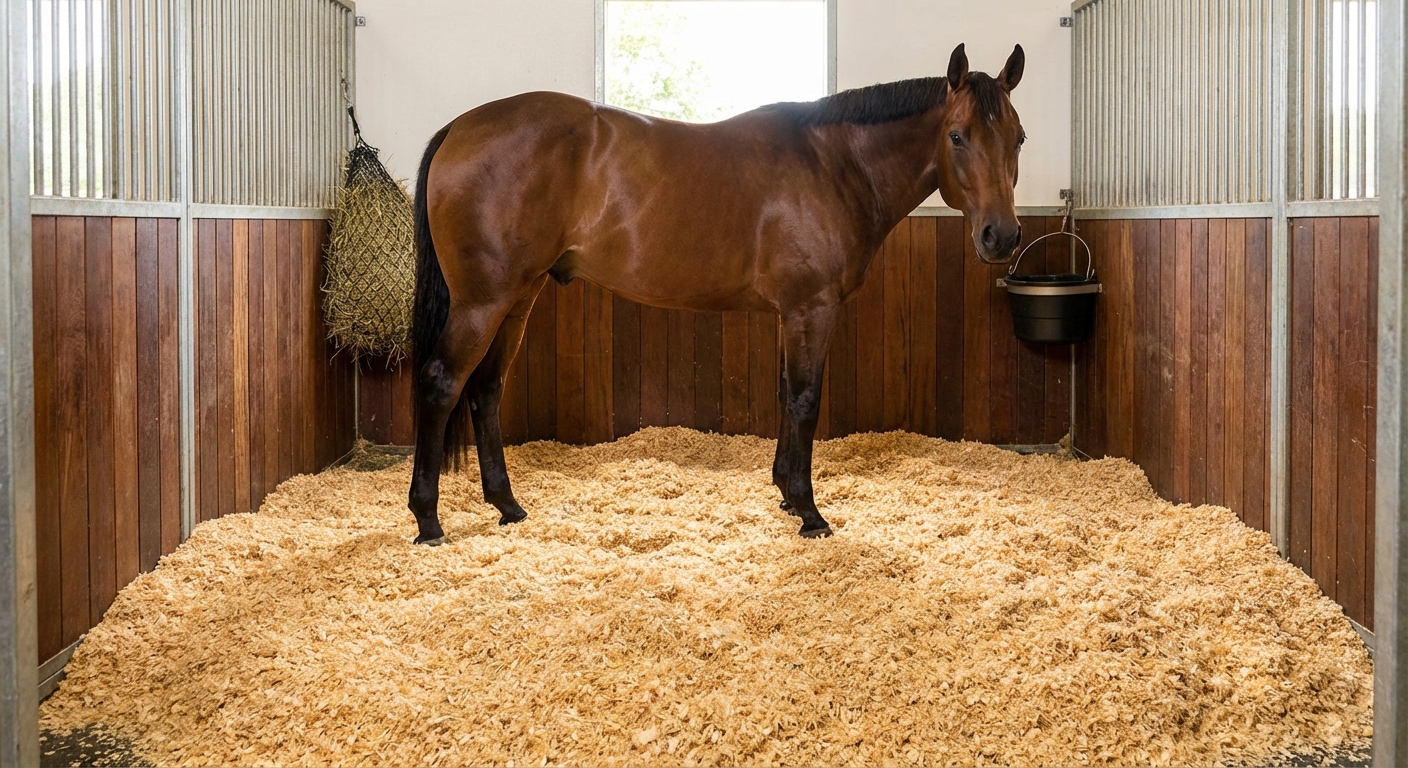
- Restrict movement: Keep your horse in a small stall or pen to limit walking and turning.
- Provide deep, soft bedding: Shavings or sand can help the horse “nest” the feet and reduce pressure.
- Remove grain and high-sugar feed: Offer hay, ideally tested low in non-structural carbohydrates if you have it available.
- Consider hoof icing if recommended and feasible: Research-backed cryotherapy is typically continuous or near-continuous icing started early, not a quick ice session.
- Do not force exercise: Walking a laminitic horse “to loosen them up” can worsen injury.
- Do not turn out to keep them moving: Turnout and controlled movement should be a veterinary decision.
Do not give human pain medication. Some human NSAIDs and other drugs can be dangerous or toxic to horses, and dosing errors are common. Equine-safe pain relief should only be used under veterinary direction.
What treatment may involve
Treatment plans vary based on the cause and severity, but veterinary care often includes a combination of:
- Pain control and anti-inflammatories as prescribed
- Mechanical support such as pads, boots, or therapeutic shoeing to reduce stress on the laminae
- Diet changes to lower sugar and starch intake
- Management of underlying conditions like PPID or insulin dysregulation under veterinary supervision
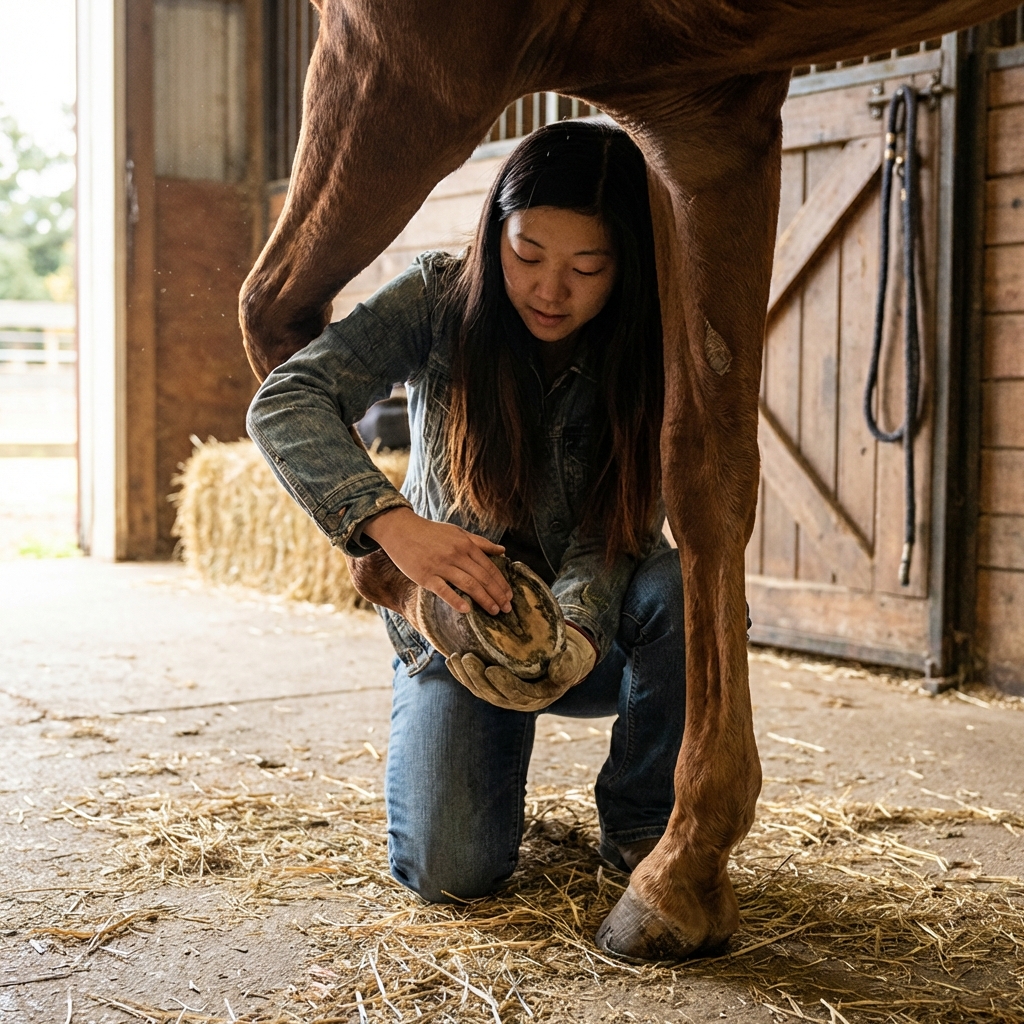
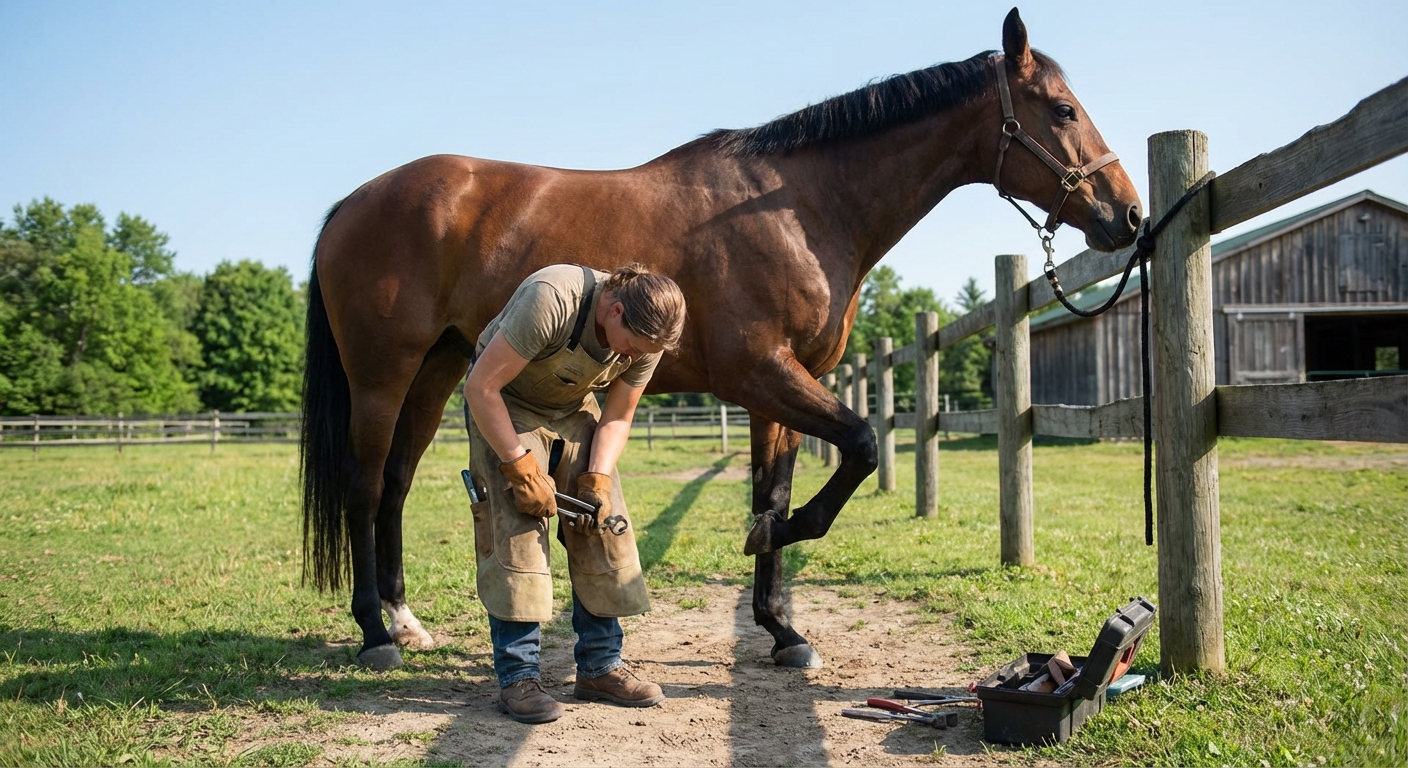
- Radiograph-guided farrier work to support the hoof and reduce leverage at the toe
Training and handling tips during recovery
Laminitis rehab is not just medical. It is also about calm handling, safe footing, and building confidence. Pain changes behavior, and some horses become anxious because they associate movement with discomfort.
Keep sessions short and predictable
- Use a quiet routine for feed, medication, and hoof checks.
- Practice brief haltering and leading in the stall or small pen if your veterinarian says it is safe.
- Reward calm standing. A low-sugar treat alternative can be a few pellets of a ration balancer approved by your vet, or simply scratches at a favorite spot.
Support hoof mechanics
Work closely with your farrier and veterinarian. Correct trimming intervals and appropriate support can be crucial. Many laminitis plans include:
- Frequent trims to reduce leverage at the toe
- Supportive pads, boots, or therapeutic shoeing when indicated
- Follow-up radiographs to guide trimming and track coffin bone position
Choose safe footing
- Prioritize soft, level surfaces.
- Avoid tight turns, slick concrete, and long walks on gravel until cleared.
Care tips that help prevent flare-ups
Prevention is a long game, and it is very doable. Think of laminitis prevention as a combination of nutrition, body condition, hoof care, and smart turnout.
Nutrition basics
- Maintain a healthy weight: Obesity is a major risk factor for endocrine-related laminitis.
- Control sugars and starches: Limit lush pasture access for at-risk horses, especially during high-risk times (spring growth, after frost, sunny cool days).
- Use a grazing muzzle if turnout is needed but pasture is rich.
- Consider hay testing for at-risk horses and soaking hay if advised by your veterinarian or equine nutritionist.
Routine health checks
- Ask your veterinarian about screening for PPID and insulin dysregulation if your horse is cresty, overweight, or has repeat hoof soreness.
- Schedule regular dental care so your horse can chew hay efficiently and maintain weight appropriately.
Hoof care consistency
- Stay on a consistent trimming schedule.
- Address long toes and under-run heels early, especially in horses with a laminitis history.
Simple at-home monitoring checklist
If your horse is at risk, a few quick checks can help you catch problems early. These do not replace veterinary care, but they can give you an earlier warning.
- Feel for hoof temperature changes once daily during high-risk seasons.
- Check the digital pulse on both front feet and learn what “normal” feels like for your horse.
- Watch for posture changes, short strides, or reluctance to turn.
- Track body condition and cresty neck changes over time.
If you suspect laminitis, assume it is urgent. Getting your veterinarian and farrier involved early is one of the kindest, most protective choices you can make for your horse.
Key takeaways
- Laminitis symptoms often start subtly, such as warmth in the hooves, a bounding digital pulse, and reluctance to turn.
- Rapid response can reduce damage inside the hoof and improve outcomes.
- Most prevention plans focus on weight management, sugar control, consistent hoof care, and managing metabolic conditions.
- Recovery requires medical guidance and thoughtful handling that keeps your horse calm and safe.