Spot laminitis early with key signs like warm hooves, bounding digital pulse, and weight shifting. Learn when it’s an emergency, what to do while waiting f...
Article
•
Designer Mixes
Laminitis Signs Vets Look For

Shari Shidate
Designer Mixes contributor
Laminitis is one of those conditions that can look “a little off” at first, then escalate fast. It is a painful inflammation and damage to the tissues (laminae) that connect the hoof wall to the coffin bone inside the hoof. Once those tissues are compromised, the bone can rotate or sink. This is often called “founder,” and it is an emergency.
Because timing matters so much, this guide walks you through common signs veterinarians look for, what to do right away, and how to reduce the chances of it happening again.
Why laminitis is an emergency
Laminitis can progress from mild soreness to severe pain in a short window of time. Early intervention can reduce damage inside the hoof and improve the odds of recovery. If you suspect laminitis, it is safer to assume it is real and act quickly than to wait and see.
Veterinarians typically treat laminitis as urgent because:
- Pain can be intense, and horses may avoid moving, eating, or drinking normally.
- Hoof tissues can be permanently damaged if inflammation and pressure are not controlled.
- Founder risk increases if the coffin bone begins to rotate or sink.
Signs vets look for
No single sign confirms laminitis on its own. What veterinarians look for is a pattern, especially when symptoms appear after a known trigger like a pasture change, grain overload, illness, or a hormonal condition. Laminitis can affect all four feet, and in some cases it may show up mainly in one foot (for example, support-limb laminitis after an injury to another leg).
1) The classic laminitis stance
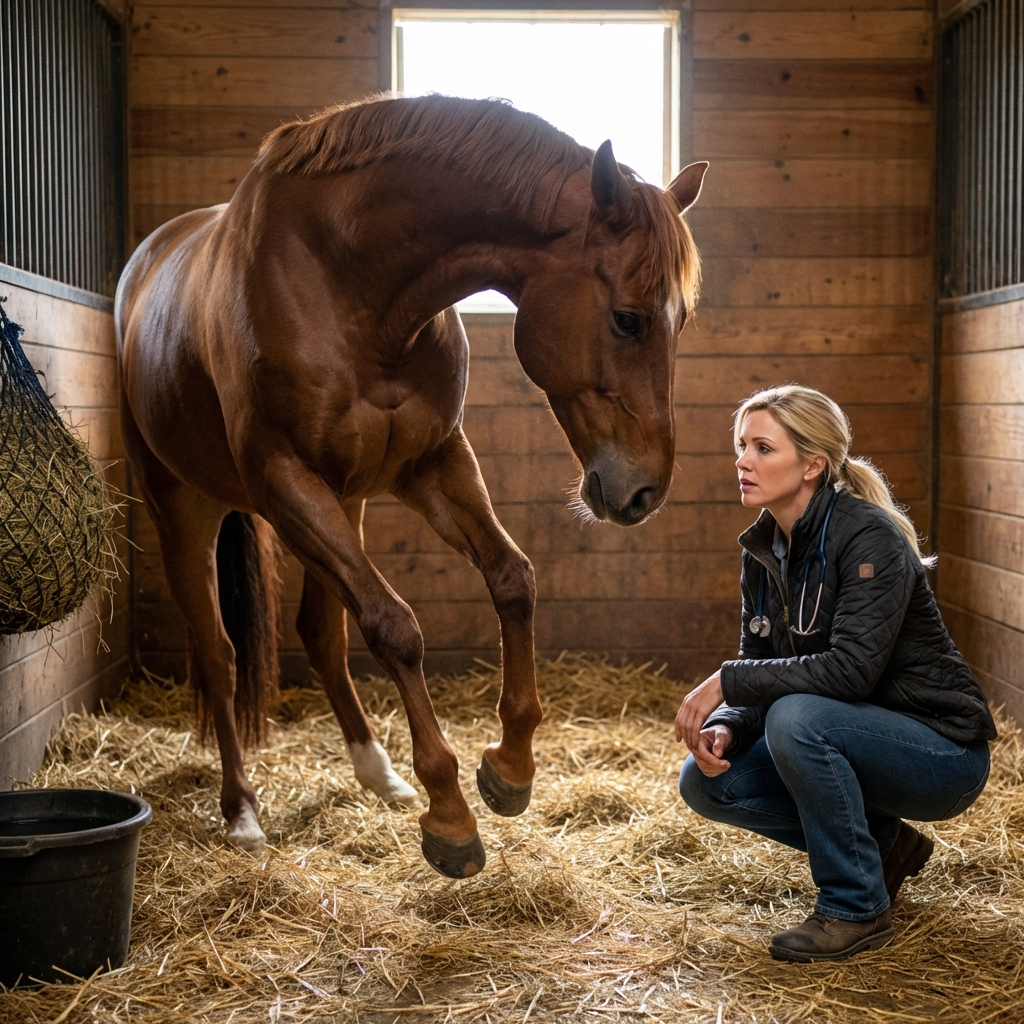
Many horses shift weight back onto their hind end to reduce pressure on painful front feet. You may notice the front legs stretched forward and the horse rocking back.
2) Heat in the hoof wall or sole
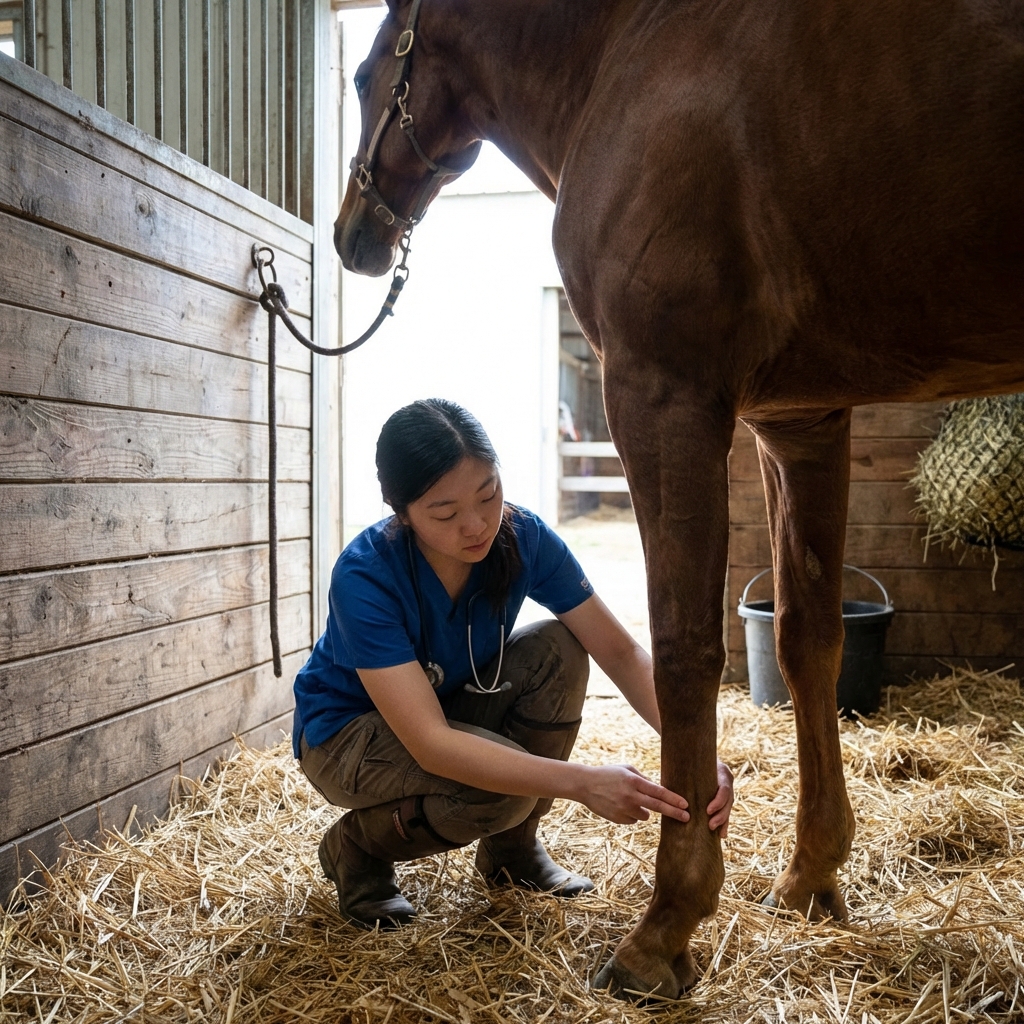
Warm hooves can happen for other reasons, but persistent heat, especially paired with pain or a strong digital pulse, is a red flag. Compare all four feet and note differences.
3) Bounding digital pulse
Vets often check the digital pulse near the fetlock. A stronger, “throbbing” pulse can suggest inflammation in the foot. If you are not sure how to feel it, ask your veterinarian or farrier to show you during a calm moment so you can practice.
4) Sudden lameness or a short, shuffling gait
Laminitic horses may look like they are walking on eggshells. Turning in small circles can be especially difficult. Some horses refuse to move.
5) Reluctance to pick up feet
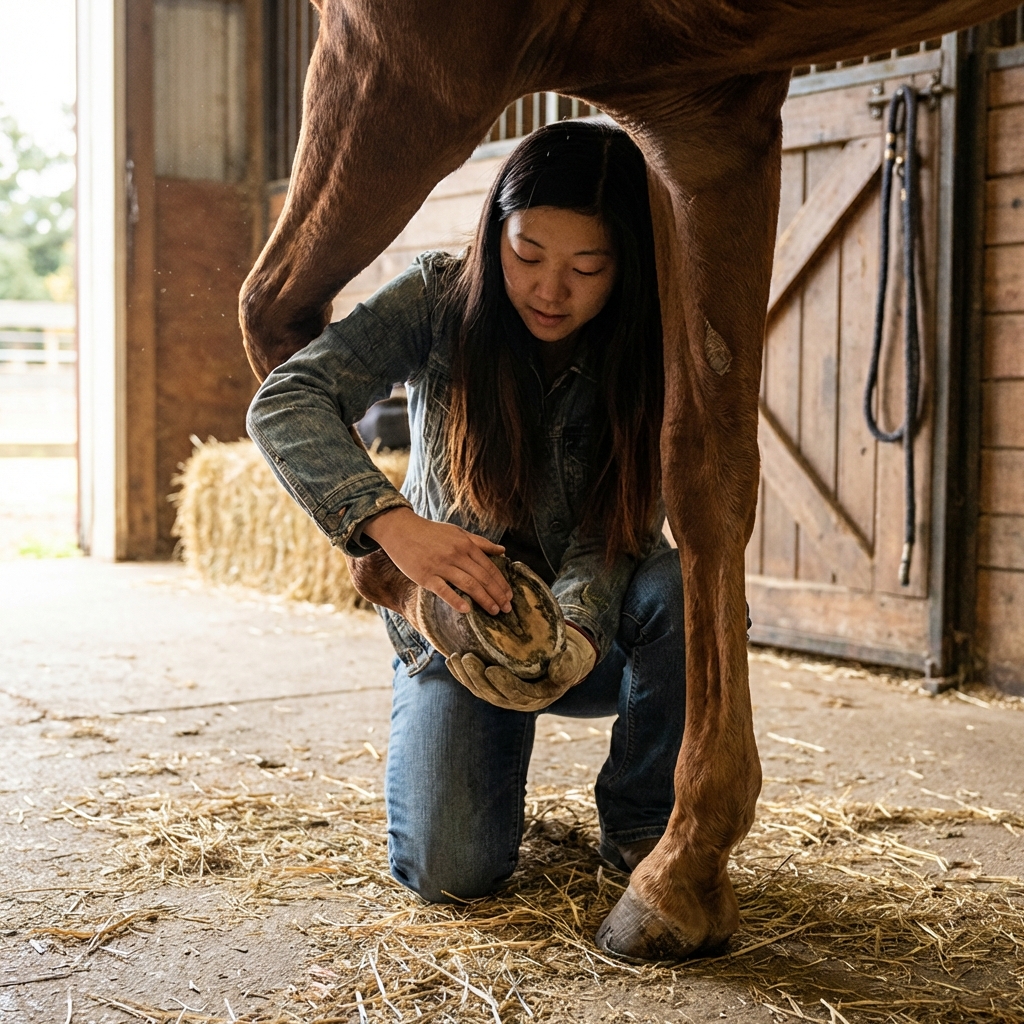
When lifting a foot forces more weight onto a painful opposite foot, the horse may resist hoof handling, act anxious, or lean heavily.
6) Pain on hoof tester pressure
This is typically assessed by a veterinarian or farrier. Pain is often strongest at the toe area, but patterns can vary.
7) Changes in hoof appearance over time
With ongoing or repeated laminitis, you may see:
- Rings on the hoof wall that are wider at the heel than the toe
- A stretched white line at the sole margin
- A flatter or dropped sole in chronic cases
8) Increased lying down, decreased appetite, or dull attitude
Some horses show general signs first: not coming up to the gate, lying down more than usual, or acting “not themselves.” Because pain drives many of these behaviors, take subtle changes seriously.
Quick note: Hoof abscesses, bruising, and other foot pain can look similar at first. If you cannot confidently rule those out, still treat this as urgent and get your veterinarian involved.
Common triggers vets ask about
When you call the clinic, the answers to these questions can help your veterinarian triage urgency and tailor treatment:
- Recent pasture change such as spring grass, rain after drought, or turnout after stall rest
- Grain overload or accidental access to feed
- Endocrine disease such as equine metabolic syndrome (EMS) or PPID (Cushing’s)
- Recent illness including fever, colic, diarrhea, retained placenta, or systemic inflammation
- Support-limb laminitis after injury to another leg
- Corticosteroid exposure in a susceptible horse (always discuss risks with your veterinarian)
What to do right now
If laminitis is on your radar, treat it as urgent and call your veterinarian promptly. While you wait, these steps are commonly recommended and can make a meaningful difference.
Step 1: Remove high-sugar feed
- Bring the horse off pasture.
- Remove grain and treats unless your veterinarian instructs otherwise.
- Offer fresh water and, if advised by your veterinarian, low-NSC hay.
Step 2: Restrict movement
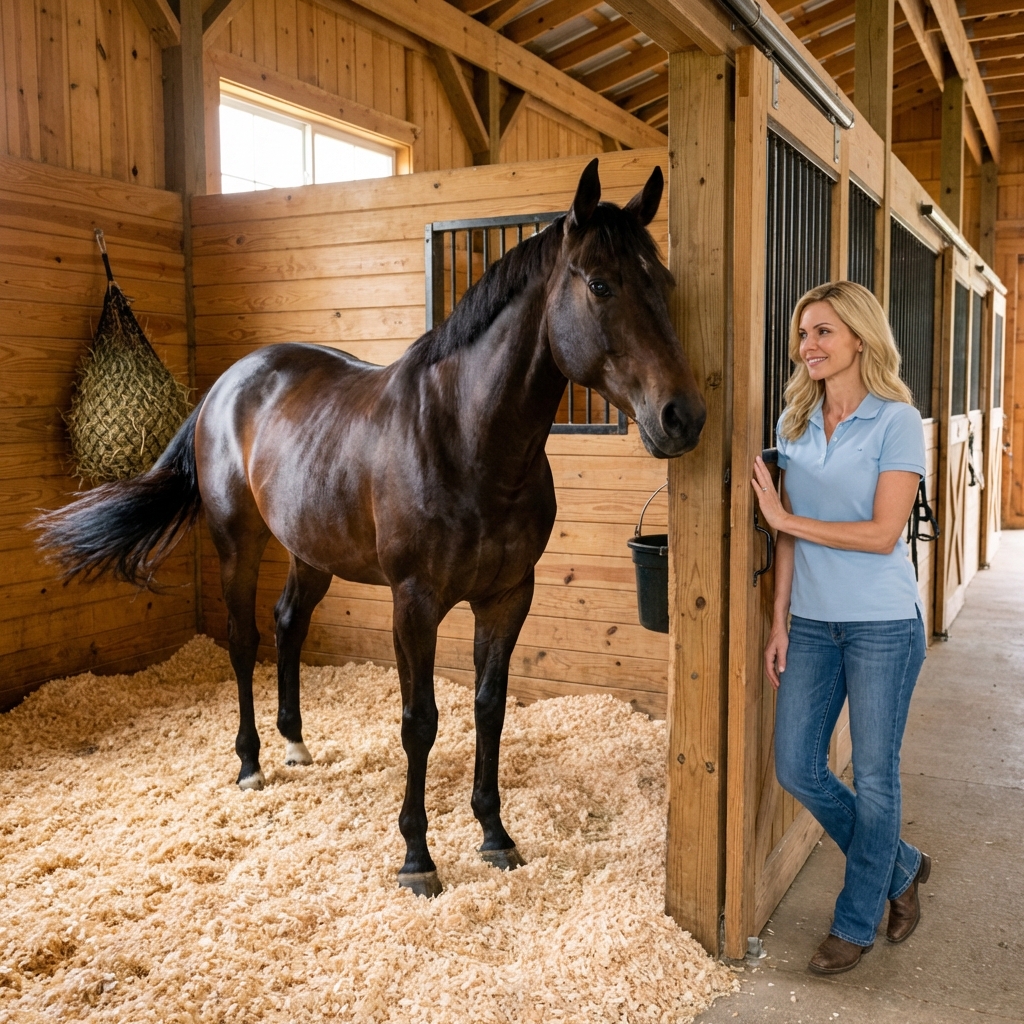
Uncontrolled movement can increase mechanical stress and worsen laminar damage. Confine your horse to a stall or small pen with deep, supportive bedding. Avoid forced walking.
Step 3: Provide soft, supportive footing
Deep shavings, sand, or other veterinarian-approved bedding can help support the sole and reduce pain. Some cases benefit from frog and sole support pads, which your veterinarian or farrier can help you apply correctly.
Step 4: Ask about icing
In certain early or high-risk situations (for example, after grain overload or severe illness), continuous icing of the lower legs and feet may be recommended to help reduce inflammation. Do this under veterinary guidance, since technique and timing matter and it is most helpful when started early and maintained.
Step 5: Do not give leftover meds
Pain relief is important, but the wrong drug, dose, or timing can complicate assessment or risk side effects. Call your veterinarian and follow their plan.
Do not
- Do not force exercise or “walk it out.”
- Do not offer sugary treats or grain while you wait for guidance.
- Do not delay coordinating vet and farrier care if laminitis is suspected.
If your horse is reluctant to move, has a strong digital pulse, and feels “hot” in the feet, call your veterinarian immediately. Waiting overnight can be the difference between mild and severe tissue damage.
How vets confirm it
Your veterinarian may use a combination of physical exam findings and diagnostics to understand severity and guide treatment:
- Hoof and gait evaluation including digital pulses and response to hoof pressure
- Radiographs (X-rays) to assess coffin bone position, rotation, or sinking
- Bloodwork if endocrine disease, infection, or systemic inflammation is suspected
Radiographs are especially helpful because they support more precise farrier work and let the team track changes over time.
Treatment basics
Every case is different, but most treatment plans focus on three goals: control pain, reduce inflammation and mechanical stress, and address the underlying trigger.
- Pain management often with veterinarian-prescribed anti-inflammatories
- Hoof support to unload the damaged laminae and support the sole and frog
- Strict diet control if the horse is insulin resistant or overweight
- Endocrine management if PPID or EMS is involved
- Controlled rehab plan with movement restrictions that change as the hoof stabilizes
One of the most important success factors is teamwork. Your veterinarian and farrier should communicate, especially when radiographs are used to guide trimming and support.
Prevention tips
Many laminitis cases are preventable, especially those linked to diet and metabolic health. A few consistent habits can dramatically reduce risk.
Focus on metabolic health
- Maintain a healthy body condition score.
- Ask your veterinarian if your horse should be screened for PPID or insulin dysregulation, especially if they are easy keepers or have a cresty neck.
- Build a safe exercise routine if your veterinarian approves.
Be smart about pasture
- Introduce turnout slowly, especially in spring and fall.
- Use a grazing muzzle if recommended.
- Avoid lush grass binges after rain or a sudden weather shift.
Choose lower-sugar feeding
Work with your veterinarian or an equine nutritionist to select appropriate hay and concentrate. If your horse is high-risk, you may be advised to test hay, manage non-structural carbohydrates (NSC), or soak hay to reduce sugars. Only do this with professional guidance so your horse still gets the nutrients they need.
Keep hoof care consistent
Regular trims and a good hoof balance plan matter, especially for horses with a history of laminitis. Let your farrier know about any soreness, stance changes, or diet changes so they can adjust proactively.
When to call the vet
If you see any of the signs below, it is time to call your veterinarian right away:
- Sudden lameness in one or more feet
- Reluctance to move or refusal to walk
- Bounding digital pulse and warm hooves that do not cool down
- The laminitis stance or repeated weight shifting
- Recent grain access, pasture change, illness, or known PPID or EMS
Laminitis is scary, but you are not powerless. Early action, supportive footing, and a coordinated veterinarian and farrier plan can make a real difference.