Learn what life with an Australian Shepherd is really like—temperament and herding behavior, daily exercise and brain work, grooming needs, common health r...
Article
•
Designer Mixes
Labrador Retriever: Personality, Exercise, and Common Health Issues

Shari Shidate
Designer Mixes contributor
Labrador Retrievers have earned their popularity the old-fashioned way. They are friendly, eager to please, and usually up for anything as long as it involves you. But that lovable personality comes with real needs, especially daily exercise, smart weight management, and proactive joint care.
As a veterinary assistant, I have seen many Labs live long, joyful lives when their families focus on three things early: consistent training, enough activity, and keeping them lean. This guide walks you through what to expect in puppies versus adults and the most common health risks to watch for.

Labrador temperament and personality
Most Labs are social, gentle, and people-focused. They typically do well with respectful kids, visiting friends, and even other pets when they are introduced thoughtfully. Labs were bred to work closely with humans, and that shows in their daily behavior.
What Labs are known for
- Friendly and outgoing: Many Labs greet strangers like future best friends. Great for families, not always great for guard dog duties.
- Highly food-motivated: This helps with training, but it also sets the stage for weight gain if portions and treats are not controlled.
- Mouthy and playful: Labs often carry toys, shoes, and anything they can pick up. Puppies especially need chew outlets and impulse control training.
- Smart and trainable: They thrive on positive reinforcement and short, consistent practice sessions.
Common behavior challenges
Most “problem” Lab behaviors are really unmet needs.
- Jumping and over-greeting: Usually excitement, not aggression. Teach an alternate behavior like sitting for attention.
- Chewing: Especially in teething puppies and bored adolescents. Provide safe chews and rotate enrichment toys.
- Pulling on leash: Their strength plus enthusiasm can be a lot. A front-clip harness and reward-based loose-leash training can make walks much more enjoyable.
- Separation stress: Some Labs are very attached. Gradual alone-time training and enrichment can help.
Exercise needs: how much is enough?
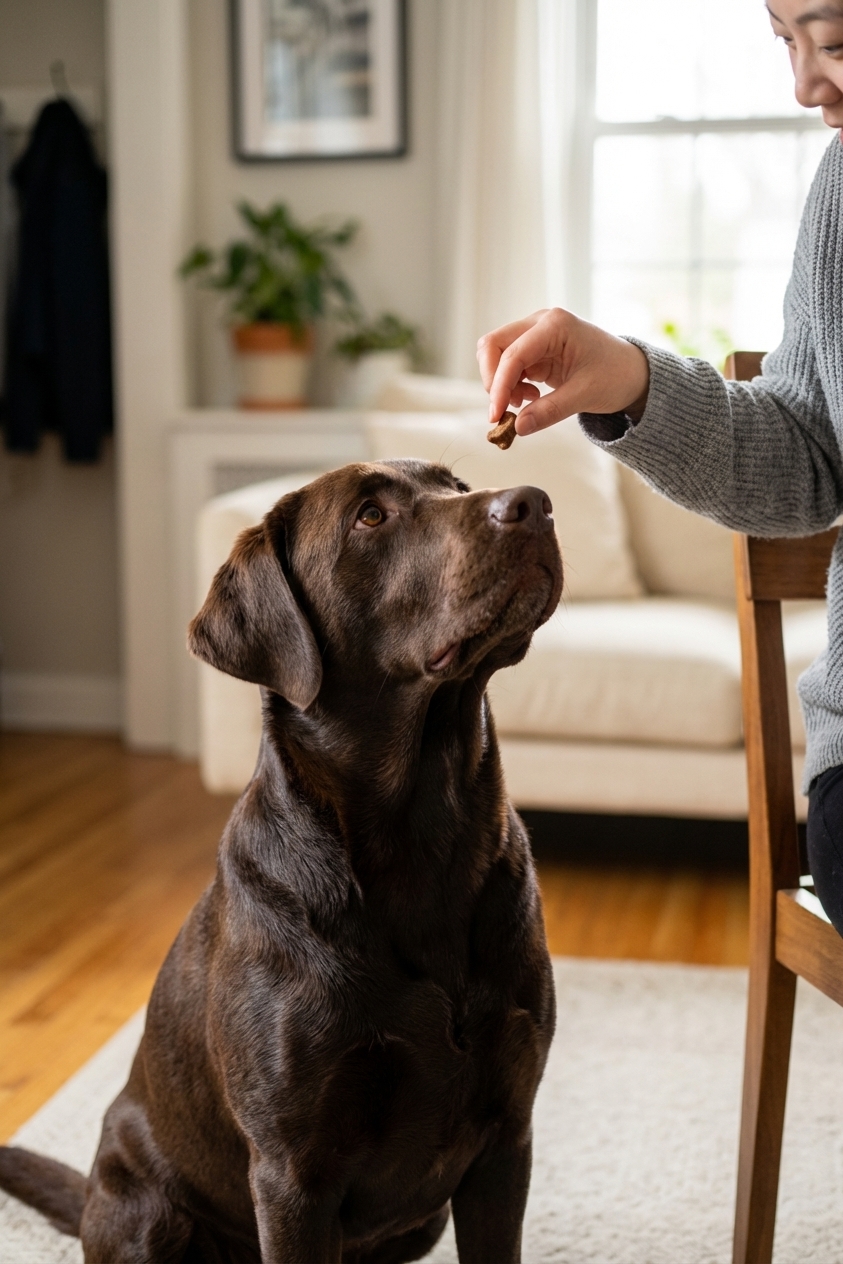
Labs are athletic dogs with a strong drive to move. Regular exercise supports their joints, heart health, and behavior. Under-exercised Labs often become restless, vocal, or destructive. Over-exercised puppies, however, can stress developing joints. The goal is the right activity for the right age.
Labrador puppy exercise
Puppies need frequent, short bursts of activity rather than long endurance workouts. Their growth plates are still developing, and repetitive high-impact exercise may increase the risk of strain or injury, or worsen underlying orthopedic issues.
- Best activities: Gentle leash walks, sniffy exploration, short training sessions, fetch on soft ground in moderation, and puzzle toys.
- Avoid: Long runs, forced jogging, repeated stair climbing, and high jumping, especially during the rapid growth phase.
- Helpful rule of thumb: You may hear “about 5 minutes of structured walking per month of age, up to twice daily.” Think of this as a loose guideline, not a hard rule. Individual puppies vary a lot, and surfaces and intensity matter. When in doubt, ask your veterinarian what is appropriate for your Lab, especially for large-breed pups.
Adult Labrador exercise
Most adult Labs do best with a mix of cardio, strength-building movement, and mental work.
- Daily target: Many adult Labs need 60 to 120 minutes of activity per day, split into two or more sessions.
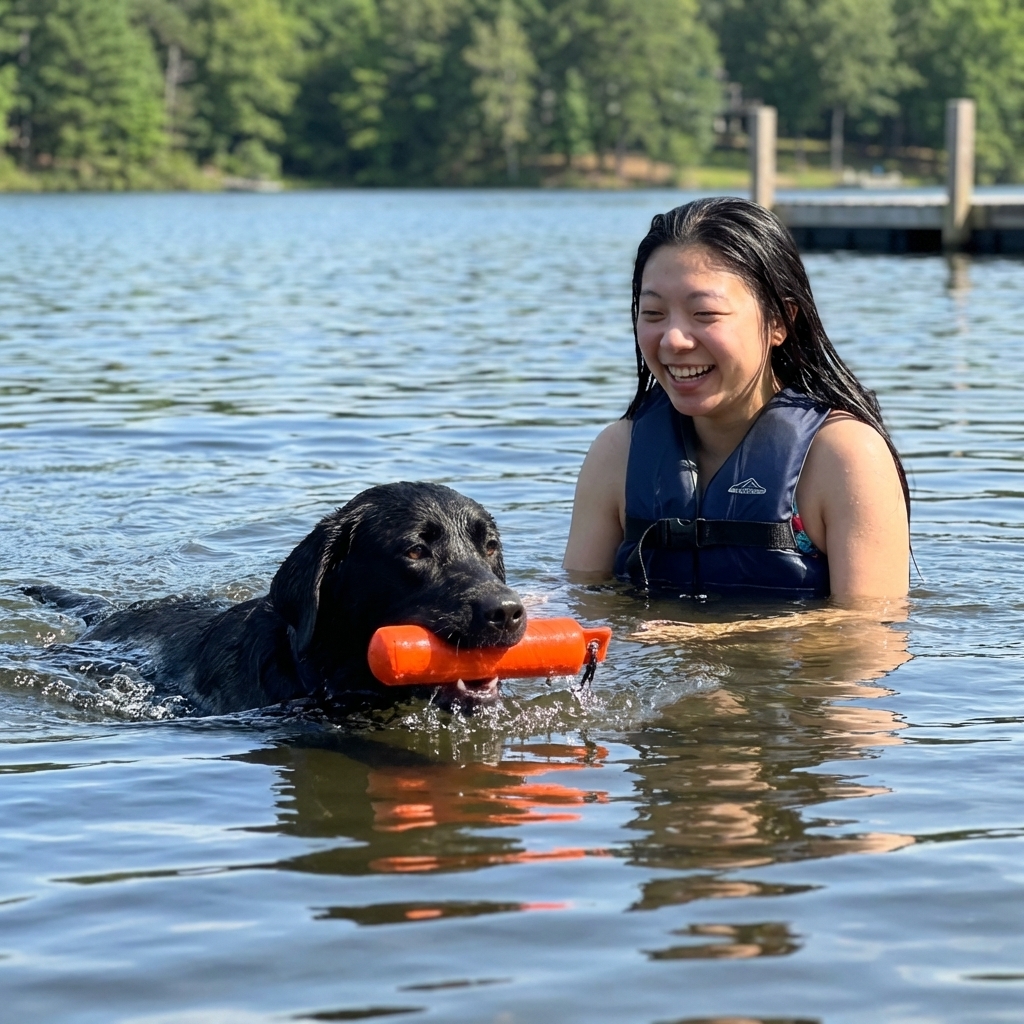
- Great options: Brisk walks, swimming, hiking, fetch with rules, scent games, obedience or agility foundations, and food-puzzle enrichment.
- Weather note: Labs can overheat in hot or humid weather and during peak summer heat. Choose early morning or evening, bring water, and watch for heavy panting, slowing down, or seeking shade. If your dog seems distressed, stop and cool them down. Collapse, vomiting, or gums that look bright red or very pale can be emergency signs, so seek urgent veterinary care.
Weight management: the Lab superpower and the Lab weakness
If there is one health theme that follows Labs through life, it is weight. Many Labs have a big appetite and an even bigger talent for convincing humans they are starving. Extra pounds increase the risk of arthritis, worsen hip and elbow problems, and can shorten lifespan.
How to tell if your Lab is at a healthy weight
- You should be able to feel ribs easily with a light touch, but not see them sharply.
- Your Lab should have a visible waist when viewed from above.
- From the side, there should be an abdominal tuck behind the rib cage, not a straight line or sagging belly.
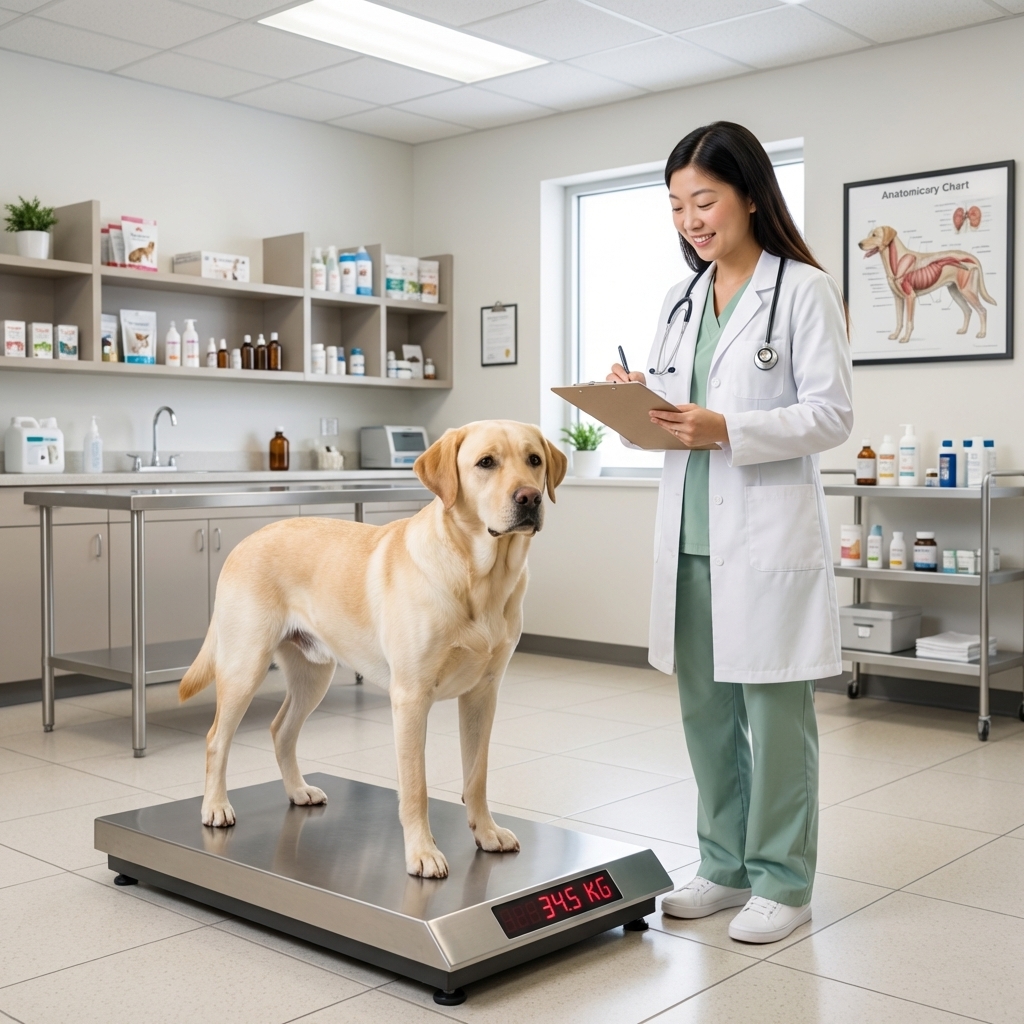
If you are unsure, ask your vet team to assign a Body Condition Score at every visit. It is one of the best tools we have for tracking weight trends early.
Practical feeding tips that work
- Measure meals: Use a measuring cup or kitchen scale, not eyeballing.
- Use treats strategically: Treats should generally stay under 10 percent of daily calories. Consider using part of your Lab’s kibble as training “treats.”
- Choose high-volume, low-calorie add-ins: Vet-approved options like green beans or a small spoon of pumpkin can help some dogs feel satisfied.
- Make exercise consistent: Weekend-warrior routines can be harder on joints than steady daily movement, especially when activity suddenly spikes.
- Check for sneaky calories: Chews, dental sticks, table scraps, and “just a bite” can add up fast with a Lab.
Lean Labs move better, breathe easier, and tend to age more comfortably. If you only change one thing, make it this.
Common Labrador health issues
Labs are generally sturdy dogs, but they have a few well-known breed risks. Knowing what to watch for helps you catch problems earlier, when they are easier to manage.
Hip dysplasia
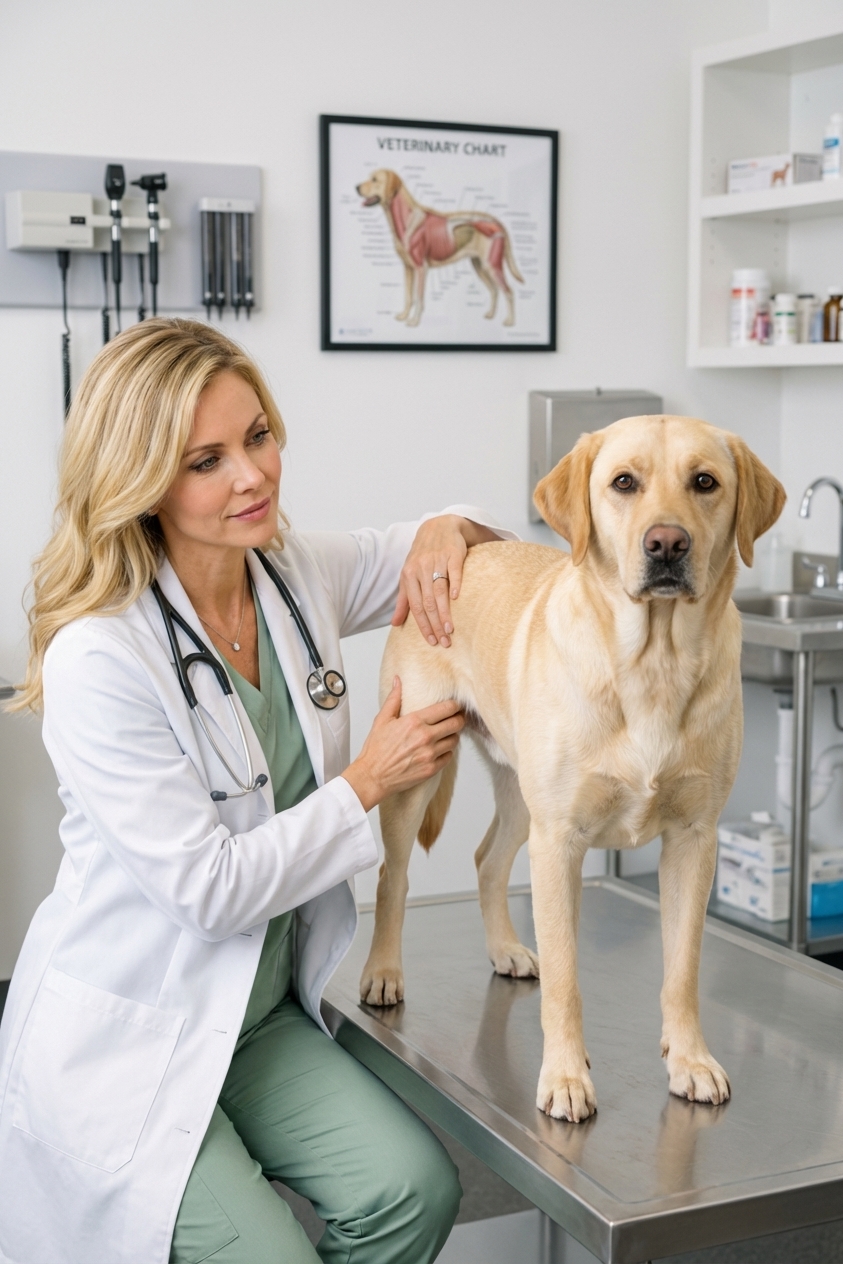
What it is: Abnormal development of the hip joint that can lead to pain, instability, and arthritis. Genetics play a big role, and factors like rapid growth and excess weight can worsen symptoms.
Signs to watch for:
- Stiffness after rest
- Bunny-hopping gait when running
- Reluctance to jump into the car or climb stairs
- Decreased activity or irritability when touched around the hips
What helps: Keeping your Lab lean, regular low-impact exercise like swimming, joint-friendly flooring at home, and veterinary-guided pain management if needed. Reputable breeders may screen hips through orthopedic evaluations.
Elbow dysplasia
What it is: A developmental condition affecting the elbow joint, often showing up as front-leg lameness in young dogs.
Signs to watch for:
- Limping that worsens after exercise
- Front-leg stiffness, especially in the morning
- Reluctance to play or go on walks
What helps: Early veterinary evaluation is important. Some cases respond to weight control and medical management, while others may need surgery.
Exercise-induced collapse (EIC)
What it is: A genetic condition seen in some Labs where intense exercise can trigger weakness and collapse, often after 5 to 20 minutes of high-arousal activity like hard fetching.
What it can look like:
- Wobbly rear legs
- Sudden inability to continue running
- Collapse while remaining aware
What to do: Stop exercise immediately, keep your dog cool, and contact your veterinarian. EIC can resemble heat illness, and both require prompt attention. Many dogs recover within minutes, but it can be dangerous, especially in heat. There is a DNA test available, and affected dogs should avoid intense trigger activities.
Obesity and secondary problems
Obesity is not just a number on the scale. In Labs it commonly contributes to:
- Earlier arthritis and mobility decline
- Decreased stamina and heat tolerance
- Increased anesthesia and surgical risk
- Worsening of existing hip or elbow issues
Other issues you may hear about
Depending on the bloodline, some Labs can also be prone to certain eye conditions (such as cataracts or progressive retinal atrophy), skin allergies and hot spots, and cruciate ligament (CCL) injuries. Labs are also famous for eating things they should not, so if your dog is a sock thief or toy shredder, talk to your veterinarian about foreign-body risk and safer enrichment options.
If your Lab gets frequent ear infections, ask your veterinarian about underlying allergies, swimming-related moisture, and proper ear care. For many swimmers, drying the ears after water play and using a vet-approved drying solution can help. Avoid cotton swabs in the ear canal.
Puppy vs. adult Lab care
Puppy stage (up to about 12 to 18 months)
- Socialization is essential: Safe, positive exposure to people, surfaces, sounds, grooming, and handling builds confidence.
- Training basics: Focus on sit, down, recall, leave it, and polite greetings. Labs grow fast, and a 70-pound adolescent who jumps is not as cute as a 15-pound puppy who jumps.
- Protect developing joints: Avoid repetitive high-impact exercise. Keep body weight lean during growth.
- Nutrition: Use a high-quality puppy diet formulated for growth. For large-breed puppies, your veterinarian may recommend a large-breed puppy formula to support controlled growth.
- Preventive care: Stay on schedule with vaccines, parasite prevention, and early dental habits like tooth brushing and chew-safe dental care.
Adult stage
- Consistent exercise routine: Adults need daily activity and mental enrichment to stay calm and happy.
- Annual wellness checks: Discuss weight, joint comfort, dental health, and any changes in stamina.
- Joint support: Some Labs may benefit from veterinarian-recommended options, such as omega-3 fatty acids (fish oil), prescription joint diets, or other evidence-based joint supplements. Ask your vet what fits your dog’s needs and medical history.
Senior years
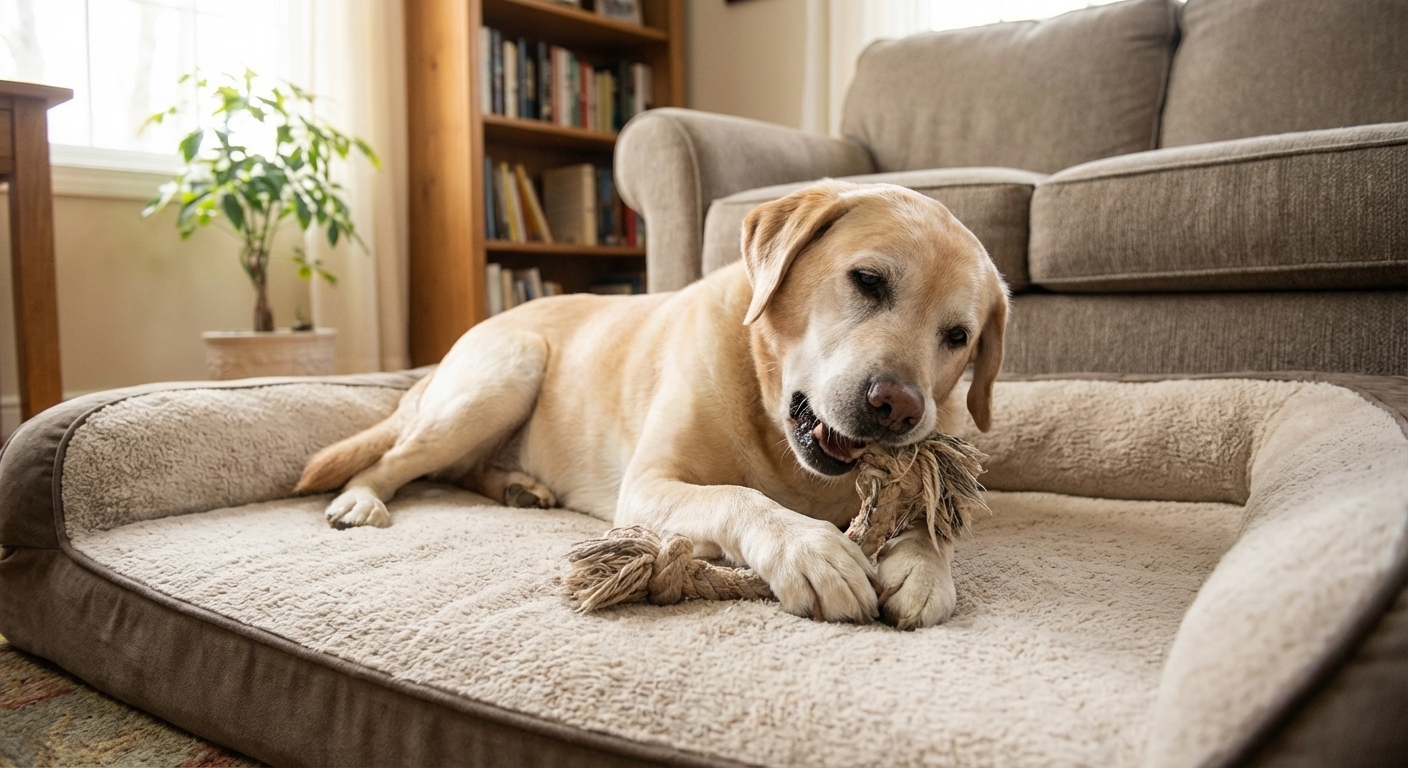
Older Labs often want to keep going even when their bodies feel stiff. Watch for subtle signs like slower rising, shorter stride, or avoiding slippery floors. Early arthritis management can make a huge difference in quality of life.
When to call your veterinarian
Labs are tough and sometimes hide discomfort. It is worth calling your vet if you notice:
- Limping or stiffness that lasts more than 24 to 48 hours
- Repeated slowing down on walks or refusing activity
- Sudden collapse during exercise, especially in heat or after intense play
- Rapid weight gain, constant hunger, or a widening waistline
- Difficulty getting up, climbing stairs, or jumping into the car
- Repeated vomiting, a painful belly, or refusing food after chewing socks, toys, or bones (possible foreign-body emergency)
The earlier we evaluate mobility changes or exercise intolerance, the more options you usually have.
Bottom line
Labrador Retrievers are joyful, family-centered dogs who thrive on connection and movement. If you give your Lab daily exercise, consistent training, and a lean body condition, you will be supporting the very things that help reduce their most common problems, especially joint disease and obesity.
Your Lab does not need perfection. They need consistency, a little structure, and a whole lot of love.