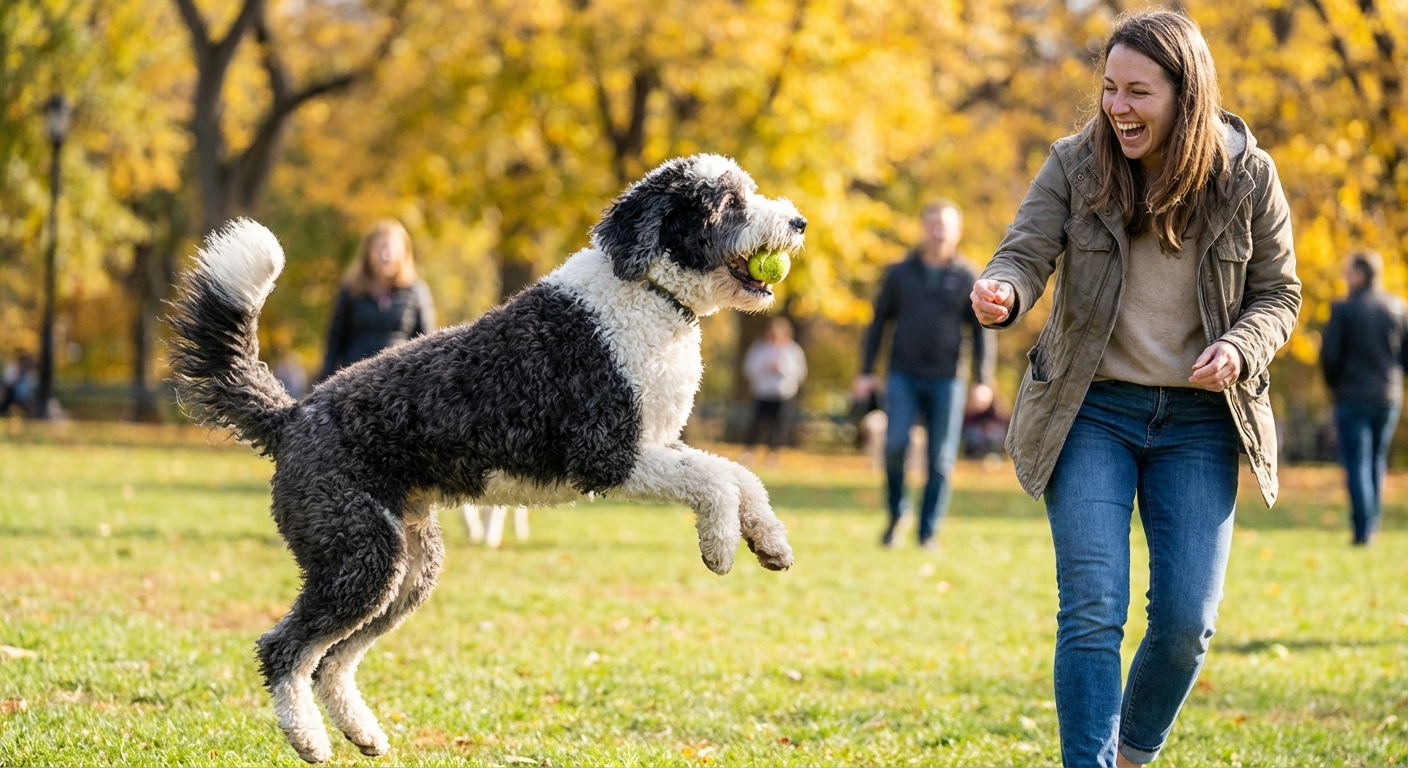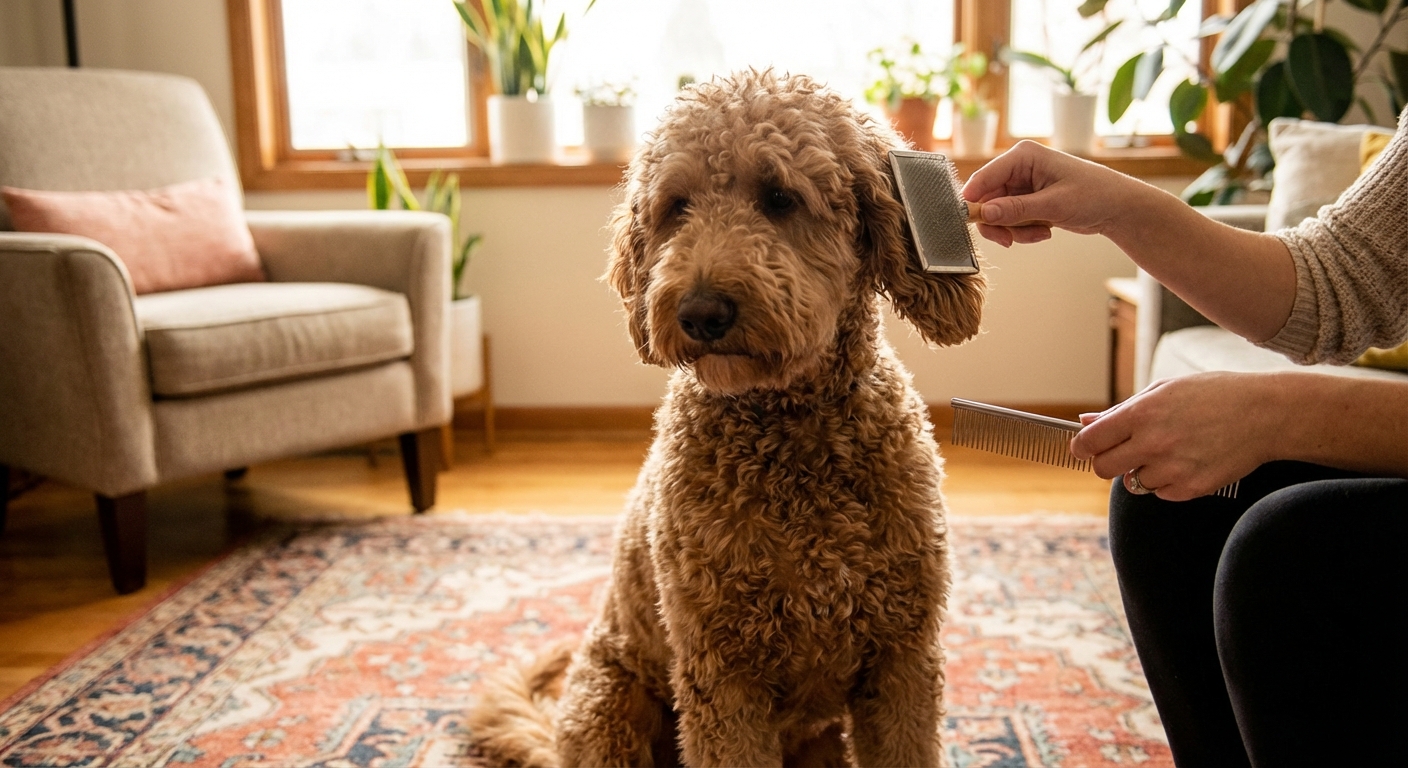
Thinking about a Goldendoodle? Learn temperament, size and coat types (and what “hypoallergenic” means), daily exercise, nutrition, grooming needs, train...
Article
•
Designer Mixes
Labradoodle: Traits, Temperament, Care, and What to Know Before You Bring One Home

Shari Shidate
Designer Mixes contributor
Starting your morning right sets the tone for the entire day. I often tell new dog owners that small, consistent habits compound into remarkable results over time. The same idea applies to life with a Labradoodle. When you understand their needs up front and build simple routines for exercise, training, grooming, and enrichment, you set everyone up for a happier, healthier home.
Labradoodles are a popular designer mix, typically created by crossing a Labrador Retriever with a Poodle. They are often chosen for their friendly nature, trainability, and family-oriented temperament. But like any mix, their looks, coat, and energy level can vary. This guide will help you decide if a Labradoodle fits your lifestyle and how to care for one well.
What is a Labradoodle?
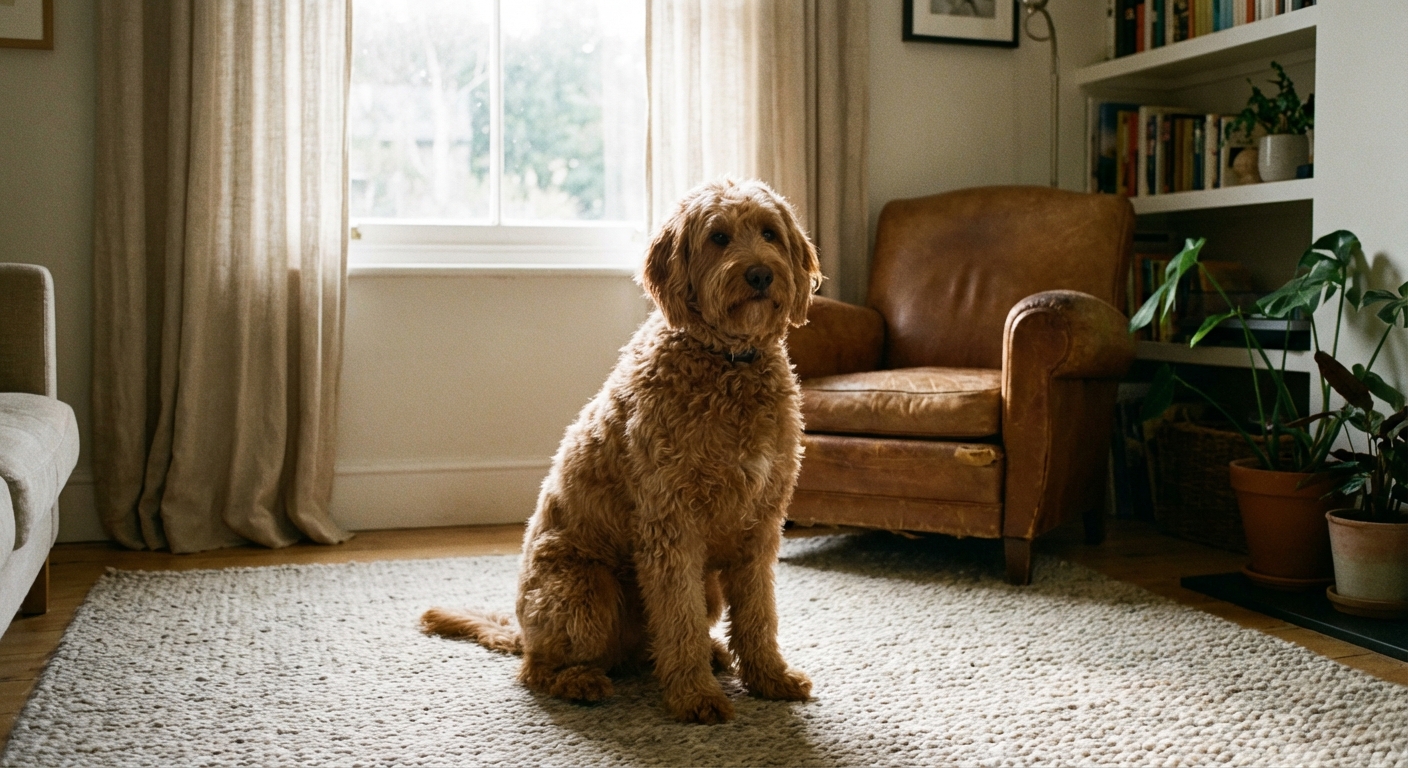
A Labradoodle is a Labrador Retriever and Poodle mix, and you will often see the cross described by generation. These labels can help you set expectations, especially around coat and grooming, but they are not guarantees.
You may see terms like:
- F1: First-generation Labrador x Poodle
- F1B: An F1 Labradoodle bred back to a Poodle, often selected for a curlier, potentially lower-shedding coat
- Multigen: Labradoodle bred to Labradoodle for multiple generations
Historically, Labradoodles were often marketed and bred with the aim of pairing the Labrador’s affectionate, people-loving personality with the Poodle’s intelligence and a coat that may shed less. Still, shedding, size, and temperament can vary widely, particularly in first-generation crosses.
Typical traits and temperament
In many homes, Labradoodles are described as cheerful, social, and highly trainable. They usually thrive on connection and do best with families who enjoy including their dog in daily life.
Common personality strengths
- People-oriented: Many Labradoodles want to be near their humans and may follow you from room to room.
- Smart and eager: With consistent training, they often learn cues quickly.
- Playful: Fetch, tug, and interactive games are usually big hits.
- Good with kids: When properly socialized and supervised, many do well in family settings.
Potential challenges to plan for
- High energy: A bored Labradoodle can become noisy, mouthy, or destructive.
- Separation stress: Their social nature can make alone time difficult if not trained gradually.
- Jumping and overfriendliness: Some greet guests like it is a party every time.
Early socialization, calm greeting practice, and daily enrichment can make a big difference.

Size, coat, and shedding
Size depends on whether the Poodle parent is Standard, Miniature, or Toy. Breeder ranges vary, and individual dogs can land outside typical estimates. Many Labradoodles fall into these weight ranges:
- Standard: often 50 to 75 pounds
- Medium: often 30 to 50 pounds
- Mini: often 15 to 30 pounds
Coat types are commonly described as straight, wavy, or curly. In real life, coats can be unpredictable, especially in F1 dogs. A key point for families with allergies is that no dog is truly hypoallergenic. Some Labradoodles shed less and may carry fewer allergens on loose hair, but dander and saliva still matter.
If allergies are a concern, spend time with the specific dog before committing, and talk with your healthcare professional, such as an allergist, about practical steps at home like HEPA filtration and frequent laundering of dog bedding.
Family fit
For many families, yes, provided you can meet their activity and grooming needs. Labradoodles often thrive in homes where they receive daily exercise, kind structure, and frequent interaction.
They may be a great fit if you
- Enjoy daily walks and play sessions
- Want a dog that can learn tricks, sports, or therapy-style skills
- Have time for regular grooming and coat care
- Can commit to training in the first year, especially for manners and calm behavior
They may be a tougher fit if you
- Work long hours away from home without a plan for breaks and enrichment
- Prefer a low-energy dog that is satisfied with brief potty walks
- Do not want ongoing grooming costs or at-home coat maintenance
Temperament also reflects breeding quality and early life experiences. Meeting the parents when possible, reviewing health testing, and choosing a breeder or rescue that prioritizes behavior and wellbeing are important steps.
Exercise and enrichment
Most Labradoodles do best with a mix of physical exercise and mental work. Think of it like balanced health: movement supports the body, and brain games support emotional regulation and behavior.
Daily activity ideas
- Walks: One or two purposeful walks per day for many adult dogs
- Play: Fetch, tug with rules, or gentle chase games in a safe area
- Training: Short sessions, 5 to 10 minutes, a couple times daily
- Enrichment: Snuffle mats, treat puzzles, scent games, frozen food toys
Puppies need special care. Too much repetitive impact, such as long runs and hard jumping, can stress developing joints. Your veterinarian can guide you on age-appropriate activity.

Training and socialization
Labradoodles often respond beautifully to reward-based training, which uses treats, praise, and play to build skills. Consistency matters more than intensity.
Start with these foundational skills
- Name response and recall: Practice in low-distraction areas first
- Loose-leash walking: Reward check-ins and a calm pace
- Sit, down, stay: Build duration slowly
- Settle on a mat: A lifesaver for busy households
- Gentle greetings: Teach sitting for attention to reduce jumping
Socialization is not about forcing interaction. It is about creating positive, low-pressure exposures to people, sounds, surfaces, and environments during puppyhood and beyond.
Grooming and coat care
This is where many new Labradoodle owners feel surprised. Even if shedding is low, coats can mat easily, especially the wavy and curly types. Mats can pull at the skin and trap moisture, which can lead to irritation.
A practical grooming routine
- Brush: Several times per week, and daily for curlier coats
- Comb check: Use a metal comb to find hidden mats behind ears, under the collar, armpits, and groin
- Bathing: As needed, using dog-safe shampoo, and dry thoroughly
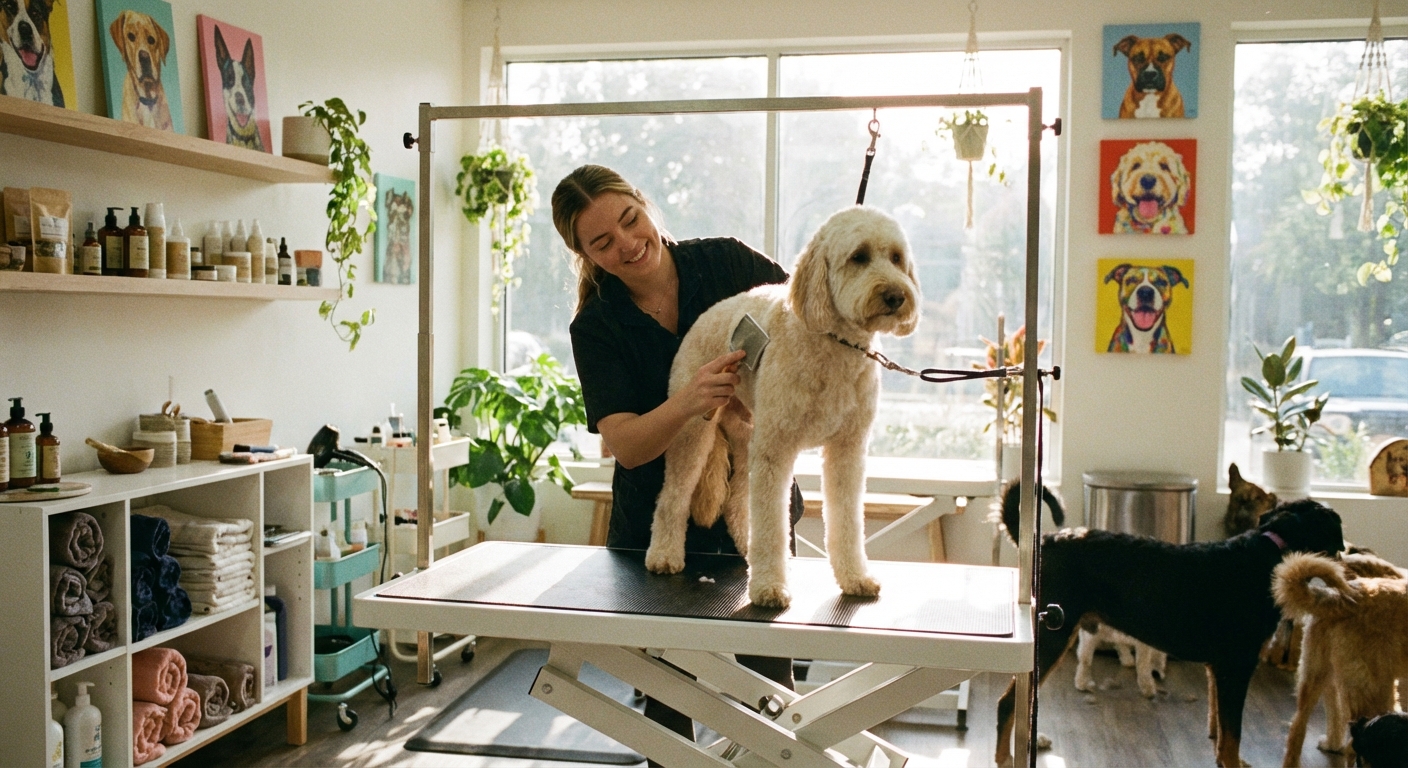
- Professional grooming: Often every 6 to 8 weeks, depending on coat and preferred length
- Ears: Many Labradoodles have floppy, hairier ears, so regular checks help prevent infections
If you are new to grooming, ask your groomer to demonstrate line brushing and recommend tools for your dog’s coat type.
Nutrition and healthy weight
Labradoodles tend to enjoy food, and Labrador Retrievers in particular can be prone to overeating. Some Labs also carry a well-studied appetite-associated gene variant, which is one reason portion control and routine weigh-ins can matter so much. A healthy weight supports mobility, energy, and long-term joint health.
Simple nutrition tips
- Choose a complete and balanced diet: Look for a reputable brand that meets AAFCO standards.
- Measure meals: Use a measuring cup or kitchen scale for consistency.
- Limit treats: Aim for treats to make up less than 10% of daily calories.
- Use food for enrichment: Part of the meal can go into puzzle toys or scatter feeding.
Ask your veterinarian for a target weight and body condition score. It is one of the most effective preventive health tools you have.
Health considerations
Labradoodles can inherit health issues from either parent breed. Ethical breeding and health testing reduce risk, but do not eliminate it.
Common concerns to discuss with your veterinarian
- Hip and elbow dysplasia: More common in medium to large dogs
- Eye conditions: Including progressive retinal atrophy in some lines
- Ear infections: Especially with floppy, hairier ears and frequent swimming
- Allergies and skin sensitivities: Can show up as itching, licking, or recurrent ear issues
- Bloat risk: Possible, especially in larger or deeper-chested individuals. Ask your veterinarian about warning signs and prevention strategies.
Routine preventive care matters: yearly wellness exams, parasite prevention, dental care, and prompt attention to changes in appetite, stool, energy, or itching.
Breeder or rescue
Where your Labradoodle comes from strongly influences health and temperament. Look for transparency and a willingness to answer questions.
Green flags
- Health testing documentation for both parents, not just a vet check
- Orthopedic screening such as OFA hips and elbows (or equivalent)
- Current eye exam from a veterinary ophthalmologist (often listed as CAER)
- Genetic testing relevant to the lines involved, such as PRA variants, exercise-induced collapse, and other breed-associated conditions
- Puppies raised in a home environment with early handling and social exposure
- A contract that includes a return-to-breeder policy if you cannot keep the dog
- Thoughtful matching of puppy temperament to your household
Red flags
- Multiple litters always available with no waitlist
- No questions asked about your lifestyle or experience
- Reluctance to share health testing records
- Pressure to decide quickly
Rescues can also be a wonderful option, especially if you prefer an adult dog whose coat, size, and temperament are easier to assess.
Costs and lifespan
Many Labradoodles live around 10 to 14 years, though genetics, size, and preventive care all play a role. It also helps to plan for recurring costs, especially professional grooming every 6 to 8 weeks for many coats, plus routine veterinary care, training, and enrichment.
Puppy to adult
Labradoodles are often delightful puppies, but normal development can include puppy biting, adolescent testing of boundaries, and bursts of energy that feel out of nowhere. Many coats also change texture as the adult coat comes in. Steady training, age-appropriate exercise, and consistent grooming habits early on can make the transition much smoother.
Is a Labradoodle right for you?
Labradoodles can be loving, joyful companions, especially for people who enjoy an active lifestyle and want a dog that participates in family life. The key is going in with clear expectations: they typically need daily activity, ongoing training, and consistent coat care.
If you want a dog who helps motivate healthy routines, such as regular walks, outdoor play, and structured downtime, a Labradoodle may be a wonderful match. Focus on building small, steady habits from day one, and you will likely see those remarkable results over time.
Quick checklist: Before bringing a Labradoodle home, confirm your plan for daily exercise, grooming frequency, training time, and who will help when you travel or work long days.