A practical, week-by-week newborn kitten care guide for pet owners—set up a safe warm nest, bottle-feed KMR correctly, stimulate pottying, track weight dai...
Article
•
Designer Mixes
Kitten Season: When It Happens and Why Shelters Get Overwhelmed

Shari Shidate
Designer Mixes contributor
Every spring, it starts quietly. A neighbor finds a tiny kitten under a bush. Then another litter pops up behind a restaurant. Within weeks, local shelters and rescues can be flooded with kittens needing care, food, vaccines, and foster homes. This predictable surge is called kitten season, and understanding why it happens is one of the best ways we can help.
What is kitten season?
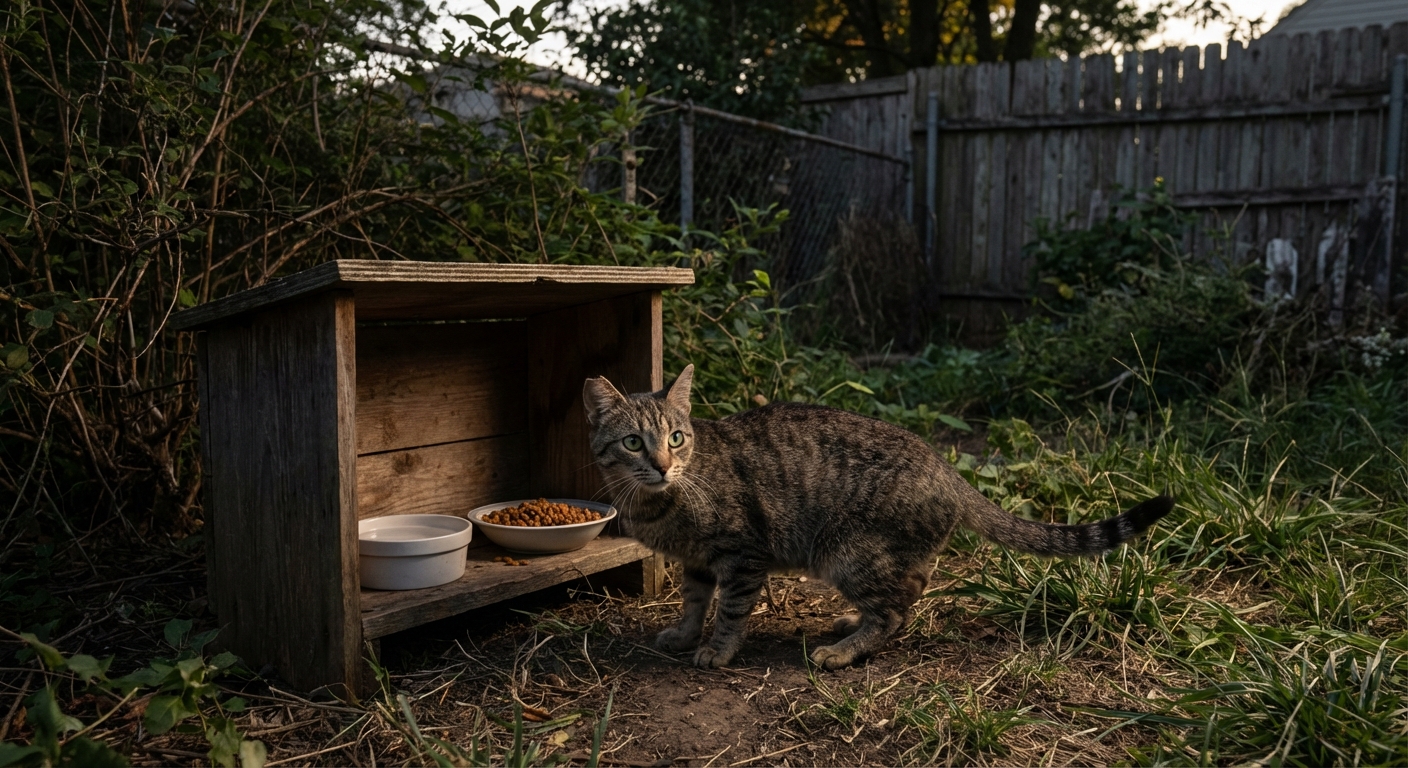
Kitten season is the time of year when most community cats and outdoor cats give birth. It is not a single day or month. It is a wave that builds, peaks, and often comes in multiple rounds.
In many parts of the U.S., shelters see kitten intake rise dramatically in spring and summer. In warmer climates, it can stretch longer and sometimes feels close to year-round.
When does kitten season happen?
Timing varies by location, weather, and local cat populations. Here are common patterns shelters report:
- Northern climates: Often starts in late spring, peaks in summer, and slows in early fall.
- Southern and warmer climates: Can begin earlier (late winter or early spring) and extend longer.
- Urban areas with large community cat colonies: May see multiple waves as cats cycle through heat and pregnancy.
Biologically, cats are seasonally polyestrous, meaning many females come into heat repeatedly during longer daylight months. More daylight influences hormones, which can increase breeding activity. In indoor, managed, or warm-climate populations, cycles can be more frequent.
Why shelters get overwhelmed
As a veterinary assistant, I can tell you that kittens are adorable and also very resource-intensive. A sudden influx stretches staff, space, budgets, and foster networks fast. Here are the biggest reasons shelters operate at or over capacity during kitten season.
1) Kittens need more hands-on care than adult cats
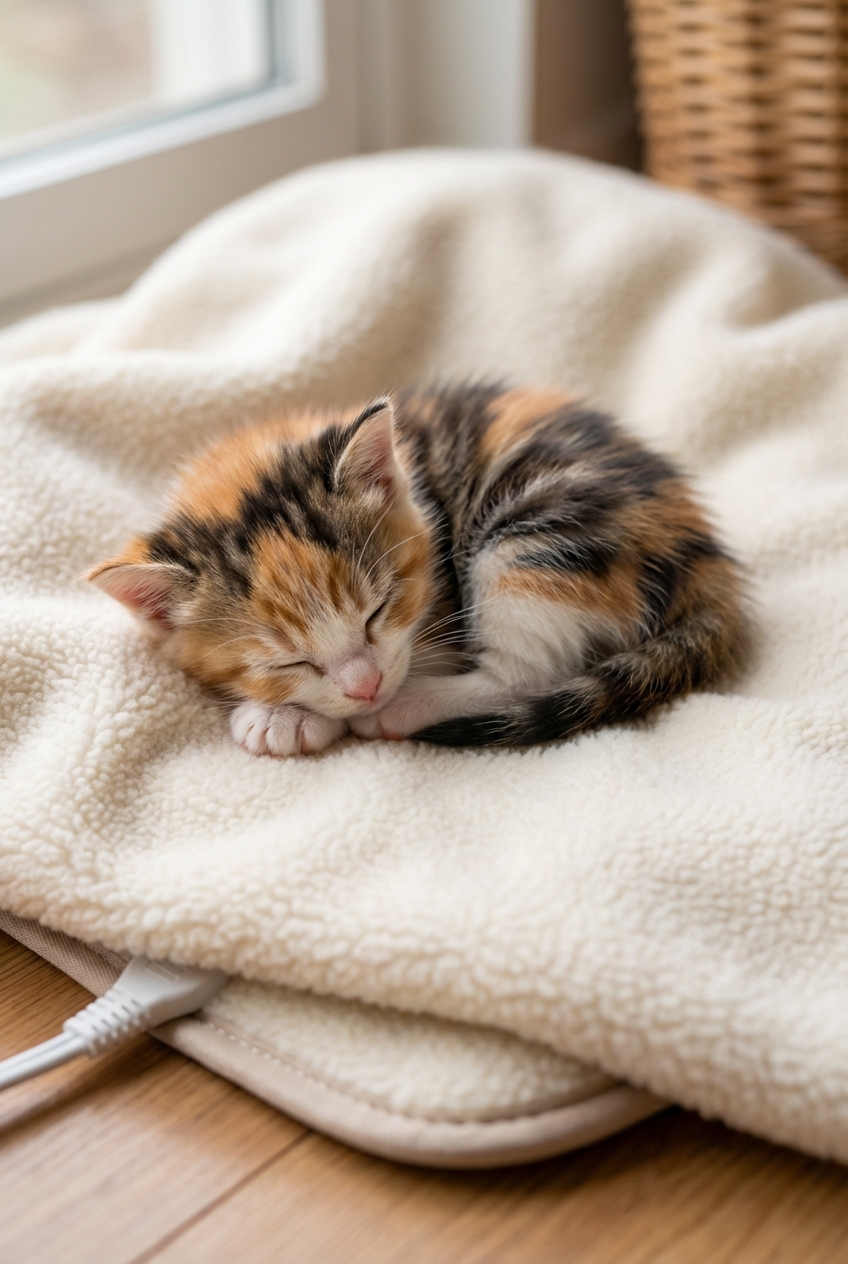
Very young kittens (0 to 4 weeks) may need help staying warm and daily monitoring for dehydration, low blood sugar, or fading kitten syndrome. Some may need bottle feeding every 2 to 4 hours depending on age and condition. That level of care is difficult in a busy facility, which is why fosters are so critical.
2) Medical needs add up quickly
Many kittens arrive with treatable but contagious issues like upper respiratory infections, intestinal parasites, fleas, or ringworm. They need exams, deworming, vaccinations, and sometimes isolation. Even when care is straightforward, the volume makes it challenging.
3) Space and disease control become harder
When shelters are crowded, it is tougher to separate sick from healthy animals. Kittens have developing immune systems, so respiratory bugs can spread quickly in close quarters.
4) One unspayed cat can lead to many kittens
Cats can become pregnant very young, sometimes as early as 4 months. A female can have multiple litters a year, and she can go into heat again surprisingly soon after giving birth. Kittens from earlier litters can reproduce within the same year. That is how communities can go from “a few outdoor cats” to dozens of kittens seemingly overnight.
5) People bring in kittens with good intentions
Many found kittens are brought to shelters immediately, even when they may not truly be abandoned. Sometimes mom is nearby and returning to care for them. This well-meaning scoop-up can unintentionally separate kittens from their best caregiver.
Why weather changes what you see
Weather can change what you notice. After heavy rain, extreme heat, or sudden cold snaps, kittens may cry more, move from nests, or become visible as moms relocate litters. People often find them then, and shelters can see a sudden spike in intake after major weather events.
What to do if you find kittens
This is the part where you can make a huge difference. Before you pick up kittens, take a breath and assess. In many cases, the safest place for healthy kittens is with their mother.
Quick safety note: Do not give cow’s milk. If a kitten feels cold, warm first and feed later, not the other way around. Also be cautious with flea products, since many are unsafe for very young kittens. When in doubt, call a rescue or veterinary clinic before you treat or feed.
Step 1: Check for danger
- If kittens are in immediate danger (traffic, flooding, predators, unsafe location), move them to a nearby safer spot and contact a local rescue or shelter for guidance.
- If they look warm, quiet, and clean, mom may be caring for them and could be out looking for food.
Step 2: Watch from a distance
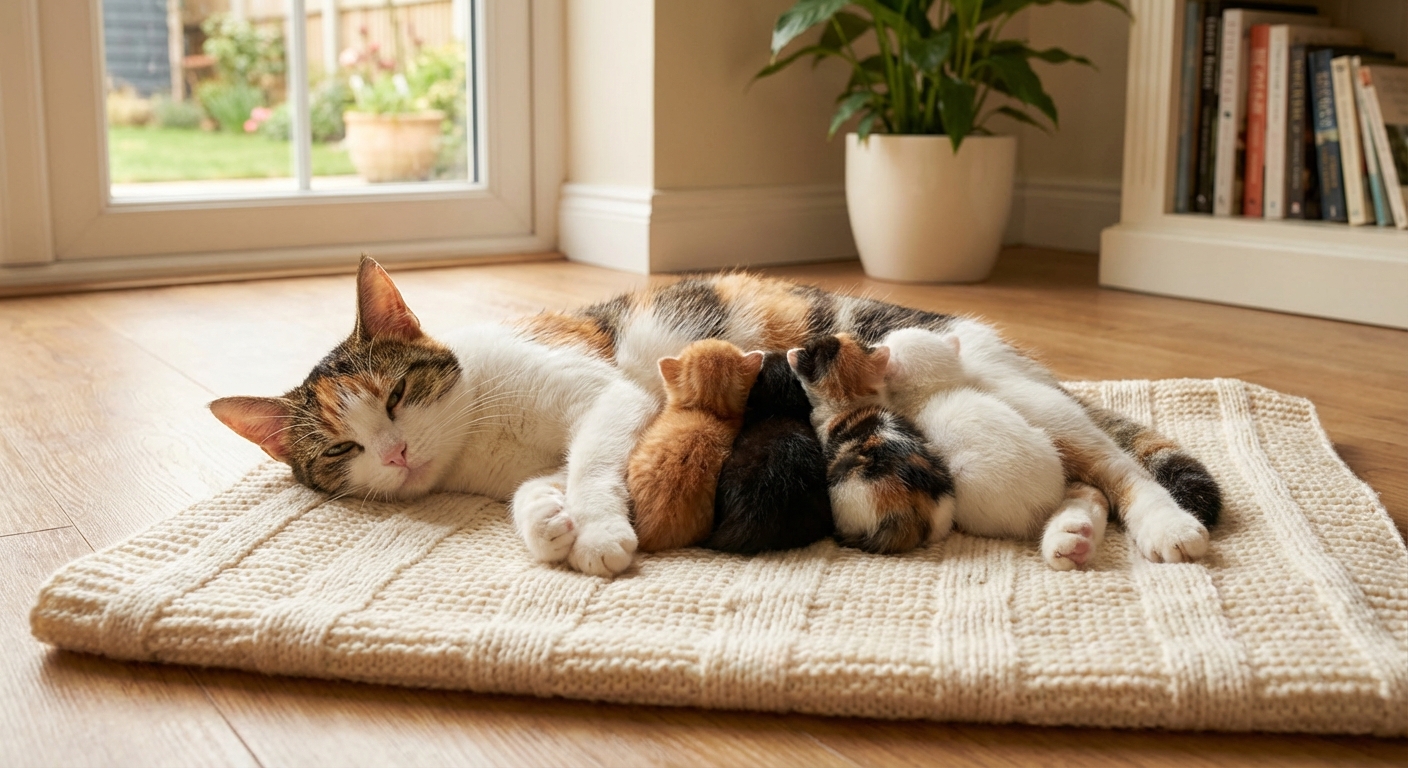
If conditions are safe, monitor for mom for about 2 to 6 hours. Keep people and pets back, and try not to hover near the nest. Mother cats often avoid people and may not return if humans are too close.
Helpful signs kittens are being cared for include warm bodies, quiet sleeping, and round, “milk belly” tummies. If kittens are crying constantly, feel cold, or look weak, they may need faster help, especially in extreme heat or cold.
Step 3: Estimate age
- 0 to 2 weeks: Eyes closed, ears folded. Very fragile and needs warmth right away.
- 2 to 3 weeks: Eyes starting to open, wobbly crawl or stand. Still fully dependent.
- 4 to 5 weeks: Walking better, may start tasting food but still needs support.
- 6 to 8 weeks: Playing, exploring, often weaning or weaned. Still needs vet care and a safe plan.
Step 4: Call for local guidance
Veterinary clinics, shelters, and rescues have different protocols and resources. If you can, contact a local shelter, rescue, or TNR group. Ask what they recommend for your area, and whether they have foster intake available.
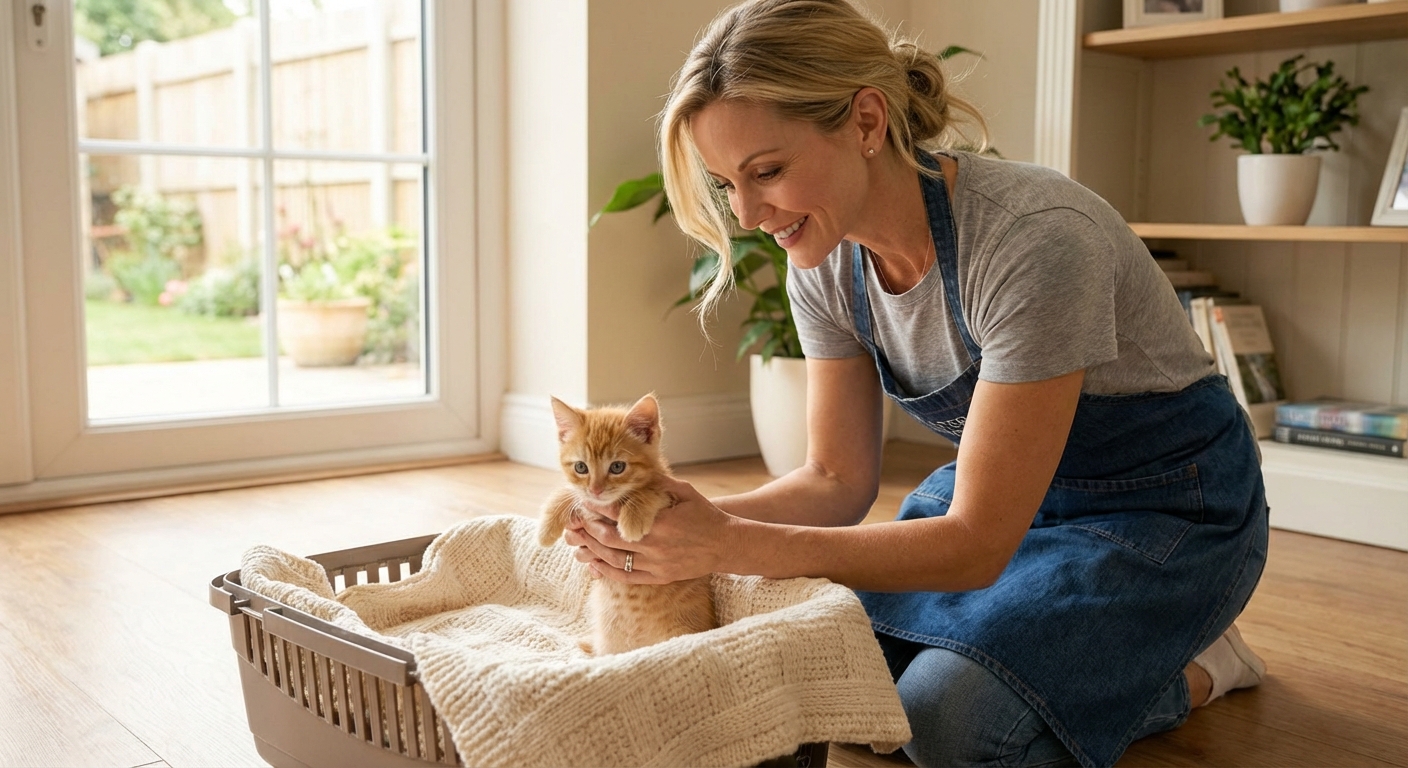
If you are unsure whether kittens are orphaned, the safest choice is usually to observe first and then act with a plan. When in doubt, call a local rescue before separating kittens from their mother.
If mom is a community or feral cat, ask about timing for Trap-Neuter-Return. Many groups will recommend leaving kittens with mom until they are weaned, then coordinating spay and neuter for the family.
How to help during kitten season
You do not have to run a rescue to be part of the solution. Here are practical, high-impact ways to help right now.
Foster, even short-term
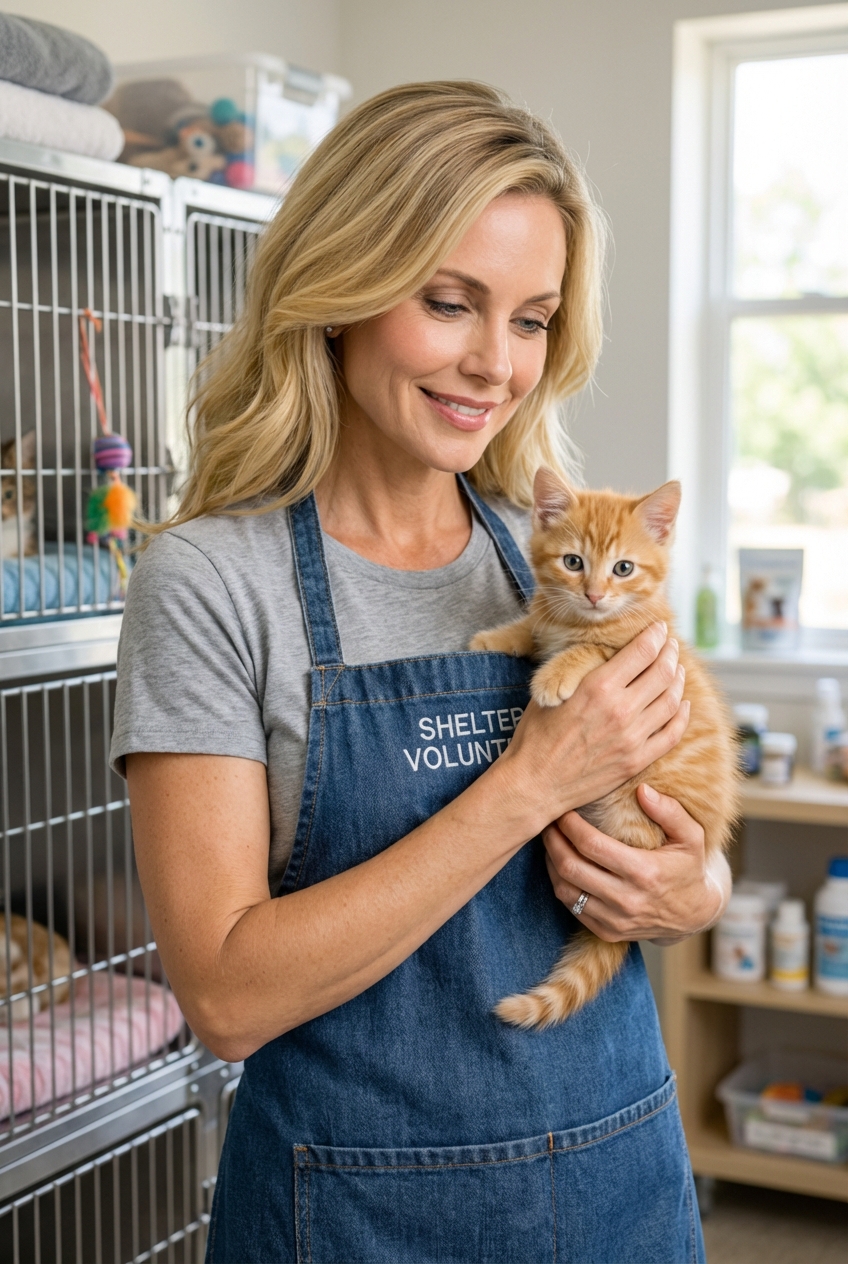
Many programs need “bridge fosters” for just 1 to 2 weeks until space opens or kittens are old enough for adoption. If bottle babies are not your comfort zone, you can foster weaned kittens too.
Support spay and neuter
Spay and neuter is the long-term fix that prevents future kitten seasons from being so intense. If you can, help by:
- Spaying and neutering your own pets promptly.
- Sharing low-cost clinic resources with neighbors.
- Supporting local Trap-Neuter-Return (TNR) efforts for community cats.
Donate the most-used supplies
Shelters often burn through kitten supplies quickly. Commonly needed items include kitten wet food, kitten milk replacer, small litter, heating pads made for pets, flea combs, and towels. Always check wish lists first so donations match current needs.
Adopt, and consider pairs
Adopting saves lives and opens space. Many kittens do well with a kitten buddy, which can help with social development and reduce boredom-related behavior issues.
Share accurate info
One simple social post about what to do when you find kittens, or why TNR matters, can prevent unnecessary intake and keep families together.
The hopeful side
Kitten season is hard, but it is also a time when communities step up in amazing ways. When fosters open their homes, when people spay and neuter, and when we pause to confirm whether kittens are truly orphaned, the pressure on shelters eases. Small actions stack up quickly.
If you are thinking about helping this year, start with one step: call your local shelter and ask what their biggest kitten-season need is today. There is almost always a way to plug in.