Bring home a kitten with confidence. Get vet-backed tips on kitten-proofing, nutrition, litter training, vaccines, grooming, play, stress, and safe pet intro...
Article
•
Designer Mixes
Kitten Litter Box Training

Shari Shidate
Designer Mixes contributor
Bringing home a kitten is pure joy, until the first “oops” outside the box. The good news is that kittens are naturally inclined to dig and cover, so litter training is usually more about setting them up for success than forcing a new habit. In this handbook, I’ll walk you through exactly what to buy, where to place it, how to teach the routine, and how to troubleshoot accidents with calm, vet-informed steps.
When kittens can use a litter box
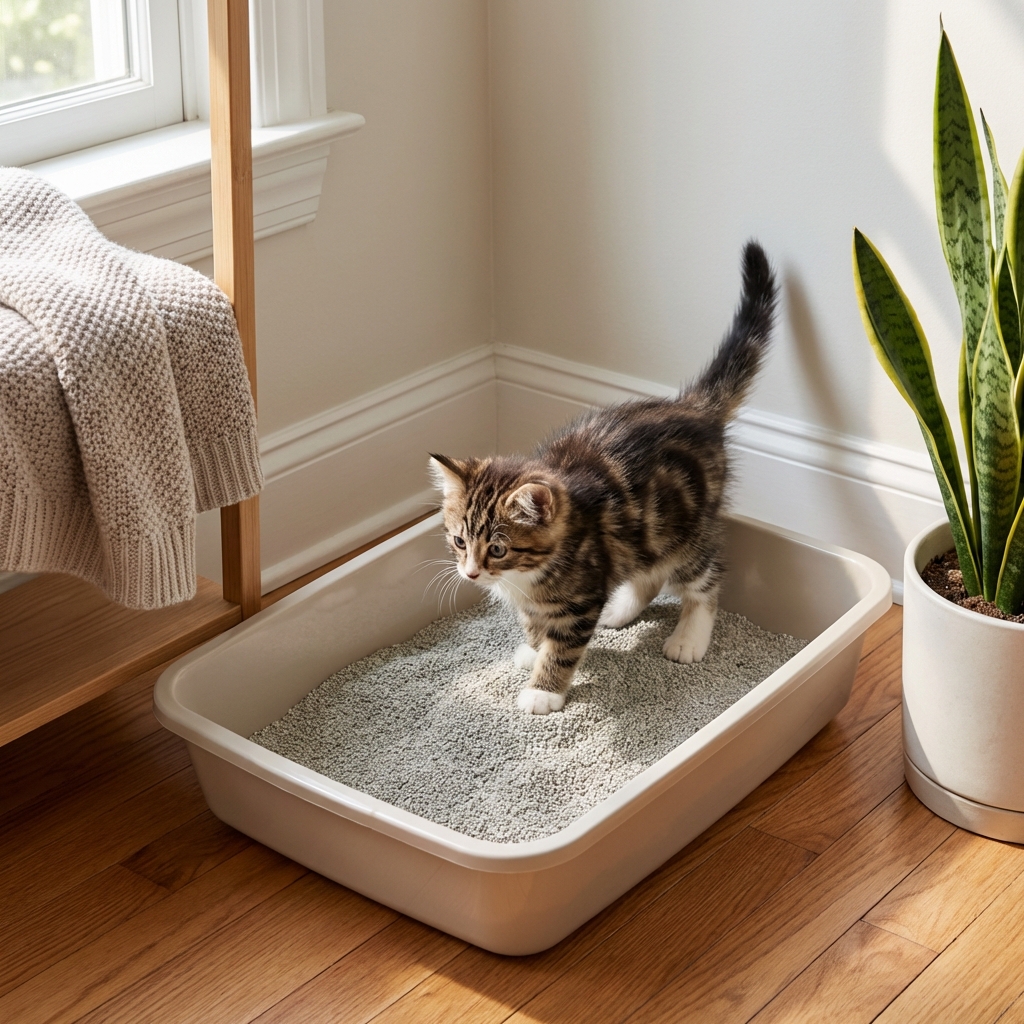
Many kittens begin learning around 3 to 4 weeks of age, and a lot are consistently using a box by 6 to 8 weeks. Individual timelines vary, and very young kittens may still have the occasional miss or need gentle help getting to the box in time.
If your kitten is very young or wobbly, prioritize a low-entry box and a non-clumping litter until you’re confident they are steady on their feet and not tasting the litter.
Your litter box starter kit
Think of this like setting up a tiny bathroom that feels safe, easy to find, and pleasant to use. Here is what I recommend for most homes.
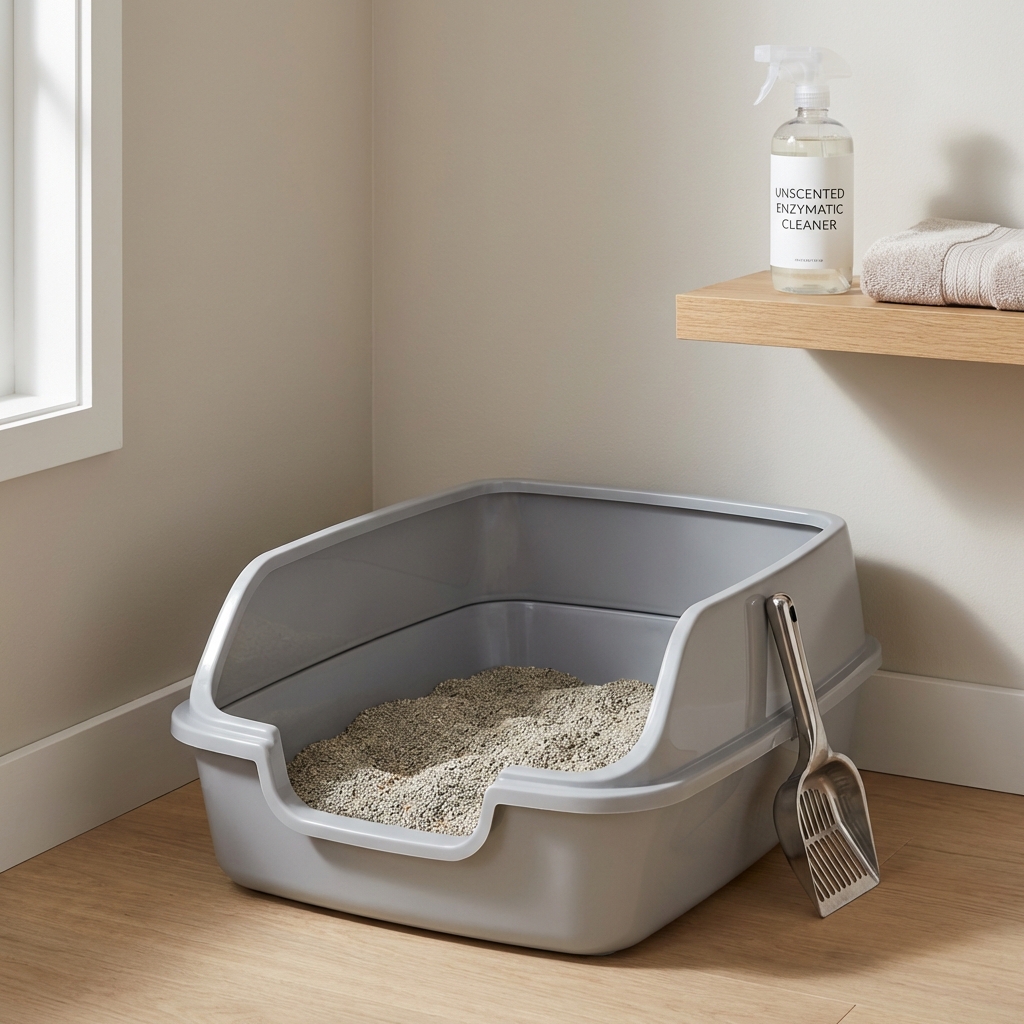
Litter box
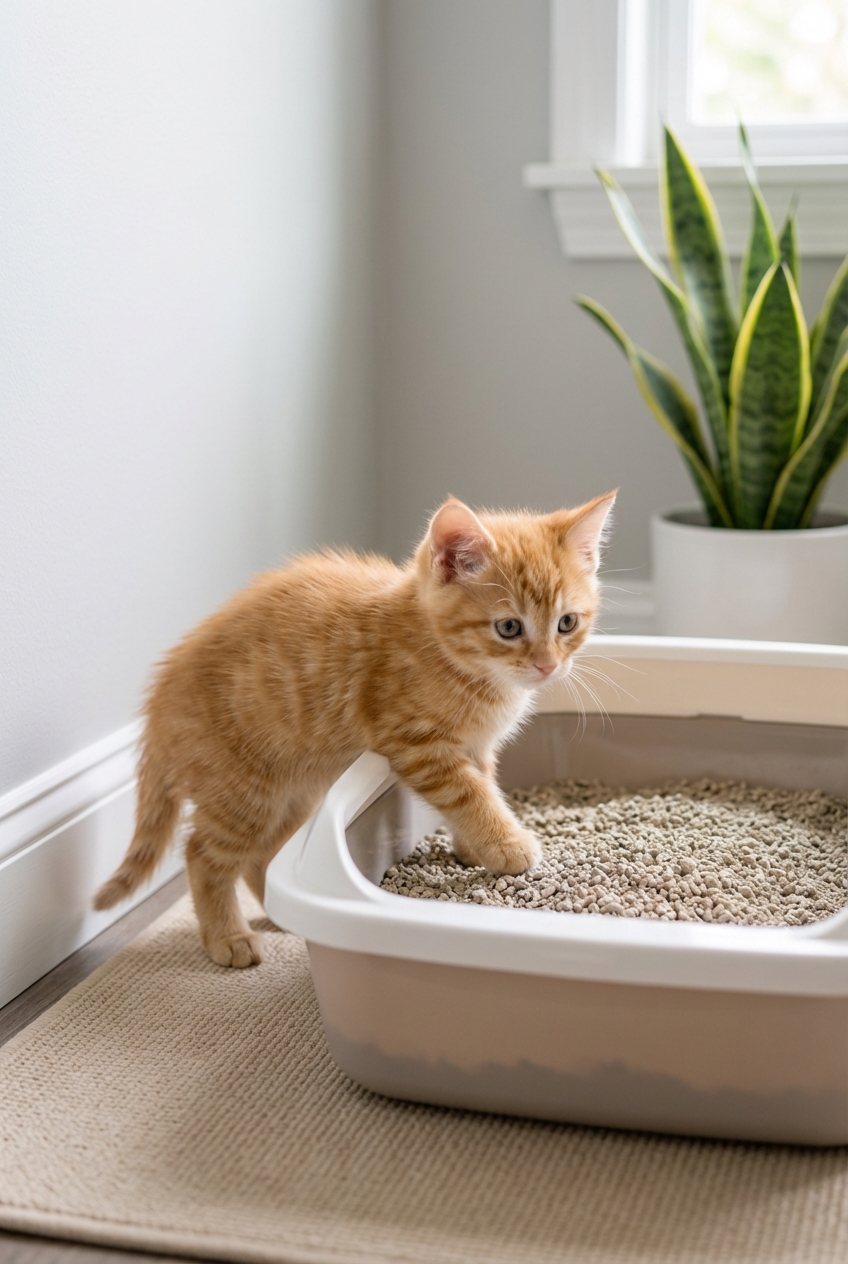
- Low-sided, open box to start. “Low entry” usually means a step-in height around 2 to 3 inches (5 to 7 cm).
- Large enough to turn around comfortably. A “kitten-sized” box can be outgrown fast.
- If you want a simple size rule of thumb, many cats do well with a box that is about 1.5 times their body length (not counting the tail).
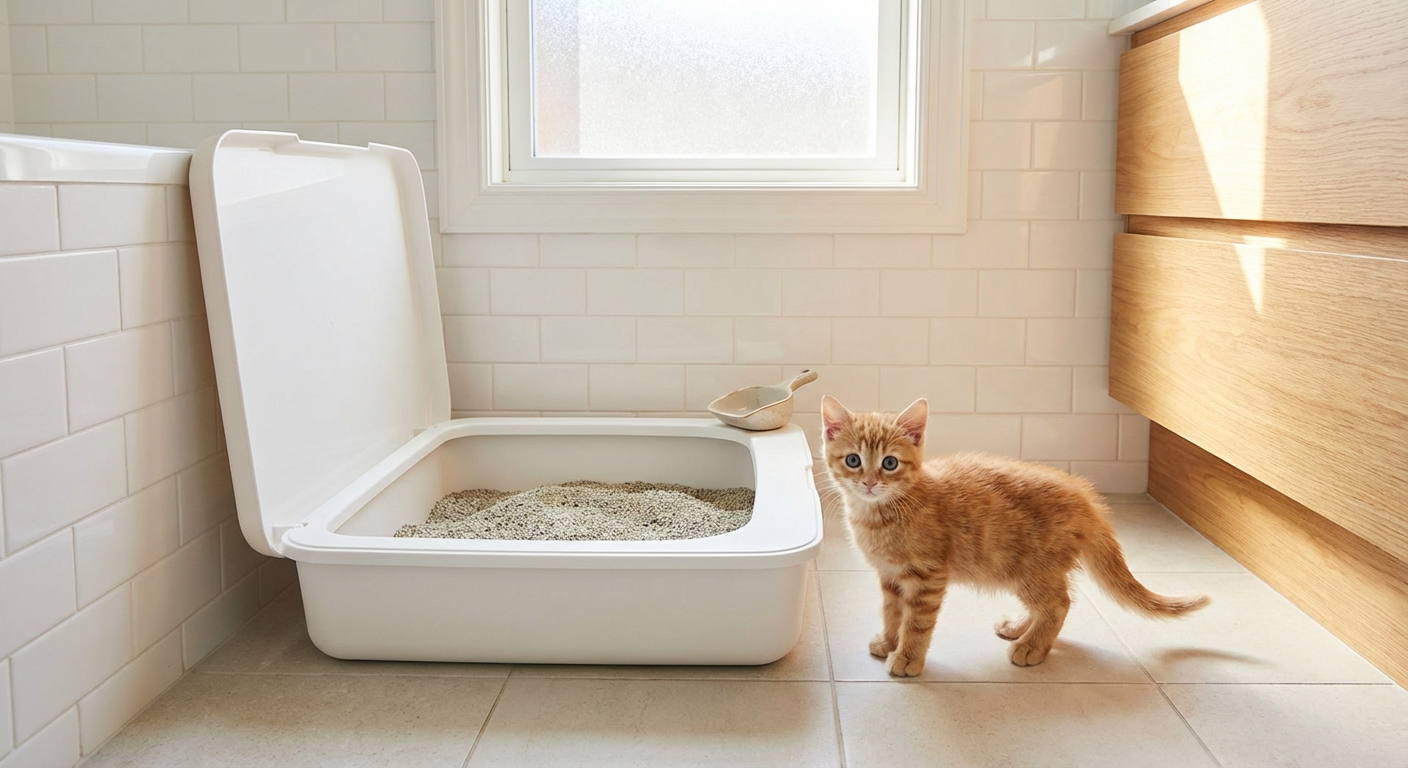
- Avoid covered boxes at first if your kitten seems hesitant. Some kittens dislike feeling trapped or smelling stronger odors inside a hood.
Litter (what most kittens do best with)
- Unscented is usually best. Strong fragrance can be aversive to sensitive noses.
- Fine-grain, sand-like texture often gets the best acceptance because it feels natural to dig in.
- Non-clumping for very young kittens is a common precaution, since some explore with their mouths. Many veterinary teams suggest this especially for kittens under roughly 8 to 12 weeks, but the best choice depends on the kitten. If you notice litter-eating, switch to a safer option and contact your veterinarian for guidance.
- For older kittens, clumping litter can be fine if they are not ingesting it.
Scoop and cleaning supplies
- Sturdy scoop that fits your litter type.
- Unscented dish soap or mild cleaner for the box.
- Enzymatic pet cleaner for accidents. Enzymes help break down the organic compounds that cause lingering odor and can draw them back to the same spot.
- Disposable gloves and paper towels.
Optional but helpful
- Litter mat to catch tracking and keep paws clean.
- Second box if your home is multi-level or if the kitten is shy and needs options.
How many litter boxes you need
A solid rule is one box per cat, plus one extra. For a single kitten, that often means two boxes, especially if your home has more than one floor or if the kitten is still learning. More boxes create more “correct” opportunities.
Where to place the litter box
Placement can make or break training. Cats want a bathroom spot that is easy to access, low-stress, and feels safe.
- Choose a calm location with low foot traffic. Avoid noisy laundry machines and slamming doors.
- Give privacy but not isolation. A kitten should not have to go on a long hike to find the box.
- Keep it away from food and water. Most cats prefer separation between eating and eliminating areas.
- Ensure 24/7 access. If a door closes, the kitten may improvise.
- Avoid ambush points. In multi-pet homes, place boxes where another cat or dog cannot corner the kitten on the way in or out.
Step-by-step routine
Consistency is the secret. For the first week, your goal is to gently guide your kitten into a predictable pattern.
1) Start small
For the first few days, consider a smaller “home base” room with the box in a visible corner. A tiny kitten in a large home can get overwhelmed and not find the box in time.
2) Introduce the box calmly
Place your kitten in the box and let them hop out if they want. You can gently scratch the litter surface with your fingers to show that it’s a digging area.
3) Use natural timing windows
Carry or lead your kitten to the box:
- Right after waking up
- Within 5 to 15 minutes after eating
- After active play
4) Reward the right thing
If your kitten uses the box, offer immediate praise and a small treat. Keep it gentle. The reward needs to happen right after the action so they connect the dots.
5) Keep the box very clean
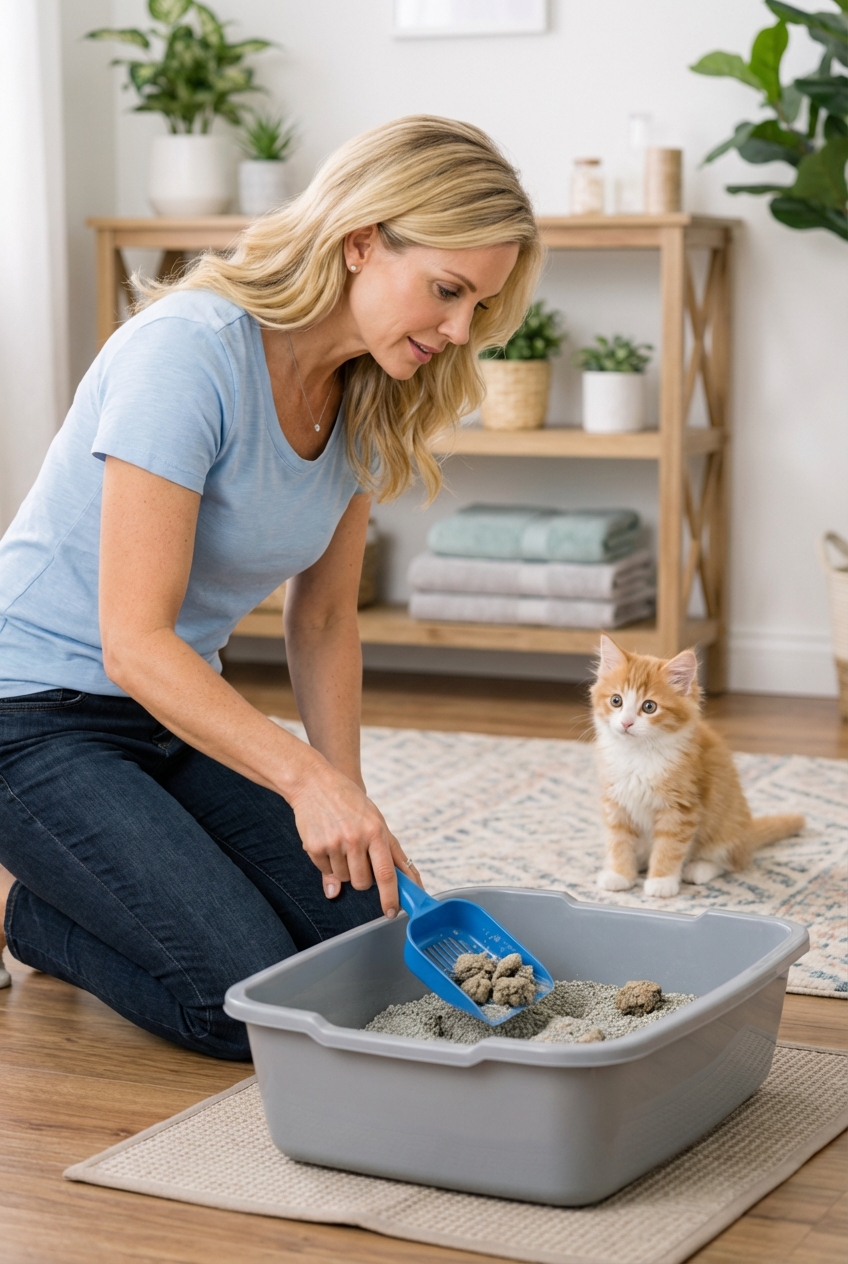
Scoop at least once daily, ideally twice. Many kittens and adult cats will avoid a dirty box, and then the training gets harder.
Tip from the clinic: If you change litter brands, mix the new litter in slowly over a week. Sudden texture or scent changes can cause a litter strike.
Common mistakes
- Box is hard to enter: High sides or a covered box can be a barrier for a small kitten.
- Litter is scented or rough: Many kittens dislike strong perfume or large crystal textures.
- Not enough boxes: A single, far-away box can be hard for a small kitten to reach in time.
- Box placed near loud appliances: If the washer startles them once, they may avoid that area.
- Using ammonia cleaners: Ammonia smells similar to urine and can encourage repeat marking.
- Punishment: Scolding increases fear and can lead to more hiding and more accidents.
What to do after an accident
Accidents happen, especially in the first week. What you do next matters.
Clean correctly
- Blot urine with paper towels.
- Use an enzymatic cleaner and follow the label directions for soak time.
- Keep the kitten away from the spot until it’s fully dry, if possible.
What not to do
- Do not rub their nose in it.
- Do not chase them or yell.
- Do not “trap” them in the box as punishment. You want the box to feel safe.
Reset the environment
- Add a second box closer to where the accident occurred.
- Temporarily reduce roaming space, then expand again as reliability improves.
- If the kitten is choosing soft items like laundry, keep those items picked up during training.
Catch the moment when you can
If you see sniffing, circling, squatting, or a sudden dash behind furniture, calmly lift and place your kitten in the box. If they finish there, reward.
Troubleshooting
The litter hurts their paws
Try a softer, finer, unscented litter. Paw tenderness can also happen after nail trims or minor injuries, so keep an eye out for limping or licking.
The box smells too strong
Scoop more often and wash the box weekly with mild soap and warm water. Avoid heavily scented deodorizers. Many cats prefer “no smell” over “covered up smell.”
They are stressed
New homes are a lot. Provide a predictable routine, safe hiding spots, and keep the box in an easy, calm location. In multi-pet homes, make sure the kitten can reach the box without being blocked.
They learned a different setup
Ask the shelter or breeder what litter they used, then start with the same type and transition slowly.
When to call your veterinarian
As a veterinary assistant, I always want families to know that litter box issues are not always behavioral. Please contact your veterinarian promptly if you notice:
- Frequent trips to the box with little or no urine
- Crying, straining, or pain in the box
- Blood in urine or stool
- Diarrhea lasting more than 24 hours, or any diarrhea in a very young kitten
- Not eating, hiding, or lethargy along with accidents
- Sudden change in litter habits after a period of doing well
Urinary issues can become serious quickly, and early help makes treatment easier and less stressful for everyone.
Upkeep that helps training
- Scoop daily, ideally morning and night.
- Litter depth: Many cats prefer enough to dig and cover. About 2 to 3 inches works well for most boxes and most cats.
- Wash the box weekly with mild soap and warm water, then dry completely.
- Replace the box as needed if it holds odor or gets heavily scratched. Some boxes last a long time, but if cleaning no longer removes smell, it is time for a fresh one.
Quick checklist
- Low-entry open box
- Unscented, fine-grain litter
- Two boxes if possible
- Calm, easy-to-reach placement
- Guided trips after sleep and meals
- Enzymatic cleaner ready
- No punishment, only redirection and reward
With a clean setup and a gentle routine, most kittens become reliable quickly. If you hit a snag, it is not a failure. It is just feedback that something about the box, the location, or your kitten’s comfort needs a tweak.