Worried about kitten diarrhea? Use behavior clues and stool signs to spot diet issues, parasites, stress, or infection. Includes safe home steps, red flags, ...
Article
•
Designer Mixes
Kitten Diarrhea Treatment: Must-Know Advice

Shari Shidate
Designer Mixes contributor
Diarrhea in kittens is common, but it is never something to shrug off. Because kittens are tiny, they can dehydrate quickly, and dehydration can become dangerous fast. The goal is to (1) keep your kitten safe and hydrated, (2) identify likely causes, and (3) know when you need a veterinarian right away.
As a veterinary assistant, I always tell families this: you do not have to diagnose everything at home. You just need to recognize the red flags, support your kitten safely, and get timely help when it matters.
First, is it really diarrhea?
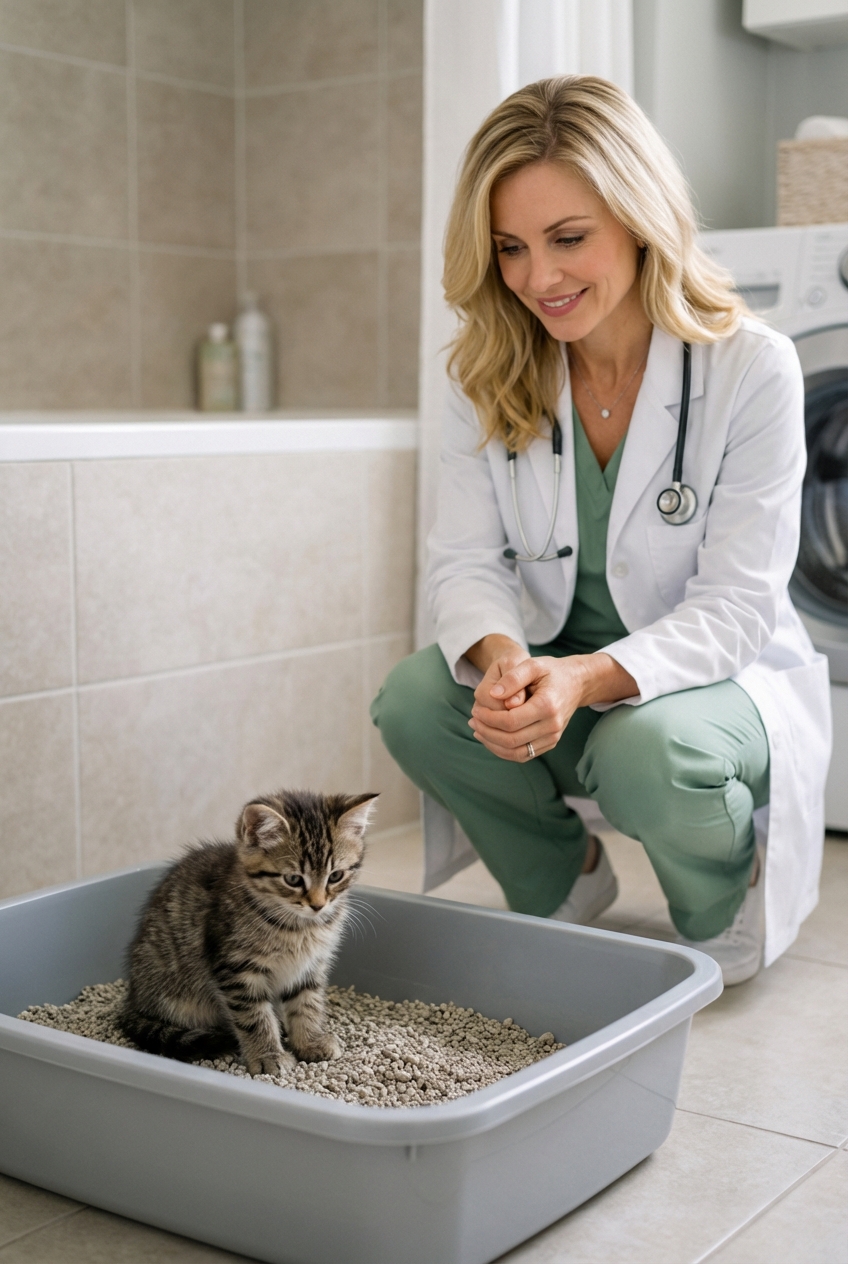
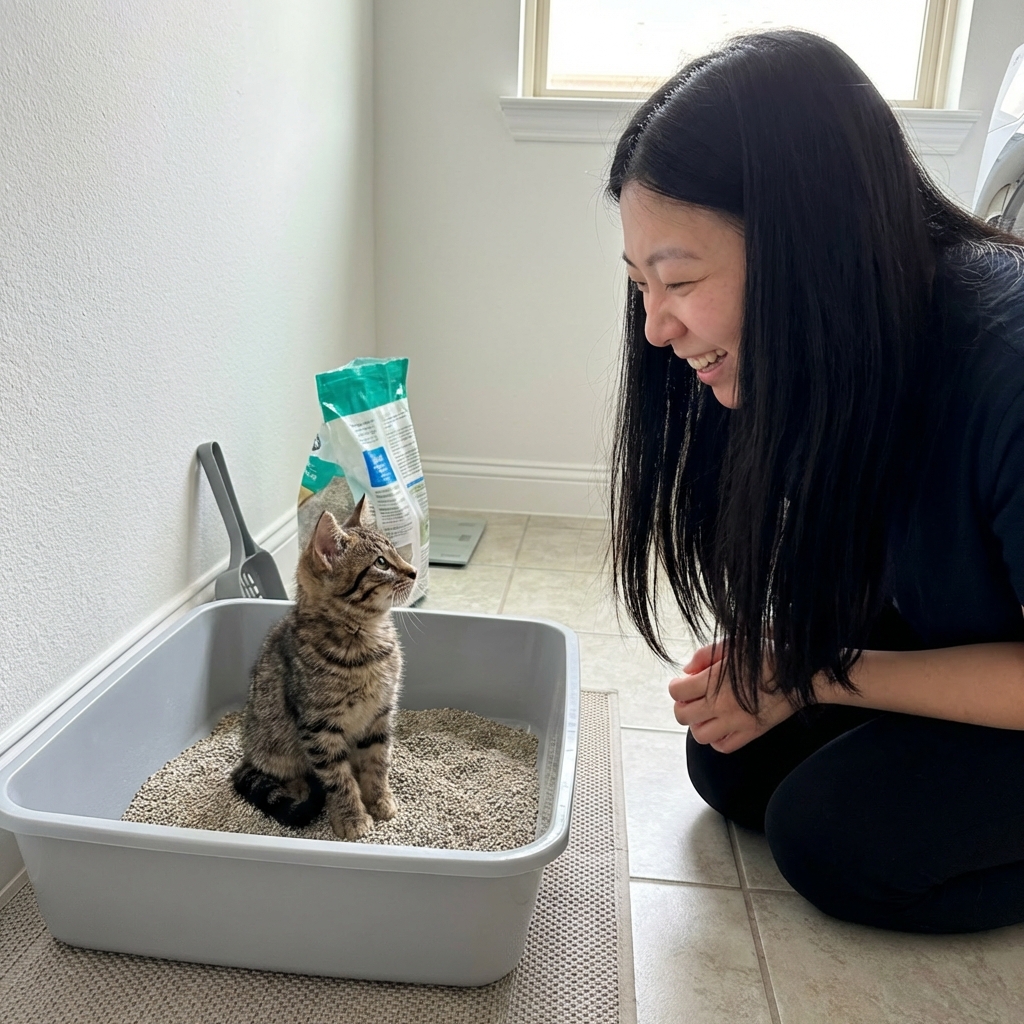
Kittens can have a few different “messy litter box” situations that look similar but mean different things.
- Diarrhea: loose or watery stool, often more frequent than normal.
- Soft stool: formed but mushy. This is still worth addressing, especially in a young kitten.
- Straining with little stool: can be constipation or irritation. Sometimes this is mistaken for diarrhea.
If you can safely take a quick photo of the stool (yes, really), it can help your veterinarian a lot, especially if it changes before your visit.
Why kitten diarrhea happens
Most causes of kitten diarrhea fall into a few big buckets. Some are simple, and some need treatment quickly.
Diet change or food intolerance
Sudden changes in food, new treats, cow’s milk, rich table foods, and scavenging can all trigger loose stool. Kittens have sensitive GI tracts, and abrupt switches are a common cause.
Parasites (very common)
Roundworms, hookworms, coccidia, and giardia are frequent in kittens, including kittens that look healthy otherwise. Many are treatable, but they require the right medication. Over the counter dewormers do not cover everything, and some can be unsafe or misdosed in kittens, so do not self-prescribe. When in doubt, call your vet and bring a stool sample.
Stress
Moving homes, new pets, travel, and even routine changes can upset a kitten’s gut. Stress diarrhea can happen alongside other causes, too.
Infections
Viral or bacterial infections can cause diarrhea, sometimes with lethargy, vomiting, fever, or poor appetite. In very young kittens, infections can escalate quickly. If your kitten is not vaccinated yet or you do not know their vaccine status, take diarrhea more seriously and call your veterinarian.
Toxins or foreign material
Garbage, plants, string, and small objects can irritate the gut or cause an intestinal blockage. Diarrhea can happen, but so can vomiting, belly pain, or sudden lethargy. If you suspect ingestion, do not wait it out.
Antibiotic side effects
Some medications can disrupt the gut microbiome. If diarrhea starts after a new medication, call your veterinarian before stopping anything.
Red flags: call a vet now
If any of the signs below are present, do not wait it out. Call your veterinarian, an urgent care clinic, or an emergency hospital.
- Blood in the stool (bright red streaks or dark, tarry stool). Dark, tarry stool can mean digested blood.
- Watery diarrhea, multiple episodes in a day, or diarrhea lasting more than 24 hours
- Vomiting (especially repeated vomiting)
- Lethargy, weakness, hiding, or acting “not themselves”
- Not eating or nursing poorly
- Signs of dehydration (dry gums, sunken eyes, sticky saliva, or skin that does not spring back quickly when gently lifted). This can be hard to judge in kittens, so when in doubt, call your vet.
- Very young or small size (especially under 8 to 10 weeks), being underweight, or any chronic illness
- Fever or the kitten feels unusually cold
In kittens, diarrhea is not just a mess. It can become a dehydration emergency faster than many pet parents expect.
Safe at-home care
If your kitten is bright, playful, eating, and has mild diarrhea without any red flags, you can do supportive care while you monitor closely. The key is gentle steps, not aggressive home remedies.
1) Hydration comes first
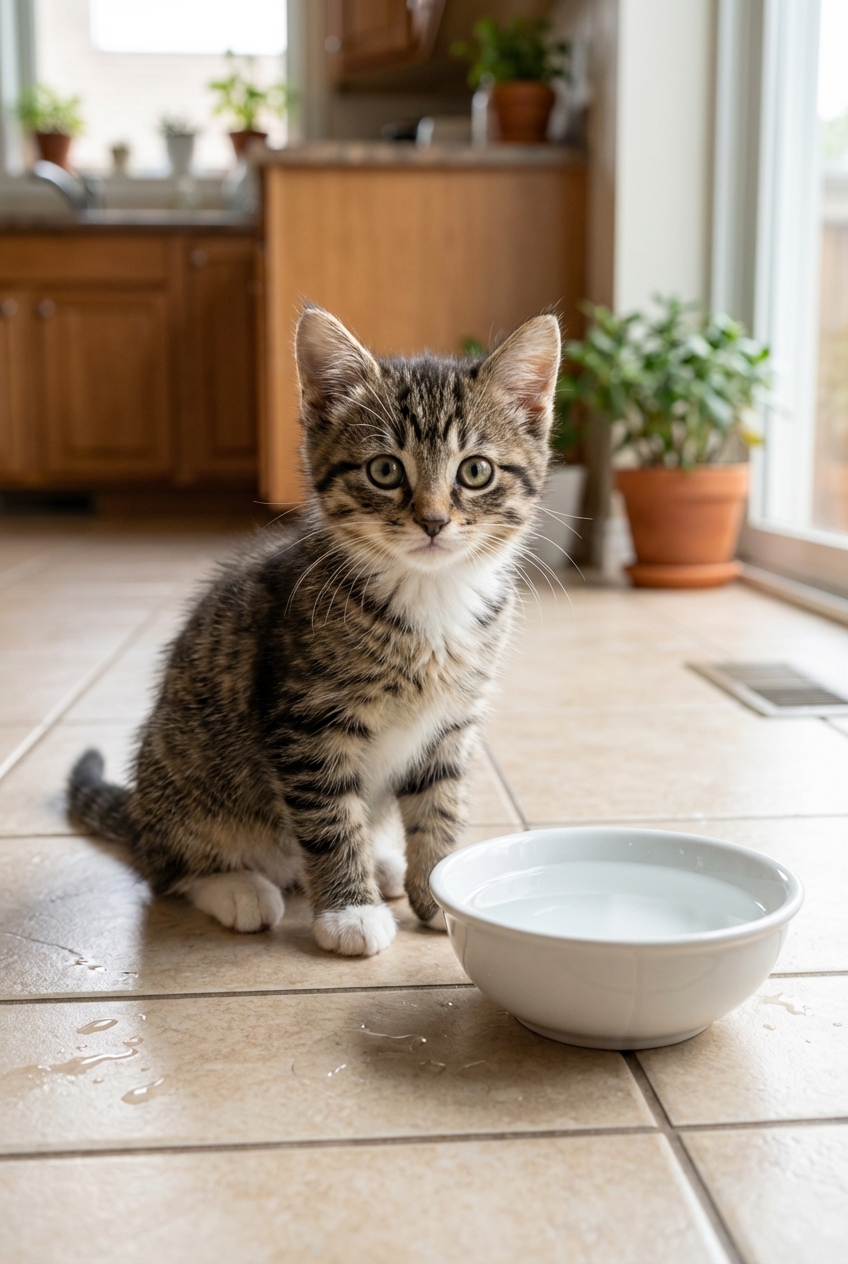
- Provide fresh water in an easy-to-reach bowl.
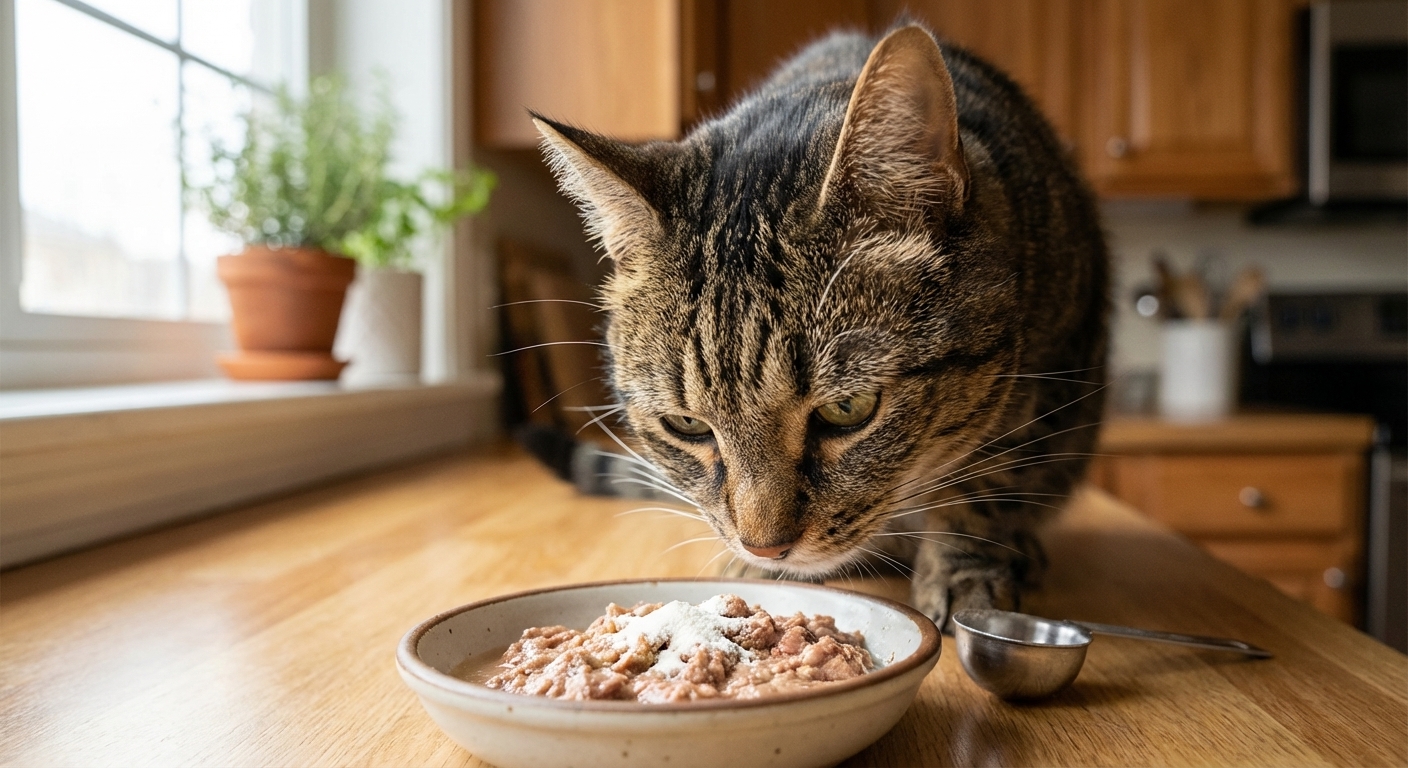
- Offer wet kitten food if your kitten is eating normally. The extra moisture helps.
- Do not force water into the mouth. Aspiration is a real risk.
If your kitten will not drink, is drooling, or seems weak, that is a vet visit, not a home treatment situation.
2) Keep food simple and consistent
In many kittens, diarrhea improves when you remove “extras” and stick to a predictable, kitten-appropriate diet.
- Feed a complete and balanced kitten food (not adult cat food).
- Stop treats and table foods for now.
- Avoid cow’s milk. Many kittens cannot digest lactose well, and it can worsen diarrhea.
Some veterinarians may recommend a temporary GI diet. If you have one already from your vet, use it as directed. If not, call and ask before making big changes.
3) Ask your vet about a kitten-safe probiotic
Some probiotics may help certain kittens, but results vary by strain and product. The important part is using a product made for pets, with a clear dosing guide. Call your veterinarian for a recommendation based on your kitten’s age and weight.
4) Track the details for 24 to 48 hours
Monitoring gives you power and helps your veterinary team make faster decisions.
- How many episodes in a day?
- Is it improving, staying the same, or worsening?
- Any vomiting?
- Energy level and appetite?
- Any new foods, treats, plants, or trash exposure?
- Any recent deworming or vaccines?
Stool sample tip: If you can, bring a fresh stool sample to your appointment. If you cannot get in right away, ask your clinic how they prefer it stored. Many will have you refrigerate it in a sealed container for a short time. Do not freeze unless your vet tells you to.

What not to do
These are common mistakes I see, and they can delay proper care.
- Do not use human anti-diarrheal medications unless a veterinarian specifically instructs you. Some are unsafe for cats and kittens.
- Do not fast a young kitten without veterinary guidance. Kittens need steady calories and can become hypoglycemic.
- Do not give random dewormers and assume the problem is solved. Giardia and coccidia, for example, require different medications than basic deworming.
- Do not ignore diarrhea “because it’s just worms.” Parasites are common, but diarrhea can also be infection, toxin exposure, dietary intolerance, or something more serious.
What your vet may do
A good workup for kitten diarrhea is often straightforward and very effective. Your veterinarian will tailor treatment to your kitten’s age, exam findings, and risk factors.
Fecal testing
Many clinics run a fecal float and may recommend additional testing for giardia or PCR panels depending on the situation. Bringing a fresh stool sample (if you can) helps.
Deworming and parasite treatment
Kittens are often treated for intestinal parasites, even if you do not see worms. The medication choice depends on which parasite is suspected or confirmed.
Fluids and supportive care
If dehydration is present, your kitten may need subcutaneous fluids or IV fluids. This can be lifesaving and is one reason we take kitten diarrhea seriously.
Diet plan
Your vet may recommend a bland GI diet, a prescription diet, or a gradual food transition plan. Nutrition is a big part of gut healing.
Medication when appropriate
Not every kitten needs antibiotics. When they are used, it is usually based on clinical signs, testing, and the overall risk profile.
Preventing future diarrhea
You cannot prevent every upset tummy, but you can reduce your kitten’s risk dramatically with a few habits.
- Keep diet changes slow. Transition food over 7 to 10 days.
- Stay on a vet-recommended deworming plan, and do fecal testing as advised.
- Practice good hygiene to reduce reinfection and spread. Scoop promptly, keep the litter box clean, wash hands after cleanup, and clean contaminated floors or bedding. If you have multiple cats, ask your vet if you should separate litter boxes during illness.
- Limit access to garbage, plants, and string-like objects.
- Schedule timely kitten wellness visits for vaccines, growth checks, and prevention planning.
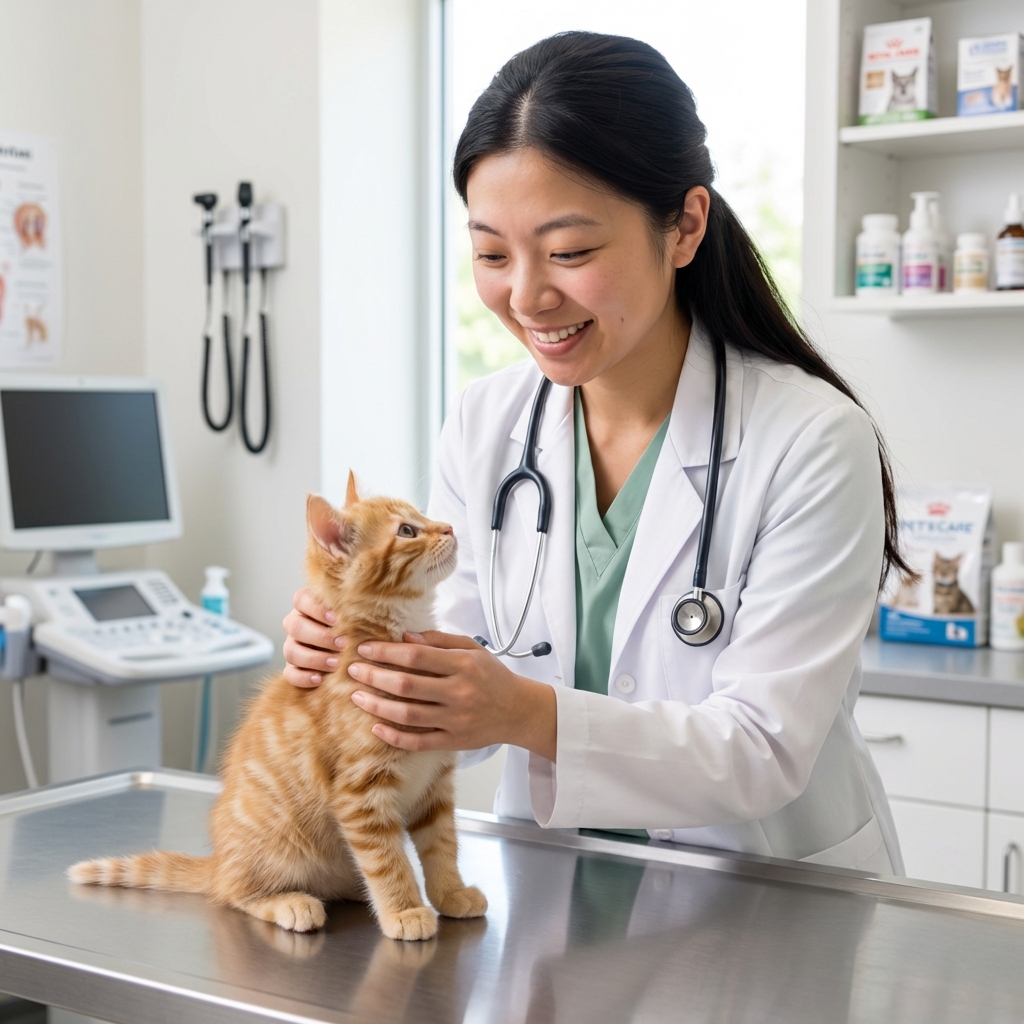
A simple action plan
If you are feeling overwhelmed, here is a quick roadmap.
- Step 1: Check for red flags (blood, vomiting, lethargy, dehydration, not eating, very young or very small).
- Step 2: If red flags exist, call a vet now.
- Step 3: If mild, support hydration, remove treats, keep food consistent, and ask about a kitten-safe probiotic.
- Step 4: Monitor for 24 hours. If it worsens or does not improve, schedule a veterinary visit and bring a stool sample if possible.
Your kitten’s gut can recover beautifully with the right support. The biggest win is catching the serious cases early, and not waiting until dehydration has already set in.