Vet assistant guide to kitten constipation: signs, common causes, safe at-home steps like hydration and pumpkin, what to avoid, and urgent red flags to call ...
Article
•
Designer Mixes
Kitten Constipation Home Remedies

Shari Shidate
Designer Mixes contributor
As a veterinary assistant here in Frisco, Texas, I can tell you constipation is one of those kitten issues that starts out looking “minor” and can quickly become uncomfortable, painful, or even urgent. The good news is that many mild cases respond well to simple home care. The key is knowing what is safe, what actually works, and when to stop home treatment and call your vet.
How to tell if it is constipation
Kittens strain for several reasons, so it helps to look at the full picture. Constipation usually means stool is hard, dry, and difficult to pass, or your kitten is producing very little stool.
Quick definition: Constipation is trouble passing stool. It is different from diarrhea (frequent loose or watery stool). If your kitten is straining but you are not seeing stool or urine, treat it as urgent until proven otherwise.
Common signs
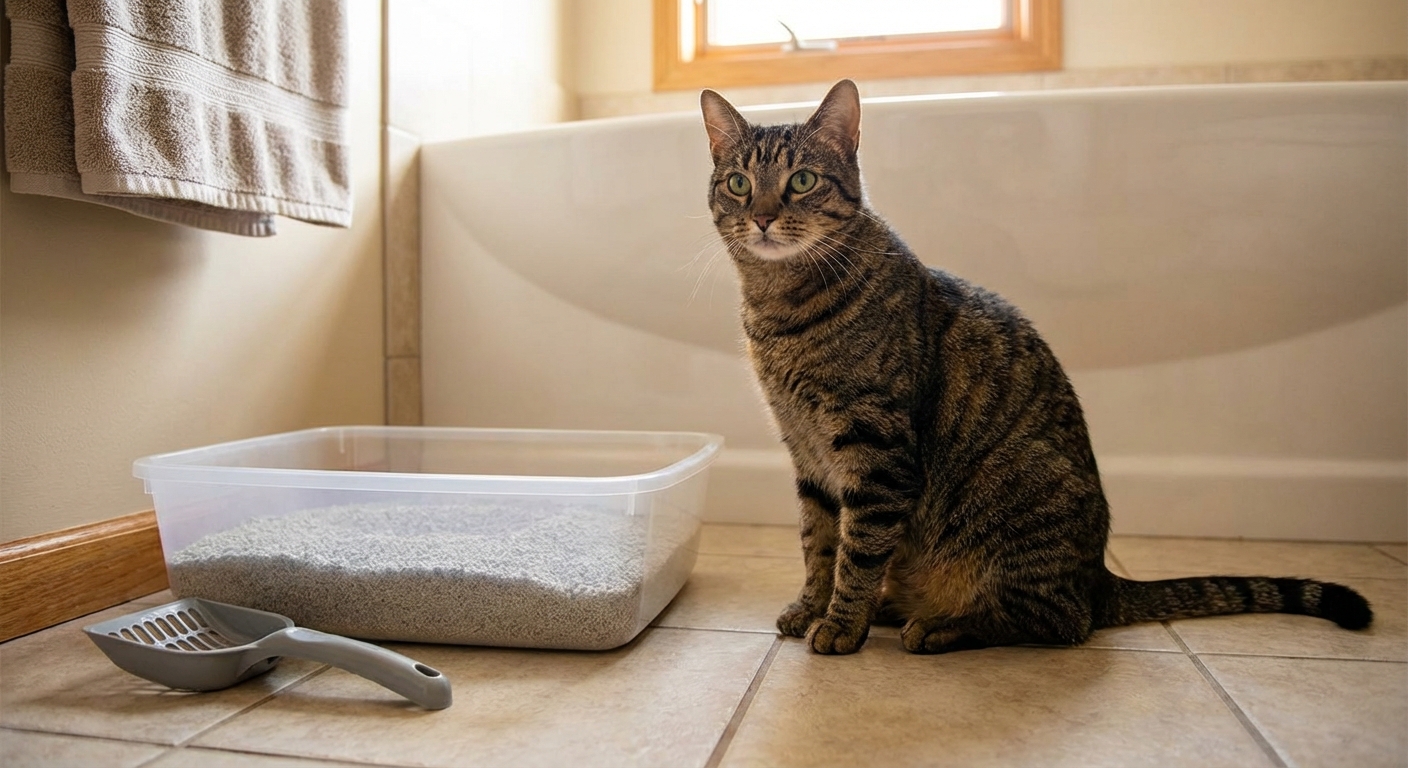
- Straining in the litter box with little or no stool produced
- Small, hard, dry stools, sometimes like little pebbles
- Crying in the litter box or repeatedly going in and out
- Reduced appetite, nausea, or hiding more than usual
- A firm, round belly or discomfort when picked up
- Occasional vomiting, especially if constipation is more severe
Normal kitten poop varies, but it should pass without straining and should not be rock hard. If you are unsure, a quick photo of the stool and a timeline of symptoms can help your veterinarian a lot.
Safety check first
Home remedies are only appropriate for mild constipation in a bright, alert kitten who is otherwise acting pretty normal. If your kitten is very young or seems sick, do not wait.
Call a vet urgently if any are true
- Age under 8 weeks, or very small and fragile (young kittens can decline faster, so call sooner rather than later)
- No stool for 48 hours or more (or sooner if your kitten is under 8 weeks)
- Vomiting, severe lethargy, refusal to eat, or obvious pain
- Distended belly that looks larger than normal
- Repeated straining with no stool (could be obstruction)
- Blood in stool or at the rectum
- Possible ingestion of string, ribbon, hair ties, bones, litter, or toys
- Straining and you are not sure your kitten is peeing (urinary blockage is a true emergency, especially in male cats)
If a kitten is straining and producing no stool, we worry about blockage. If a kitten is straining and producing no urine, we worry about urinary obstruction. Either one is not a “wait and see” situation.
Home remedies that are usually safe
These steps support hydration and gentle gut movement, which is what many mildly constipated kittens need. Start with the easiest changes and reassess within 12 to 24 hours.
1) Increase hydration
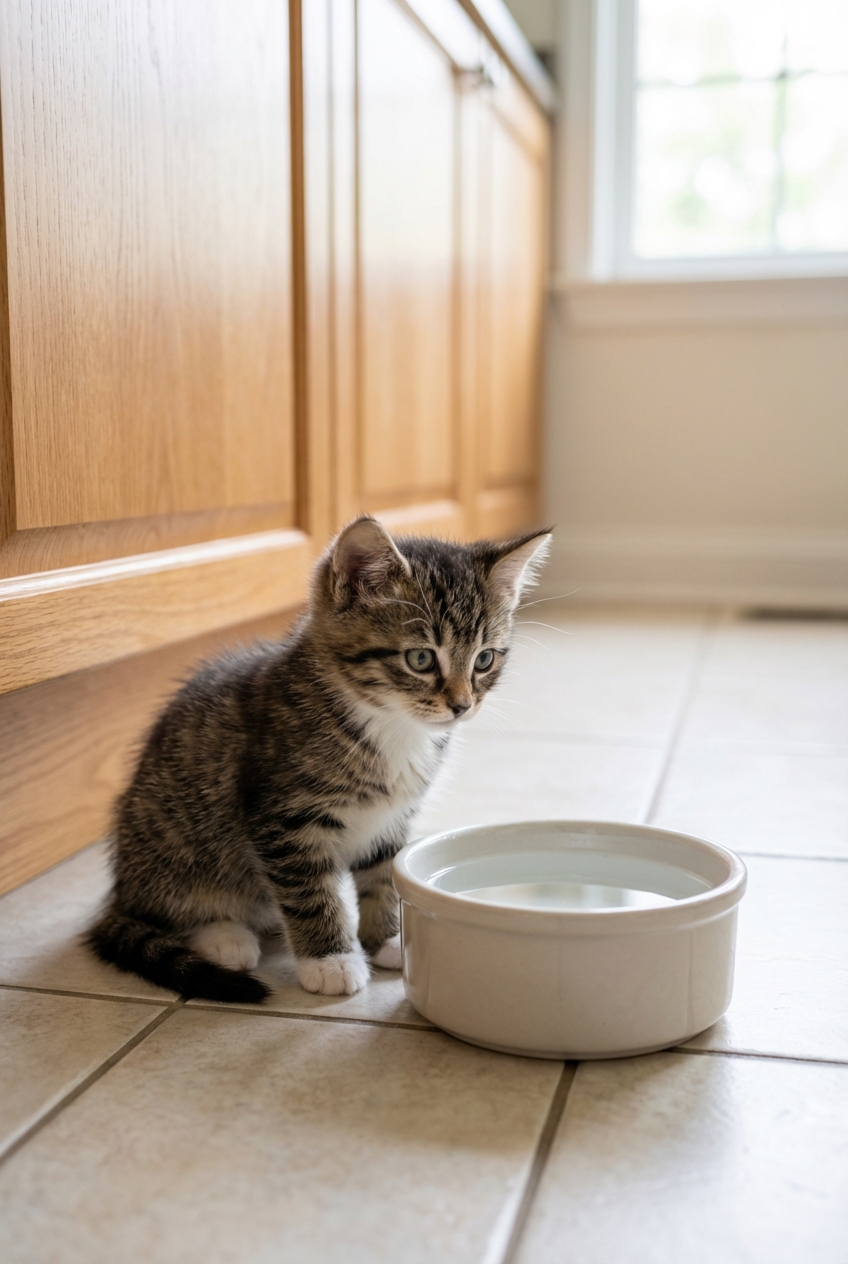
Dehydration is a top contributor to hard stool. Kittens eating mostly dry food can be more prone to low moisture intake, although some do drink enough.
- Switch to wet food for a few days, or increase the wet food portion.
- Add water to wet food to make a “gravy.” Start with 1 to 2 teaspoons and increase slowly.
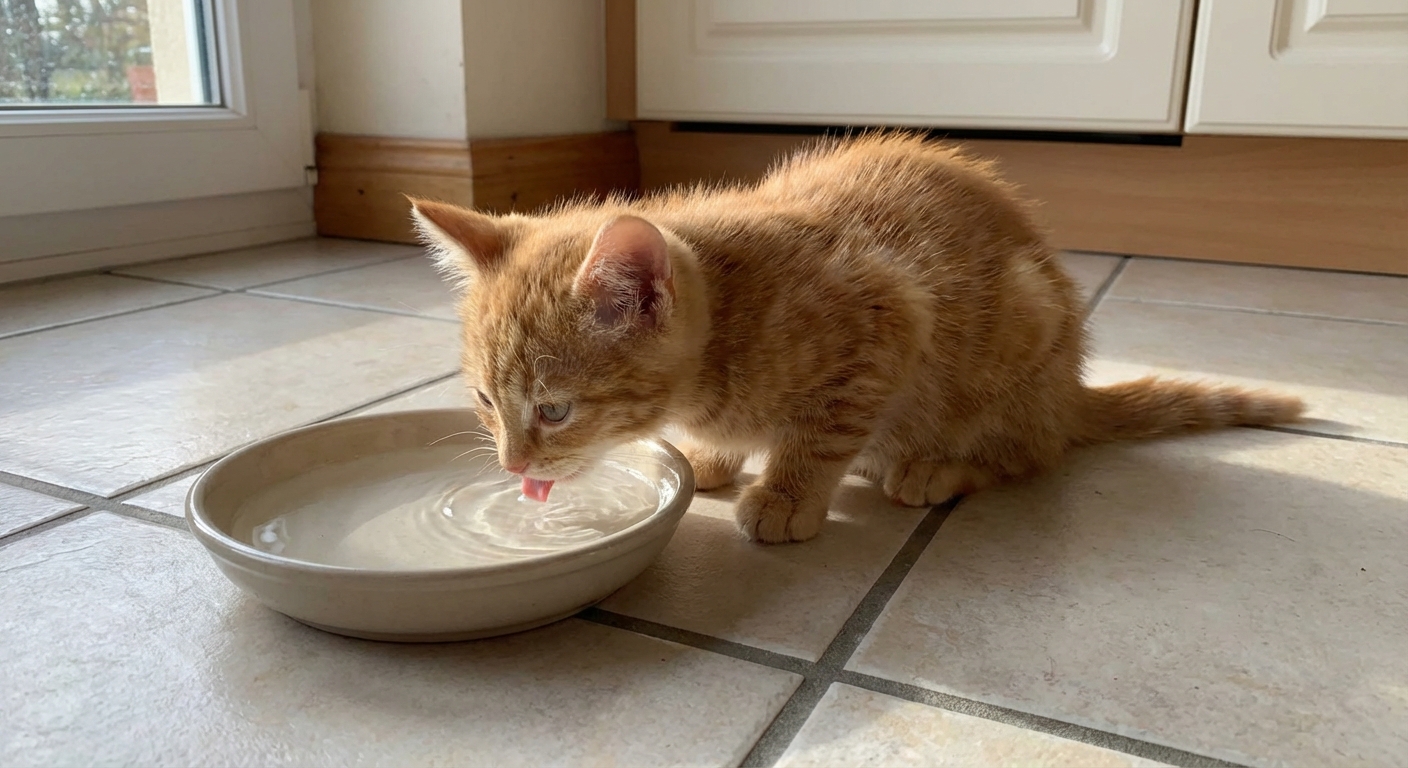
- Offer multiple water stations in quiet areas.
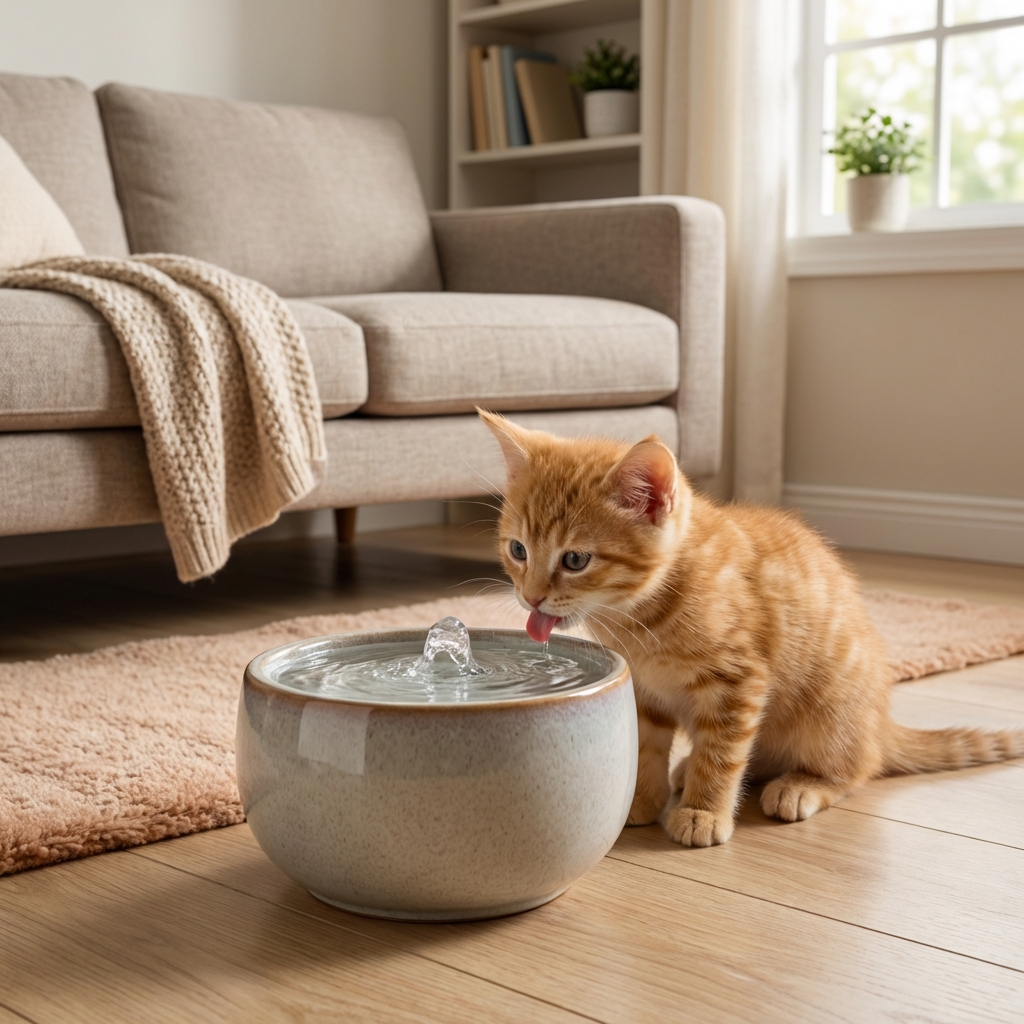
- Try a pet water fountain if your kitten likes moving water.
2) Warm, moist meals
Warm food smells stronger and can encourage eating, which helps gut motility. Slightly warm the wet food so it is just lukewarm, not hot.
If you feed dry kibble, consider offering it soaked in warm water until soft. This can be a game-changer for some kittens.
3) Gentle fiber with pumpkin
Plain pumpkin puree (not pie filling) is a classic vet-approved add-in for mild constipation. It provides soluble fiber, which can help stool hold water and move more comfortably.
- Common starting amount for small kittens: 1/4 teaspoon mixed into food once daily.
- If tolerated and still needed, some kittens do okay with 1/4 teaspoon twice daily.
Dosing varies by kitten size, age, and the cause of constipation, so if you have a very small kitten or ongoing issues, ask your vet for the best dose. Go slowly. Too much fiber can cause gas, loose stool, or make some kittens feel full and eat less.
4) Encourage movement
Activity helps stimulate the intestines. Two or three short play sessions a day can help get things moving.
- Use a wand toy for 5 to 10 minutes
- Encourage climbing and gentle chasing
- Keep it fun and stress-free
5) Make the litter box easy
Constipation can worsen when kittens avoid the litter box. Make it easy and inviting.
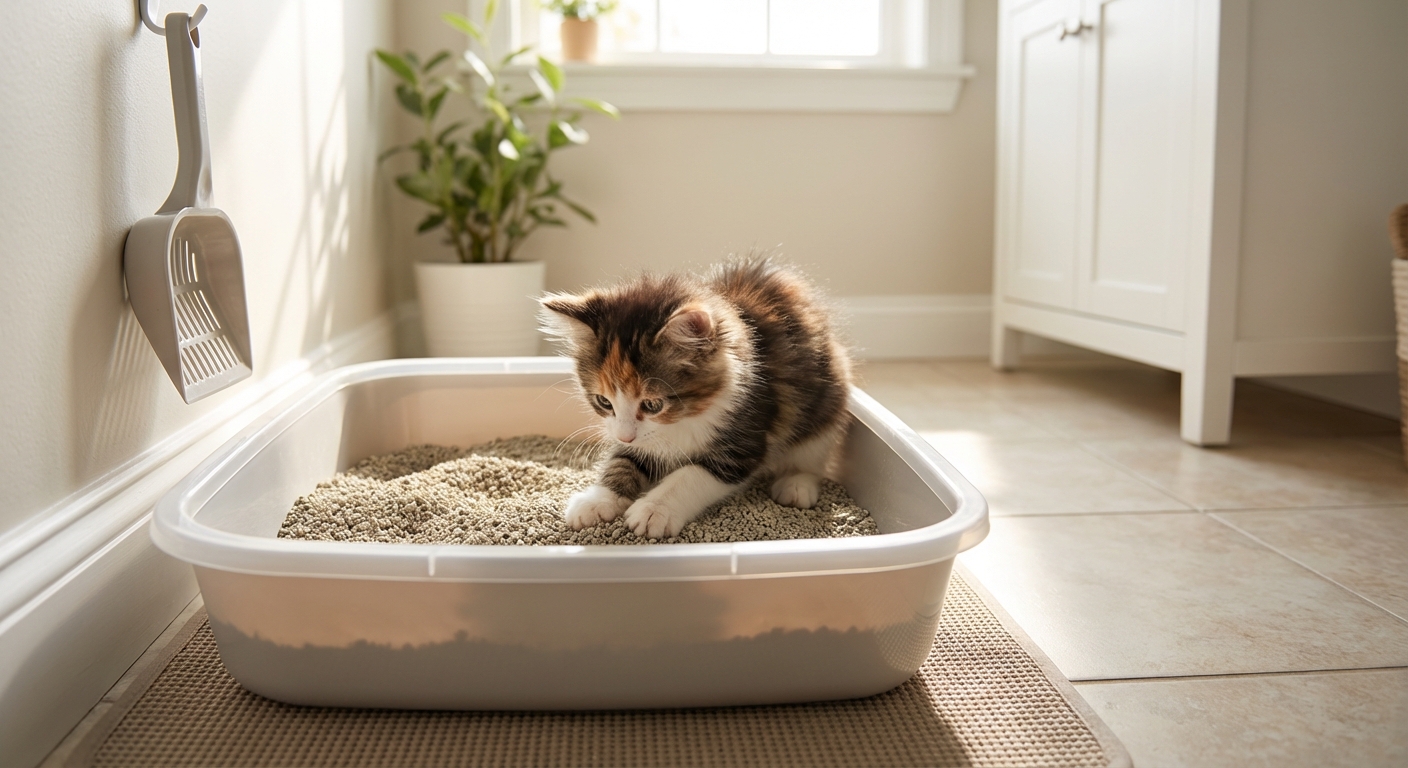
- Use a low-entry box so it is easy to get into
- Keep it very clean
- Choose an unscented litter if your kitten seems picky
- Place the box in a quiet spot, away from loud appliances
6) Gentle tummy comfort
Some kittens relax with a light belly rub, which may help them feel more comfortable. Use gentle circles and stop immediately if your kitten tenses, tries to bite, or seems painful.
7) Very young kittens and stimulation
If you are caring for an orphaned or very young kitten, some cannot poop reliably without help. In that situation, constipation is managed differently. Your vet or a neonatal kitten foster guide can show you how to safely stimulate elimination and how often to expect stool.
What not to do
I know it is tempting to reach for “people” solutions, but kittens are tiny and very sensitive to dosing and side effects. These are common mistakes we see in clinics.
- No human laxatives like bisacodyl, senna, or magnesium products unless your veterinarian specifically instructs you.
- No mineral oil by mouth. It can be aspirated into the lungs and cause serious pneumonia.
- No enemas at home. Many over-the-counter enemas are dangerous for cats. Fleet or sodium phosphate enemas can be toxic, and improper administration can injure the rectum.
- No essential oils for “digestive support.” Many are toxic to cats.
- Do not force-feed water with a syringe if your kitten is struggling or at risk of inhaling it.
- Skip cow’s milk. It is a common “constipation remedy,” but many cats are lactose intolerant and it can cause diarrhea and dehydration.
If you are thinking about an enema or a strong laxative, it is time to call your vet instead. There are safer, cat-specific options when needed.
How long to try home care
For a mildly constipated, otherwise healthy kitten, you should see improvement within 12 to 24 hours after increasing moisture and adding gentle fiber. If there is no stool by 24 to 36 hours, or your kitten worsens at any point, contact your veterinarian. For kittens under 8 weeks, call earlier.
Track these three things
- Intake: eating and drinking normally?
- Output: stool amount, firmness, straining (and confirm they are urinating)
- Behavior: energy level, vomiting, hiding, crying
A simple note on your phone helps you give accurate details if you need to call.
Why kittens get constipated
Constipation is usually a symptom, not a “random event.” Here are common contributors we see:
- Dehydration or low water intake
- Diet changes or low-moisture diets
- Hair ingestion, especially in fluffy kittens
- Stress from a new home, new pets, or litter box issues
- GI parasites or other intestinal disease (parasites more often cause diarrhea, but GI upset can affect motility)
- Orthopedic pain or reluctance to squat (less common but important)
- Blockage from swallowing string, toys, or litter (urgent)
Vet treatments you may hear about
If home steps are not enough, your veterinarian may recommend treatments that are safer and more effective than over-the-counter human options. Depending on the cause and your kitten’s age, these can include:
- Cat-safe stool softeners such as lactulose, dosed by your vet
- Prescription diets or targeted fiber strategies
- Fluids (subcutaneous or IV) if dehydration is part of the problem
- Parasite testing and deworming if indicated
- X-rays if obstruction or severe constipation is suspected
- Enema done safely in-clinic when needed
The goal is always to keep your kitten comfortable and rule out serious causes early.
Simple prevention
Once your kitten is back on track, prevention is usually straightforward.
- Make wet food part of the routine, even if not 100% of the diet.
- Keep water fresh and easy to access in multiple locations.
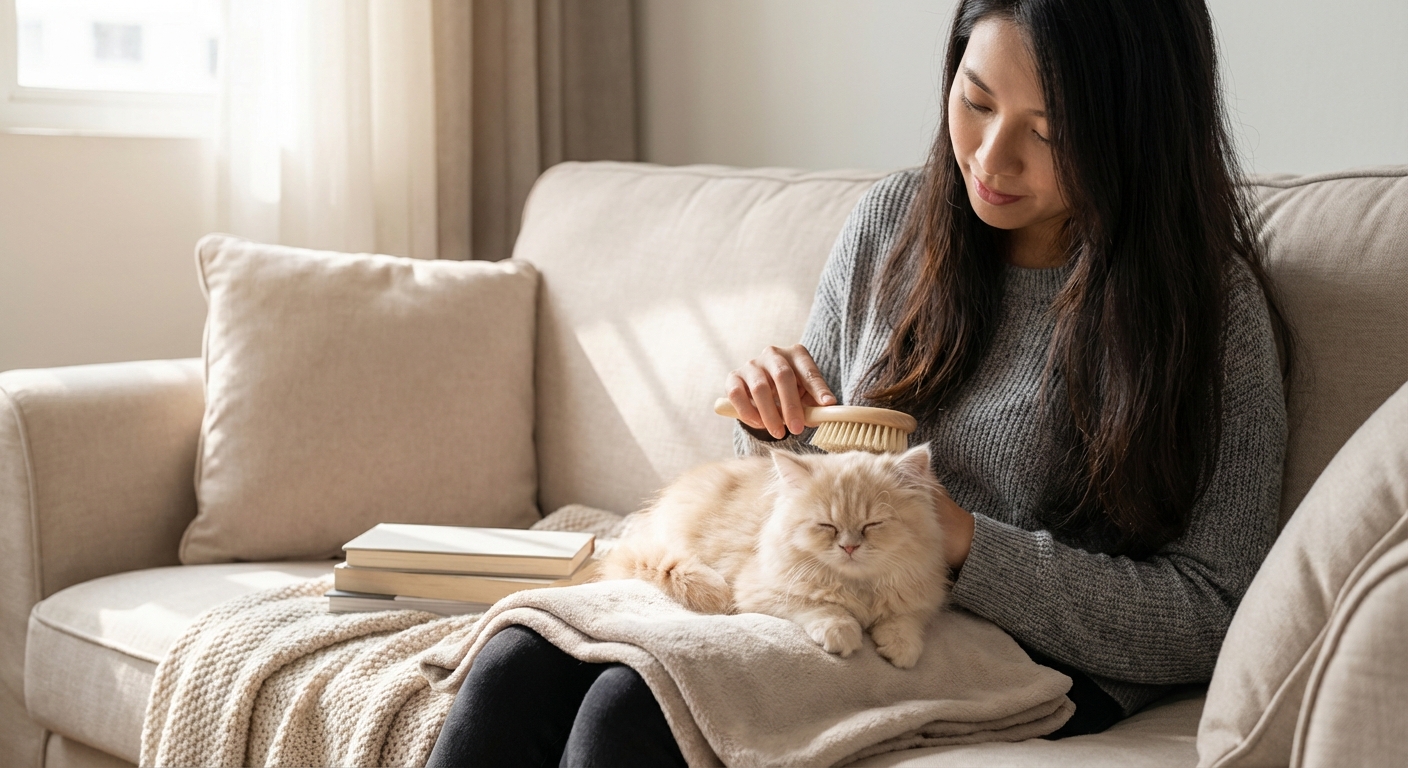
- Brush regularly, especially long-haired kittens.
- Keep string, ribbons, and small chewables out of reach.
- Keep the litter box clean and easy to enter.
- Schedule routine vet visits and parasite prevention.
Bottom line: mild constipation is often fixable with moisture, gentle fiber, and a little movement. But if your kitten seems unwell, is not passing stool, you are not sure they are peeing, or they may have swallowed something, trust your instincts and get veterinary help quickly.