Stop dog fleas quickly with a proven 3-part plan: treat your dog with safe, vet-recommended meds, deep-clean your home, and tackle the yard if needed—plus ...
Article
•
Designer Mixes
Killing Fleas on Puppies

Shari Shidate
Designer Mixes contributor
Hi, I’m Shari Shidate, a veterinary assistant in Frisco, Texas. If you have a puppy with fleas, I want you to take a deep breath: this is common, fixable, and you can do it safely. The key is using puppy-appropriate products, treating the environment, and knowing when to call your veterinarian.
Important safety note: Puppies are not just “small dogs.” Especially in very young puppies, their skin and bodies can be more sensitive, and they can get sick faster from dehydration, anemia, and medication side effects. If you are unsure about age, weight, or product choice, call your vet before applying anything.
Why fleas hit puppies harder
Adult fleas bite to feed on blood, and they reproduce quickly. In puppies, even a modest flea load can cause real health problems.
- Anemia: Puppies can lose enough blood to become weak and pale, especially tiny breeds and young litters.
- Skin infection: Scratching can break the skin, leading to hot spots or bacterial infections.
- Flea allergy dermatitis: Some pups react strongly to flea saliva and itch intensely even with a few bites.
- Tapeworms: Puppies can get tapeworms if they swallow infected fleas while grooming.
If your puppy seems unusually tired, has pale gums, rapid breathing, or cannot stay warm, treat this as urgent and contact an emergency clinic.
First: confirm it is fleas
Many things cause itching. Before treating, do a quick check so you do not apply unnecessary products.
What to look for
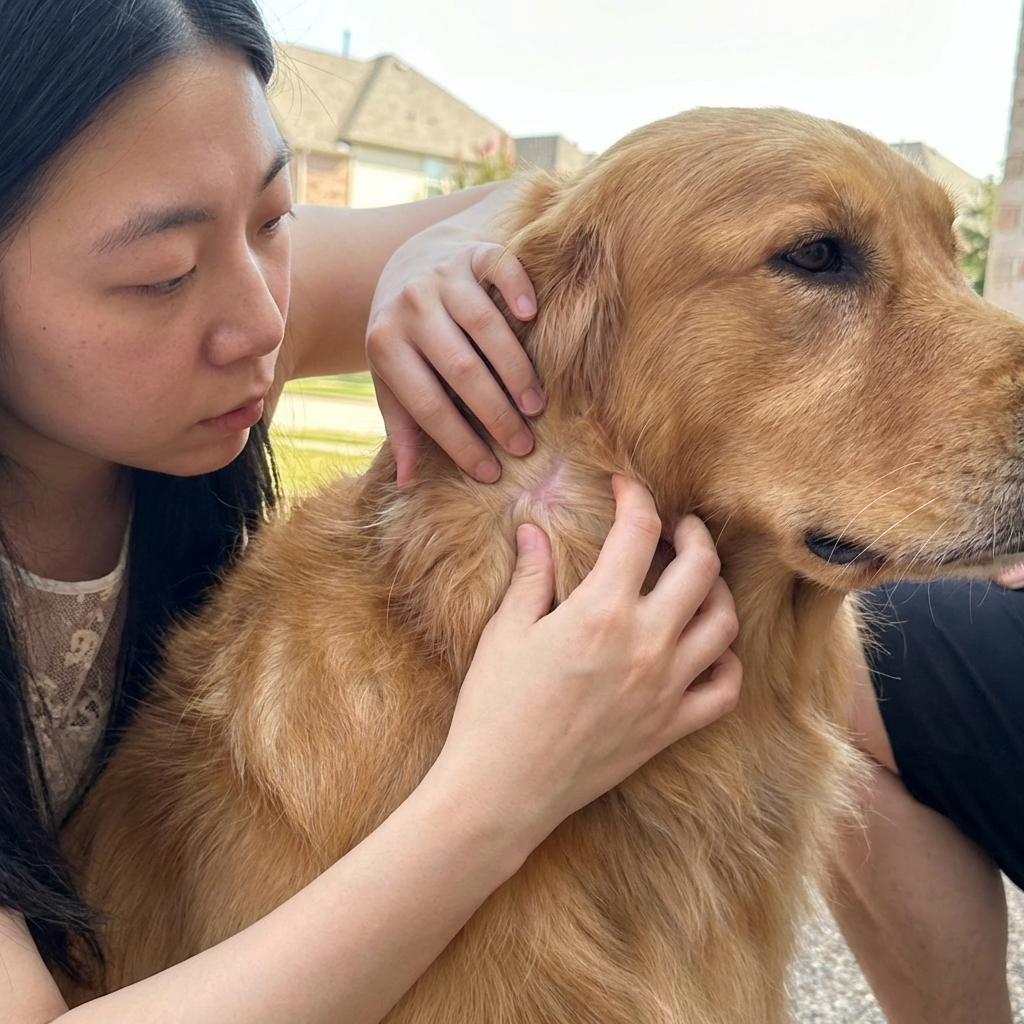
- Live fleas: Fast, dark insects that run through the coat, commonly near the rump, tail base, and belly.
- Flea dirt: Black pepper-like specks. Place specks on a damp white paper towel. If they smear reddish-brown, that is digested blood.
If you are not finding fleas or flea dirt, but your puppy is still very itchy or has crusting, hair loss, or ear-edge scabs, check in with your clinic. Mites, ringworm, skin infections, and allergies can look similar.
What to do today
1) Separate, calm, and contain
Put your puppy in an easy-to-clean area (bathroom, laundry room, or a playpen). This helps reduce flea spread while you treat your home.
2) Use a flea comb the right way
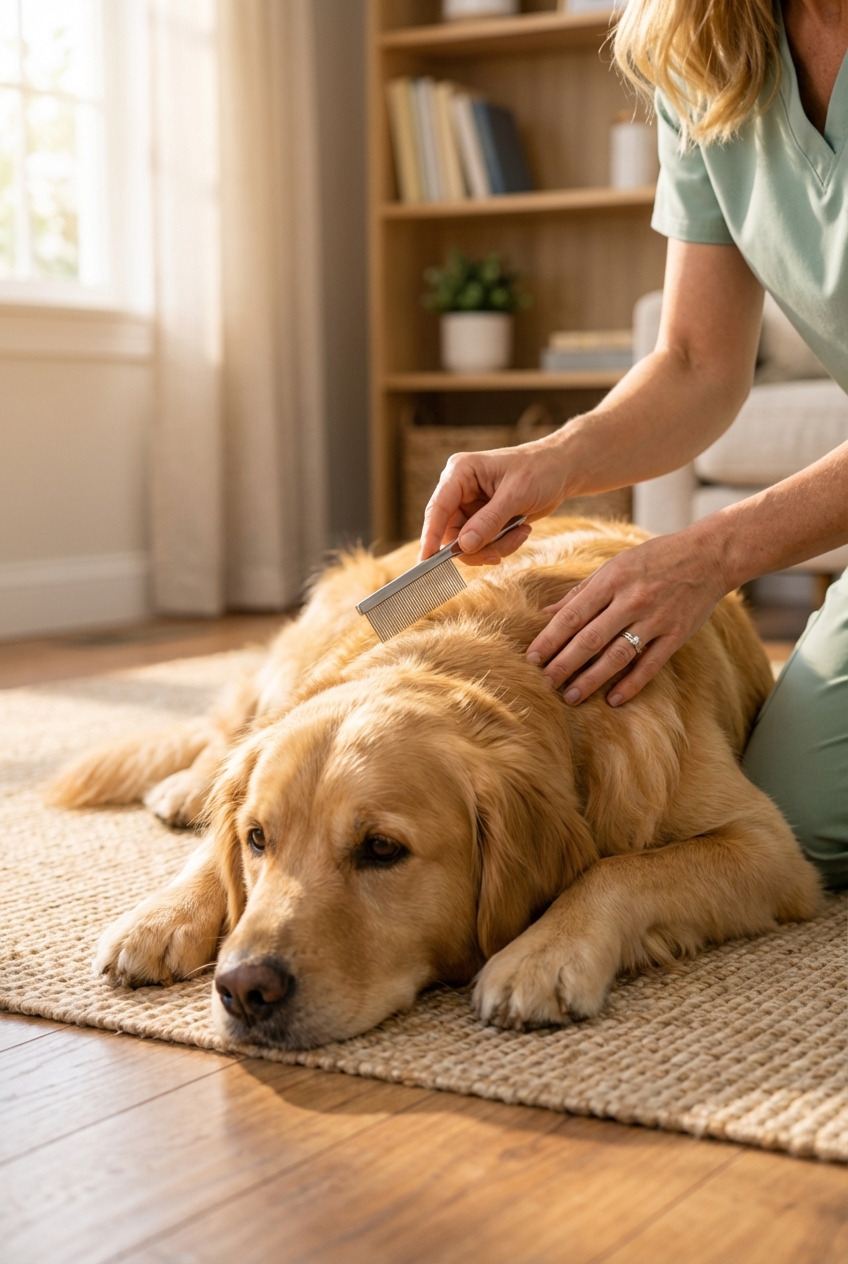
A flea comb is one of the safest tools for very young puppies.
- Comb slowly from head to tail, especially the neck, armpits, groin, and tail base.
- Keep a bowl of warm water with a few drops of dish soap nearby to dunk fleas and the comb.
- Do short sessions and reward your puppy. Stress makes everything harder.
3) Bathe only if age-appropriate and needed
A bath can remove fleas, flea dirt, and allergens. But frequent bathing can dry skin and some shampoos are not safe for puppies.
- Use a puppy-labeled, gentle shampoo or confirm with your veterinary team what is safe for your puppy’s age.
- Avoid essential oil products (including “natural” flea shampoos) unless your veterinarian specifically recommends them. Puppies can be sensitive to concentrated oils.
- Multi-pet household note: If you also have cats at home, keep dog-only products away from them and follow labels carefully. Some dog flea products can be dangerous for cats.
Bath tip: Some groomers apply lather around the neck first, which may help reduce fleas moving toward the face. Be careful to keep soap out of the eyes and ears, keep water warm (not hot), and dry your puppy thoroughly to prevent chilling.
Puppy-safe flea treatment options
This is the part where safety matters most. Flea medications are dosed by species, age, and weight. Always read the label and confirm your puppy meets the minimum requirements.
Age and weight basics
- Under about 8 weeks: Many common flea preventives are not labeled for this age. Management is often flea combing, a gentle bath if needed, and aggressive home cleaning under veterinary guidance.
- Around 8 weeks and up (and at the label weight minimum): Many flea preventives are labeled starting at this stage, but the exact minimum age and weight varies by product. Always check your specific label or ask your clinic.
Usually safest starting points
- Flea combing plus environmental cleaning (great for very young puppies).
- Vet-approved, puppy-labeled topical or oral preventives when your puppy is old enough and meets the weight requirement.
Use extra caution or avoid
- Adult dog products on a puppy: Overdosing is a common cause of tremors, drooling, vomiting, and weakness.
- Using multiple flea products at once: Do not stack collars, topicals, shampoos, and oral medications unless your veterinarian tells you to. “More” is not safer.
- Permethrin and pyrethroid products in cat homes: Some dog products can be dangerous to cats. If you have cats, tell your veterinarian before choosing a product. Wash hands after applying any topical, and keep cats away from treated dogs until the product is fully dry, per the label.
- Essential oils, garlic sprays, and DIY “natural” flea remedies: Many are irritating or toxic if licked. “Natural” does not automatically mean safe.
- Flea collars on very young puppies: Some collars can irritate skin or be too strong depending on ingredients and the puppy’s age.
My recommendation: If your puppy is under the minimum age listed for common preventives, focus on flea combing, a gentle bath if needed, and aggressive home cleaning until your vet clears a medication.
Home treatment matters
If you only treat your puppy, fleas will keep coming back. A large portion of the flea population lives in your home as eggs, larvae, and pupae, not on your pet.
48-hour reset
- Wash all bedding (puppy bedding, human bedding, throw blankets) in hot water and dry on high heat.
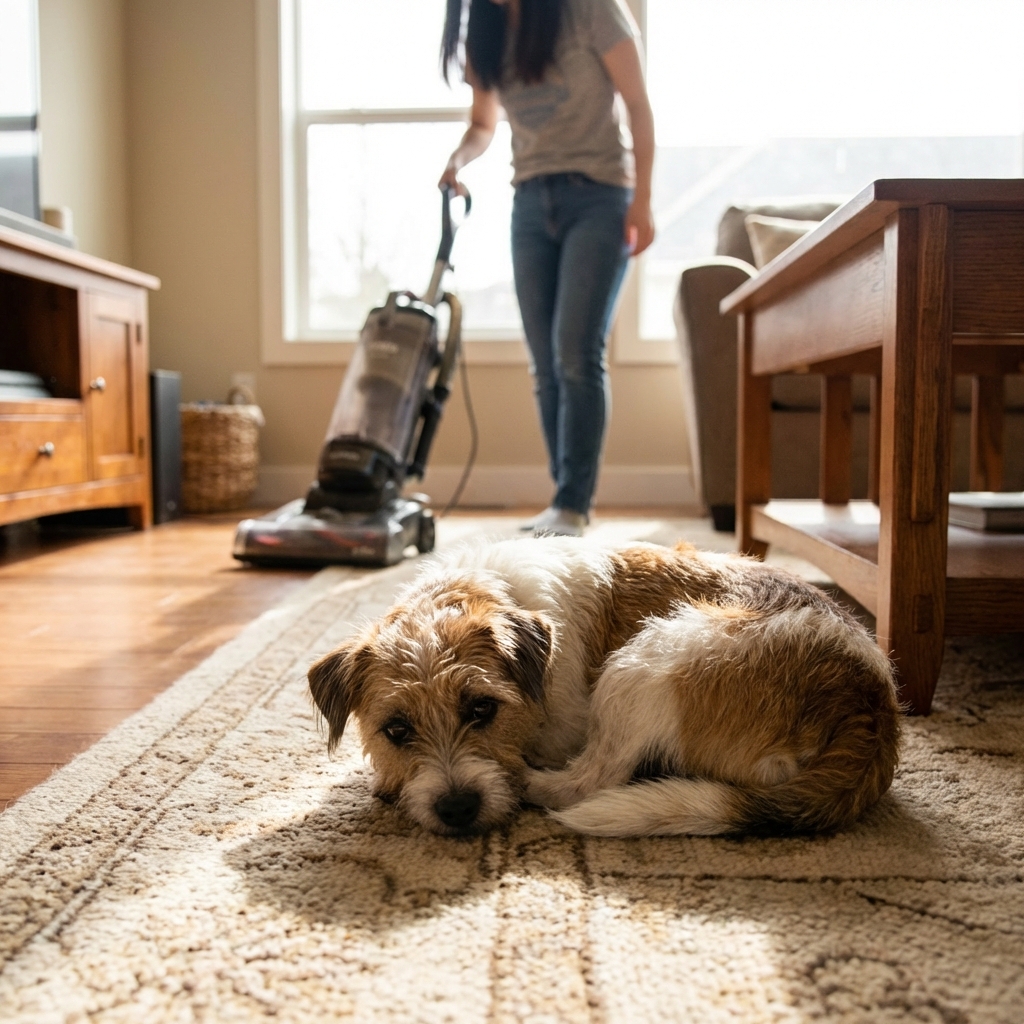
- Vacuum thoroughly including baseboards, under furniture, couch cushions, and cracks in flooring. Empty the vacuum outside immediately.
- Limit access to one or two rooms while you clean so you can “win” a smaller area first.
Targeted home products
Ask your veterinary team which home spray is appropriate. In many cases, products that include an insect growth regulator (IGR) help break the flea life cycle by preventing eggs and larvae from maturing.
Note: Always remove pets from the area during application and allow the space to dry fully before letting them back in. Follow the label exactly.
Even with great cleaning, pupae can keep emerging for weeks. That is one reason persistence pays off.
Outdoor steps
In Texas, fleas can thrive for long stretches of the year. You do not need to treat your entire yard, but you do want to reduce hot spots.
- Keep grass trimmed and remove leaf litter where fleas like to hide.
- Wash or replace outdoor bedding and clean shaded resting areas.
- Focus on the places your puppy actually spends time rather than treating the entire yard.
How to tell it is working
Because fleas have life stages, you may still see fleas for a short time even after you start doing everything right.
- First 24 to 72 hours: You may see fewer live fleas after combing and bathing. Scratching can improve, but it may also lag behind flea control, especially if your puppy has flea allergy dermatitis or irritated skin.
- 1 to 2 weeks: You should see a clear drop in flea sightings if you are vacuuming and washing regularly.
- 4 to 8 weeks: The environment should be much improved as the life cycle gets interrupted.
Consistency is what wins here. Vacuuming every day for a week can feel like a lot, but it often makes the biggest difference.
When to call the vet
Please call your vet promptly if any of these apply:
- Your puppy is very young, very small, or you are not sure of their weight.
- You see pale gums, weakness, collapse, or your puppy feels cool to the touch.
- There is severe itching, scabs, oozing sores, or hair loss.
- Your puppy has vomiting, tremors, drooling, or acting “off” after any flea product.
- You see tapeworm segments (often like rice grains near the rear or in stool).
In clinic, we would always rather answer a “quick question” than treat a preventable emergency. If your gut says something is not right, trust that instinct.
Puppy flea FAQ
Can I use Dawn dish soap?
A small amount of mild dish soap can help physically remove fleas during a bath, but it is not flea prevention and it can dry the skin. For many puppies, a gentle puppy shampoo is a better choice. If your puppy has sensitive skin, check with your clinic first.
Do I need to treat all pets in the home?
Yes, in most cases. If you have multiple pets and only treat the puppy, fleas will hop between animals. Use species-appropriate products and be especially careful if you have cats.
What if my puppy has tapeworms?
Flea control helps prevent reinfection, but it usually does not clear an existing tapeworm infection. Your puppy will likely need a dewormer prescribed or recommended by your veterinarian, plus ongoing flea control to stop the cycle.
How often should my puppy be on flea prevention?
In flea-prone regions, many veterinarians recommend year-round prevention. The best schedule depends on your puppy’s age, lifestyle, and local risk, so your vet is the perfect guide.