Stop dog fleas quickly with a proven 3-part plan: treat your dog with safe, vet-recommended meds, deep-clean your home, and tackle the yard if needed—plus ...
Article
•
Designer Mixes
Killing Fleas: A Pet-Lover’s Guide for All Ages

Shari Shidate
Designer Mixes contributor
Fleas are tiny, fast, and persistent. The good news is that you can beat them without panic and without guesswork. Whether you are a kid helping with chores, a busy parent, or a senior caring for a beloved companion, the secret is the same: treat the pet, treat the home, and stick with it long enough to break the flea life cycle.
Fleas 101 (Why They Come Back)
Most people only notice adult fleas, but that is just the tip of the problem. Fleas move through four stages: egg, larva, pupa, and adult. Adult fleas live on your pet and lay eggs that fall into carpets, bedding, cracks in flooring, and yard debris.
Here is the frustrating part: pupae can “wait” in the environment and then hatch when they sense vibration, heat, or carbon dioxide. That is why your home can seem fine for a bit, then suddenly you see fleas again.
- Adult fleas on pets: what you see, and what bites.
- Eggs and larvae in the home: what keeps the infestation going.
- Pupae: the stage that makes fleas feel like a never-ending surprise.
Most successful flea plans often run for 8 to 12 weeks, depending on the product you use, how heavy the infestation is, and your environment. The goal is to outlast the life cycle, not just kill what you see today.
Start With Safety
I have seen well-meaning families accidentally make flea problems worse by using the wrong product on the wrong pet. Before you treat, do a quick safety check.
Quick safety checklist
- Never use dog-only flea products on cats. A classic example is permethrin (and related pyrethroids) found in some dog spot-ons, which can be toxic to cats.
- Consider age and weight. Puppies and kittens need products labeled for their age and size.
- Check health conditions. If your pet is elderly, pregnant, nursing, or has seizures or chronic illness, ask your veterinarian what is safest.
- Protect kids. Keep children away from wet topical medication sites until fully dry, and wash hands after handling flea shampoos, powders, or sprays.
If you are ever unsure, call your veterinarian or a pet poison hotline before applying anything. It is a quick call that can prevent a scary situation.
Step 1: Confirm It’s Fleas
Itching can be fleas, but it can also be allergies, mites, skin infection, or dry skin. Confirming matters because the best treatment plan depends on the cause.
What to look for
- Flea dirt: black pepper-like specks on the skin, often at the lower back and tail base.
- Live fleas: quick brown insects that move fast when you part the fur.
- Small scabs: especially along the back or near the tail.
Try the “wet paper towel test”: comb your pet and put the specks on a damp white paper towel. If they smear reddish-brown, that is digested blood, and it strongly suggests flea dirt.
Step 2: Treat Every Pet
If you have more than one pet, fleas will bounce between them. Treating just one animal is one of the biggest reasons infestations linger. In most households, this means treating every dog and cat, even the one that “doesn’t itch.”
If you have rabbits, ferrets, or other small pets, do not assume dog or cat flea products are safe. Call your veterinarian for species-specific guidance.
Effective options
- Veterinary oral medications: often fast-acting and very effective for killing adult fleas on the pet.
- Veterinary topical medications: applied to the skin, usually monthly, and can also help with ticks depending on the product.
- Flea collars (modern, long-acting types): can work well when used correctly and fitted properly.
Your veterinarian can help you choose based on your pet’s species, age, lifestyle, and local parasite risks. In warm climates and many regions with long flea seasons, consistency matters.
Topical tips
- Part the fur and apply the product directly to the skin, not the hair.
- Use the correct dose for your pet’s weight, and apply where they cannot lick it.
- Avoid bathing and swimming around application time if the label warns against it (many products recommend waiting 24 to 48 hours).
Natural remedies?
Some families prefer a natural-first approach. I respect that, but I also want you to have realistic expectations: many essential oils can be irritating or toxic to pets, especially cats, and most natural approaches do not reliably stop an established infestation on their own.
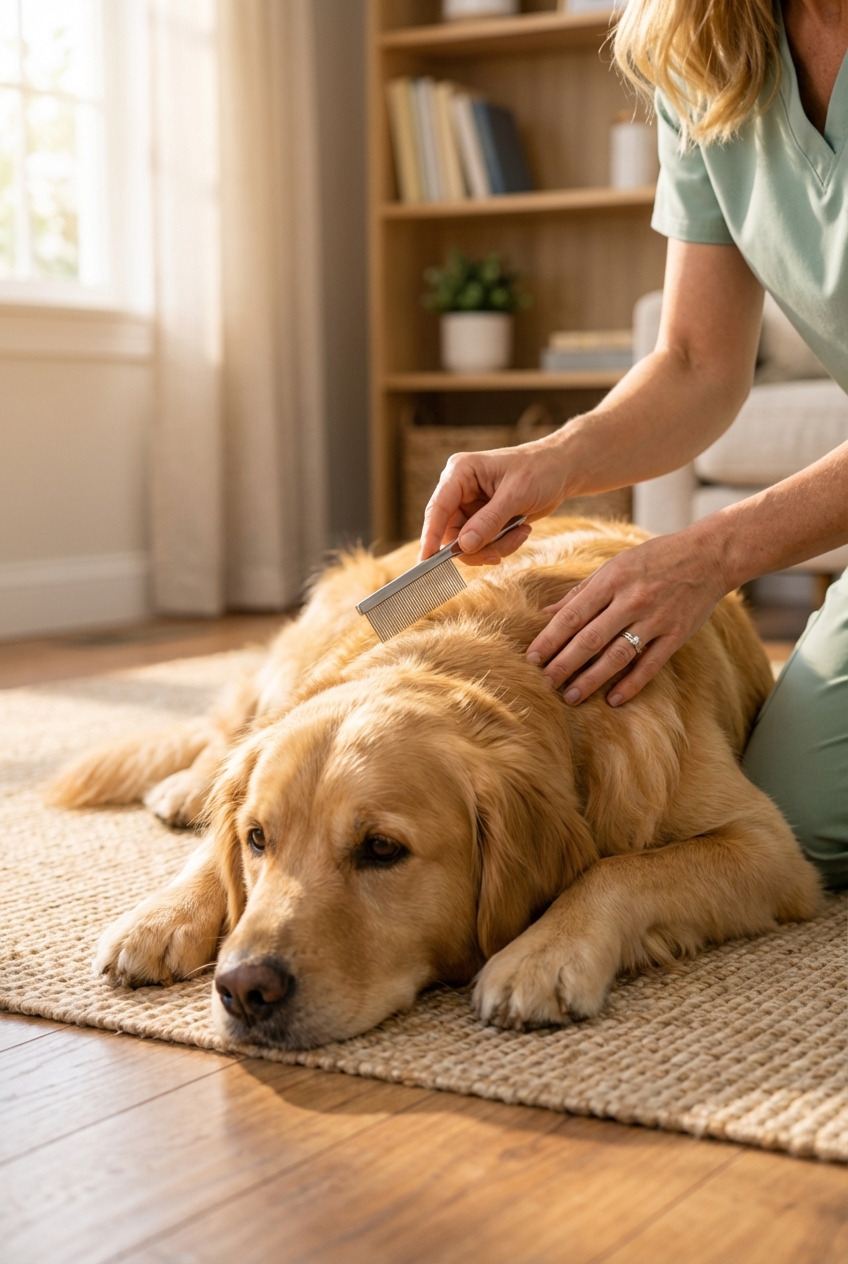
If you want to use gentler tools, think of them as support, not the main plan. A flea comb, frequent washing of bedding, and vacuuming are strong helpers.
Step 3: Treat the Home
In a typical infestation, most flea life stages are in your environment, not on your pet. The goal is to remove eggs and larvae and reduce the number of new adults that can jump back onto your pet.
Your 7-day home reset
- Day 1 checklist:
- Wash pet bedding, blankets, and throw covers in hot water if fabric allows. Dry on high heat.
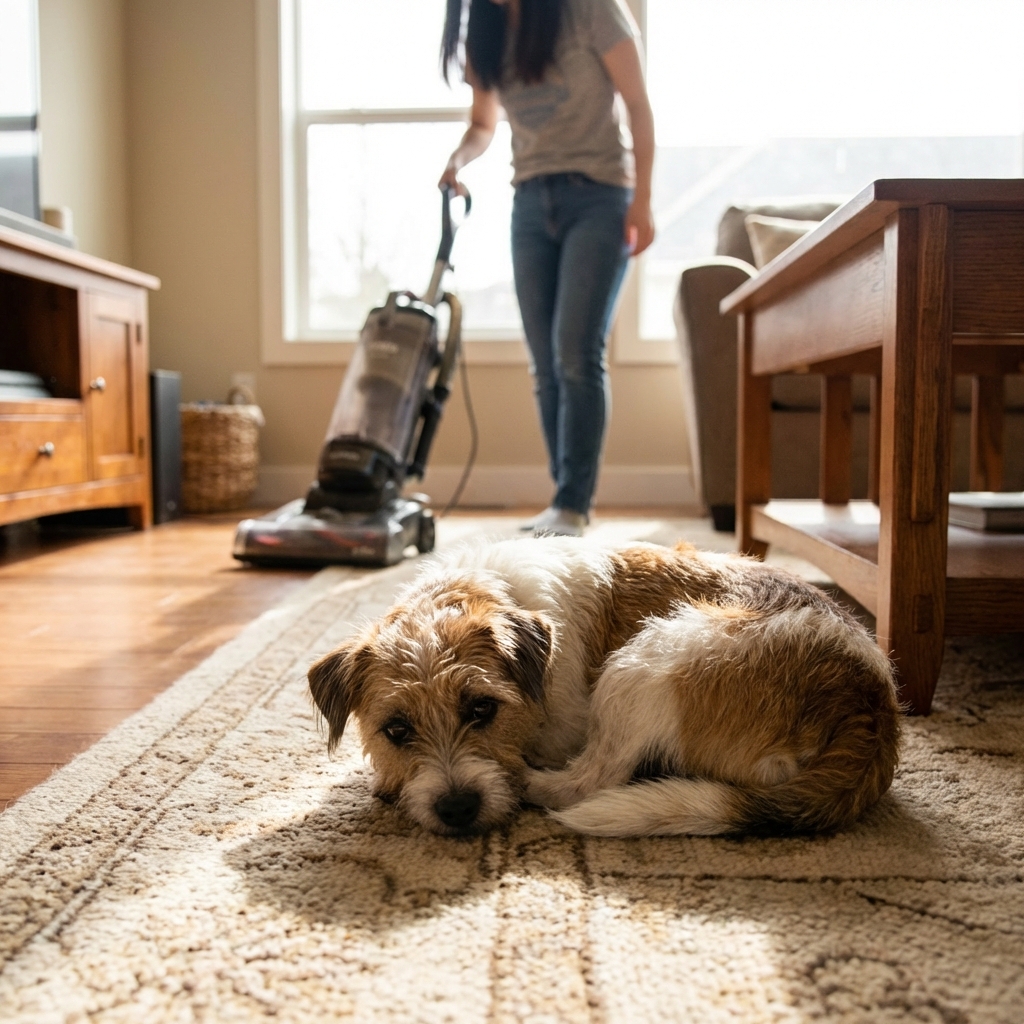
- Vacuum carpets, rugs, baseboards, couch cushions, and under furniture.
- Days 2 to 7: Vacuum daily in high-traffic pet areas.
- Throughout: Empty the vacuum canister outside, or seal the bag and dispose of it promptly.
Vacuuming is not just cleanup. It physically removes eggs and larvae, and it may stimulate pupae to hatch sooner so they can be killed by your pet’s flea medication before they reproduce.
Sprays or foggers?
Sometimes, especially with severe infestations, an environmental product can help. If you use one, look for products that include an insect growth regulator (IGR). IGRs help prevent eggs and larvae from developing into biting adults.
Foggers are often less effective than targeted treatment because fleas hide deep in fibers and cracks. If you go the DIY route, use a directed spray and follow label instructions carefully. Remove pets from treated areas, cover or remove aquariums, and ventilate well before everyone returns to the room.
If your home situation is overwhelming, professional pest control can be a relief.
Step 4: Don’t Forget the Yard
Fleas love shade, humidity, and areas where pets rest. You usually do not need to treat the entire yard. Focus on the “pet zones.”
- Pick up leaf litter and debris where fleas can hide.
- Keep grass trimmed.
- Wash outdoor pet bedding and clean kennels or crates.
- Encourage pets to rest in sunnier areas when possible.
If you use a yard product, choose one labeled for fleas, follow directions precisely, and keep pets and kids off the treated area for the full recommended time.
Flea Plan by Age
Kids (with adult supervision)
- Help wash pet blankets and put clean bedding back.
- Use a flea comb on the pet while an adult holds and reassures them.
- Do a daily “floor check” for pet toys and clutter so vacuuming is easy.
Teens and busy adults
- Set recurring reminders for monthly preventives.
- Vacuum high-priority zones daily for 7 to 10 days, then 2 to 3 times weekly.
- Track itching and skin changes with quick phone photos to share with your vet if needed.
Seniors
- Ask your clinic about longer-acting options to simplify routines.
- Use lighter tools: a handheld vacuum, washable throws, and easy-to-remove couch covers.
- If bending is hard, focus on pet bedding and the pet’s favorite resting areas first.
Common Situations
Indoor-only pets
Even indoor-only cats and dogs can get fleas. Fleas can hitch a ride inside on people, other pets, visiting animals, or wildlife near entry points. If you see fleas indoors once, it is worth treating the environment and keeping prevention consistent.
Apartments and shared spaces
In multi-unit housing, fleas can sometimes move between units (or be reintroduced through shared hallways and laundry areas). Stay consistent with pet prevention and focus your cleaning on the areas where your pet rests most.
When to Call the Vet
Most flea issues can be handled at home with the right plan, but sometimes you need medical help for your pet’s comfort and safety.
- Persistent itching even after you start flea treatment, which can signal allergy, infection, or mites.
- Hair loss, open sores, or odor, which can indicate skin infection.
- Pale gums or weakness, especially in kittens and puppies, which can be a sign of anemia from heavy flea burden.
- Tapeworm segments in stool or around the rear. Pets usually get tapeworms by swallowing an infected flea while grooming.
Consistency beats intensity. A steady plan that treats the pet and the environment for long enough is what ends the flea cycle.
Simple 8-Week Schedule
If you love checklists, here is a straightforward timeline that works for many households.
Week 1
- Start vet-approved flea prevention on all pets the same day.
- Wash bedding and vacuum daily in pet zones.
Weeks 2 to 4
- Vacuum 2 to 3 times a week.
- Keep washing bedding weekly.
- Expect occasional flea sightings as pupae hatch.
Weeks 5 to 8
- Continue prevention without gaps.
- Maintain weekly bedding washes and routine vacuuming.
By the end of this window, most families see major improvement or full resolution. If fleas persist, it is time to reassess product choice, dosing, application technique, and environmental sources.
In many regions, your veterinarian may recommend year-round prevention to prevent the problem from restarting, especially if your winters are mild.
Key Takeaways
- Fleas are a life-cycle problem, so you need a life-cycle plan.
- Treat every dog and cat, not just the itchy one.
- Vacuuming and washing bedding are powerful and underrated.
- Choose products that fit your pet’s species, age, and health status.
- Give your plan 8 to 12 weeks for full results in many cases.
You are not behind and you are not failing. Fleas are simply persistent. With a calm routine and the right tools, you can get your home back to comfortable.