A vet-assistant guide to removing fleas from kittens safely: check age and weight, use a flea comb, bathe only when appropriate, choose vet-approved preventi...
Article
•
Designer Mixes
Kill Fleas on a Kitten: Facts and Insights

Shari Shidate
Designer Mixes contributor
Fleas on a kitten can turn from “a few itchy bites” into a real health problem fast. Kittens are small, their skin is delicate, and heavy flea infestations can cause anemia and dangerous weakness. In some cases, they can also contribute to dehydration if a kitten becomes stressed, isn’t eating well, or is otherwise run down. The good news is that you can get control of fleas safely when you focus on the right steps, the right products, and your kitten’s age and weight.
I want to help you feel confident here. Flea control is very doable. It just needs to be done carefully, because many flea products made for adult cats or dogs can seriously harm a kitten.
Quick checklist
- Comb daily (especially for very young kittens).
- Keep them warm (avoid chilling during baths or cleaning).
- Use only vet-approved, kitten-labeled meds based on exact age and weight.
- Vacuum and wash bedding to break the life cycle.
- Treat all pets in the home with the correct species product.
Fleas: the quick reality
Fleas are hardy little parasites. Seeing one flea usually means there are many more hiding in the environment, because most of the flea population is in egg, larval, or pupal stages off the pet.
- Adult fleas live on the kitten and bite.
- Eggs fall off into bedding, carpets, couch cushions, and floor cracks.
- Larvae and pupae develop in the home, then new adults hatch and jump back on.
That is why “I gave one bath and it came back” is so common. We have to treat the kitten and the environment.
Why fleas hit kittens harder
Kittens can get into trouble faster than adult cats. Here are the big concerns we watch for in clinics:
- Anemia: Fleas feed on blood. A heavy infestation can cause pale gums, weakness, and collapse, especially in very young or small kittens.
- Skin sores and infection: Constant scratching can break the skin and lead to secondary bacterial skin infection.
- Tapeworms: Kittens can get tapeworms by swallowing an infected flea during grooming.
- Flea allergy dermatitis: Some kittens react strongly to flea saliva and become extremely itchy even with just a few bites.
If your kitten seems tired, refuses food, has pale or white gums, or is breathing fast, treat that as urgent and contact a veterinarian right away.
If you see rice-like segments near the rear end or in bedding, or your kitten has had fleas, ask your veterinarian about tapeworm treatment and a stool check. Many kittens need deworming support, and it is best to treat correctly the first time.
What not to do
I know it’s tempting to use whatever you already have at home, but this is where people get unintentionally burned.
- Do not use dog flea products on cats. Some contain permethrin or related ingredients that can be toxic, even fatal, to cats and kittens.
- Do not use essential oils (tea tree, peppermint, eucalyptus, clove, citrus oils). Toxicity is dose-dependent, but kittens are especially sensitive and these are not recommended for flea control.
- Do not use a flea collar meant for adult cats unless your veterinarian confirms it is kitten-safe and appropriate for your kitten’s weight.
- Do not use “home remedies” like garlic. Garlic and onions can damage a cat’s red blood cells.
- Be careful with “cat-safe” OTC sprays and shampoos. Labels can be confusing, dosing errors are common, and some pyrethrin or permethrin-related products are not appropriate for kittens. When in doubt, call your veterinarian with your kitten’s exact age and weight.
- Avoid repeated dish soap baths. Degreasing soaps can dry and irritate skin, and bathing risks chilling. If a veterinarian advises a bath, keep it gentle and keep your kitten warm.
Safe steps to kill fleas
Step 1: Confirm fleas
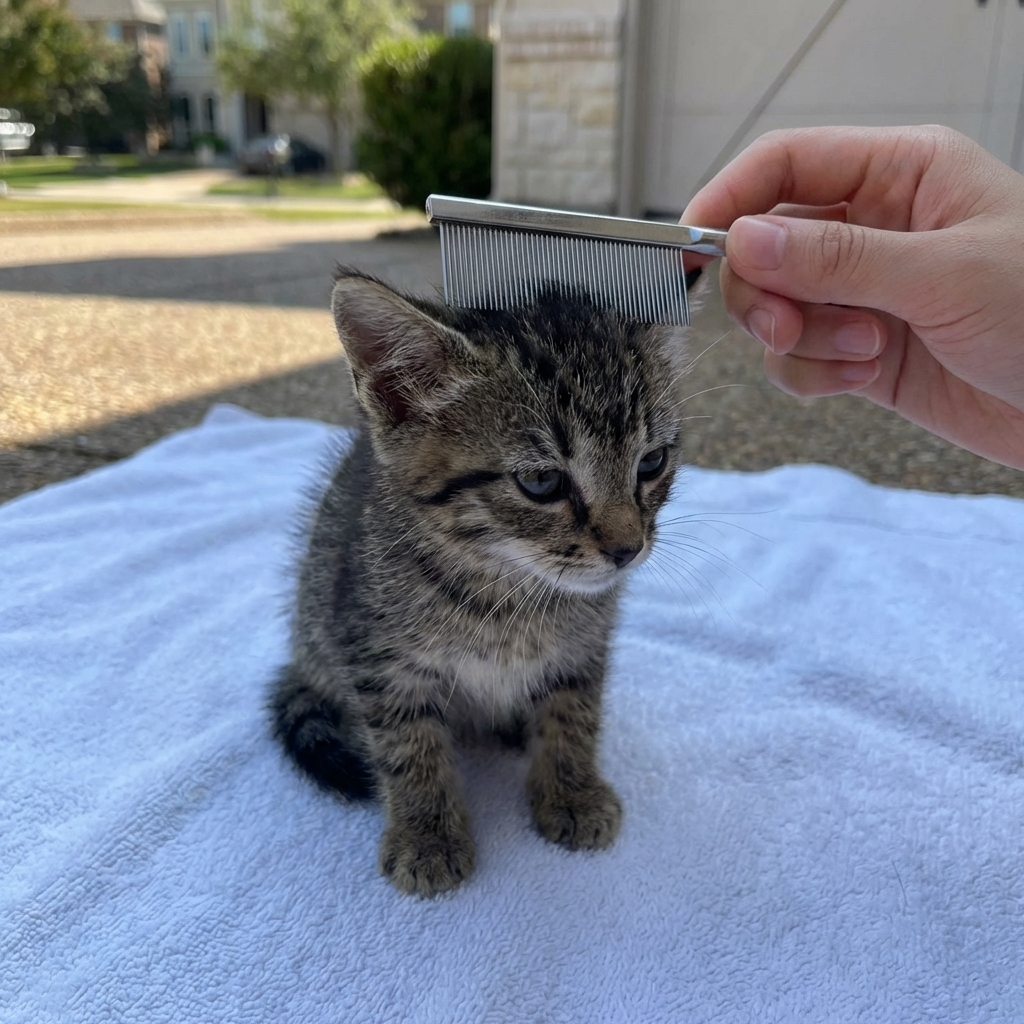
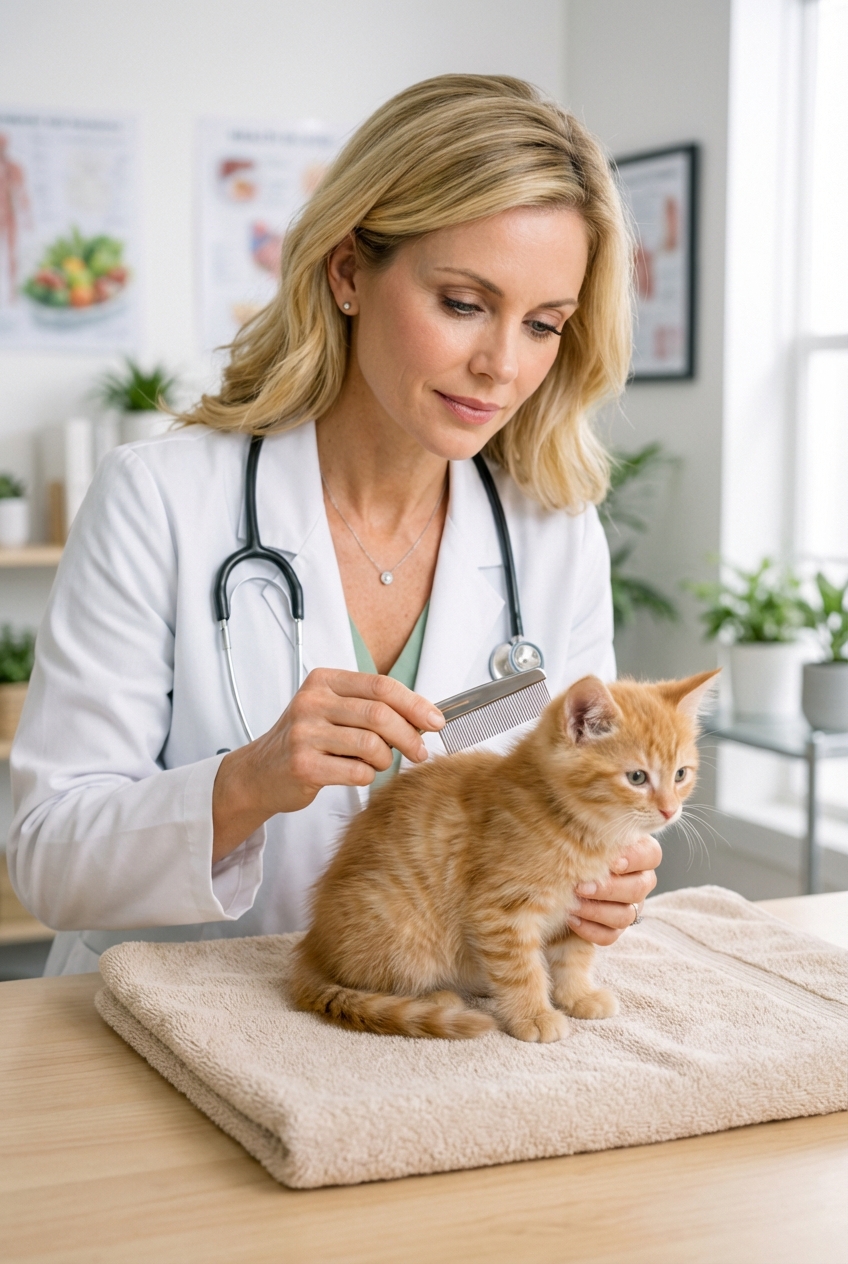
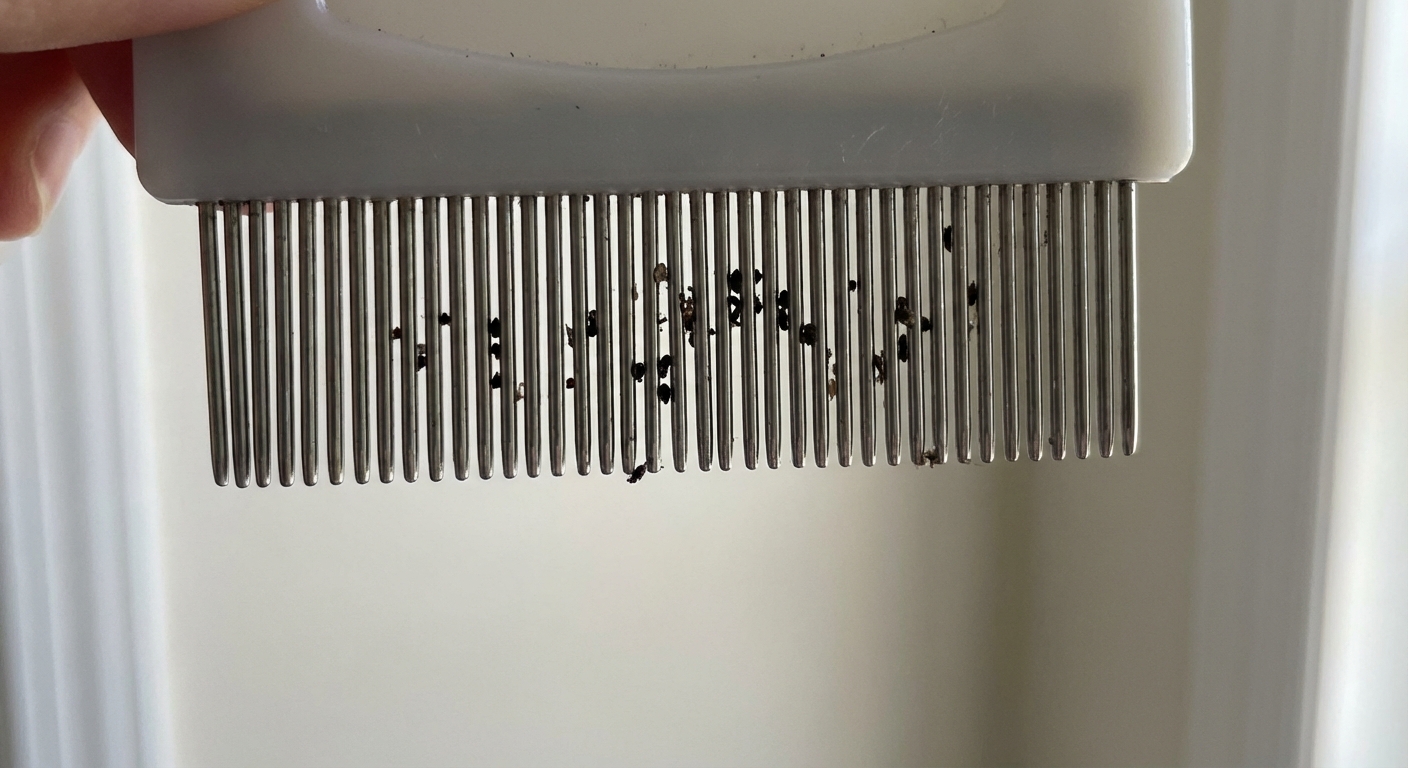
Use a flea comb and comb around the neck, base of tail, and belly. If you see black specks, place them on a damp white paper towel. If they turn reddish-brown, that is flea dirt (digested blood), which confirms active flea feeding.
Step 2: Use a flea comb daily
For many young kittens, especially under the minimum age for medicated preventatives, combing is one of the safest frontline tools.
- Comb in short sessions to avoid stressing your kitten.
- Dip the comb into a bowl of warm water with a small amount of mild soap to trap and kill fleas.
- Focus on gentle handling. Stress and chilling are real risks in tiny kittens.
Step 3: Bathe only if it’s truly appropriate
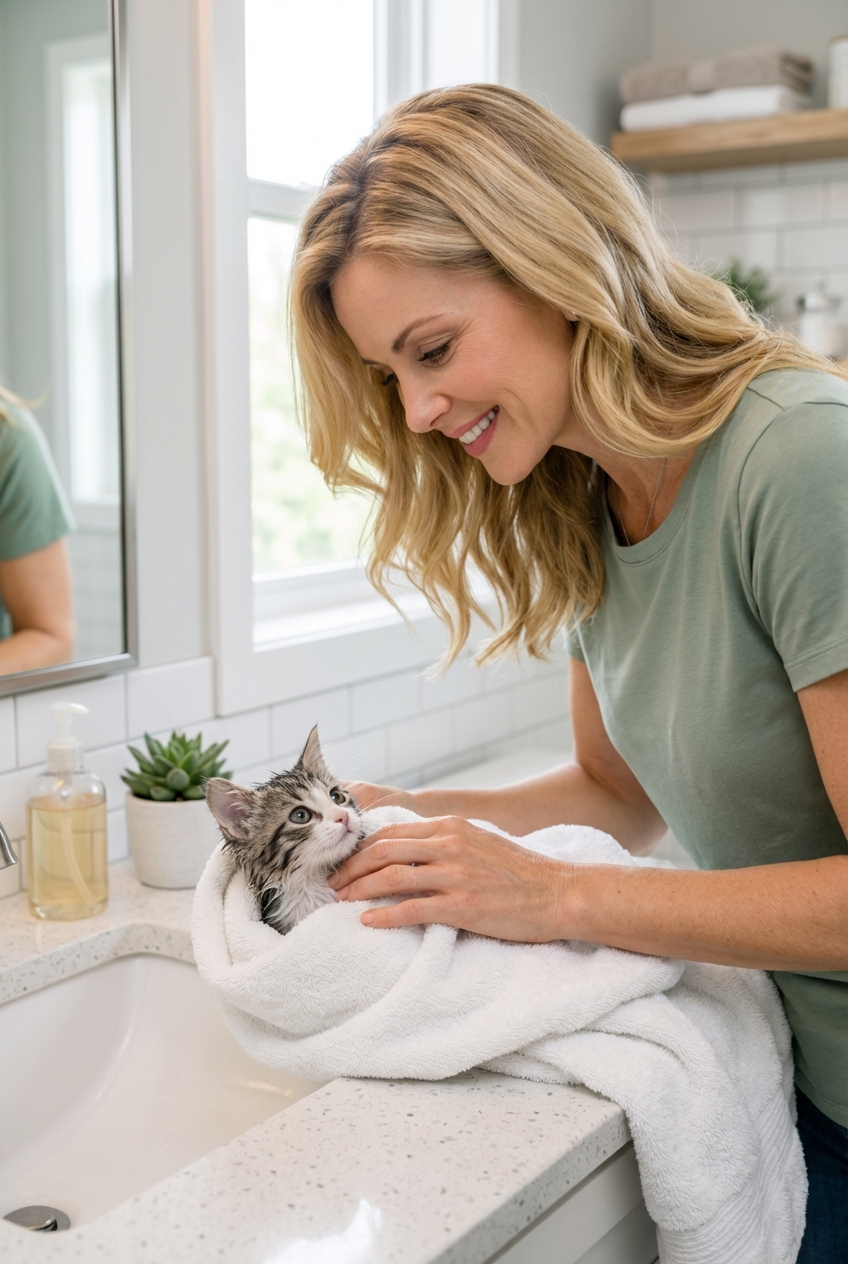
A bath can help remove fleas, but it is not always necessary and it is not always safe for very young kittens. As a general rule, if your kitten is extremely young, stick with combing and warmth unless a veterinarian directs otherwise. If your kitten is old enough to tolerate bathing and you can warm and dry them properly, a bath can provide temporary relief while you get a longer-term plan in place.
- Use warm water, not hot.
- Use a kitten-labeled shampoo only if directed by your veterinarian or the product label specifically states it is for kittens of your kitten’s age.
- Protect the face. Use a damp cloth around eyes and mouth instead of pouring water.
- Dry thoroughly with a towel and keep the kitten warm afterward. Chilling can be dangerous.
Step 4: Use vet-approved flea medication by age and weight
This is the step that breaks the flea life cycle best, but it must match your kitten’s exact age and weight. Many safe cat products are only approved above certain ages and weights, and kittens are the group where dosing mistakes are most risky.
Because brand approvals and formulations change, the most evidence-based approach is:
- Call your veterinarian with your kitten’s age and weight.
- Ask specifically for a kitten-approved flea preventive and dosing instructions.
- Use only products labeled for cats and for the kitten’s minimum age and weight.
Step 5: Treat the home
Even the best on-kitten treatment struggles if your home is constantly hatching new fleas.
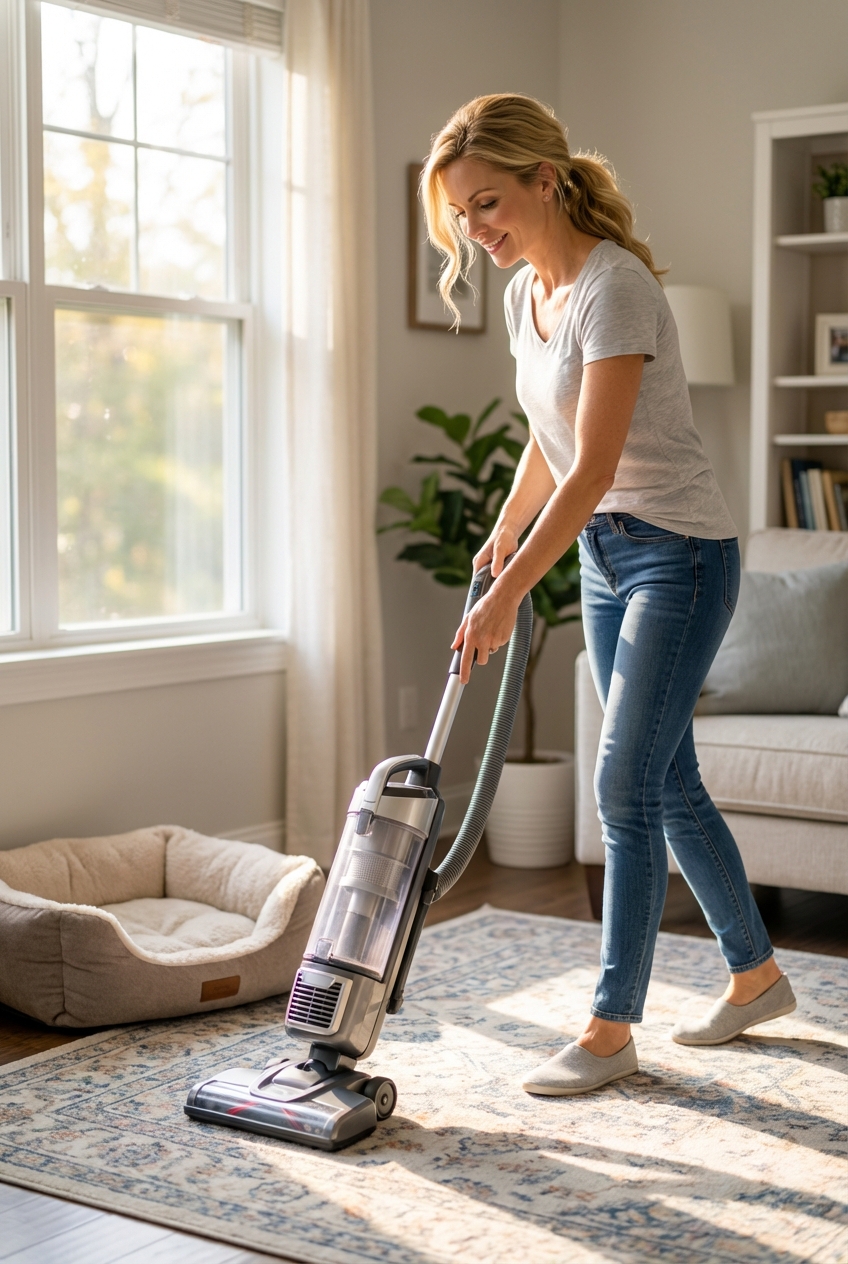
- Vacuum daily for 1 to 2 weeks: carpets, rugs, under furniture, baseboards, cat trees, and couch cushions.
- Wash bedding in hot water: blankets, kitten towels, your bedding if the kitten sleeps with you.
- Dry on high heat when fabrics allow. Heat helps kill eggs and larvae.
- Empty the vacuum after each session. Dispose of debris in an outdoor bin.
If your kitten shares space with other pets, it can also help to temporarily separate them during active treatment so you can comb, medicate, and clean consistently. Just remember that separation alone does not solve fleas. All pets need the correct preventive.
Age matters
Very young kittens
If you are caring for extremely young kittens, prioritize gentle combing and warmth. Medicated flea products are often not safe at this stage. If fleas are heavy, a veterinarian should guide the plan because anemia can develop quickly.
Growing kittens
As kittens reach the minimum age and weight listed on kitten-approved preventatives, a veterinarian-recommended topical or oral product typically becomes the most reliable way to stop the cycle. Continue environmental cleanup while the preventive starts working.
Rescues and fosters
If you do not know the kitten’s exact age, treat them as younger than you think until a vet can estimate age and weight. That conservative approach helps prevent accidental overdosing.
How fast will fleas be gone
With consistent combing plus an effective veterinarian-approved preventive and solid home cleaning, you may see fewer live fleas within 24 to 72 hours. Complete control can still take several weeks because pupae can “wait” and hatch later, especially in carpets and cracks.
Keep going even if you stop seeing fleas. The goal is to outlast the life cycle.
When to see a vet now
Please do not “watch and wait” if you notice any of the following:
- Pale gums (instead of healthy pink)
- Lethargy, weakness, trouble standing
- Not eating or nursing well
- Rapid breathing, panting, or collapse
- Open sores, oozing skin, or intense nonstop scratching
- Fleas covering much of the body
Kittens can crash quickly with heavy flea burdens, and supportive care can be lifesaving.
Preventing fleas from coming back
The simplest prevention plan is also the most effective: keep every pet in the home on a veterinarian-recommended flea preventive (cats get cat products, dogs get dog products), and keep your environment clean.
- Treat all pets in the household, not only the itchy one.
- Maintain monthly prevention during flea season, and often year-round depending on your climate.
- Limit exposure to untreated animals and high-risk areas until your kitten is protected.
- Remember indoor-only cats can still get fleas. Fleas hitchhike in on people, other pets, and visiting animals, and they can come from shared hallways, garages, and entryways.
And here is the encouraging part: once you break the cycle, flea control becomes maintenance, not a constant battle.