A practical guide to low-phosphorus homemade meals for cats with CKD—what to avoid, safer ingredient building blocks, starter meal frameworks, and must-hav...
Article
•
Designer Mixes
Kidney Problems in Cats

Shari Shidate
Designer Mixes contributor
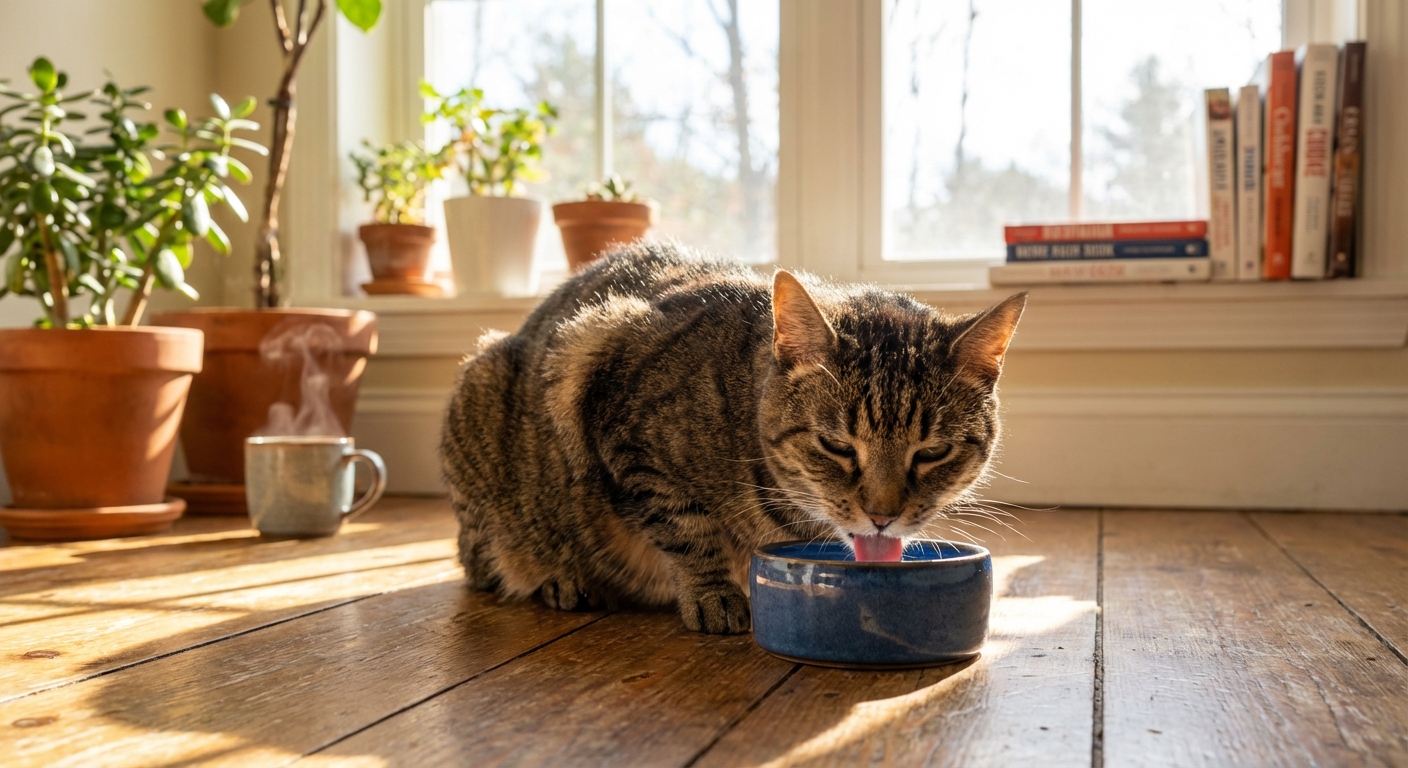
Kidney problems are one of the most common serious health issues we see in cats, especially as they get older. And while the words “kidney disease” can feel scary, the truth is that many cats live comfortably for months to years with the right plan and support.
As a veterinary assistant, I like to remind families of one encouraging fact: chronic kidney disease often progresses slowly. That usually gives us time to notice subtle changes, run the right tests, and make adjustments that can protect quality of life. (Acute kidney injury is different and can happen suddenly, which is why urgent signs matter.)
What the kidneys do
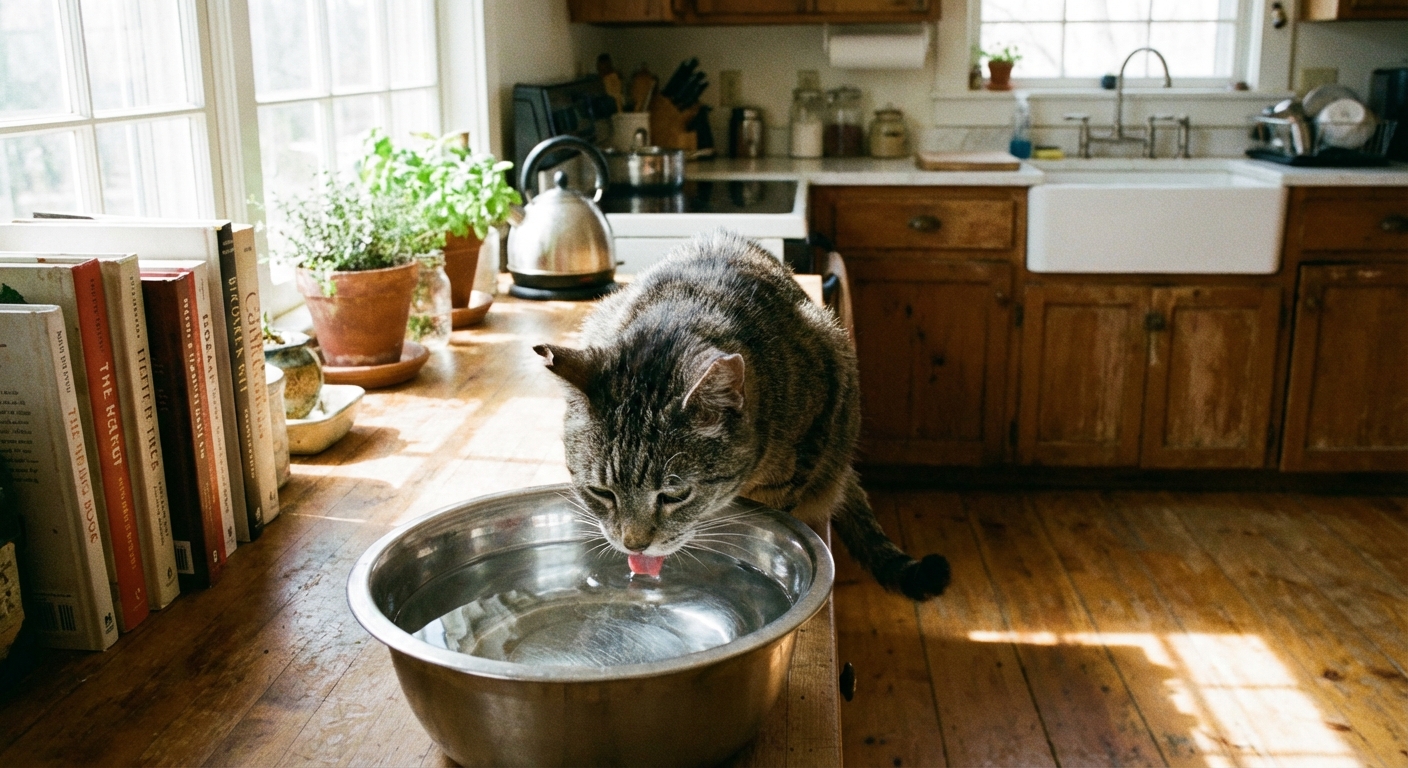
Your cat’s kidneys are busy, hardworking organs. They help:
- Filter waste from the bloodstream and remove it through urine
- Balance hydration and electrolytes like sodium and potassium
- Regulate blood pressure
- Support red blood cell production by signaling the body to make them
- Maintain acid-base balance so the body’s chemistry stays stable
When kidneys are not working well, waste products can build up, hydration becomes harder to maintain, and cats can feel nauseated, tired, and less interested in food.
Acute vs. chronic kidney disease
Acute kidney injury (AKI)
Acute kidney injury happens suddenly, often over hours to days. It can be triggered by toxins (like antifreeze), certain medications, severe dehydration, or infections.
Urinary blockage (especially in male cats) is also an emergency. While the blockage itself is not a “kidney problem,” it can quickly cause dangerous waste buildup (post-renal azotemia) and lead to kidney damage if not relieved promptly.
AKI is an emergency. Fast treatment can sometimes reverse or significantly improve kidney function.
Chronic kidney disease (CKD)
Chronic kidney disease develops gradually, most often in middle-aged to senior cats. CKD is usually not “curable,” but it is often very manageable. The goal is to slow progression and keep your cat feeling well.
Early signs you can spot at home
Kidney issues can be sneaky at first. Many cats are masters at hiding discomfort, so small changes matter.
- Drinking more water or hanging around the sink
- Peeing larger clumps in the litter box
- Weight loss even if your cat still seems to eat
- Picky appetite or walking away after a few bites
- Breath that smells “off”, sometimes chemical or urine-like (and keep in mind dental disease can also cause bad breath)
- Nausea signs like lip smacking, drooling, or vomiting
- Dull coat or less grooming
- Low energy or more hiding
If you notice these signs, schedule a vet visit soon. Early intervention can make a big difference.
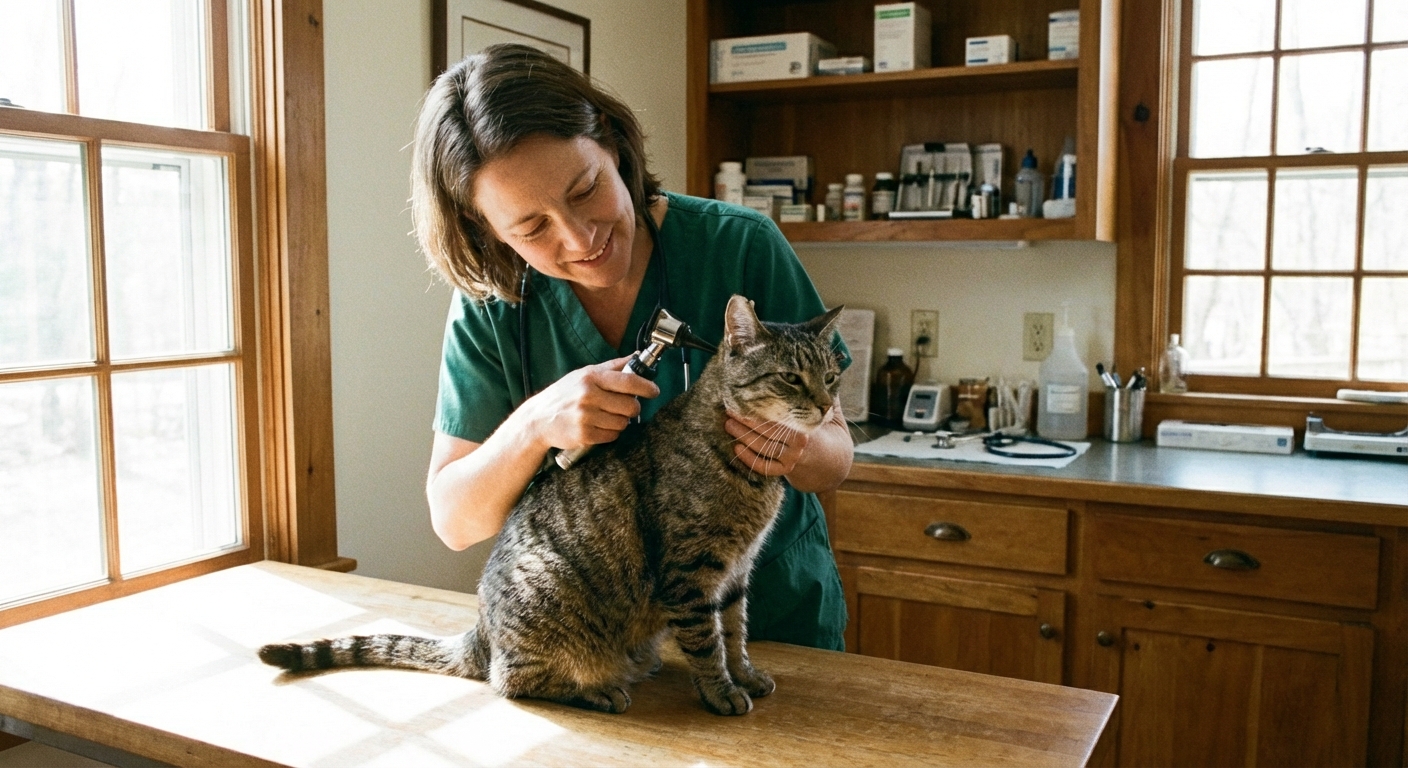
How kidney problems are diagnosed
Diagnosis typically involves a combination of lab work and sometimes imaging. Your veterinarian may also “stage” chronic kidney disease using IRIS guidelines, which helps guide diet choices, medication decisions, and how often to recheck labs.
Common tests
- Bloodwork to check kidney markers like creatinine and BUN, plus SDMA (which can help catch kidney changes earlier in some cats)
- Urinalysis to evaluate urine concentration, protein, and signs of infection
- Urine culture if infection is suspected
- Blood pressure measurement, since hypertension is common with CKD
- Electrolytes, phosphorus, and potassium checks
- Urine protein testing, often a urine protein/creatinine ratio (UPC), because protein loss in the urine (proteinuria) can affect treatment decisions
- Imaging like ultrasound or x-rays when stones, structural changes, or obstruction are suspected
It is also important to look for related issues like anemia, dehydration, constipation, and dental disease, because they can strongly influence comfort and appetite.
Care basics that truly help
Kidney care is not about one magic fix. It is about a few proven supports working together. Once your cat is evaluated and staged, your vet will tailor a plan based on lab values, blood pressure, urine findings, and any other conditions.
1) Hydration is a cornerstone
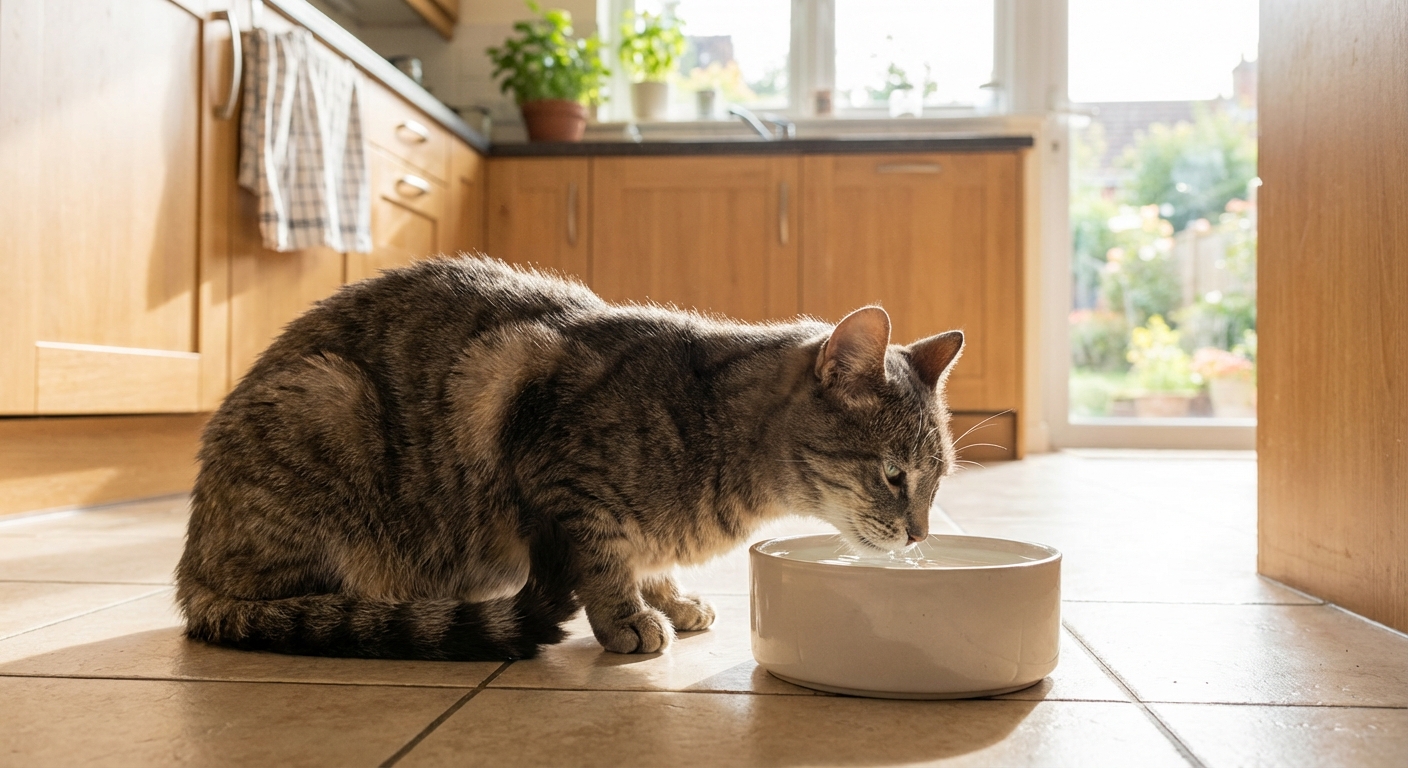
Cats with kidney disease lose the ability to concentrate urine, so they can become chronically dehydrated. Helpful strategies include:
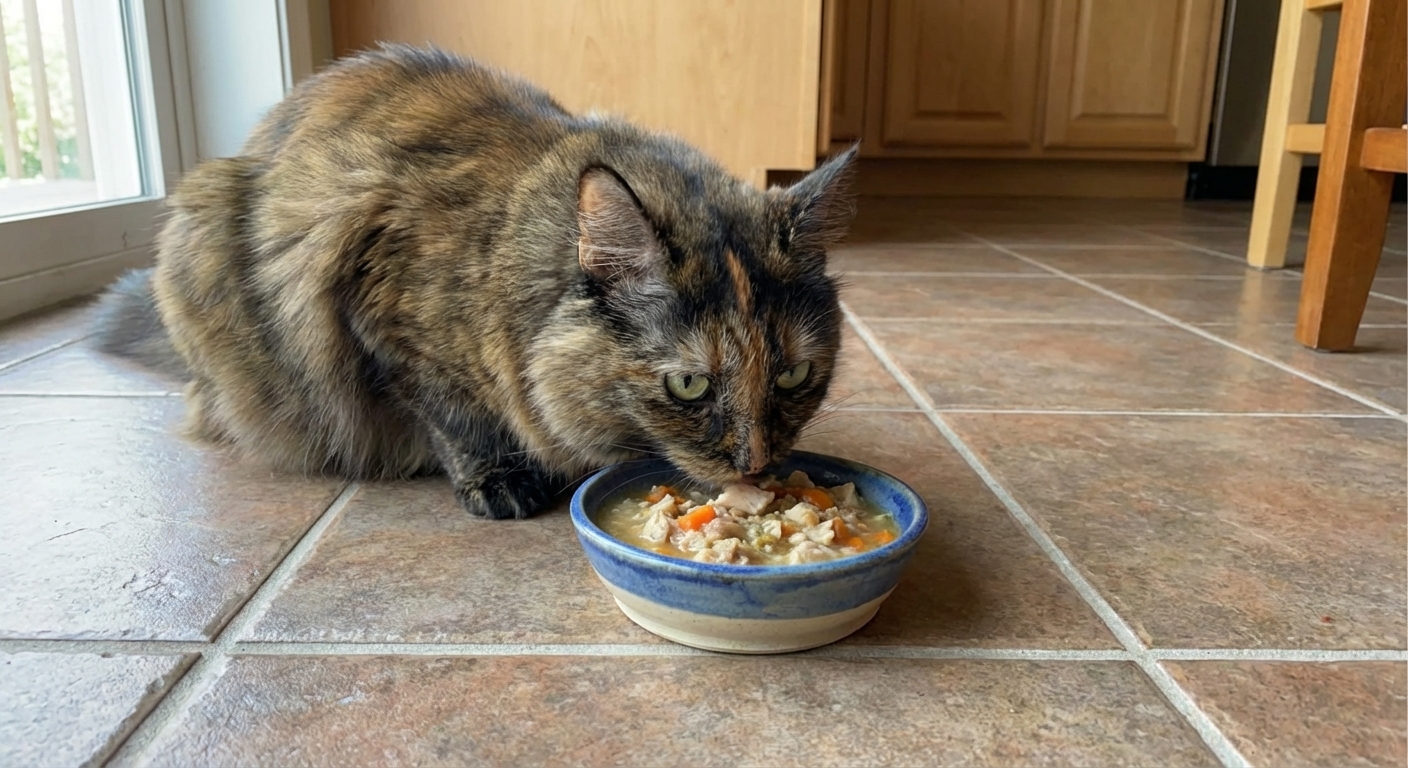
- Feed more wet food if your cat will eat it
- Use a pet water fountain to encourage drinking
- Offer multiple water stations around the home
- Ask your vet about subcutaneous fluids if recommended for your cat’s stage and symptoms (they are not right for every cat, including some cats with heart disease, so this must be vet-directed)
2) Nutrition and kidney diets
Prescription kidney diets are commonly recommended for CKD because they are formulated to support kidney health. In studies, renal diets are associated with improved quality of life and longer survival in many cats with CKD.
They often include:
- Lower, controlled phosphorus
- Moderated, high-quality protein
- Added omega-3 fatty acids
- Balanced electrolytes
- Controlled sodium (helpful when blood pressure is a concern)
That said, the “best” food is the one your cat will reliably eat. If your cat refuses a renal diet, your veterinarian can help you find the next best option, including gradual transitions and appetite support.
3) Medications and supplements (as needed)
Your vet may recommend tools like:
- Phosphate binders if phosphorus remains high
- Anti-nausea medication to protect appetite and comfort
- Appetite stimulants when eating becomes inconsistent
- Blood pressure medication if hypertension is present
- Potassium supplementation if levels are low
- Proteinuria treatment if UPC is elevated, since reducing protein loss in urine can be part of protecting kidney function
- Kidney-focused probiotics in select cases (evidence is mixed, so think of these as “may help” products that should be used only with your veterinarian’s guidance)
Please do not start supplements on your own. Some over-the-counter products can be poorly regulated or contain ingredients that are not appropriate for cats with kidney disease.
4) Litter box and home comfort
- Add an extra litter box and keep it easy to access
- Use low-entry boxes for senior cats
- Track clump size and frequency, which can help your vet fine-tune care
- Keep routine steady to lower stress, since stress can reduce appetite
5) Simple appetite support at home
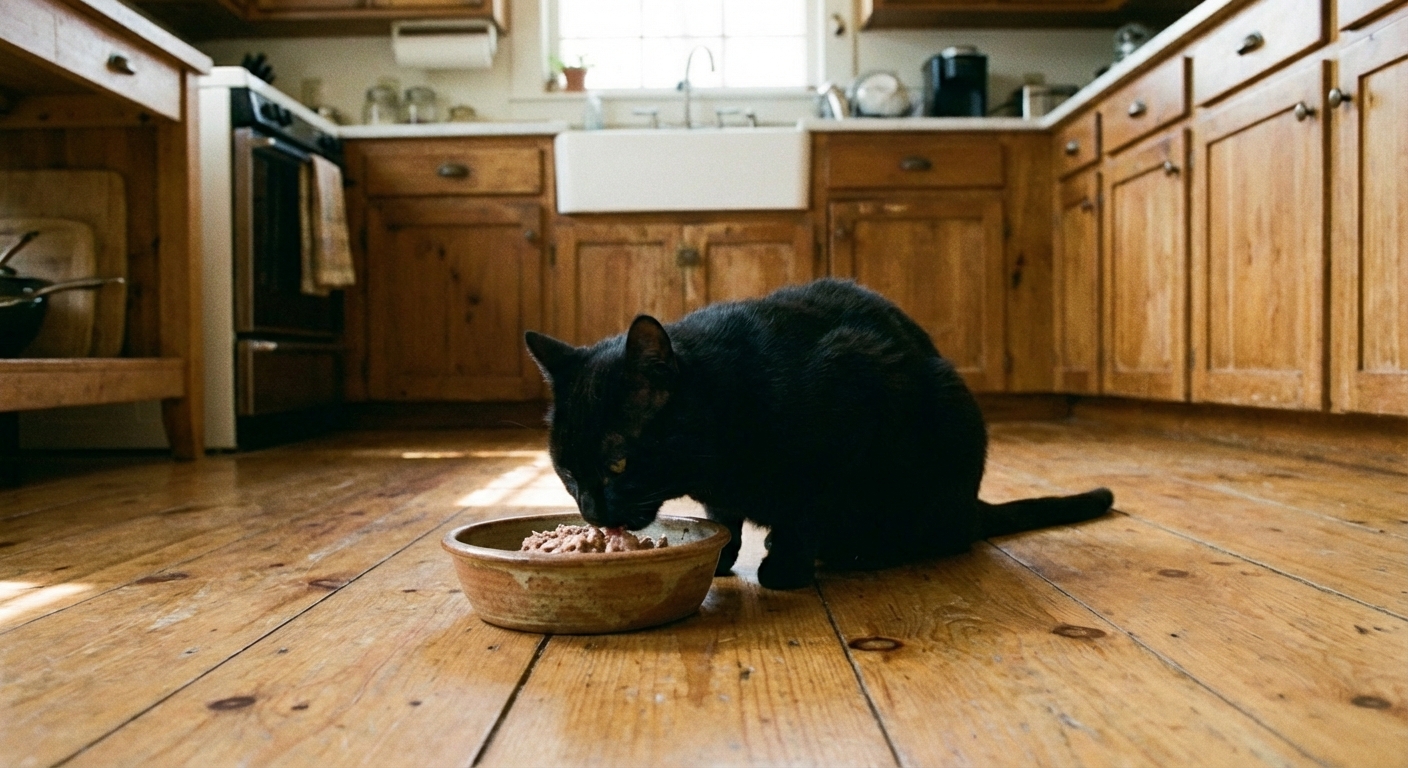
Appetite can be one of the first things to wobble with kidney disease. Helpful, gentle tricks include:
- Warm wet food slightly to increase aroma
- Try different textures (pate, chunks in gravy) rather than changing everything at once
- Make food changes slowly over 7 to 14 days for picky cats
- Check for mouth pain or dental disease if chewing seems uncomfortable
Common CKD complications
CKD often comes with a few “side issues” that are very treatable once identified. This is one reason regular rechecks matter.
- High phosphorus
- High blood pressure
- Low potassium
- Anemia
- Protein in the urine (proteinuria)
- Nausea, stomach ulcers, or constipation that can reduce appetite
When to seek urgent care
Contact a veterinarian or emergency clinic right away if your cat has:
- Not urinated or is straining to urinate (especially male cats)
- Repeated vomiting or cannot keep water down
- Severe lethargy, weakness, or collapse
- Open-mouth breathing or significant distress
- Possible toxin exposure (antifreeze, lilies, rodent bait, certain human medications)
Time matters with acute kidney injury and urinary obstruction.
Monitoring that makes a difference
Once kidney disease is diagnosed, ongoing monitoring helps your vet adjust the plan before your cat feels worse. Every cat’s timeline is a little different, but a common pattern is more frequent checks after a new diagnosis or medication change, then steadier long-term monitoring once stable.
- Weigh your cat regularly (even small weight changes matter)
- Keep a quick appetite log: normal, decreased, refused
- Note water intake and litter box changes
- Follow recheck schedules for labs and blood pressure (many cats are rechecked in a few weeks after a change, then every 3 to 6 months when stable, but your vet will advise)
If you only do one thing this week: take a clear look at the litter box. Bigger urine clumps and subtle weight loss are two of the earliest clues that kidneys may need support.
Frequently asked questions
Is kidney disease painful for cats?
Kidney disease is often more “sick feeling” than sharp pain, meaning nausea, fatigue, and dehydration are common. Some cats do have discomfort from related issues like ulcers, constipation, dental disease, or arthritis. If your cat seems withdrawn, hunched, or unusually irritable, tell your veterinarian.
Can I prevent kidney disease?
You cannot prevent every case, but you can reduce risk and catch it earlier by staying on top of annual or semi-annual wellness exams, feeding a quality diet your cat thrives on, supporting hydration, maintaining dental health, and avoiding toxins like lilies and antifreeze.
Do older cats need routine kidney screening?
Yes. Many veterinarians recommend senior screening labs, often yearly or every 6 months depending on age and health history. Early CKD detection can open the door to easier, gentler interventions.