A practical guide to low-phosphorus homemade meals for cats with CKD—what to avoid, safer ingredient building blocks, starter meal frameworks, and must-hav...
Article
•
Designer Mixes
Kidney Failure Symptoms in Cats

Shari Shidate
Designer Mixes contributor
Kidney disease is one of the most common chronic health conditions we see in older cats, and it can be sneaky at first. Cats are masters at hiding discomfort, so the earliest symptoms can look like “just aging” or “being picky.” The good news is that early recognition and supportive care can often significantly improve comfort and quality of life.
In this overview, I will walk you through what to watch for, what is urgent, and what day-to-day care usually looks like when your veterinarian diagnoses kidney disease.
What kidney disease means
Your cat’s kidneys do a lot more than make urine. They filter waste products from the blood, help regulate hydration and electrolytes, support blood pressure, and play a role in red blood cell production. When kidney function declines, toxins and imbalances build up and can start affecting the whole body.
You may hear a few different terms. Many people say “kidney failure” as a general phrase, but veterinarians often talk about kidney disease and stage it, especially when it is chronic. Staging and trends over time matter because they guide treatment and help set expectations.
There are two broad categories:
- Acute kidney injury (AKI): A sudden loss of kidney function, sometimes triggered by toxins (like lilies), dehydration, severe infection, or certain medications. Urinary obstruction can also rapidly cause dangerous toxin buildup and electrolyte problems, and may lead to kidney injury if not treated quickly. This can be an emergency.
- Chronic kidney disease (CKD): A gradual, progressive decline that is especially common in senior cats. Many cats live well for months to years with proper care and monitoring.
Early symptoms in cats
Early signs often center on changes in thirst, urination, and subtle shifts in appetite and behavior. If you notice any of these, it is worth scheduling a vet visit and requesting bloodwork and a urinalysis.
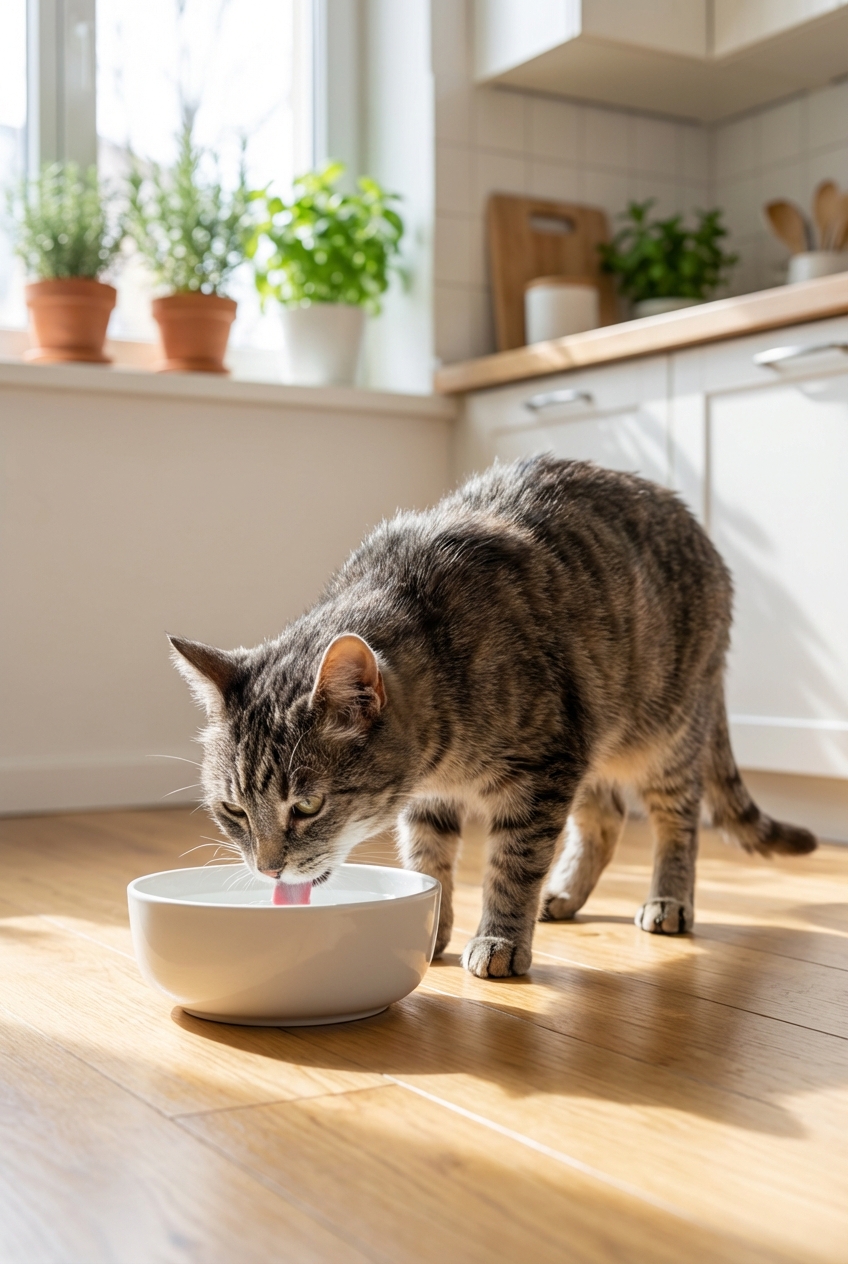
- Drinking more water than usual (water bowls empty faster)
- Urinating more (larger clumps in the litter box, more frequent trips)
- Weight loss even if your cat still seems to eat
- Reduced appetite or “eating less at meals”
- More sleeping, less social time
- Mild dehydration (gums feel tacky, coat looks dull)
- Nausea signs such as lip smacking, drooling, or walking away from food

Later symptoms to watch
As kidney function declines further, symptoms can become much more obvious. Some cats develop complications like high blood pressure, anemia, and electrolyte imbalances.
- Vomiting or frequent nausea
- Very poor appetite or refusing food
- Bad breath that may smell like ammonia or a “chemical” odor
- Mouth ulcers or pawing at the mouth
- Weakness, lower energy, hiding
- Wobbly walking or disorientation
- Constipation (common due to dehydration)
- Dull coat, poor grooming
- Vision changes or sudden blindness (can happen with high blood pressure)
Emergency red flags
Please treat the following as urgent. Cats can decline quickly with kidney-related crises, and fast care can be life-saving.
- Not peeing or frequent straining with little or no urine (possible urinary obstruction, especially in male cats)
- Repeated vomiting or cannot keep water down
- Severe lethargy, collapse, or extreme weakness
- Suspected toxin exposure, especially lilies (all parts can be dangerous for cats)
- Sudden blindness or dilated pupils (possible severe hypertension)
- Open-mouth breathing or very pale gums
If you are unsure, call your veterinarian or an emergency clinic and describe what you are seeing. It is always better to be cautious with cats.
How vets diagnose it
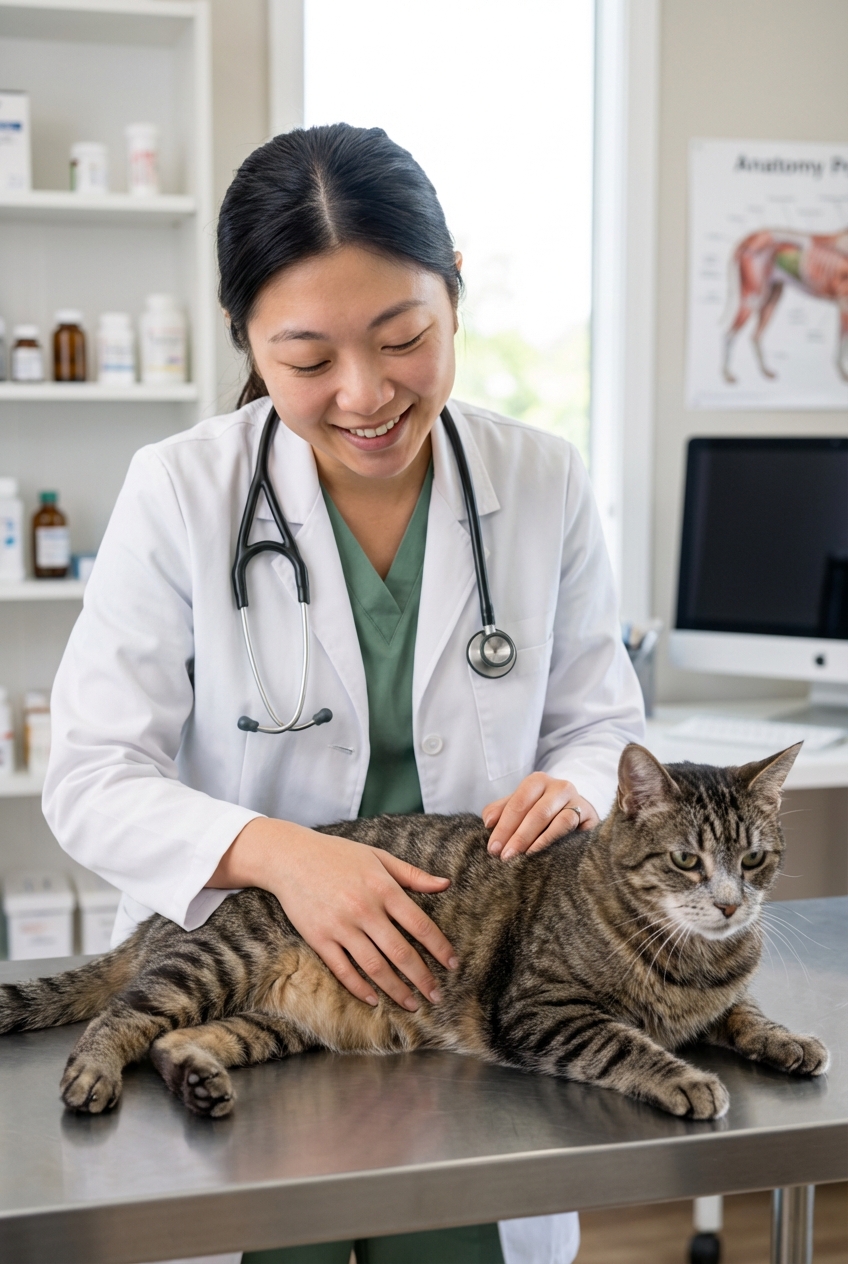
Diagnosis is not based on one number. Your vet will put the whole picture together, including symptoms, physical exam, and lab results. It is also common to look at trends over time, for example changes in creatinine or SDMA plus urine concentration, rather than relying on a single snapshot.
Common tests include:
- Bloodwork: Creatinine, BUN, SDMA, phosphorus, electrolytes, and hydration indicators.
- Urinalysis: Urine specific gravity (how concentrated the urine is), protein, signs of infection, and sediment exam.
- Blood pressure: Hypertension is common in CKD and can damage eyes, brain, and kidneys.
- Urine culture: Especially if infection is suspected.
- Imaging: Ultrasound or radiographs to assess kidney size and shape, stones, or other issues.
Many clinics use IRIS staging (International Renal Interest Society) to categorize CKD severity and guide treatment. Your veterinarian may also recommend screening for common contributors and comorbidities in senior cats, such as hyperthyroidism, dental disease, dehydration risk factors, or urinary tract problems.
At-home care that helps
Kidney care is about reducing workload on the kidneys, supporting hydration, managing nausea, and protecting quality of life. Your vet will tailor a plan based on your cat’s stage and lab values, but these strategies are commonly recommended.
1) Hydration
- Wet food helps because it naturally increases fluid intake.
- Fresh water access in multiple quiet spots can encourage drinking.
- Water fountains help some cats drink more.
- Subcutaneous fluids may be prescribed for some cats with CKD. They are not right for every cat, especially if there are concerns like heart disease, so follow your veterinarian’s guidance.
2) Nutrition
Prescription kidney diets are designed to manage phosphorus, provide appropriate protein quality, and support calories. In many cats, these diets can help them feel better and may slow progression.
- Transition slowly and keep it low-stress. Warming food, trying different textures, and using a gradual mix-in approach can help.
- Avoid sudden diet changes in nauseated cats. If your cat is not eating, call your vet. Not eating can become dangerous quickly for cats.
- Phosphorus control is a key goal because high phosphorus can contribute to complications and make CKD harder on the body over time. If your cat cannot eat a kidney diet, your vet may add a phosphorus binder.
3) Nausea and appetite
Kidney-related nausea is extremely common and often under-treated. Talk with your vet about anti-nausea medications and appetite support when needed.
- Signs of nausea include lip smacking, drooling, sniffing food then walking away, and vomiting.
- Ask about antiemetics and appetite stimulants based on your cat’s needs and lab work.
4) Litter box, weight, and patterns
- Track urination volume by watching litter clump size and frequency.
- Weigh weekly if possible. Early weight loss is a major clue that something is off.
- Note stool quality. Constipation can worsen appetite and nausea.
- Keep a simple log of appetite, vomiting, and energy. It helps your vet spot meaningful trends.
Common treatments
Your veterinarian may recommend a combination of therapies depending on stage, symptoms, and complications.
- Kidney-support diet and gradual transition plan
- Phosphate binders if phosphorus remains high
- Anti-nausea medication to improve comfort and eating
- Appetite stimulants short-term when needed
- Subcutaneous fluids for hydration support in select cats
- Potassium supplementation if low
- Blood pressure medication if hypertensive
- Treatment for anemia if present
- Antibiotics only when infection is confirmed or strongly suspected
Please do not give human medications or supplements without veterinary guidance. Many are unsafe for cats or can worsen kidney problems.
Make home easier
Small environmental changes can reduce stress and help cats feel better day to day.
- Add extra litter boxes and keep them easy to access, especially for arthritic seniors.
- Use low-entry boxes if jumping is uncomfortable.
- Create warm resting spots and quiet “safe zones.”
- Offer small, frequent meals to help nauseated cats eat more steadily.
- Keep routine consistent. Stress can reduce appetite.
What to ask your vet
If your cat has suspected or confirmed kidney disease, these questions can help you leave the appointment with a clear plan.
- Is this acute kidney injury or chronic kidney disease?
- What stage is my cat in (IRIS stage), and what does that mean?
- What are the key lab values we are monitoring (SDMA, creatinine, BUN, phosphorus, potassium), and how are they trending?
- Should we check blood pressure or recheck it regularly?
- What are the best diet options for my cat, and how should we transition?
- What symptoms mean I should call right away?
- How often should we recheck blood and urine for my cat’s stage?
A hopeful note
I know the words “kidney failure” are scary. But in practice, many cats with kidney disease can do very well with a thoughtful plan and close monitoring. Prognosis varies based on stage, appetite, hydration, phosphorus levels, and blood pressure control, but the biggest wins often come from early detection, hydration support, good nutrition, and treating nausea so your cat feels like eating again.
If you are seeing changes in thirst, litter box habits, appetite, or weight, trust your instincts and get your cat checked. You are not overreacting. You are being the advocate your cat needs.