Understand IRIS CKD stages 1–4 in cats, what creatinine/SDMA mean, early warning signs, and how vets manage diet, phosphorus, nausea, fluids, blood pressur...
Article
•
Designer Mixes
Kidney Failure in Cats: Symptoms, Facts, and Tips

Shari Shidate
Designer Mixes contributor
Kidney disease is one of the most common chronic conditions we see in older cats, and it can be sneaky at first. As a veterinary assistant, I have talked with so many caring cat parents who feel blindsided because their cat seemed “fine”… until they suddenly were not.
The good news is that kidney problems often give us clues early. When you know what to watch for, you can get your cat help sooner, improve comfort, and often slow progression with the right plan.
What kidney failure means (plain English)
Your cat’s kidneys are busy, behind-the-scenes organs that filter waste from the blood, balance fluids and electrolytes, help regulate blood pressure, and support red blood cell production. When kidneys start to fail, uremic toxins and other metabolic imbalances can build up, hydration becomes harder to maintain, and multiple body systems can be affected.
You may hear two different terms:
- Chronic kidney disease (CKD): slow, long-term loss of kidney function. This is very common in senior cats.
- Acute kidney injury (AKI): sudden kidney dysfunction, sometimes from toxins (like lilies), severe dehydration, severe infection, or certain medications. A urinary obstruction can also cause life-threatening toxin buildup and acute kidney dysfunction. This is an emergency.
Early symptoms: subtle signs
Early kidney disease can look like “normal aging,” so it helps to pay attention to small changes that stick around for more than a few days. Also, these signs can overlap with other common conditions like diabetes, hyperthyroidism, urinary tract infection (UTI), or gastrointestinal disease, so it is worth checking in with your vet instead of guessing.
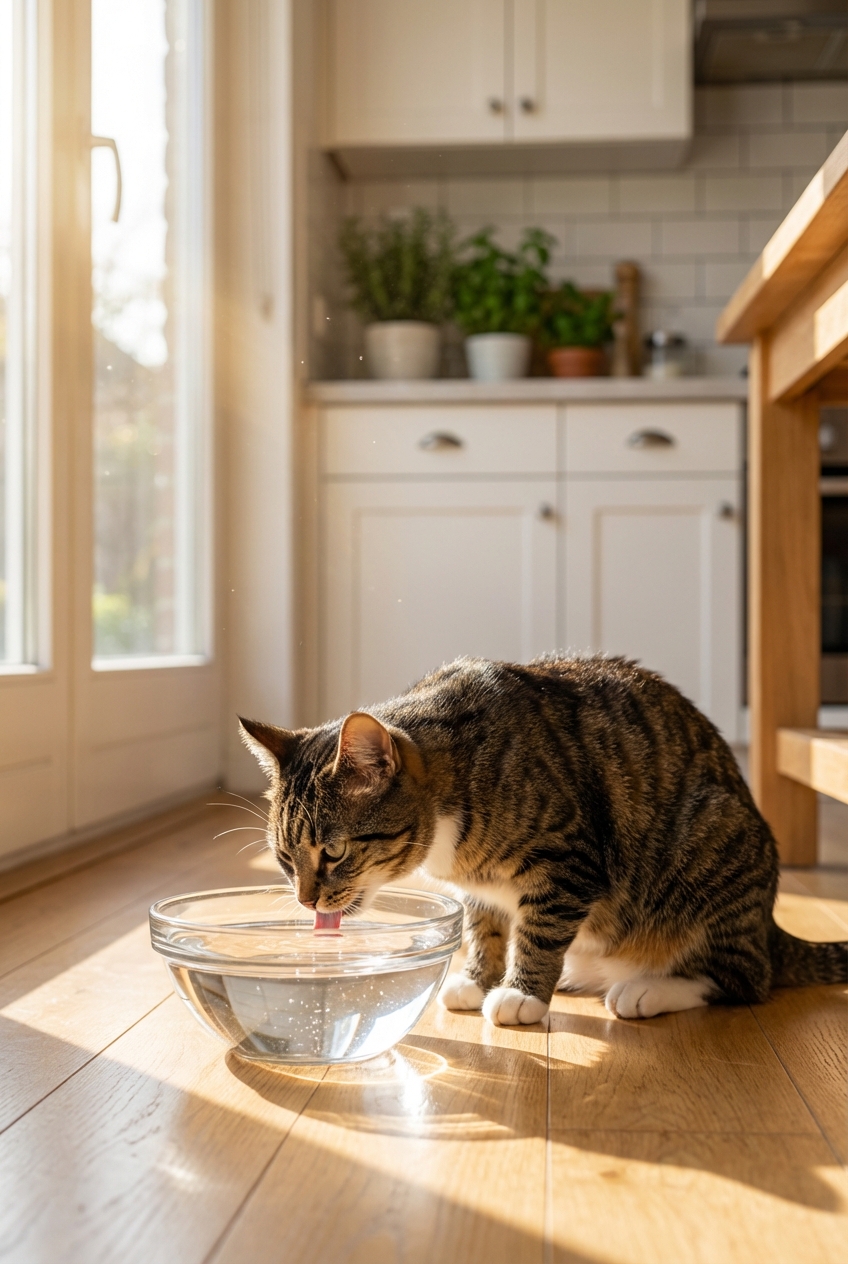
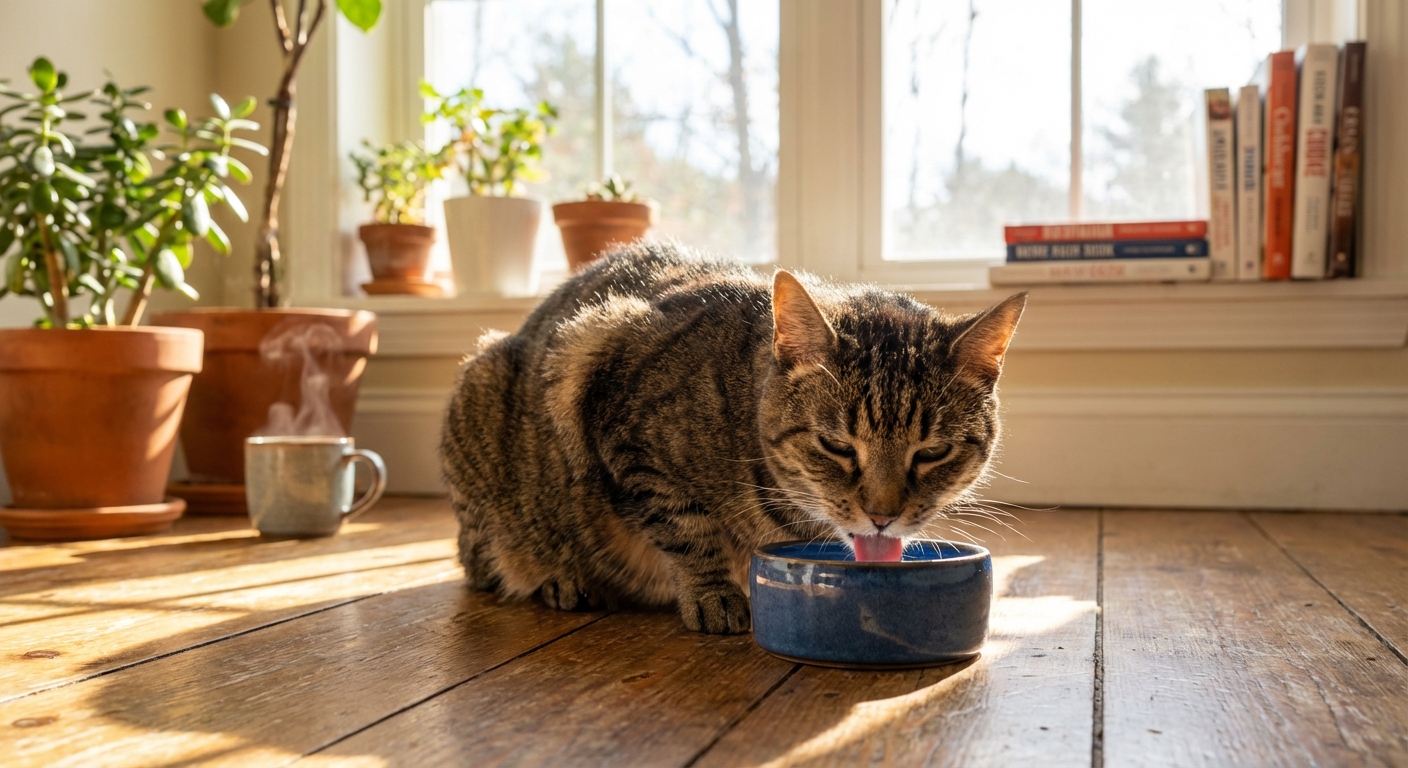
Drinking more water (polydipsia)
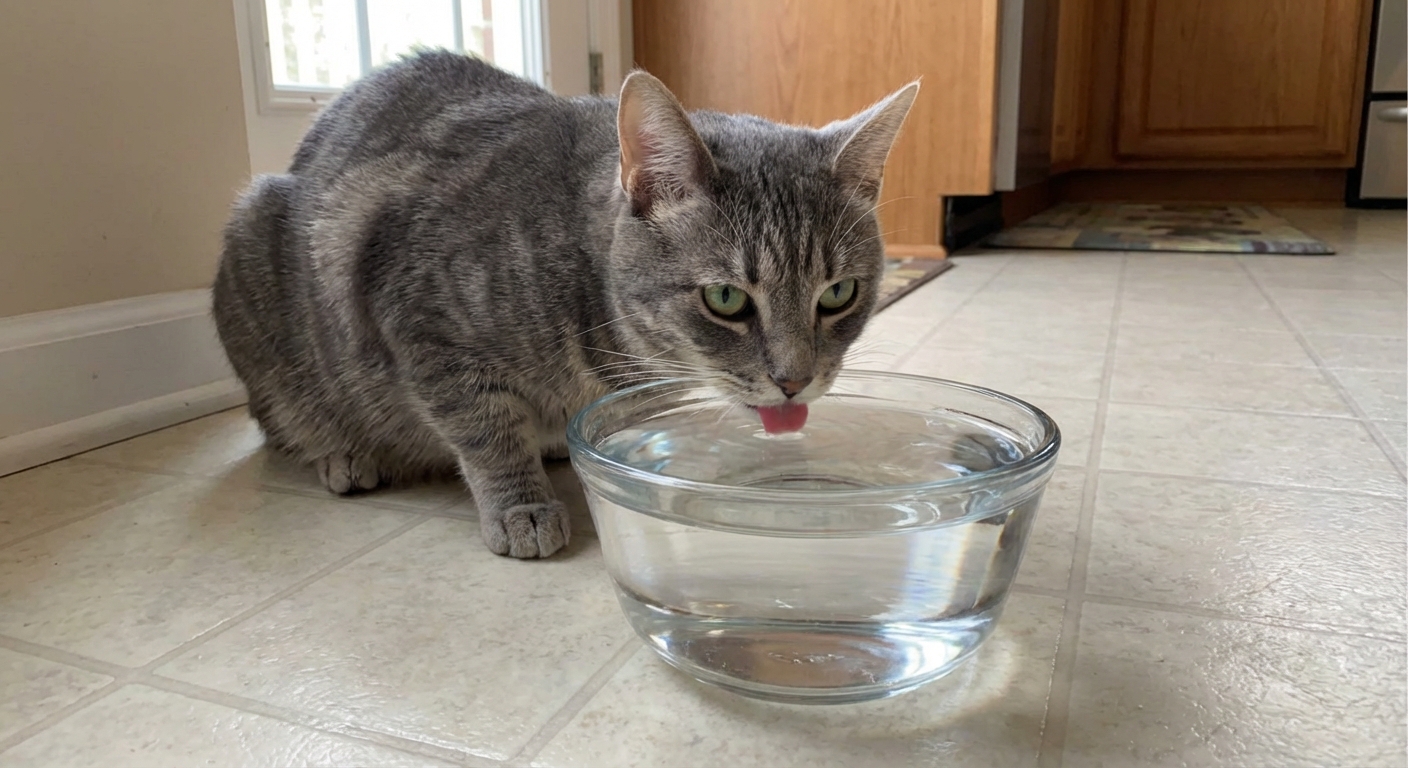
Many cats with kidney disease drink more because their kidneys cannot concentrate urine as well. The body is trying to make up for water losses.
- You may notice more trips to the water bowl.
- You might start refilling the water dish more often.
- Some cats begin seeking water in odd places, like the bathtub.
Peeing more (polyuria)
Increased urination often happens alongside increased drinking.
- Litter clumps may become larger or more frequent.
- A cat who used to use one box comfortably may suddenly need a second box or have accidents because the box fills faster.
Gradual weight loss
Kidney disease can cause muscle wasting and weight loss, even when a cat seems to be eating “okay.”
Appetite changes
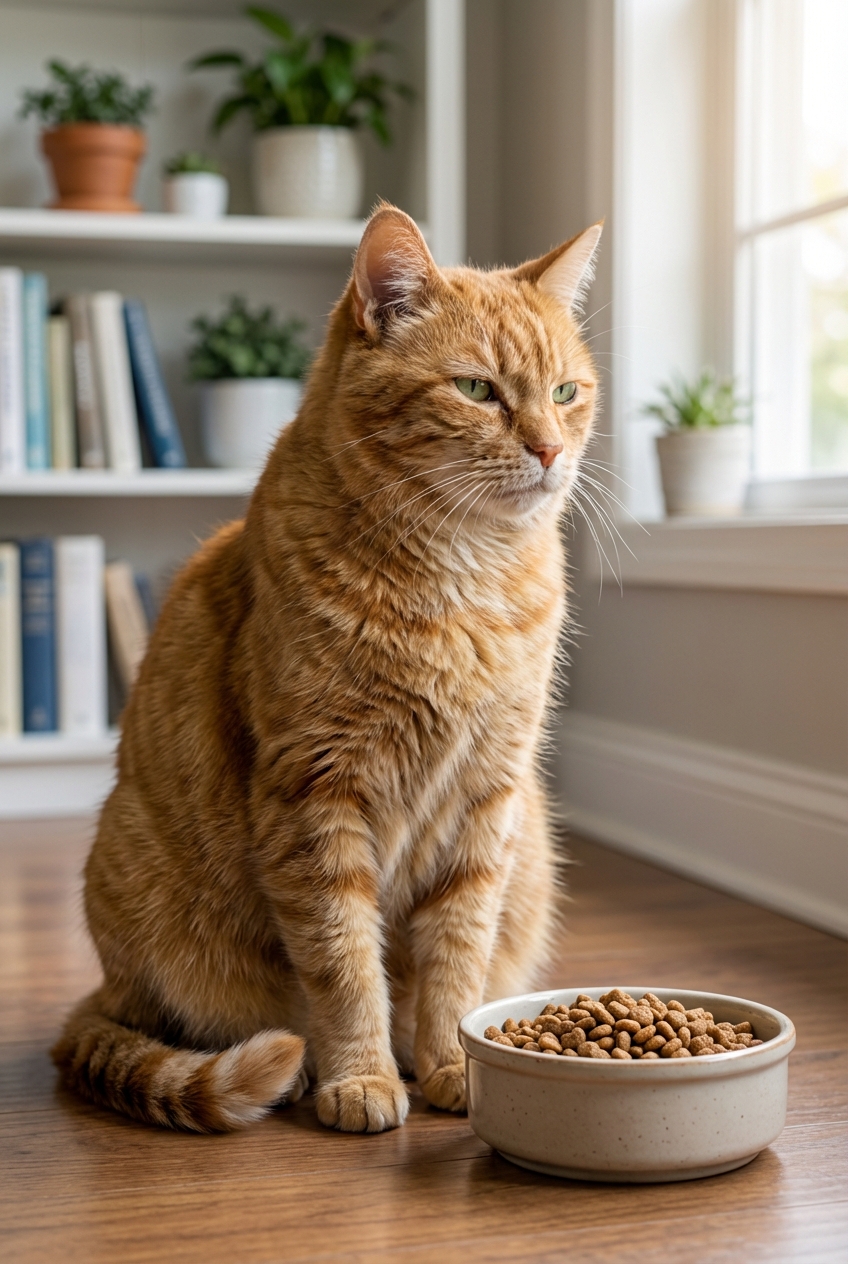
It may start as picky eating, walking away mid-meal, or only eating treats. Over time, nausea from uremic toxins and stomach irritation can reduce appetite more noticeably.
Middle-stage symptoms: more obvious
As kidney function declines, waste products in the bloodstream can trigger gastrointestinal signs and overall fatigue.
Vomiting or nausea
Common signs include:
- Vomiting, especially foam or bile
- Smacking lips, drooling, or acting “queasy”
- Sniffing food and walking away
Not finishing meals
This is one of the top reasons cat parents come in. It can be inconsistent at first, then become daily.
Lethargy and hiding
Cats often conserve energy when they feel unwell. You might see:
- More sleeping and less interest in play
- Less social behavior
- Hiding in closets or under beds
Dull coat or less grooming
When a cat does not feel good, grooming can drop off. The coat may look unkempt or greasy.
Constipation
Dehydration can dry out the stool, making constipation more likely. This is a big quality-of-life issue and is often treatable.
Advanced symptoms: red flags
These signs suggest significant kidney dysfunction or complications. If you see any of the following, call your veterinarian or an emergency clinic right away.
Severe dehydration
- Sticky gums
- Sunken eyes
- Weakness or collapsing
Breath odor changes
Some cats develop “uremic breath,” which can smell like ammonia.
Mouth ulcers
Some cats develop painful ulcers on the tongue or gums, which can worsen appetite and drooling.
Wobbliness, confusion, or seizures
Electrolyte imbalances, high blood pressure, or toxin buildup can affect the brain and nerves.
Very little urine or straining to pee
This can be life-threatening. Not peeing, straining, crying in the box, or producing tiny drops may indicate a urinary obstruction, which is an emergency and not something to “wait out.”
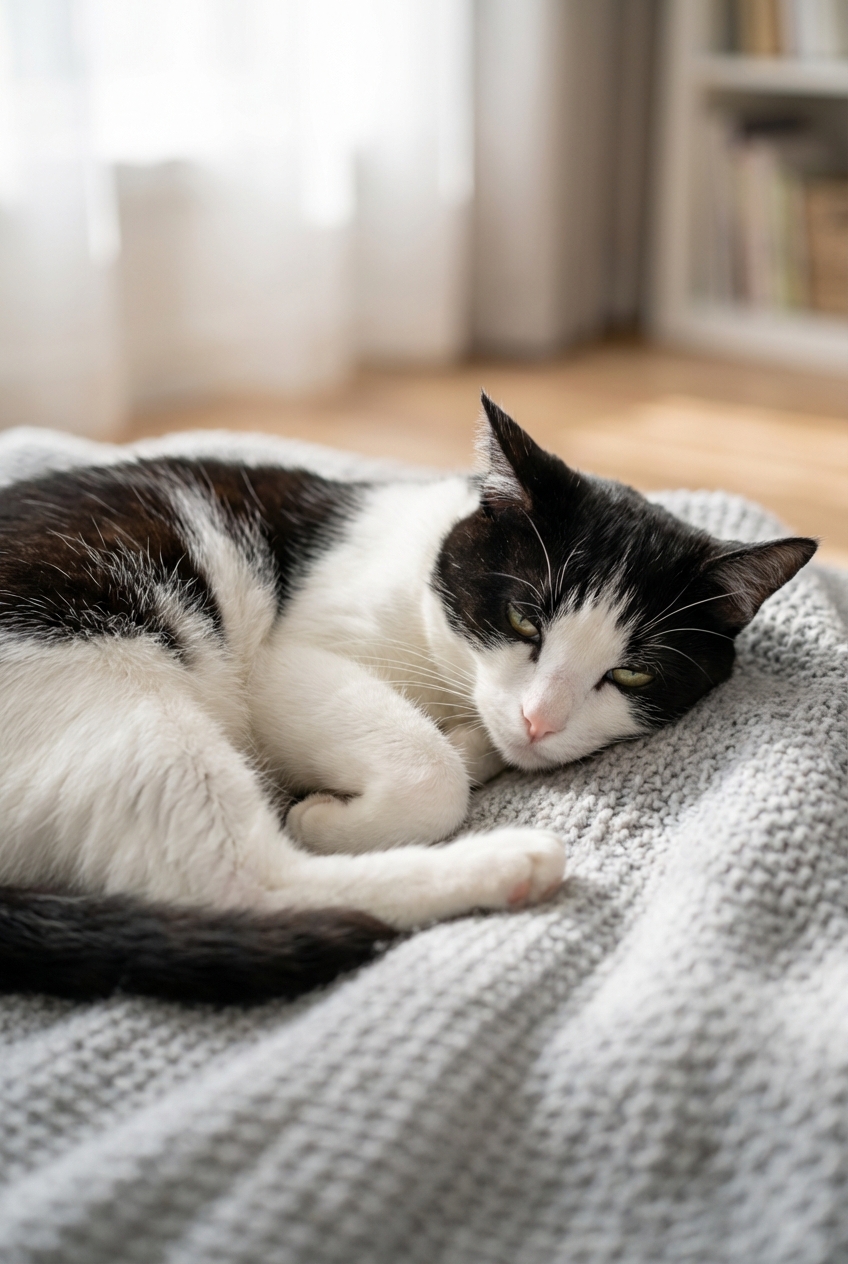
Kidney facts that help
- Cats are desert-designed. Their bodies are built to conserve water, which is one reason many cats do not naturally drink much. When a cat suddenly drinks more, it often means something changed.
- The litter box is a health report. For kidney disease, the litter box often shows changes before anything else: bigger clumps, more clumps, or a change in odor. Many CKD cats produce more dilute urine, which may smell less strong. A sudden strong or foul odor can point to a secondary issue like a UTI and is worth a check.
- Kidney disease and high blood pressure often travel together. Hypertension can cause sudden blindness or behavior changes. Blood pressure checks matter in CKD cats.
- Dental disease can be a complicating factor. Oral pain or infection can increase inflammation and reduce appetite, which can make managing a CKD cat harder. A healthier mouth supports a healthier cat overall.
At-home tips
These steps are not a replacement for veterinary care, but they can be powerful supports, especially for cats with early or stable chronic kidney disease.
1) Track water and litter box changes
- Notice how often you refill the water bowl.
- Watch litter clump size and frequency.
- If you have multiple cats, consider a temporary separation or use a camera to identify who is peeing more.
2) Weigh your cat regularly
Even small weight changes matter. If you can, weigh weekly with a baby scale, or weigh yourself holding your cat and subtract your weight.
3) Make hydration easier
- Offer a cat water fountain (many cats prefer moving water).
- Place multiple water stations around the home.
- Add water to wet food or make a vet-approved “soupy meal.”
4) Feed for kidney support (with your vet)
Prescription kidney diets are often recommended because they are formulated to help manage phosphorus levels and protein byproducts while supporting overall nutrition. If your cat refuses a kidney diet, tell your veterinarian. There are multiple brands and textures, and sometimes a “fed is best” strategy with a gradual transition is needed.
5) Avoid toxin risks
- Never allow access to lilies (even pollen can be dangerous to cats).
- Do not give human pain medications unless your vet specifically instructs you. Many are toxic to cats.
If your cat skips more than one meal, stops eating for 12 to 24 hours (sooner for kittens, seniors, or cats with underlying disease), vomits repeatedly, seems very weak, or you suspect lily exposure, treat it as urgent. Cats can decline quickly.
How vets diagnose kidney failure
Diagnosis usually involves a combination of history, exam, and lab work. Common tests include:
- Bloodwork (including creatinine and BUN, and often SDMA for earlier detection)
- Urinalysis (urine concentration, protein, signs of infection)
- Blood pressure
- Urine culture if infection is suspected
- Imaging (x-rays or ultrasound) in some cases
If your cat is diagnosed with CKD, your veterinarian may discuss staging the disease (often using IRIS guidelines) to guide treatment and monitoring.
Helpful note: CKD is usually not “reversible,” but it is often manageable. Many cats do well for a long time with the right support and monitoring.
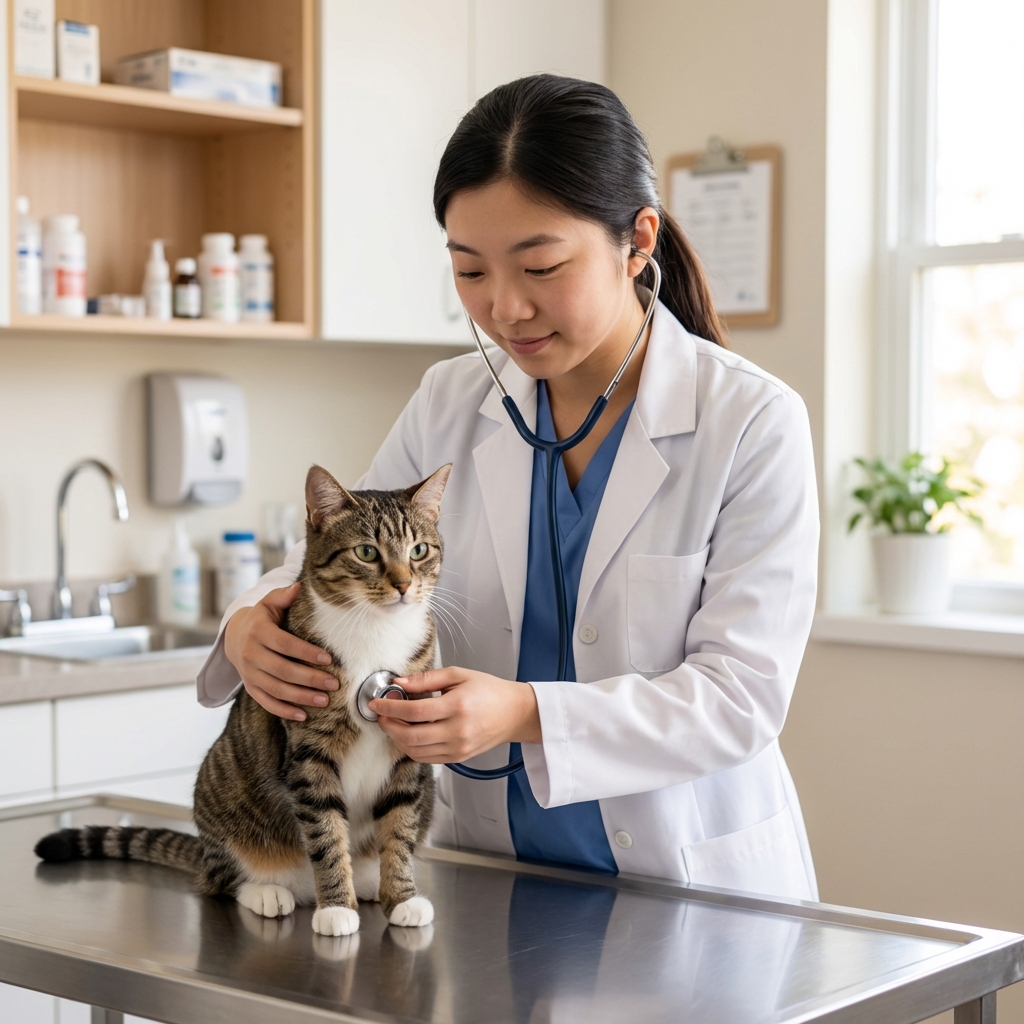
Common treatments (overview)
Treatment depends on the cause (CKD versus AKI), stage, symptoms, and lab results. Your veterinarian may recommend a combination of:
- Fluids (IV fluids for acute crises, or subcutaneous fluids at home for some CKD cats)
- Kidney-support nutrition and appetite-friendly strategies
- Anti-nausea and stomach-protectant medications
- Appetite stimulants when appropriate
- Phosphorus binders if phosphorus is high despite diet
- Blood pressure medication for hypertension
- Medications for protein in the urine if proteinuria is present
- Antibiotics if a UTI or kidney infection is confirmed
If something feels off, do not wait for symptoms to “prove themselves.” A quick check can prevent a rough spiral.
Screening for senior cats
Because early CKD can hide in plain sight, many vets recommend routine wellness screening for older cats. Depending on age and health history, that may include annual or twice-yearly bloodwork, urinalysis, and blood pressure checks.
When to call the vet now
Call your vet or an emergency clinic if your cat has:
- Skipped more than one meal, or stopped eating for 12 to 24 hours (sooner for high-risk cats)
- Repeated vomiting
- Suspected dehydration or extreme lethargy
- Straining to urinate, crying in the litter box, or producing little to no urine
- Sudden vision changes or bumping into things
- Possible lily exposure
You know your cat best. If something feels off, you are not overreacting by asking for help. Early care can make a very real difference in comfort and time.