Vet-backed tips for dogs with kidney disease: boost hydration, manage nausea, control phosphorus, protect muscle with smart protein, monitor blood pressure a...
Article
•
Designer Mixes
Kidney Disease in Dogs: Symptoms, Stages, and Treatment

Shari Shidate
Designer Mixes contributor
Hearing that your dog may have kidney disease can feel overwhelming. I want you to know that some dogs live comfortably for months to years with the right plan, especially when the condition is caught early. Prognosis varies widely based on IRIS stage, the underlying cause, and other health issues.
The kidneys do much more than make urine. They filter waste, balance fluids and electrolytes, help regulate blood pressure, and support red blood cell production.
This guide walks you through the most common symptoms, how veterinarians stage kidney disease, and the treatment options that can help your dog feel better and maintain quality of life.
What it means
Kidney disease generally falls into two categories:
- Chronic kidney disease (CKD): A slow, progressive loss of kidney function over time. It is more common in older dogs, but it can occur at any age.
- Acute kidney injury (AKI): A sudden drop in kidney function. Some cases are reversible if treated quickly, while others can leave lasting damage or progress into CKD.
Causes of AKI can include toxin exposure, severe dehydration, certain medications, urinary obstruction, and infections such as leptospirosis or kidney infection (pyelonephritis).
Because kidneys have a lot of “reserve,” dogs can lose significant function before obvious signs appear. That is why routine wellness exams and screening labs can be so valuable.
Symptoms
Symptoms can be subtle at first. Contact your veterinarian if you notice any of the following, especially if more than one shows up.
Call the same day if your dog is vomiting , very lethargic, not eating , seems dehydrated, or is urinating much less than normal.
Early signs
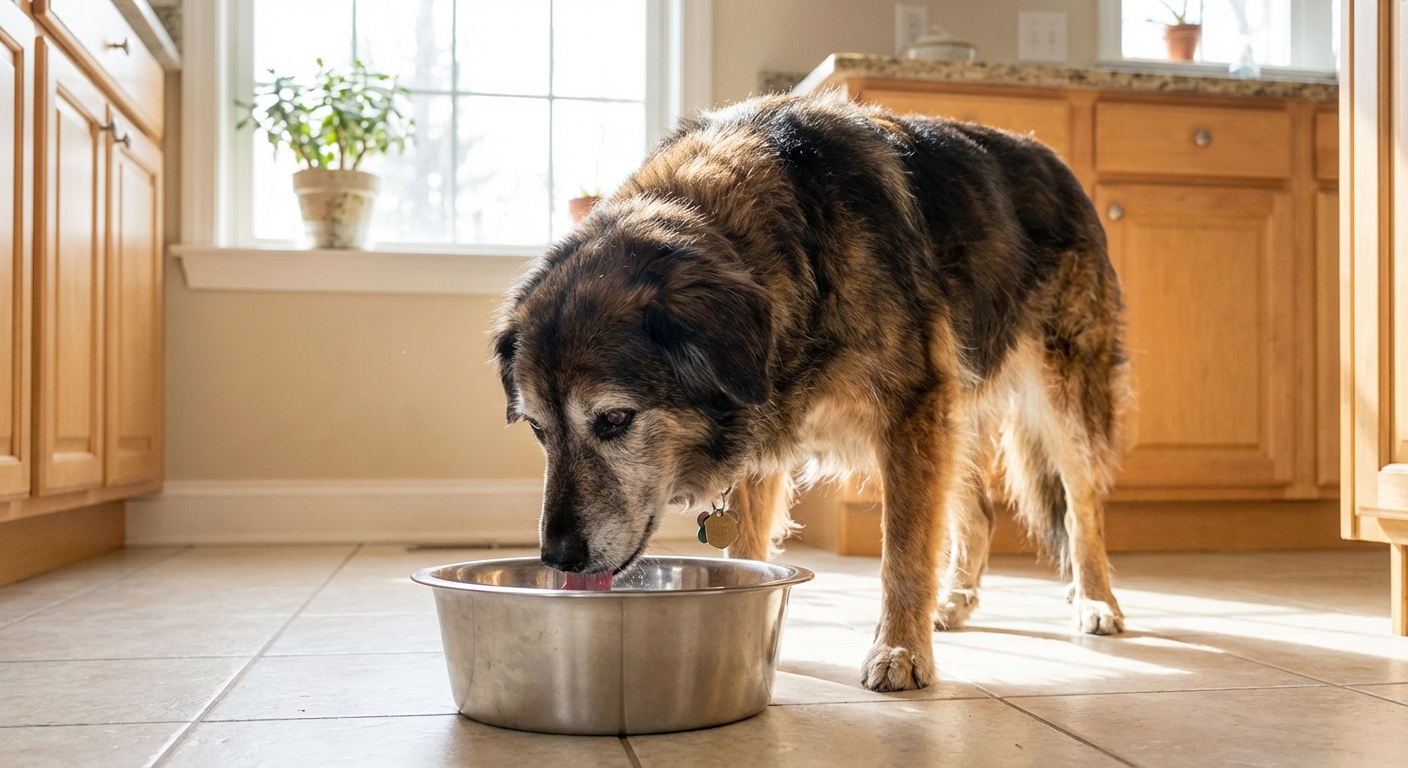
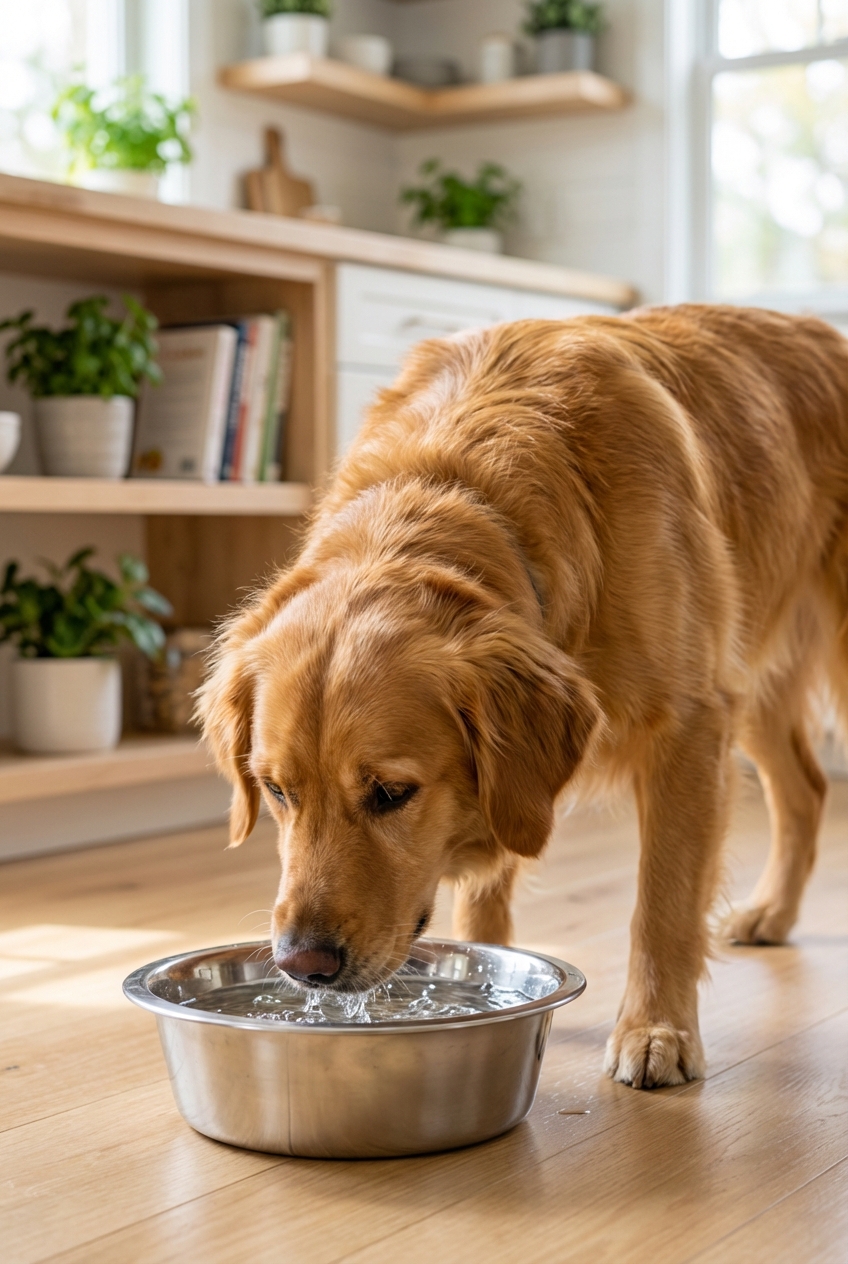
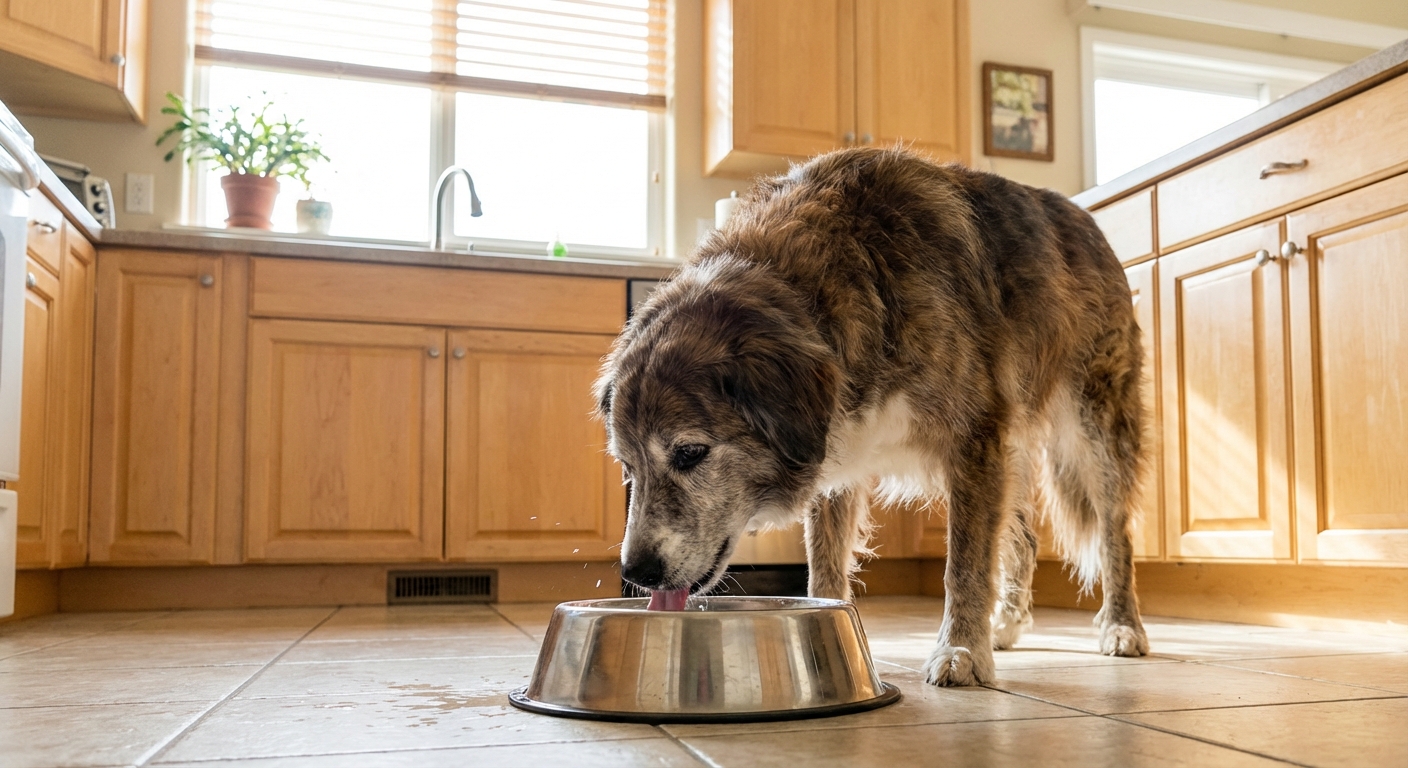
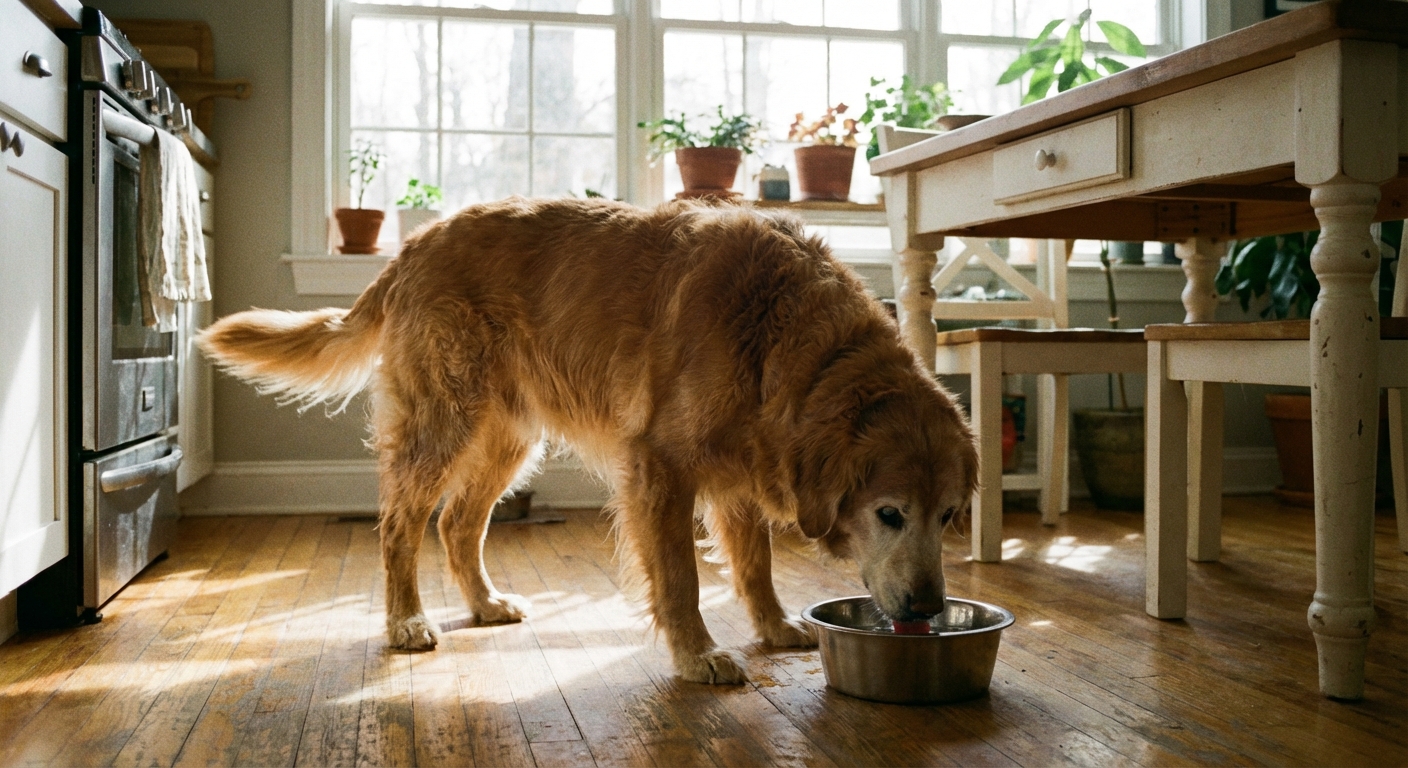
- Drinking more water than usual
- Urinating more often or having larger volumes of urine
- Accidents in the house in a previously house-trained dog
- Decreased appetite or becoming picky
- Mild weight loss
- Lower energy or seeming “off”
Get prompt care
- Vomiting or diarrhea
- Bad breath that smells like ammonia or “urine”
- Mouth ulcers or drooling
- Dehydration, weakness, or wobbly walking
- Very little urine, straining to urinate, or no urine
- Sudden collapse, severe lethargy, or confusion
Diagnosis
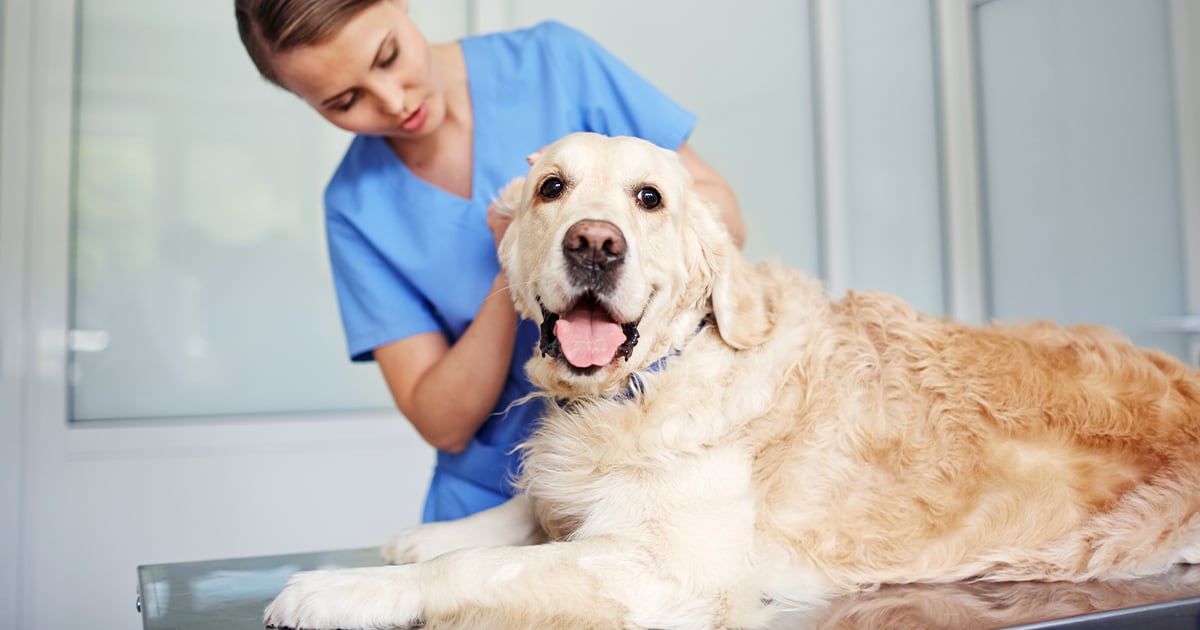
Kidney disease is diagnosed using a combination of history, physical exam findings, and lab testing. Your veterinarian may recommend:
- Bloodwork: Common markers include creatinine and BUN. Many clinics also use SDMA, which can increase earlier than creatinine in some dogs. SDMA still needs context, so your vet will interpret it alongside hydration status, urine specific gravity, and trends over time.
- Urinalysis: Looks at urine concentration (specific gravity), protein, and evidence of infection or crystals.
- Urine culture: Helps confirm a urinary tract infection, which can worsen kidney function.
- Urine protein testing: If protein is present, your vet may recommend a UPC (urine protein to creatinine ratio) to measure and monitor it.
- Blood pressure measurement: High blood pressure is common with CKD and can damage the kidneys further.
- Imaging: Ultrasound or X-rays may identify stones, obstruction, tumors, or changes in kidney size and structure.
Owners also commonly hear about other lab values that matter in kidney patients, including phosphorus, potassium, and signs of anemia. These can affect energy, appetite, and comfort, and they help guide treatment.
Many dogs benefit from periodic monitoring to catch changes early and adjust treatment before symptoms flare.
Stages
Most veterinarians use IRIS (International Renal Interest Society) staging for chronic kidney disease. Staging helps guide treatment and gives a clearer picture of what to monitor.
IRIS stage is based primarily on fasting creatinine (and or SDMA) in a stable, hydrated patient, with “sub-staging” by blood pressure and protein in the urine (often measured with UPC).
Stage 1
Kidney disease may be present, but standard kidney values can still look normal. Dogs might have abnormal urine concentration, elevated SDMA, protein in the urine, or changes on imaging.
Stage 2
Mild loss of kidney function. Many dogs still feel fairly normal, but increased drinking and urination are common. Early diet changes and blood pressure or proteinuria management can make a real difference here.
Stage 3
Moderate kidney dysfunction. Nausea, appetite changes, and weight loss become more noticeable. Treatment usually includes diet plus medications and supportive care.
Stage 4
Severe kidney dysfunction. Dogs often feel unwell without consistent support. The focus is on comfort, symptom control, and maintaining quality of life.
Important: Two dogs in the same stage can still have different symptoms and different needs because sub-stage factors like blood pressure, UPC, hydration, and other medical conditions matter.
Treatment
Treatment depends on whether your dog has AKI or CKD, the underlying cause, and what symptoms are present. The overall goals are to reduce the workload on the kidneys, support hydration, manage nausea and appetite, and slow progression when possible.
1) Kidney nutrition
Nutrition is one of the most evidence-supported tools for CKD. Therapeutic kidney diets are designed to:
- Reduce phosphorus intake to help protect remaining kidney function
- Provide high-quality protein in appropriate amounts
- Support calories so your dog maintains weight and muscle
- Add omega-3 fatty acids (often from fish oil) to support kidney health
A common misconception is “the lowest protein possible.” In reality, protein targets should be individualized, and the goal is often the right type and amount of protein plus good calorie intake.
If your dog is a picky eater, ask your veterinarian about gradual transitions, warming the food, trying different textures, or prescription kidney diet options. Please avoid making big diet changes without guidance, since imbalances can worsen kidney stress.
Also ask about renal-friendly treats . Many common treats are high in phosphorus, so it helps to choose options that fit your dog’s plan.
2) Hydration
Dehydration makes kidney disease feel worse and can raise toxin levels in the bloodstream. Your vet may recommend:
- Encouraging water intake with multiple bowls or a pet fountain
- Adding water to meals if tolerated
- Subcutaneous fluids at home for some CKD dogs
- IV fluids in hospital for acute kidney injury, severe dehydration, uremic crisis, or acute decompensation
Fluid plans should be veterinarian-directed. Some dogs, especially those with heart disease, can be at risk of overhydration if fluids are not tailored carefully.
3) Phosphate binders
If blood phosphorus remains high despite a kidney diet, veterinarians may prescribe phosphate binders mixed into meals. These help prevent phosphorus absorption and can reduce complications.
4) Nausea, ulcers, appetite
Kidney disease often causes nausea and stomach irritation. Common tools include anti-nausea medication, acid reducers or GI protectants as prescribed, and appetite stimulants when needed. When dogs can eat comfortably, they generally feel better and maintain strength.
5) Protein in urine
Some dogs lose protein through the kidneys, which can speed progression. If your dog has proteinuria (often monitored with UPC), your veterinarian may prescribe medications that reduce protein loss and support kidney circulation.
6) Blood pressure
High blood pressure can damage the kidneys, eyes, heart, and brain. If your dog has hypertension, treatment and regular rechecks are important, even if your dog seems fine day to day.
7) Other support
Depending on your dog’s lab results and symptoms, your veterinarian may also discuss treatments for issues like low potassium or anemia in select cases.
8) Treat the cause
- Infection: Antibiotics guided by culture results and the type of infection
- Obstruction or stones: Emergency management, and sometimes surgery or procedures
- Toxin exposure : Rapid decontamination and intensive supportive care
At home
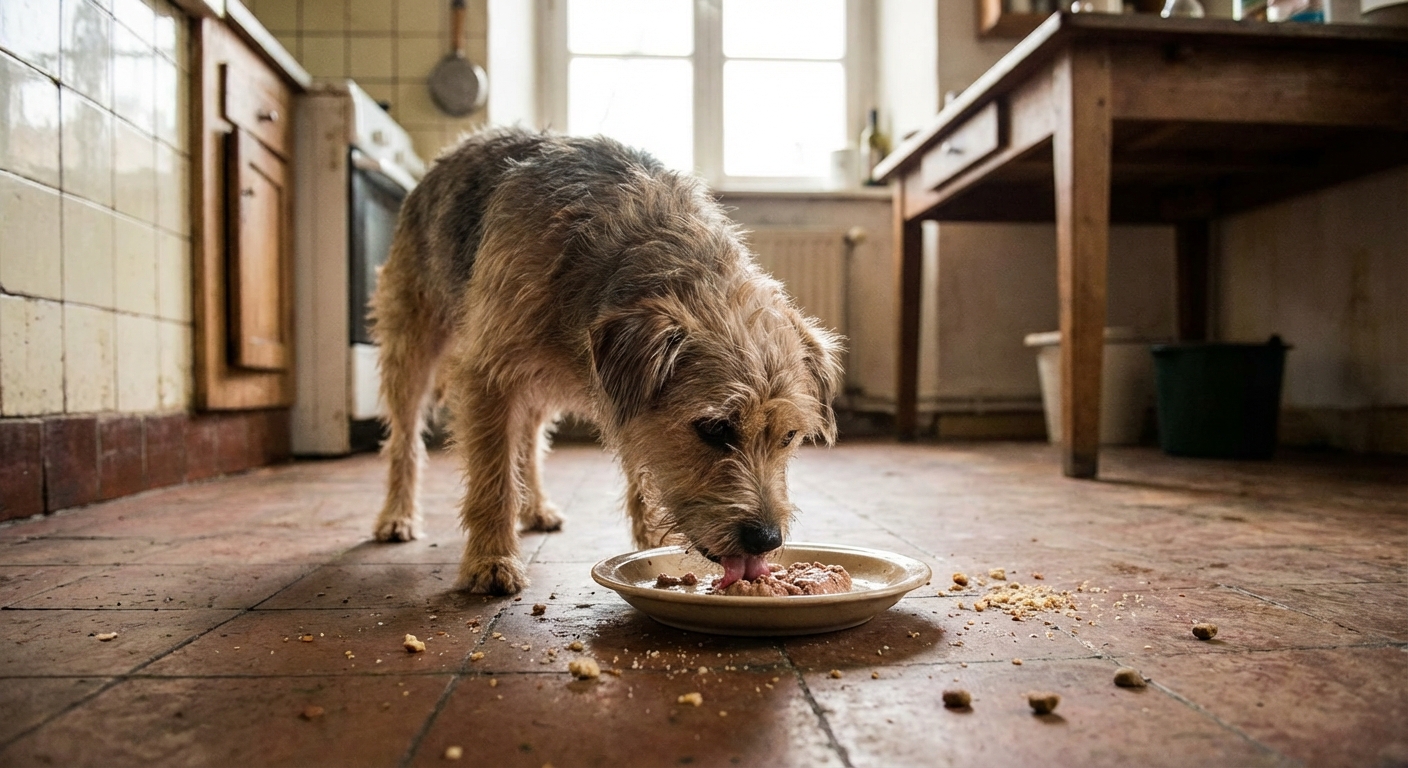
Small, consistent habits compound into meaningful improvements in comfort and stability. Here are practical steps many families find helpful:
- Track water intake and appetite : A simple note on your phone can reveal patterns early.
- Monitor weight weekly: Unplanned weight loss is an early warning sign.
- Offer frequent potty breaks: Dogs with CKD often cannot hold urine as long.
- Keep medications consistent: Set reminders for phosphate binders, nausea meds, or blood pressure meds.
- Protect the kidneys from avoidable stress: Do not give over-the-counter pain relievers unless your veterinarian specifically approves them.
- Support overall health: Dental care and infection prevention help reduce overall inflammatory burden and keep your dog feeling better day to day.
Follow-up
Kidney disease management is not a one-time decision. It is an ongoing conversation with your veterinarian. Monitoring often includes repeat bloodwork, urinalysis, blood pressure checks, UPC testing when appropriate, and periodic adjustments to diet, fluids, and medications.
Many dogs do best with a predictable routine and early intervention when appetite dips or vomiting starts. If you ever feel unsure about a change you are seeing, it is appropriate to call and ask.
When it is urgent
Seek urgent veterinary care if your dog has any of the following:
- Not urinating, straining, or producing only drops
- Repeated vomiting or inability to keep water down
- Severe weakness, collapse, or extreme lethargy
- Suspected toxin ingestion (antifreeze, rodent bait, grapes or raisins, certain medications)
- Signs of severe dehydration like sunken eyes or very tacky gums
Quality of life
If your dog is diagnosed with kidney disease, you are not alone. With supportive nutrition, hydration, symptom control, and regular monitoring, many dogs enjoy good days for a long time. Focus on what your dog can do comfortably today, and build a care plan that fits your family and your dog’s personality.
Note: This article is for education and is not veterinary advice. If you suspect kidney disease, schedule a veterinary exam promptly.