Help your dog feel better with vet-approved home care for mild kennel cough—rest, harness walks, humidity, fluids, and honey—plus when to stop DIY and ca...
Article
•
Designer Mixes
Kennel Cough Symptoms in Dogs

Shari Shidate
Designer Mixes contributor
Kennel cough is one of those illnesses that can sound scarier than it often is, but it still deserves your attention. As a veterinary assistant, I usually describe it as a “canine cold” that spreads easily anywhere dogs share air and space, like boarding facilities, groomers, dog parks, daycares, shelters, and even vet waiting rooms.
I also want to be clear about my lane: I cannot diagnose your dog at home. What I can do is help you recognize the common signs, know what is normal for uncomplicated cases, and understand when it is time to call your veterinarian.
The tricky part is that kennel cough is not caused by just one germ. It is a syndrome (often grouped under the term canine infectious respiratory disease complex, or CIRDC) that can involve multiple viruses and bacteria, including Bordetella bronchiseptica, canine parainfluenza virus, and canine adenovirus-2. That is why symptoms can range from mild to severe, and why some dogs bounce back fast while others need veterinary support.
What kennel cough looks and sounds like
The classic sign is a sudden, harsh cough that many people describe as a “goose honk.” Some dogs also gag at the end of the cough, like they are trying to clear something stuck in their throat.
Most common symptoms
- Dry, hacking cough, often frequent or triggered by activity
- Gagging or retching, sometimes producing foamy saliva
- Worsening cough with excitement or pulling on the leash
- Runny nose or nasal discharge (clear to cloudy)
- Sneezing
- Watery eyes
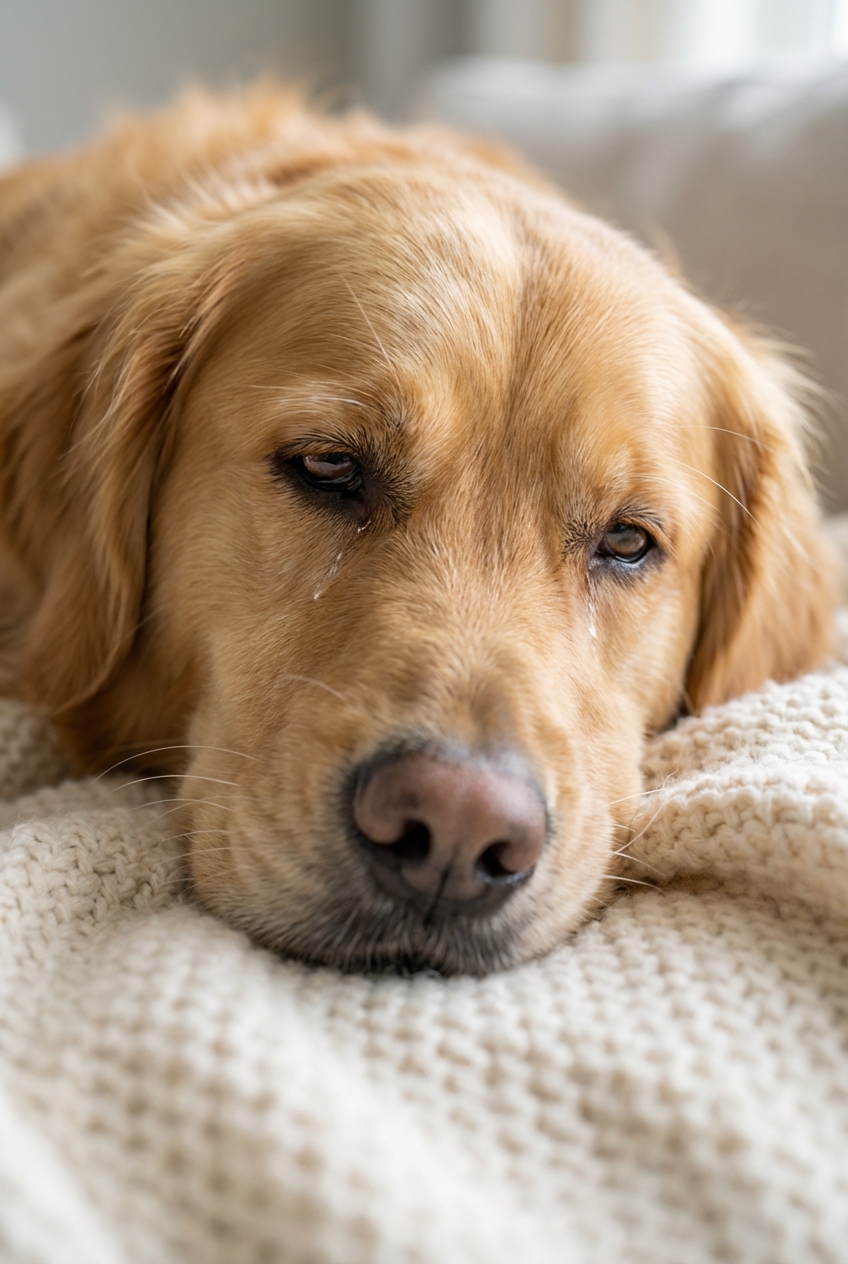
- Mild lethargy (lower energy than normal)
- Decreased appetite in some dogs
Many dogs with uncomplicated kennel cough still act fairly normal between coughing episodes. That is one reason it can sneak up on families.
Signs it is more than kennel cough
Kennel cough can progress, especially in puppies, seniors, unvaccinated dogs, dogs with heart or lung disease, or dogs with weakened immune systems. In those cases, what starts as a cough can tip into pneumonia or another serious respiratory infection.
Call your vet promptly if you notice
- Possible fever (a dog may feel warm or seem “off,” but a true fever is best confirmed with a thermometer and a veterinary exam)
- Loss of appetite lasting more than 24 hours, especially in a puppy
- Marked lethargy or weakness
- Labored breathing, rapid breathing, or belly effort when breathing
- Wheezing or a persistent wet, productive-sounding cough
- Thick yellow or green nasal discharge
- Blue or pale gums (emergency)
If your dog is struggling to breathe, that is an emergency. Go to an urgent care or emergency veterinary clinic right away.
How soon symptoms start
The incubation period (time from exposure to symptoms) is commonly about 2 to 14 days, depending on the germ involved. That means your dog could seem fine after daycare and then start coughing days later or even a week or two later.
Most uncomplicated cases improve within 1 to 3 weeks, but the cough can linger longer in some dogs due to airway irritation, even after the infection has cleared.
Is it contagious to other dogs?
Yes. Kennel cough spreads through respiratory droplets and contaminated surfaces, and it spreads fast. If one dog is coughing, assume other dogs can catch it.
Contagious vs cough duration
This is the part that confuses many families: a cough can last longer than the contagious period. How long a dog sheds germs depends on the specific cause and the individual dog, so your veterinarian is the best source for an isolation timeline.
How to reduce spread at home
- Keep your dog away from other dogs as directed by your veterinarian. Many clinics recommend isolating for roughly 10 to 14 days after symptoms begin and until your dog is clearly improving, but the right timeline varies.
- Avoid dog parks, daycare, boarding, and grooming until your vet says it is safe.
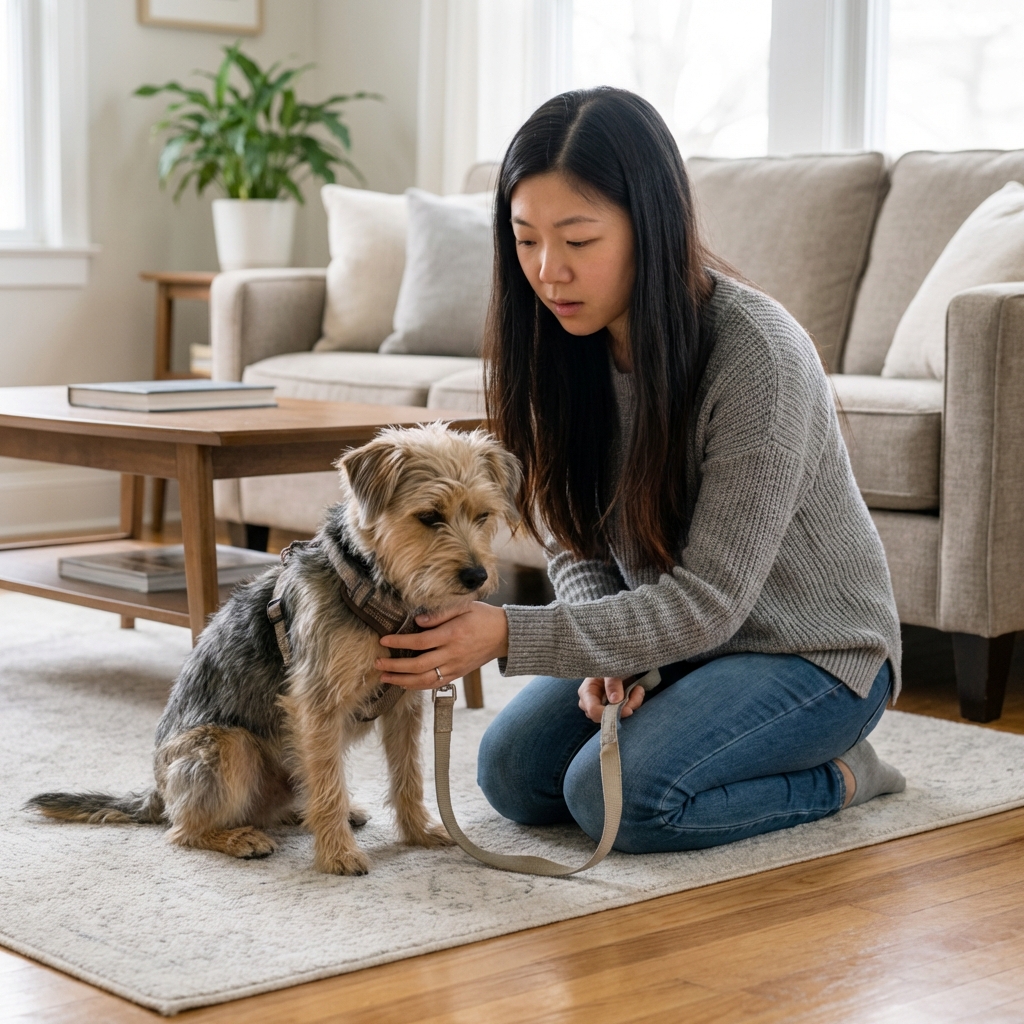
- Use a harness instead of a collar to avoid triggering cough with throat pressure.
- Wash bowls, toys, and bedding and do not share them with other dogs.
- Ventilate your home and keep air comfortably humid (dry air can worsen coughing).
People do not typically catch kennel cough from dogs. That said, Bordetella bronchiseptica can rarely infect immunocompromised people. If someone in the home is immunocompromised, ask your physician and your veterinarian about extra precautions. Also remember that humans can carry germs on hands and clothing from one dog to another, so basic hygiene helps a lot.
Kennel cough vs other causes
Coughing is a symptom, not a diagnosis. Kennel cough is common, but it is not the only possibility.
Other common reasons dogs cough
- Canine influenza (often includes fever and more whole-body illness)
- Pneumonia (often a wetter cough, lethargy, reduced appetite)
- Heart disease (coughing may worsen at night or after lying down)
- Collapsed trachea (common in small breeds, honking cough triggered by excitement or pressure)
- Allergies or airway irritation (seasonal patterns, itchy skin, watery eyes)
- Foreign material stuck in the throat or airway (sudden onset, distress)
Because these can overlap, it is wise to call your veterinarian if the cough is new, frequent, worsening, or paired with low energy or poor appetite.
When to see the vet
If your dog is bright, eating, and only has a mild cough, your veterinarian may recommend monitoring and supportive care. If symptoms are moderate to severe, your vet may recommend diagnostics to rule out pneumonia or other conditions.
Your vet may consider
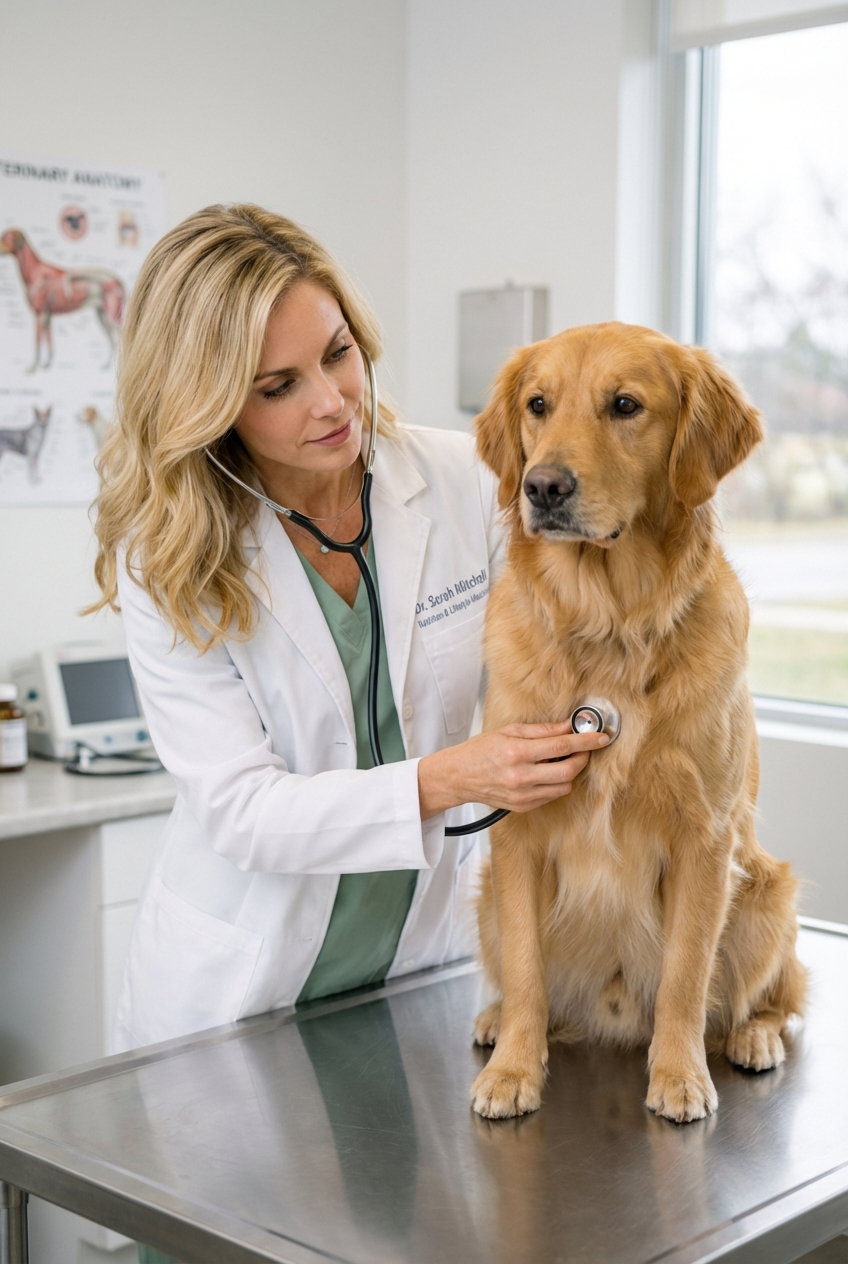
- Physical exam and temperature
- Listening to the lungs for crackles or abnormal sounds
- Chest X-rays if pneumonia is suspected
- Testing in outbreaks, boarding situations, or severe cases
- Medication, which may include cough suppressants (in select cases), anti-inflammatories, or antibiotics if a bacterial component is likely
Not every dog with kennel cough needs antibiotics. Because this syndrome often involves viruses, treatment decisions should be based on your dog’s symptoms, exam findings, and risk factors.
Also, cough suppressants are not right for every dog. In general, they are not used when pneumonia is suspected or when a cough sounds wet and productive. This is exactly why a veterinary exam matters if your dog seems truly sick.
At-home comfort tips
Supportive care can make a big difference while your dog’s airway heals.
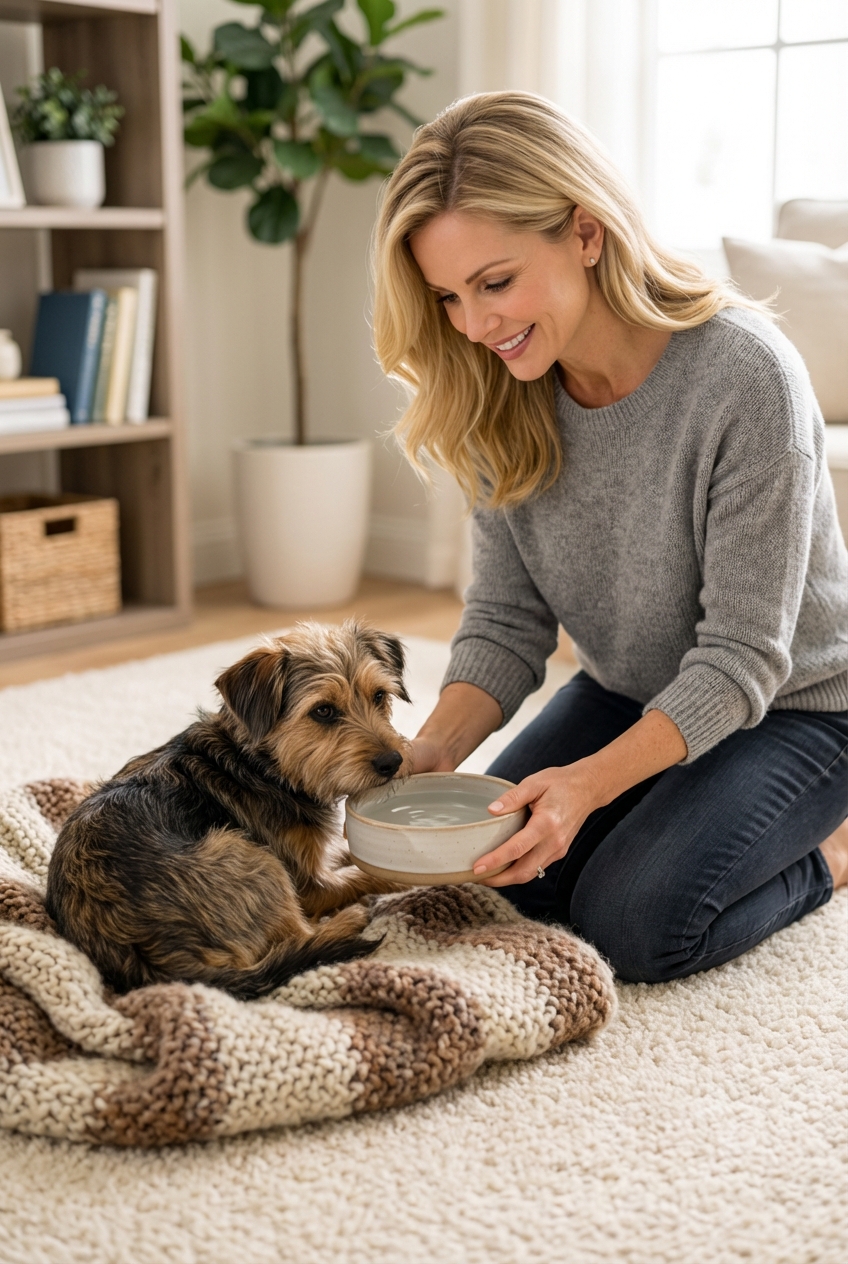
- Rest and calm activity for a week or two. Avoid heavy running and rough play.
- Harness walks instead of a neck collar.
- Moist air: a cool-mist humidifier in the room where your dog sleeps can reduce throat irritation.
- Offer water often. Good hydration helps thin mucus.
- Keep meals tempting if appetite is low, but check with your vet before making major diet changes.
Important: Never give human cough medicine unless your veterinarian specifically tells you what to use and how much. Many human products can be dangerous for dogs.
What not to do
- Do not take your dog to the park, daycare, grooming, or training class while coughing.
- Do not push strenuous exercise “to clear it out.” Overexertion often worsens coughing.
- Do not use essential oils, menthol products, or vapor rubs around your dog unless your vet specifically OKs it. Some can irritate airways or be toxic if licked.
Prevention
The best prevention is a combination of vaccination, smart exposure choices, and reducing stress on your dog’s immune system.
Vaccines that help reduce respiratory risk
- Bordetella (often required for boarding and daycare)
- Canine parainfluenza (commonly included in combination vaccines)
- Canine adenovirus-2 (typically covered in core combo vaccines like DAPP)
- Canine influenza (recommended based on region, outbreaks, and lifestyle)
Timing and product type matter, especially for dogs with high exposure risk. Some intranasal or oral Bordetella vaccines may provide faster local airway protection than injectable options, depending on the product and your dog’s situation. Your veterinarian can recommend the right schedule for your dog, especially for puppies or dogs about to board.
No vaccine is perfect, and vaccinated dogs can still get kennel cough. The real win is that vaccinated dogs often have milder symptoms and recover faster.
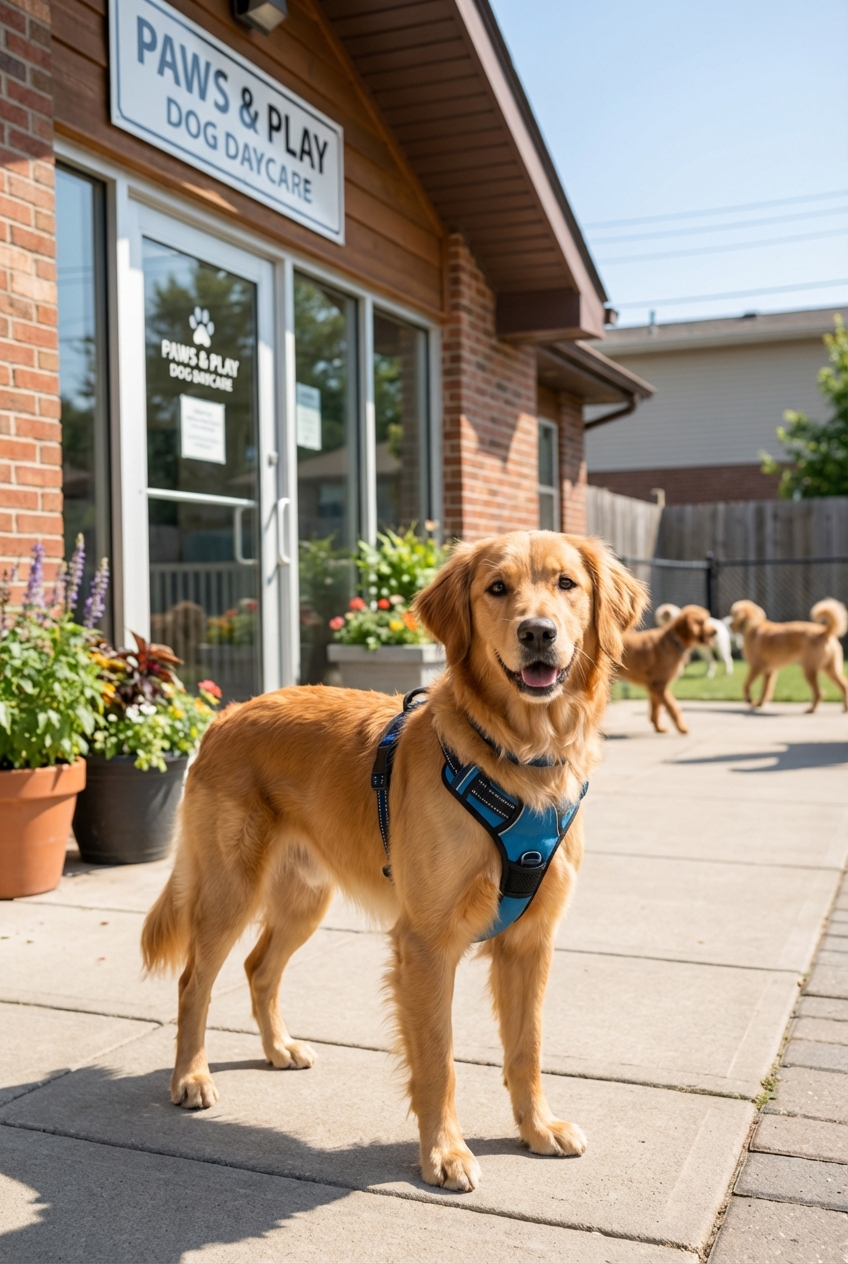
Bottom line
If your dog has a dry, honking cough, mild gagging, and otherwise seems mostly okay, kennel cough is a strong possibility. Still, your job is to watch for red flags like poor appetite, heavy lethargy, a wet worsening cough, or breathing changes.
When in doubt, call your veterinarian. A quick check can mean the difference between a mild illness you manage at home and a complication that needs treatment.