Help your dog feel better with vet-approved home care for mild kennel cough—rest, harness walks, humidity, fluids, and honey—plus when to stop DIY and ca...
Article
•
Designer Mixes
Kennel Cough Symptoms and Care Tips

Shari Shidate
Designer Mixes contributor
Kennel cough is one of those illnesses that can sound scarier than it usually is. The cough can be loud, dramatic, and persistent, and it often shows up right after a dog has been around other dogs. The good news is that most healthy dogs recover well with supportive care and a little patience.
As a veterinary assistant in Frisco, Texas, I have seen how quickly kennel cough can move through daycare groups, grooming salons, training classes, and even neighborhood playdates. In this article, I will walk you through what kennel cough is, the symptoms to watch for, when it is an emergency, how to care for your dog at home, and how to protect other dogs.

What kennel cough is
“Kennel cough” is a common name for canine infectious respiratory disease complex (CIRDC). It is not one single germ. It is a group of contagious respiratory infections that can involve bacteria (like Bordetella bronchiseptica) and viruses (such as parainfluenza, adenovirus, canine influenza, and canine respiratory coronavirus).
Think of it like a “doggy cold” in how it spreads and how common it is, but with an important caveat: CIRDC can become more serious in very young puppies, senior dogs, or dogs with underlying health conditions. Pneumonia is not the most common outcome, but it is possible, which is why red flags matter.
How dogs catch it
- Airborne droplets from coughing, barking, or sneezing
- Shared water bowls, toys, leashes, and surfaces
- Close contact in boarding, daycare, grooming, dog parks, shelters, and training facilities
Many dogs show symptoms in about 2 to 14 days after exposure, depending on the organisms involved.
Common symptoms
The hallmark sign is a dry, hacking cough that may sound like your dog is trying to clear something from their throat.
Typical signs you might notice
- Dry honking cough (often described as a “goose honk”)
- Gagging or retching, sometimes bringing up foamy saliva
- Sneezing and a runny nose
- Watery eyes
- Mild lethargy (a little more tired than usual)
- Decreased appetite in some dogs
- Low-grade fever occasionally
Many dogs still act mostly normal, especially in uncomplicated cases. They eat, drink, and want to play, but the cough keeps interrupting everything.
When it is not kennel cough
Lots of conditions can cause coughing, and some need fast treatment. If you are not sure, it is always okay to call your veterinarian and describe what you are seeing.
Call your vet promptly if you notice
- Cough lasting more than 7 to 10 days or getting worse
- Nasal discharge that is thick, increasing, or foul-smelling (color alone does not always mean a bacterial infection, but worsening discharge plus other symptoms is a reason to call)
- Loss of appetite or refusing water
- Marked lethargy (your dog seems “off”)
- Fever (your vet can guide you on checking)
- A puppy, senior dog, pregnant dog, or an immunocompromised dog with any cough
Seek emergency care now if you see
- Difficulty breathing, rapid breathing, or open-mouth breathing at rest
- Blue, gray, or very pale gums
- Collapse or extreme weakness
- Severe coughing fits that cause distress or repeated vomiting
Coughing can also be related to heart disease, tracheal collapse, allergies, foreign material inhaled, parasites, or pneumonia. Your vet may recommend an exam, chest X-rays, or testing based on your dog’s age and symptoms.
Home care that helps
For many healthy adult dogs with mild kennel cough, home care is focused on rest, hydration, and reducing throat irritation. Always check with your vet before giving any medication, especially human cold meds.
1) Rest and keep activity light
Hard play and running can trigger coughing fits. For a short window, trade fetch for calm enrichment like food puzzles, gentle training games, and sniff walks away from other dogs.
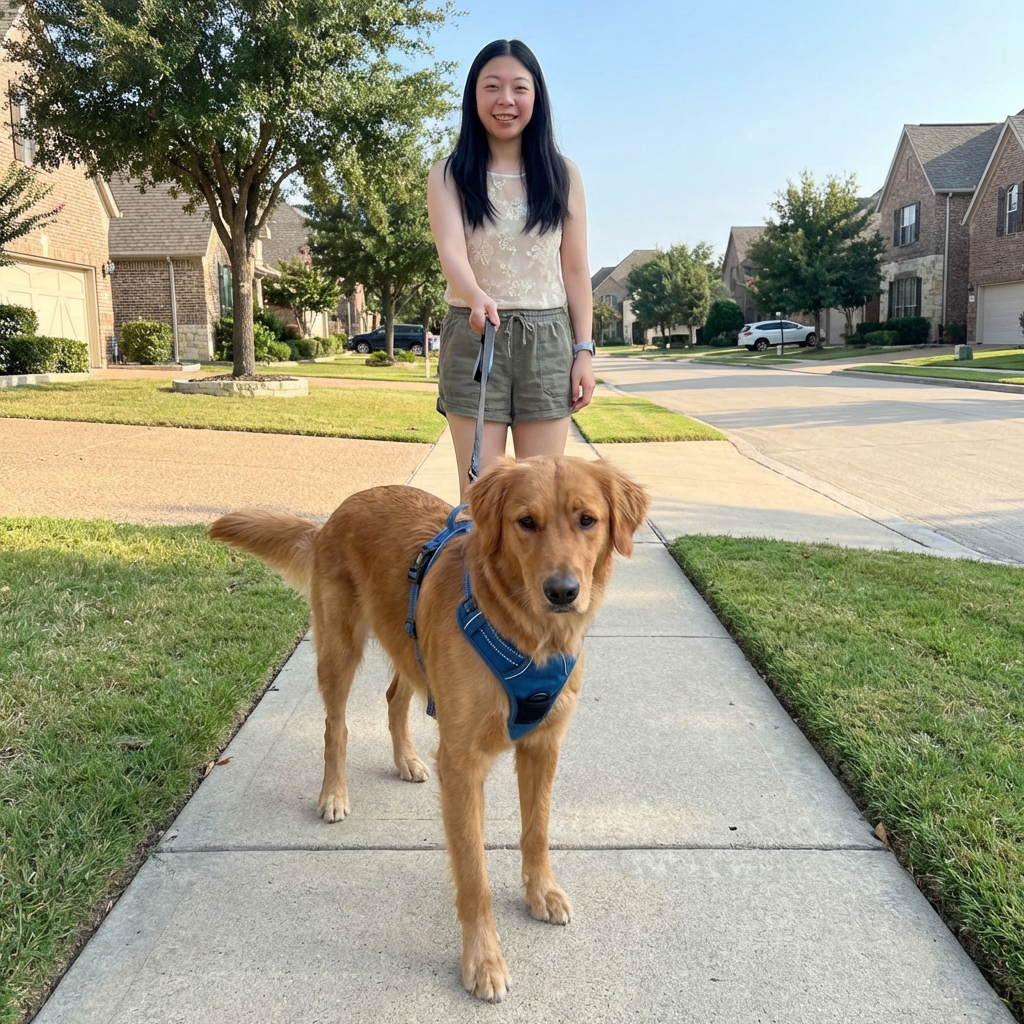
2) Use a harness
Pressure on the trachea can worsen the cough. A well-fitted harness usually makes walks more comfortable while your dog recovers.
3) Add humidity
Dry air irritates inflamed airways. You can:
- Run a cool-mist humidifier where your dog rests
- Bring your dog into the bathroom while you run a hot shower for a few minutes (no direct hot water exposure)
4) Encourage fluids and easy meals
Hydration helps thin secretions and supports healing. Offer fresh water often. If appetite is low, try warmed, aromatic foods and soft textures. If your dog is already on a balanced diet, it is usually fine to offer temporary “comfort foods” recommended by your vet.
5) Keep air clean and calm
Smoke, strong fragrances, dusty rooms, and aerosol sprays can aggravate coughing. Simple changes like vacuuming more frequently and avoiding scented plug-ins can help sensitive dogs.
Isolation and cleaning
If you have more than one dog at home, or if you are frequently around other dogs, basic isolation steps can make a big difference.
Practical steps at home
- Limit close contact like face-to-face greetings and rough play while your dog is coughing
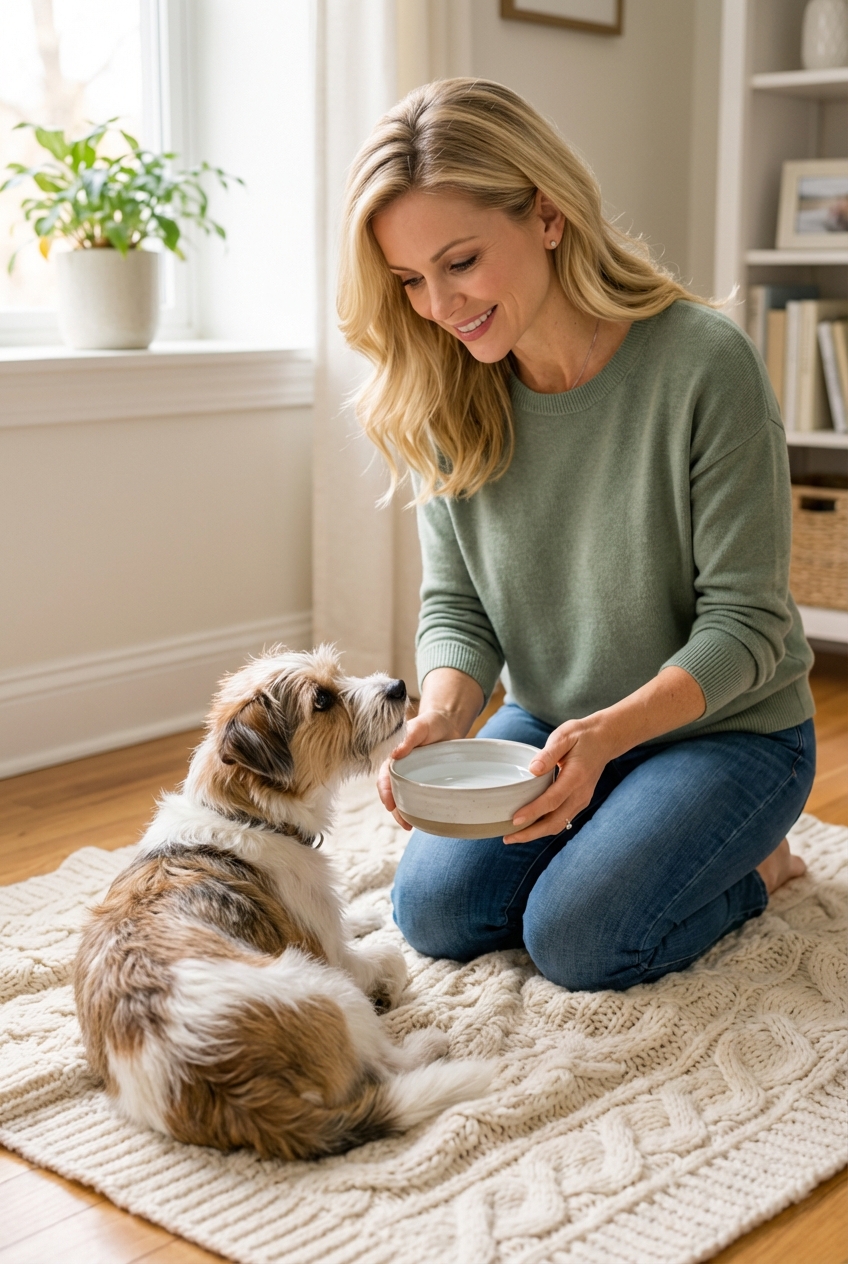
- Use separate bowls for food and water, and do not share toys during illness
- Wash bedding and soft items regularly
- Clean hard surfaces your dog frequently touches (your vet can recommend pet-safe disinfectants)
- Wash your hands after handling your sick dog, especially before interacting with other dogs
What not to do
- Do not give OTC human cough or cold medicines unless your veterinarian specifically instructs you to
- Do not push exercise if it triggers coughing fits
- Do not take your dog to daycare, grooming, dog parks, group classes, or pet stores while they are sick
Vet treatment
Treatment depends on how severe the illness is and whether your vet suspects bacterial involvement or pneumonia risk.
Possible vet-prescribed options
- Cough suppressants for dry, non-productive coughing that is disrupting sleep or rest. These are used only under veterinary guidance, and only when your vet is confident your dog does not need to keep the cough productive.
- Antibiotics when a bacterial component is suspected, or if your dog is at higher risk for complications
- Anti-inflammatory medications in select cases
- Diagnostics such as chest X-rays if breathing sounds abnormal or symptoms are worsening
One important note: if your dog is coughing up mucus and your vet suspects pneumonia, suppressing the cough is not always appropriate. This is why an exam matters when symptoms are more than mild.
Testing in some cases
In outbreaks, more severe illness, or situations where a boarding or daycare facility requires documentation, your vet may recommend a respiratory PCR panel to help identify likely pathogens and guide next steps.
How long it lasts
Many uncomplicated cases improve within 1 to 3 weeks. Some dogs, especially small breeds or dogs with irritated airways, may have a lingering cough a bit longer.
Contagious periods vary by organism. As a practical, protective rule:
- Assume your dog can spread illness while actively coughing
- Because shedding can continue even after the cough improves, many veterinarians recommend avoiding close contact with other dogs until your dog has been cough-free for 10 to 14 days, or longer if your veterinarian advises a different timeline
This is one of the kindest things you can do for your community, especially for puppies and senior dogs.
Recovery tips
When your dog is sick, routines get disrupted. That is normal. The goal is to keep your dog calm, comfortable, and mentally engaged without overexertion.
Easy enrichment
- Sniff games (scatter kibble in a towel or on a snuffle mat)
- Lick mats with vet-approved soft foods
- Short training sessions focusing on calm cues: “touch,” “look,” “settle,” “place”
- Chew time with safe, appropriate chews (supervise)
Reduce excitement-triggered coughing
Many dogs cough more when they are excited. Try these gentle strategies:
- Greet your dog calmly and reward four paws on the floor
- Use a quiet voice and slow movements before walks
- Offer a food puzzle when guests arrive instead of high-energy greetings
Leash walking
- Choose low-dog-traffic times and places
- Keep walks shorter and slower than usual
- Avoid dog parks, daycare, group classes, and pet stores until cleared
Prevention
Vaccines do not prevent every cause of kennel cough, but they can reduce severity and spread, especially for common players like Bordetella and parainfluenza.
What to discuss with your veterinarian
- Whether your dog should get Bordetella (often given intranasal, oral, or injectable depending on risk)
- Keeping core vaccines up to date (like canine adenovirus)
- Whether your dog’s lifestyle suggests other protection, such as canine influenza vaccination, depending on local risk and exposure
- Your dog’s lifestyle risk: boarding, grooming, dog sports, daycare, training classes
Simple hygiene practices
- Do not share water bowls with unknown dogs
- Wash bedding, toys, and food bowls if your dog is ill
- If you have multiple dogs, separate bowls and limit face-to-face contact during illness
If your dog develops a cough after boarding, daycare, grooming, or training, let the facility know. It helps them protect other dogs and clean appropriately.
Quick symptom check
Often mild (still call your vet if unsure)
- Dry cough, bright attitude
- Eating and drinking normally
- No breathing difficulty
Needs a same-day vet call
- Cough worsening day by day
- Low appetite or lethargy
- Discharge that is thickening or increasing
- Puppy or senior dog with a new cough
Emergency
- Labored breathing, rapid breathing at rest
- Blue or pale gums
- Collapse
Final encouragement
Kennel cough is common, contagious, and unpleasant, but most dogs do very well with rest, supportive care, and guidance from your veterinarian. Trust your instincts. If your dog’s cough seems different, your dog is unusually tired, or breathing looks hard, get them checked sooner rather than later.
With calm home care and smart prevention, you will help your dog heal and help protect other dogs in your neighborhood too.