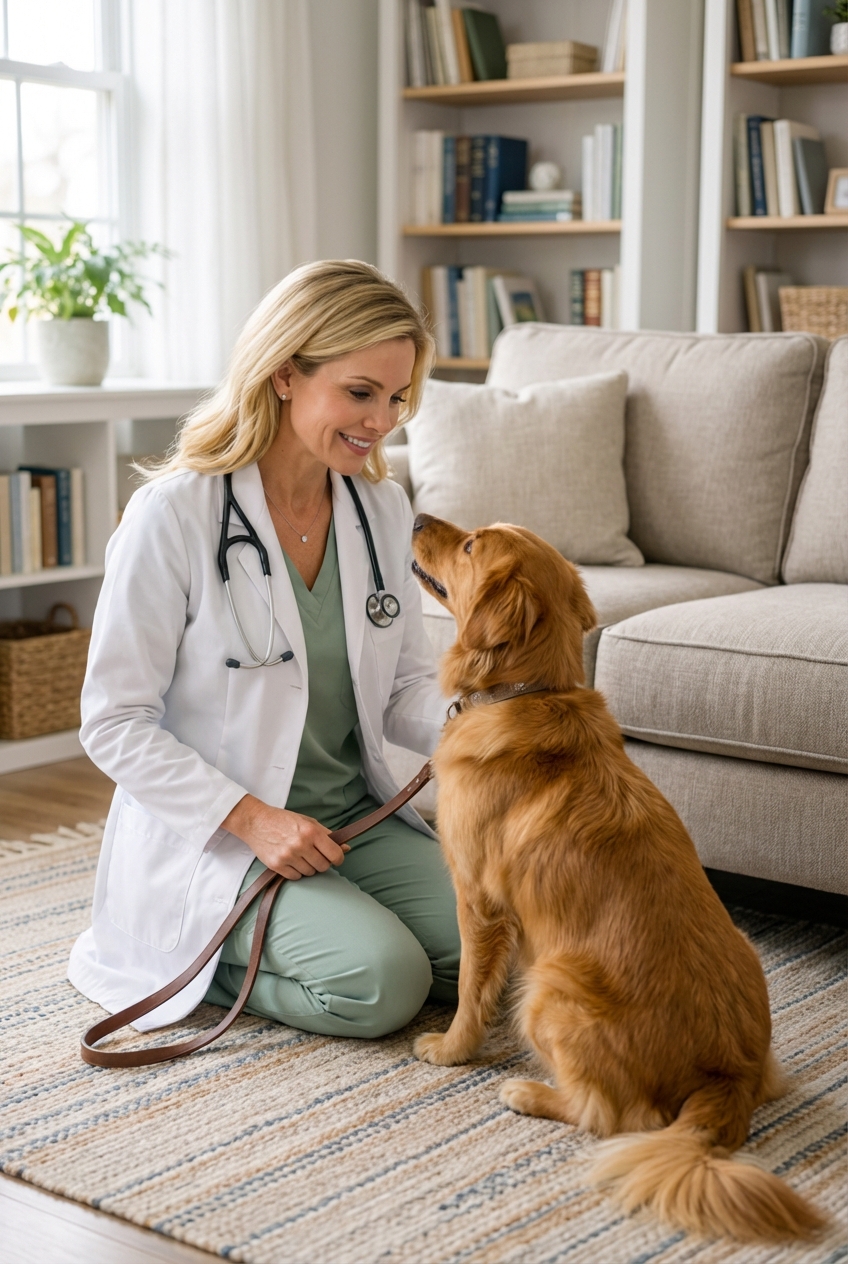
Help your dog feel better with vet-approved home care for mild kennel cough—rest, harness walks, humidity, fluids, and honey—plus when to stop DIY and ca...
Article
•
Designer Mixes
Kennel Cough Symptoms

Shari Shidate
Designer Mixes contributor
Kennel cough can sound scary, especially when your dog suddenly starts making that harsh, honking cough that seems to come out of nowhere. The good news is that many cases are mild and improve with supportive care and the right guidance from your veterinarian. The key is recognizing symptoms early, knowing when it might be something more serious, and preventing spread to other dogs.
Supportive care usually means rest, reducing throat irritation (like switching to a harness), keeping your dog hydrated, and using humid air to soothe irritated airways.

What kennel cough is
“Kennel cough” is a common name pet parents use for a contagious cough illness in dogs. Most often, it refers to infectious tracheobronchitis (inflammation of the windpipe and larger airways). This condition also fits under the broader umbrella of canine infectious respiratory disease complex (CIRDC), which includes a range of contagious respiratory infections.
CIRDC is usually caused by a mix of viruses and bacteria that irritate the throat and upper airways. One of the best-known bacterial contributors is Bordetella bronchiseptica, but it is not the only cause.
Dogs typically pick it up anywhere dogs share airspace and surfaces, especially in high-stress, high-density settings like boarding facilities, grooming salons, dog parks, training classes, veterinary waiting rooms, and shelters.
Most common symptoms
Symptoms often show up within 2 to 14 days after exposure (timing varies by the specific germ). In many dogs, the most noticeable sign is the cough itself.
Classic symptoms
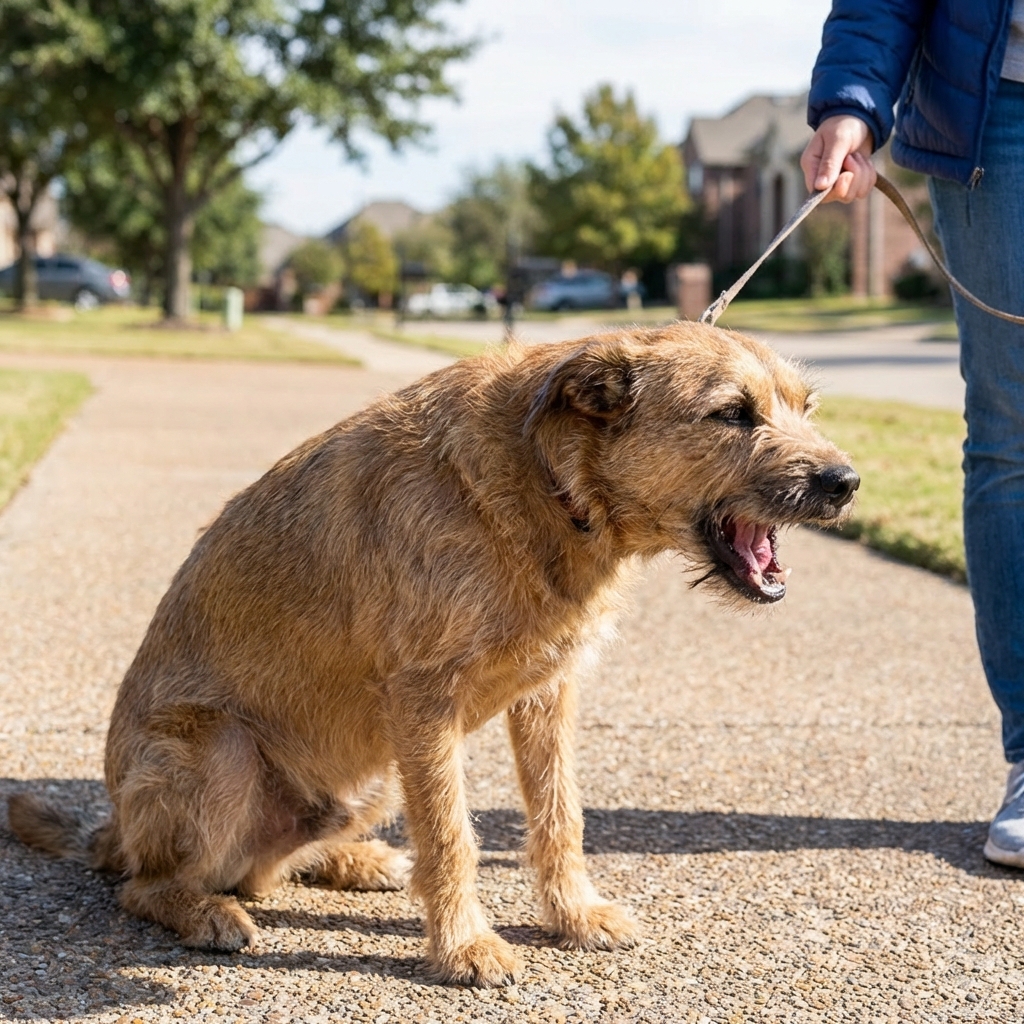
- Dry, hacking cough that can sound like a honk or gag
- Retching or bringing up white foamy fluid after coughing
- Worsening cough with excitement, pulling on the leash, or after drinking
- Runny nose or mild nasal discharge
- Sneezing
- Watery eyes
- Mild lethargy (lower energy than usual)
- Reduced appetite in some dogs
Many dogs still act fairly normal. They may eat, drink, and want to play, but the cough is persistent and annoying.
What the cough sounds like
Pet parents often describe kennel cough as:
- A “goose honk” cough
- A cough followed by gagging, like something is stuck in the throat
- Brief coughing fits in waves
This happens because the upper airway is inflamed and extra sensitive. Even light pressure from a collar, cold air, or barking can trigger coughing spells.
When it is more serious
Because kennel cough is a broad category, symptoms can overlap with other illnesses, including pneumonia, canine influenza, and sometimes heart disease or airway collapse. If you notice any of the signs below, it is time to call your veterinarian promptly.
Red flags
- Fever (a temperature above normal, typically confirmed with a thermometer)
- Labored or fast breathing, belly effort, or open-mouth breathing at rest
- Persistent lethargy or weakness
- Not eating or drinking for more than a day
- Thick or colored nasal discharge, especially if your dog also seems tired or feverish
- Wet, productive cough or coughing that worsens quickly
- Puppies, seniors, brachycephalic breeds (flat-faced dogs), or immunocompromised dogs with any coughing
In my experience as a veterinary assistant, the dogs we worry about most are the ones whose cough comes with low appetite, low energy, fever, or breathing changes. Those are the dogs who may need diagnostics and treatment sooner rather than later.
How it spreads
Kennel cough organisms spread through:
- Airborne droplets from coughing and barking
- Direct contact like nose-to-nose greetings
- Shared surfaces such as water bowls, toys, leashes, and kennel doors
Even if your dog’s symptoms are mild, they can still be contagious. Shedding can last days to weeks depending on the cause. For example, some dogs can shed Bordetella for weeks, even as they start to look and feel better.
What to do at home
Always check in with your veterinarian, especially if your dog is very young, older, flat-faced, or has other health issues. If your vet feels it is a mild case, these supportive steps can help your dog feel better while the airway heals.
Supportive care basics
- Switch to a harness instead of a collar to reduce throat irritation.
- Rest: skip running, wrestling, and heavy play until the cough is gone.
- Hydration: encourage drinking. Warm water or vet-approved broth can help some dogs.
- Humid air: sit with your dog in a steamy bathroom for 10 to 15 minutes, 1 to 2 times daily, if tolerated.
- Isolate: keep your dog away from other dogs until your veterinarian says it is safe. A practical rule of thumb is to isolate until the cough is fully gone, and be prepared for a longer window since some dogs can still shed germs after symptoms improve.
Household tips
- Wash bedding and soft items your dog has been coughing on.
- Clean bowls and toys daily and avoid sharing items between dogs.
- Hand hygiene: wash hands after handling a coughing dog, especially before touching other dogs.
Important: Do not give human cough medicines unless your veterinarian specifically instructs you to. Some ingredients can be unsafe for dogs.
Vet treatment
Treatment depends on your dog’s symptoms, age, risk factors, and whether complications are suspected. Your veterinarian may recommend:
- Cough suppressants for a dry, irritating cough (not used when pneumonia is suspected)
- Antibiotics when bacterial infection is likely or risk is higher (for example, Bordetella involvement)
- Anti-inflammatory medications in select cases
- Diagnostics such as chest radiographs if breathing is affected, fever is present, or the cough is worsening
Many cases are diagnosed based on history and exam. In outbreaks, severe cases, or high-risk dogs, your veterinarian may recommend PCR respiratory testing to help identify likely causes and guide isolation decisions.
Many uncomplicated cases improve within about 1 to 3 weeks, but the cough can linger because airways stay sensitive even after the infection is clearing.
Kennel cough look-alikes
It is easy to mistake kennel cough for something else. Here are a few quick comparisons that often come up in clinics and at home.
Common possibilities
- Reverse sneezing: noisy inhaling through the nose, usually brief and episodic. It looks alarming but is different than a true cough.
- Canine influenza: often causes more systemic illness, including fever and lethargy, and can spread rapidly in outbreaks.
- Pneumonia: may include a wet cough, fever, low appetite, and faster or harder breathing.
- Collapsed trachea: common in small breeds, with a chronic honking cough that worsens with excitement or pulling on the leash.
- Heart disease: can cause coughing, especially at night or after rest, sometimes with exercise intolerance.
If your dog has a recurring cough, a cough lasting longer than a couple of weeks, or any breathing changes, a veterinary exam matters. It is the fastest way to get the right answer and the right treatment.
Prevention
Prevention is not perfect, but you can reduce risk and reduce severity.
What helps most
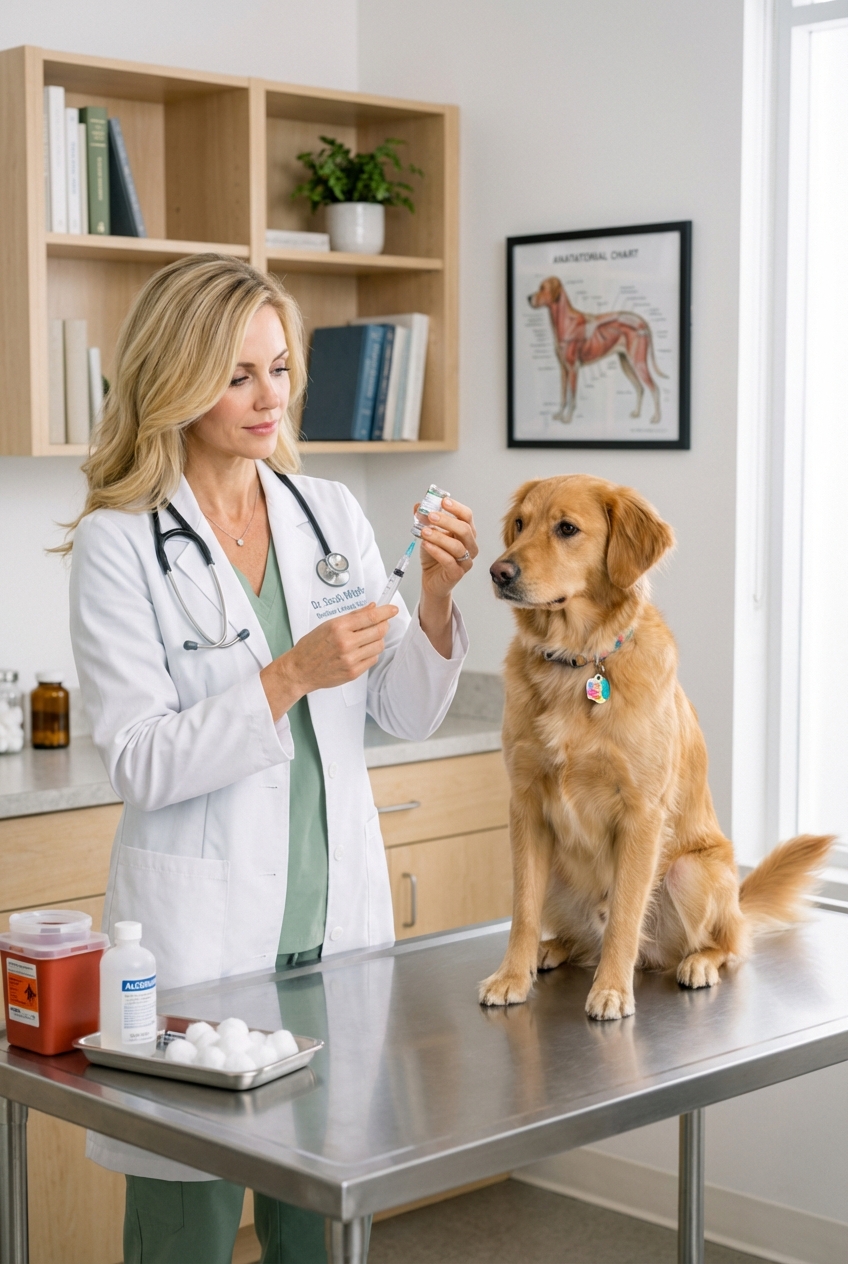
- Vaccination: talk with your veterinarian about vaccines based on your dog’s lifestyle and local risk. Depending on your area and situation, this may include Bordetella plus other respiratory vaccines such as parainfluenza, adenovirus-2, and canine influenza where indicated.
- Set realistic expectations: respiratory vaccines tend to reduce severity and may reduce shedding, but they do not guarantee your dog cannot get sick.
- Avoid exposure during outbreaks: if your local area is seeing respiratory illness spikes, skip crowded dog activities temporarily.
- Choose reputable facilities: ask boarding and grooming businesses about cleaning protocols, ventilation, and illness policies.
- Support overall health: good nutrition, appropriate exercise, dental care, and stress reduction help immune function.
Quick checklist
Isolate right away if
- Your dog has a new cough, especially after recent contact with other dogs
- There is known kennel cough or respiratory illness in your area
Call your vet promptly if
- Your dog is a puppy, senior, pregnant, flat-faced, or has a chronic condition
- Cough is severe, frequent, or worsening
- There is fever, low appetite, or significant lethargy
- Breathing looks difficult or unusual
Returning to daycare or boarding
Ask your veterinarian and your facility about timing. Many daycares and boarding facilities require a symptom-free period, and some may ask for up-to-date vaccination records before your dog returns.
If your dog seems “not quite right” along with the cough, trust your gut and call your veterinary team. Catching complications early can make a big difference.