Worried about a harsh, honking dog cough? Learn kennel cough symptoms, emergency red flags, diagnosis, home care, vet treatments, recovery timelines, and con...
Article
•
Designer Mixes
Kennel Cough Signs in Dogs

Shari Shidate
Designer Mixes contributor
Kennel cough can sound scary (and honestly, it can be annoying for both you and your dog), but most healthy dogs recover well with the right care. As a veterinary assistant here in Frisco, Texas, I have seen a lot of worried pet parents come in after their dog starts making that sudden, harsh cough.
This guide will help you spot the most common signs of kennel cough, understand what is normal versus what is urgent, and support your dog at home while you work with your veterinarian.
Quick note: This article is educational and cannot diagnose your dog. If you are worried about breathing, hydration, or a fast change in symptoms, call your veterinarian or an emergency clinic.
What kennel cough is
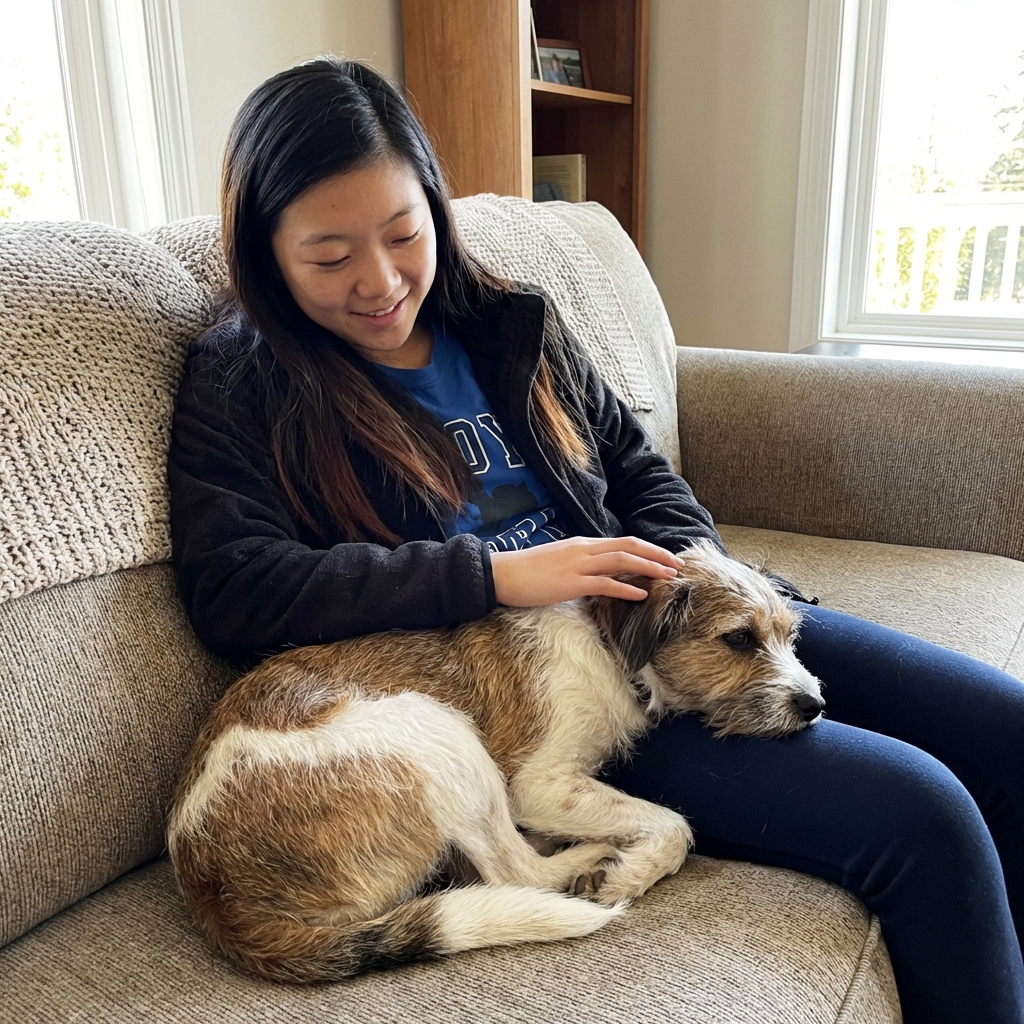
“Kennel cough” is a common, catch-all term for a contagious cough in dogs. Many people use it to mean any cough a dog picks up around other dogs. In veterinary medicine, you may also hear canine infectious respiratory disease complex (CIRDC), which is a broader umbrella that includes multiple viruses and bacteria that irritate the upper airways, especially the trachea (windpipe).
It spreads easily anywhere dogs share airspace, like boarding facilities, grooming salons, dog parks, daycare, shelters, or even a busy vet lobby. Some dogs pick it up from a quick hello through a fence.
How to spot kennel cough
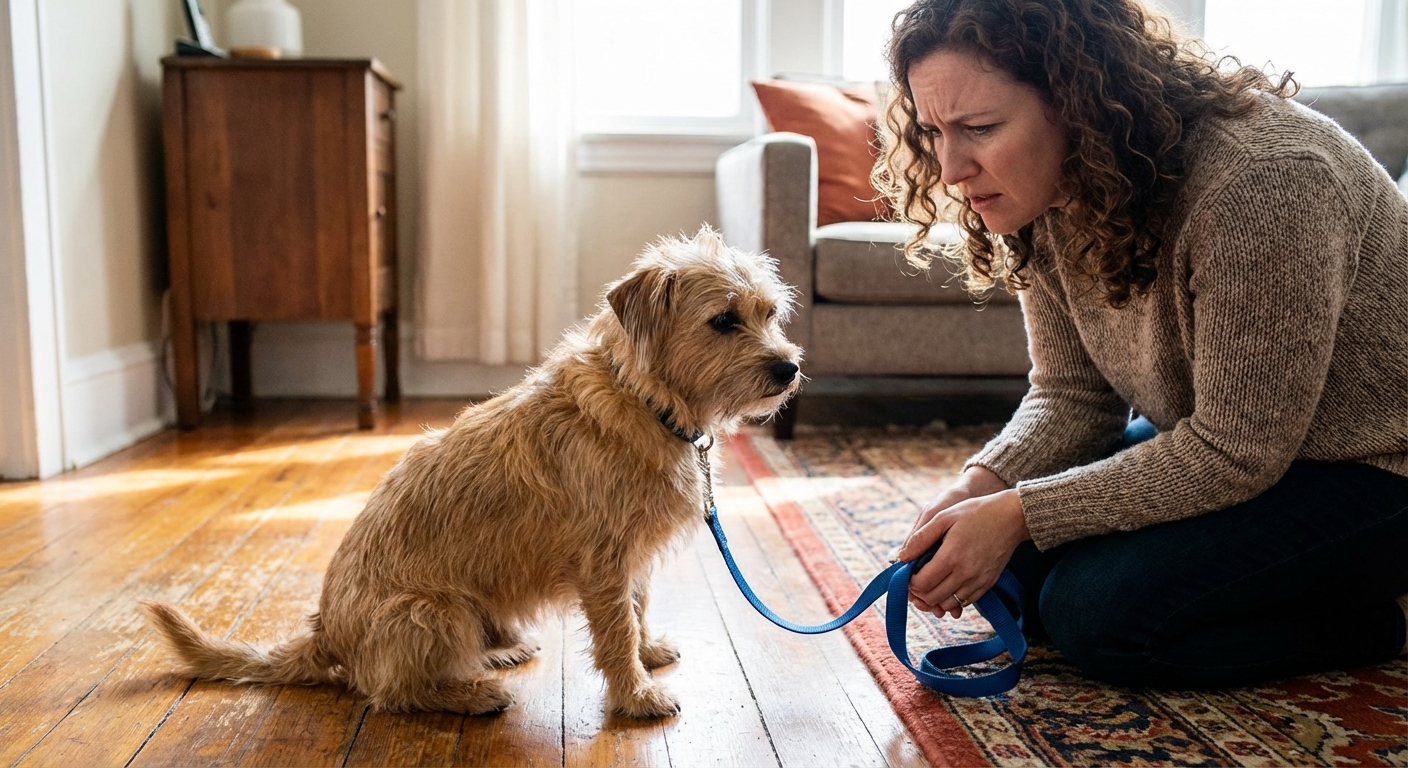
Most pet parents notice one big thing first: a persistent cough that seems to come out of nowhere. Here are the classic signs to watch for.
1) A honking, dry cough
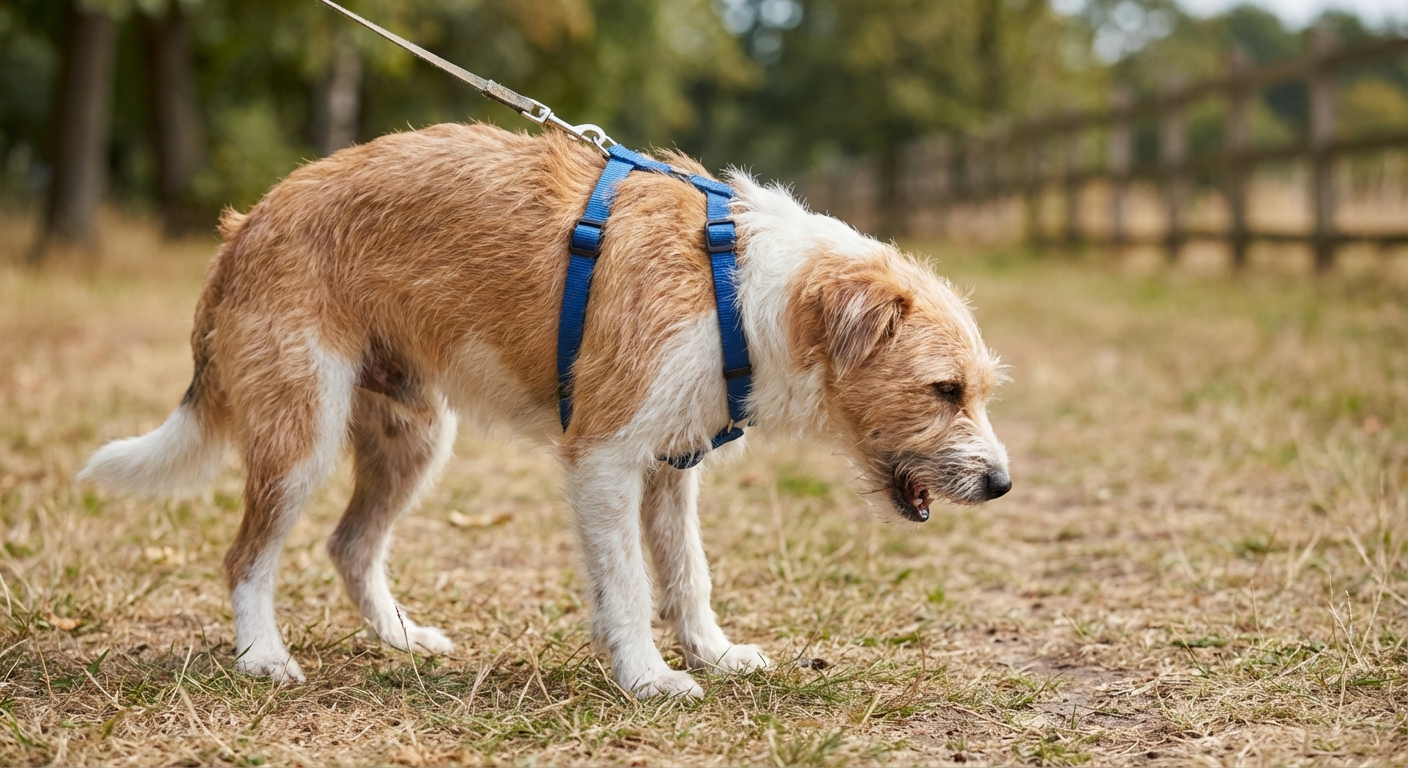
This is the trademark sound. Many owners describe it as a goose honk or a cough that seems stuck in the throat. It often happens in bursts, especially after activity, excitement, or pulling on the leash.
2) Gagging or retching after coughing
Some dogs cough and then gag like they are trying to bring something up. They may produce a little white foam or clear mucus, but many bring up nothing at all. This can look like choking, which is understandably alarming.
3) Sneezing and a runny nose
Mild sneezing or nasal discharge can occur, especially if a virus is involved. Clear discharge is more common early on. Thick yellow or green discharge may happen with inflammation and can be seen with secondary infection too, so it is a good reason to call your vet for guidance and an exam if it is persistent or your dog seems worse.
4) Watery eyes
Some dogs have mild eye watering due to irritation and inflammation in the upper respiratory tract.
5) Mild lethargy
Many dogs still want to play and eat, but they may seem “a little off” or tire sooner than usual.
6) A little less appetite
Because smell is tied to appetite, congestion can make food less appealing. A mild dip in appetite can happen, but a dog that refuses food or water needs veterinary advice.
What it usually is not
It helps to know what is less typical, because it may point to something else like pneumonia, heart disease, collapsing trachea, allergies, or a foreign object.
- Continuous open-mouth breathing or struggling to breathe
- Blue or gray gums
- Severe weakness or collapsing
- A very wet, productive cough with lots of phlegm
- High fever (the most reliable way to know is taking a temperature with a pet thermometer, if you have been shown how to do it safely)
Call the vet right away
Please do not “wait and see” if you notice any of the following. These are your red flags.
- Difficulty breathing, rapid breathing at rest, or obvious belly effort to breathe
- Not drinking for 12 hours (or less for puppies and small dogs), or any signs of dehydration
- Not eating for 24 hours (or sooner for puppies, small dogs, or dogs with other health issues)
- Persistent vomiting or repeated retching that seems more than cough-related
- High-risk dog: puppy, senior, pregnant dog, or a dog with heart or lung disease
- No improvement after 7 to 10 days, or not resolved by about 3 weeks
- Worsening cough, new lethargy, suspected fever, or thick nasal discharge that is not improving
Tip from the clinic: If you can safely take a short video of the coughing episode, it can be very helpful for your vet to hear the sound and see your dog’s effort.
How long it lasts
Many uncomplicated cases improve in 1 to 3 weeks. Some dogs cough longer, especially if the airway stays irritated or if they have an underlying issue like a sensitive trachea.
Dogs can also be contagious before you ever hear a cough, and some can continue shedding germs for days to weeks depending on the cause. Your veterinarian can guide you on the safest timeline for your household and your community.
Home care you can do
Home care is not a replacement for veterinary advice, but it can make your dog much more comfortable and may help the airway heal.
Use a harness
Pressure on the throat can trigger more coughing. Switching to a well-fitted harness is one of the simplest ways to reduce irritation.
Rest and calm time
Excitement and heavy activity can set off coughing fits. Keep exercise gentle and short until your dog is clearly improving.
Humidity helps
A humidifier in the room where your dog sleeps can soothe irritated airways. You can also sit with your dog in a steamy bathroom for 10 to 15 minutes (no essential oils, and keep it comfortable, not hot).
Hydration and smell-friendly meals
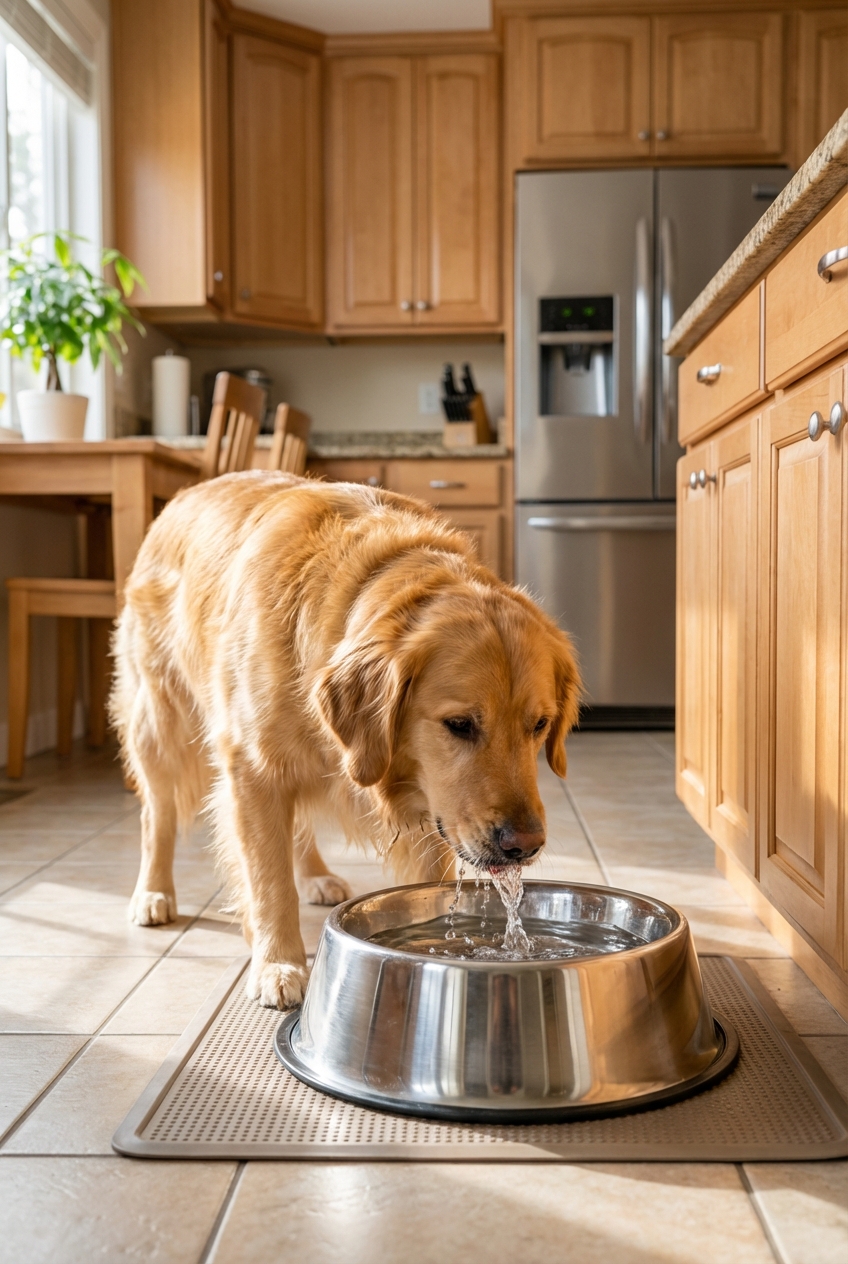
Make water easily available and monitor how much your dog is actually drinking. If appetite is low, try warming food slightly or offering vet-approved bland options. Always ask your veterinarian before adding new foods or supplements, especially for dogs with medical conditions.
Skip human OTC cough meds
Some ingredients are unsafe for dogs, and dosing matters. If medication is needed, your veterinarian may prescribe a cough suppressant, anti-inflammatory support, or antibiotics when appropriate.
Diagnosis and treatment
Most veterinarians can make a strong initial assessment based on:
- History (recent boarding, daycare, dog park, shelter exposure)
- Physical exam (listening to lungs, checking temperature, evaluating hydration)
- The type of cough and whether the dog is otherwise bright and stable
In some cases, your vet may recommend chest X-rays or additional testing, especially if pneumonia is a concern or symptoms are severe.
Treatment depends on the dog and severity. Some dogs only need rest and monitoring. Others may need prescription medication to reduce coughing, treat bacterial involvement, or address complications.
Preventing spread
Limit contact while your dog is sick
Even if your dog seems playful, keep them away from other dogs until your vet says it is safe. Avoid daycare, parks, grooming, and shared water bowls.
Many clinics recommend isolating from other dogs for at least 10 to 14 days after symptoms start, sometimes longer depending on test results, severity, and local outbreaks. When in doubt, ask your veterinarian what they recommend for your situation.
Clean the basics
Wash bedding, bowls, and toys regularly. Good ventilation matters too.
Ask about vaccines
Vaccines can reduce risk and severity, but no vaccine prevents every possible cause of CIRDC. Your veterinarian can help you choose what is appropriate for your dog’s lifestyle. Dogs who board, attend daycare, groom frequently, or compete in sports often benefit from staying current. Bordetella vaccines may be given by oral, intranasal, or injectable routes, and your vet can advise which option fits best.
A simple checklist
If you suspect kennel cough, here is a simple way to track what matters.
- Cough: dry or wet, how often, triggers (exercise, leash, nighttime)
- Energy: normal, mildly reduced, or very tired
- Appetite and water intake: normal or decreased
- Nose/eyes: clear discharge or thick colored discharge
- Breathing: normal at rest or labored
- Temperature: if you know how to take it safely, note any fever
Your dog does not need you to panic. They need you to notice patterns, keep them comfortable, and call the vet when something changes.
Bottom line
Kennel cough is common, usually manageable, and often improves with time and supportive care. The loving part is paying attention early, keeping your dog calm and comfortable, and getting veterinary guidance if anything seems worse than a straightforward, mild cough.
If you are ever unsure, trust that instinct and call your veterinarian. It is always okay to ask, “Does this sound like kennel cough, or could it be something more?”