
Understand kennel cough (CIRDC), when symptoms need a vet visit, and supportive care that can ease coughing: humidity, honey guidance, saline, rest, hydratio...
Article
•
Designer Mixes
Kennel Cough in Dogs: Symptoms, Treatment, and Recovery Time

Shari Shidate
Designer Mixes contributor
Hearing your dog cough can be unsettling, especially when it sounds harsh or honking. Kennel cough is one of the most common reasons dogs develop a sudden cough, and the good news is that most healthy dogs recover well with the right care. In this guide, I will walk you through the symptoms to watch for, how treatment typically works, and what recovery usually looks like so you can support your pup confidently.
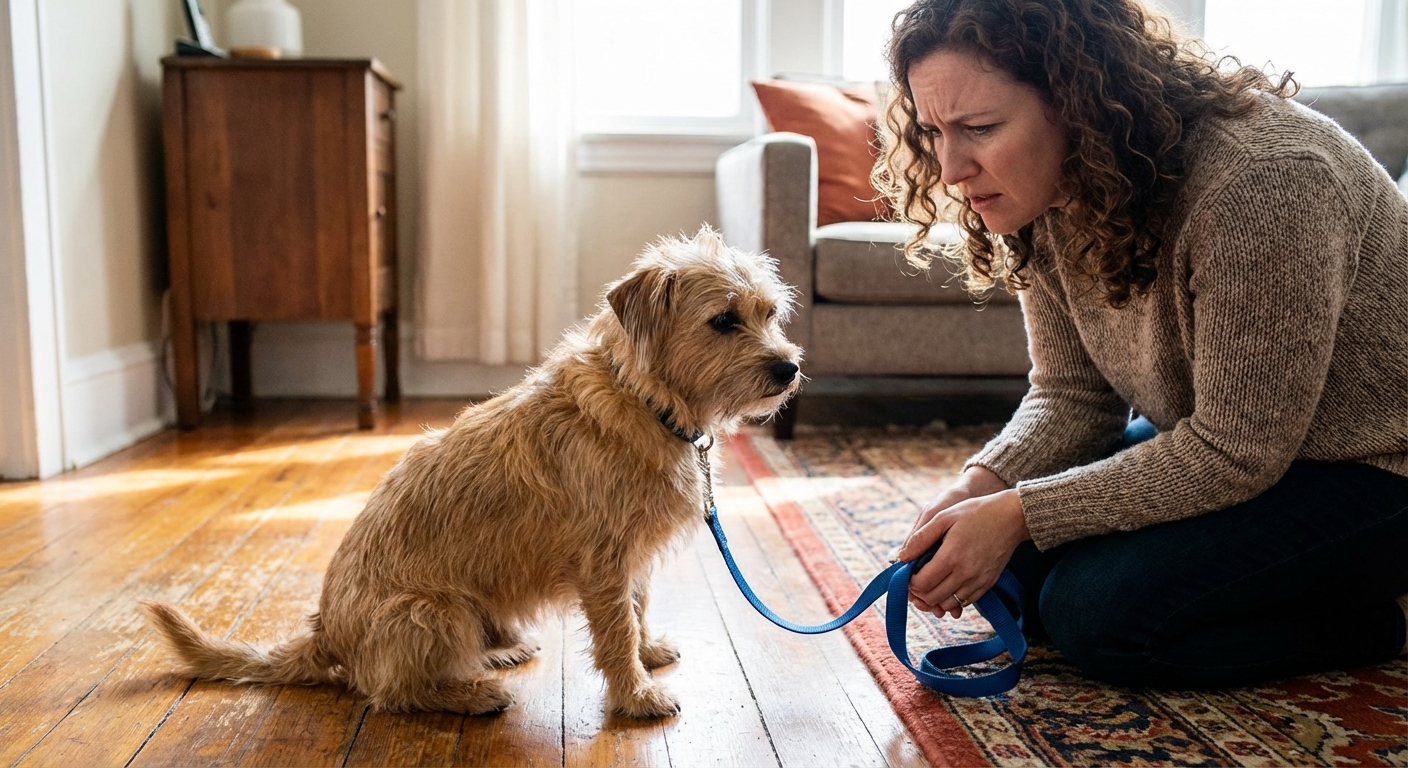
What kennel cough is
Kennel cough is commonly used to describe infectious tracheobronchitis, and many people (and clinics) also use it as a catch-all for canine infectious respiratory disease complex (CIRDC). In plain terms, it is a contagious upper respiratory infection that can involve a mix of viruses and bacteria rather than a single germ.
One common bacterial contributor is Bordetella bronchiseptica, which is why you may hear it called “Bordetella.” Most cases look like a human cold. The infection irritates the throat and windpipe, triggering coughing fits. In some dogs, especially puppies, seniors, or dogs with other health issues, it can progress to a more serious infection like pneumonia.
How dogs catch it
Kennel cough spreads through respiratory droplets. Dogs pick it up when they inhale particles from a cough or sneeze, or when they touch contaminated surfaces and then lick their nose or mouth.
Common exposure settings
- Boarding facilities and kennels
- Doggy daycare
- Grooming salons
- Dog parks and training classes
- Shelters and rescue environments
It is possible for a dog to catch kennel cough even after short exposure, especially in places with many dogs and shared air space.
Symptoms
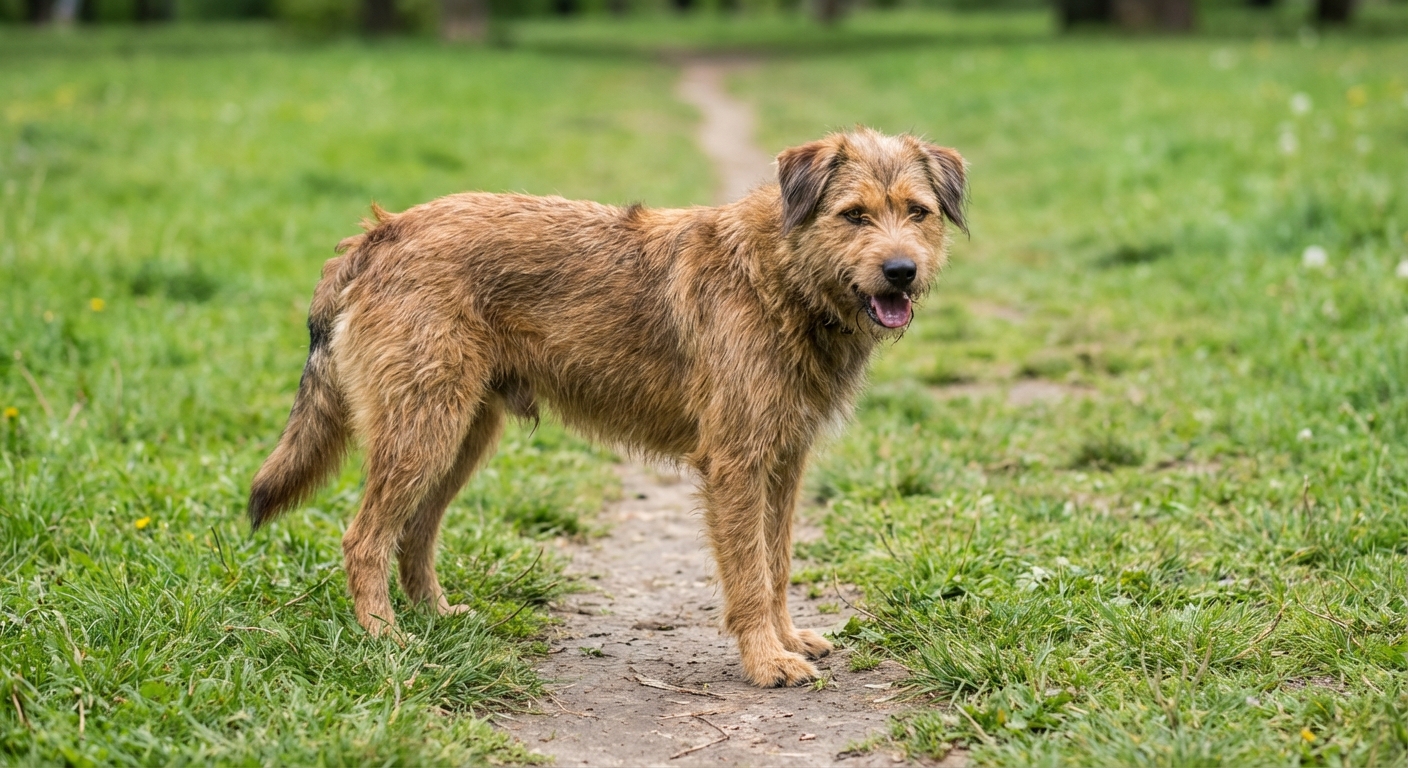
The classic symptom is a dry, hacking cough that may sound like a honk. Some dogs cough more with excitement, pulling on the leash, barking, or after drinking water.
Typical symptoms
- Frequent dry coughing fits, sometimes with a honking sound
- Retching or gagging at the end of a coughing episode
- Runny nose or sneezing
- Watery eyes
- Mild fatigue
- Reduced appetite in some dogs
Many dogs with kennel cough still want to play and eat normally. That “acting fine but coughing a lot” pattern is common.
When it is an emergency
Because several illnesses can mimic kennel cough, it is important to watch for red flags. Contact your veterinarian promptly if you notice any of the following.
- Labored breathing , rapid breathing, or wheezing
- Blue or pale gums
- High fever or your dog feels unusually hot and lethargic
- Loss of appetite lasting more than a day, especially in puppies
- Persistent deep, wet cough or coughing up fluid
- Extreme tiredness, weakness, or collapse
If your dog is struggling to breathe, that is not a “wait and see” situation. Seek urgent veterinary care.
Could it be something else
A honking or harsh cough is not always kennel cough. Other common look-alikes include:
- Collapsing trachea (often a chronic, honking cough, especially in small breeds)
- Reverse sneezing (noisy inhaling spells that can look alarming but are often brief)
- Heart disease or heartworm disease (can cause cough, fatigue, and exercise intolerance)
- Pneumonia (often a deeper, wetter cough and more obvious illness)
- Foreign material in the airway (sudden onset, gagging, distress)
If the cough is persistent, recurrent, worsening, or paired with low energy, breathing changes, or appetite loss, it is worth getting a veterinary exam even if it “sounds like kennel cough.”
Diagnosis
Many veterinarians can diagnose kennel cough based on history and exam, especially if your dog recently visited daycare, boarding, a groomer, or a dog park. They will listen to the lungs, check temperature, and assess hydration.
Tests your vet may recommend
- Chest X-rays if pneumonia is a concern
- Respiratory PCR testing in more severe, prolonged, or outbreak situations
- Heartworm testing if coughing has been ongoing or prevention is inconsistent
This step matters because conditions like heart disease, collapsing trachea, foreign bodies, and pneumonia can also cause coughing.
Treatment
Treatment depends on how severe the symptoms are and whether bacterial infection is suspected. Many mild cases improve with supportive care alone. More significant coughing, fever, or lower respiratory signs may require medication.
Supportive care at home
- Rest: Limit intense play and long runs for 1 to 2 weeks to reduce airway irritation.
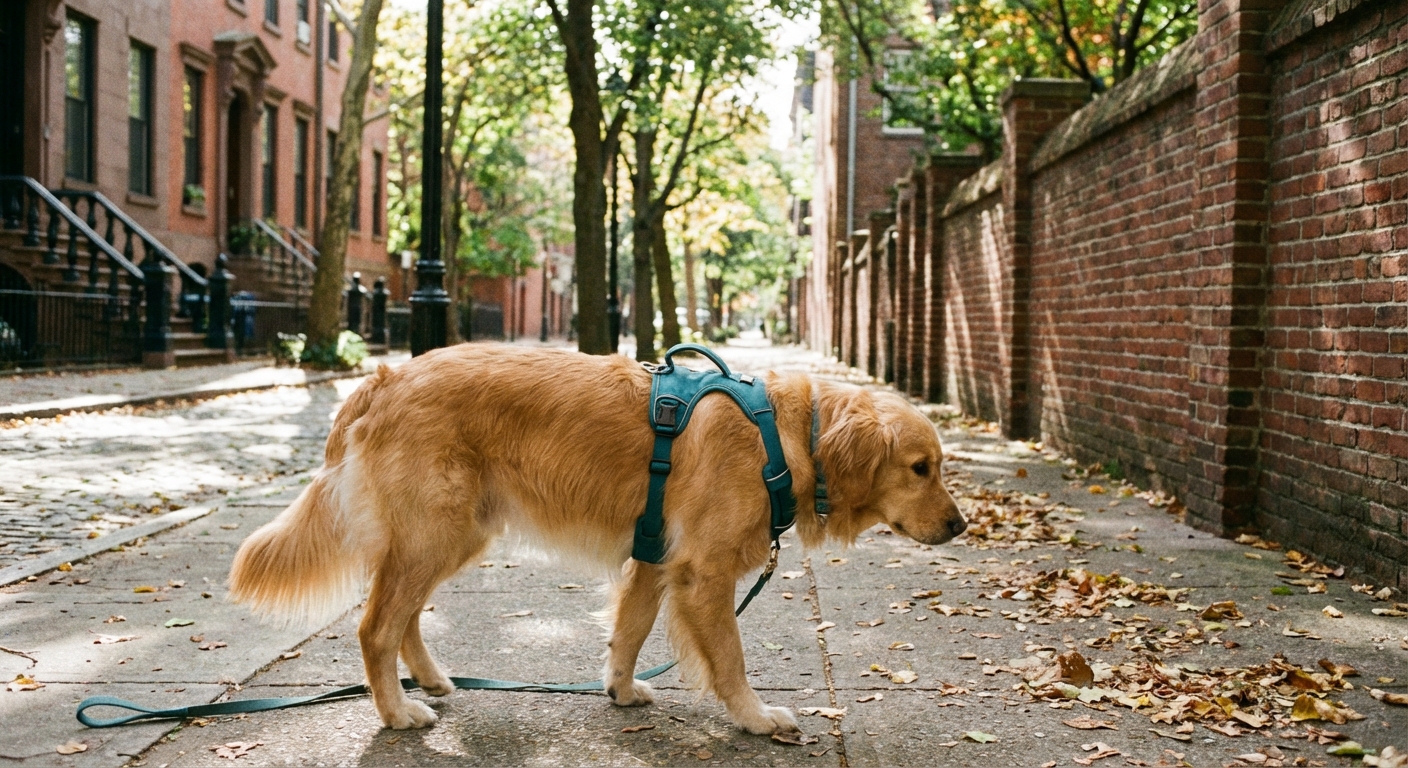
- Switch to a harness: A collar can trigger coughing by putting pressure on the trachea.
- Humid air: A steamy bathroom for 10 to 15 minutes can soothe irritated airways. Stay with your dog and keep the room comfortably warm, not hot.
- Hydration: Encourage drinking. Moist food can help if appetite is lower.
- Calm environment: Excitement often worsens coughing fits.
Medications your vet may use
- Cough suppressants for dry, frequent coughing that prevents rest, when appropriate.
- Antibiotics if bacterial involvement is likely or symptoms are more significant (they may also reduce Bordetella shedding in some cases).
- Anti-inflammatory medications only when prescribed and selected by your vet for your dog’s situation.
What to avoid
- Do not give human cough medicine unless your veterinarian specifically prescribes it. Some ingredients can be dangerous for dogs.
- Do not give human pain relievers (like ibuprofen or naproxen). These can be toxic to dogs.
- Do not push exercise because your dog “seems fine.” Overactivity can prolong irritation and recovery.
- Do not skip evaluation if symptoms worsen, last longer than expected, or include fever or breathing changes.
Recovery time
Recovery varies depending on the cause, your dog’s age, and overall health. For uncomplicated cases, the cough often improves within 7 to 14 days. Some dogs take up to 3 weeks to fully settle, and a smaller number can have an annoying, trigger-happy cough that lingers 4 weeks or longer, especially after barking or excitement.
Simple timeline
- Days 1 to 3: Cough often starts suddenly. Energy may be mostly normal.
- Days 4 to 7: Coughing fits may continue, especially with activity. Supportive care and rest matter most here.
- Weeks 2 to 3: Many dogs cough less often, but the airway can stay sensitive and flare with pulling, barking, or excitement.
- Week 4 and beyond: If coughing is still frequent, worsening, or changing to wet and deep, it is time to recheck with your vet.
Why the cough can linger
Even after the germs are gone, the lining of the airway can remain sensitive, similar to how some people keep coughing after a cold. This is one reason rest and avoiding throat irritation matter.
If your dog is not improving
Check in with your veterinarian if coughing is not clearly improving after about a week, if it becomes wet or deep, or if your dog’s energy and appetite drop.
How long it is contagious
Contagiousness varies by the organism involved. As a general rule, many veterinarians recommend keeping your dog away from other dogs for at least 10 to 14 days after symptoms begin, and longer if coughing continues. Some dogs can shed certain germs for weeks, even when they seem much better, so your veterinarian is the best source for guidance based on your dog’s situation and local risk.
Isolation tips
- Avoid daycare, boarding, grooming, and dog parks during recovery.
- Choose quieter walking routes and keep distance from other dogs.
- Wash bowls, toys, and bedding regularly.
If you have multiple dogs
- Separate bowls and do not share toys during the contagious window.
- Limit face-to-face greetings and rough play.
- Improve ventilation when possible (fresh air, good airflow).
- Clean and disinfect hard surfaces following the product label directions and contact time.
Prevention
Vaccination can reduce the risk and severity of kennel cough, but no vaccine covers every possible virus involved. Think of it like a seatbelt: it lowers risk, even if it cannot prevent every outcome.
Vaccines commonly used
- Bordetella (often required for boarding and daycare)
- Canine parainfluenza (usually included in core combo vaccines)
- Canine influenza in areas, seasons, or situations where your veterinarian recommends it
Beyond vaccines, reduce exposure by choosing well-ventilated facilities, avoiding crowded dog areas during outbreaks, and confirming that daycare or boarding locations have strong cleaning protocols.
Back to normal activity
In most cases, you can gradually return to normal walks and play once your dog is clearly improving and coughing is infrequent. For daycare, boarding, grooming, and group classes, it is safest to wait until the cough has resolved, then follow your veterinarian’s guidance on timing. If your dog still coughs with excitement, they may feel fine but can still irritate their airway and may still be contagious depending on the cause.
Home checklist
- Use a harness instead of a collar.
- Offer small, calm potty breaks and skip strenuous exercise.
- Keep your home air comfortably humid if it is dry.
- Track symptoms daily: cough frequency, appetite, energy, and breathing.
- Call your vet if symptoms worsen, last longer than expected, or your dog seems unwell.
Bottom line
Kennel cough can sound dramatic, but most dogs recover smoothly with rest, supportive care, and veterinary guidance when needed. If you focus on comfort, reduce airway irritation, and watch for red flags, you will be doing exactly what your dog needs to heal well and get back to their happy, tail wagging routine.
Note: This information is for general education and is not a substitute for veterinary diagnosis or treatment.