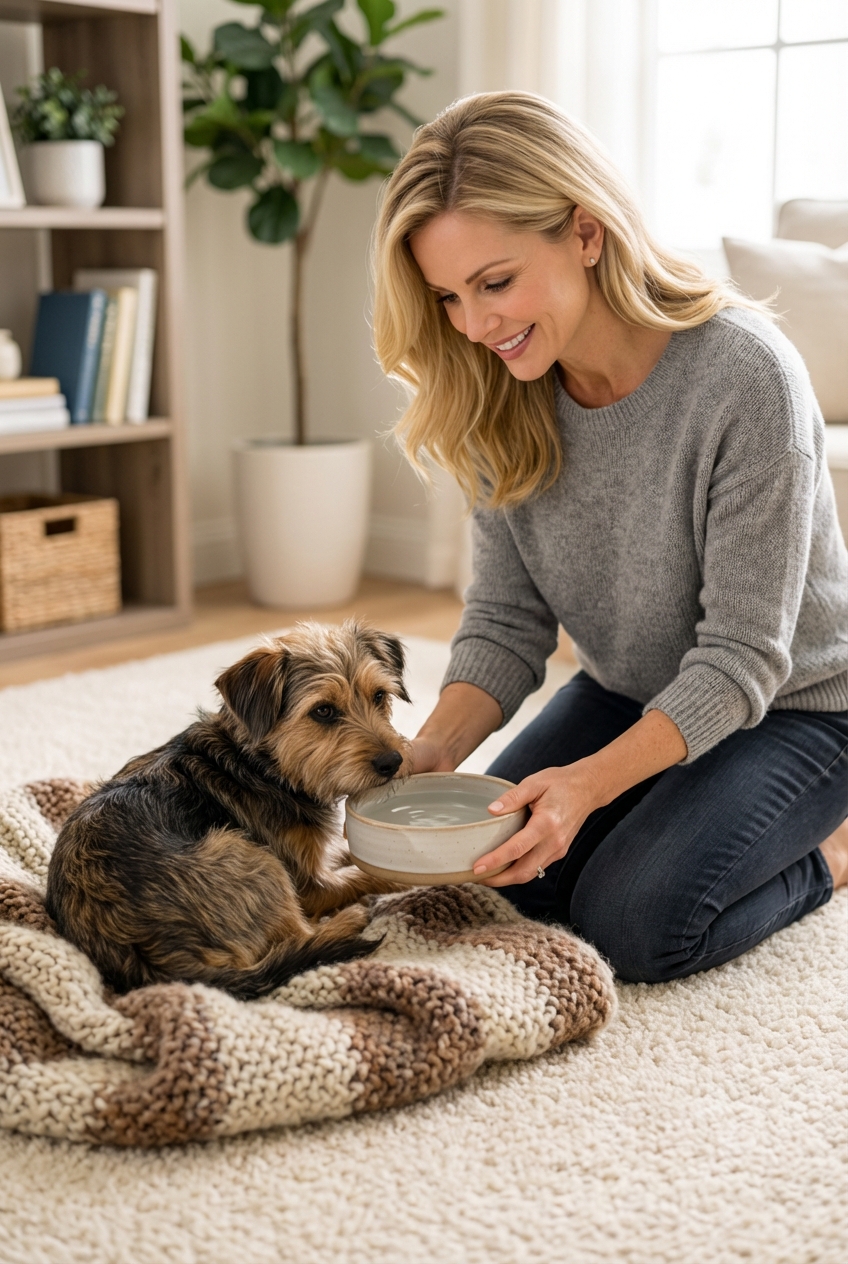
Help your dog feel better with vet-approved home care for mild kennel cough—rest, harness walks, humidity, fluids, and honey—plus when to stop DIY and ca...
Article
•
Designer Mixes
Kennel Cough in Dogs

Shari Shidate
Designer Mixes contributor
Kennel cough can sound scary, especially when your dog suddenly starts making that loud, dry, honking cough that turns heads on a walk. The good news is that most healthy dogs recover well with supportive care and the right guidance from your veterinarian.
In this family-friendly handbook, I will walk you through what kennel cough is, what to watch for, how it spreads, what treatment really looks like, and how to protect the whole household including kids, seniors, and other pets.
What kennel cough is
“Kennel cough” is a common name for a contagious respiratory syndrome in dogs. Veterinarians often call it canine infectious respiratory disease complex (CIRDC), because more than one germ can be involved. Think of it like a dog version of a “cold” that can be caused by different viruses and bacteria.
The most well-known bacterial player is Bordetella bronchiseptica, but dogs can also be affected by viruses such as canine parainfluenza virus, canine adenovirus type 2, canine respiratory coronavirus (which may be associated in some cases), canine influenza, and others. Dogs can have one infection or a combination, which is one reason symptoms can vary.
Classic signs at home
Many dogs still act bright and playful, which can be confusing because the cough sounds dramatic. Common signs include:
- Dry, hacking, honking cough (often triggered by excitement, pulling on a leash, or after drinking)
- Gagging or retching at the end of a coughing spell
- Runny nose or mild eye discharge
- Sneezing
- Mild decrease in appetite (some dogs eat normally)
- Low energy in some cases
Some dogs develop a deeper, wetter cough, fever, or lethargy, which can suggest pneumonia or another complication. Those cases need veterinary care quickly.
How it spreads
Kennel cough spreads mainly through respiratory droplets and close contact. Dogs can pick it up anywhere dogs share air and surfaces, including:
- Boarding facilities and daycares
- Grooming salons
- Dog parks
- Training classes
- Veterinary waiting rooms
- Shared water bowls and toys
Some of the organisms involved can survive on surfaces for hours to days, depending on the germ and the environment. That is why cleaning and good ventilation matter. Hands and shared items can also play a role, even though close contact and shared air are usually the bigger drivers.
Also, some dogs can be contagious before you realize they are sick.
Could it be something else?
A honking cough is common with kennel cough, but it is not the only cause. In some dogs, especially small breeds, similar coughing can be caused by issues like a collapsing trachea, heart disease, airway irritation, or a foreign object. If your dog has repeated coughing episodes, is older, has a heart murmur, or the cough keeps coming back, it is worth getting an exam rather than assuming it is always kennel cough.
Can humans or cats catch it?
This is one of the first questions parents ask, and it is a great one.
- For most families: kennel cough is primarily a dog-to-dog issue.
- For immunocompromised people: there are rare reports of Bordetella causing illness in people with significant immune suppression. If someone in the home is undergoing chemotherapy, has advanced lung disease, is a transplant recipient, or has other immune suppression, it is smart to be extra cautious and speak with both your veterinarian and your physician.
- For cats: cats can get respiratory infections, and Bordetella can infect cats. That said, classic household dog-to-cat spread is uncommon. If your cat has respiratory symptoms, call your vet.
Practical, family-friendly rule: treat kennel cough like you would treat a contagious cold. Keep things clean, avoid close face-to-face contact, and reduce spread to other dogs.
Call the vet right away
Many mild cases can be managed with vet guidance and home care, but certain signs should never be waited out. Contact your veterinarian urgently if you notice:
- Fast or difficult breathing, or belly effort when breathing
- Blue, gray, or very pale gums
- High fever (a dog temperature around 103°F / 39.4°C or higher is often considered a fever, but your vet can guide you on what is significant for your dog and how to check safely)
- Not eating or drinking for more than a day, especially in small dogs or puppies
- Marked lethargy or weakness
- Persistent coughing that worsens or does not improve over several days
- Puppies, seniors, or dogs with heart or lung disease showing any respiratory signs
- Thick nasal discharge, especially yellow or green, or a wet, productive cough
These signs can suggest pneumonia, canine influenza, or another serious respiratory illness where early treatment makes a huge difference.
What your vet may do
Your vet will usually start with a thorough history and exam, and may ask about recent daycare, boarding, grooming, or dog park exposure. Depending on how your dog looks, they may recommend:
- No testing for mild, uncomplicated cases
- Chest X-rays if pneumonia is a concern
- Respiratory PCR testing (a swab test) in outbreaks, severe cases, or if influenza is suspected
Treatment depends on the situation. Many dogs improve with rest and supportive care, but your veterinarian might prescribe:
- Cough suppressants when a dry cough is keeping your dog from sleeping
- Antibiotics if bacterial involvement is suspected or if your dog is at higher risk of complications
- Anti-inflammatory medications in selected cases
Important note for families: not every case needs antibiotics. Because kennel cough can be viral, your vet will decide based on your dog’s exam, age, risk factors, and whether pneumonia is suspected.
Home care
Supportive care helps your dog heal and keeps everyone more comfortable at home. Here are practical, vet-aligned steps I recommend as a veterinary assistant and dog lover.
Rest and calm help healing
- Skip dog parks, daycare, and playdates until your vet clears your dog.
- Keep activity gentle. Hard running can trigger coughing fits.
Use a harness
A collar can put pressure on an already irritated trachea. A comfortable harness reduces throat pressure and can make walks easier while your dog recovers.
Humid air can help
- Use a cool-mist humidifier in the room where your dog sleeps.
- Or sit with your dog in a steamy bathroom for 10 to 15 minutes (no direct hot water exposure). Always supervise.
Quick safety note: Clean humidifiers regularly per the manufacturer’s instructions. A dirty humidifier can grow mold or bacteria, which can worsen respiratory irritation.
Hydration and simple nutrition
Water helps keep mucus thinner and supports recovery. If your dog’s appetite is low, ask your vet about offering warm, aromatic foods. Many dogs do well with gentle options like:
- Warm, plain shredded chicken and rice
- Low-sodium broth added to meals (make sure it is onion-free and garlic-free)
If you are feeding homemade meals, keep them simple while your dog is sick, and avoid sudden diet changes that could cause diarrhea.
Avoid irritants
- No smoke exposure.
- Go light on scented cleaners, candles, and aerosol sprays.
- Keep dust down with regular vacuuming.
Medication safety
Only give medications prescribed by your veterinarian. Never give human cough medicines, acetaminophen, or ibuprofen unless your vet specifically instructs you to, as some products can be dangerous for dogs.
How long it lasts
Many uncomplicated cases improve in about 1 to 3 weeks. Some dogs, especially those with sensitive airways, can have a lingering cough longer even after the infection is mostly resolved.
Contagious periods vary depending on the organisms involved, so your veterinarian’s guidance matters. A practical approach is:
- Keep away from other dogs during symptoms.
- Continue to avoid dog gatherings after coughing stops for the period your veterinarian recommends, often about 1 to 2 additional weeks.
In some cases and especially during outbreaks, your vet may recommend a longer break from daycare, boarding, grooming, and group settings because shedding can persist even after your dog looks better.
Kids and other pets
Families can absolutely manage kennel cough without panic. The goal is simply to reduce spread and keep your dog comfortable.
- Handwashing: Have kids wash hands after petting, feeding, or giving treats.
- No face kisses: It is okay to set a short-term rule while your dog is coughing.
- Separate dog gear: Do not share leashes, bowls, toys, or beds with other dogs.
- Clean smart: Wash bowls and toys with hot, soapy water. Wash bedding in hot water when possible.
- Limit visits: Pause visits with friends’ dogs until your dog is cleared.
Prevention
Prevention is not just about a shot. It is a whole strategy, especially for social dogs.
Bordetella vaccine
Many facilities require a Bordetella vaccine. It can reduce severity and spread, but no vaccine is a perfect force field. Your veterinarian can advise which form is best for your dog:
- Intranasal
- Oral
- Injectable
Timing matters. If your dog is going to boarding or daycare, ask your vet how far in advance vaccination should be done.
Even vaccinated dogs can sometimes catch or spread CIRDC, so it is still smart to avoid dog gatherings when your dog is coughing or when there is a local outbreak.
Core protection
Staying current on vaccines like distemper and adenovirus can help reduce risk of certain respiratory infections that can look like kennel cough.
Smarter socializing
- Avoid crowded dog areas during known local outbreaks.
- Choose well-ventilated facilities with strong cleaning protocols.
- Bring your own water bowl when you can.
FAQs
Can I walk my dog?
Usually yes, but keep walks short and calm, use a harness, and avoid other dogs. Think “potty breaks and gentle sniffing,” not “run and play.”
Should I separate my dogs at home?
If you have multiple dogs, separation can reduce spread, but it is not always practical. At minimum, do not share bowls and try to minimize face-to-face play until the coughing dog is improving.
My dog is coughing but acting normal. Is it still serious?
It can still be contagious, and occasionally it can progress. If the cough is frequent, your dog is losing sleep, or your dog is very young, elderly, or has health conditions, it is worth calling your vet sooner rather than later.
Recovery checklist
- Call your vet and follow their plan
- Rest, low-stress routine
- Harness instead of collar
- Humidified air if helpful, plus regular humidifier cleaning
- Hydration and warm, gentle meals (onion-free and garlic-free broth only)
- Clean bowls, bedding, and hands
- No daycare, parks, grooming, or playdates until cleared
If you ever feel uncertain, trust that instinct and call your veterinarian. You know your dog best, and early support can prevent complications.
Sources
- American Veterinary Medical Association (AVMA): Canine infectious respiratory disease information and prevention guidance
- American Animal Hospital Association (AAHA): Vaccination and preventive care recommendations
- Cornell University College of Veterinary Medicine: Client education on kennel cough and CIRDC
- Merck Veterinary Manual: Overview of Bordetella bronchiseptica and canine infectious respiratory disease complex