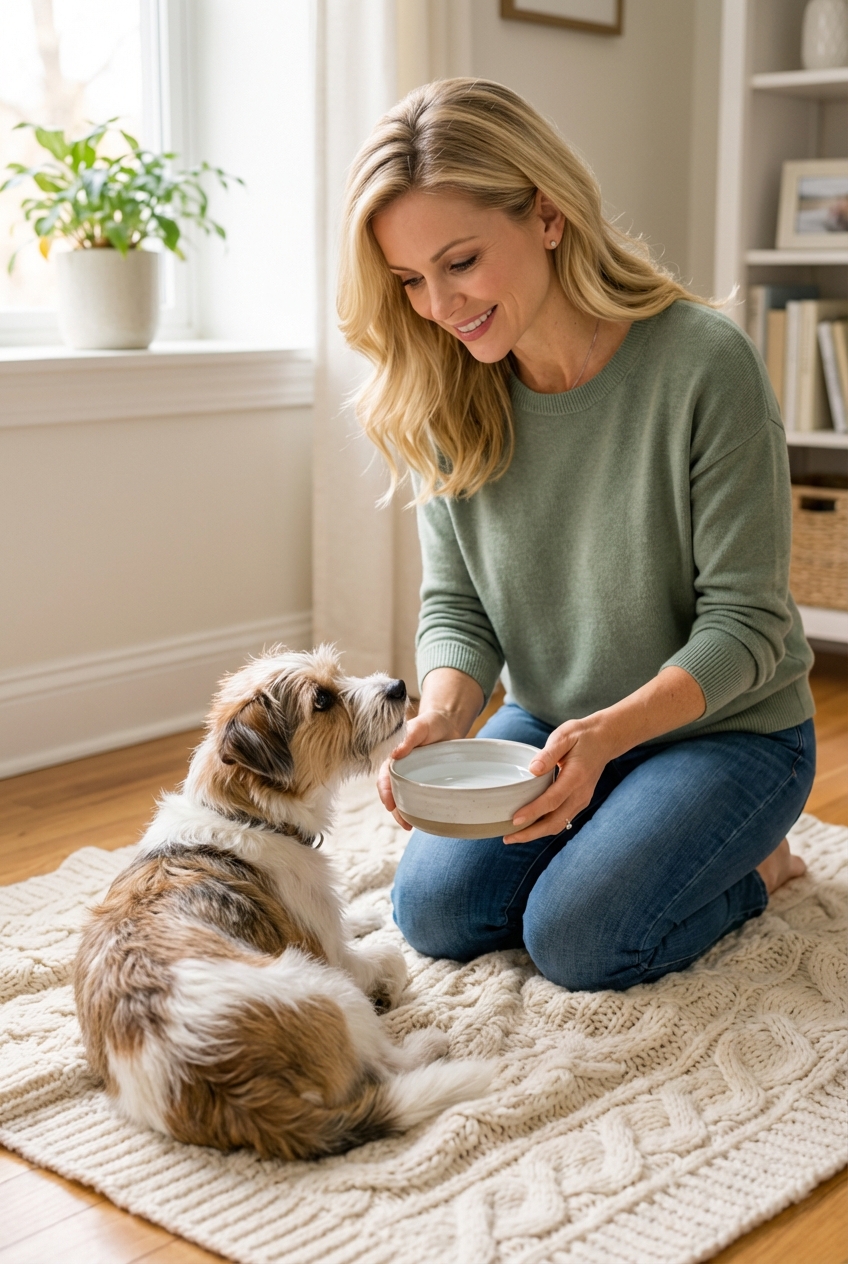
Help your dog feel better with vet-approved home care for mild kennel cough—rest, harness walks, humidity, fluids, and honey—plus when to stop DIY and ca...
Article
•
Designer Mixes
Kennel Cough Home Care Timeline and Isolation

Shari Shidate
Designer Mixes contributor
Kennel cough can sound scary, especially when your dog has that sharp, honking cough that seems to come out of nowhere. The good news is that many dogs recover well with supportive care at home, plus smart isolation to protect other dogs. As a veterinary assistant in Frisco, Texas, I have seen that the biggest difference-maker is often not a fancy product. It is a calm plan you can follow day by day.
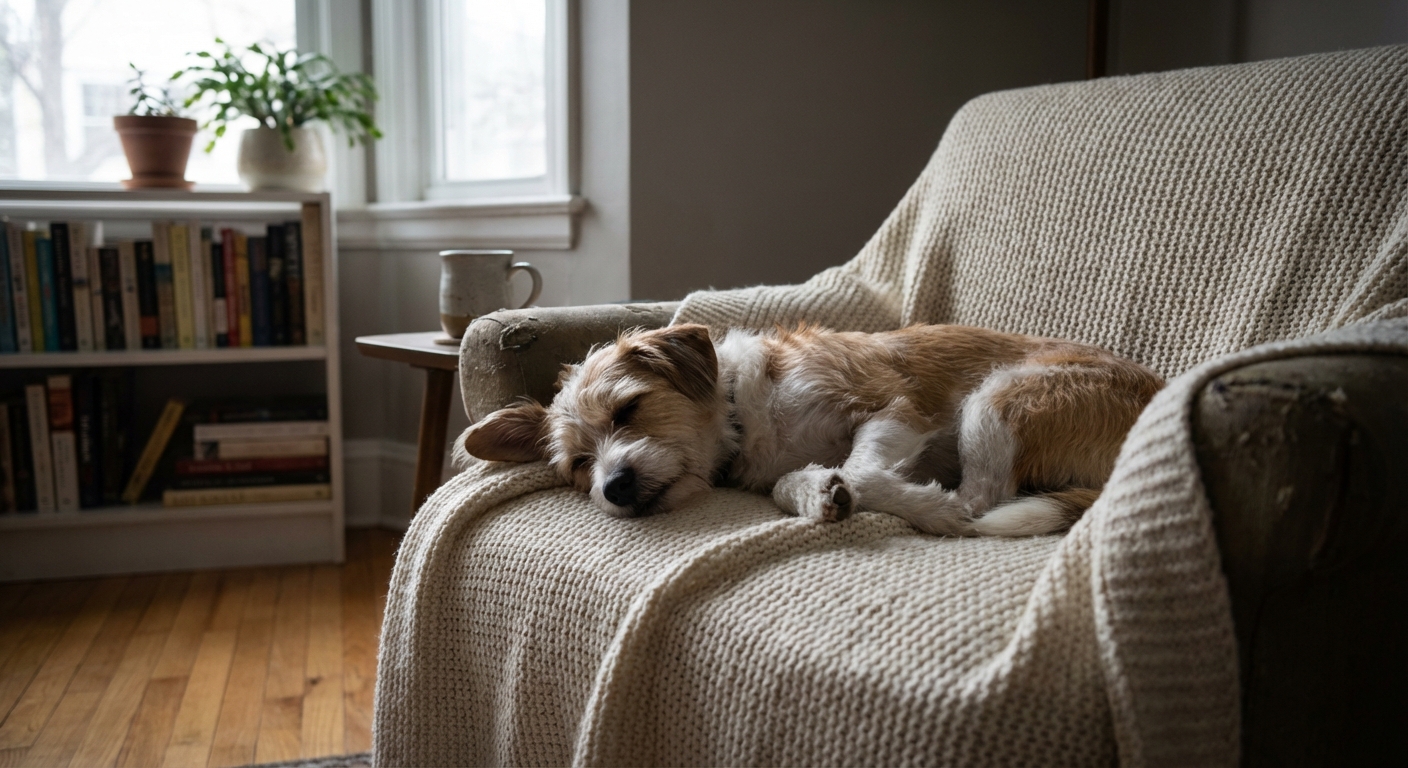
This article walks you through a realistic home care timeline, how long to isolate, and exactly what to watch for so you know when it is time to call your veterinarian.
Quick note: This guide is for uncomplicated, mild cases and is not a substitute for a veterinary exam. If you are unsure, it is always okay to call your clinic.
What it is (and why isolation matters)
“Kennel cough” is a common name for canine infectious respiratory disease complex (CIRDC). It is usually caused by a mix of viruses and bacteria that irritate the upper airways. One well-known bacterial contributor is Bordetella bronchiseptica, but viruses like canine parainfluenza, adenovirus, and canine influenza can also play a role.
It spreads easily anywhere dogs share airspace or surfaces, including boarding facilities, grooming salons, dog parks, training classes, and even shared apartment hallways. Dogs can cough and spread droplets, and some germs can survive on hands, leashes, bowls, and clothing for hours to days depending on the organism and environment.
Isolation protects other dogs, and it also helps your dog rest and heal without the excitement of play, barking, or pulling on a leash that can trigger more coughing.
Typical timeline (what to expect)
Every dog is unique, and the exact timeline depends on the cause, your dog’s age, and overall health. But for uncomplicated cases, this is a common pattern:
- Incubation period: often about 2 to 10+ days after exposure before signs appear, depending on the cause.
- Most noticeable coughing: often the first 3 to 7 days of symptoms.
- Gradual improvement: many dogs start improving within about a week, but the cough can linger.
- Total cough duration: commonly 1 to 3 weeks. Some dogs, especially small breeds or dogs with sensitive airways, can cough longer.
If your dog is still coughing hard after about two weeks, or the cough is getting worse instead of better, it is time to check in with your veterinarian.
Home care timeline
Day 1 to 3: comfort and fewer triggers
In the early phase, your goal is to reduce airway irritation and keep your dog calm.
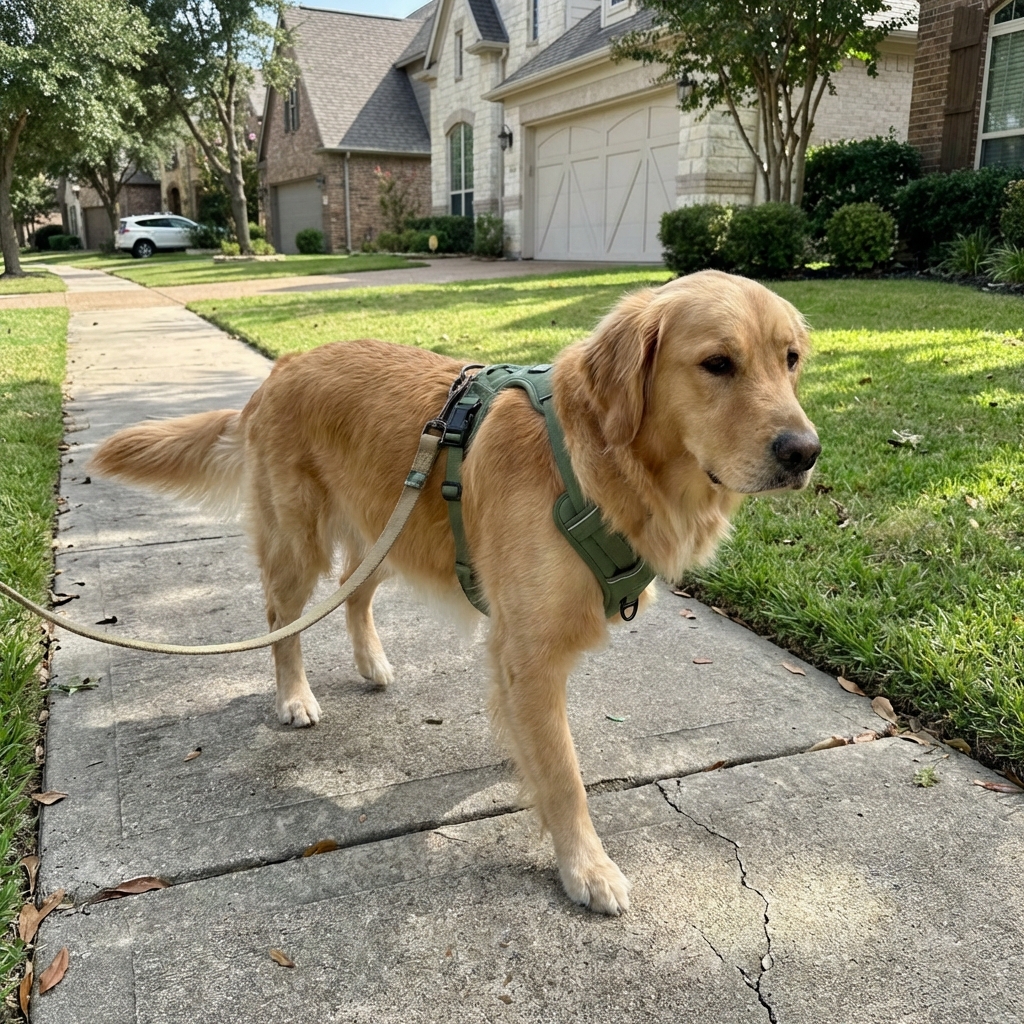
- Switch to a harness if you are using a collar. Pressure on the throat can trigger coughing.
- Keep exercise very light. Short potty breaks only. No running, wrestling, or long walks.
- Use humid air if your dog tolerates it. A cool-mist humidifier in their rest area can help some dogs. You can also sit in a steamy bathroom for 10 to 15 minutes once or twice daily.
- Offer water frequently and consider adding a little warm water or low-sodium broth to meals to increase hydration (make sure the broth contains no onion or garlic ingredients).
- Avoid irritants like smoke, strong cleaners, essential oil diffusers, dusty litter, and heavy fragrances.
Many dogs cough more when excited. If the cough spikes when you grab the leash or when someone comes home, that is common and does not automatically mean it is getting worse. It often means the airway is sensitive.
Day 4 to 7: check progress
This is often when you start to see clear improvement, or you realize your dog needs extra help.
- Continue rest and keep interactions calm.
- Track symptoms once or twice daily: cough frequency, appetite, energy, water intake, and any nasal discharge.
- Call your veterinarian if your dog develops a fever, stops eating, seems unusually tired, or has thick yellow-green discharge.
Some dogs need prescription medications depending on the suspected cause and how they are doing. Do not use human cough medicine unless your veterinarian specifically tells you what to use and how much. Many products are unsafe for dogs, and dosing can be tricky.
Week 2: improving, but stay low-key
Even if your dog seems mostly okay, the airway can still be irritated and your dog may still be contagious. Continue low-key routines.
- Keep walks short and avoid heavy panting.
- Keep your dog away from other dogs even if the cough is almost gone.
- Recheck with your veterinarian if the cough is not clearly improving by the end of week two.
Week 3 and beyond: lingering cough and follow-up
A mild, occasional cough can linger after the infection clears, similar to how humans can cough after a cold. But you should not ignore a cough that persists, worsens, or comes with low energy.
Your veterinarian may recommend an exam and possibly diagnostics like chest radiographs if pneumonia is a concern, especially in puppies, seniors, or dogs with other health conditions.
Isolation: how long and what it means
Isolation guidance varies because kennel cough is not one single germ. A practical, protective approach for many households is:
- Typical: isolate for 10 to 14 days from the start of signs, and do not resume dog-to-dog contact until your dog is clearly improving.
- More conservative: if your dog has frequent coughing, isolate until the cough has resolved, then continue for 7 to 14 more days.
- If canine influenza is suspected: your veterinarian may recommend a longer isolation, often up to about 28 days from onset.
Home isolation does not have to feel harsh. It simply means you prevent dog-to-dog contact and reduce close contact and shared items.
Isolation checklist
- No dog parks, daycare, grooming, training classes, boarding, or playdates.
- Separate bowls and toys from other dogs in the home when possible.
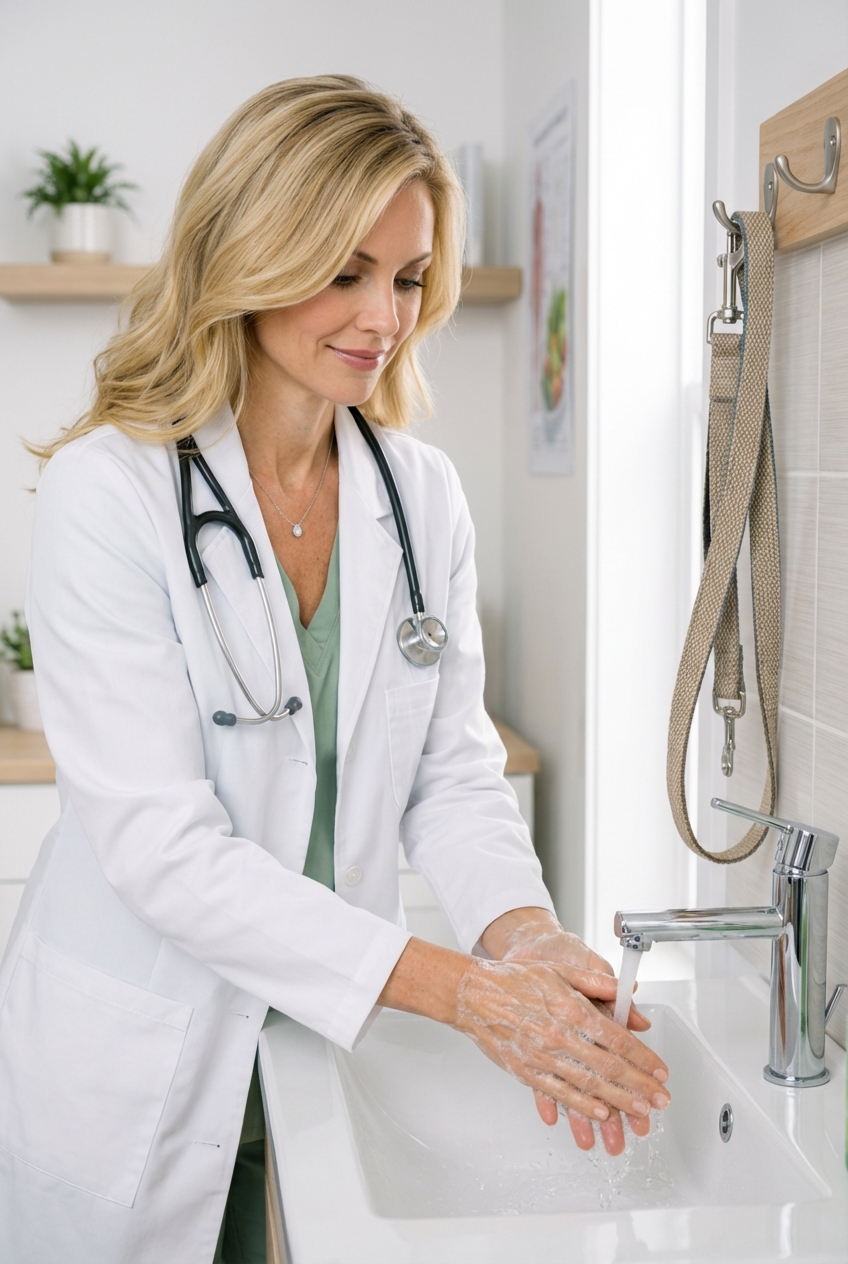
- Wash hands after handling your sick dog before touching another dog.
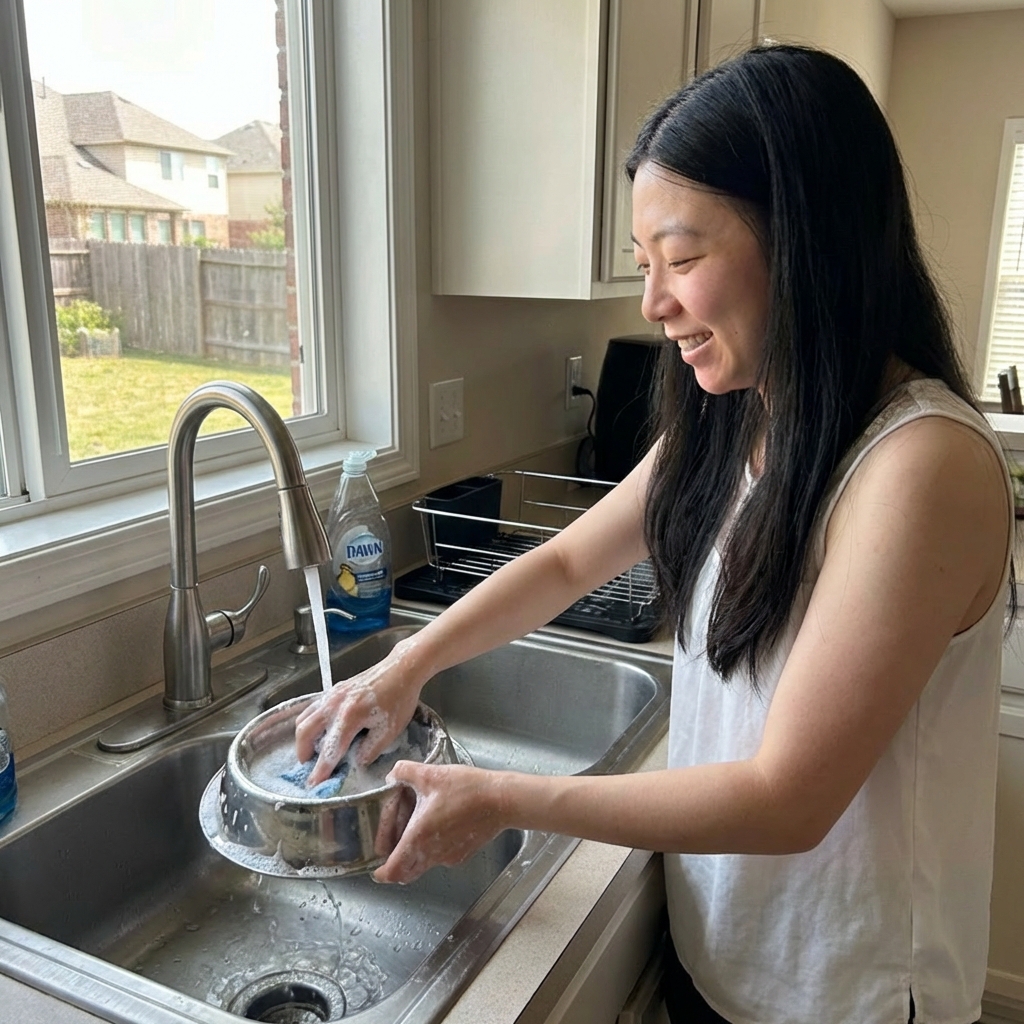
- Clean high-touch items like leashes, harnesses, door handles, and food bowls.
- Potty breaks in low-traffic areas. If you share a yard, pick up waste promptly.
If you have multiple dogs and cannot fully separate them, focus on reducing close face-to-face contact, minimizing shared water bowls, and increasing cleaning. Ask your veterinarian whether your other dog should receive a booster vaccine depending on risk and vaccine status.
When it is not just kennel cough
Please contact your veterinarian promptly if you notice any of the following:
- Labored breathing, rapid breathing at rest, or your dog cannot settle comfortably.
- Gums that look pale, gray, or blue.
- Repeated gagging with distress or your dog seems like they cannot catch their breath.
- Fever. A rectal temperature of 103°F or higher is concerning (you need a thermometer to know for sure).
- Not eating for more than 24 hours, vomiting, or signs of dehydration.
- Deep, wet cough, lethargy, or worsening symptoms, which can suggest pneumonia.
- Puppies, seniors, or immunocompromised dogs with any cough should be seen sooner rather than later.
Also keep in mind that not every cough is caused by CIRDC. Conditions like collapsing trachea (common in small breeds), heart disease, airway irritation from smoke, and even a foreign object can also cause coughing. If the cough is recurring, lasting, or unusual for your dog, an exam is worth it.
Helping your dog feel better
Supportive care is not about stopping the cough at all costs. Coughing can help clear irritation and mucus. The goal is to keep your dog comfortable and prevent complications.
- Rest is medicine. Calm routines, quiet enrichment, and extra naps help more than you might expect.
- Keep hydration up. Offer fresh water, add moisture to food, and encourage gentle drinking.
- Feed highly palatable meals if appetite is down. Warmed wet food can be easier to smell and eat.
- Reduce excitement triggers. If doorbells or window watching cause coughing fits, block visual access or use white noise.
If your veterinarian prescribes medication, give it exactly as directed and finish antibiotics if they are prescribed.
What your vet may prescribe
Treatment depends on your dog’s exam findings and what your veterinarian suspects is going around locally. Common options may include:
- Cough suppressants for a dry, non-productive cough that is disrupting sleep and rest. These are not right for every case, especially if a wet cough or pneumonia is suspected.
- Antibiotics when bacterial involvement is suspected, or when a dog is higher risk for complications.
- Anti-inflammatories in select cases, if your veterinarian feels airway inflammation is a major driver.
Quick home checks
Temperature basics
- Normal: often around 101 to 102.5°F.
- Concerning: 103°F or higher, or any fever with low energy or poor appetite.
- Use a digital rectal thermometer made for pets, and ask your veterinary team if you want a quick lesson on safe technique.
Breathing at rest
- When your dog is asleep or very relaxed, count breaths for 30 seconds and multiply by 2.
- If breathing looks strained, noisy, or faster than normal for your dog, call your veterinarian.
Protecting other dogs long-term
Vaccines do not guarantee a dog will never cough, but they can reduce severity and spread, especially in social dogs. Talk with your veterinarian about which vaccines make sense for your dog’s lifestyle, including Bordetella and canine influenza where appropriate.
Also remember the simple basics that work:
- Avoid crowded dog spaces during known outbreaks.
- Choose reputable groomers and boarding facilities with strong cleaning and vaccine policies.
- Skip greetings with coughing dogs, even if the owner says it is allergies.
Quick recap
- Most uncomplicated kennel cough improves within 1 to 3 weeks.
- Rest, hydration, humid air, and a harness can make a real difference.
- Isolation is typically 10 to 14 days from the start of signs, and may be longer depending on symptoms and cause.
- Labored breathing, fever, lethargy, poor appetite, or a wet worsening cough are reasons to call your vet.
If you are ever unsure, trust your gut and call your veterinary team. It is always easier to prevent pneumonia than to treat it after it has progressed.