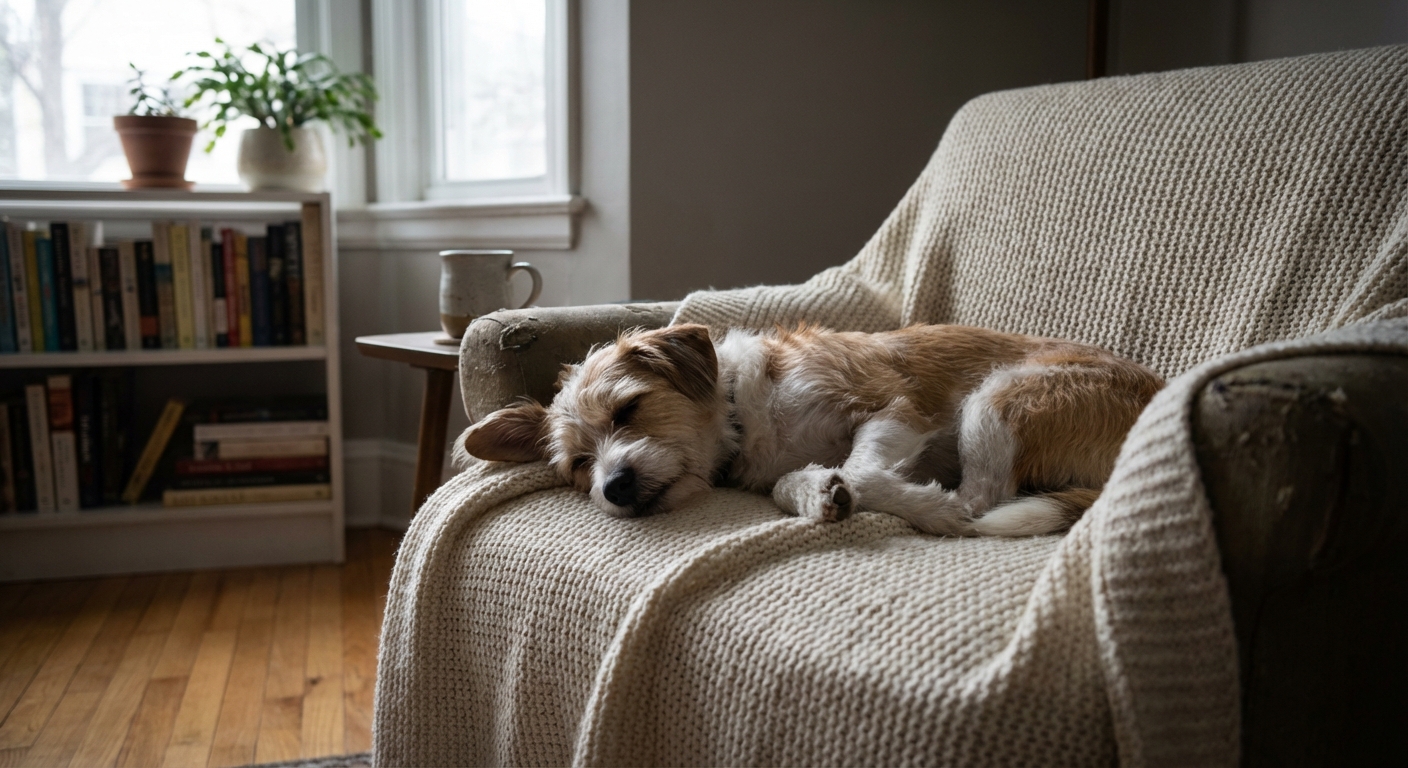
Help your dog feel better with vet-approved home care for mild kennel cough—rest, harness walks, humidity, fluids, and honey—plus when to stop DIY and ca...
Article
•
Designer Mixes
Kennel Cough Home Care, Isolation, and Recovery

Shari Shidate
Designer Mixes contributor
Kennel cough can sound scary, especially when your dog suddenly develops that dry, honking cough that seems to come out of nowhere. The good news is that most otherwise-healthy dogs recover well with supportive home care. The not-so-good news is that kennel cough is very contagious, so isolation and smart hygiene matter just as much as comfort measures.
As a veterinary assistant, I always tell families: your goal at home is to limit spread, keep the airways calm, and watch closely for red flags that mean your dog needs medication or an exam.

What kennel cough is
“Kennel cough” usually refers to acute infectious tracheobronchitis (an upper airway infection that causes coughing). It also sits under a larger umbrella called canine infectious respiratory disease complex (CIRDC), which includes several viruses and bacteria that can cause similar respiratory signs.
Common culprits include organisms like Bordetella bronchiseptica and canine parainfluenza virus. It spreads through respiratory droplets, direct nose-to-nose contact, and contaminated surfaces like water bowls, leashes, and hands.
Typical signs include:
- A dry, hacking or honking cough, often worse with excitement or pulling on a leash
- Gagging or retching after coughing
- Runny nose or mild watery eyes
- Normal or slightly reduced appetite and energy
Many dogs stay bright and alert, but puppies, seniors, and dogs with heart or lung disease can become sicker faster and need veterinary guidance early.
Quick reminder: not every cough is kennel cough. Coughing can also be caused by pneumonia, canine influenza, collapsing trachea, heart disease, airway irritation, or even an inhaled foreign object. If something feels “off” or your dog seems unwell, trust your gut and call your clinic.
How long is it contagious?
Contagious periods vary depending on the cause. A practical rule is this: plan for isolation for at least 10 to 14 days from the start of coughing, and longer if your dog is still symptomatic.
That said, some dogs can shed organisms for weeks, including after they start feeling better. Antibiotics may be recommended in some cases, but they do not guarantee your dog is immediately non-contagious. When in doubt, follow your veterinarian’s advice, and be conservative about returning to group settings.
If you have multiple dogs, assume the exposed dogs are at risk even if they are not coughing yet. Incubation is typically about 2 to 10 days.
Isolation at home
Isolation does not need to feel harsh, but it does need to be consistent. Think “separate airspace and separate stuff” as much as possible.
Set up a recovery area
- Choose a quiet room with a door if possible.
- Use washable bedding and keep extra blankets on hand.
- Keep a dedicated set of supplies: food and water bowls, leash, harness, toys.
Separate from other pets
- No shared bowls, toys, beds, or lick-friendly greetings.
- Walk sick dogs separately, ideally at different times.
- If you must share space briefly, keep distance and avoid excited play.
Protect other dogs in the household
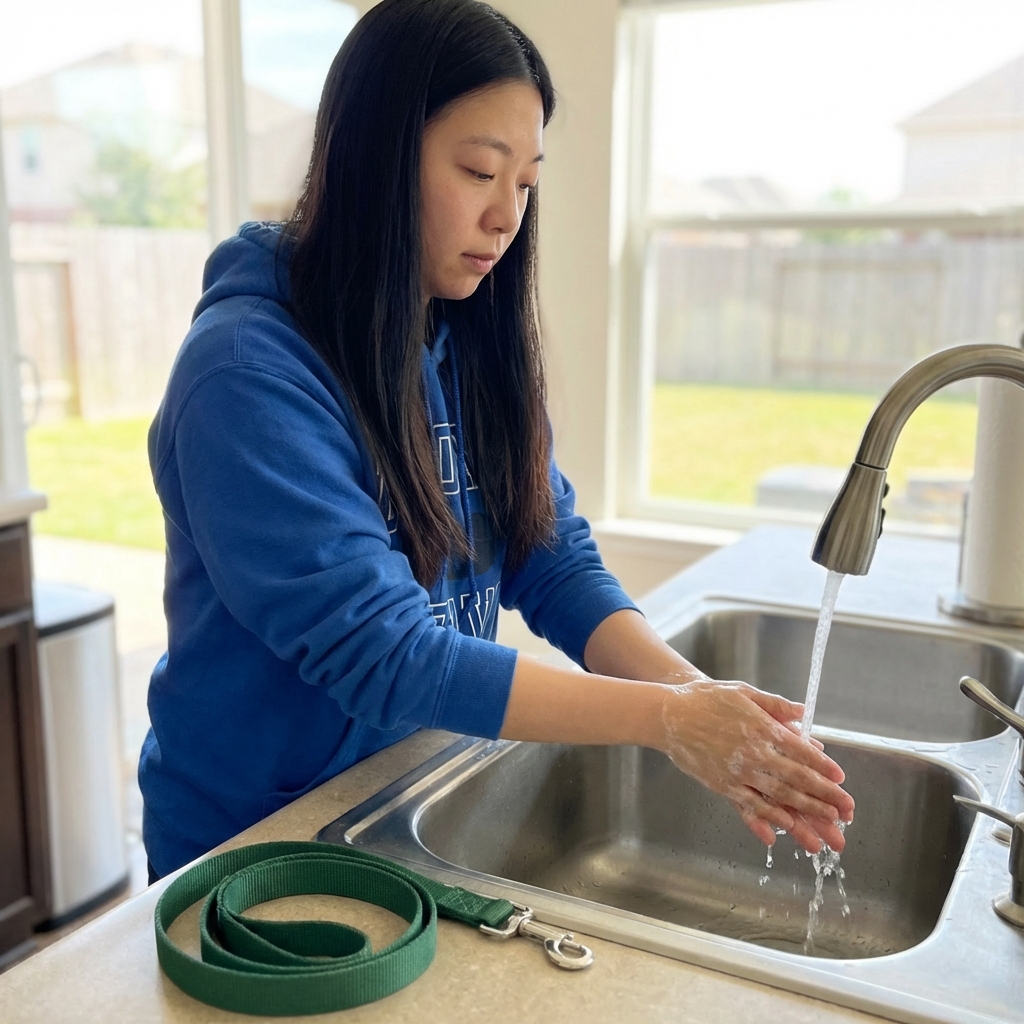
- Wash hands after handling the coughing dog.
- Change clothes if you have heavy contact and then handle another dog.
- Disinfect high-touch surfaces like doorknobs, crate latches, and floors.
Tip from the clinic: excitement triggers coughing. A calm, predictable routine helps the airways rest.
Supportive home care
Most home care is about reducing throat irritation and keeping your dog comfortable while the immune system does its job.
Keep activity gentle
- Skip running, rough play, and long hikes until the cough is gone.
- Short potty breaks only.
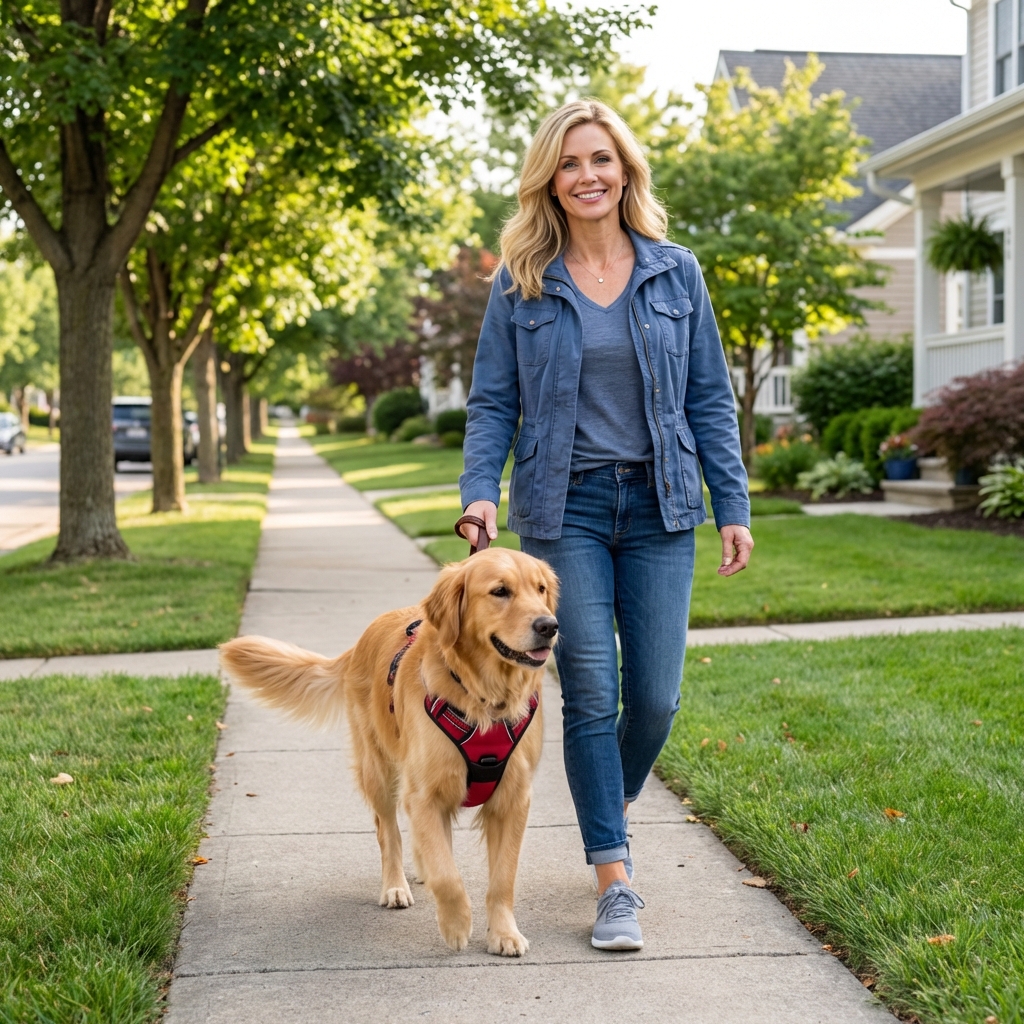
- Use a harness instead of a neck collar to prevent throat pressure.
Humidity can help
- Use a cool-mist humidifier near your dog’s resting area. Follow the manufacturer’s cleaning instructions closely to prevent bacterial or mold growth.
- If your humidifier allows it, using distilled water can reduce mineral dust in the air.
- Or sit with your dog in a steamy bathroom for 10 to 15 minutes once or twice a day if they tolerate it.
Hydration and nutrition
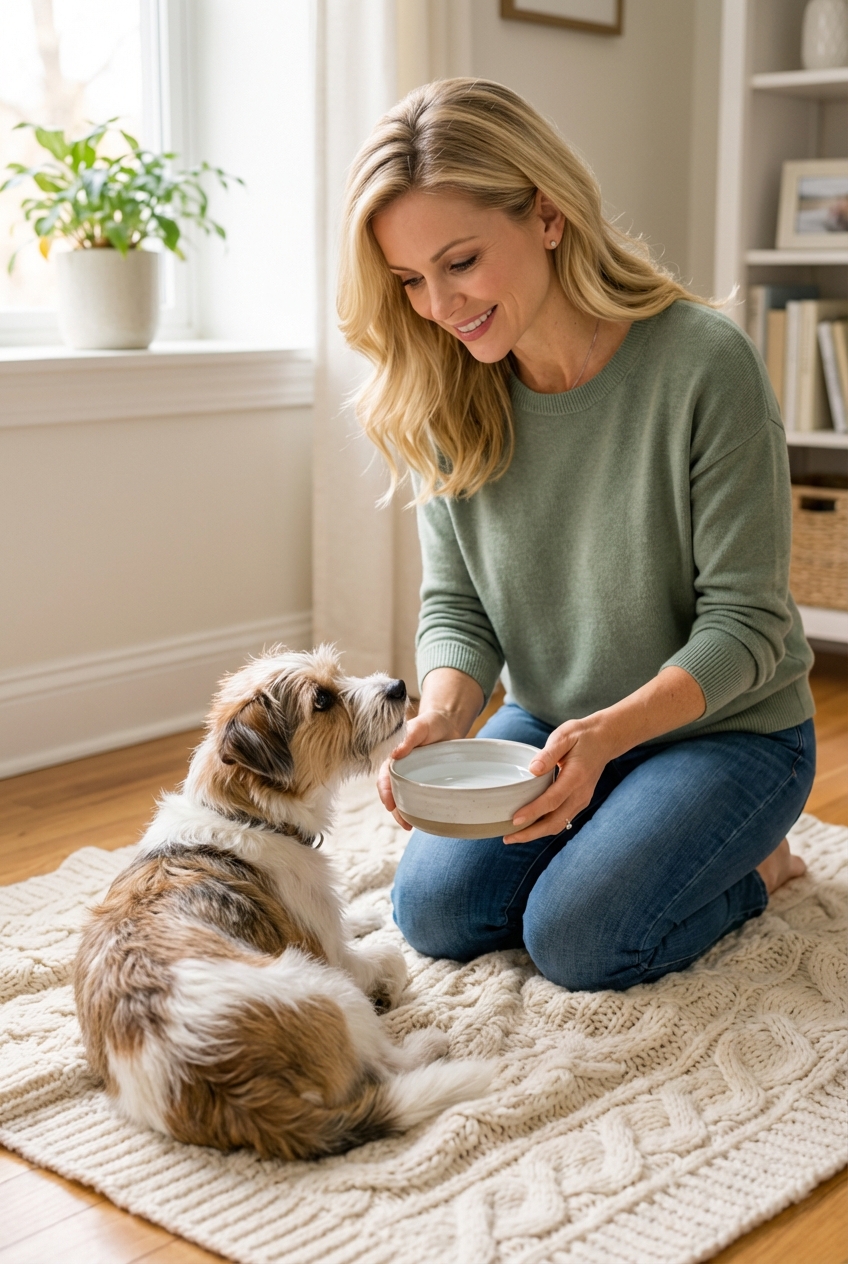
- Encourage drinking. Offer fresh water often.
- Warm, smelly foods can help appetite (for example, warmed canned food or gently warmed homemade food).
- If your dog is not eating for more than 24 hours, call your vet.
Reduce irritants
- No smoke, scented candles, essential oil diffusers, or heavy cleaning fumes near your dog.
- Keep dust low, and consider vacuuming more frequently.
Comfort for a sore throat
Do not give human cough medicines unless your veterinarian specifically instructs you. Many are unsafe for dogs or can interact with other medications.
Ask your veterinarian whether a cough suppressant is appropriate. In some cases, suppressing the cough helps rest and healing, while in others (especially if there is mucus), the cough is serving a purpose.
Cleaning and disinfection
Kennel cough organisms spread mainly through respiratory secretions, but basic hygiene goes a long way, especially in multi-dog homes.
- Wash bedding in hot water and dry thoroughly.
- Wash bowls daily with hot, soapy water.
- Disinfect hard surfaces using a pet-safe disinfectant, following label contact times.
- General sanitation: pick up feces promptly in the yard and dispose of it properly (not because it is a main route for kennel cough, but because it supports overall household hygiene).
If you board, visit groomers, or go to dog parks often, it is smart to keep your dog away from those settings until fully recovered and cleared by your vet.
When to see a vet
Please do not “wait it out” if you see any of the signs below. These can indicate pneumonia, complications, or a different problem that only sounds like kennel cough.
Call your veterinarian promptly if:
- Your dog is lethargic, weak, or not acting like themselves
- There is a fever (your clinic can guide you on checking)
- Breathing looks fast, labored, or your dog is working hard to breathe
- Gums look pale, gray, or blue-tinged
- Cough is getting worse after 3 to 5 days instead of improving
- Thick nasal discharge (yellow or green) develops
- Your dog is a puppy, senior, pregnant, or immunocompromised
- Your dog has known heart disease, collapsing trachea, or chronic airway issues
Your veterinarian may recommend diagnostics (like chest X-rays) and medications such as antibiotics (if bacterial involvement is suspected), anti-inflammatories, bronchodilators, or prescription cough relief depending on what they hear on exam.
Recovery timeline
Many dogs improve in 1 to 3 weeks. Some dogs, especially those with sensitive airways, can have a lingering “tickle cough” longer even after the infection is mostly resolved.
A good sign is when your dog’s cough becomes less frequent, your dog sleeps comfortably, and energy and appetite return to normal. A concerning sign is when coughing becomes more frequent, wetter, or paired with fatigue.
When it is safe to return
This is one of the most common questions I hear. A reasonable, cautious approach is:
- Stay home while your dog is coughing.
- After the cough resolves, many clinics recommend waiting an additional about 7 days before returning to daycare, boarding, grooming, or training classes.
- If your facility has strict rules or your dog had a tougher case, follow your veterinarian’s guidance. Some dogs can remain contagious longer even if they look well.
If you need a written clearance for boarding or daycare, your vet can advise what is appropriate based on your dog’s symptoms and local outbreaks.
Protecting other dogs
Talk with your veterinarian about vaccines that reduce risk and severity, including Bordetella and canine influenza where appropriate. No vaccine is perfect, but vaccination can make illness milder and can reduce spread.
It also helps to know what to expect: vaccines do not guarantee complete prevention, and immunity takes time to build after vaccination (often several days). If your dog is newly vaccinated right before a high-exposure event, they may still be vulnerable.
If your dog is frequently around other dogs (daycare, parks, training classes, grooming), ask your vet which vaccine form is best for your dog (oral, intranasal, or injectable), and what schedule fits your lifestyle.
A gentle reminder
If your dog has kennel cough right now, you are not failing them. This is a common illness, and most dogs do very well with rest, calm routines, and a little extra TLC. Focus on isolation, hydration, low-stress care, and watching for the “time to call the vet” signs. That combination gets the best outcomes, and it protects other dogs in your community too.