Understand kennel cough (CIRDC), when symptoms need a vet visit, and supportive care that can ease coughing: humidity, honey guidance, saline, rest, hydratio...
Article
•
Designer Mixes
Kennel Cough At-Home Tips and Treats

Shari Shidate
Designer Mixes contributor
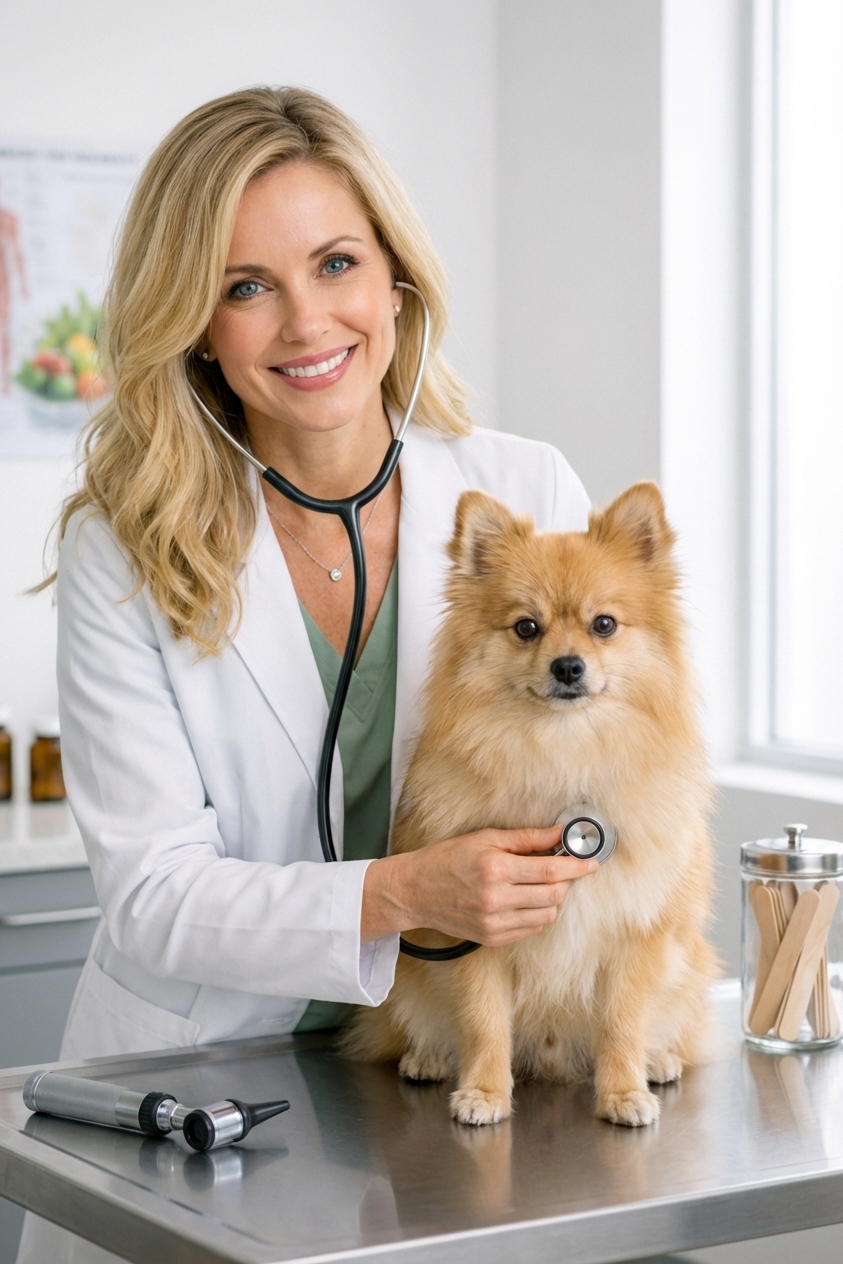
Kennel cough can sound scary, especially when your dog starts making that dry, honking cough that seems to come out of nowhere. The good news is that many healthy adult dogs with uncomplicated cases recover well with supportive care at home. Still, some dogs need prescription medication, and it is always smart to have your veterinarian confirm the diagnosis when you can. The key is knowing what helps, what can make symptoms worse, and when it is time to call your veterinarian.

As a veterinary assistant, I always tell families this: treat the cough like you would a respiratory bug in a child. Comfort matters, hydration matters, rest matters, and watching for red flags matters most.
What it is and why it spreads
Kennel cough is a general term for an infectious upper respiratory illness in dogs. It is most commonly linked with Bordetella bronchiseptica bacteria along with viruses such as parainfluenza and canine adenovirus-2. In some regions and outbreaks, canine influenza can also be involved.
It spreads through respiratory droplets and shared airspace, which is why it can move quickly through boarding facilities, grooming salons, dog parks, and daycare facilities.
Many dogs have mild symptoms, but some can develop more serious disease, especially puppies, seniors, pregnant dogs, and dogs with underlying heart or lung conditions.
Signs to monitor at home
Kennel cough often looks worse than it is, but you still want to keep a close eye on your dog. Typical signs include:
- Dry, hacking or honking cough, often triggered by excitement or pulling on a leash
- Gagging at the end of a coughing spell, sometimes bringing up white foam
- Runny nose or mild sneezing
- Normal appetite and energy, or just slightly decreased energy
If your dog is eating, drinking, and breathing comfortably between cough episodes, supportive care at home is often appropriate while you stay in touch with your vet.
Important: “Kennel cough” is a syndrome, not one single germ, and not every cough is kennel cough. Tracheal collapse, pneumonia, heart disease, parasites, airway irritation, and even a foreign object can cause coughing too. If you are unsure, a vet exam is the safest next step.
At-home care that helps
1) Rest and quiet time
Coughing irritates the airway, and activity can keep that irritation going. For the next 7 to 14 days, aim for calm walks for potty breaks only. Skip fetch, running, wrestling, and excitement triggers.
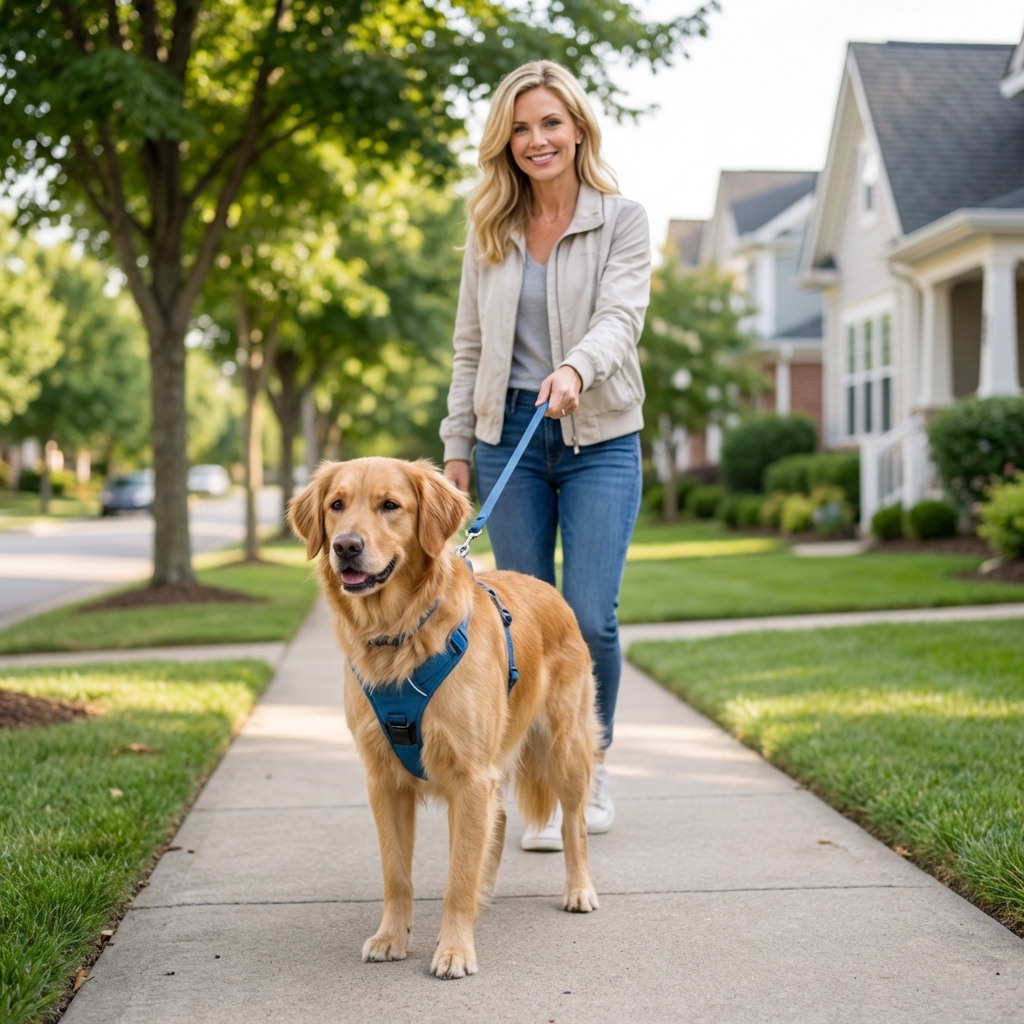
2) Switch to a harness
If your dog coughs more on leash, a collar may be putting pressure on an already inflamed trachea. A well-fitting harness can make a big difference.
3) Add humidity
Moist air can soothe irritated airways. Try one of these:
- Run a cool-mist humidifier near your dog’s resting area
- Sit with your dog in a steamy bathroom for 10 to 15 minutes (hot shower running, dog outside of the shower)
Always supervise closely and avoid overheating.
4) Hydration and warm, aromatic meals
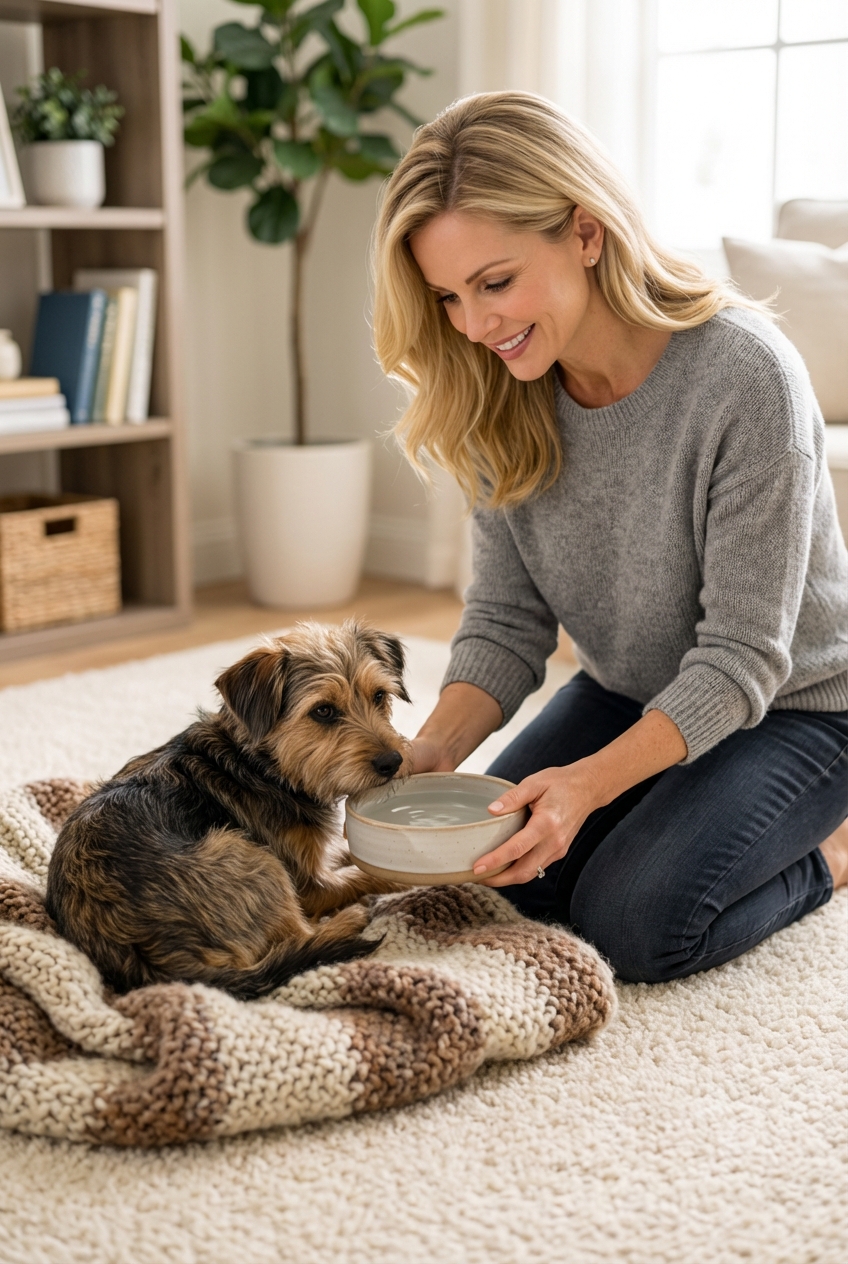
Hydration helps keep secretions thinner and easier to clear. Encourage water intake and consider adding moisture to meals:
- Warm water mixed into food
- Low-sodium broth (no onion or garlic added to the broth)
- Soft, warm foods if your dog seems throat-sore
5) Reduce airway irritants
Smoke, strong cleaning sprays, scented candles, and dusty environments can make coughing worse. Keep air clean and avoid aerosol products around your dog during recovery.
6) Isolation to protect other dogs
Kennel cough is contagious. Keep your dog away from other dogs, shared bowls, dog parks, daycare, and grooming until symptoms fully resolve and your vet says it is safe. Isolation guidance varies based on the cause and local risk, and some dogs may remain contagious even after they seem improved. When in doubt, ask your veterinarian how long to isolate and when it is safe to return to group settings.
7) Simple home hygiene
Isolation works best when you also reduce germ spread at home. Helpful basics include:
- Wash bedding and soft toys regularly
- Clean food and water bowls daily
- Wipe down hard toys
- Wash hands after handling nasal discharge or saliva
- Improve ventilation when possible (fresh air, clean filters)
Treats and soothing add-ons
When your dog is coughing, treats are not just for comfort. The right ones can support hydration, appetite, and gentle nutrition. Here are a few options that tend to be well tolerated.
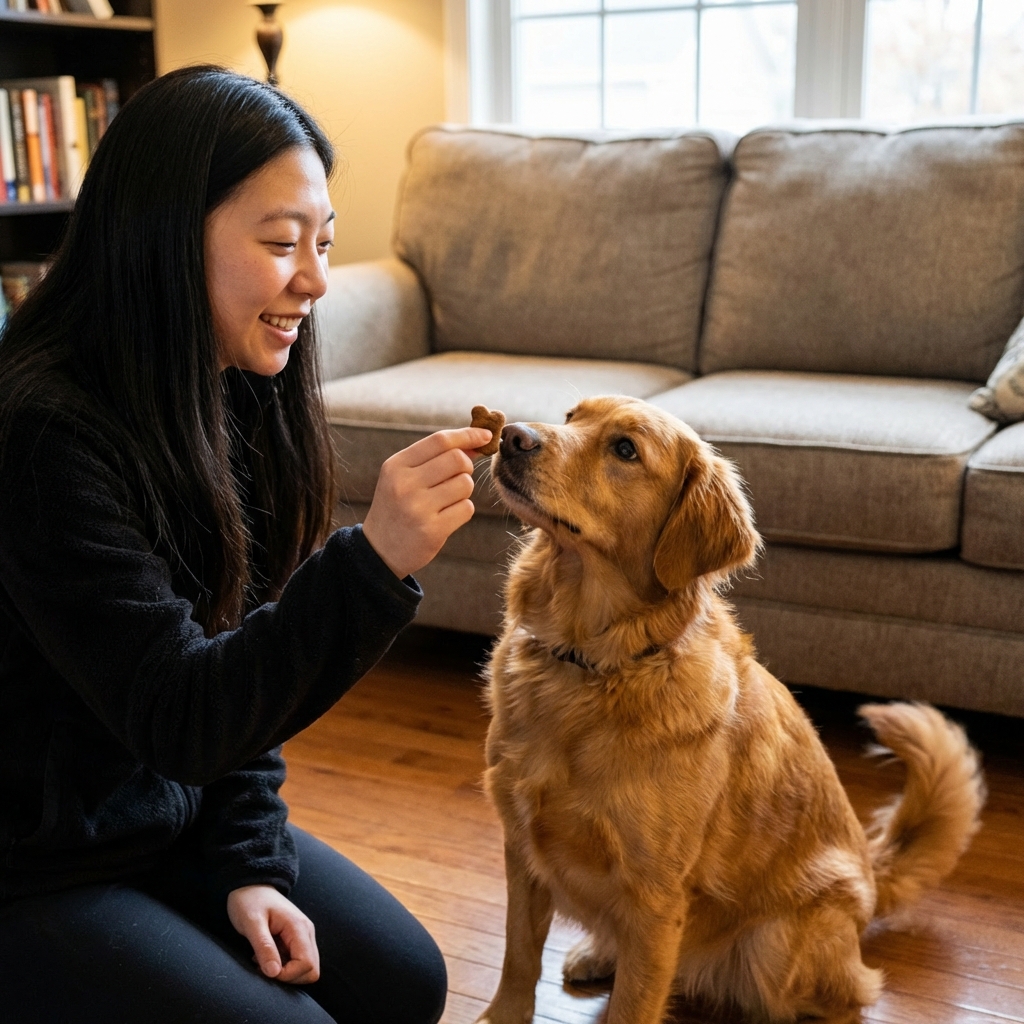
Soothing, soft treats
- Small pieces of cooked chicken or turkey (plain, boneless, skinless)
- Warm mashed sweet potato (plain, no butter or xylitol-sweetened toppings)
- Plain scrambled egg or hard-boiled egg pieces, if eggs agree with your dog
Hydrating treat ideas
- Ice chips or small ice cubes to lick, if your dog enjoys them
- Frozen broth cubes made from low-sodium dog-safe broth (again, no onion or garlic)
- Goat milk in small amounts for dogs that tolerate dairy well (skip it if your dog gets diarrhea, vomiting, or a sensitive stomach)
Honey: ask your vet first
Many dog parents ask about honey. In people, honey can soothe throats, and some veterinarians allow a small amount for certain dogs. That said, some vets prefer to avoid honey in very young puppies, immunocompromised dogs, or dogs with diabetes. If you want to try it, get your veterinarian’s okay and dosing guidance first.
What treats to avoid
- Hard, crunchy treats that can trigger coughing (very crunchy biscuits, antlers)
- Strongly scented chews that encourage heavy panting or excitement
- Any treats with xylitol (toxic)
- Anything with onion or garlic (toxic) and be cautious with seasoning blends
Medication safety
This is one of the most important parts: do not give human cold medications unless your veterinarian tells you exactly what to use and how much. Many common human products can be dangerous for dogs.
Quick note: These tips are not a substitute for a veterinary diagnosis. If your dog’s cough is significant, worsening, or you are unsure what you are hearing, call your veterinarian.
Your veterinarian may recommend:
- Cough suppressants in select cases, typically for non-productive coughing that is keeping a dog from resting
- Antibiotics if there is concern for bacterial involvement, pneumonia risk, or secondary infection
- Other prescription medications based on your dog’s exam and history, including therapies targeted to airway inflammation when your veterinarian decides they are appropriate
Also, if your dog has a heart murmur or known heart disease, a cough should always be discussed with your veterinarian, since coughing is not always from infection.
When to call the vet now
At-home care is for mild cases only. Please contact your veterinarian promptly if you notice any of the following:
- Labored breathing, rapid breathing at rest, or your dog seems unable to get comfortable
- Gums that look pale, gray, or blue
- Severe lethargy or weakness
- Refusing food or water, or repeated vomiting
- Fever (if you have a thermometer and know how to use it safely)
- Cough that becomes wet, productive, or worsens after a few days
- Thick yellow or green nasal discharge, or discharge that is increasing
- Coughing blood
- Possible foreign body exposure (chewed sticks, foxtails, rough play with small toys) or sudden onset coughing that does not fit the usual pattern
- Puppies, seniors, or immunocompromised dogs with any cough
If your dog is struggling to breathe, that is an emergency. Seek urgent veterinary care.
How long it lasts
Many dogs improve within 1 to 3 weeks. Some dogs cough longer, especially if the airway stays irritated or if there is overlapping inflammation of the trachea. Your goal is steady improvement: fewer coughing spells, better sleep, normal appetite, and normal breathing between episodes.
Even when your dog seems better, keep activity calm for a bit longer than you think you need. Once your dog is cough-free, ask your vet when it is okay to return to normal exercise and social activities. A gradual return is usually best.
Prevention tips
You cannot prevent every cough, but you can reduce risk:
- Talk to your veterinarian about the Bordetella vaccine and the canine influenza vaccine if your dog frequents daycare, grooming, training classes, or boarding
- Remember that vaccines can reduce risk and severity, but they do not guarantee a dog will never get kennel cough
- Avoid dog parks when outbreaks are being reported locally
- Bring your own water bowl when traveling
- Choose facilities that clean well and manage ventilation and crowding