Learn why cats love counters and how to stop it without punishment. Get safe deterrents, perch training, hygiene tips, and a simple 10-day plan for lasting r...
Article
•
Designer Mixes
Keep Your Cat Off the Counter

Shari Shidate
Designer Mixes contributor
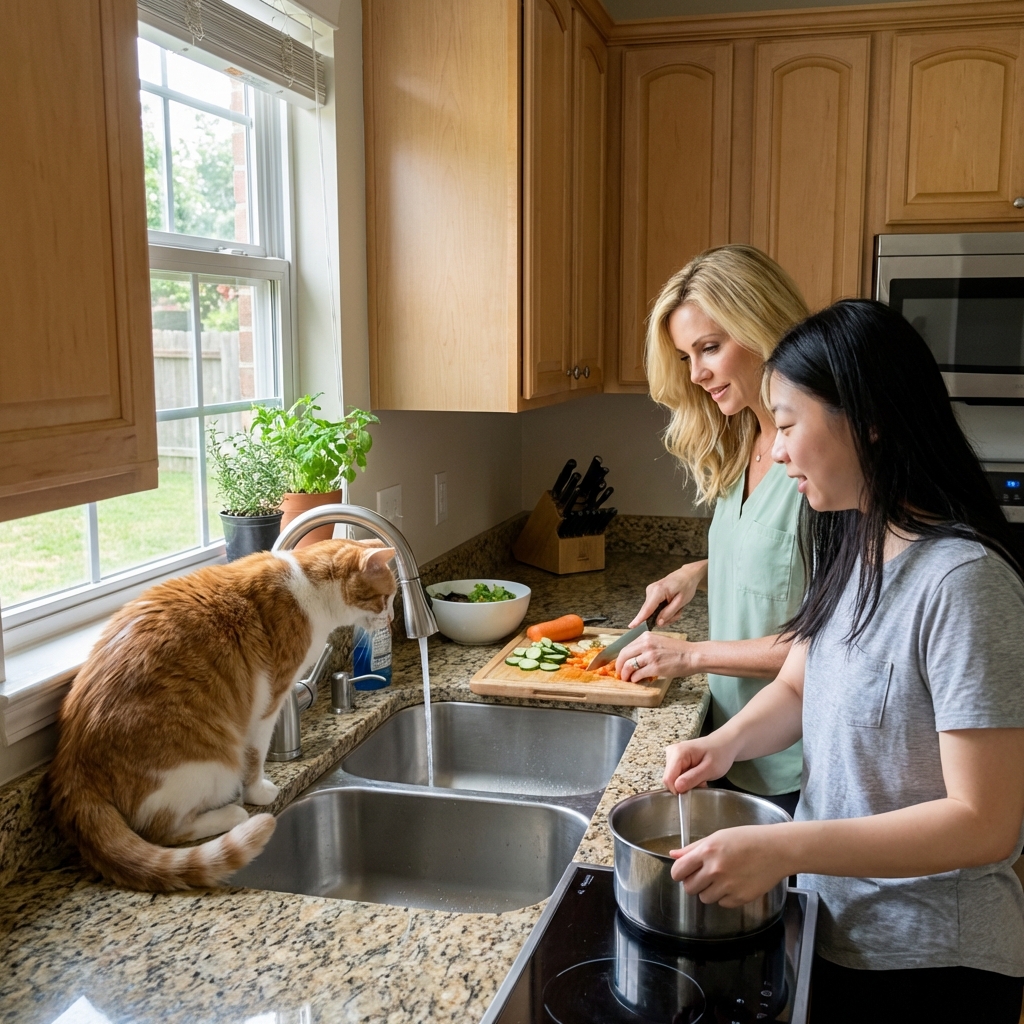
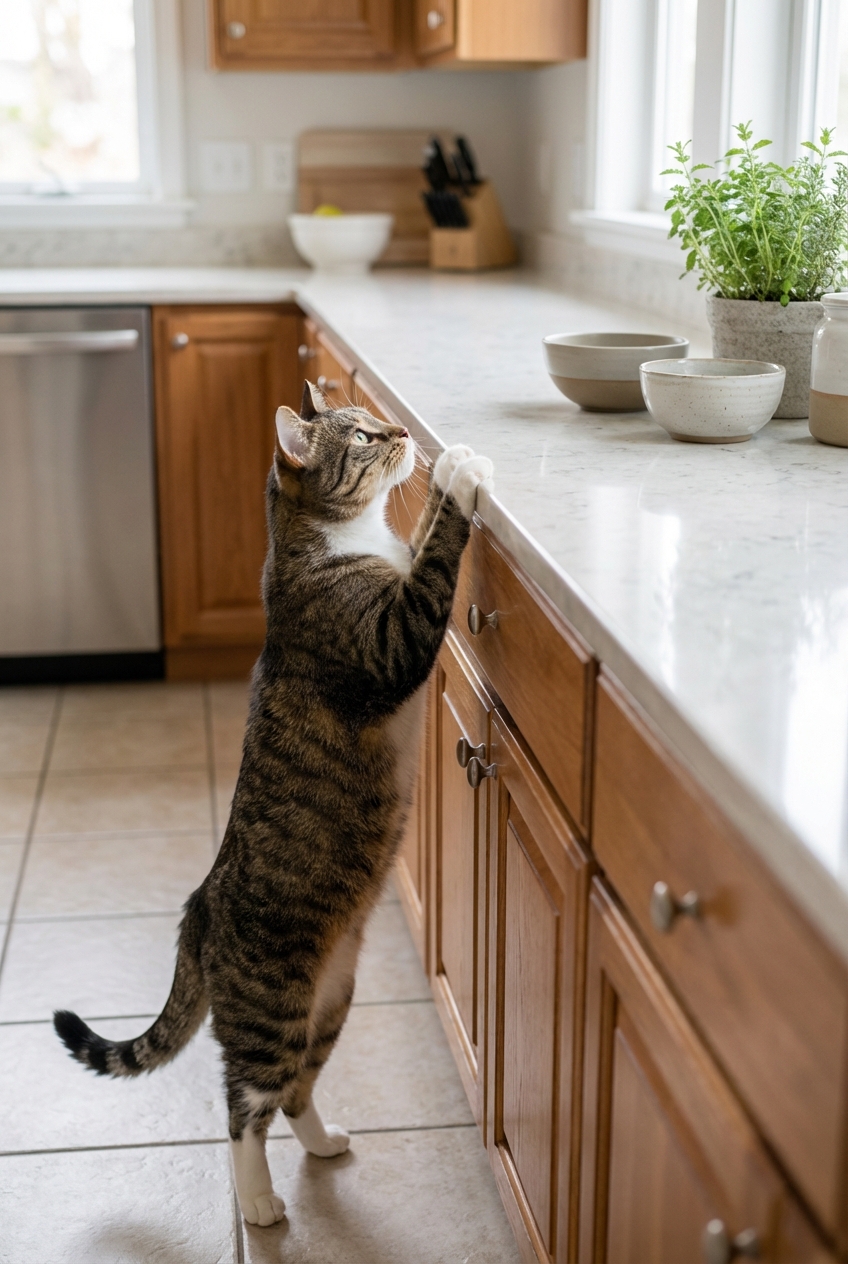
If your cat treats your kitchen counters like a personal runway, you are not alone. As a veterinary assistant, I see this concern all the time, and the good news is that you can fix it without “winning” a battle of wills. Counter-jumping is usually about normal cat needs: height, safety, warmth, attention, and interesting smells.
This guide gives you a quick, behavior-science-informed plan that works because it changes the environment, not just the cat.
Why cats jump on counters
Cats are natural climbers. When they jump up, they are often trying to meet one of these needs:
- Security and control: high places feel safe, especially in busy homes.
- Food cues: counters smell like meat, butter, and crumbs. A cat’s nose is powerful.
- Warmth: near appliances, sunlit windows, or freshly used stovetops.
- Enrichment: it’s simply more interesting up there.
- Attention: even negative attention can reinforce the habit if it becomes a predictable game.
When we address the “why,” we stop the behavior faster and more kindly.
Quick start: the 3-part fix
1) Make the counter boring
Your goal is to remove rewards. That means:
- Wipe counters right after cooking and eating.
- Store bread, treats, and cooling food in cabinets, a bread box, or the microwave.
- Use a lidded trash can and keep dirty dishes in the dishwasher.
- Do not leave cat food bowls on the counter, even temporarily.
Safety note: Avoid using the oven as storage. It’s easy for someone to preheat without checking, and cats can slip inside.
If the counter smells like nothing and offers nothing, it becomes much less appealing.
2) Give your cat a “yes” spot that is better
Cats need vertical territory. If you only say “no,” they’ll keep auditioning new places. Pick an acceptable perch close to the kitchen activity:
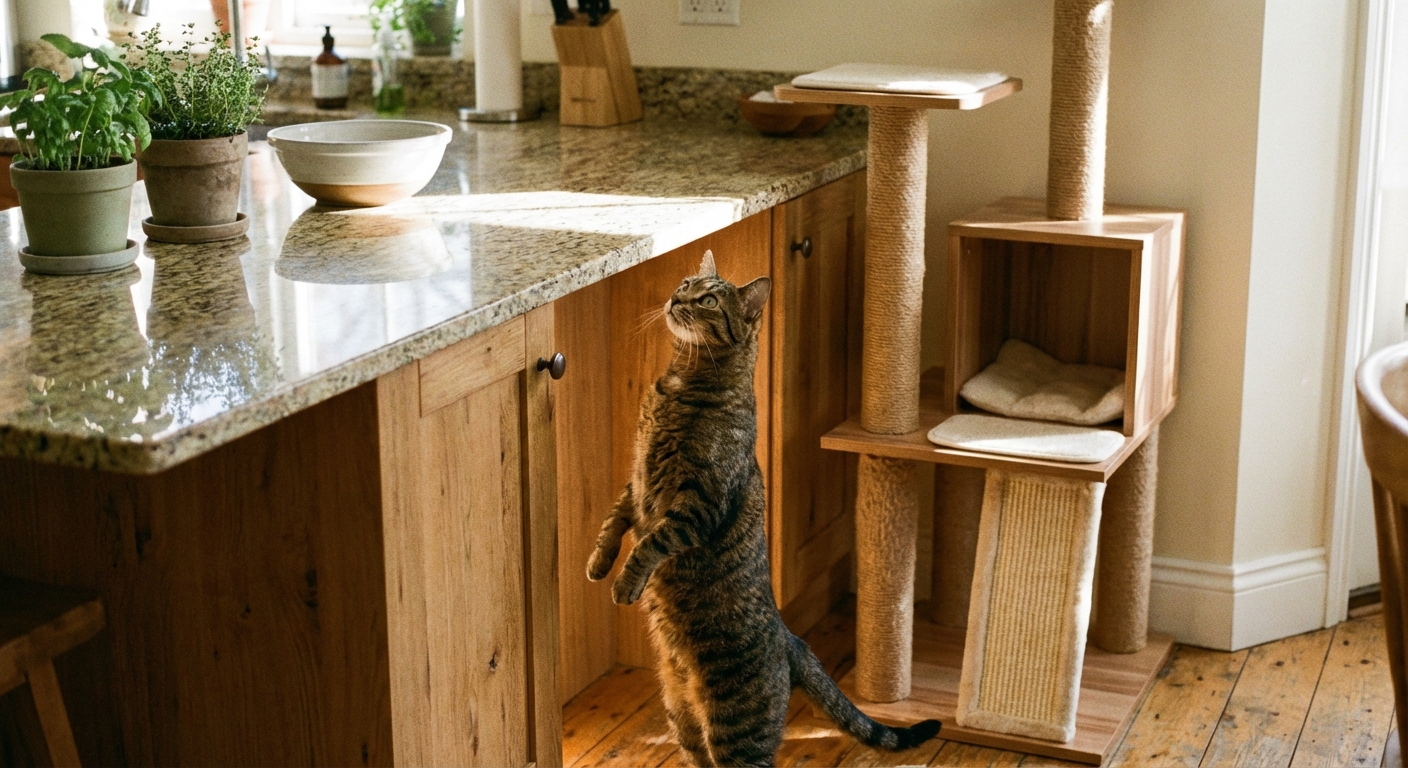
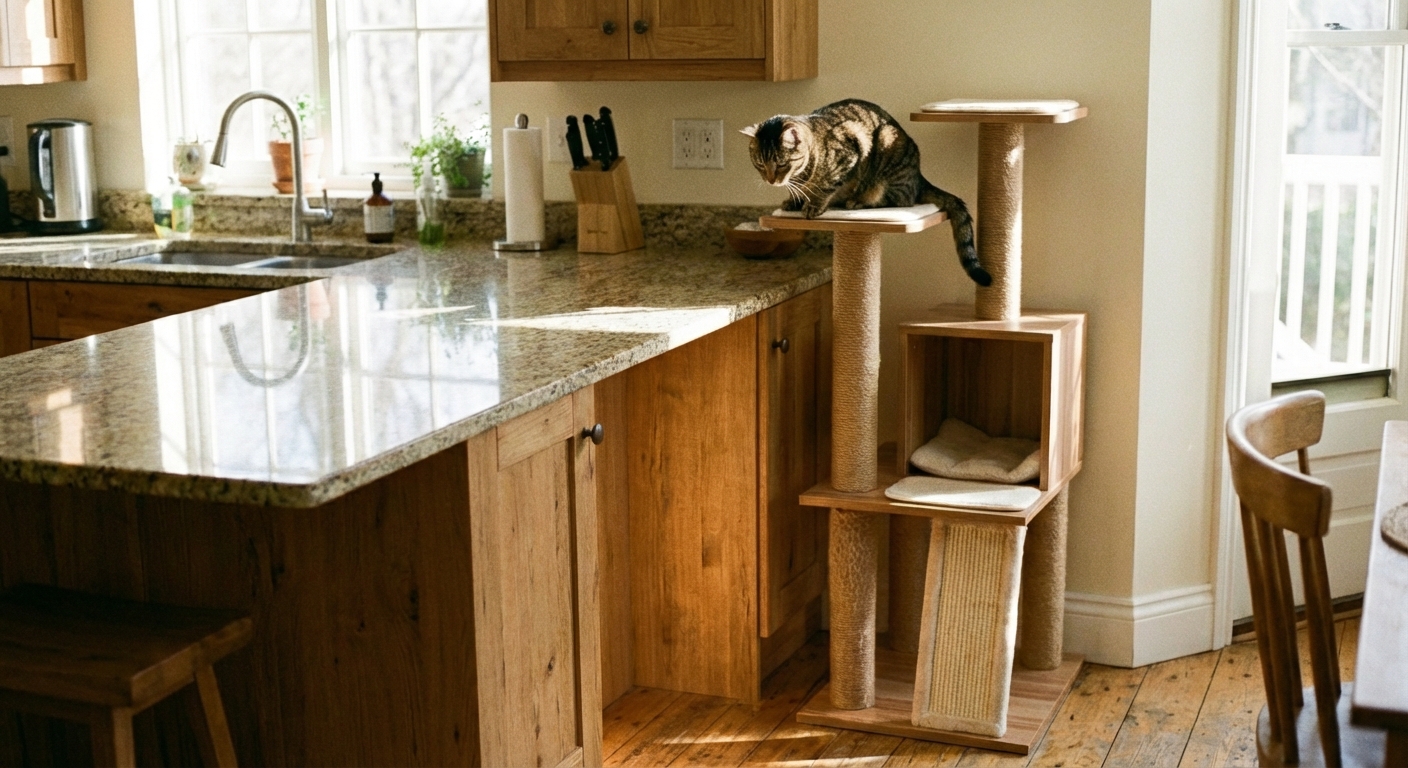
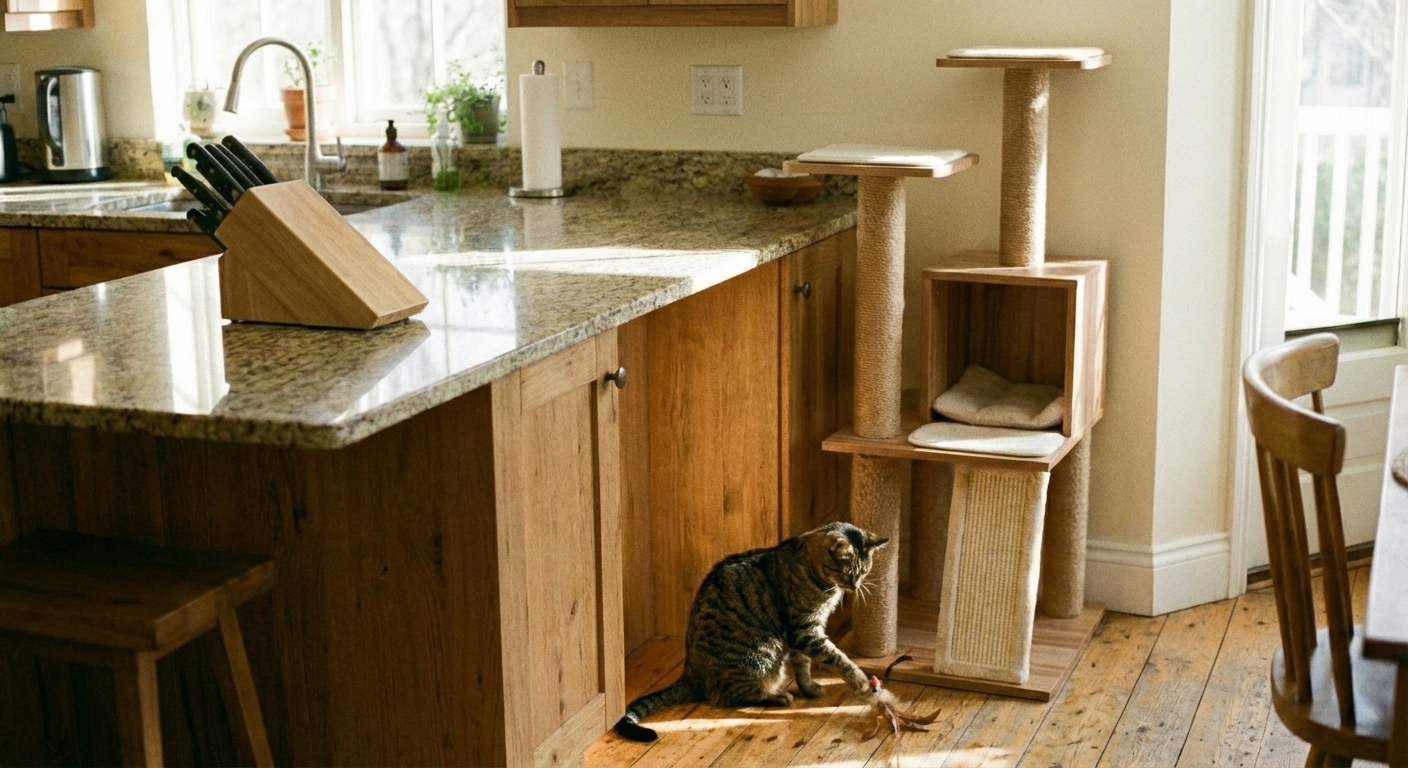
- A tall cat tree placed a few feet from the counter, close enough to watch but clearly separate.
- A window perch near the kitchen.
- A sturdy shelf or cat wall step (if you can install one).
Then actively teach it: when your cat uses the perch, reward with a small treat, praise, or a quick play session. Make the “yes” spot the best seat in the house.
If you have more than one cat: give them more than one “yes” spot so they do not have to compete for the same lookout point.
3) Add a safe, consistent deterrent
Deterrents work best when they’re consistent and not tied to you. If your cat only avoids the counter when you’re watching, that’s a sign the deterrent depends on your presence.
Try one of these cat-safe options:
- Double-sided tape strips placed on the counter edge (many cats dislike the sticky feel).
- Aluminum foil temporarily on problem areas (some cats dislike the texture and sound).
- Scent cues that some cats avoid, like a mild citrus scent on a cloth placed nearby and out of reach. Never apply scents to your cat or to surfaces your cat can lick. Many essential oils are toxic to cats.
- Motion-activated air puff devices placed at the counter (great for consistency, but introduce thoughtfully if your cat is anxious).
Deterrent safety: remove tape or foil before cooking or food prep, and make sure nothing loose can be chewed or swallowed.
Avoid yelling, chasing, scruffing, or spraying water. Those methods can increase stress, harm trust, and often teach your cat to jump up when you are not there.
A routine that sticks
Here is a simple daily plan that works well for most households:
Days 1 to 3
- Deep clean counters and remove all food rewards.
- Set up your cat’s perch near the kitchen.
- Do 2 short reward sessions per day: toss a treat onto the perch when your cat is nearby.
- Add your chosen deterrent to the counter before bedtime and before you leave the house.
Days 4 to 10
- If your cat jumps up, calmly guide them down. For many cats, it’s easier to lure them off with a treat or toy, or cue them to a target, rather than picking them up.
- Bring them to the perch and then pause for 3 to 5 seconds before rewarding. Better yet, reward a specific behavior on the perch (like a sit, a paw touch, or simply four paws staying on the perch) so the treat is linked to the perch behavior, not the counter jump.
- Increase enrichment: 10 minutes of play twice daily (wand toys are great).
- Feed meals or a portion of meals in a puzzle feeder to reduce boredom and food-seeking.
Week 2 and beyond
- Keep rewarding the perch randomly so it stays valuable.
- Gradually reduce deterrents once the habit fades, but keep counters clean.
Follow-through matters. Many cats improve within 1 to 3 weeks when the environment is managed well, but some households need longer. That is normal.
What to do in the moment
If you catch your cat on the counter, try this calm script:
- Say nothing or use a neutral cue like “off.”
- Lure or guide your cat down, or gently place them on the floor if they tolerate handling. Avoid scruffing.
- Redirect to the approved perch.
- Wait a few seconds and reward the perch behavior (for example, staying put, sitting, or touching a target).
Why this works: it prevents accidental reinforcement. If you chase, your cat may interpret it as play or attention.
Optional training upgrade: teach a “go to perch” cue using a treat toss, clicker, or target training. It turns the kitchen into a predictable routine instead of a daily debate.
Food safety and cat safety
Counters are not just a cleanliness issue. They can be a real safety risk.
- Hot surfaces: cats can burn paws on stovetops and griddles even after they are off.
- Sharp tools: knives, peelers, and open cans can injure curious paws.
- Toxic foods: onions, garlic, alcohol, chocolate, xylitol sweeteners, grapes, raisins, and raw dough are common hazards.
Even with training, assume your cat may occasionally get up there. For hygiene, sanitize counters before food prep.
Prevention is kinder than an emergency vet visit.
Troubleshooting
“My cat jumps up at night.”
- Set deterrents before bed.
- Offer a bedtime snack in a puzzle feeder to reduce roaming.
- Add a second vertical perch in a nearby room so your cat has options.
“My cat only does it when I cook.”
- Put the perch close enough that your cat can watch safely.
- Reward your cat for staying on the perch while you prep food.
- Give a lick mat with a tiny smear of wet food on the perch to create a calm station.
“I tried foil and my cat doesn’t care.”
That’s normal. Cats are individuals. Move to a different texture (double-sided tape) or a motion-activated option, and double down on rewarding the alternative perch.
“My cat hates being picked up.”
Skip the lift. Lure them down with a treat, toss a treat onto the floor away from the counter, or use a trained target (like touching a spoon or a stick) to guide them to the perch. The calmer the interaction, the faster this habit fades.
“I feel guilty not letting my cat up.”
You are not being mean. You are creating a safe routine. Cats thrive with clear boundaries when they also have a great alternative that meets their needs.
When to talk to your veterinarian
If counter jumping is new or intense, consider a quick check-in with your vet, especially if you also notice:
- Increased hunger, weight loss, or begging (possible medical causes like hyperthyroidism or diabetes).
- Restlessness, yowling at night, or sudden behavior changes.
- Signs of anxiety or conflict with other pets in the home.
Behavior is health, too. Sometimes solving the underlying issue is the fastest route to a calmer kitchen.
Bottom line
You can keep your cat off the counter by doing three things well: remove the reward, provide a better perch, and use a consistent deterrent that doesn’t depend on you being there. Stay calm, stay consistent, and reward the behaviors you want to see. In most homes, that combination is the real “quick fix.”