Pet-safe ways to deter and remove mice: seal entry points, eliminate food sources, avoid risky “natural” products, use enclosed traps, and clean dropping...
Article
•
Designer Mixes
Keep Mice Away Naturally

Shari Shidate
Designer Mixes contributor
If you have heard tiny scratching in the walls or found little rice-sized droppings in a cabinet, you are not alone. Mice are incredibly common in homes across the country, especially when the weather swings hot or cold and they go looking for food, water, and cozy shelter.
The good news is you can do a lot without harsh chemicals. The most effective natural plan is not one trick. It is a three-part strategy: remove what attracts them, block how they get in, and use smart traps to stop an active problem quickly.
Know the basics
House mice can squeeze through openings about the size of a dime. They are curious, they follow edges like baseboards, and they will return to a reliable food source night after night.
Common signs
- Small dark droppings in drawers, cabinets, pantry corners, or along walls
- Greasy rub marks along baseboards or behind appliances
- Shredded paper or fabric used as nesting material
- Sounds at night, especially in walls, ceilings, or under cabinets
- Pet food disappearing or chewed packaging
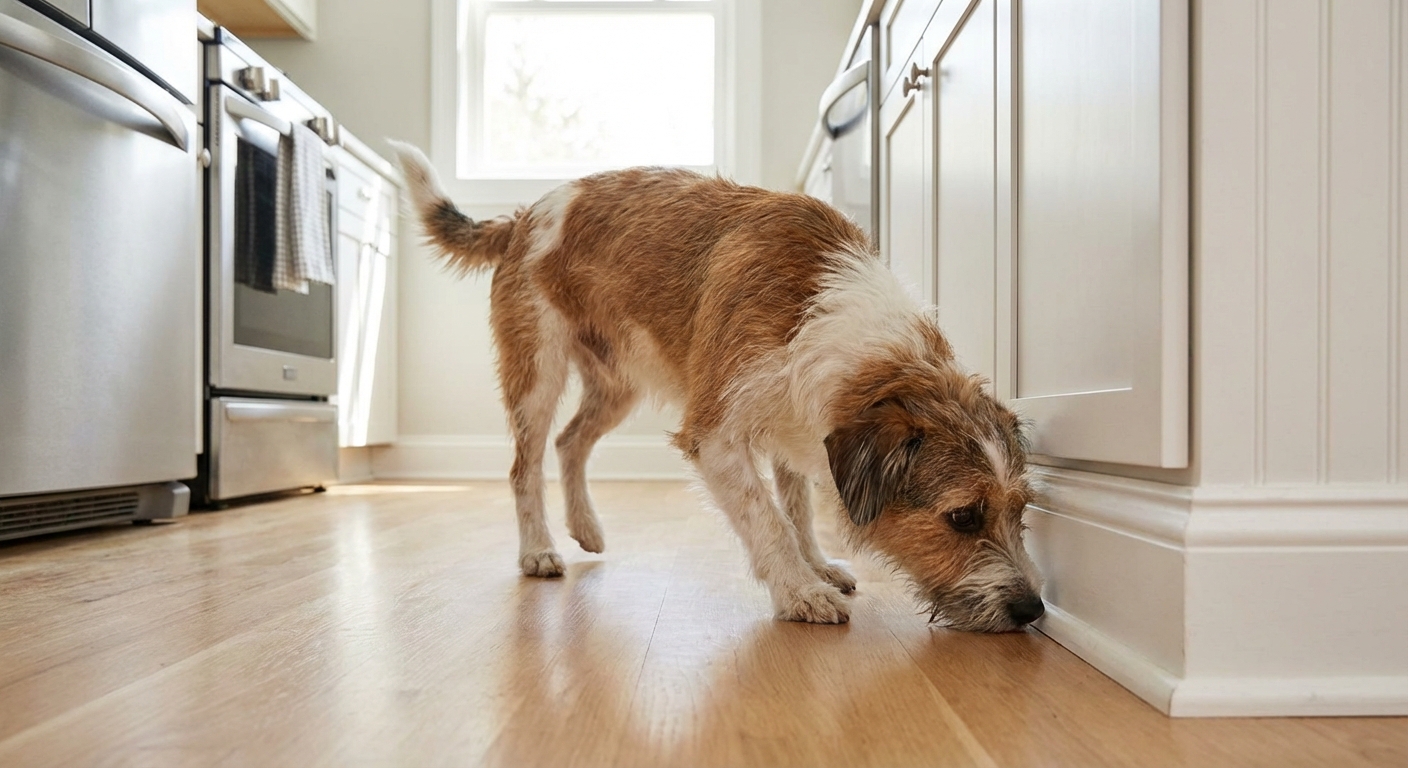
If you have pets, treat this as a health issue too. Mice can contaminate food and surfaces and may carry parasites or bacteria. If your dog or cat is hunting, catching, or mouthing rodents, talk with your veterinarian about parasite prevention.
Natural scents
Let’s be honest and evidence-based. Strong scents can discourage mice in specific spots, but they rarely solve an infestation by themselves. Think of scents as a supporting tool for small, targeted areas after you have cleaned and sealed entry points.
Scents that may deter mice
- Peppermint oil: Often used because it is strong and volatile. Use only in areas pets cannot access.
- Clove oil or eucalyptus oil: Similar concept, strong odor that can make an area less inviting.
- Vinegar: Great for cleaning scent trails on hard surfaces.
Use peppermint oil safely
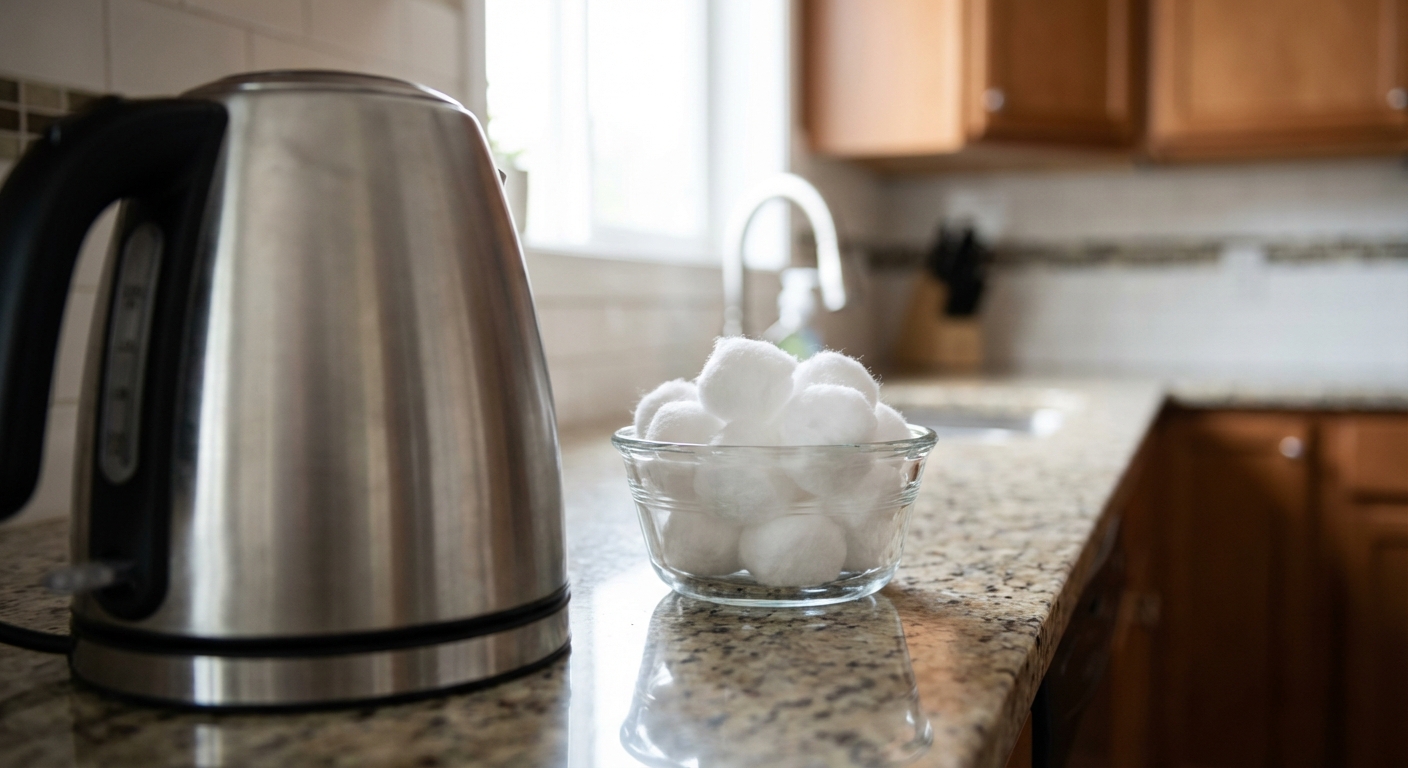
Add 10 to 15 drops of peppermint essential oil to cotton balls and place them in small dishes near known entry points, behind the stove, or under the sink. Replace every 3 to 4 days. Do not place where pets can chew them.
Pet safety note: Essential oils can irritate airways and can be toxic if licked or absorbed, especially for cats. If you have pets, prioritize proofing and traps, and use scents only in sealed, pet-free spaces.
Clean-up
Mice do not need much to thrive. A few crumbs under a toaster or a dripping pipe under a sink can keep them coming back.
Droppings safety first
If you find droppings, do not dry sweep or vacuum them. That can kick contaminated dust into the air. Instead, wear gloves, lightly spray the area with a disinfectant (or a bleach solution made for disinfection), let it soak for a few minutes, then wipe up with paper towels. Bag the waste, seal it, and wash hands afterward.
Food control checklist
- Store cereal, crackers, flour, and pet treats in hard plastic or glass containers with tight lids
- Do not leave pet food out overnight
- Wipe counters and clean floors daily during an active problem (use a damp mop or disinfecting wipes, not dry sweeping around droppings)
- Pull the stove and fridge out and clean along the edges and underneath
- Use a lidded trash can and take trash out regularly
Water control checklist
- Fix slow leaks under sinks and behind toilets
- Do not leave water in pet bowls overnight if you suspect mice are drinking from them
- Run a dehumidifier in damp laundry rooms or garages if needed
Proofing
Trapping gets rid of the mice you have today. Proofing helps prevent the next wave. This is where most natural plans either succeed or fail.
What to seal and how
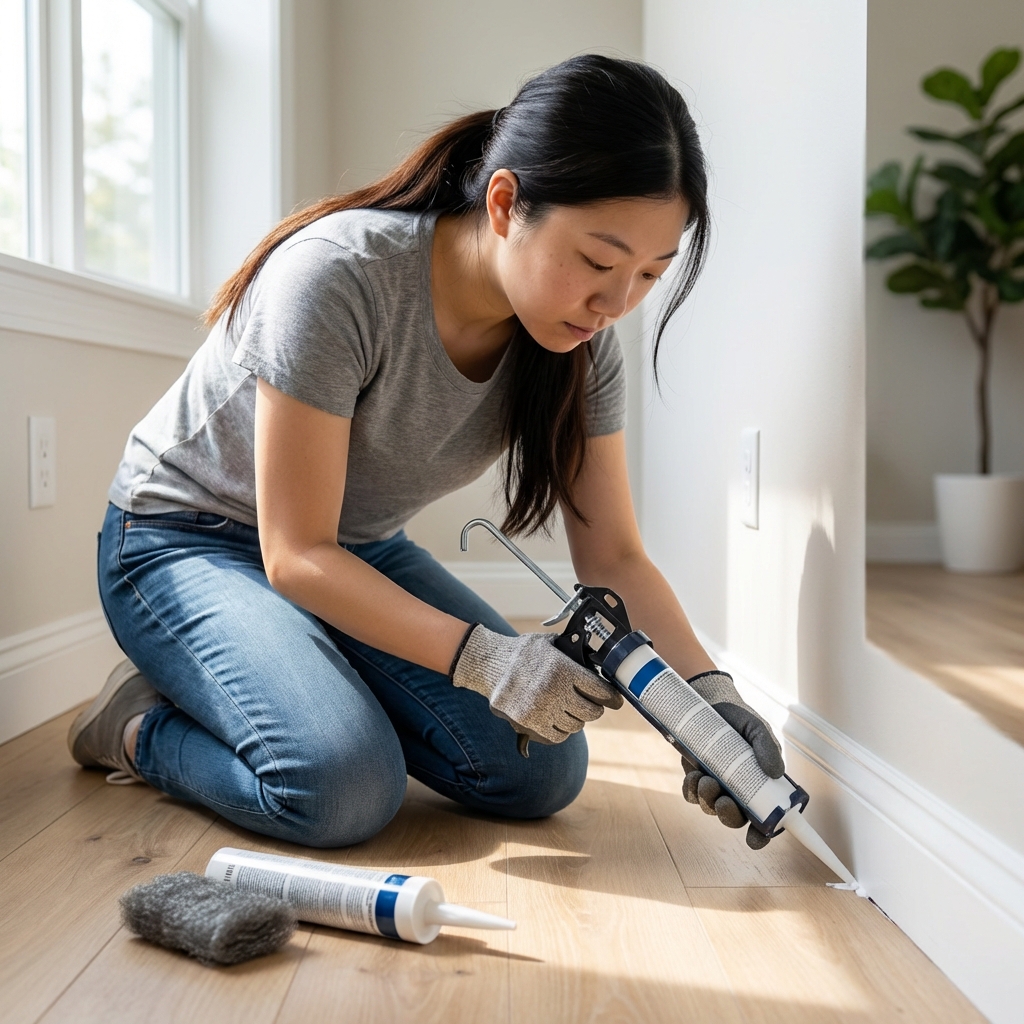
- Small gaps (up to about 1/4 inch): Use caulk.
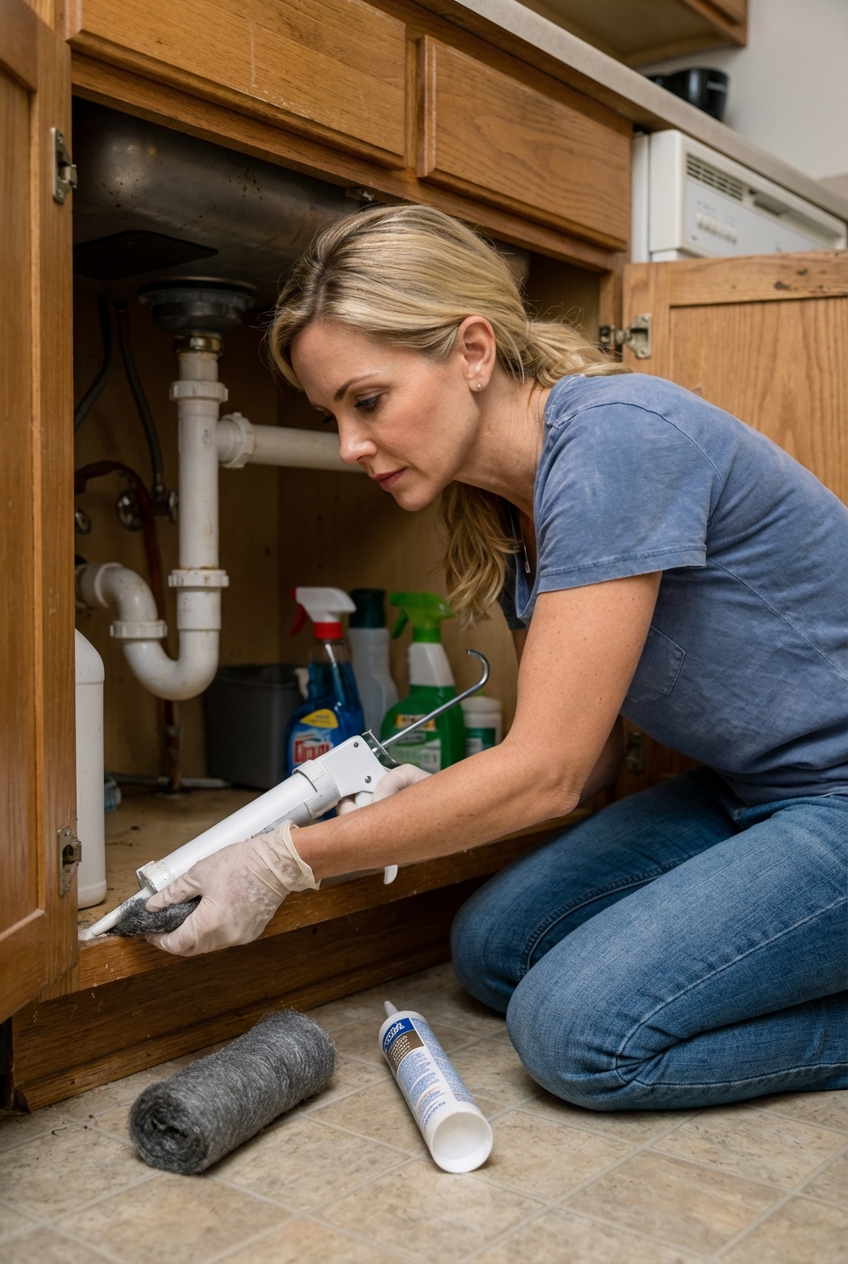
- Medium gaps: Pack with copper mesh (or steel wool), then seal over with caulk so it stays in place. Copper mesh is rust-proof and tends to last longer.
- Larger openings: Use metal flashing, hardware cloth, or a door sweep, then secure tightly.
High-priority areas
- Where pipes enter under sinks and behind toilets
- Gaps behind the stove and dishwasher
- Garage door corners and the door seal along the bottom
- Attic access points, soffit gaps, and roofline openings
- Foundation vents and weep holes (use hardware cloth, do not block airflow)
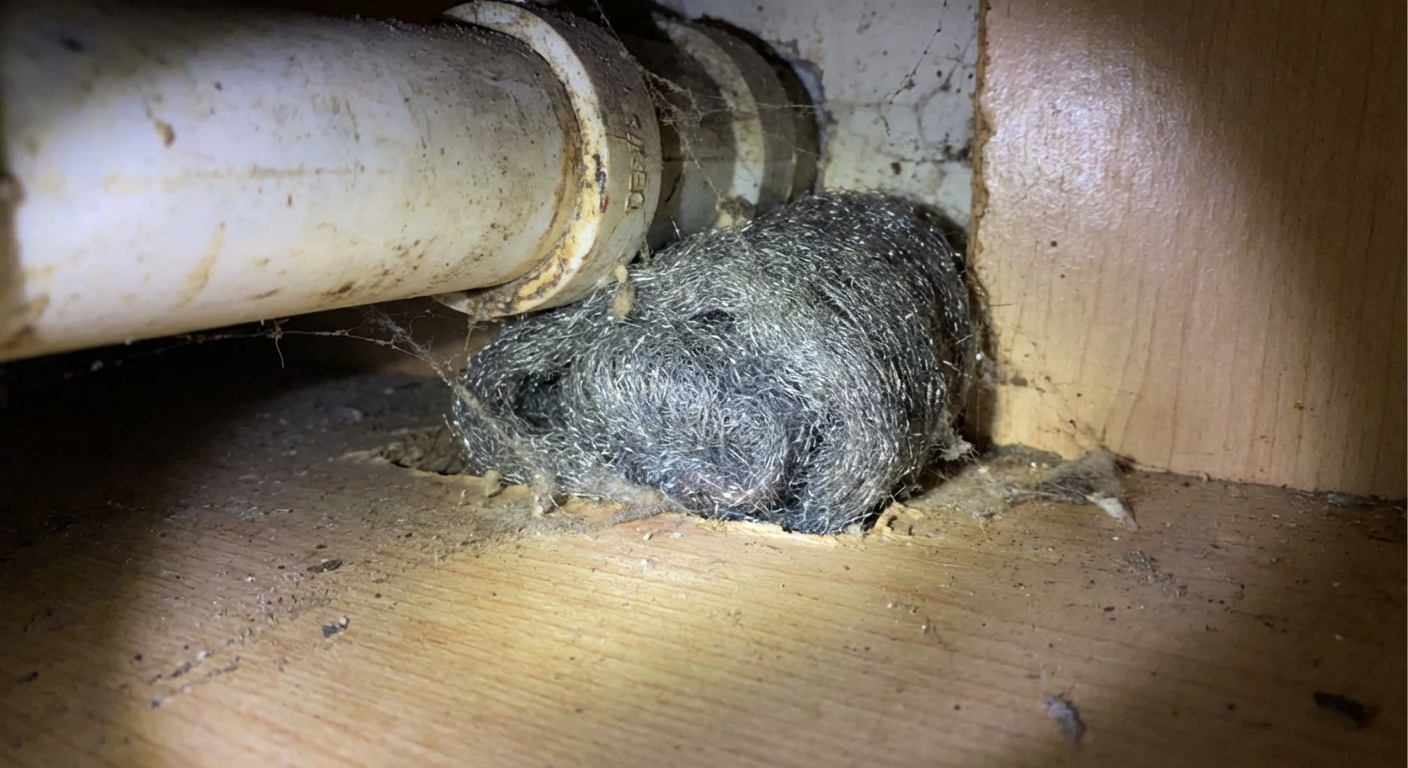
Quick reality check: Expanding foam alone is not enough. Mice can chew it. Foam can be useful only when combined with a chew-resistant barrier like copper mesh, steel wool, or metal mesh.
Traps
If you are currently seeing droppings or hearing activity, you will get the quickest results with traps. Traps are also more predictable than relying on scent deterrents.
Best options
- Snap traps: Very effective when placed correctly. Choose a quality model and use enough of them.
- Enclosed snap traps: Good for homes with kids or pets because they limit access.
- Electric traps: Effective and enclosed, but more expensive.
What to avoid
- Glue traps: Not recommended. They cause prolonged suffering and can trap non-target animals.
- Rodent poison (anticoagulants and others): High risk to pets and wildlife through secondary poisoning. If your dog eats a poisoned mouse, that can become a veterinary emergency.
Placement
Place traps along walls where mice travel, not in the middle of a room. Put the trigger end facing the wall. Start with 6 to 12 traps for a typical kitchen or garage problem, spaced 6 to 10 feet apart.
Best baits
- A pea-sized smear of peanut butter
- Small piece of chocolate or soft granola
- A tiny bit of bacon (use sparingly)
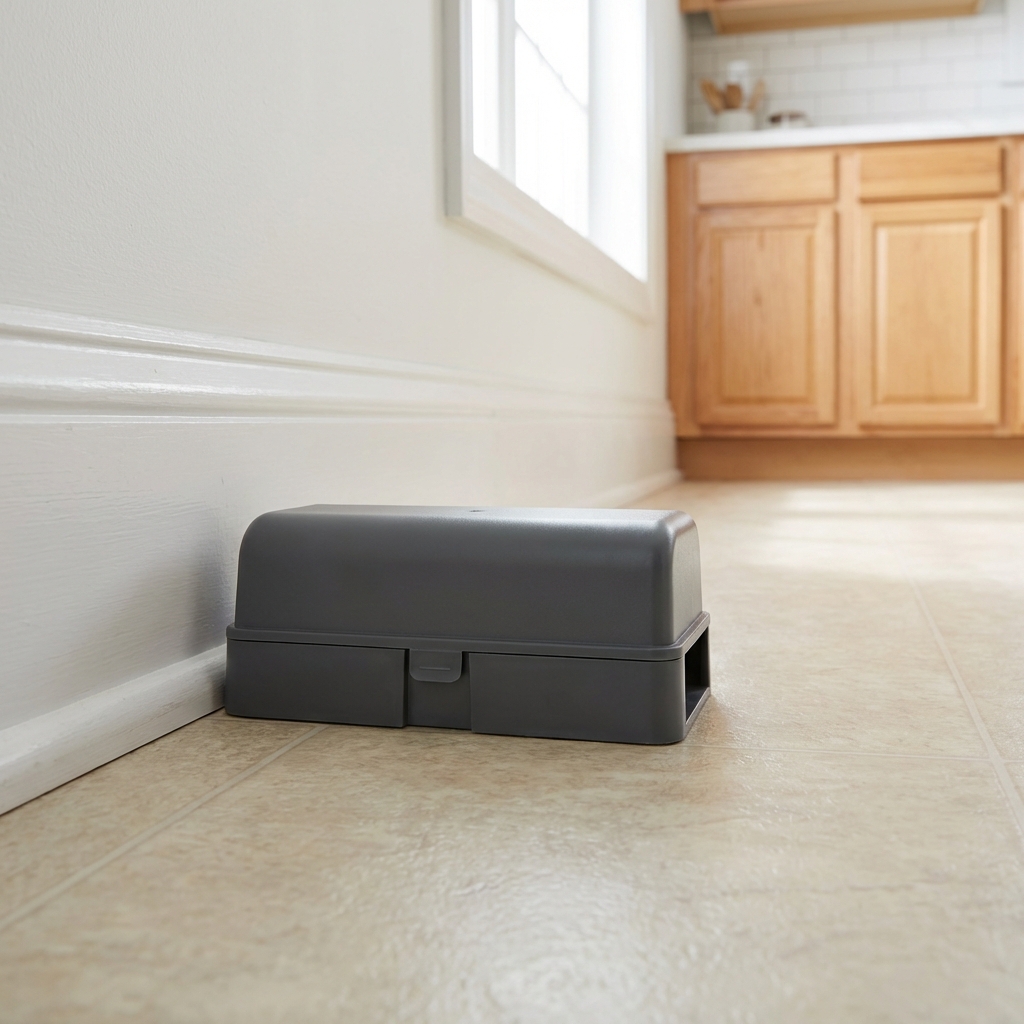
Pro tip: Wear gloves when handling traps and bait. It reduces human scent and keeps the process more hygienic.
Live traps
Live traps can work, but they come with two big challenges: mice can become stressed quickly, and if you release them too close, they may return.
- Check live traps at least twice daily.
- Release at least 2 miles away to reduce the odds of a return, and be mindful of local laws and wildlife guidance.
- Continue proofing your home. Without sealing entry points, live trapping can turn into an endless cycle.
Outdoor prevention
Outdoor steps reduce the odds of mice moving in, especially around garages and foundations.
- Trim plants so there is an 18 to 24 inch gap between shrubs and your home
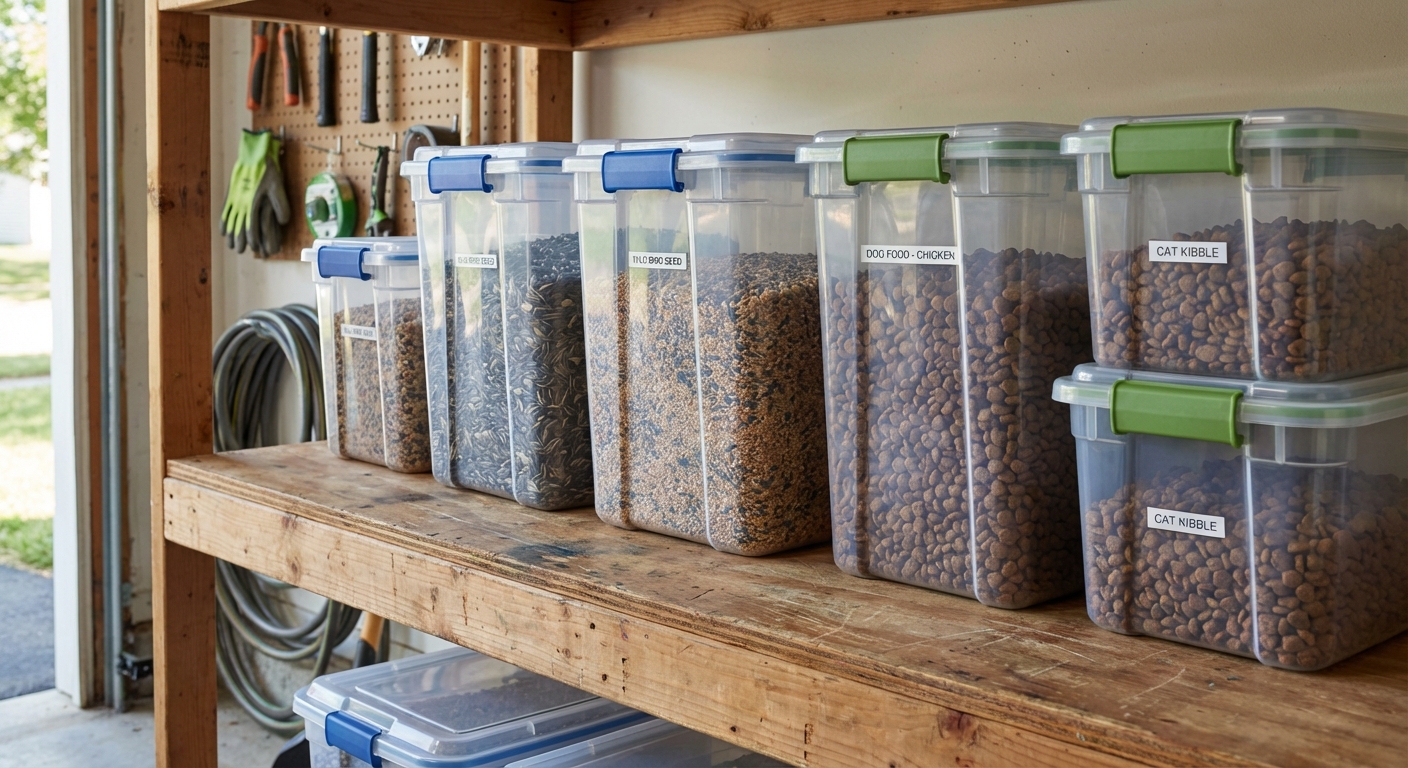
- Store bird seed and pet food in sealed bins
- Keep woodpiles at least 20 feet from the house and elevated off the ground
- Pick up fallen fruit from trees quickly
- Use tight lids on outdoor trash bins
When to call a pro
If you are catching multiple mice per week, finding droppings in several rooms, or noticing activity in the attic or HVAC areas, it may be time to bring in a licensed pest professional. A good pro will focus on exclusion work, not just bait.
Also consider professional help right away if anyone in the home is immunocompromised, or if you suspect a heavy infestation with widespread droppings. Cleaning large amounts of rodent waste requires careful protection and disinfecting.
Start today
- Tonight: Put all pantry foods and pet food into sealed containers. Wipe counters. If you see droppings, spray with disinfectant, let it soak, then wipe up with paper towels while wearing gloves.
- Tomorrow: Set 6 to 12 traps along walls in the kitchen, pantry, garage, or laundry room.
- This weekend: Seal gaps under sinks, around pipes, and at doors with copper mesh (or steel wool) plus caulk, and install door sweeps.
- Ongoing: Keep clutter down, fix leaks, and maintain outdoor trimming.
Little steps add up quickly. If you do not want to go fully DIY, start with proofing and a few well-placed enclosed traps. Those two changes alone can make a big difference.