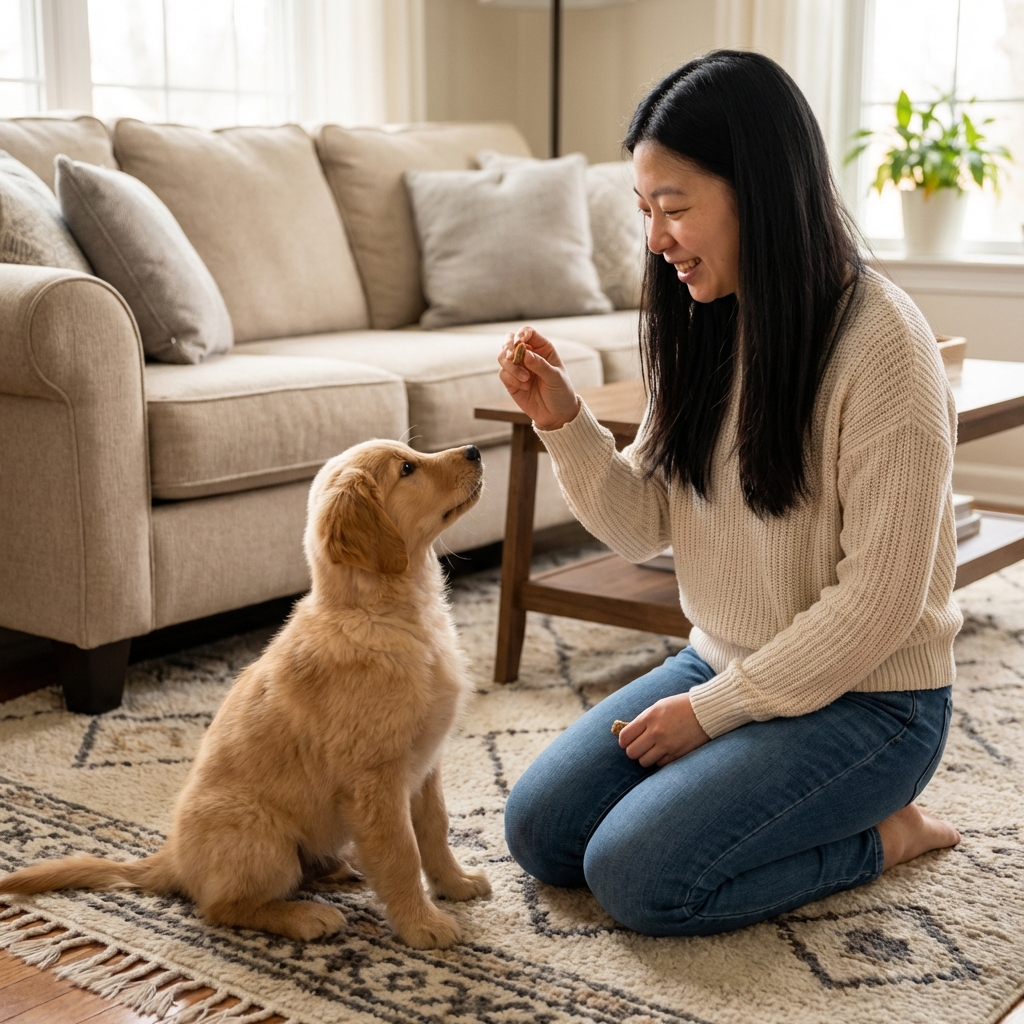
Considering a Yorkipoo? Learn expected size and lifespan, personality and barking tendencies, exercise needs, grooming and shedding, training tips, and key h...
Article
•
Designer Mixes
Jackapoo
Designer Mixes contributor
Meet the Jackapoo
The Jackapoo is a mixed-breed dog most often created by crossing a Jack Russell Terrier with a Poodle (usually a Miniature Poodle, sometimes a Toy or Standard). People are drawn to Jackapoos for their lively personality, bright intelligence, and often lower-shedding coat compared with many terrier mixes. Like all mixes, though, a Jackapoo can inherit a wide range of traits from either parent, so it helps to understand what each breed brings to the table.
On Designer Mixes, I like to emphasize one key principle: the best match is not about a trend, it is about fit. The Jackapoo can be a wonderful companion for an active household that enjoys training, play, and daily movement. In terms of long-term commitment, many Jackapoos live around 12 to 15 years, though genetics, size, and preventive care can influence that range.

Temperament and Personality
Jackapoos are typically affectionate, people-oriented dogs with a curious streak. Many are playful and energetic, with a terrier-like love of games and a Poodle-like eagerness to learn. That combination can be delightful, but it also means they can get bored quickly if their day lacks structure.
Common personality traits
- High energy: Often enthusiastic about walks, fetch, and interactive play.
- Smart and trainable: Many pick up cues quickly, especially with positive reinforcement.
- Alert: They may bark when they hear new sounds or see movement outside.
- Bold: Some inherit the Jack Russell’s fearless approach to life, which is charming but may require thoughtful boundaries.
Early socialization matters. Exposing a Jackapoo puppy to different people, gentle dogs, everyday sounds, and new environments helps shape a confident adult dog.
Size, Coat, and Appearance
Because this is a crossbreed, appearance varies. Most Jackapoos land in the small-to-medium range, but height and weight depend on the Poodle size used in the pairing.
What to expect
- Size: Often around 10 to 25 pounds, though some can be smaller or larger.
- Coat: Can range from wavy and low-shedding to wiry or more terrier-like shedding. Curly coats may mat if not brushed routinely.
- Colors: White, black, tan, brown, apricot, or combinations, sometimes with distinctive terrier markings.
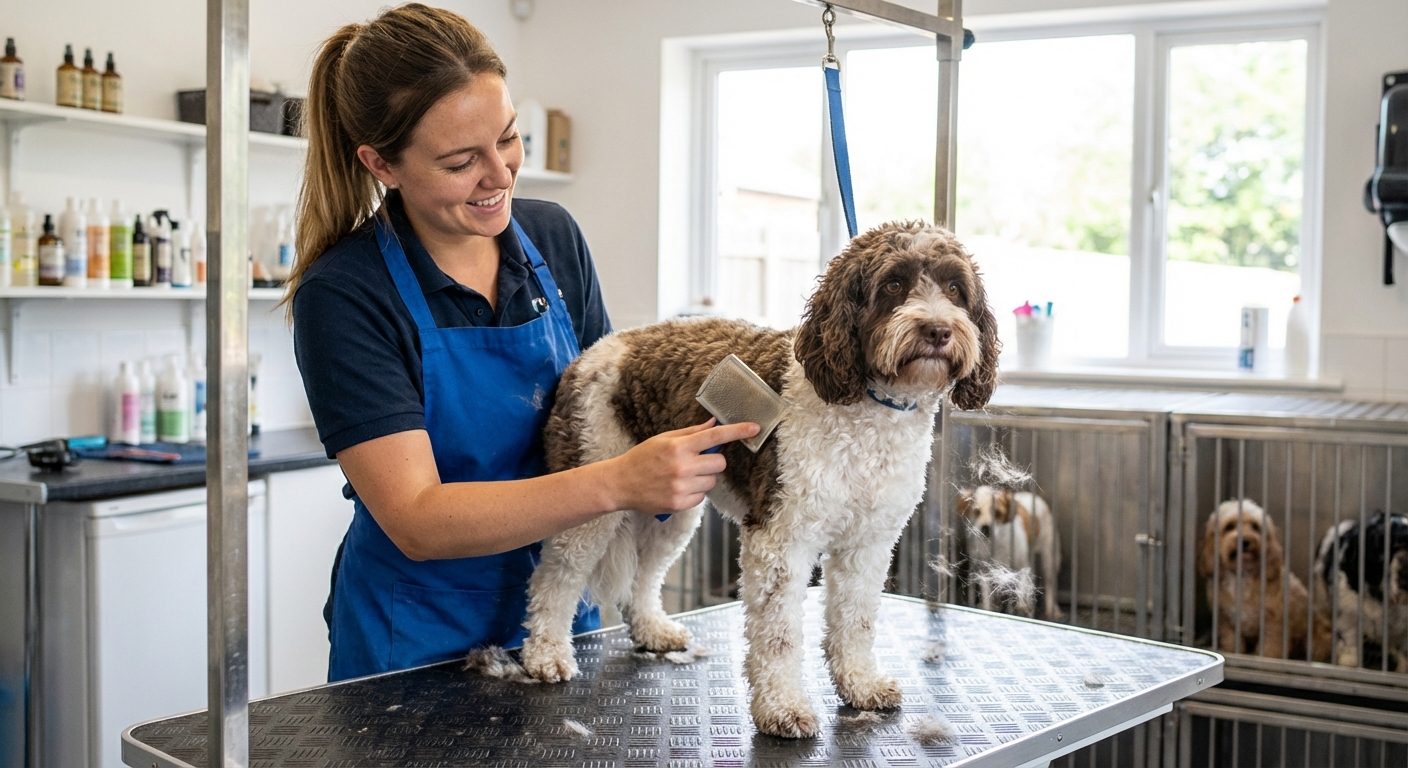
If allergies are a concern, it is important to know that no dog is truly hypoallergenic. Lower shedding can help some people, but dander and saliva still play a role. Spending time with the individual dog before committing is the most practical step.
Exercise and Enrichment Needs
Jackapoos generally thrive with consistent daily activity. A quick potty walk rarely satisfies this mix. Think of exercise as both physical and mental. That combination supports better behavior, sleep, and overall wellbeing.
Daily activity ideas
- Brisk walks: 30 to 60 minutes total per day for many adult Jackapoos, split into two outings.
- Play sessions: Fetch, tug, or flirt pole games in short bursts.
- Brain work: Food puzzles, snuffle mats, and short training drills.
- Safe off-leash time: Only in secure areas, as some may chase squirrels or dart after moving objects.
In lifestyle medicine, we talk about designing environments that make healthy choices easier. The same is true for dogs. If your Jackapoo has access to chew toys, puzzle feeders, and predictable routines, you will often see fewer issues like excessive barking or destructive chewing.
Training and Behavior Tips
This mix is often highly trainable, but consistency is essential. Terrier independence plus Poodle intelligence can lead to a dog that negotiates rules if they sense mixed messages.
Approach that works well
- Positive reinforcement: Reward the behaviors you want with treats, praise, or play.
- Short sessions: 5 to 10 minutes at a time keeps focus high.
- Impulse control: Practice “wait,” “leave it,” and “place” to reduce jumping and chasing.
- Quiet training: Teach “quiet” by rewarding calm pauses, and reduce triggers when possible.
If you notice persistent reactivity, separation distress, or resource guarding, consider working with a certified trainer or veterinary behaviorist. Early support can prevent small issues from becoming deeply ingrained habits.
Health Considerations
Mixed breeds can benefit from genetic diversity, but they can still inherit health risks from either parent line. Responsible breeders screen parent dogs and openly share results. Many Jackapoos live around 12 to 15 years, which makes preventive care and sustainable daily routines especially important.
Conditions to discuss with your veterinarian
- Patellar luxation: Common in small breeds, affects the kneecap.
- Dental disease: Small dogs often need proactive dental care.
- Allergies and skin irritation: Can show up as itching, ear infections, or licking paws.
- Eye issues: Both parent breeds can carry risks for certain eye conditions.
- Hip dysplasia: Possible, especially in larger lines.
Plan for routine wellness visits, vaccinations as advised by your vet, parasite prevention, and regular weight checks. Maintaining a healthy body condition is one of the most powerful predictors of long-term comfort and mobility for any dog.

Feeding and Healthy Weight
Jackapoos tend to be enthusiastic eaters, and their small size means extra calories add up quickly. A balanced diet and measured portions help prevent weight gain, which can worsen joint stress and reduce energy over time.
Practical nutrition tips
- Choose a complete diet: Look for a reputable brand that meets AAFCO standards for the appropriate life stage.
- Measure meals: Use a measuring cup or kitchen scale to stay consistent.
- Use treats strategically: Keep treats to a small portion of daily calories and consider using kibble as training rewards.
- Watch for “stealth calories”: Chews, table scraps, and frequent snack bites can quietly stack up.
As a nutrition-focused clinician, I remind pet parents that consistency is what builds results. Small daily choices, like swapping high-calorie treats for a bit of their regular food, can make a meaningful difference across months and years.
Grooming and Coat Care
Grooming needs depend on coat type. A curlier, more Poodle-like coat typically requires more frequent brushing and professional grooming to prevent mats. A more terrier-like coat may shed more and need different tools.
Typical grooming routine
- Brushing: Several times per week for wavy or curly coats, less for short coats.
- Professional grooming: Often every 6 to 10 weeks if the coat grows continuously.
- Ear care: Check weekly, especially if your Jackapoo has floppy ears or recurrent infections.
- Nail trims: Usually every 3 to 6 weeks, depending on activity level.
- Dental hygiene: Brush teeth regularly and discuss dental cleanings with your veterinarian.
Is a Jackapoo Right for You?
A Jackapoo can be a great fit for someone who wants an energetic, engaging companion and has time for training and daily activity. They often do well with families, singles, or couples who enjoy an interactive dog, but they may struggle in homes where they are left alone for long stretches without enrichment.
A Jackapoo may be a good match if you want:
- A playful dog that enjoys learning tricks and cues
- An active walking or jogging companion
- A smaller dog with a big personality
- A dog that benefits from structured routines and enrichment
You may want to think twice if:
- You prefer a very calm, low-energy dog
- You are unable to commit to consistent training
- You are looking for a guaranteed low-shedding coat
If you are considering adopting, ask about the dog’s daily routine, comfort around children and other pets, and any known triggers. If you are working with a breeder, request health testing documentation for both parent dogs and spend time observing temperament.
Starting your home routine right sets the tone for everything that follows. Small, consistent habits, like two daily walks and five minutes of training, compound into remarkable results over time for both you and your Jackapoo.