Jack Russell Terriers are tiny athletes with turbocharged brains. In my work as a veterinary assistant, they are some of the most fun dogs to work with, and also some of the quickest to get bored. If you are considering a Jack Russell, or you already share your couch with one who would rather be hunting, digging, or sprinting, this guide will help you channel that drive into healthy routines.
Jack Russell vs. Parson Russell: quick clarity
Many people use “Jack Russell Terrier” as a catch-all, but you may also hear Parson Russell Terrier and Russell Terrier. In plain language, they all come from similar working terrier roots, originally developed for fox hunting. In some kennel clubs and registries, Parson Russell and Russell Terriers are distinct breeds with specific standards, while “Jack Russell” is often used as an umbrella term in everyday pet life.
- Parson Russell Terrier is typically longer-legged, a bit taller, and more balanced in proportion.
- Russell Terrier is generally shorter-legged and more compact.
- Jack Russell Terrier is a commonly used name that can refer to dogs with a range of looks, especially outside formal breed registries.
What matters most for most families is not the exact name on paper. It is the terrier package: high energy, high curiosity, and a strong urge to chase.
Energy level: what it really means
For many breeds, a walk around the block counts as exercise. For a Jack Russell, that is often just a warm-up. These dogs were designed to work, problem-solve, and keep going.
How much exercise does a Jack Russell need?
There is no perfect number because age, health, and personality matter. But many healthy adult Jack Russells do best with a mix of:
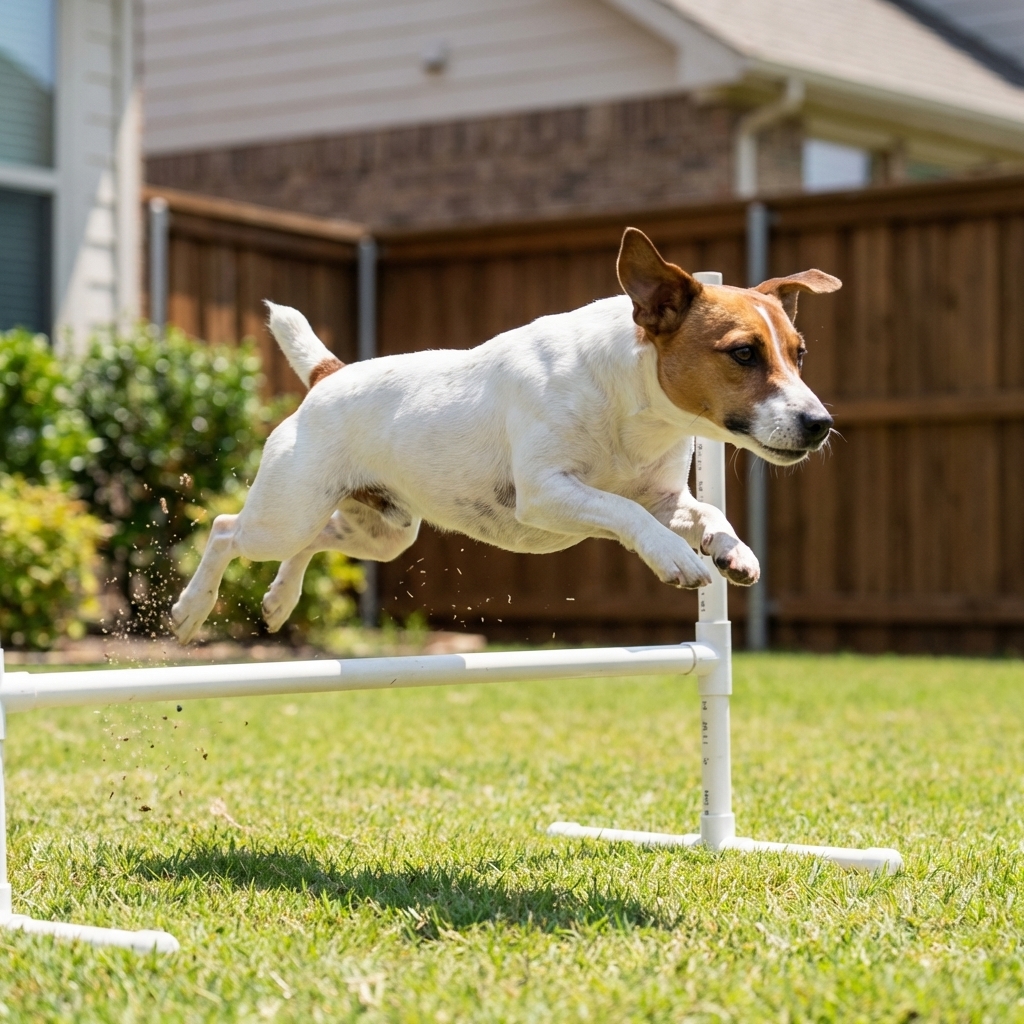
- Daily aerobic activity (think brisk walking, jogging, fetch, flirt pole sessions, or hiking)
- Short training sessions sprinkled throughout the day
- Enrichment that uses the nose and brain, not just the legs
If your dog seems “wired” inside the house, it is often a sign they need more structured outlets, not punishment. A tired Jack Russell is usually a happier and more polite Jack Russell.
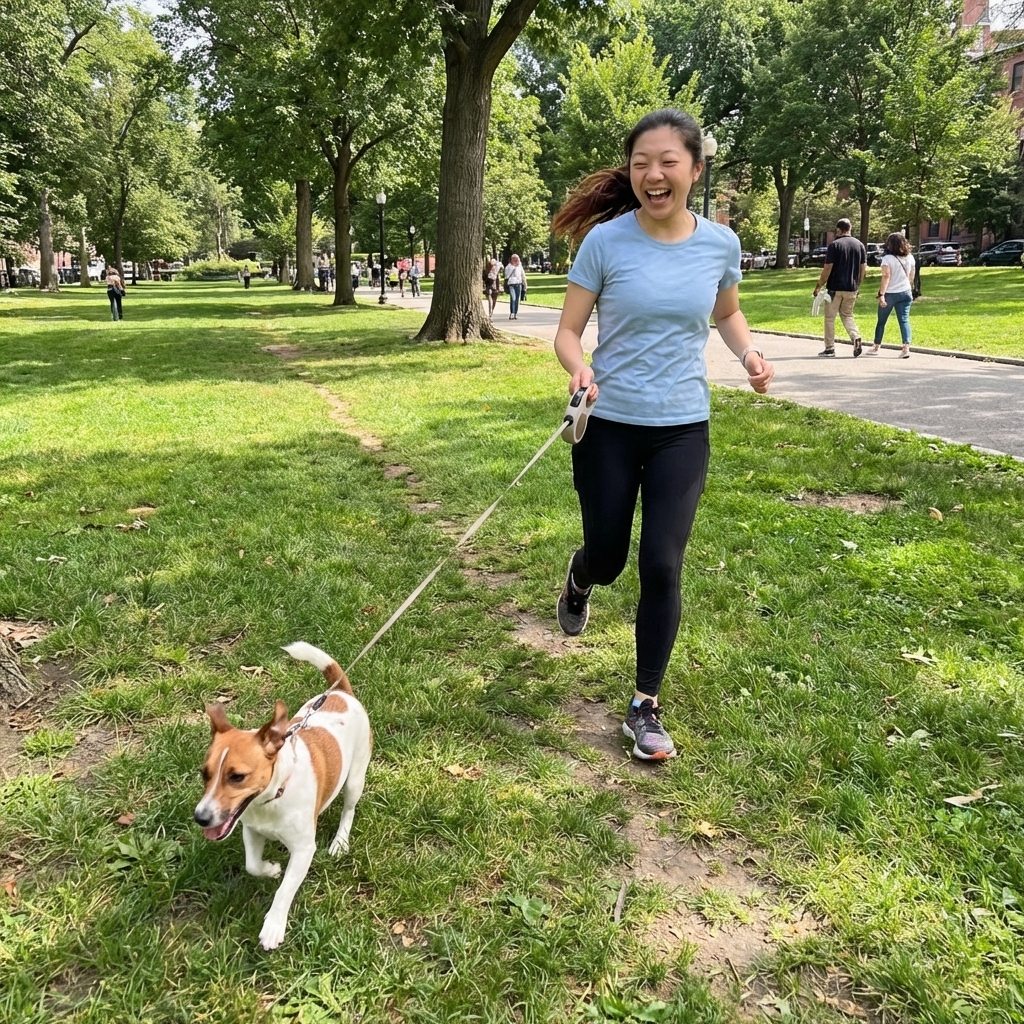
Puppies and seniors: exercise safely
Jack Russells can look like they are built for nonstop action, but the plan should match the life stage.
- Puppies: Keep exercise varied and age-appropriate. Limit repetitive high-impact jumping and long forced runs while growth plates are still developing. Use training, sniffing, and short play sessions to burn energy without overloading joints.
- Seniors: Many still have plenty of drive, but arthritis, dental pain, and vision or hearing changes can shift behavior. Choose lower-impact options like sniff walks, gentle fetching on flat ground, and more brain games.
If your dog suddenly cannot settle, resists jumping, or has new irritability, loop in your veterinarian. Pain can look like “stubbornness.”
Prey drive: not a bad dog problem
Prey drive is the instinct to notice, chase, and grab fast-moving small animals. With Jack Russells, it is often strong. That does not mean your dog is “mean.” It means your dog is doing what terriers were built to do.
Common triggers
- Squirrels, rabbits, and birds
- Cats that run
- Small pets like hamsters, rats, gerbils, and backyard chickens
- Fast toys, skateboards, and even kids running
Safety basics you should not skip
- Use secure fencing. Many Jack Russells can climb, squeeze, and dig under fences.
- Choose a strong leash setup. A well-fitted harness can protect the neck if they lunge. Many families like a front-clip harness for extra steering, and any harness should fit well to avoid rubbing or restricting shoulder movement.
- Practice recall, but do not trust it blindly. Even well-trained terriers can “go deaf” when prey is involved. Use a long line for safer practice in open areas.
My goal for most families is not to erase prey drive. It is to manage it and redirect it to appropriate games.
Training that fits their brain
Jack Russells are smart, fast learners. The tricky part is that they are also independent and easily reinforced by their own fun, like chasing a squirrel or shredding a pillow. Training needs to be consistent, rewarding, and short enough to keep them engaged.
Best training style
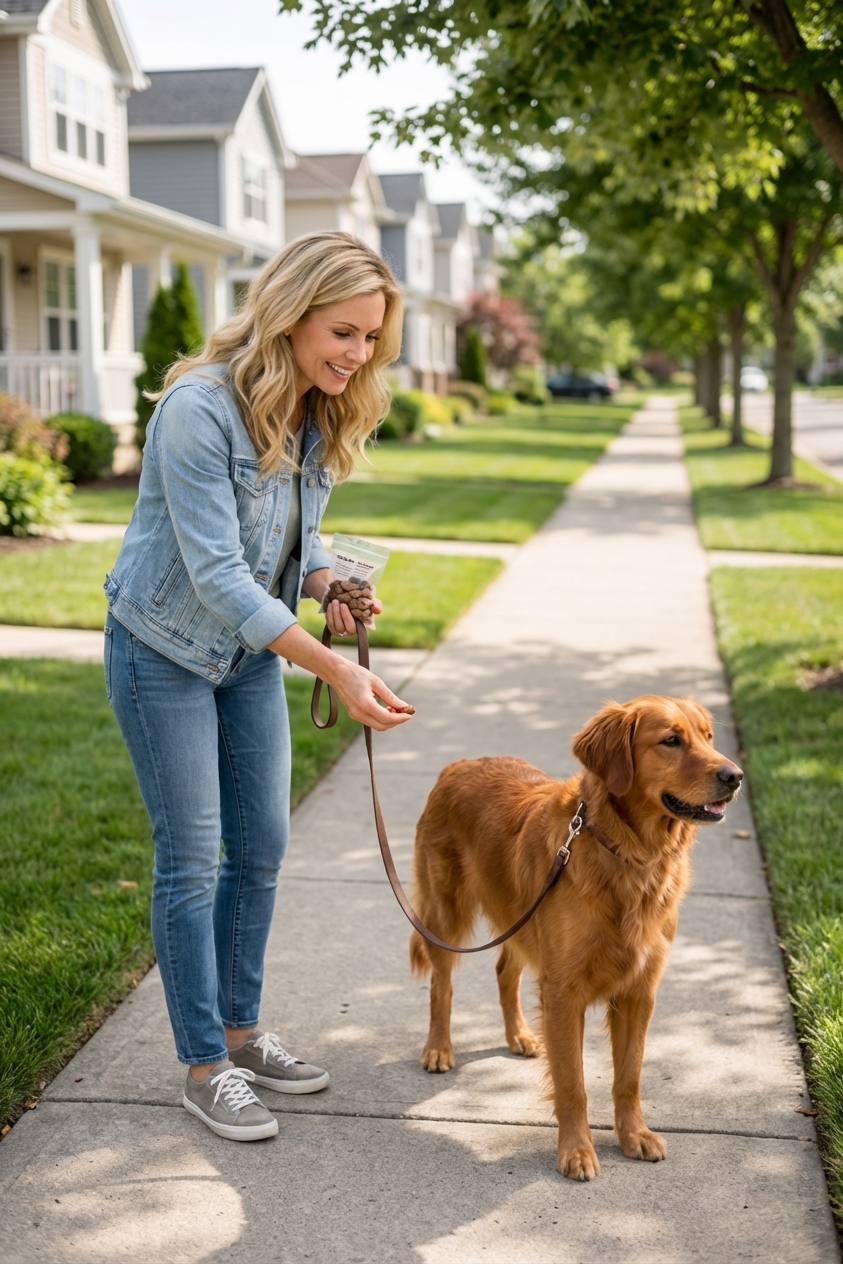
- Positive reinforcement: reward behaviors you want with treats, toys, praise, or play
- Short sessions: 3 to 8 minutes, multiple times a day
- Real-life rewards: ask for “sit” before the leash goes on, “look” before you toss a ball
Core skills to prioritize
- Recall (come when called), practiced on a long line first
- Leave it and drop it for safety
- Place or mat training to build an off-switch
- Loose-leash walking to reduce lunging and frustration
If your Jack Russell is “stubborn,” it often means the reward is not valuable enough, the distraction is too strong, or the steps are too big. Make it easier, pay better, and build up slowly.
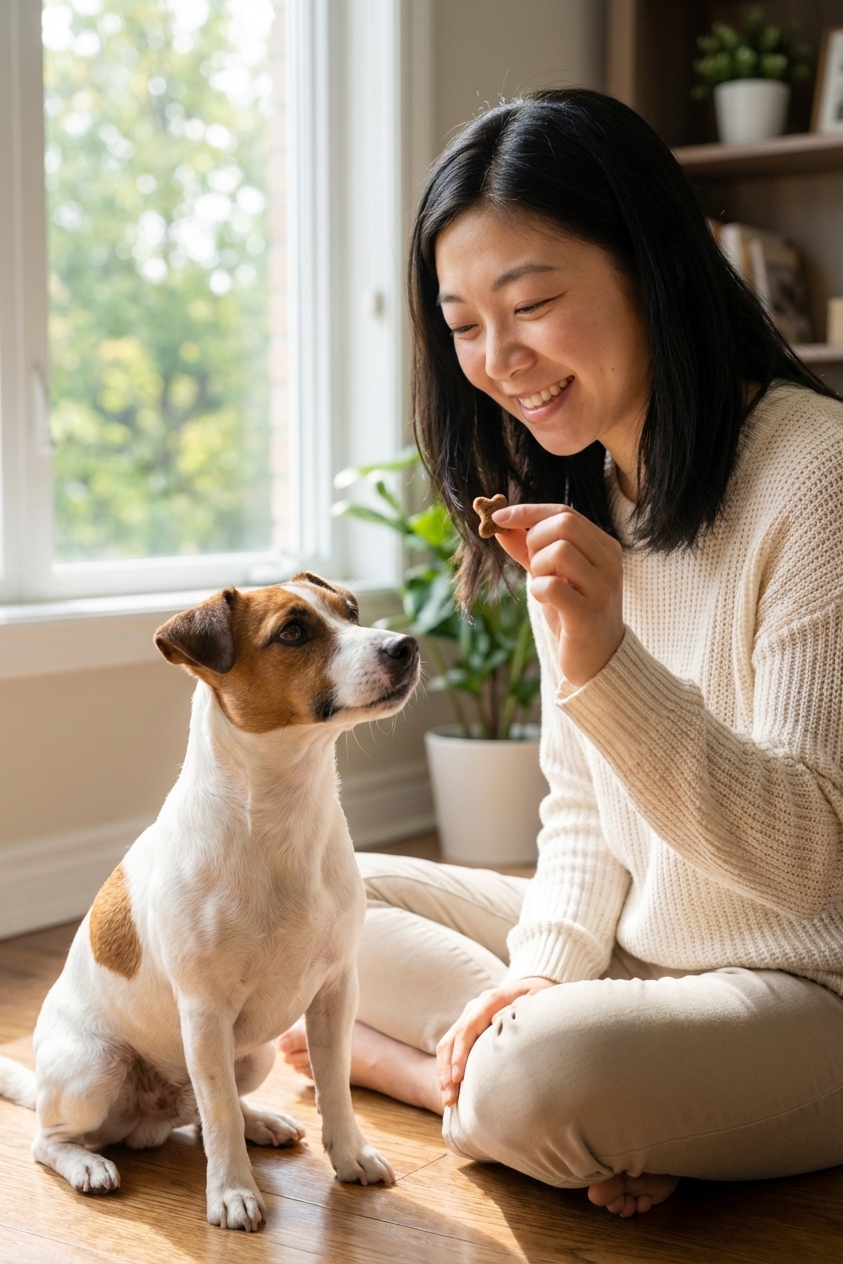
Mental stimulation: the missing piece
In clinic, I see a pattern: when high-drive dogs get only physical exercise, many become fitter and still struggle to settle. Mental work is what helps many Jack Russells truly relax.
Simple enrichment ideas that actually work
- Food puzzles or a stuffed Kong-style toy for part of meals
- Sniff walks: let your dog stop and smell within reason
- Find-it games: hide treats around one room and encourage nose work
- Trick training: spin, high five, weave through legs, tidy up toys
- DIY cardboard “search box”: treats hidden in crumpled paper in a box (supervise)
A good rule of thumb is to schedule at least one intentional brain activity daily, especially on days you cannot do a long outing.
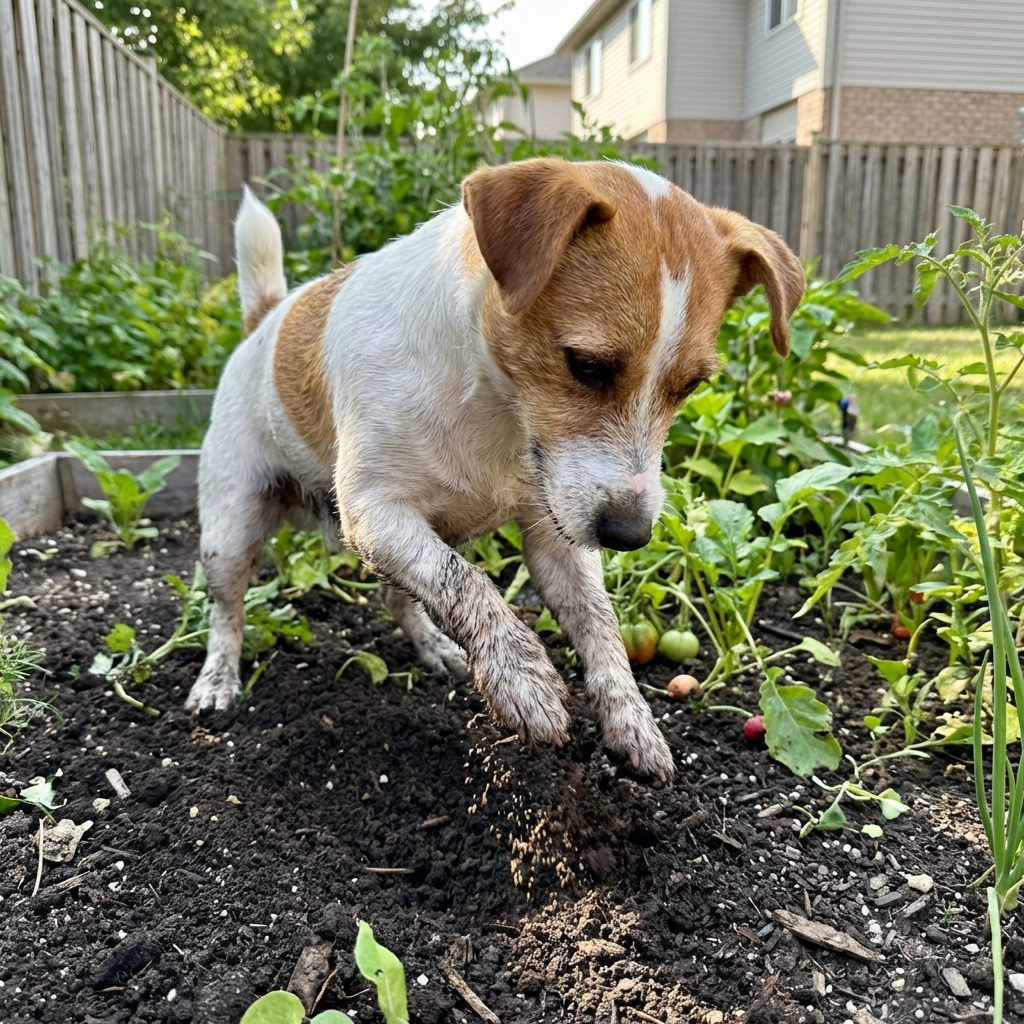
Digging: prevention and redirection
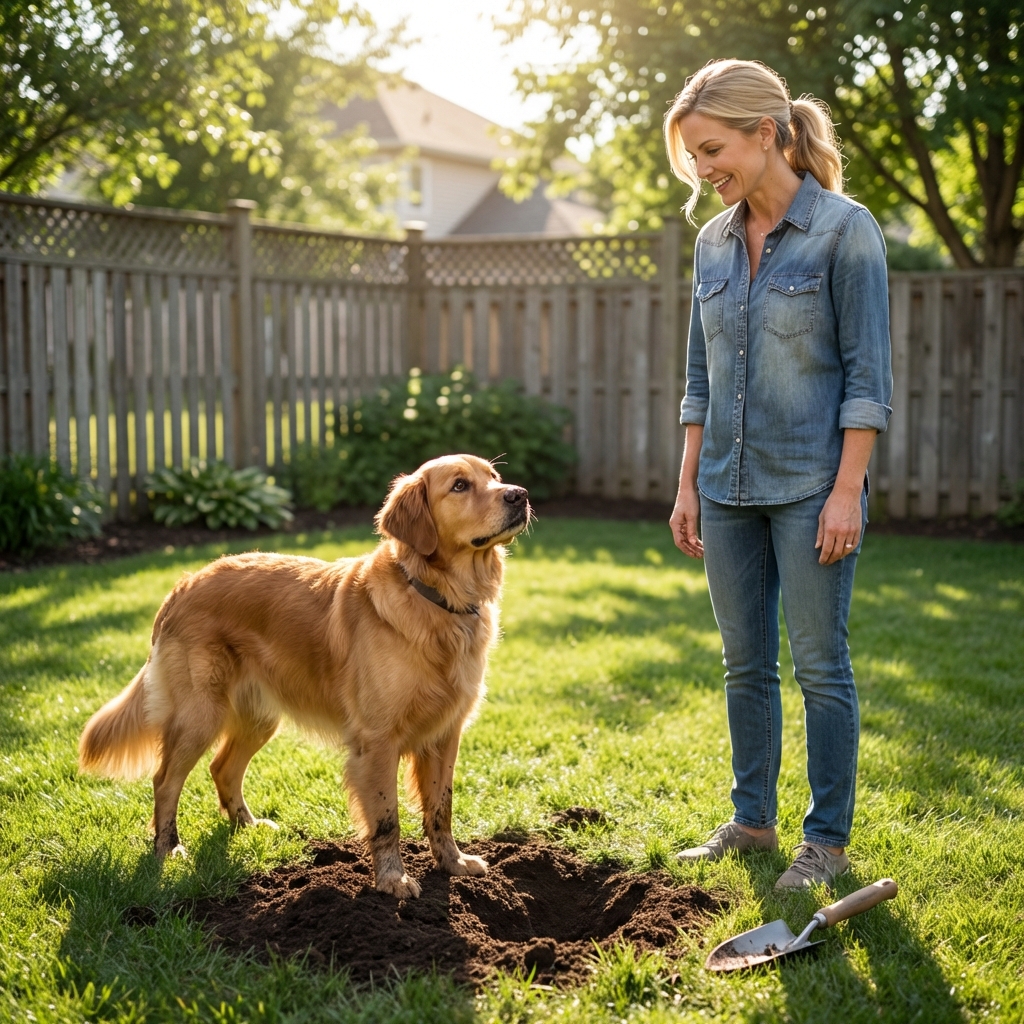
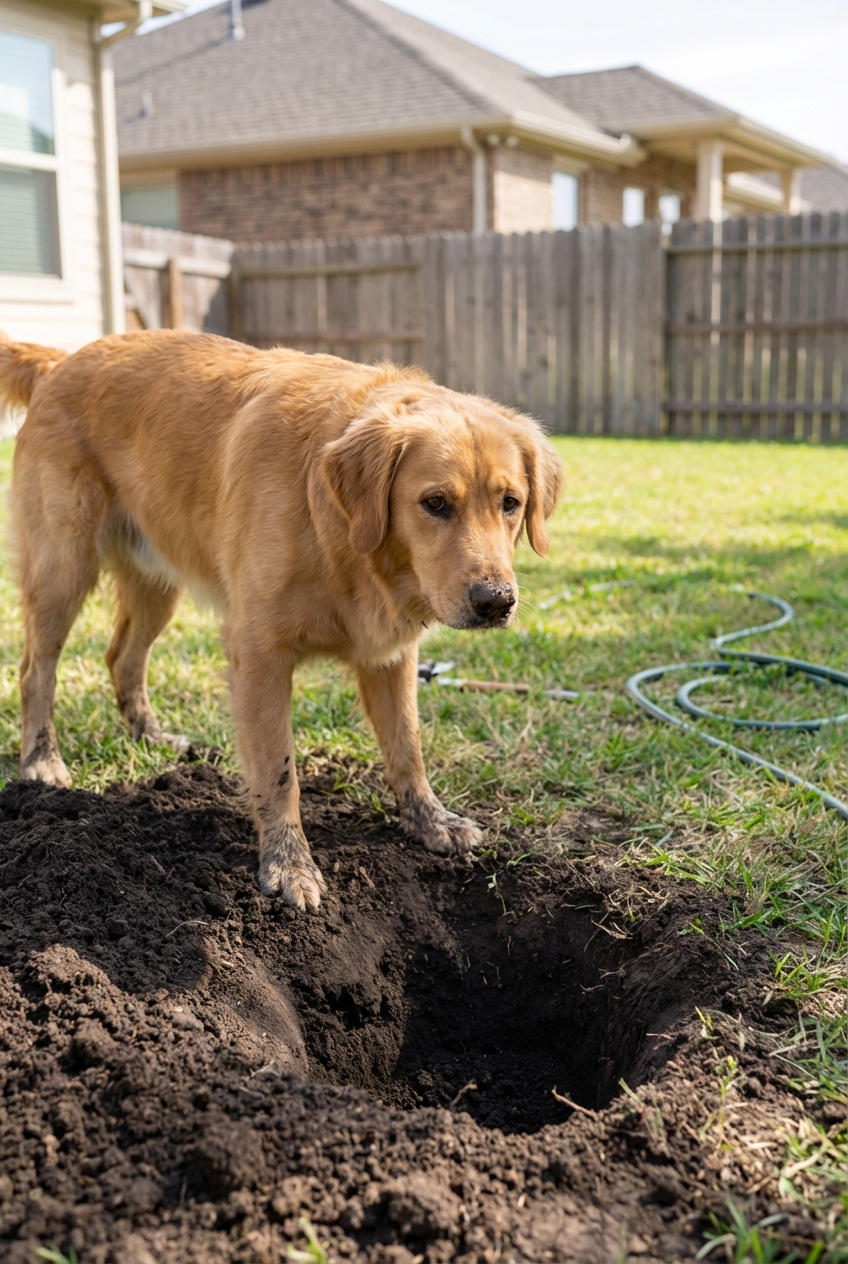
Digging is a very normal terrier behavior. Dogs dig for fun, to hunt scents, to cool off, to escape boredom, or because they have learned it gets them attention.
How to reduce digging at home
- Meet exercise and enrichment needs first. A bored Jack Russell will create a project.
- Create a “yes” digging zone. A sandbox or a designated dirt patch can be a lifesaver.
- Bury approved treasures. Hide safe toys or a few treats in the digging zone to build the habit there.
- Block favorite spots. Temporary fencing, rocks, or landscape barriers can help while training.
If your dog is digging along fence lines, treat it like a security issue. Reinforce the bottom of the fence and supervise outdoor time until the habit is under control.
Barking: what they are saying
Jack Russells are alert, vocal, and quick to sound the alarm. Barking is communication, and the first step is figuring out the “why.” Common reasons include alerting, frustration, boredom, and seeing movement outside.
Helpful barking strategies
- Teach a cue for quiet. Reward a brief pause, then slowly build duration.
- Reduce visual triggers. Frosted window film or closing blinds can lower street-watching barking.
- Give a job. A chew, puzzle feeder, or “go to mat” routine can replace barking patterns.
- Do not accidentally reward it. Yelling, rushing over, or repeatedly opening the door can reinforce barking for some dogs.
If barking is sudden, extreme, or paired with anxiety, talk with your veterinarian. Pain, cognitive changes in seniors, and underlying stress can all contribute.
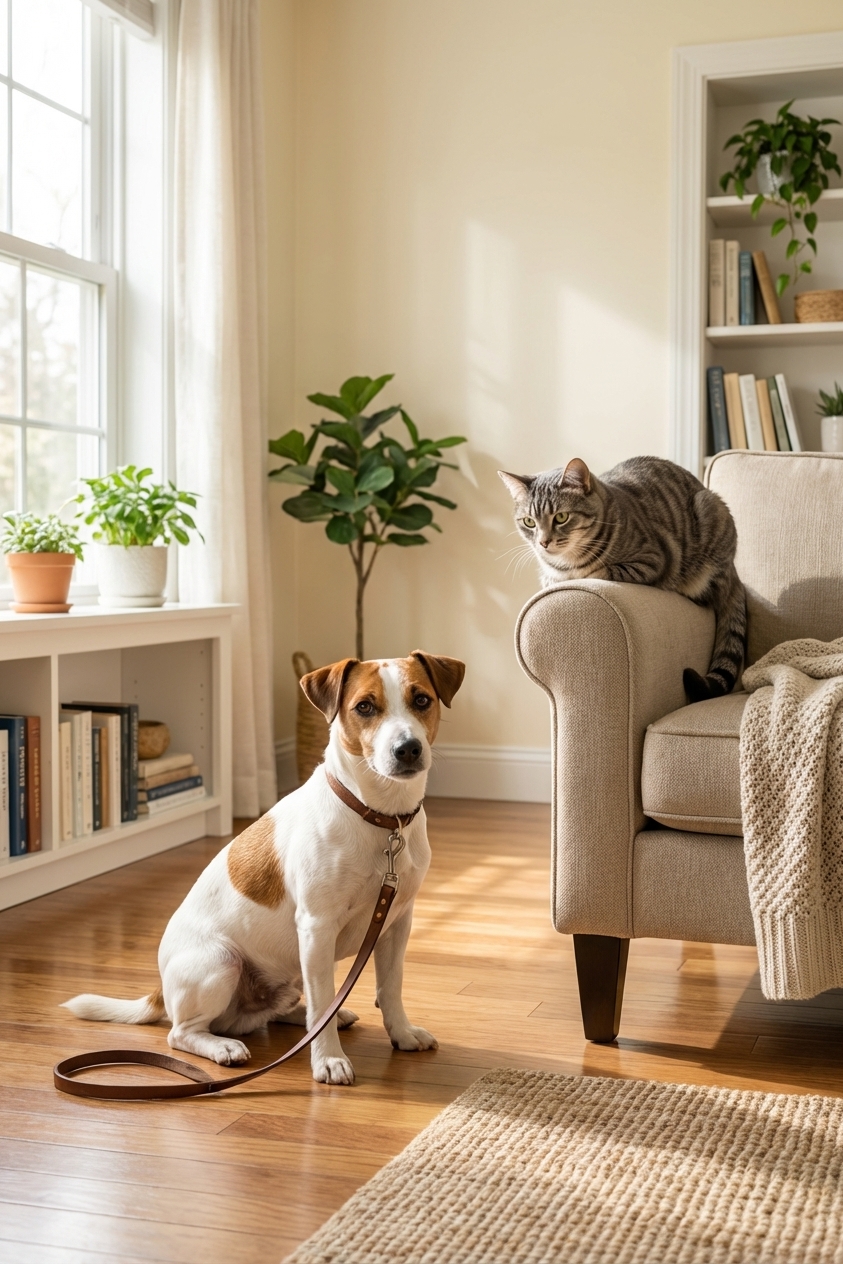
Living with cats or small pets
This is the question I hear all the time. The honest answer is: sometimes, but you must plan carefully. A Jack Russell’s prey drive can be a serious risk to small animals, and management is not optional.
If you have a cat
- Best-case scenario: the dog is raised with a confident cat who does not run, and introductions are slow and supervised.
- Must-have: cat-only escape routes, like baby gates with cat doors or tall cat trees.
- Train calm behavior around the cat using distance and high-value rewards.
If you have rabbits, rodents, birds, or reptiles
- Plan for separation. Secure doors, sturdy enclosures, and no unsupervised access.
- Assume the dog will try. Many terriers will obsess over the scent and movement of small pets.
No article can guarantee safety in a mixed household. If you are adopting, ask the rescue or breeder about known behavior around cats and small animals, and still plan to manage.
Health and grooming basics
This article focuses on behavior, but a quick health and grooming snapshot helps round out the picture.
Common health concerns to know
- Knees and hips: issues like patellar luxation (kneecap slipping) can show up in small, athletic dogs.
- Orthopedic issues: Legg-Calvé-Perthes disease can occur in some small breeds.
- Eyes and hearing: some lines can be prone to eye conditions, and white-coated dogs can have higher odds of congenital deafness.
This is not meant to scare you. It is a reminder to choose responsible breeders or reputable rescues, keep up with wellness exams, and bring up any limping, skipping, or sudden behavior changes early.
Coat types and grooming
- Smooth coat: easy to brush, typically sheds more steadily.
- Broken coat: a mix of textures, often looks a bit scruffy.
- Rough coat: wirier and shaggier; may benefit from hand-stripping or specific grooming depending on coat quality.
Most Jack Russells do well with a weekly brushing, routine ear checks, and frequent nail trims. Overgrown nails can affect traction and joint comfort, especially for a dog who loves to launch themselves off furniture like a tiny superhero.
Best homes for Jack Russells
Jack Russells thrive with people who enjoy training, routines, and active time. They can do well in apartments if their daily needs are truly met, but they are rarely a “low-effort” dog.
A Jack Russell may be a great fit if you want
- A small dog with big-dog athleticism
- A partner for hikes, runs, agility, or trick training
- A smart dog who keeps you engaged
You may struggle if you want
- A calm couch potato
- A dog that reliably ignores squirrels and neighborhood cats
- A quiet home without much training time
Quick daily routine (sample)
If you like structure, here is a simple day that works for many healthy adult Jack Russells. Adjust based on your dog’s age and your veterinarian’s advice.
- Morning: 20 to 40 minutes of brisk walking or fetch, then breakfast in a puzzle feeder
- Midday: 5-minute training session (recall, leave it, place)
- Afternoon: 15 to 30 minutes sniff walk or a supervised flirt pole game, followed by a chew
- Evening: calm enrichment (find-it game), then settle on a mat while you relax
Consistency is your secret weapon. Many behavior challenges improve when a terrier can predict healthy outlets every day.
Key takeaways
- Plan for daily exercise plus daily brain work.
- Manage prey drive with tools, training, and realistic expectations.
- Short, rewarding sessions beat long, repetitive drills.
- Digging and barking are normal terrier behaviors that improve with outlets and routines.
- Health and joint comfort matter, especially for puppies and seniors.
When to get professional help
If your Jack Russell is showing intense chasing, barrier frustration, fights with other dogs, or anxiety, getting help early is kind and effective. Look for a qualified positive-reinforcement trainer, and involve your veterinarian if you suspect pain or if behavior changes are sudden.
With the right plan, Jack Russells are not “too much.” They are simply dogs with big needs and even bigger hearts.