Dachshunds are prone to IVDD. Learn the early warning signs, how to prevent back injuries with ramps, weight control, traction and low-impact exercise, and w...
Article
•
Designer Mixes
IVDD in Dogs: Signs of Back Pain and Paralysis

Shari Shidate
Designer Mixes contributor
As a veterinary assistant here in Frisco, Texas, I have seen how fast a dog can go from “a little stiff” to a true emergency when the spine is involved. Intervertebral Disc Disease, usually shortened to IVDD , is one of the more common spinal causes of sudden back or neck pain and, in severe cases, paralysis in dogs. The good news is that early recognition and prompt veterinary care can make a huge difference in comfort, recovery, and long-term mobility.

This article will help you spot the subtle early signs of back or neck pain, understand when IVDD becomes urgent, and know what to do right away.
Quick note: This is general education, not a substitute for an exam. Other issues can look like IVDD, so getting your dog evaluated matters.
What IVDD is (plain language)
Your dog’s spine is made of vertebrae (bones) with discs in between that act like shock absorbers. With IVDD, one or more discs degenerate and can bulge or rupture. When that happens, disc material and inflammation can irritate or compress the spinal cord and nerves, causing pain, weakness, and in severe cases paralysis.
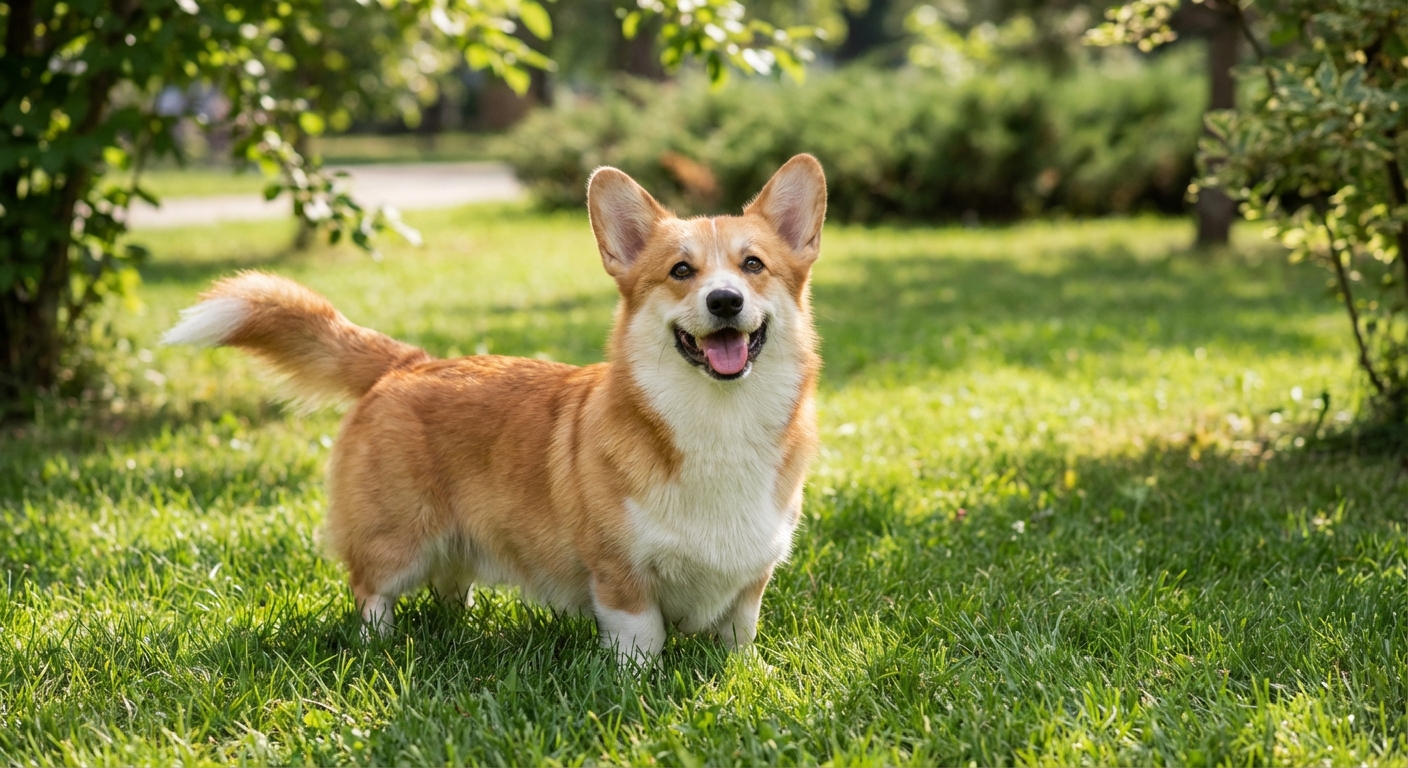
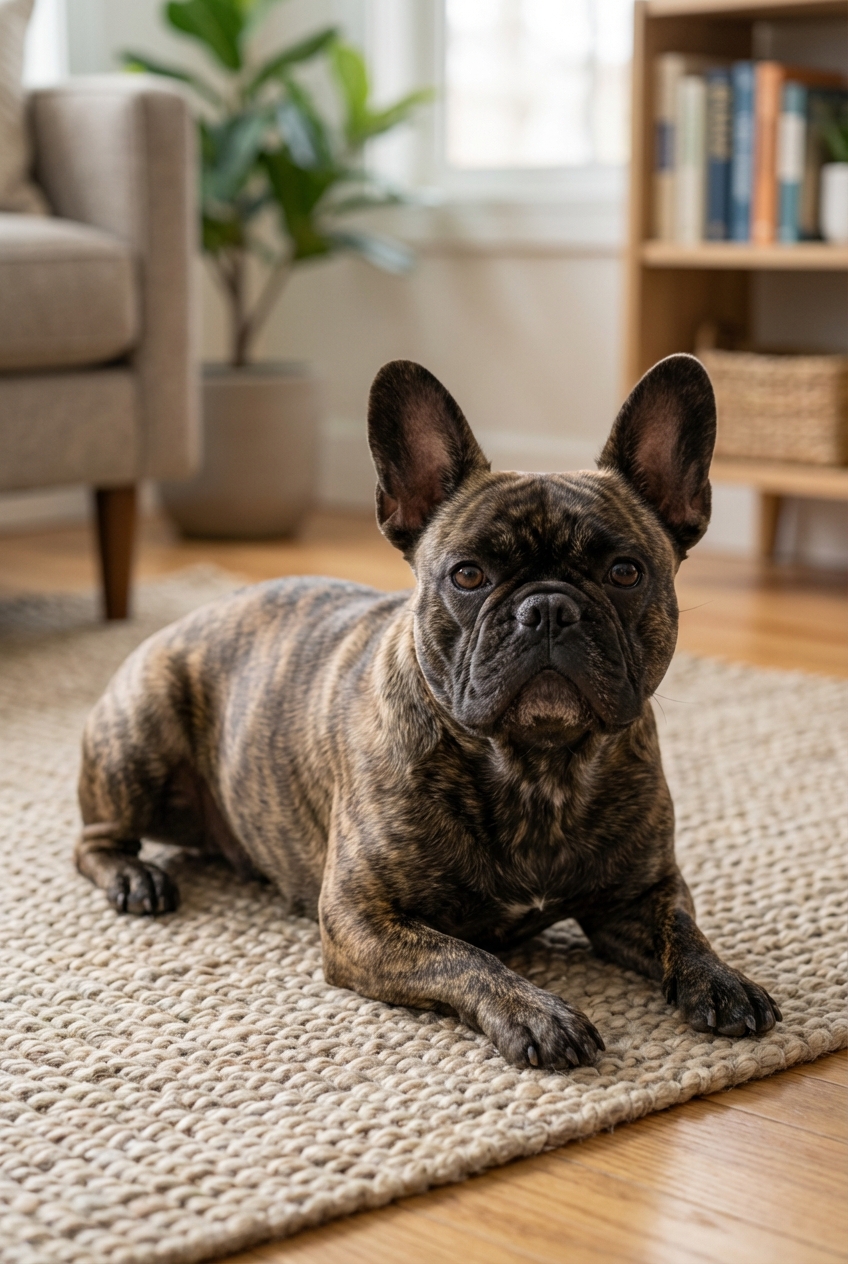
IVDD is especially common in chondrodystrophic breeds (breeds predisposed to early disc degeneration). Dachshunds are the classic example , but it also shows up in breeds like French Bulldogs , Corgis , Beagles, Shih Tzus, and Pekingese. That said, any dog can develop IVDD, including larger breeds and mixed breeds.
Early signs of IVDD pain
Many dogs do not yelp dramatically at first. Instead, they show quiet, easy-to-miss behavior changes. If you notice any of these, take it seriously and call your veterinarian for guidance.
- Reluctance to jump onto the couch or into the car
- Hesitation on stairs or suddenly wanting to be carried
- Tense, hunched posture or a “tight” belly
- Neck pain signs: head held low, stiffness turning the head, crying when picking up, not wanting to lower the head to eat or drink
- Back pain signs: stiff walking, slower pace, “guarding” the back
- Shivering or trembling (often pain-related, not always cold)
- Restlessness, trouble getting comfortable, frequent position changes
- Hiding or acting “not themselves”
- Decreased appetite or not wanting treats
- Yelping when moving, being touched, or being lifted
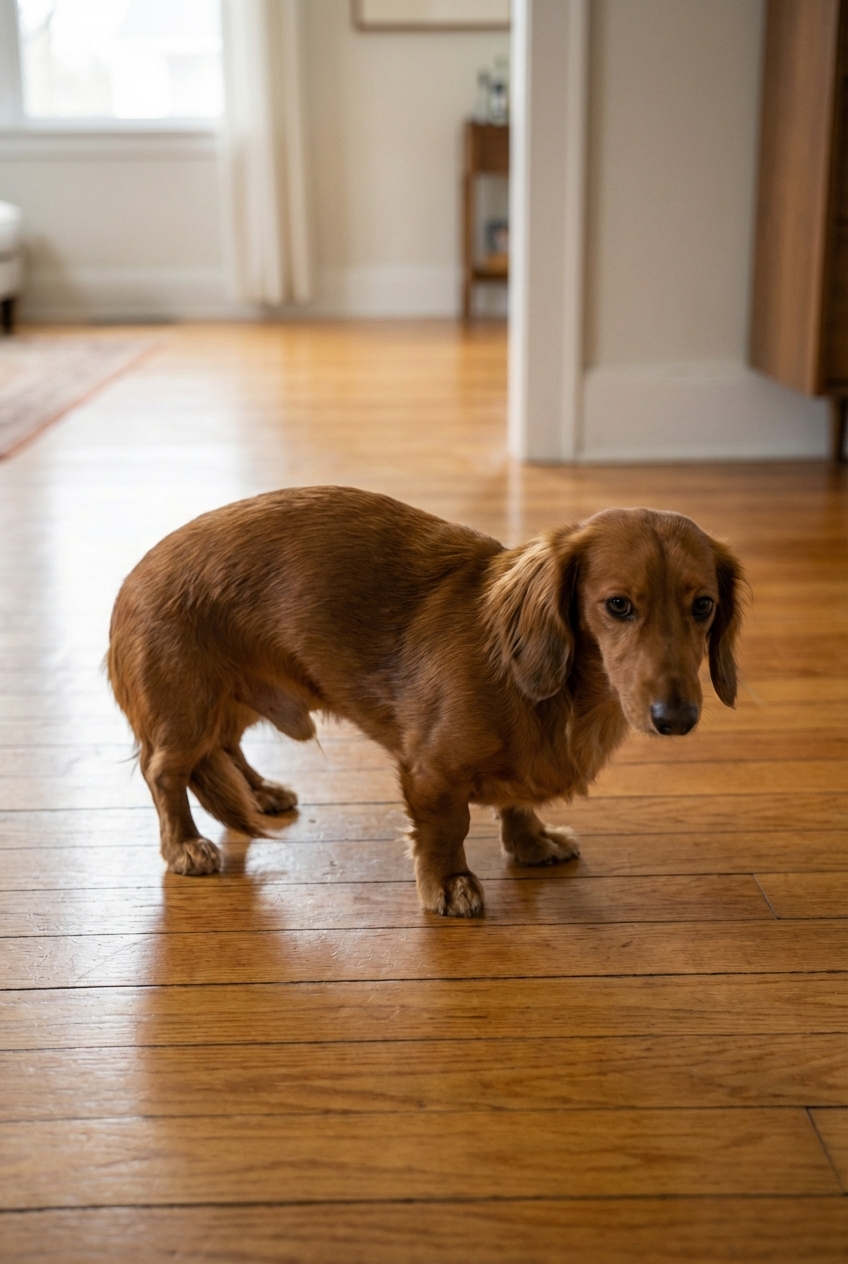
Important: A dog can have serious IVDD even if they only yelp once and then go quiet. Pain can come in waves, and many dogs instinctively mask it.
Signs IVDD is affecting nerves
When the spinal cord is irritated or compressed, symptoms can shift from “pain only” to neurological deficits. This is where time matters.
Red flags
- Wobbly walking (ataxia), often in the back legs
- Knuckling (paw flips under and the dog does not quickly correct it)
- Weakness when standing up or legs slipping out
- Dragging toes or scuff marks on nails
- Crossing legs or losing coordination
- Bladder changes: leaking urine, accidents, straining, or inability to urinate
- Bowel changes: unexpected stool accidents
These signs are a strong reason to be seen urgently, even if your dog still seems “okay” otherwise.
Paralysis: when it is an emergency
If your dog cannot use their legs normally, treat it as an emergency. With IVDD, the spinal cord can be injured quickly, and prompt treatment can improve the chance of recovery.
Go now if you see
- Sudden inability to walk or stand
- Back legs dragging or collapsing
- Paws flipping under with little or no attempt to correct position
- Loss of deep pain sensation (this is tested by a veterinarian)
- Cannot urinate or a distended, tense belly that may suggest urinary retention
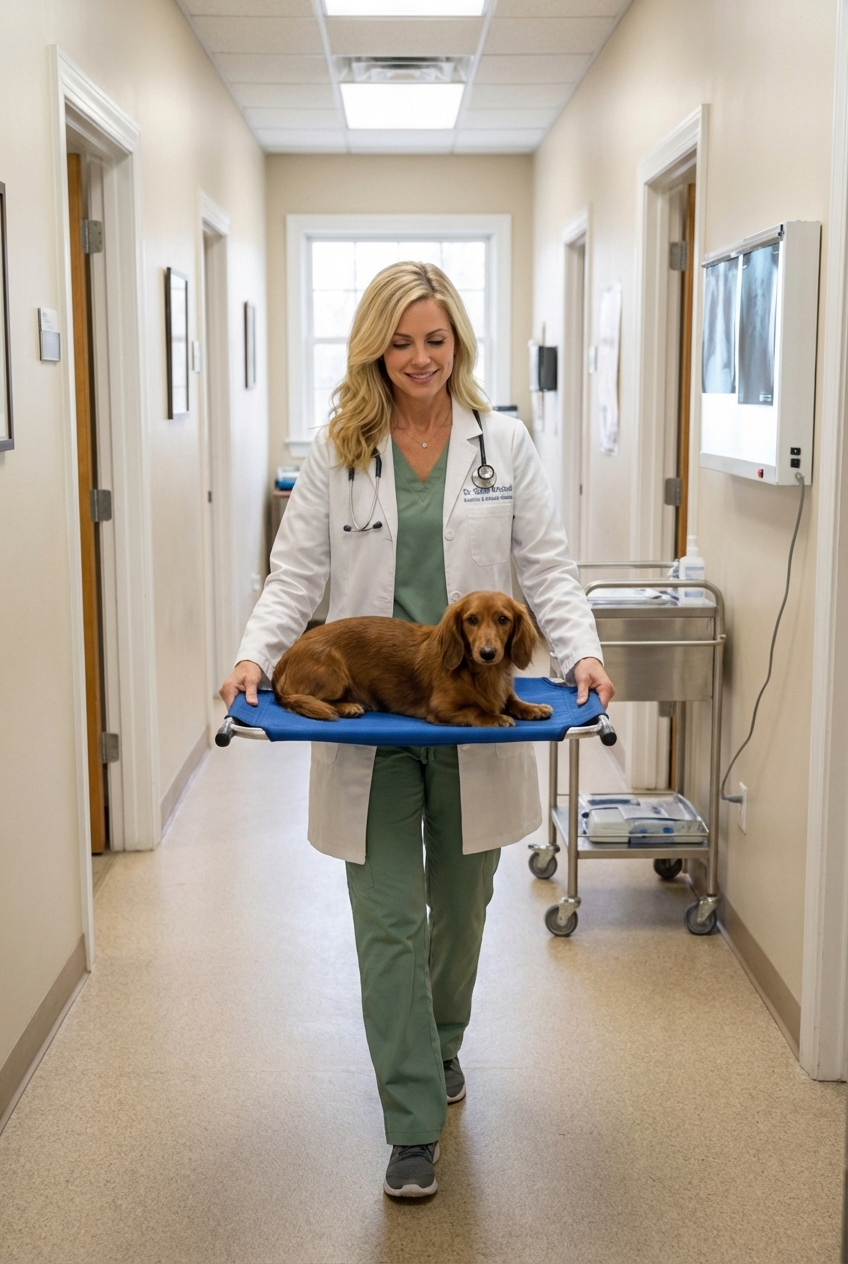
If your regular clinic is closed, go to an emergency hospital. If you can, call on the way so they are ready.
What to do right away
When IVDD is suspected, the goal at home is to limit movement to reduce the risk of worsening pain or compression until your dog can be evaluated. Think “stabilize and transport.”
Do this
- Stop activity immediately. No stairs, no jumping, no running.
- Carry your dog using two-handed support: one hand or arm under the chest, the other supporting the rear.
- Use a firm surface for transport if possible (a sturdy crate, a laundry basket with a flat base, or a rigid board under bedding).
- Keep the spine level during lifting and moving.
- Call your vet and describe what you are seeing: pain only, wobbliness, knuckling, or inability to walk.
Avoid this
- Do not “wait and see” if weakness, knuckling, or paralysis is present.
- Do not give human pain meds like ibuprofen, naproxen, or acetaminophen unless a veterinarian specifically instructs you. These can be dangerous for dogs, especially if they end up needing prescription anti-inflammatories.
- Do not stretch the back or attempt chiropractic adjustments unless directed by a veterinarian who has examined your dog. Spinal manipulation can be risky in acute IVDD.
How IVDD is diagnosed
Diagnosis starts with a physical exam and a neurological exam. Your vet is looking at pain, reflexes, paw placement, strength, and whether the problem appears to be in the neck, mid-back, or lower spine. Location matters because signs can look different depending on where the disc issue is.
Imaging may include:
- X-rays: helpful to rule out fractures, instability, or other problems, but disc herniation and spinal cord compression are not always visible on standard radiographs
- MRI: often considered the gold standard for seeing spinal cord compression and planning surgery
- CT (sometimes with contrast): can be very useful in acute cases and is sometimes preferred depending on disc type and availability
If your dog is showing significant neurologic deficits, your veterinarian may recommend referral to a neurologist or specialty hospital.
Treatment: rest vs. surgery
IVDD treatment depends on severity, location, and how quickly symptoms are progressing. In general, outcomes tend to be better when dogs are treated early, and the situation becomes most time-sensitive when a dog is non-ambulatory (cannot walk) or deep pain sensation is lost.
Conservative care
This is often considered when a dog has pain with mild neurologic signs, or when surgery is not an option. It typically includes:
- Strict confinement (often several weeks, based on veterinary guidance). In most cases, this means out only to potty on a leash, then right back to rest.
- Prescription pain control (for example, anti-inflammatory medication and other pain relievers as prescribed)
- Muscle relaxants if needed
- Rehabilitation at the appropriate stage, guided by a professional
Surgery
Surgery may be recommended when there is significant weakness, paralysis, loss of bladder control, or when pain cannot be controlled. A key factor is whether the dog still has deep pain sensation, and how quickly treatment begins after severe symptoms start.
Your veterinary team will talk you through expected recovery, costs, and what home care looks like afterward.
Recovery and prevention
Even after a dog improves, IVDD can recur. The goal is to protect the spine and reduce risk.
Everyday habits that help
- Keep your dog lean. Extra weight puts extra stress on the spine and joints.
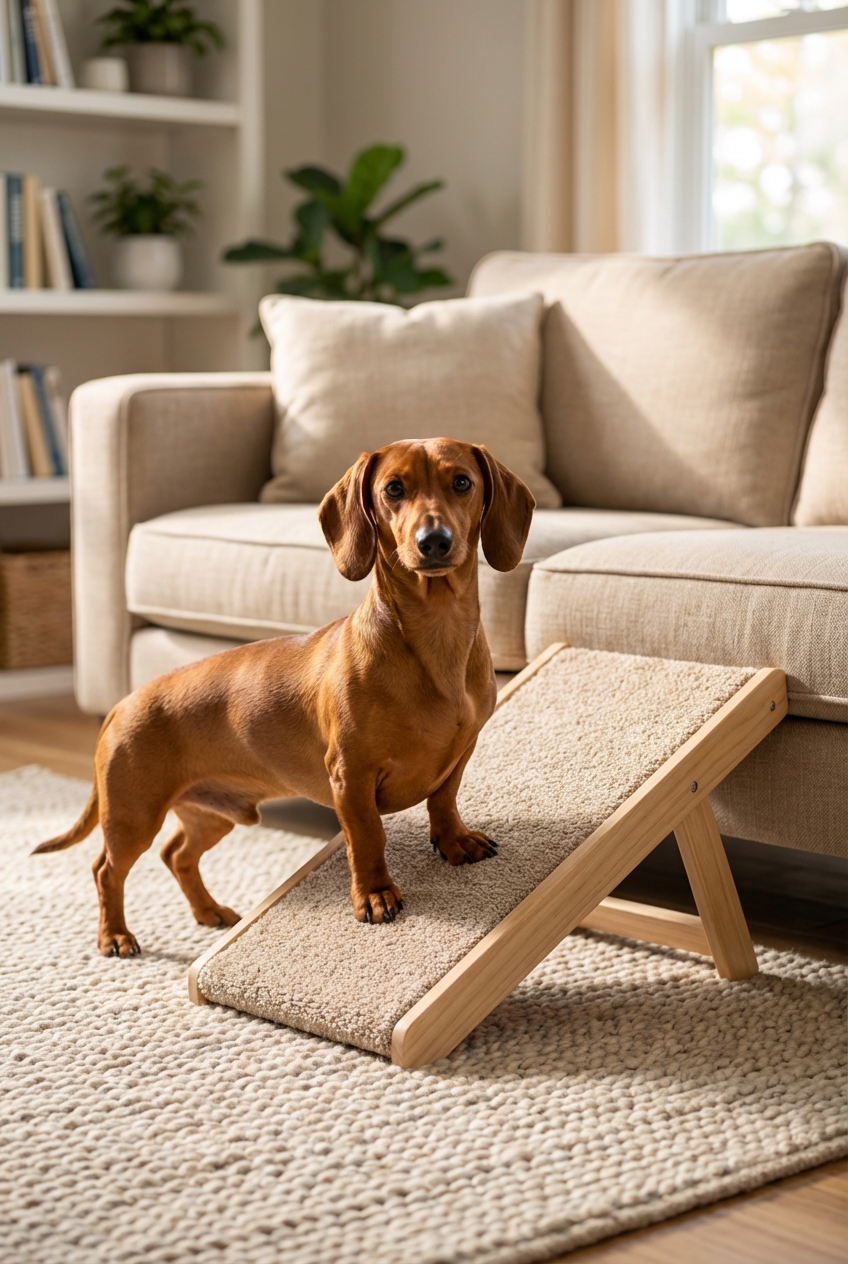
- Use ramps for couches and beds, and block access to stairs when possible .
- Harness, not collar, especially for dogs prone to neck discs.
- Build safe muscle with vet-approved, low-impact exercise after recovery.
- Trim nails and keep paws grippy to prevent slips that strain the back.
- Consider rehab (underwater treadmill, targeted strengthening) if your vet recommends it.
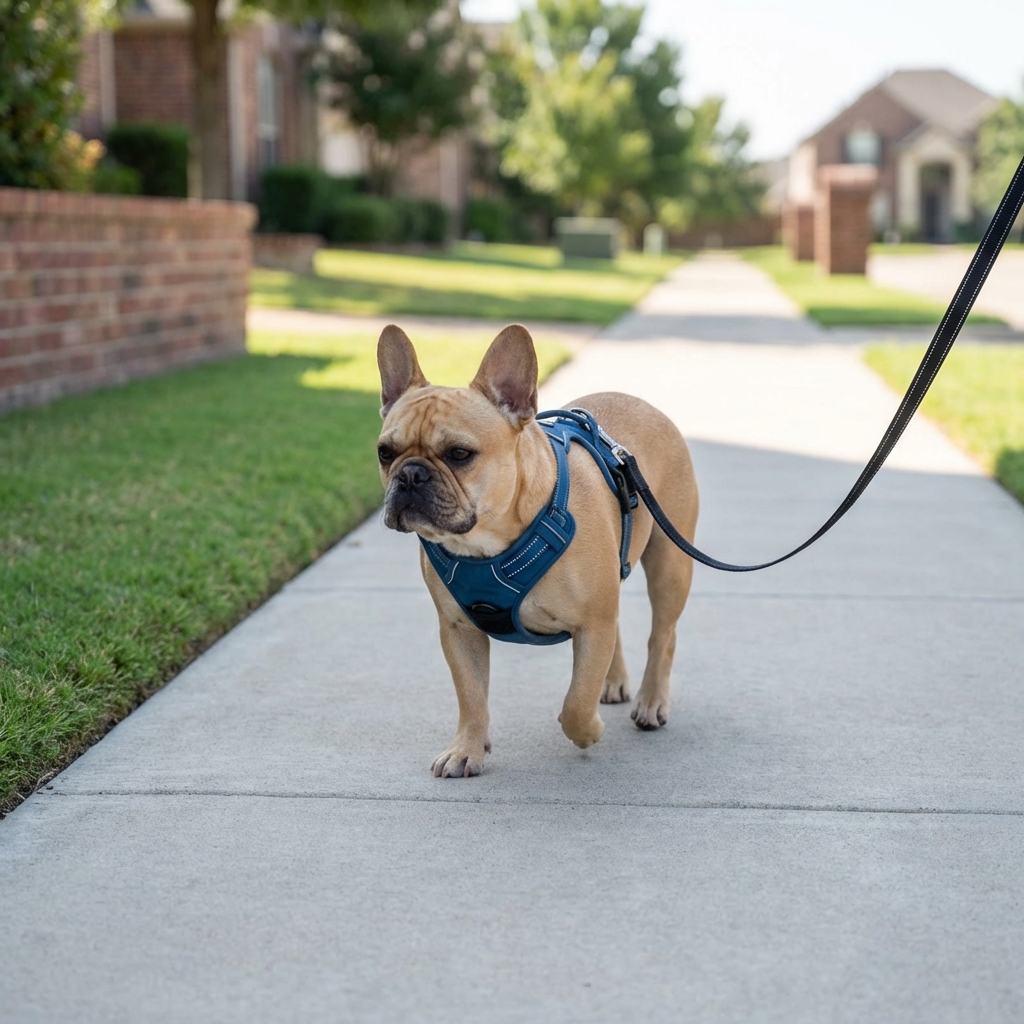
And one gentle reminder from the clinic side of things: follow your discharge instructions closely, even when your dog starts acting normal again. Feeling better often happens before the spine is fully healed.
When to call today
If your dog shows back or neck pain that is new, unusual, or worsening, call your veterinarian. If you see weakness, wobbliness, knuckling, dragging legs, or bladder changes, treat it as urgent.
Also remember that not every painful, stiff dog has IVDD. Injuries, arthritis, knee problems, pancreatitis , and other conditions can cause similar behavior, which is another reason an exam is so important.
If something in your gut says, “This is not my dog,” trust that instinct. IVDD is one of those conditions where quick action can protect mobility.
Quick checklist
- Reluctant to jump or climb stairs
- Hunched posture, stiff back or neck
- Shivering, restlessness, yelping when moving
- Wobbly gait or slipping in the legs
- Knuckling or dragging toes
- Accidents, leaking urine, straining, or cannot urinate
- Cannot stand or walk