
IVDD in Dogs: Crate Rest vs Surgery

When your dog suddenly yelps, refuses to jump, or starts walking wobbly, it can feel like everything changes in one moment. Intervertebral disc disease (IVDD) is a common cause of spinal pain and sudden weakness in dogs, especially in long-backed breeds and some mixes.
The big question most families ask next is simple: Do we try strict crate rest and medication, or do we need surgery? In most cases, the decision is guided primarily by your dog’s neurologic function today and how fast signs are changing, then refined by exam findings and imaging when available.
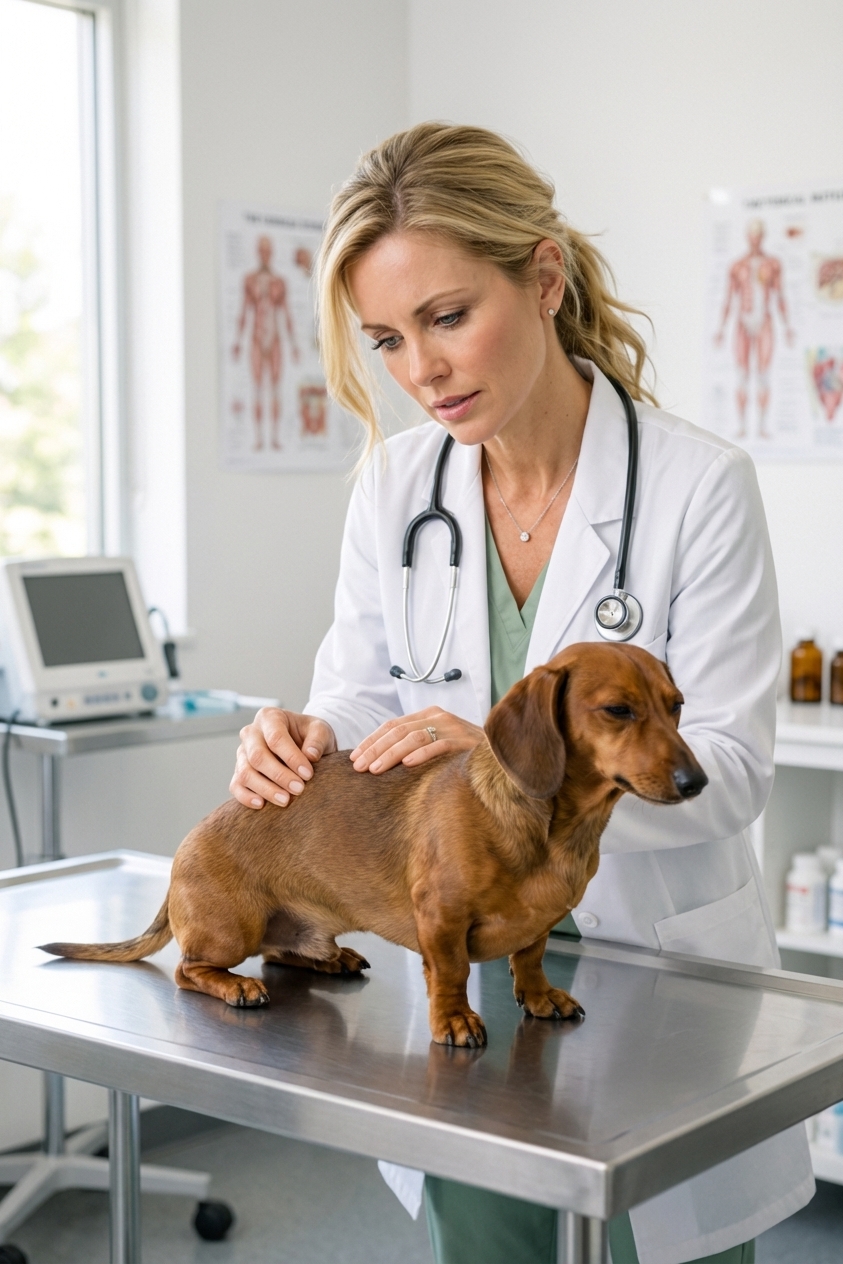
What IVDD is, in plain language
Between your dog’s vertebrae are discs that act like shock absorbers. With IVDD, a disc can bulge or rupture. That disc material can press on the spinal cord, causing:
- Pain (often the first sign)
- Weakness or wobbly walking (ataxia)
- Knuckling over (dragging the top of the paw)
- Paralysis
- Loss of bladder or bowel control
Not every IVDD episode is the same. Some dogs have a painful flare that improves with conservative care. Others lose function quickly and need urgent intervention to protect the spinal cord.
How IVDD is graded
Veterinary teams often talk about IVDD using “neuro grades.” This helps communicate severity and guide treatment decisions.
Note: Grading scales can vary by hospital and neurologist. If you are told a grade, ask what it means in that practice and what changes would be considered an emergency.
Grade 1: Pain only
Your dog is painful, tense, reluctant to move, may have a hunched back, but walks normally. Many Grade 1 dogs can do well with strict crate rest plus medications.
Grade 2: Walking, but wobbly
Your dog can walk but is weak or uncoordinated. You may see crossing legs, scuffing nails, or swaying. Conservative care can work, but you need close monitoring because grades can worsen quickly.
Grade 3: Not walking (but can move legs)
Your dog cannot take steps, but can still move the legs. This is a tipping point where surgery is often recommended, especially if signs are progressing or pain is severe.
Grade 4: Paralyzed, deep pain still present
Your dog cannot move legs and cannot stand, but still has deep pain sensation (a specific neurologic test done by a veterinarian).
In plain terms, deep pain is not just pulling the leg away. It is a brain-recognized response to a firm toe pinch. It must be assessed by a professional because it is easy to misread reflexes at home.
Surgery is typically strongly recommended to maximize recovery odds.
Grade 5: Paralyzed, deep pain absent
This is the most time-sensitive category. If deep pain sensation is absent, most specialists recommend surgery as soon as possible. Many cite 24 to 48 hours from deep pain loss as a goal for the best odds, but it is not an absolute cutoff. Some dogs can still recover with later surgery, and prognosis depends on factors like lesion type, duration, and the center performing treatment.
If you take only one thing from this article: a dog who is paralyzed, rapidly worsening, or losing bladder control should be treated as urgent until a veterinarian says otherwise.
Crate rest: who it helps
“Conservative management” usually means strict activity restriction plus pain control and anti-inflammatory treatment. For many dogs with Grade 1 and some Grade 2 IVDD, this is a reasonable first step when signs are stable.
Good candidates for conservative care
- Grade 1 (pain only) with pain controlled on medication
- Stable Grade 2 (mild weakness or wobbly walking) that is not worsening
- Dogs with medical conditions that make anesthesia risky, when function is still good
- Families who can truly commit to strict restriction and rechecks
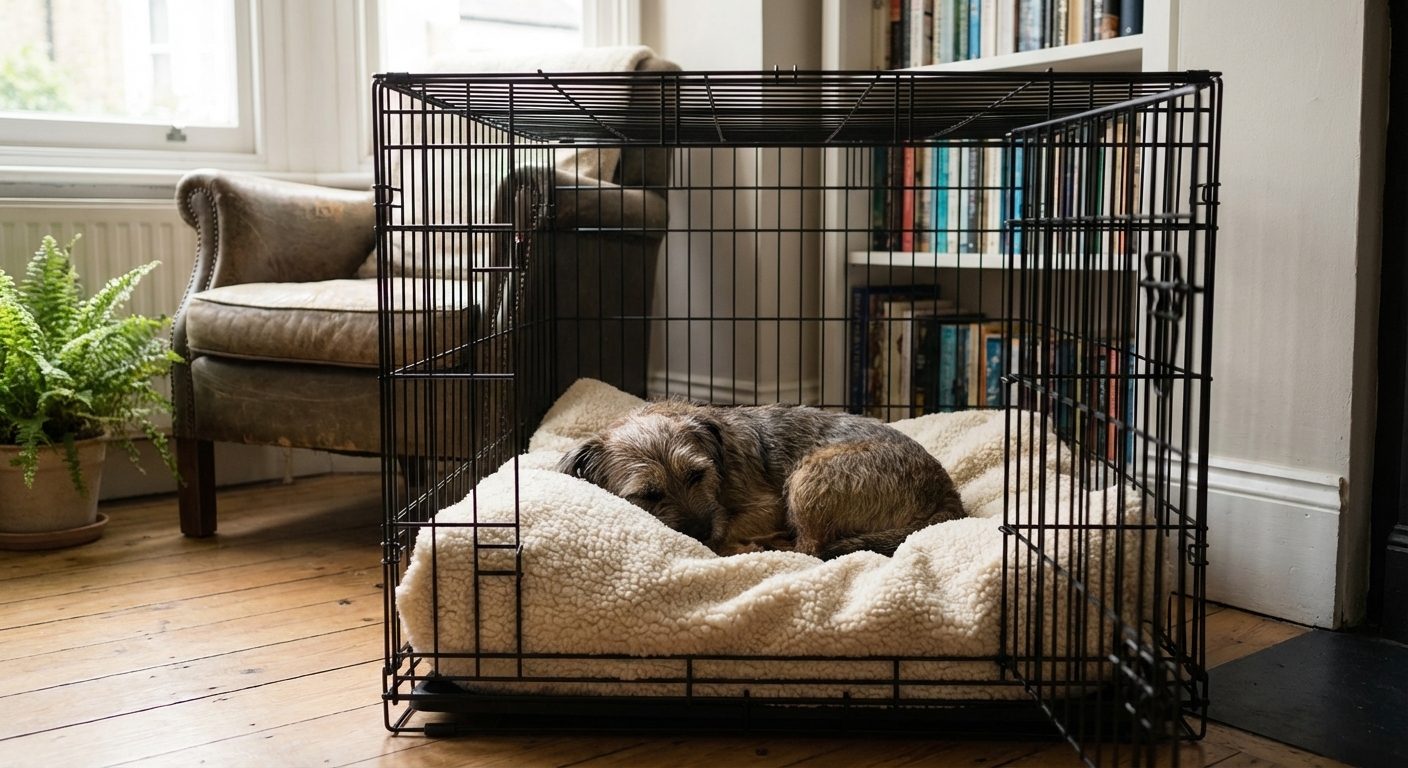
What “strict crate rest” really means
Crate rest is not “take it easy.” It is a spinal cord protection plan.
- Duration: often 4 to 8 weeks (sometimes longer), depending on severity and your veterinarian’s plan.
- Movement: out of the crate only for potty breaks and necessary care.
- Potty: short, controlled leash trips to a small spot, no roaming.
- No: couches, stairs, jumping, roughhousing, running, zoomies, or playing.
The goal is to prevent the disc from re-injuring the spinal cord while inflammation settles. Too much activity too soon is one of the biggest reasons conservative care fails.
Medications and supportive care
Your veterinarian will tailor medications to your dog’s pain level and overall health. Common categories include:
- Anti-inflammatory medication: either an NSAID or a steroid, depending on the case and veterinarian preference. These should not be combined without a washout period unless specifically directed.
- Pain control: medications for nerve pain and muscle spasms are often necessary because IVDD pain can be intense.
- Stomach protection: sometimes added, especially if your dog is stressed, not eating well, or is on higher-risk medications.
Some dogs benefit from laser therapy, acupuncture, and gentle rehab, but timing is everything. Rehab is not a substitute for restriction during the early healing period.
Safety note: Many human pain medications are dangerous for dogs, especially ibuprofen and naproxen. Acetaminophen is also risky and should only be used if your veterinarian specifically prescribes it for your dog. When in doubt, do not give it.
Diagnostics and imaging
Many IVDD cases are treated based on history and neurologic exam, especially when signs are mild and improving. Imaging becomes more important when:
- your dog is worsening or cannot walk
- pain is severe or difficult to control
- the location is unclear (neck vs back)
- your veterinarian is considering surgery or referral
- there is concern for other causes (trauma, infection, inflammation, vascular events)
MRI is commonly used to confirm the diagnosis and pinpoint the disc and degree of compression. CT (sometimes with contrast) can also be used in many cases. X-rays may show changes that suggest IVDD, but they usually cannot confirm a disc herniation or show spinal cord compression by themselves.
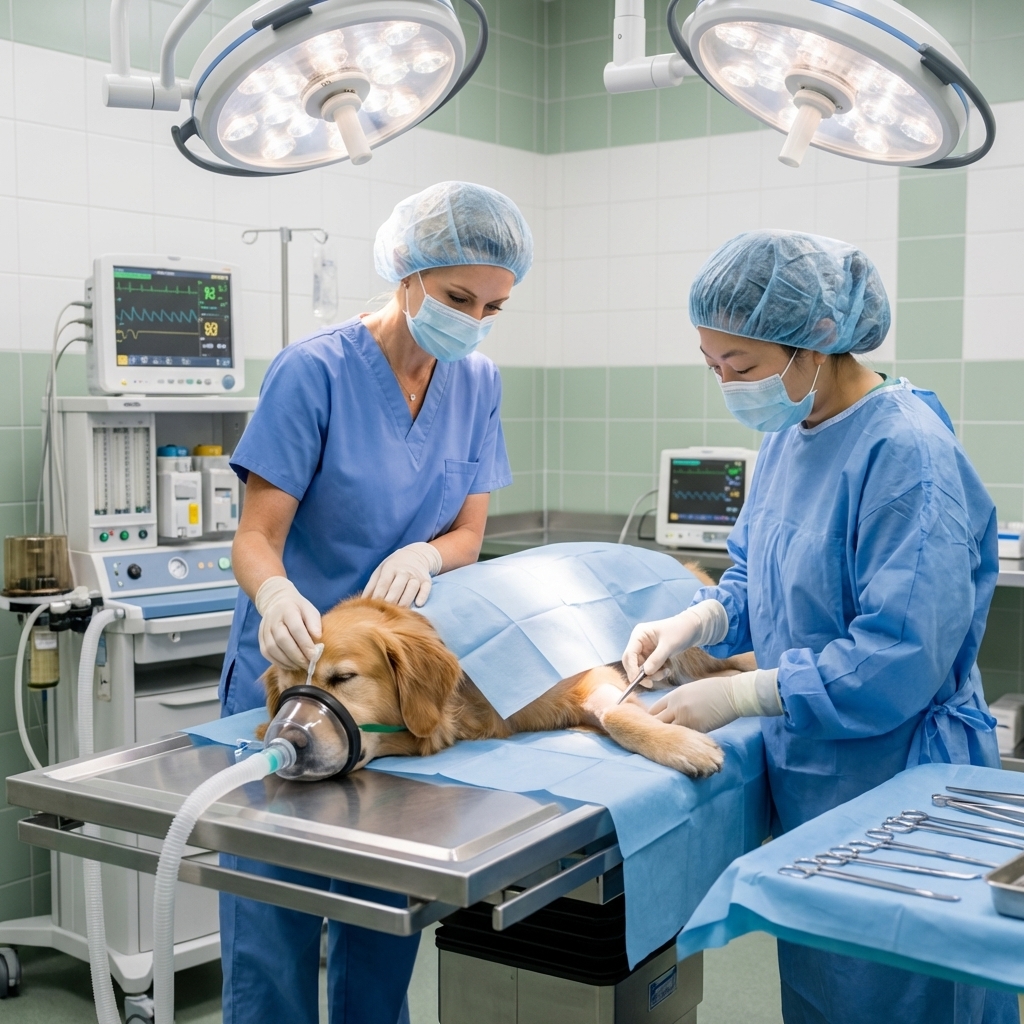
Surgery: when it is recommended
Surgery is not “giving up” on conservative care. It is a way to remove pressure from the spinal cord and reduce the risk of ongoing injury when neurologic function is compromised. Imaging often helps confirm the site, rule out look-alike conditions, and plan the approach.
Common reasons surgery is recommended
- Non-ambulatory status (cannot walk, often Grade 3 or worse)
- Rapid progression of weakness over hours to a day
- Loss of bladder control or inability to urinate normally
- Uncontrolled pain despite appropriate medication
- Recurrent episodes that keep returning or worsen each time
- Imaging findings showing significant compression that matches neurologic deficits
Grade 5 urgency
If deep pain is lost, most specialists recommend surgery as soon as possible. You will often hear the 24 to 48 hour window discussed as a goal for best odds, but it is not a guarantee either way. What matters most is getting an urgent neurologic assessment and a clear plan.
That does not mean recovery is impossible later, but it does mean you should treat it like an emergency and get seen immediately.
Neck vs back IVDD
IVDD can affect the neck (cervical) or the mid to lower back (thoracolumbar). The decision framework is similar, but the signs can look different.
Common cervical (neck) signs
- pain when lowering the head to eat or drink
- holding the head stiff or yelping when picked up
- front limb lameness or weakness
- shaking, trembling, or refusing to move
Crate rest can still help mild cases, and surgery is still considered when function is compromised or pain is uncontrolled. The surgical approach and rehab plan can differ based on location.
Home nursing basics
Whether your dog is doing crate rest or recovering from surgery, home care is a huge part of success. Here are clinically practical basics many veterinary teams recommend.
Set up a recovery space
- Crate or pen: just large enough to stand up, turn around, and lie down comfortably.
- Non-slip bedding: supportive foam with a washable cover.
- Easy water access: a no-spill bowl attached to the crate.
- Quiet location: low traffic to reduce excitement.
Safe handling and transport
- Lift with the spine supported, like a level plank, with one hand under the chest and the other supporting the hips.
- Avoid twisting, bending, or letting the back end dangle.
- If your dog is painful or unstable, use a snug carrier or a firm surface for transport and get help lifting.
Safe potty breaks
- Use a short leash and a harness, not a neck collar.
- For wobbly dogs, consider a sling (a towel works) under the belly to prevent falls.
- Keep it brief: potty only, then back to rest.
If your dog cannot pee normally
Loss of bladder control can happen with more severe IVDD. Some dogs dribble urine. Others retain urine and cannot empty the bladder. Retention can lead to discomfort and urinary tract infections.
If your vet confirms your dog cannot empty the bladder, ask for a hands-on lesson in bladder expression and a plan for monitoring urine, skin, and hydration.
Prevent sores and secondary issues
- Turn or reposition non-ambulatory dogs as directed to reduce pressure sores.
- Keep fur and skin clean and dry to prevent urine scald.
- Trim nails if scuffing is happening.
- Watch appetite and stool. Pain meds can cause constipation, and stress can cause diarrhea.
Typical outcomes by grade
Every dog is different, and prognosis depends on factors like location, severity, duration, and overall health. Still, broad patterns can be helpful:
- Grade 1: many dogs recover well with strict rest and medication when pain is controlled.
- Grade 2: many recover with conservative care if stable, but some worsen and need surgery.
- Grade 3: surgery often improves the odds and can speed recovery, especially if signs are progressing.
- Grade 4: surgery is commonly recommended and many dogs regain walking, but rehab can take weeks to months.
- Grade 5: outcome is more guarded. Urgent surgery offers the best chance, and recovery may be partial and prolonged even with excellent care.
After surgery: what to expect
Most dogs still need strict restriction early after surgery, followed by a gradual return to activity. Many recoveries look like:
- Days: pain control, careful nursing, help standing or walking, bladder support if needed.
- Weeks: controlled leash walks and rehab exercises as directed.
- Months: strength and coordination can continue improving, especially in dogs that were non-ambulatory.
Your surgeon or rehab team should give you a written plan. Follow it closely, even when your dog starts acting like nothing ever happened.
Recurrence risk
IVDD can be a recurring condition, especially in predisposed dogs. A dog who has had one episode has a higher risk of another disc episode later in life, whether treated conservatively or surgically.
What influences recurrence
- Breed and body shape: long-backed, short-legged dogs have higher risk.
- Weight: extra pounds increase spinal load.
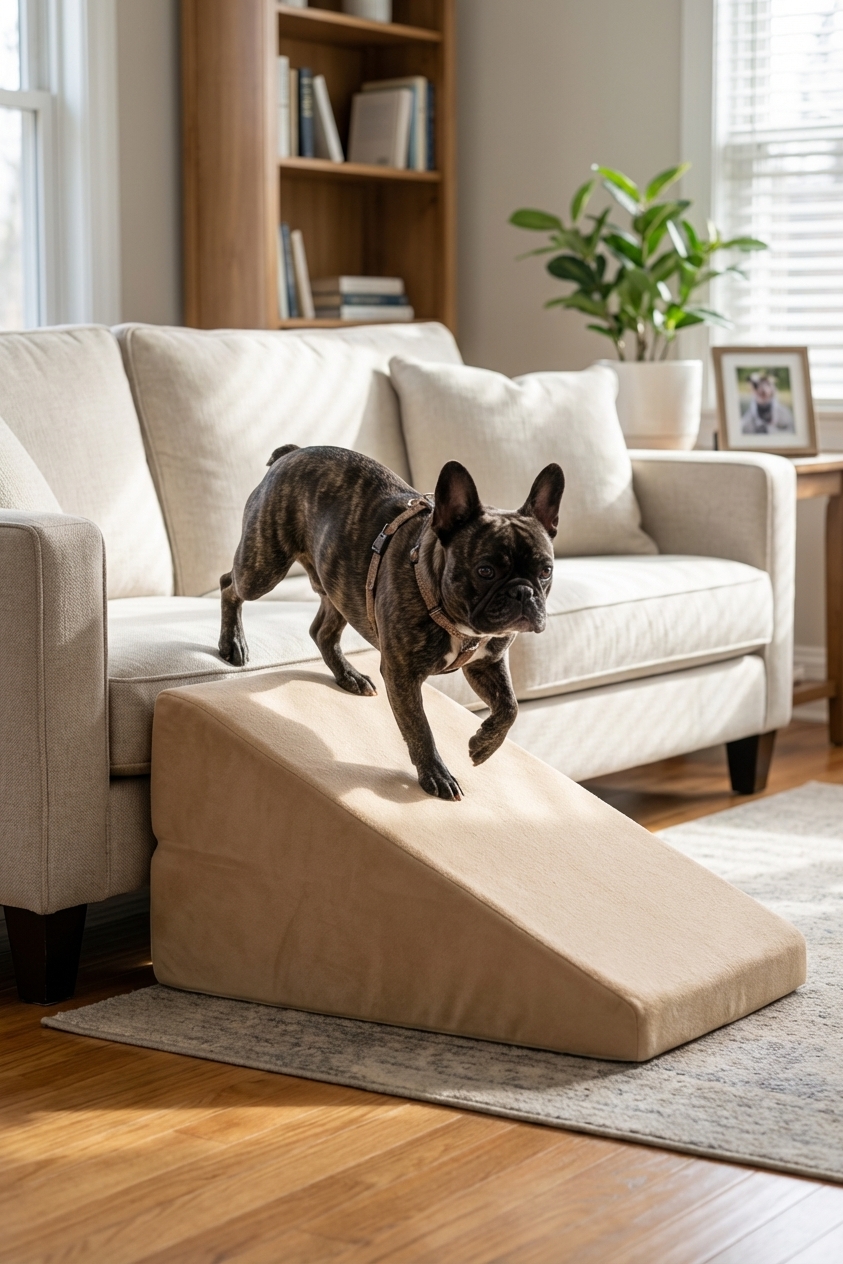
- Activity patterns: repeated jumping on and off furniture and stairs adds wear and tear.
- Number of discs affected: IVDD is often a “multiple disc” disease, not just one bad disc.
Surgery can be very effective for the disc causing current compression, but it does not make the entire spine IVDD-proof. Long-term management matters.
Breeds at higher risk
Classic IVDD-prone breeds include Dachshunds, French Bulldogs, Beagles, Pekingese, Shih Tzus, and Corgis. Some mixes with a long back and shorter legs can share the same risk.
If you have one of these dogs, prevention is not about restricting a joyful life. It is about building safer habits.
A simple decision path
Crate rest and medical management is often reasonable when:
- Your dog is walking (Grade 1 or stable Grade 2)
- Pain is controlled on medication
- Signs are not worsening over 12 to 24 hours
- You can do truly strict restriction for weeks
Ask about urgent referral or surgery when:
- Your dog becomes non-ambulatory (cannot walk)
- Weakness is progressing quickly
- There is loss of bladder control or inability to urinate
- Pain is severe or not controlled
- Your veterinarian suspects deep pain loss or worsening neurologic grade
Red flags that should not wait
If you see any of the following, treat it as urgent and seek veterinary care immediately:
- Sudden paralysis or collapse of the rear legs
- Rapidly worsening weakness over hours
- Crying out, trembling, or inability to get comfortable despite medication
- Inability to urinate, a tight uncomfortable belly, or repeated straining
- Dragging the legs with no purposeful movement
Many families worry they are overreacting. With IVDD, it is far safer to be seen and reassured than to wait through a critical window.
Questions to ask
- What neuro grade is my dog today, and how does your hospital define it?
- Is deep pain sensation present?
- Are signs stable, improving, or worsening?
- Do you recommend advanced imaging (MRI or CT)? If so, why?
- What is the realistic goal: walking, pain control, bladder control, or all three?
- What is our plan if my dog worsens tonight?
- For crate rest: what exact restrictions and for how many weeks?
- For surgery: what is the expected recovery timeline and rehab plan?
Long-term prevention
Once your veterinarian clears your dog, small changes can make a big difference:
- Keep a lean body condition: maintaining an ideal weight is one of the most protective things you can do for the spine.
- Use ramps and steps: reduce repetitive jumping on and off beds and couches.
- Limit stairs: block them off or carry small dogs when possible.
- Build core strength slowly: controlled leash walks and vet-guided rehab can help support the back.
- Harness over collar: reduce neck strain and sudden jerks.
If your dog has had IVDD once, you are not doomed to live in fear. You just become a little more intentional, and that is a powerful thing.
One last reassurance
I’ve helped care for many dogs with IVDD, and I’ve watched families feel overwhelmed at first, then become confident advocates once they understand the decision points. The best outcomes come from three things: fast assessment, the right plan for the neuro grade, and excellent home nursing.
If you are unsure what you’re seeing, take a short video of your dog walking and bring it to your appointment. Those little details can help your veterinarian grade neurologic function and guide you toward the safest next step.