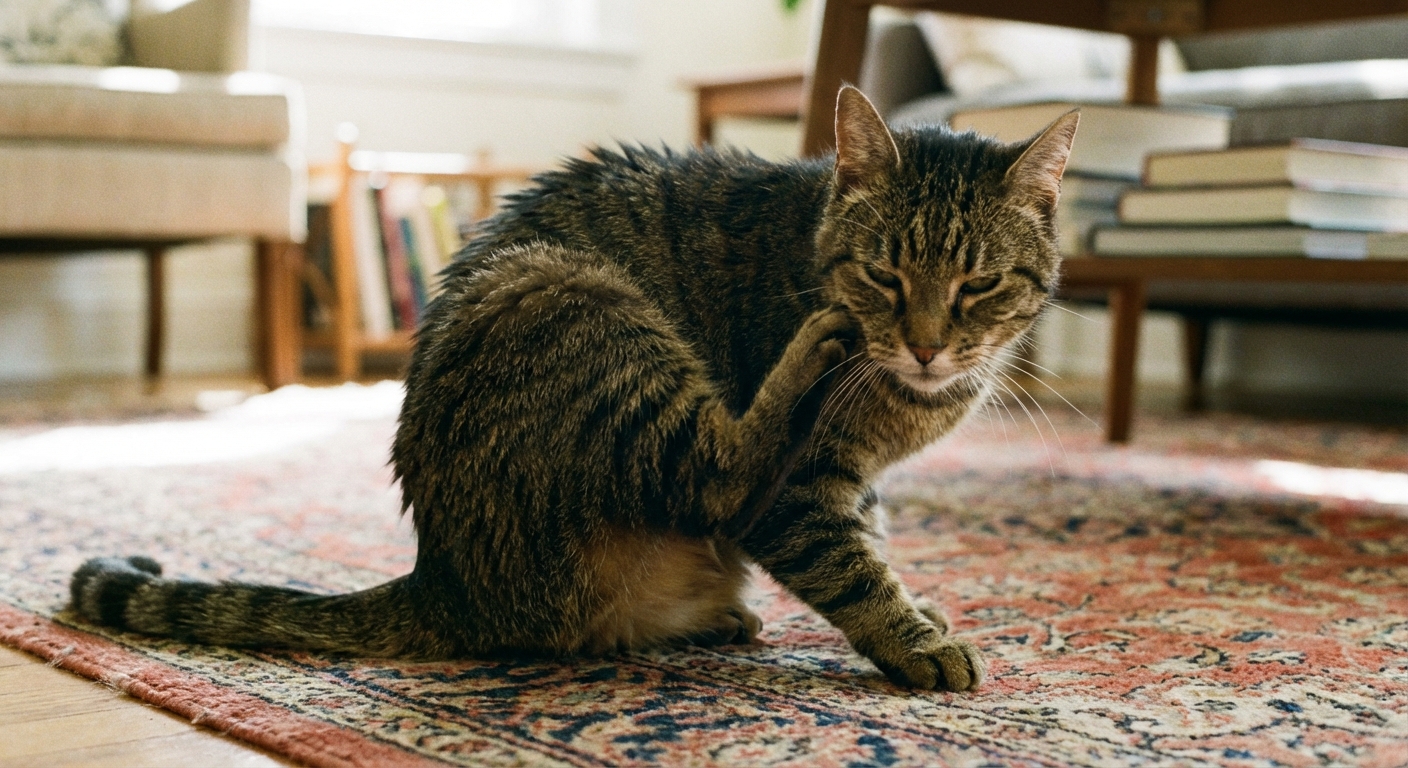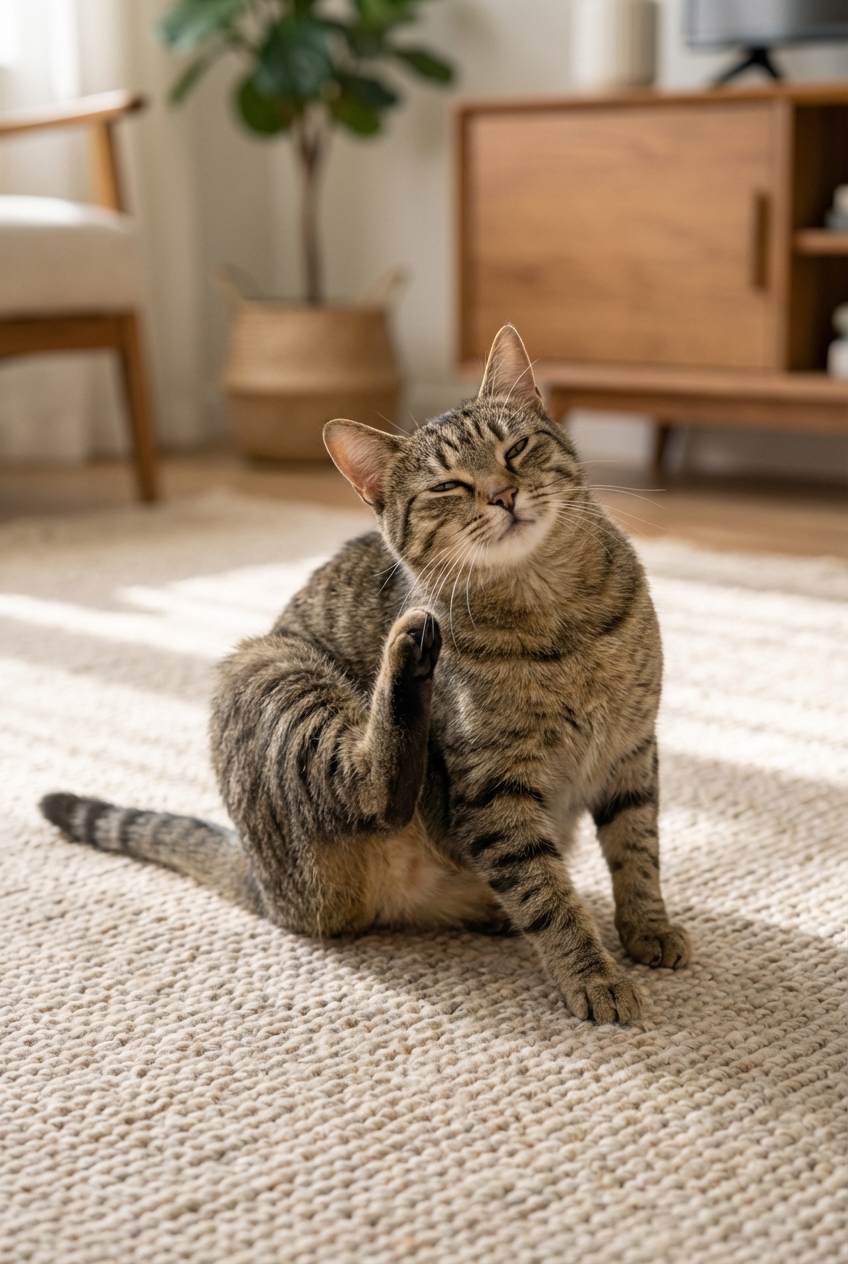
Cat scratching or over-grooming? Learn the top causes—fleas, allergies, infections, mites, ringworm, or stress—plus safe home steps, what to avoid, and w...
Article
•
Designer Mixes
Itchy Skin in Cats

Shari Shidate
Designer Mixes contributor
If your cat seems itchy all the time, you are not imagining it. Persistent scratching, licking, chewing, head shaking, and over-grooming are some of the most common reasons cat parents end up at the vet. And while “dry skin” gets blamed a lot, ongoing itch in cats usually has an underlying trigger that deserves a closer look.
As a veterinary assistant, I like to remind families of this simple truth: itch is a symptom, not a diagnosis. The good news is that once you identify the cause, most cats feel dramatically better with a targeted plan.
What itchy skin looks like in cats
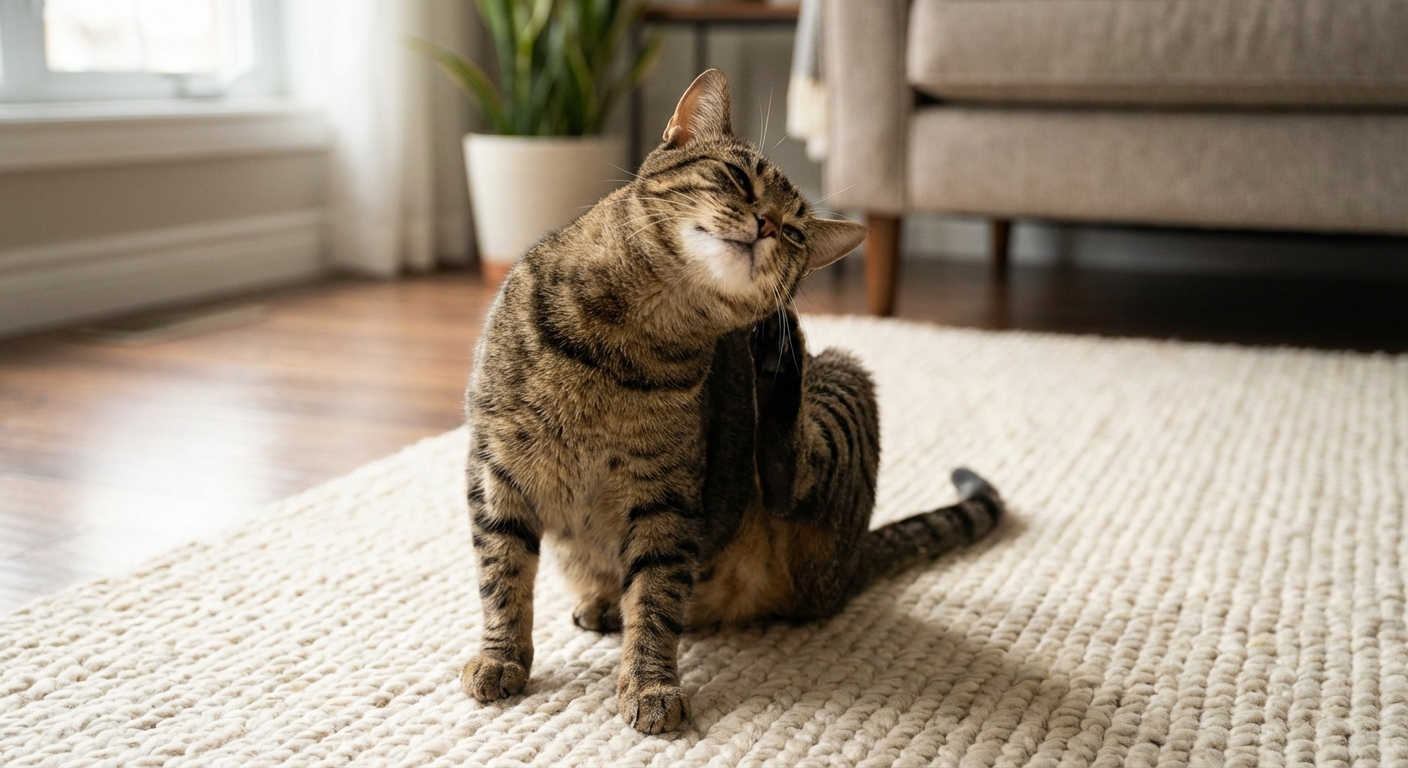
Cats can be sneaky. Some cats scratch, but many show itch through over-grooming. You may only notice thinning fur or “barbering” before you ever see them scratch.
One quick note: over-grooming can also be stress-related or pain-related (not always allergy), so it is still worth a medical check even if the skin looks “normal” at first glance.
Common signs
- Frequent scratching, especially around the head and neck
- Excessive licking or chewing, often belly, inner thighs, or flanks
- Hair loss, broken hairs, or a “moth-eaten” coat
- Redness, scabs, crusts, or small bumps (miliary dermatitis)
- Moist, inflamed skin lesions or oozing skin infections
- Ear itch, head shaking, or dark ear debris
- Restlessness, irritability, or hiding due to discomfort
Quick tip: If your cat is grooming so much that the skin looks shiny, raw, or the fur is disappearing, that counts as a medical concern even if you do not see scratching.
Pattern clue: Cats with flea allergy often itch near the tail base and back legs, while many allergic cats over-groom the belly and inner thighs. Some cats with allergies focus on the head, neck, and ears. Patterns help, but they are not a diagnosis on their own.
Top causes of itch in cats
There are several big “buckets” we think about. Many cats have more than one issue going on at the same time.
1) Fleas and flea allergy dermatitis
This is one of the most common causes of itch, and it is often the first thing many vets aim to rule out. Here is the tricky part: you often will not find fleas. Cats are excellent groomers, and a flea allergy reaction can happen from just a few bites.
- Typical pattern: itching around the back, rump, tail base, and thighs
- May see: tiny scabs on the back or neck, hair loss near tail
2) Allergies (environmental and food)
Cats can be allergic to things in their environment (like dust mites or pollens) and to ingredients in food. In cats, allergies often show up as skin and ear issues rather than watery eyes like people get.
- Environmental allergy (also called atopic dermatitis): may be seasonal or year-round
- Food allergy: can show as itch, ear infections, or skin lesions; GI signs can happen but are not required
3) Mites and other parasites
Ear mites are common, especially in younger cats or multi-cat homes. Other mites can cause intense itching and crusting.
- Ear mites: head shaking, dark crumbly ear debris, intense ear itch
- Other mites: scabs, crusting, patchy hair loss, contagious potential
4) Skin infections (bacterial or yeast)
Infections are often secondary, meaning something else started the itch and then the skin barrier broke down. Infections make itch worse and can create odor, oozing, and pain.
5) Ringworm (fungal infection)
Ringworm is not a worm. It is a fungus, and it can spread to people and other pets. Cats can have ringworm with or without itch.
- Often looks like: circular hair loss, scaling, broken hairs
- Higher risk: kittens, stressed cats, crowded environments
Safety note: If ringworm is on the list, wash hands after handling your cat, limit close face-to-face contact, and keep kids and immunocompromised family members extra cautious until your vet has confirmed what you are dealing with.
6) Dry skin, stress grooming, and pain-related over-grooming
Low humidity, frequent bathing, harsh shampoos, or poor nutrition can contribute to flaky skin. Also, cats may over-groom from stress or anxiety, and sometimes they lick a painful area (for example, arthritis in the hips or back).
How veterinarians diagnose the cause
Because “itchy” has so many possible triggers, diagnosing it is often a step-by-step process. That is not your vet being vague. That is your vet being thorough.
What to expect at the appointment
- History questions: indoor vs outdoor, parasite prevention, diet, recent changes, other pets, itching pattern
- Skin and coat exam: looking for flea dirt, scabs, lesions, ear problems
- Ear cytology: checks for mites, yeast, bacteria
- Skin cytology: tape prep or swab to look for infection and inflammation
- Skin scraping or hair exam: checks for mites; a hair exam (trichogram) can show broken hairs that may support suspicion for fungus, but ringworm is confirmed with specific testing
- Ringworm testing: Wood’s lamp screening in some cases, plus culture or PCR when suspected
- Veterinarian-guided trial therapy: strict flea control for all pets, or a diet elimination trial, as part of the diagnostic plan
About allergy testing: Blood tests and intradermal skin tests can help identify environmental allergy triggers, but they do not diagnose food allergy. Food allergy is diagnosed with a carefully controlled elimination diet trial.
When itch is an emergency
Most itchy skin issues are uncomfortable but not life-threatening. Still, there are a few situations where you should seek urgent veterinary care.
- Swollen face, hives, vomiting, trouble breathing, or collapse
- Rapidly spreading redness, open wounds, or significant swelling
- Severe ear pain, head tilt, loss of balance, or sudden hearing changes
- Cat stops eating, hides continuously, or seems painful to touch
What you can do at home right now
You do not have to wait helplessly for relief. You can take a few safe steps while you schedule a vet visit, and these steps often support the diagnostic process too.
1) Start (or restart) truly effective flea control
Use a veterinarian-recommended product and treat every cat and dog in the home as directed. Flea allergy can persist even if you only see fleas occasionally.
2) Avoid human medications
Many human itch and pain medications are dangerous for cats. Avoid giving anything by mouth or applying creams unless your veterinarian approves it.
3) Support the skin barrier
- Switch to a fragrance-free, gentle litter if the paws look irritated
- Use a humidifier if your home is very dry
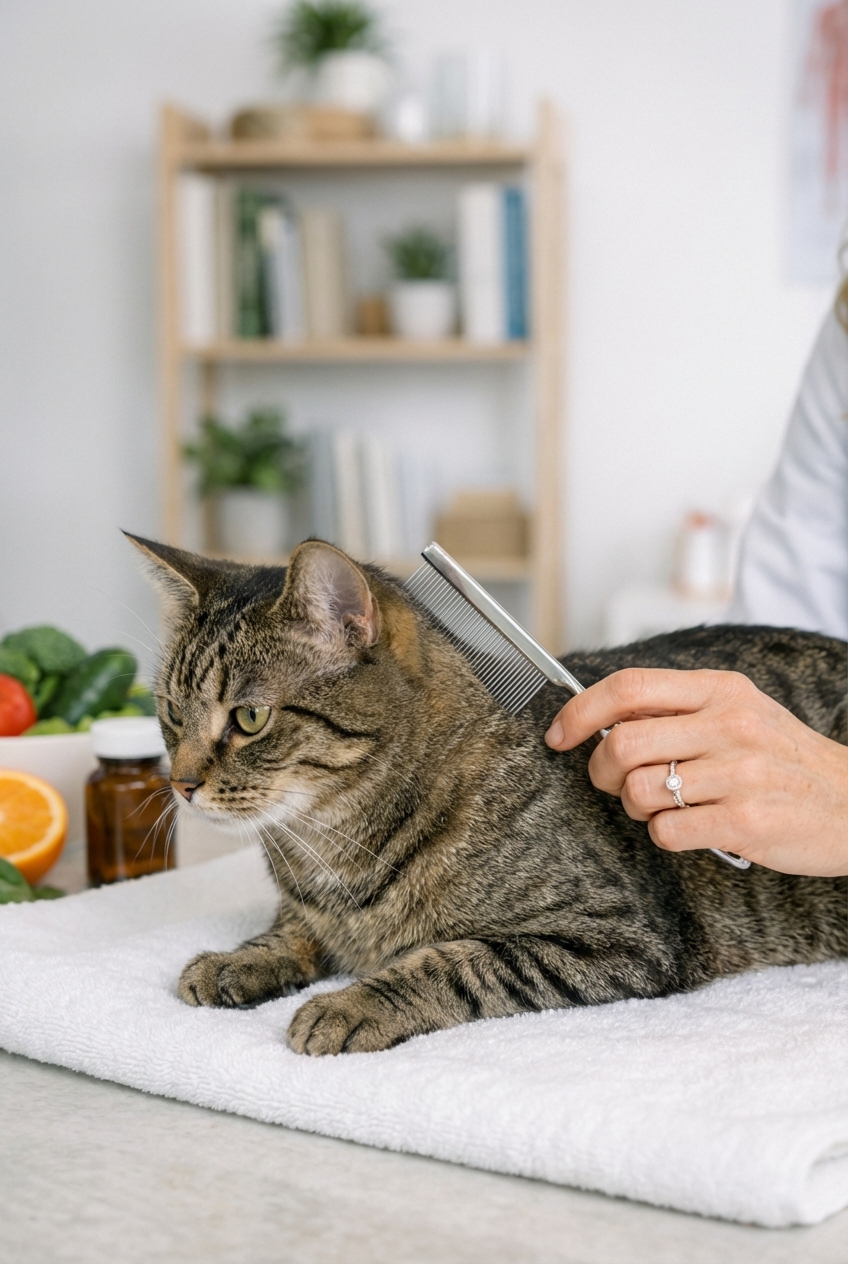
- Brush gently to remove dander and track coat changes
4) Reduce self-trauma
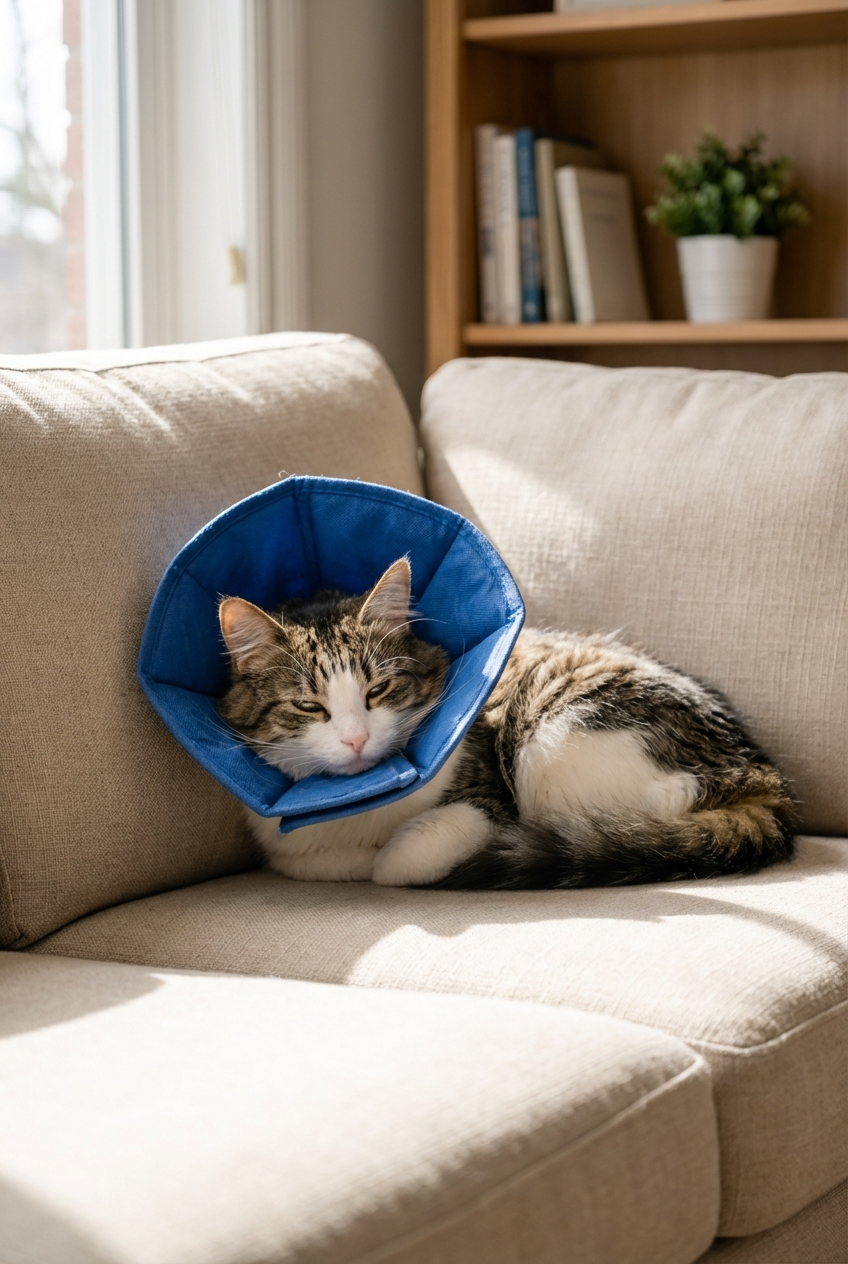
If your cat is breaking the skin, ask your vet about an e-collar or soft recovery collar. It feels like a big step, but it can prevent infection and speed healing.
5) Keep notes that help your vet
- When did the itch start, and is it seasonal?
- Where on the body is it worst?
- Any new foods, treats, supplements, or flavored medications?
- Any new cleaners, candles, air fresheners, or laundry products?
- Any new pets, travel, boarding, or household changes?
Treatment options
Treatment depends on the cause, but here is what tends to be most effective, and why.
Parasite treatment
- Prescription flea control is often step one, even if fleas are not seen
- Mite treatment may include topical or oral medications for all cats in the household
Infection control
- Antibiotics or antifungals when cytology shows infection
- Medicated wipes or shampoos when your vet recommends them
Allergy management
- Anti-itch medications (your vet will choose the safest option for cats, since many common itch medications are not labeled for cats and require veterinary guidance)
- Allergen-specific immunotherapy if environmental allergy is confirmed
- Elimination diet trial for suspected food allergy, typically 8 to 12 weeks with zero “extras”
Nutritional support
Skin is one of the first places we see the impact of nutrition. For some cats, your veterinarian may recommend a diet formulated for skin health and omega-3 supplementation. Use cat-specific products and dosing guidance, because more is not always better.
Food allergy and diet changes
It is tempting to switch foods repeatedly when your cat is itchy. I get it. You just want relief. But frequent diet changes can make it harder to pinpoint the cause.
Also, “grain-free” foods and random over-the-counter limited-ingredient diets are not reliable diagnostic trials. Cross-contamination and ingredient overlap are common, and they can muddy the results.
How an elimination diet works
- Use a prescription hydrolyzed diet or a truly novel protein diet chosen with your vet
- Feed it exclusively for the full trial period
- No flavored treats, no table food, no flavored toothpastes, and be careful with flavored medications
- If your cat improves, your vet may discuss a challenge phase to confirm
Helpful mindset: A diet trial is not about “finding the perfect food” on day one. It is a diagnostic tool to answer a yes-or-no question: is food part of the itch?
Prevention and long-term comfort
Once you get an itchy cat stabilized, prevention becomes your best friend. You are protecting the skin barrier and reducing flare-ups.
- Keep cats on consistent, year-round parasite prevention if recommended in your area
- Schedule rechecks if infections are recurring, because there is usually a root cause
- Maintain a stable diet and introduce new treats slowly
- Reduce stress with routine, enrichment, and safe hiding spots
- Regular grooming and gentle brushing, especially for long-haired cats
If you take one thing away, let it be this: chronic itch in cats is common, treatable, and worth investigating early. The sooner we protect the skin, the less chance your cat has of developing painful secondary infections.
Frequently asked questions
Can I give my cat Benadryl for itching?
Sometimes veterinarians use antihistamines in cats, but dosing and appropriateness depend on your cat’s health and the type of itch. Do not guess. Call your vet first.
Why is my indoor cat itchy?
Indoor cats can still get fleas (they hitchhike in), have environmental allergies, develop food allergies, or pick up mites from other pets. “Indoor” reduces risk, but it does not eliminate it.
Is dandruff always a sign of dry skin?
Not always. Dander can increase with obesity (harder to groom), arthritis (pain with grooming), parasites, allergies, and poor coat quality. It is a clue, not the whole story.