Vet-assistant guide to calming itchy dogs at home. Learn common causes (fleas, allergies, yeast), a 10-minute itch check, safe remedies, what to avoid, and w...
Article
•
Designer Mixes
Itchy Dogs: Quick Facts and Relief Tips

Shari Shidate
Designer Mixes contributor
Itchy skin is one of the most common reasons I see dogs come into the clinic stressed, restless, and miserable. The good news is that itching almost always has an underlying trigger, and in many cases we can identify it and manage it well. The trick is learning to spot patterns, rule out the serious stuff, and make small changes that add up to real relief.
Below are some quick, surprising facts about itchy dogs, plus practical, evidence-based tips you can start today.
Quick facts about dog itching
1) Dog allergies often show up on the skin
People often expect allergies to look like watery eyes and sneezing, but in dogs, allergies commonly show up as itchy paws, ears, belly, and armpits. If your dog is licking feet or rubbing their face on the carpet, that can fit an allergy pattern, but it is not the only possibility.
2) Flea bites can cause big itch with only a few fleas
Some dogs develop flea allergy dermatitis, which means even one or two bites can trigger intense itching for days. You might not see fleas at all, especially if your dog is grooming a lot. This is why consistent, veterinarian-recommended flea prevention matters even for indoor pets.
3) Ear infections and itchy skin are closely linked
Many dogs with recurring ear issues also have underlying skin inflammation from allergies. It is all connected: the same overreactive immune response can affect ears, paws, and skin.
4) Yeast likes warm, moist places
Yeast overgrowth often affects areas like the paws, skin folds, groin, and ears. A common clue is a musty, “corn chip” type smell and reddish-brown staining from licking, but smell alone is not diagnostic. Your vet can confirm yeast or bacteria with a quick skin or ear cytology test.
5) Dry indoor air can make winter itch worse
In North Texas we swing from humid to very dry, and indoor heat can dry the skin out. Some dogs itch more in the winter even without allergies, simply from a weakened skin barrier.
Common causes and what they look like
Here are the big categories we think about in veterinary medicine. Itching is a symptom, not a diagnosis, so narrowing the why matters.
- Parasites (fleas, mites): sudden itching, scabs along the back, tail base irritation, or very intense scratching.
- Mange mites (sarcoptic mange): extremely itchy, can spread between dogs, and can cause temporary itchy bumps in people. This is one to treat as urgent.
- Environmental allergies (pollen, grass, dust mites): seasonal or year-round itching, paw licking, face rubbing, ear flare-ups.
- Food allergy or sensitivity: can look identical to environmental allergies, often includes ears and paws, and is often year-round.
- Skin infections (bacterial or yeast): redness, odor, greasy coat, crusts, pimples, hair loss, or hot spots.
- Dry skin and barrier damage: dandruff, dull coat, mild to moderate itch, sometimes worse after frequent bathing with harsh shampoos.
- Contact irritation: itchy belly or feet after walking in grass treated with chemicals, new carpet cleaners, scented laundry products.
- Ringworm (fungal infection): can cause scaly circular lesions and hair loss; it can spread to people and other pets, so do not ignore suspicious patches.
If you are noticing odor, oozing, open sores, sudden severe itch, or anyone in the home is developing itchy skin lesions too, that is your sign to involve your veterinarian sooner rather than later.
Itch detective checklist
When pet parents tell me “my dog is itchy,” these are the questions that help us get to the root cause faster.
- Where is your dog itchy? Paws, ears, belly, tail base, or all over?
- When did it start? Suddenly (think parasites or contact irritation) or gradually (think allergies).
- Is it seasonal? Spring and fall flare-ups can point to environmental triggers, but patterns vary by region and household.
- Any odor? Yeast and bacteria often have a noticeable smell.
- Any new products? New shampoo, detergent, carpet treatment, grooming spray, or lawn chemicals.
- Are they on consistent flea prevention? “Mostly” is not enough for flea-allergic dogs.
- Any diet changes? New treats, new chews, new toppers, or table scraps can muddy the waters.
- Any scooting or rear-end licking? Sometimes anal gland discomfort, pain, or anxiety can look like “allergy licking,” so it helps to mention it.
Tip: jot down patterns in your phone. Photos help too, especially if redness comes and goes.
What helps
Start with parasite control
Even indoor dogs can get fleas. If your dog is itchy, confirm they are on a veterinarian-recommended flea prevention and that it is being given on schedule. For flea-sensitive dogs, this step alone can be life-changing.
Rinse off outdoor allergens
If your dog’s itch is worse after walks, try a simple routine:
- Wipe paws and belly with a damp cloth after outdoor time.
- Rinse feet in cool water, then dry well, especially between toes.
- Wash bedding weekly in unscented detergent.
Use the right shampoo
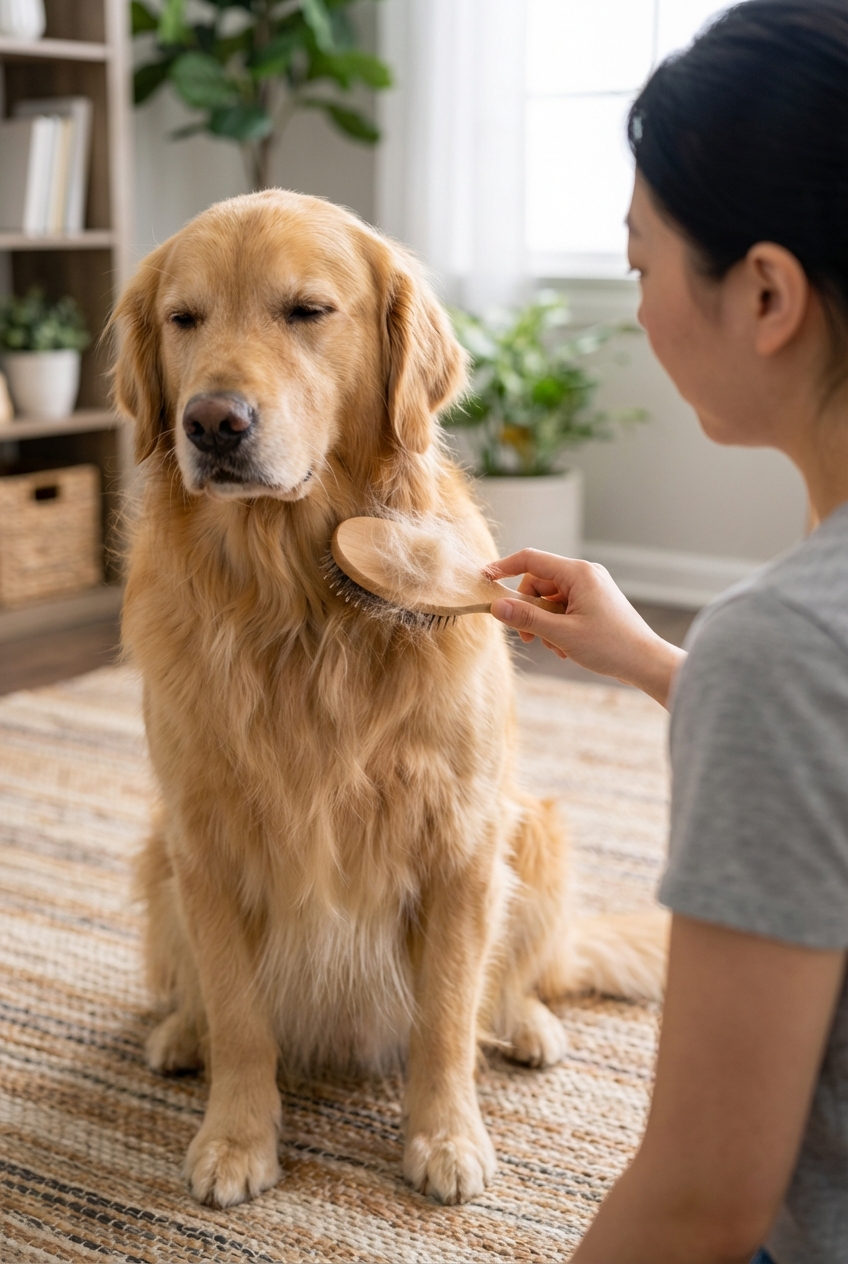
Over-bathing or using heavily scented products can worsen dryness and irritation. Ask your vet about medicated shampoos if yeast or bacteria is suspected. For many dogs, the goal is supporting the skin barrier, not being super squeaky clean.
If you are not familiar with the term, the skin barrier is basically your dog’s natural “protective coat” at the microscopic level. When it is damaged, the skin loses moisture more easily and becomes more reactive to irritants and allergens.
Support the skin from the inside
Nutrition matters for itch. Many dogs do well with:
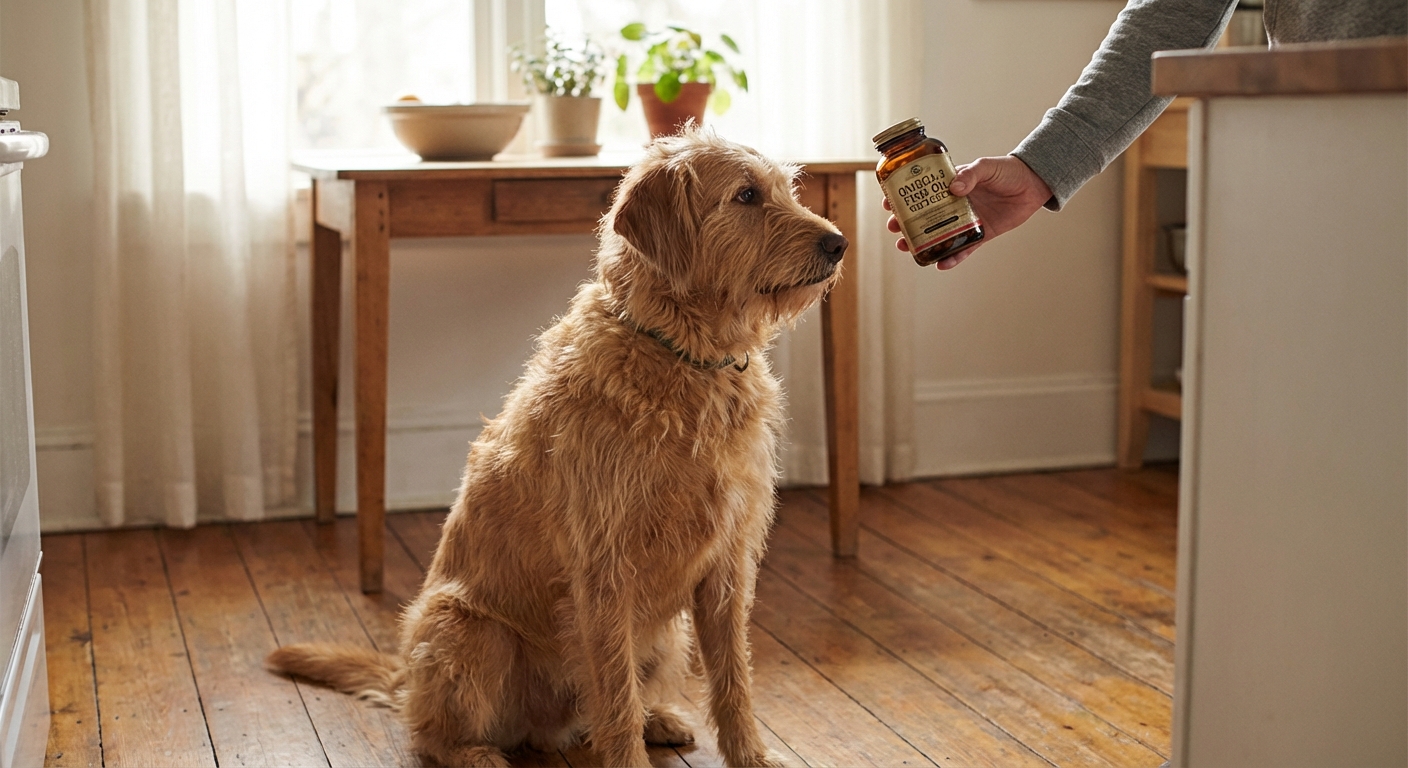
- Omega-3 fatty acids (EPA and DHA) from fish oil. They can reduce inflammation and improve skin quality over time, but they are typically an add-on, not a stand-alone cure, and results vary.
- A high-quality, consistent diet with adequate protein and fewer unnecessary additives.
- Slow, thoughtful diet changes to avoid GI upset and to make reactions easier to spot.
Important: not all fish oil doses are the same, and some products vary in quality. Your veterinarian can help you choose a reputable option and a safe dose for your dog’s weight and medical history.
Do an elimination diet the right way
Food allergies are tricky because the skin signs can mimic environmental allergies. The most reliable way to evaluate a food trigger is a veterinary-guided elimination diet trial (often 8 to 12 weeks) using a prescription hydrolyzed diet or a truly novel protein. Treats, flavored medications, and chews can break the trial, so it needs to be planned.
Address infections early
Itch can spiral: scratching damages skin, bacteria and yeast overgrow, then itching gets worse. If you see pustules, greasy coat, strong odor, or hot spots, a vet visit can save your dog weeks of discomfort.
A quick safety note
Please avoid using human topical creams, essential oils, or random OTC remedies unless your veterinarian has okayed them. Some ingredients are toxic to pets or can make inflamed skin worse, and licking turns topical products into oral exposures.
What your vet may do
If your dog’s itch keeps coming back, it helps to know what a typical workup looks like. Depending on symptoms, your veterinarian may recommend:
- Skin and ear cytology to check for yeast and bacteria.
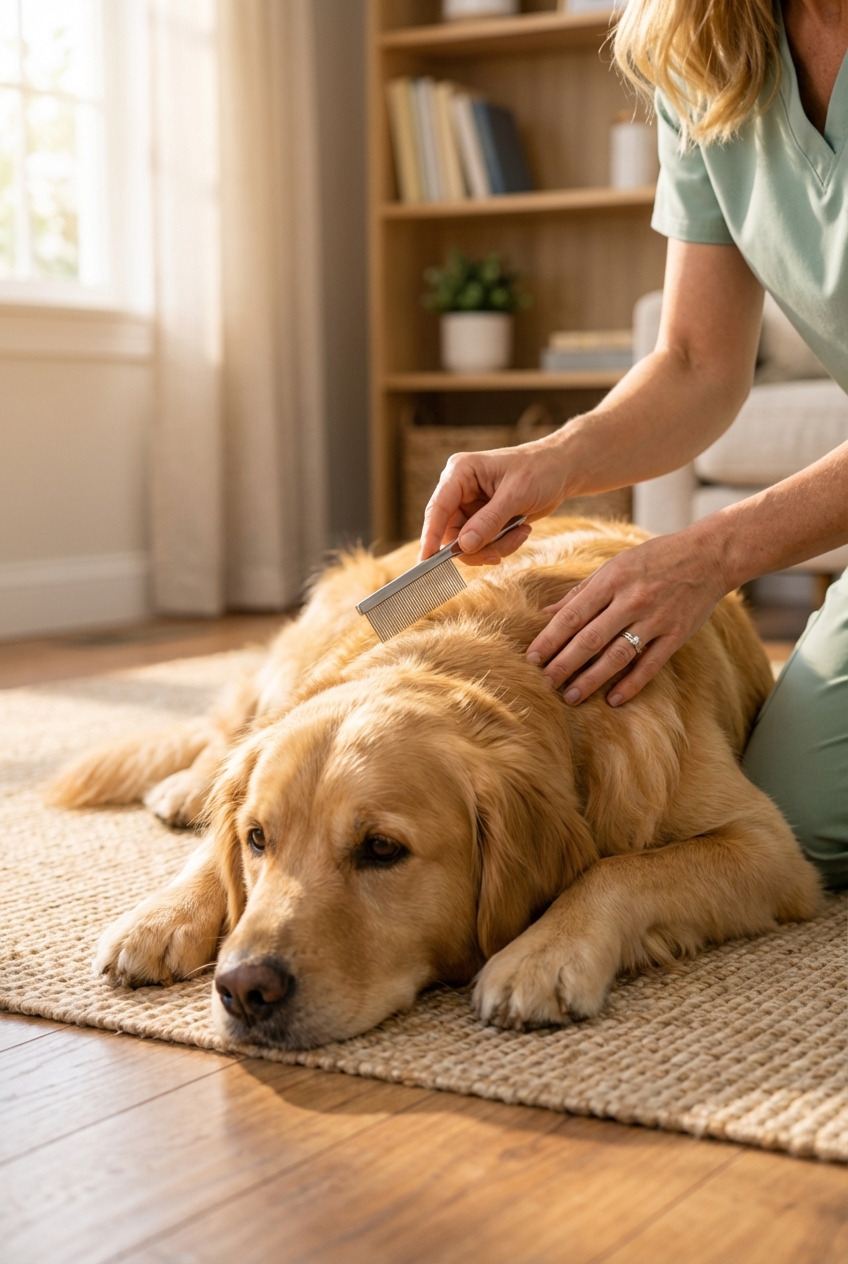
- Flea combing and a review of parasite prevention.
- Skin scraping or other tests for mites (including sarcoptic mange).
- Fungal testing if ringworm is on the list.
- Allergy management, which may include prescription options to control itch and inflammation (for example, Apoquel or Cytopoint) and longer-term strategies like immunotherapy for some dogs.
The goal is not just to stop the scratching today, but to prevent the itch-infection cycle and protect the skin long-term.
Myths to stop believing
Myth: “If I do not see fleas, it cannot be fleas.”
Reality: flea-allergic dogs can react to very few bites, and fleas can be hard to find.
Myth: “Grain-free fixes itching.”
Reality: most food allergies are to proteins, not grains. Grain-free diets are not a guaranteed itch solution and may be inappropriate for some dogs depending on health history and formulation. Also, some boutique, exotic-ingredient, and grain-free diets have been associated with diet-related DCM concerns, so it is worth choosing diets thoughtfully with your vet.
Myth: “Benadryl always works for dog allergies.”
Reality: some dogs get mild benefit, many do not, and sedation can be misleading. Always confirm safe dosing with your veterinarian and do not combine medications without guidance.
Call your vet now
Itching is common, but certain signs mean you should get help promptly:
- Open sores, bleeding, or rapidly spreading redness
- Facial swelling, hives, or trouble breathing
- Head shaking, painful ears, or foul ear odor
- Hot spots that appear overnight
- Hair loss in patches or scaly circular lesions (especially if ringworm is possible)
- Puppies, seniors, or immunocompromised pets with new itching
- Itch that is disrupting sleep or daily life
- Severe, sudden itch that could fit sarcoptic mange
There is no prize for waiting it out. Early care often means faster relief and fewer medications overall.
7-day itch plan
If your dog is stable and not in crisis, here is a simple approach I often recommend for pet parents to discuss with their veterinarian:
- Day 1: Check flea prevention status and clean bedding.
- Day 2: Start paw and belly wipe-downs after outdoor time.
- Day 3: Switch to unscented laundry detergent and avoid sprays on fabrics your dog touches.
- Day 4: Note itch hotspots (ears, paws, belly) and take clear photos.
- Day 5: If approved by your vet, add an omega-3 supplement and keep diet consistent.
- Day 6: Evaluate environment: pollen days, lawn treatments, new grooming products, humidifier needs.
- Day 7: If itching is unchanged or worse, schedule a vet visit and bring your notes and photos.
Small, steady steps matter. The goal is to calm the skin, reduce triggers, and avoid the itch-infection cycle.