Italian Greyhounds, often called Iggies, are elegant little sighthounds with a soft, affectionate nature and a body that can feel almost made of glass. As a veterinary assistant, I love how tuned-in they are to their people. I also see how easy it is for new owners to underestimate their needs because they are small and quiet. Part of that “glass” feeling is real-world fragility: falls and jumps can lead to injuries, including leg fractures.
This guide will help you understand what makes an Italian Greyhound different from a Whippet or Greyhound, why cold tolerance and dental care matter so much, and how to create a safer daily routine without turning your home into a bubble.
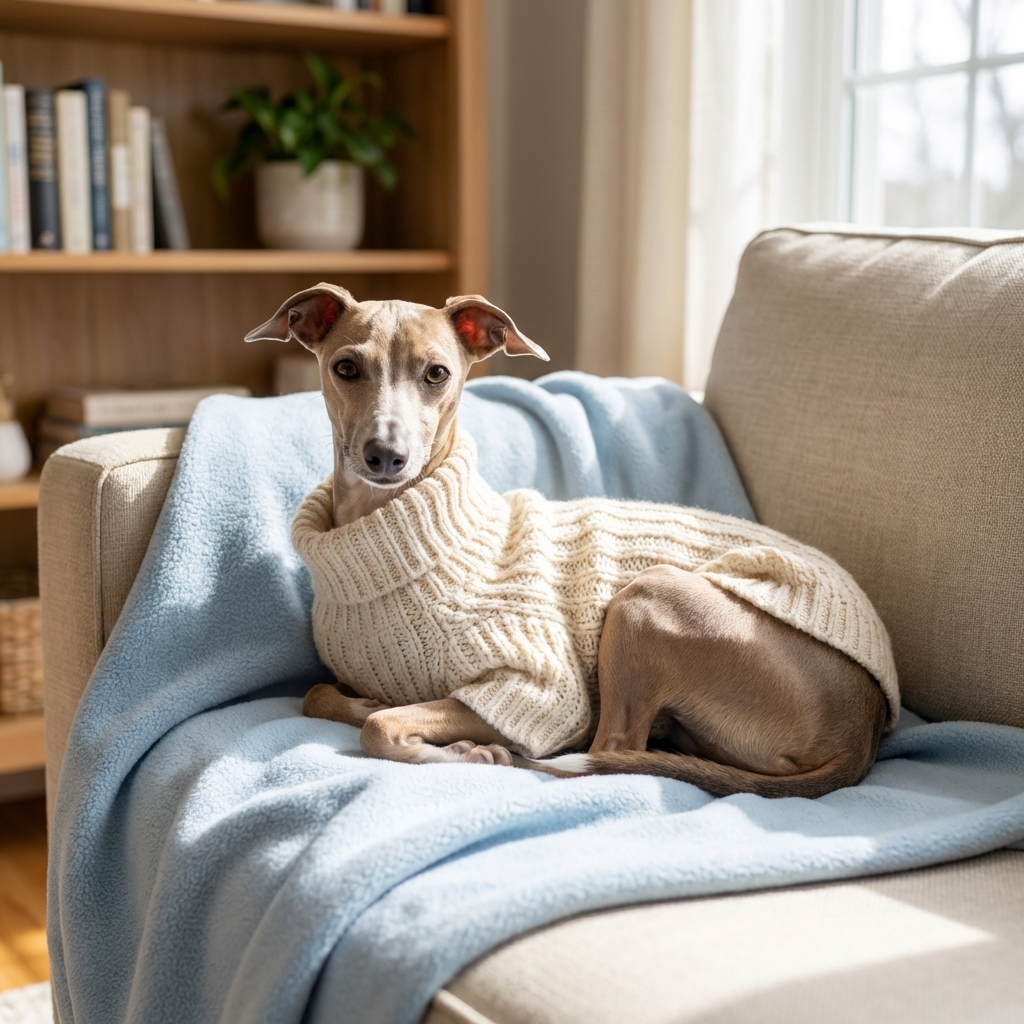
Italian Greyhound vs Whippet vs Greyhound
All three breeds are sighthounds, meaning they were built to spot movement and sprint. They share that sleek look, deep-chested silhouette, and a love for comfort. The differences show up quickly once you live with them.
Quick comparison
| Breed | Size | Typical vibe at home | Top watch-outs |
|---|---|---|---|
| Italian Greyhound | Toy | Velcro, sensitive | Cold, dental disease, leg fractures from jumps |
| Whippet | Medium | Chill, athletic | Cold, sprint safety |
| Greyhound | Large | Calm couch buddy | Cold, thin skin, safe sprinting |
Size and build
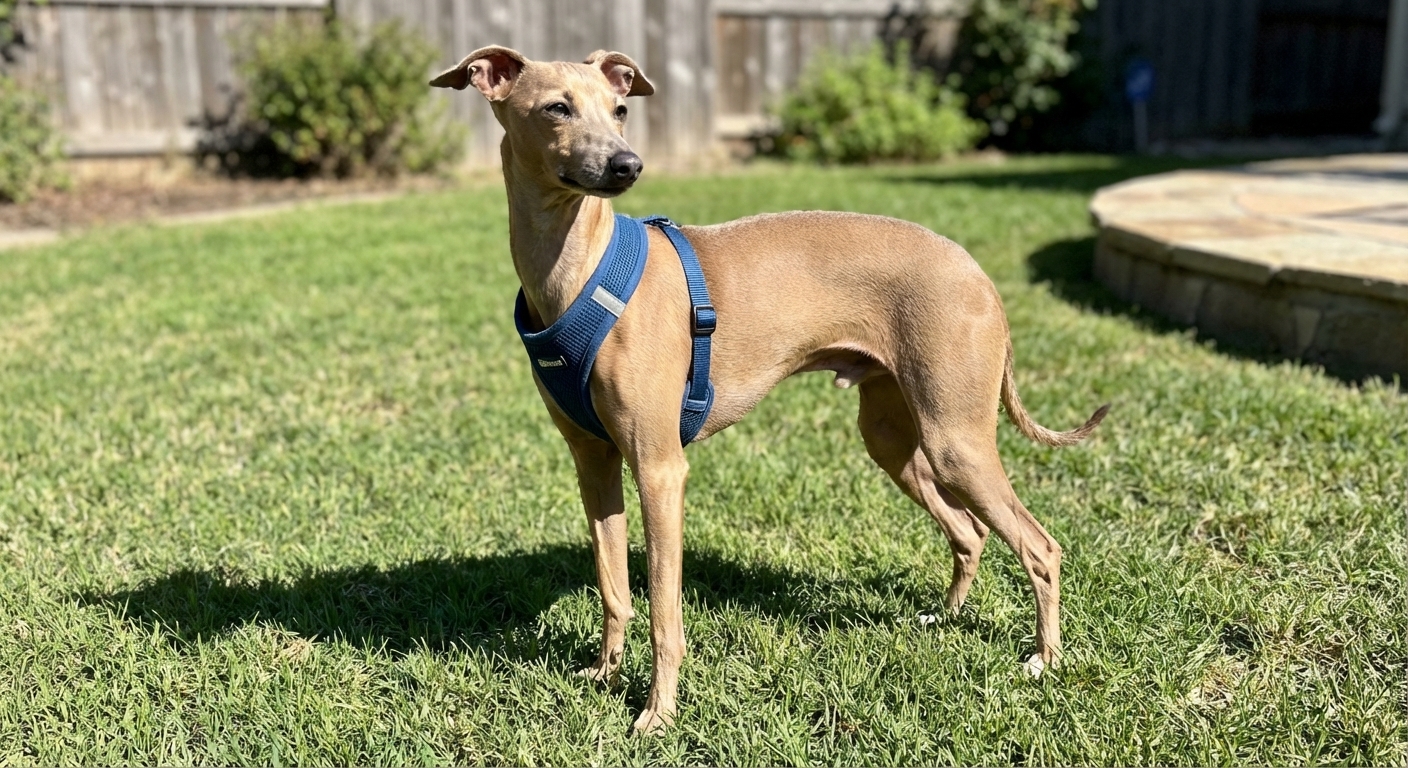
- Italian Greyhound: the smallest, lightweight, fine-boned, and more physically delicate. Their legs are long and slim relative to their body size.
- Whippet: medium-sized, athletic, and generally more robust than an Iggy. Still lean, but sturdier.
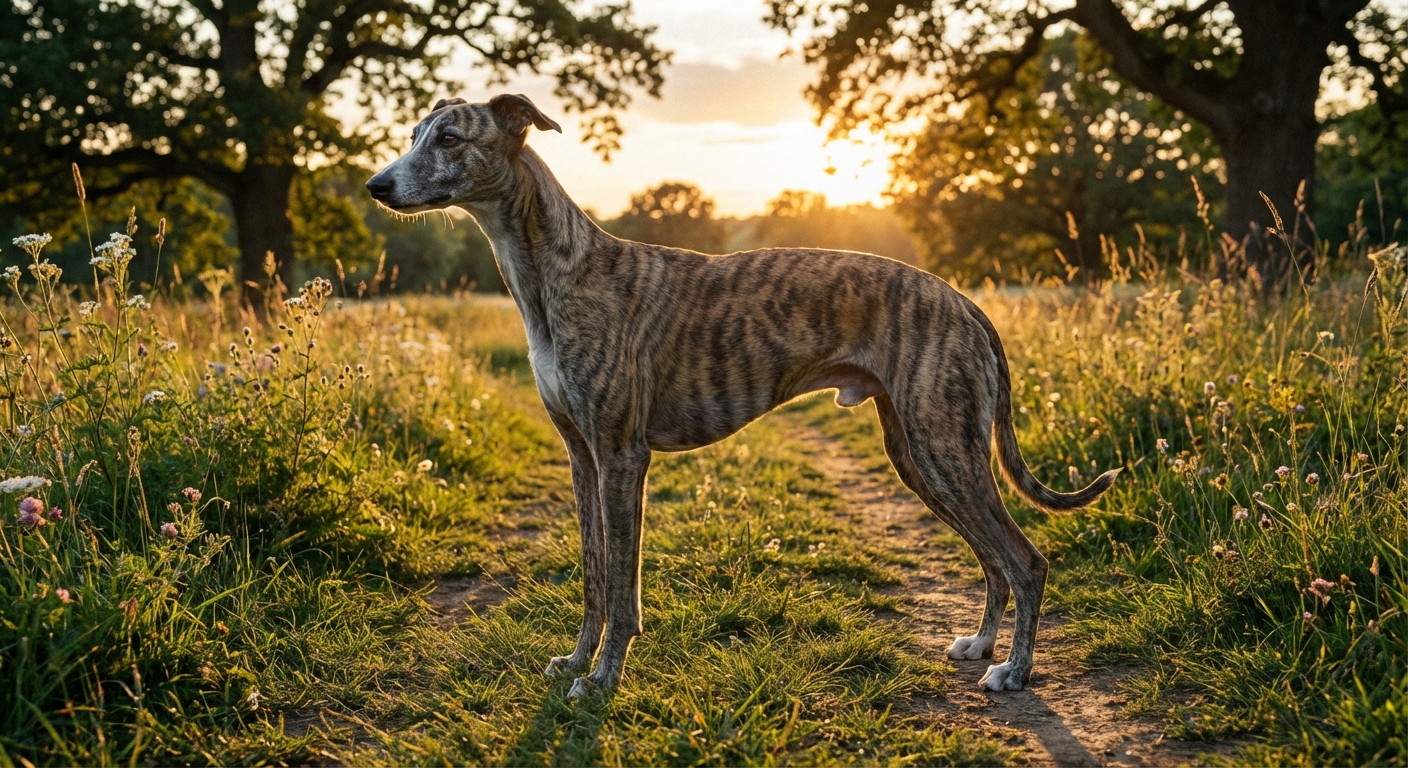
- Greyhound: large, powerful, and often surprisingly calm indoors once their exercise needs are met.
Cold tolerance
Italian Greyhounds typically struggle the most with cold. With a lean build, short coat, and a high surface-area-to-body-weight ratio, they can get chilly fast. Whippets often need coats too, but many can tolerate a bit more. Greyhounds also get cold, but their larger size can help them hold heat slightly better.
As a practical rule, many Iggies need a coat when temperatures dip below about 50°F (10°C), especially if it is windy or damp. Your individual dog gets the final vote.
Dental and skin considerations
Italian Greyhounds are widely known for being more prone to dental crowding and tartar buildup than many similarly sized breeds. Periodontal disease is common across small and toy dogs, but Iggies are frequently the breed where owners say, “I had no idea teeth could be this much of a daily project.” Their skin also tends to be thin and sensitive, which can mean more scrapes from rough play, tight collars, or abrasive surfaces.
Separation sensitivity
Iggies are famous for being “velcro dogs.” Many bond intensely and may struggle with being alone, especially without a gradual training plan. Whippets can be attached too, but Italian Greyhounds often take the prize for wanting constant closeness. Greyhounds can be affectionate as well, yet many are a bit more independent once settled.
Safe exercise differences
All sighthounds sprint. The Italian Greyhound’s challenge is that the body is small and delicate. High-speed play is fine in the right environment, but slippery floors, rough dog parks, or jumping off furniture can increase the risk of injury. Whippets and Greyhounds still need safety considerations, but they are generally less fragile than an Iggy.
Personality: sweet, sensitive, and athletic
Italian Greyhounds are often described as gentle, affectionate, and a little comedic. They love warmth, soft bedding, and being close enough to feel your breathing. They also have true sighthound instincts, so bursts of zoomies are normal.
What many owners love most
- Deep bonding: they tend to pick “their person,” then stay close all day.
- Quiet indoors: once their needs are met, many are excellent apartment dogs.
- Trainable with the right approach: gentle, reward-based methods usually work best for sensitive dogs.
Common challenges
- House-training can take longer: some Iggies dislike cold, wet grass and may hesitate to go outside.
- Startle sensitivity: harsh voices or chaotic handling can shut them down.
- Alone-time struggles: without practice, they may become distressed when separated from their people.
House-training workarounds that actually help
If your Iggy is a “nope” dog about rain or cold, you are not alone. Many owners successfully use an indoor potty system as a practical workaround, either long-term or as a bridge while training.
- Pee pads: helpful for puppies, storms, or apartments. Use a consistent location and reward immediately.
- Indoor dog litter box or grass patch: can feel more “real” than a pad and reduce accidents.
- Covered outdoor option: a porch potty area or a small covered patch can make winter and rain less dramatic.
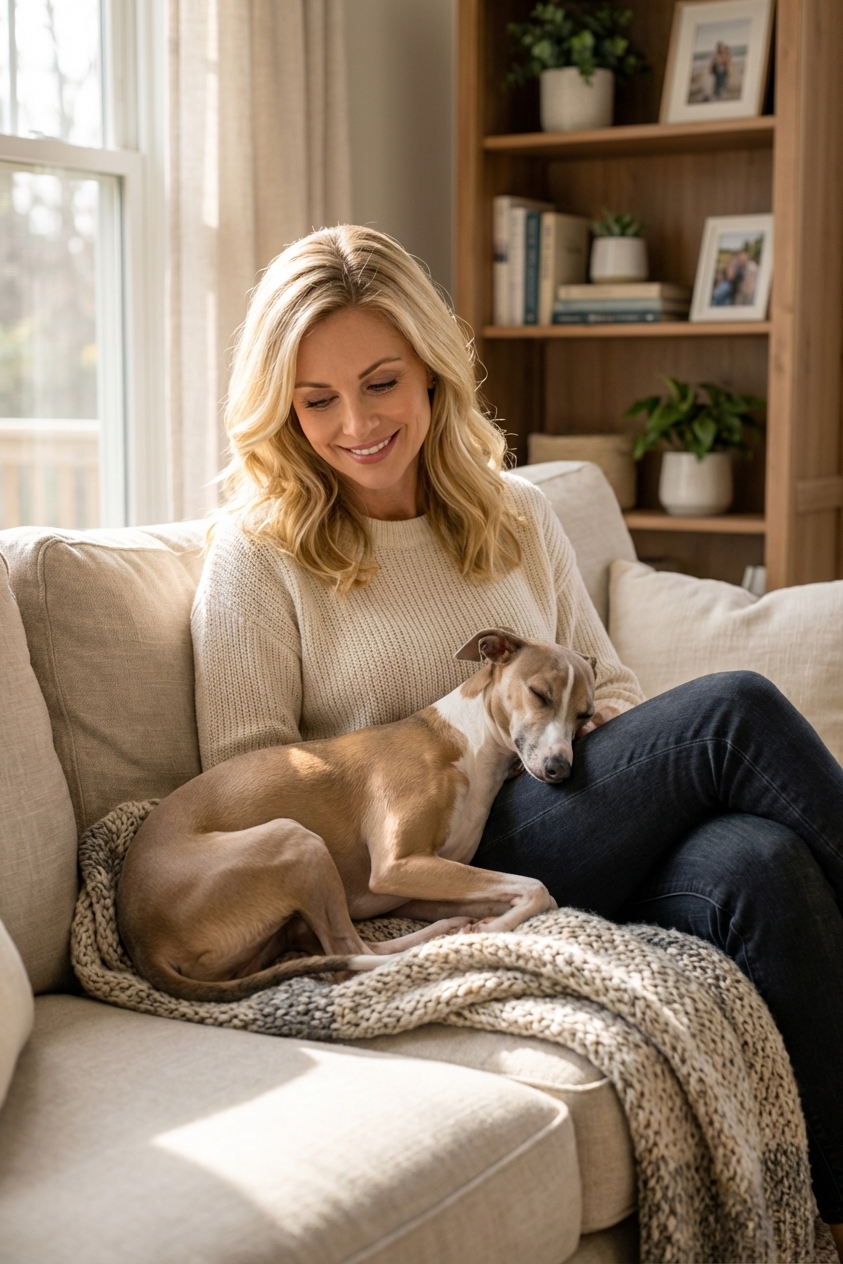
Fragility 101: legs and skin
Italian Greyhounds can be active, but they are not built for rough-and-tumble. Think “high-performance sports car,” not “off-road truck.”
The leg break risk is real
Iggies are notorious for leg fractures, especially radius and ulna fractures from jumps or falls. Puppies and adolescents are often the highest-risk group because they are brave, fast, and still physically developing. In clinic, a classic story is “he launched off the couch like always,” and that one awkward landing is all it takes.
This is why I get repetitive about ramps, stairs, and supervised up-and-down routines. You are not being overprotective. You are being realistic.
Home setup for fewer slips and falls
- Add traction: use washable runners or non-slip rugs in hallways and near doors.
- Reduce jump height: consider pet stairs or a low ottoman next to the couch and bed, especially for frequent up-and-down routines.
- Make a safe landing zone: thick rugs or foam mats near favorite furniture can soften an accidental hop-down.
- Trim nails regularly: overgrown nails can reduce traction and change gait, making slips more likely.
Gentle handling matters
Teach kids and visitors a simple rule: support the chest and rear, keep the dog close to your body, and avoid “dangling.” If your Iggy is wiggly, it is safer to pick them up over a rug or soft surface.
Choose gear that protects skin
- Harness over collar: many Italian Greyhounds do better with a well-fitted harness that distributes pressure. Some harnesses can chafe too, so fit and fabric matter.
- Watch for rubbing: sensitive skin can mean friction spots at the armpits and chest. Adjust fit and consider soft-lined materials.
Cold tolerance: clothing and comfort
For many Italian Greyhounds, warmth is not a luxury. It is a quality-of-life issue. Cold dogs tend to tense up, refuse potty breaks, and look miserable.
What to keep at home
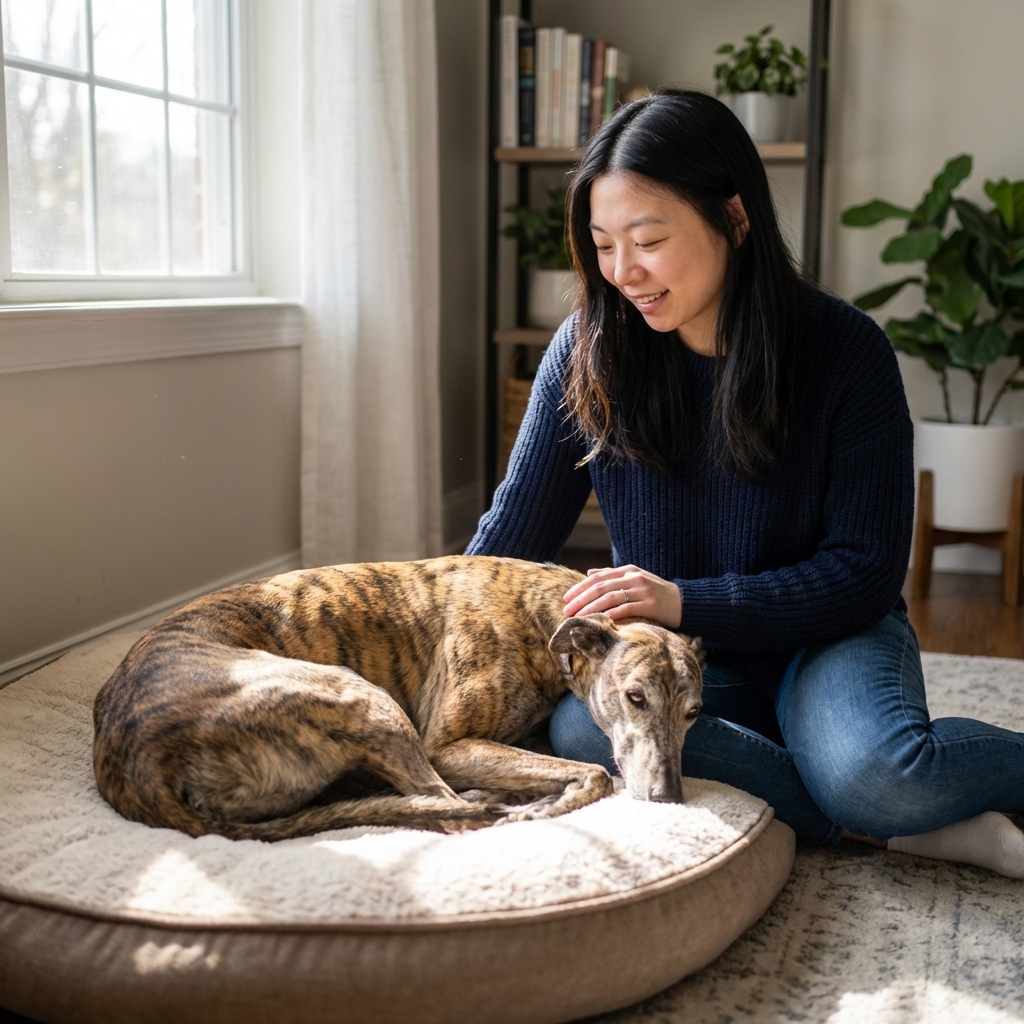
- A warm “nest” bed: think bolstered beds, cave beds, or a deep donut style with blankets.
- Throw blankets everywhere: place one on the couch and one in the dog’s main bed so they can burrow.
- Draft control: avoid placing beds right next to exterior doors or under strong AC vents.
Clothing basics
- Light layer indoors if needed: a soft shirt or thin sweater can help in heavily air-conditioned homes.
- Coat for outdoor walks: in cold or windy weather, a fitted coat that covers chest and belly helps most.
- Rain protection: a simple rain jacket can reduce “nope” moments during wet potty trips.
- Boots are optional: some Iggies tolerate them, many do not. If sidewalks are hot, icy, or heavily salted, keep trips short and choose safer surfaces.
Fit matters. Clothing should be snug but not tight, with no rubbing at armpits, neck, or along the spine.
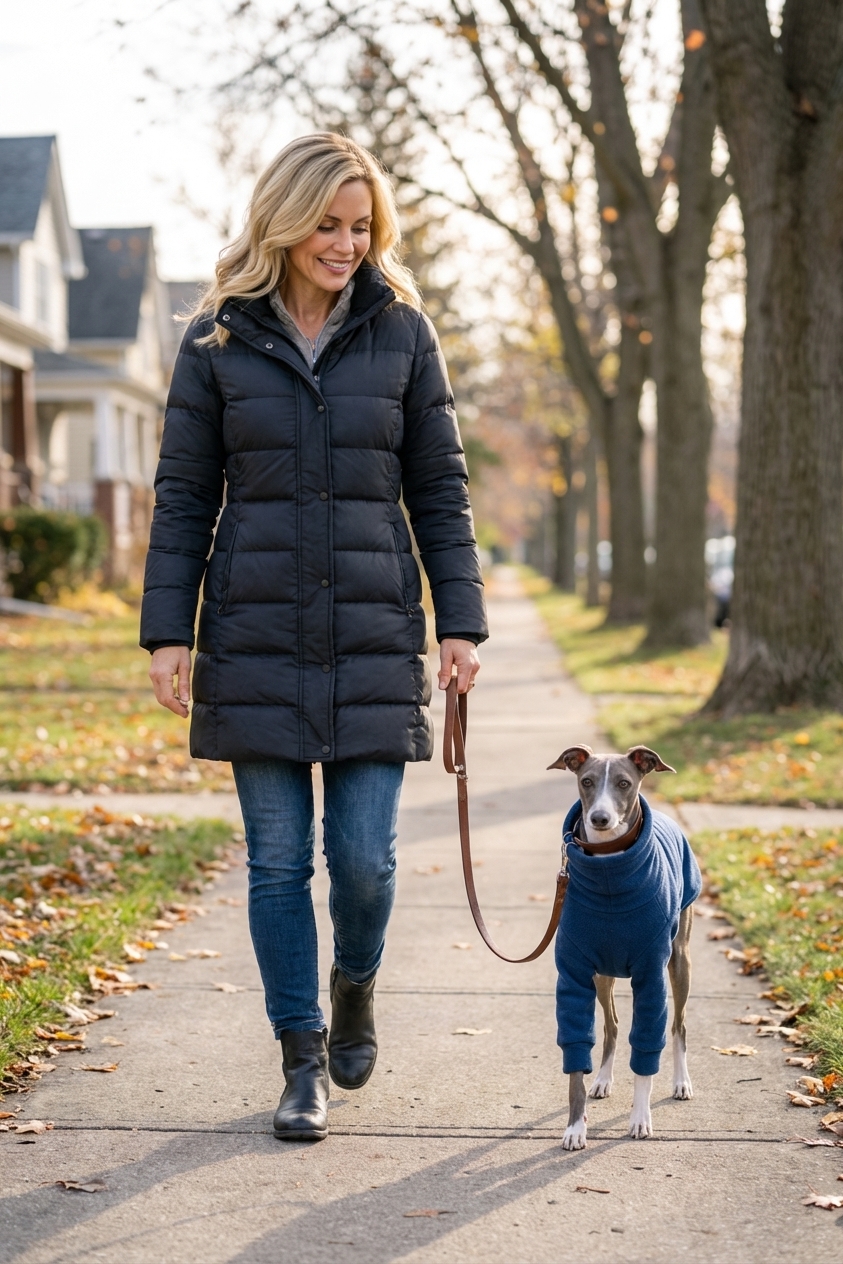
Dental and skin care: small routines
Iggies are one of those breeds where tiny daily habits can make a big difference in comfort and freshness.
Dental care habits
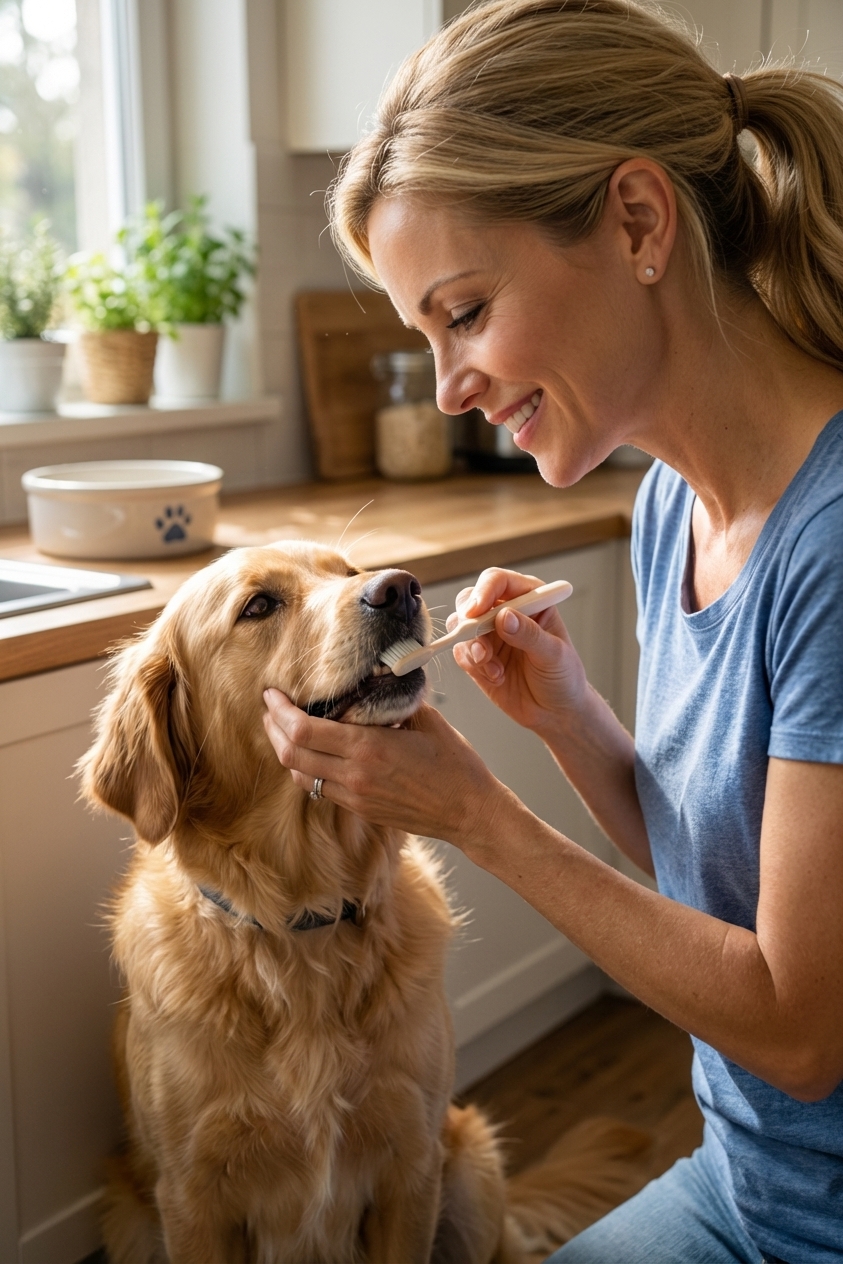
- Brush consistently: use a dog-safe toothpaste and a soft brush or finger brush. Start slowly and reward often.
- Use dental-support chews carefully: choose sizes appropriate for a small mouth and supervise chewing.
- Plan for professional care: many small breeds need regular dental assessments, and some need cleanings. Ask your vet what schedule fits your dog.
- Watch for signs of discomfort: bad breath, pawing at the mouth, drooling, or dropping food can be clues that it is time to schedule a check.
Skin and coat tips
- Gentle grooming: a soft rubber curry brush or a damp cloth often works better than stiff bristles.
- Bathing: moderate is best. Many do well with baths about every 4 to 8 weeks, or as needed, using mild products to avoid drying the skin.
- Prevent scrapes: avoid rough play with much larger dogs and keep sharp edges in the home covered.
- Sun protection: light-colored, thin-coated dogs can sunburn. Shade, timing walks away from peak sun, and dog-safe sunscreen on vulnerable spots can help.
Paws and sidewalk safety
If you walk on salted winter sidewalks or very hot pavement, do quick paw checks. Look for redness, cracking, or limping, and rinse paws after salty walks when possible.
This is not medical advice, but it is a good rule of thumb: if you notice persistent itching, scabs, redness, strong odor, or hair thinning, bring your vet into the conversation sooner rather than later.
Separation anxiety: teach alone-time
Because Italian Greyhounds bond so intensely, it helps to teach alone-time as a normal life skill, not a punishment.
Practical alone-time training ideas
- Start small: practice stepping out for 30 seconds, then 2 minutes, then 5, before you need a full workday separation.
- Pair departures with something good: a safe food puzzle or lick mat can help create a positive association.
- Keep the routine steady: predictable cues can be calming for sensitive dogs.
- Create a comfort station: a cozy bed, blanket, and a worn T-shirt that smells like you can be soothing for some dogs.
Calm greetings and goodbyes can help some dogs, but if you suspect true separation anxiety, it often requires a structured, step-by-step behavior plan. In some cases, veterinary support may be part of treatment. A qualified trainer who uses reward-based methods can help you build a plan tailored to your dog’s comfort level.
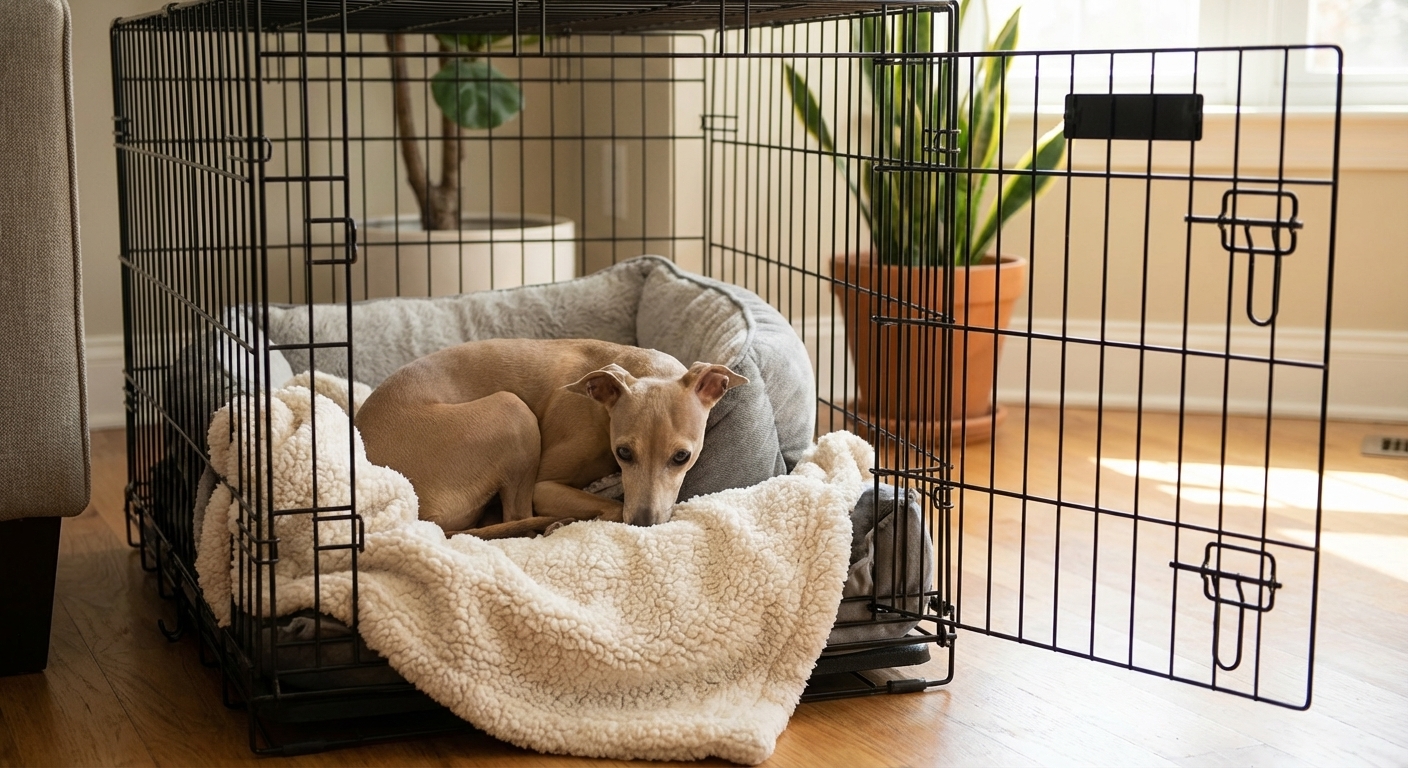
Safe exercise: sprint with boundaries
Italian Greyhounds are athletes in a tiny package. The key is providing opportunities to run safely, while reducing risks from falls, rough play, or poor footing.
Best ways to burn energy
- Short walks: several mini-walks can be easier than one long trek, especially in extreme temperatures.
- Indoor games: gentle tug, hide-and-seek with treats, and short training sessions are great mental workouts.
- Secure fenced run time: a safe, enclosed area with good footing allows healthy zoomies.
Be cautious with these scenarios
- Dog parks: size mismatches can happen fast. If you use a park, choose quiet times and consider small-dog areas, but still supervise closely.
- Slippery floors: full-speed running on tile can lead to wipeouts.
- High furniture and stairs: repeated jumping off beds and couches is not ideal for fragile legs, especially in young dogs.
- Off-leash in open areas: sighthounds can lock onto movement and take off. Even well-trained dogs can be tempted by squirrels.
A good safety mindset is simple: let them be fast, but set the stage so fast is less risky.
Feeding and daily care: simple and steady
Italian Greyhounds do well with consistent routines and quality basics. Focus on steady energy, comfortable digestion, and keeping the body lean. Extra weight can put additional stress on a small frame.
- Choose a complete diet: look for an AAFCO-complete food for your dog’s life stage, and ask your veterinarian for help picking one if you are unsure.
- Measure meals: avoid free-feeding unless recommended by your veterinarian.
- Use treats strategically: tiny treats are perfect for training without overdoing calories.
- Hydration matters: keep fresh water accessible and consider multiple bowls if your home is larger.
- Regular check-ins: track weight, appetite, coat condition, and stool quality so you notice changes early.
Warmth, traction, gentle handling, and a calm routine solve a surprising number of “Italian Greyhound problems.”
Common health topics to discuss
Every dog is an individual, but if you like to be prepared, here are a few common Italian Greyhound health topics to discuss with your veterinarian:
- Dental disease: crowding and tartar buildup can lead to gum inflammation and tooth loss without consistent care.
- Leg injuries: especially fractures related to falls, jumps, and poor footing.
- Patellar luxation: seen in many small breeds.
- Seizures: some lines are more affected than others, so ask your breeder or rescue what they know.
If anything seems off, trust your gut and call. Small dogs can go from “fine” to “not fine” quickly.
Is an Italian Greyhound right for you?
An Italian Greyhound can be a wonderful match if you love a cuddly companion, can commit to gentle training, and are willing to build a warm, safe home environment. They are not the best fit for every household, especially homes with very rough play, lots of unsupervised stairs, or long days alone without a plan.
Great match if you want
- A deeply affectionate companion
- A small dog with athletic bursts
- An indoor-loving dog who thrives on routine
Think twice if you need
- A hardy dog for rough outdoor adventures
- A dog that can comfortably be alone for long hours without training support
- A low-maintenance approach to dental and skin care
If you do choose an Iggy, go into it with eyes open and a soft blanket ready. With the right setup, they can be pure joy.