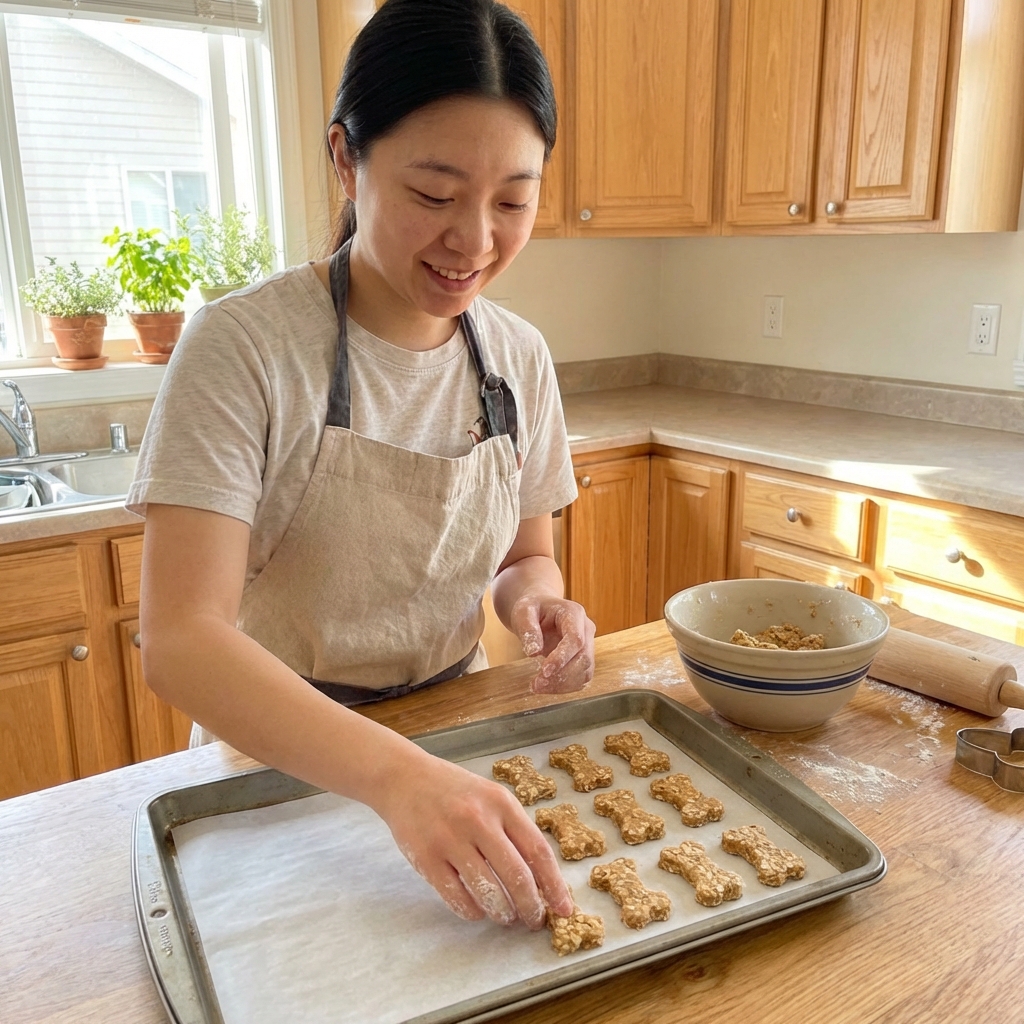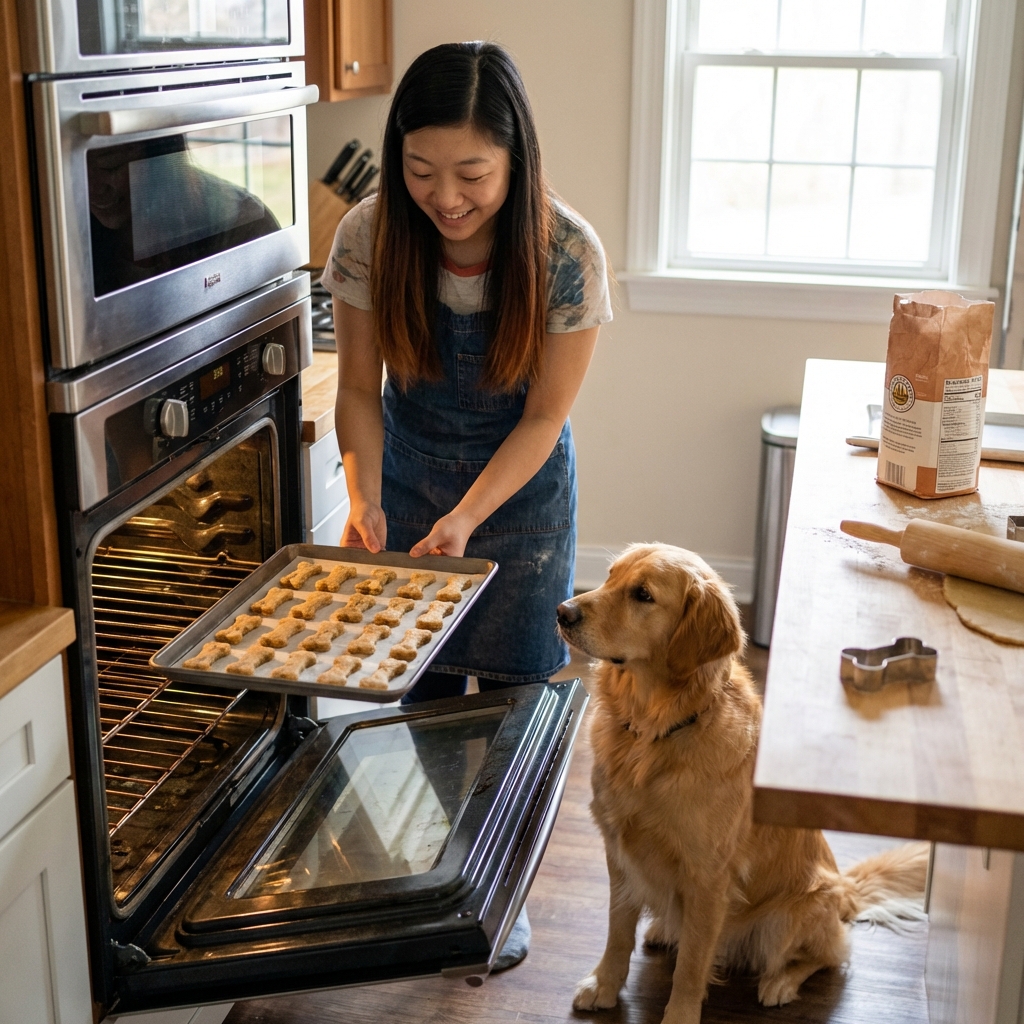
Skip mystery ingredients and bake simple veggie dog treats at home. Learn dog-safe vegetables, easy formulas, and 3 recipes—pumpkin oat crunch, sweet potat...
Article
•
Designer Mixes
Is Peanut Butter Bad for Dogs?

Shari Shidate
Designer Mixes contributor
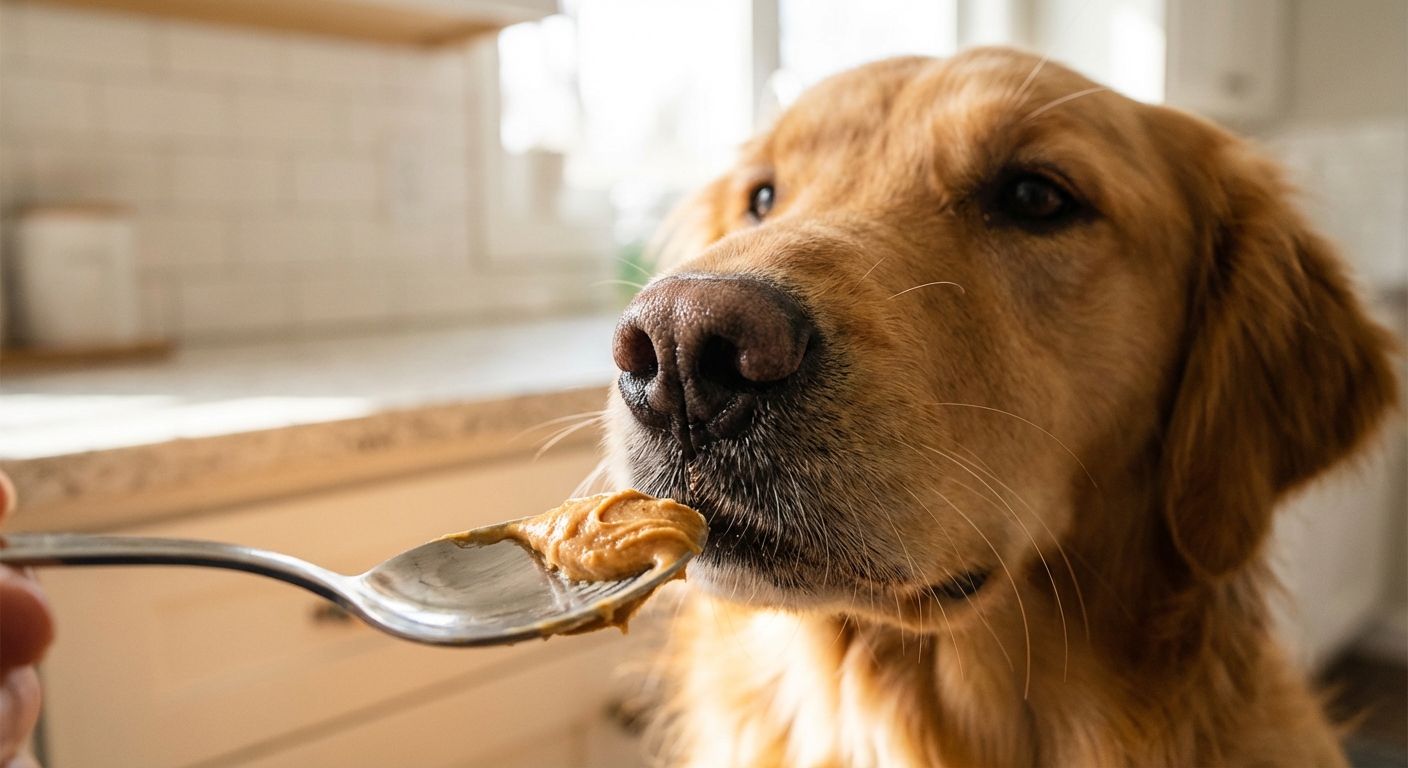
Peanut butter is one of those classic “dog parent hacks” that makes life easier. Stuff a little into a Kong, hide a pill, reward a good recall, and you have an instant win. But is peanut butter actually safe for dogs, or can it cause problems over time?
As a veterinary assistant in Frisco, Texas, I see this question come up all the time. The evidence-based answer is: peanut butter is usually safe for dogs in small amounts, but some peanut butters can be dangerous, and the “right” portion depends on your dog’s health and calorie needs.
The quick answer
Most dogs can eat peanut butter occasionally if it is:
- Xylitol-free (this is non-negotiable)
- Low in added sugar and salt
- Fed as a treat, not a daily staple
Peanut butter becomes a problem when it is used too often, fed in large amounts, or when a dog has specific medical issues like pancreatitis or obesity.
The biggest danger: xylitol
If you remember only one thing from this article, make it this: xylitol can be life-threatening to dogs.
Xylitol is a sugar alcohol used in some “sugar-free” foods and some peanut butters. In dogs, xylitol can trigger a rapid insulin release, which may cause dangerously low blood sugar (hypoglycemia). In some cases it can also contribute to liver injury.
Important note: Not all sugar alcohols act the same in dogs. You may see erythritol in some newer products, and it is generally considered far less toxic than xylitol. Still, label-checking matters, and if you are unsure about an ingredient, do not offer it.
What to do right now
- Check the label before you ever share peanut butter.
- Look for xylitol and also check for “birch sugar,” another name used for xylitol.
- If you suspect your dog ate xylitol, treat it like an emergency and contact your veterinarian or a pet poison hotline right away.
Tip: Ingredients and formulas can change, even with brands you have used for years.
Is peanut butter healthy for dogs?
Peanut butter is not “toxic” for dogs, but it is calorie-dense and high in fat. Nutritionally, it can provide small amounts of protein, vitamin E, and some B vitamins, but it is not a balanced food for dogs.
Think of peanut butter like dessert: it can fit into the picture, but it should not become the picture.
Potential benefits
- High-value training reward for picky eaters
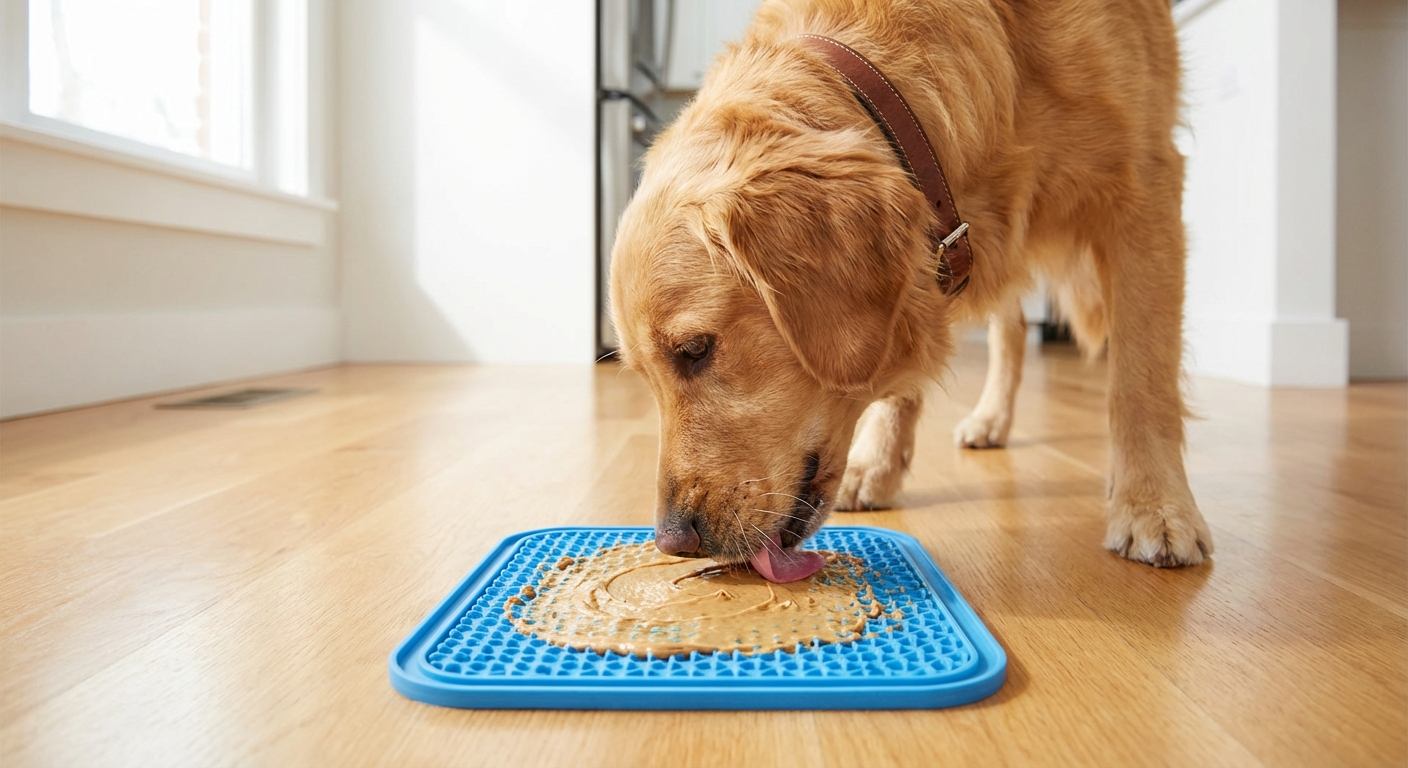
- Enrichment when used in food puzzles or lick mats
- Helps with medication for dogs that refuse pills
Common downsides
- Weight gain from extra calories
- Upset stomach in sensitive dogs
- Pancreatitis risk for dogs prone to it due to higher fat content
- Added sugar or salt in some products
How much can a dog have?
Portion size matters more than most people realize. Peanut butter packs a lot of calories into a small lick. As a rough reference, 1 tablespoon is often around 90 to 100 calories, depending on the brand.
A conservative starting point for many healthy adult dogs is:
- Small dogs: a pea-sized amount to 1/4 teaspoon
- Medium dogs: 1/4 to 1/2 teaspoon
- Large dogs: 1/2 to 1 teaspoon
These are not one-size-fits-all numbers. Calorie needs vary a lot by weight, age, activity level, and whether your dog is trying to gain or lose weight. If you want a more tailored approach, a simple rule is to keep treats (including peanut butter) under 10% of your dog’s daily calories.
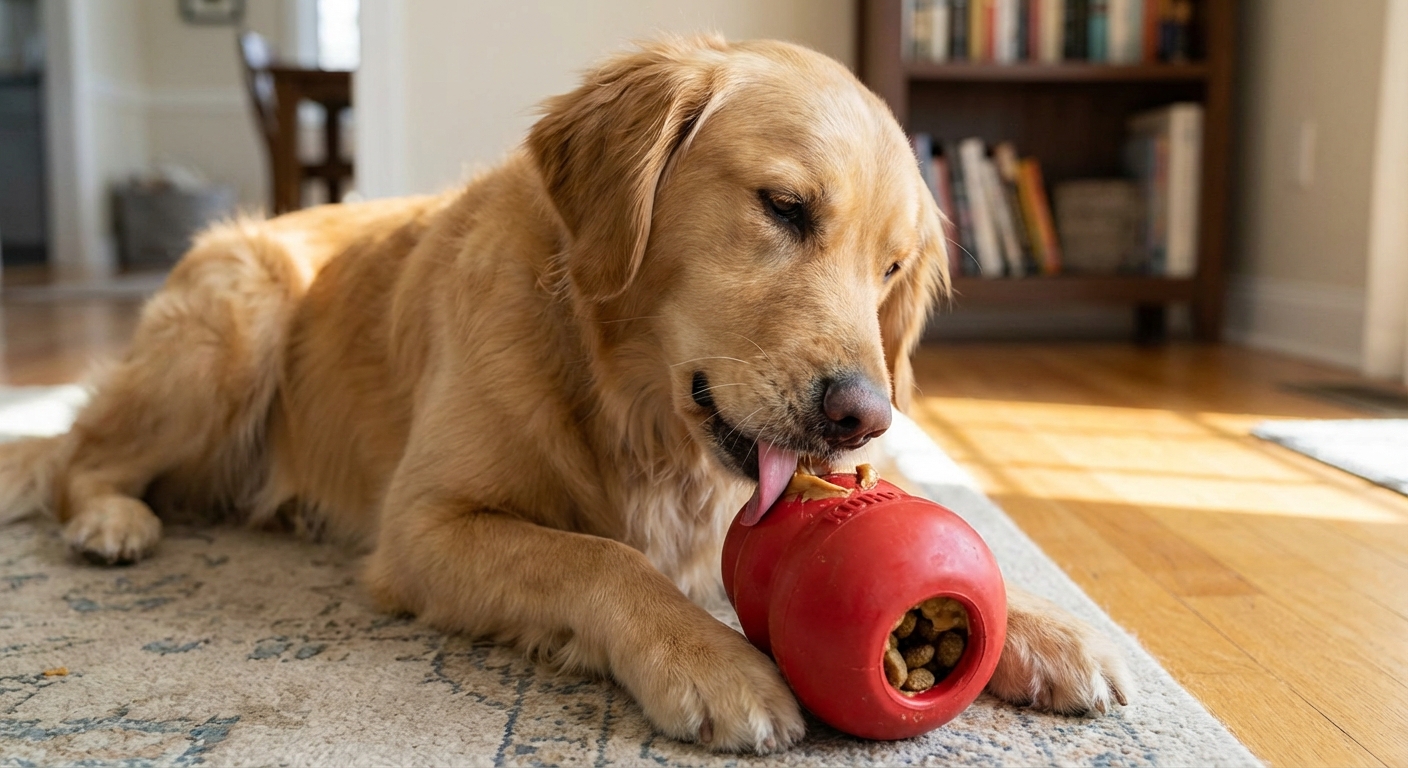
For stuffing toys, you can often use less than you think. A thin smear still gives the licking payoff and slows them down.
Dogs that should avoid it
Some dogs do better with a different treat choice.
Avoid or ask your vet first
- History of pancreatitis or high-fat diet sensitivity
- Obesity or needs strict calorie control
- Chronic GI issues (vomiting, diarrhea, inflammatory bowel disease)
- Food allergies or suspected sensitivities
- Diabetes or conditions where treat calories and ingredients matter more
Peanut allergy in dogs?
True peanut allergies are less common than environmental allergies in dogs, but they can happen. If your dog shows itching, hives, facial swelling, vomiting, or diarrhea after peanut butter, stop offering it and talk with your vet.
What to check on the label
When clients ask me what peanut butter to choose, I keep it simple: fewer ingredients is usually better.
Dog-friendlier options
- Peanuts (and maybe peanut oil)
- Optional: a tiny amount of salt
Try to avoid
- Xylitol (and “birch sugar”)
- “Sugar-free” claims (read the ingredient list anyway)
- Added sweeteners like corn syrup
- Excess salt
- Extra oils and fillers that add calories without much benefit
- Chocolate or cocoa flavoring (cocoa can be dangerous for dogs)
Also, be cautious with “reduced fat” peanut butter. It is not automatically low-calorie, and the added thickeners or sweeteners may not agree with some dogs.
One more practical tip for “natural” or “no-stir” styles: some jars separate. Mix well and avoid letting your dog lick a thick, oily layer, since that adds an extra fat load.
Sticky texture concerns
Peanut butter is sticky, and some dogs will try to gulp it. It is not a classic choking hazard like bones, but a big glob can cause gagging or coughing, especially for dogs that inhale food.
Safer ways to serve it
- Spread a thin layer on a lick mat
- Mix a small amount into plain yogurt (if your dog tolerates dairy) and freeze
- Use it inside a toy so they lick slowly instead of swallowing quickly
Signs your dog had too much
If peanut butter is not agreeing with your dog, you might see:
- Loose stool or diarrhea
- Vomiting
- Extra gas
- Abdominal discomfort
- Reduced appetite later in the day
If your dog ate a lot, or if you see repeated vomiting, lethargy, hunched posture, or obvious belly pain, call your veterinarian. Those signs can overlap with pancreatitis and other issues that should not wait.
Homemade peanut butter
Homemade peanut butter is often fine for dogs if it is just peanuts (and maybe a small amount of salt). It is still calorie-dense, so portion size rules still apply. Avoid adding sweeteners, chocolate, or anything “sugar-free.”
Better alternatives
If you love the convenience of peanut butter but want something lighter, here are a few options many dogs adore:
- Unsweetened pumpkin (plain canned pumpkin, not pie filling)
- Mashed sweet potato
- Plain Greek yogurt in small amounts (for dogs that tolerate it)
- Wet food from your dog’s regular diet, frozen in a toy
- Single-ingredient treats like freeze-dried meat for training
Bottom line
Peanut butter is not automatically bad for dogs, but it should be treated like an occasional, carefully chosen treat. The safest approach is:
- Always confirm it is xylitol-free
- Choose simple ingredients
- Serve tiny portions and count the calories
- Skip it for dogs with pancreatitis risk or weight issues unless your veterinarian says otherwise
If you are unsure what is safest for your specific dog, your veterinarian can help you pick treat options and realistic portion sizes. If you ever suspect xylitol exposure, contact your vet, the ASPCA Animal Poison Control Center, or Pet Poison Helpline right away.