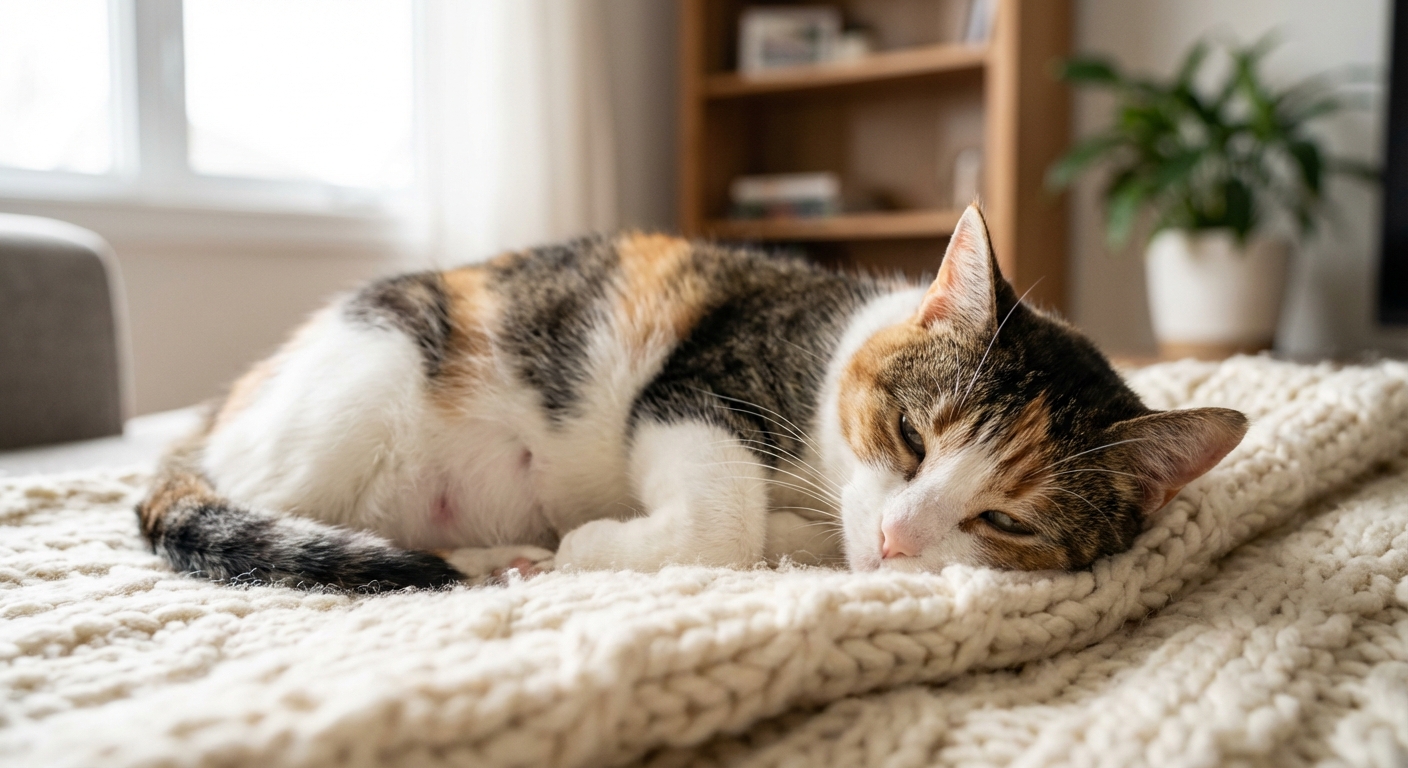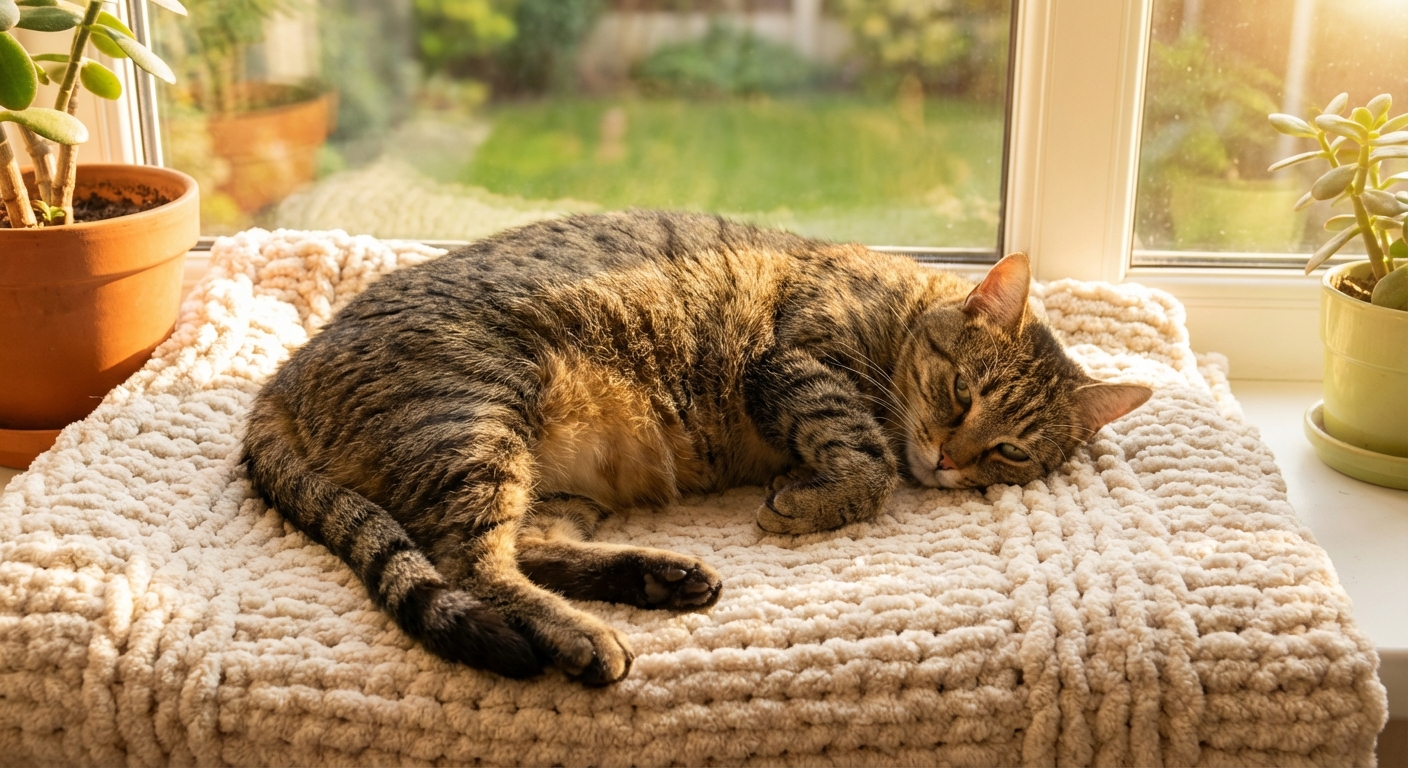
Wondering if your cat is pregnant? Learn symptoms by week, how vets confirm pregnancy, how to set up a nesting area, what to feed, and when to call the vet.
Article
•
Designer Mixes
Is My Cat Pregnant? 5 Clear Signs to Look For

Shari Shidate
Designer Mixes contributor
If your female cat has been around an unneutered male, it is completely normal to wonder, “Is my cat pregnant?” As a veterinary assistant, I can tell you this is one of the most common questions I hear, especially because cats can become pregnant quickly and sometimes without an obvious mating event that owners notice.
Cat pregnancy is more accurately called gestation. The term queening refers to giving birth (labor and delivery). Gestation lasts about 63 to 65 days on average, though it can vary (some cats deliver a bit earlier or later). Below are five clear, practical signs to look for, plus what to do next so you can protect your cat’s health and plan ahead.

First, a quick reality check
Many early pregnancy signs overlap with other issues, including false pregnancy, parasites, digestive upset, or hormonal changes from heat cycles. So think of these signs as strong clues, not a diagnosis.
The most reliable confirmation comes from a veterinarian using:
- Abdominal ultrasound (often most reliable around day 25 to 30, though pregnancy may be visible earlier depending on equipment and timing)
- Palpation by a trained vet (sometimes around 3 to 4 weeks, and it is very technique-dependent)
- X-rays to count kittens later in pregnancy (typically after fetal skeletons mineralize, often around 6+ weeks)
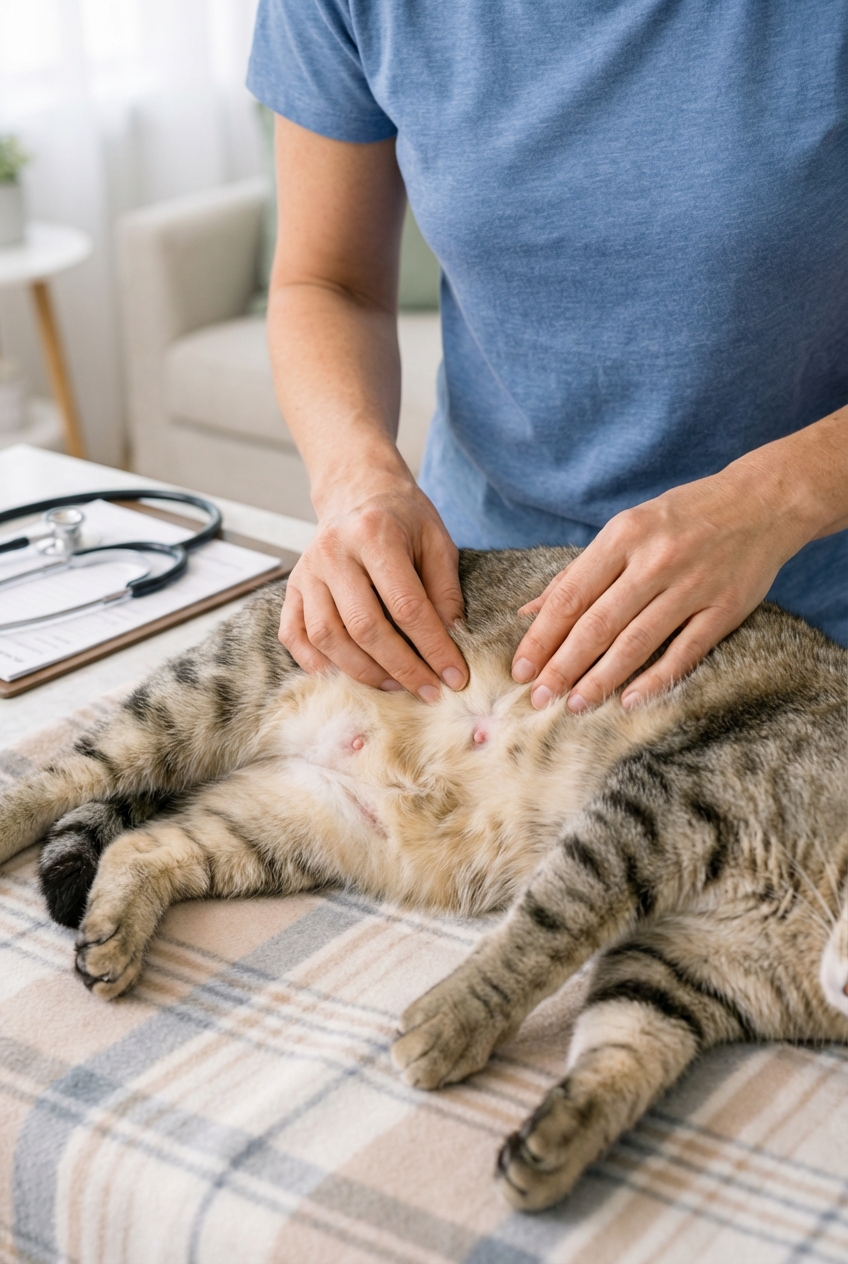
1) “Pinking up” (nipple changes)
One of the classic early signs is nipple enlargement and color change, often called pinking up. The nipples may become:
- More visible or raised
- More prominent and pink
- Surrounded by slightly thinner hair
This can show up as early as 2 to 3 weeks after breeding. It is not foolproof, but it is a strong hint when paired with other changes.
2) Appetite changes and a growing belly
Many pregnant cats gradually start eating more, especially after the first few weeks. You may notice:
- More interest in food or finishing meals faster
- Steady weight gain
- A belly that becomes rounder over time
Some cats also have mild nausea early on, which can look like a temporary dip in appetite or occasional vomiting. Since that overlaps with illness, check with your vet if vomiting is frequent or your cat seems unwell.
A key detail: the belly typically grows gradually. A sudden swollen abdomen can indicate other concerns (like intestinal parasites, fluid buildup, or constipation) and deserves a vet visit.
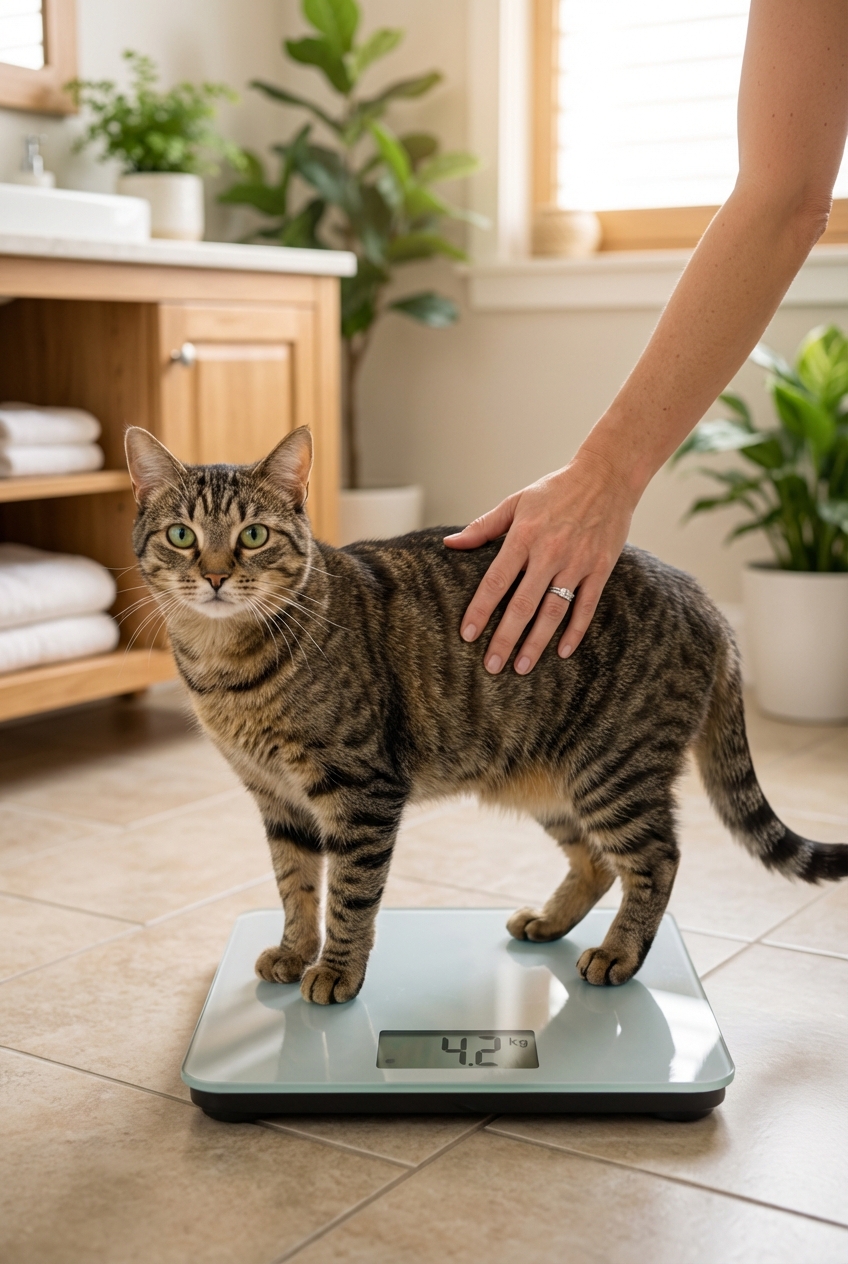
Helpful tip: If you can, weigh your cat weekly on a baby scale or a home scale (you holding the cat, then subtract your weight). Small trends are easier to see than day-to-day changes.
3) Behavior changes
Pregnancy can shift your cat’s behavior in either direction. Some cats become:
- Extra affectionate and clingy
- More tired or less playful
- More sensitive about being picked up, especially later on
Others do the opposite and become more withdrawn. A big change from your cat’s normal personality can be a useful clue, especially when combined with physical signs.
4) Fewer heat behaviors
If your cat was showing signs of heat (loud vocalizing, increased affection, rolling, raising the rear), those behaviors often decrease once she is pregnant. That said, cats can be confusing and some may still vocalize or act restless for other reasons.
If you are unsure whether your cat was even in heat, that is okay. Many owners miss it, especially with indoor cats or cats who are naturally vocal.
5) Nesting and late signs
As your cat gets closer to delivery (queening), she may start nesting, which looks like:
- Seeking quiet, hidden areas like closets or under beds
- Pawing at bedding or rearranging blankets
- Spending more time in one chosen spot
You may also notice the mammary glands enlarging more, and close to delivery some cats may have a small amount of milk.
Important: If your cat seems restless, is panting, is straining without producing a kitten, or has foul-smelling discharge, treat that as urgent and contact a veterinarian or emergency clinic.
Quick timeline
- Weeks 2 to 3: Possible “pinking up,” subtle behavior changes
- Weeks 3 to 4: Vet may palpate (in some cases)
- Day 25 to 30 (about week 4): Ultrasound is often most reliable for confirmation
- Weeks 4 to 6: Weight gain and belly growth become more noticeable
- 6+ weeks: X-ray can help count kittens
- Around 63 to 65 days: Most queens deliver, with normal variation
What to do next
If several of these signs line up, here is how to proceed safely.
Schedule a vet appointment
A veterinary exam helps confirm pregnancy and rule out issues that can mimic it. It also lets you discuss parasite control and nutrition, which matter a lot during pregnancy and nursing.
It is also a good time to review any medications, dewormers, or flea and tick products. Some are not recommended during pregnancy unless your veterinarian specifically approves them.
Feed for healthy growth
Most pregnant cats do best on a high-quality, complete diet formulated for growth and reproduction. Many veterinarians recommend a kitten-formula food during pregnancy and lactation because it is more calorie-dense and nutrient-rich.
Avoid starting supplements (especially calcium) unless your veterinarian instructs you. Too much can cause problems.
Create a calm nesting space
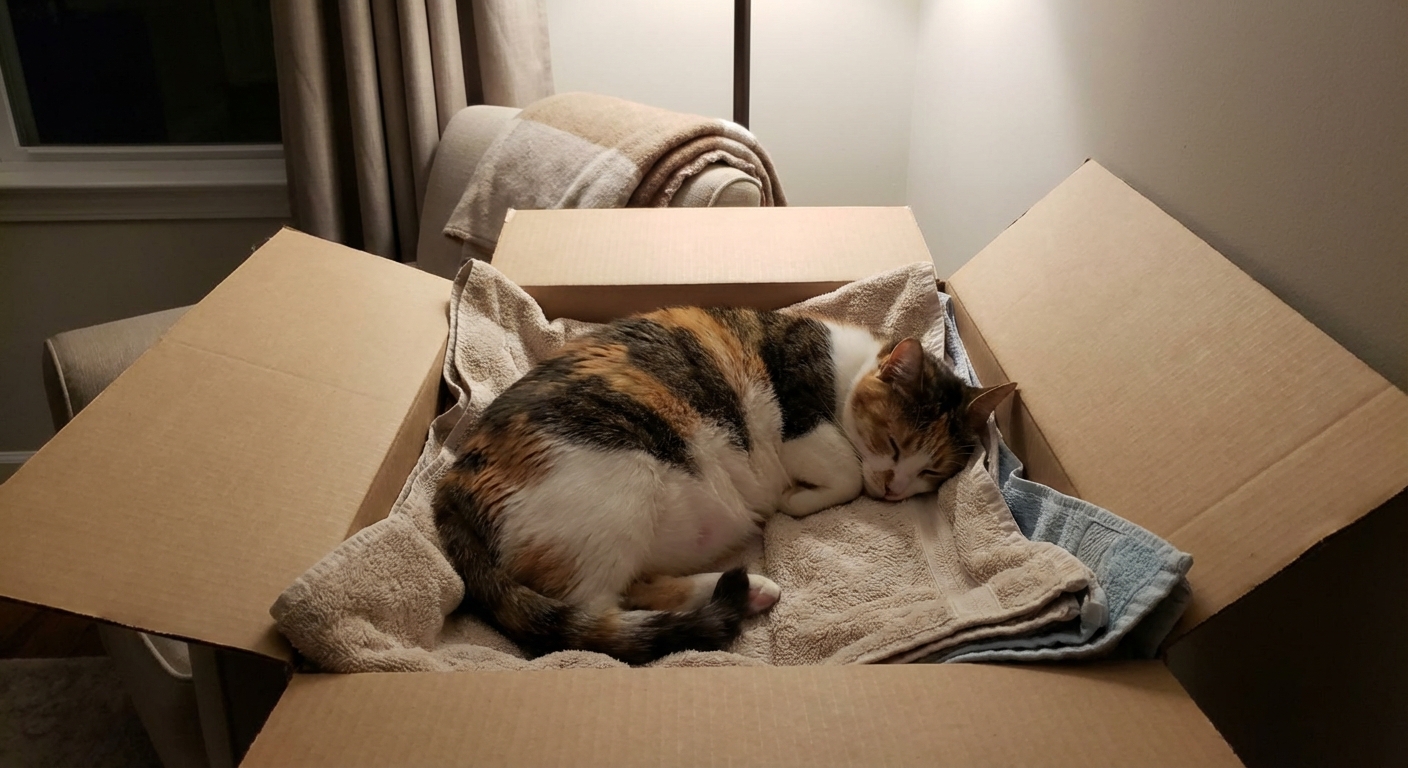
Offer a quiet room with a cozy box lined with washable towels. Keep it warm, low-traffic, and away from other pets if possible.
Plan for spay
Spaying is the most effective way to prevent future surprise litters and reduces certain health risks. Ask your veterinarian about timing and options, including spay during pregnancy if appropriate and legal in your area.
Also keep in mind that cats can return to heat and become pregnant again relatively soon after having kittens, sometimes even while nursing. Planning ahead makes a big difference.
When to call the vet right away
Please seek veterinary help urgently if you notice any of the following:
- Not eating for more than 24 hours, or repeated vomiting
- Sudden, severe belly enlargement
- Bloody discharge, foul odor, or green/black discharge before the first kitten is born
- Strong straining for 20 to 30 minutes with no kitten produced
- Extreme lethargy, collapse, or signs of significant pain
- A kitten visible in the birth canal with no progress
If your gut says “something isn’t right,” trust that instinct and call. It is always better to ask early than to wait during a true emergency.
Bottom line
If you are seeing nipple changes, appetite and weight shifts with gradual belly growth, behavior changes, fewer heat behaviors, and nesting, pregnancy is definitely on the list. The best next step is a vet visit to confirm and to make a safe plan for nutrition, parasite prevention, and delivery.
This article is for general information and is not a substitute for veterinary care. You are doing the right thing by paying close attention. A little preparation now can make delivery and kitten care much smoother for both of you.