Stuffy nose, sneezing, watery eyes? Learn what cat congestion looks like, common causes (URI, irritants, dental issues), safe at-home relief, and urgent warn...
Article
•
Designer Mixes
Is It Normal for Cats to Sneeze?

Shari Shidate
Designer Mixes contributor
Cats sneeze for a lot of the same reasons we do. Sometimes it is totally normal. Other times, it is your cat’s way of saying, “Hey, something is irritating my nose,” or “I’m not feeling so great.” As a veterinary assistant, I like to reassure pet parents while also helping you spot the signs that mean it’s time to call your veterinarian.
What a normal cat sneeze looks like
An occasional sneeze is common. Cats have delicate nasal passages, and tiny irritants can trigger a quick sneeze or two.
Usually normal
- One or a few sneezes, then your cat goes back to normal behavior
- No discharge, or only a small amount of clear discharge
- Normal appetite and energy
- No noisy breathing or open-mouth breathing
More concerning
- Sneezing fits that happen daily or worsen over time
- Colored discharge (yellow, green, or bloody)
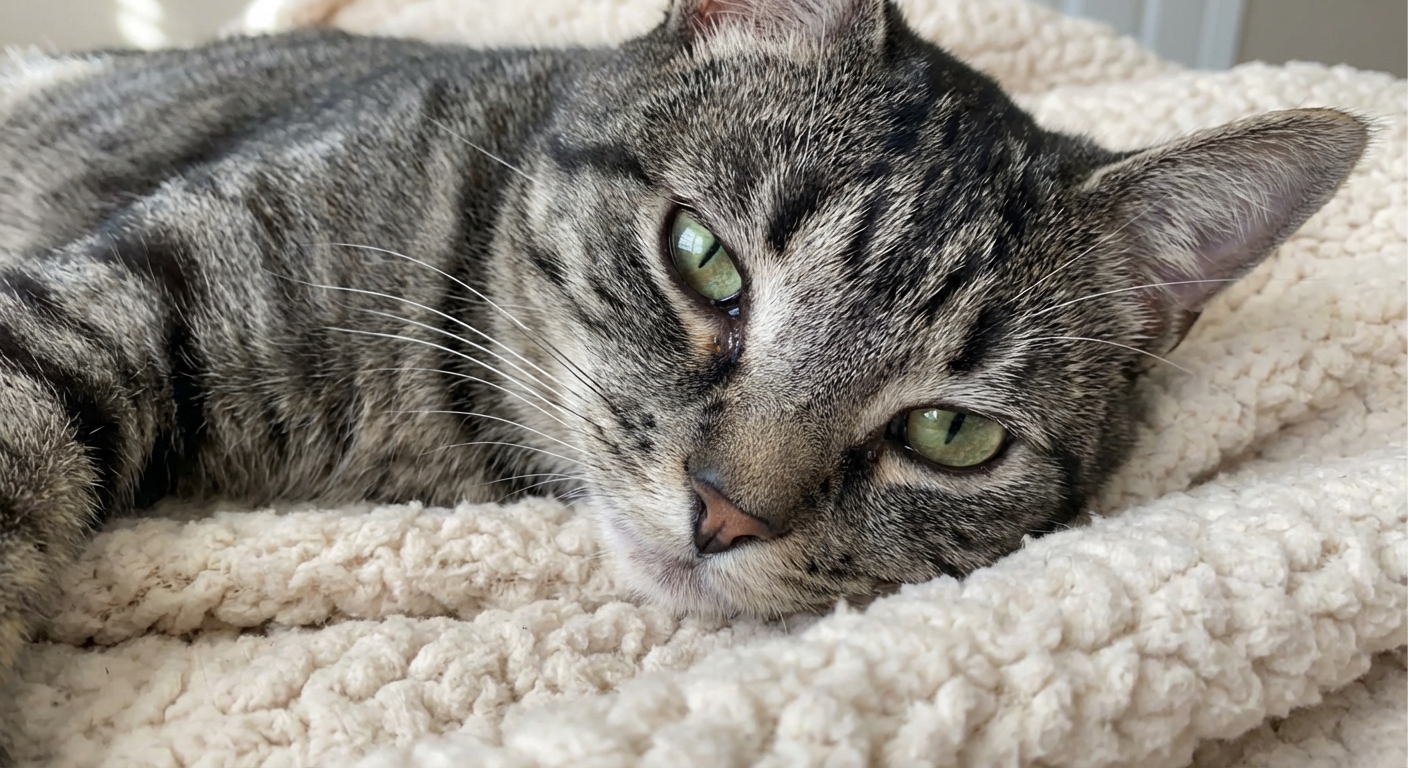
- Watery or goopy eyes, squinting, or red eyes
- Coughing, gagging, or wheezing
- Poor appetite, hiding, fever, or lethargy
Common reasons cats sneeze
Think of sneezing as a symptom, not a diagnosis. Here are the most common causes we see in clinics and shelters.
1) Irritants in the air
Dusty litter, smoke, strong candles, essential oil diffusers, cleaning sprays, and perfume can all irritate a cat’s nose.
- Clue: Sneezing happens right after exposure and improves when the irritant is removed.
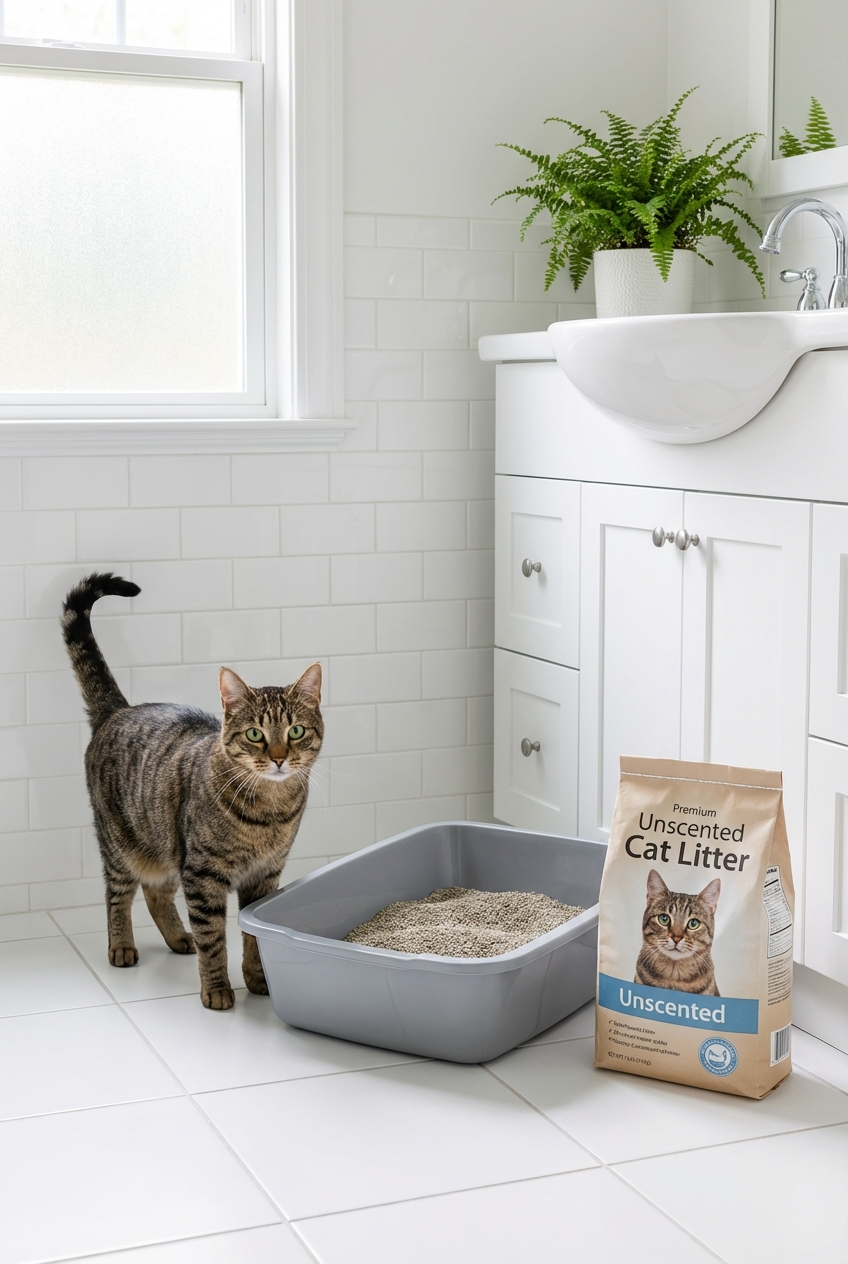
- What to do: Switch to an unscented, low-tracking litter and improve ventilation. Avoid aerosols around cats.
2) Feline upper respiratory infections
This is one of the biggest reasons we see sneezing, especially in kittens, multi-cat homes, or recently adopted cats. The most common culprits include feline herpesvirus (FHV-1) and feline calicivirus, plus secondary bacterial infections.
- Clues: Frequent sneezing, watery eyes, congestion, fever, decreased appetite, mouth ulcers (more common with calicivirus).
- Important note: Herpesvirus can flare up again during stress, even years later.
3) Allergies or sensitivities
True environmental allergies in cats are possible, but they often show up as skin itchiness too. Still, some cats sneeze from pollen, dust, or household products.
- Clues: Seasonal patterns, mild clear discharge, itchy skin or overgrooming.
- What to do: Track triggers and discuss options with your veterinarian. Do not give human allergy meds unless your vet directs you.
4) Dental disease
It surprises a lot of people, but tooth root infections can affect the nasal passages and cause sneezing or nasal discharge.
- Clues: Bad breath, drooling, pawing at the mouth, dropping food, sneezing with one-sided discharge.
- Next step: Schedule an oral exam. Dental X-rays are often needed.
5) Foreign material
A blade of grass, a small piece of litter, or debris can get lodged in the nose.
- Clues: Sudden, intense sneezing (often one-sided), pawing at the face, possible nosebleed.
- What to do: A veterinary visit is safest. Avoid trying to “fish it out.”
6) Nasal polyps or other growths
Inflammatory polyps can occur, especially in younger cats, and may cause chronic congestion and sneezing.
- Clues: Persistent noisy breathing, snoring, head shaking, chronic discharge, one nostril more affected.
7) Less common causes
- Fungal infections (more likely in certain geographic areas and immunocompromised cats)
- Chronic rhinitis (long-term nasal inflammation)
- Systemic causes of bleeding (for example, clotting disorders or toxin exposure; less commonly high blood pressure), especially when nosebleeds happen with other symptoms
- Cancer, especially in older cats with persistent one-sided symptoms
When to call the vet
If your cat sneezes once in a while and otherwise seems fine, you can usually monitor at home. But these situations deserve a call.
- Sneezing that lasts several days to a week, or sneezing that is getting worse
- Thick yellow or green discharge
- Any blood from the nose
- Not eating for 24 hours (or 12 hours for kittens)
- Labored breathing, open-mouth breathing, or severe congestion
- Eye ulcers, squinting, or significant eye discharge
- Kittens, seniors, or cats with heart disease, asthma, or immune issues
Emergency tip: If your cat is struggling to breathe, breathing with mouth open, or gums look pale or blue-tinged, seek emergency care right away.
What your veterinarian may do
In a clinic visit, the goal is to identify whether this is likely an uncomplicated upper respiratory infection, an irritation, or something that needs deeper investigation.
It can also help to know this: viral testing is not always necessary for routine cases, and many mild URIs are treated with supportive care unless a cat is very young, very sick, or not improving.
Common exam and tests
- Full physical exam and temperature
- Listening to lungs and upper airway
- Eye and mouth exam (ulcers, dental disease, masses)
- Possible tests: nasal or eye swabs, bloodwork, imaging (skull or chest X-rays, CT), dental radiographs
Typical treatments
- Supportive care for viral infections (hydration, nutrition support, steam therapy)
- Antibiotics when a bacterial infection is suspected or confirmed
- Eye medications for conjunctivitis or ulcers
- Pain relief if indicated (vet prescribed only)
- Dental treatment if a tooth root problem is the driver
At-home care for mild sneezing
If your cat is bright, eating, and only mildly sneezy, these gentle steps can help while you monitor.
- Boost hydration: Offer fresh water and consider wet food.
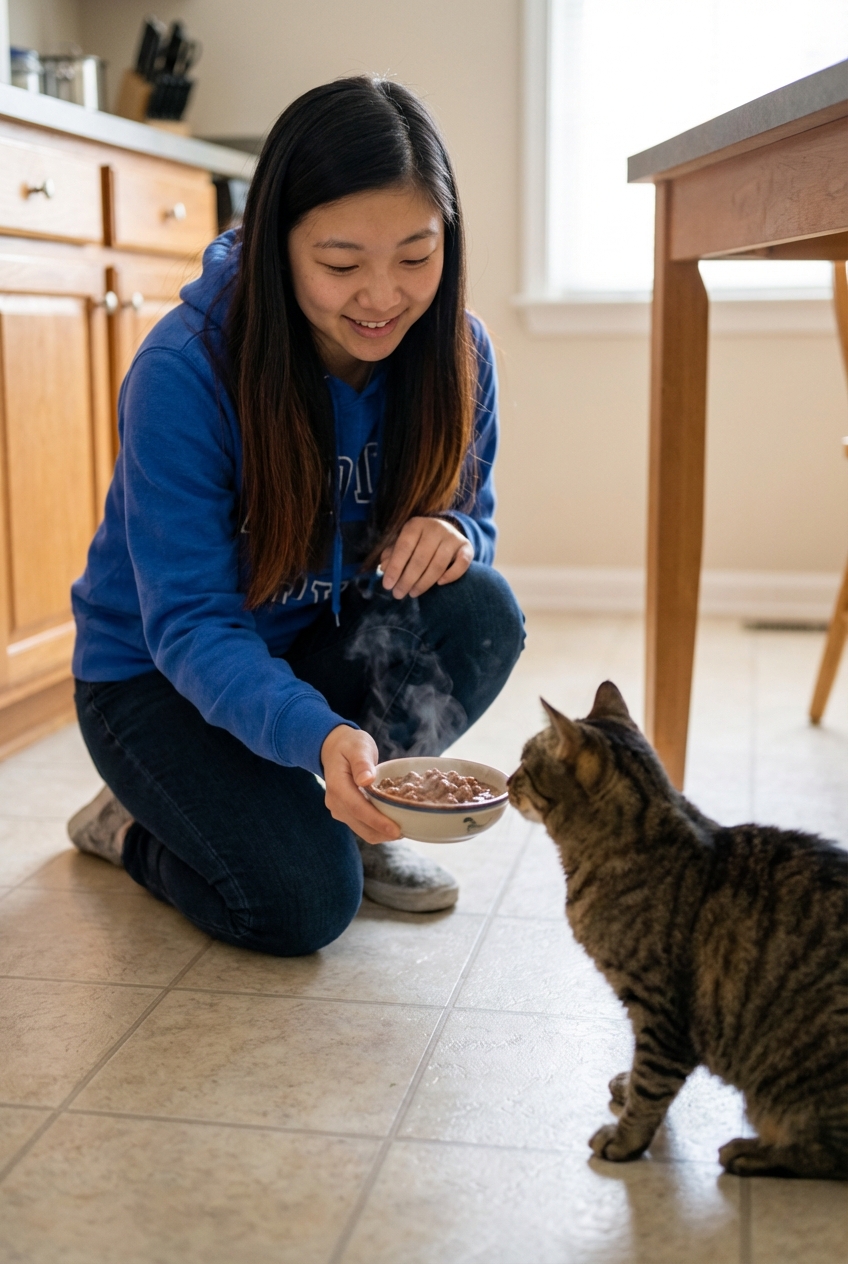
- Warm, aromatic food: Slightly warming wet food can help entice a congested cat to eat.
- Humidity: Sit with your cat in a steamy bathroom for 10 to 15 minutes, once or twice a day.
- Keep the nose clean: Use a soft, damp cloth to wipe nasal discharge.
- Reduce irritants: Avoid smoke, strong cleaners, diffusers, and dusty litter.
- Separate cats if needed: If you suspect a contagious URI in a multi-cat home, isolate when possible and wash hands between handling.
Do not use human cold medicines, essential oils, or over-the-counter decongestants for cats unless your veterinarian specifically instructs you. Some oils are toxic to cats (tea tree is a common example), and diffusers can expose cats through the air and by residue on fur.
Reverse sneezing in cats
Some pet parents worry about “reverse sneezing,” which can look like a sudden honking, snorting, or forceful breathing in. It is less common in cats than dogs, but it can happen. Because similar sounds can also show up with asthma or upper airway issues, it is worth a vet check if episodes are frequent, worsening, or paired with breathing trouble.
Can vaccines help?
Yes. The core FVRCP vaccine (feline viral rhinotracheitis or herpesvirus, calicivirus, and panleukopenia) helps reduce the severity and complications of common respiratory viruses, even if it does not always prevent infection completely. If your cat is due for vaccines or you recently adopted a kitten, talk with your veterinarian about a schedule that fits your cat’s lifestyle.
Prevention tips
- Keep your home smoke-free and avoid strong fragrances or aerosols around your cat.
- Choose a low-dust, unscented litter and scoop regularly to reduce dust and ammonia.
- Keep vaccines up to date, especially in multi-cat homes.
- If you bring home a new cat, ask your vet about smart quarantine and introduction steps to reduce the spread of URIs.
Quick FAQ
Is sneezing contagious between cats?
If the cause is a viral or bacterial upper respiratory infection, it can be contagious, especially in close-contact homes, shelters, or boarding situations.
Why is my cat sneezing but acting normal?
That often points to mild irritation (like dust) or a mild viral flare. If it persists beyond several days, or if anything worsens, check in with your veterinarian.
My cat sneezes after using the litter box. What does that mean?
Dust is a common trigger. Switching to an unscented, low-dust litter and cleaning the box more frequently often helps.
The bottom line
Most cats sneeze from time to time, and an occasional sneeze is usually not a big deal. What matters is the pattern and the whole picture. If sneezing is frequent, your cat has colored discharge, eye problems, or appetite changes, it is time to get veterinary guidance. You know your cat best, and trusting that instinct is one of the best health tools you have.