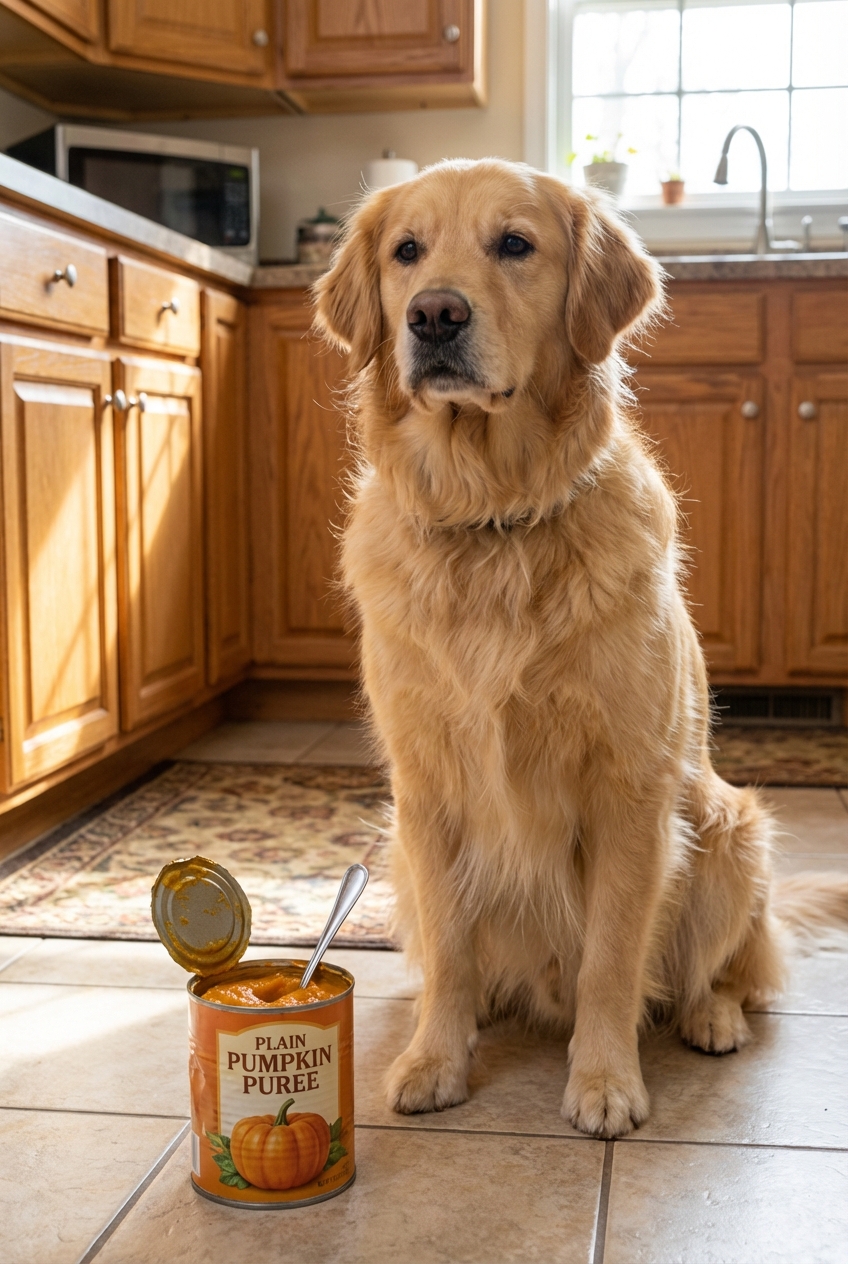
Skip pricey processed treats with 5 easy homemade dog treat ideas—from frozen pumpkin yogurt bites to sweet potato chews. Includes vet safety tips, portion...
Article
•
Designer Mixes
Is Honey Good for Dogs?

Shari Shidate
Designer Mixes contributor
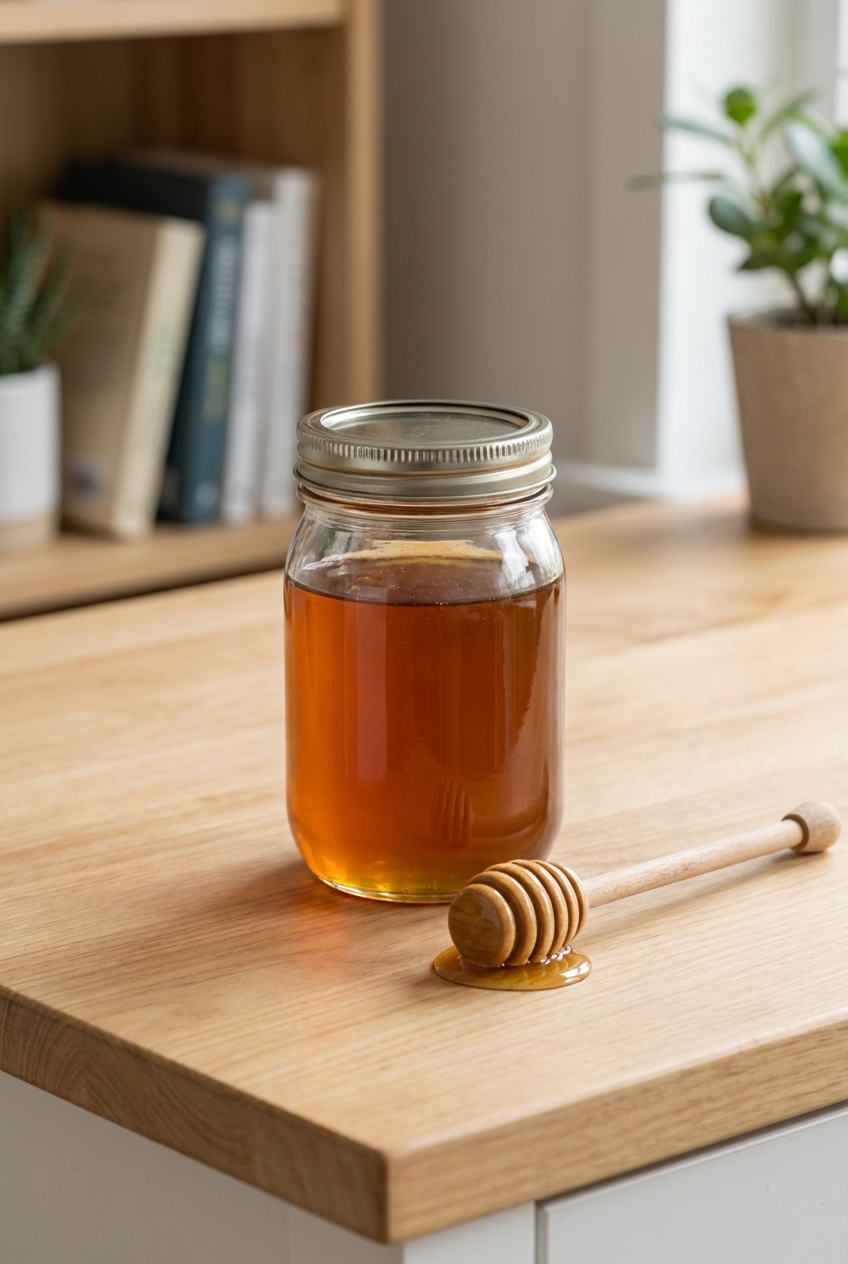
As a veterinary assistant here in Frisco, Texas, I get asked about “people foods” all the time. Honey is one of the most common, because it feels so natural. The evidence-based answer is: honey can be okay for many dogs in tiny amounts, but it is not a must-have, and for some pups it is a clear “skip.” This guide will help you decide what is safe at every life stage, how much is too much, and when you should call your veterinarian.
Quick note on “tiny amounts”: treats (including honey) should make up 10% or less of your dog’s daily calories. For most dogs, that translates to a very small dab, not a daily drizzle.

Quick answer
- Healthy adult dogs: Usually safe as an occasional treat in very small amounts.
- Puppies: Best to avoid, especially raw honey, unless your veterinarian specifically says otherwise.
- Senior dogs: Sometimes okay, but be extra careful with calories and blood sugar issues.
- Dogs with diabetes, pancreatitis history, obesity, or severe dental disease: Avoid, or use only with veterinary guidance.
- All dogs: Never give honey if it is mixed with xylitol (also called birch sugar). Xylitol is highly toxic to dogs.
Why people give dogs honey
Honey is mostly sugar (primarily fructose and glucose), plus small amounts of water, enzymes, antioxidants, and trace minerals. In humans, honey is studied for things like wound healing and cough soothing. For dogs, those benefits are less well-proven, but there are a few practical reasons owners reach for honey:
- Palatability: It can help a picky dog take a supplement or medicine.
- Quick energy: A tiny dab can provide fast calories, which may be useful in specific situations your veterinarian approves.
- Minor throat soothing: Some owners report it helps a mild cough or throat irritation, but this is not a substitute for diagnosing the cause of coughing.
The key is keeping expectations realistic. Honey is a treat, not a treatment plan.
Honey safety by age
Puppies
For most puppies, I recommend you skip honey, especially raw honey. The biggest evidence-based concern is that honey can contain botulism spores. Healthy adult dogs are generally better equipped to handle small exposures, but puppies have developing immune systems and sensitive digestive tracts.
If you are thinking about honey for a puppy cough, please talk with your veterinarian. Coughing in puppies can be caused by parasites, respiratory infections, kennel cough, or other issues that need proper care. Some airway conditions (like collapsing trachea) are seen especially in small breeds, but your vet should help narrow down the cause.
Healthy adult dogs
For healthy adult dogs, honey can be fine as an occasional tiny treat. The biggest risks are usually simple: too much sugar, GI upset, and weight gain if it becomes a habit.
Senior dogs
Senior dogs often have more going on health-wise: slower metabolism, dental wear, arthritis that reduces activity, and sometimes chronic conditions. Honey is not “off limits” just because a dog is older, but it should be used with extra caution, especially if your dog has:
- Diabetes or pre-diabetes concerns
- History of pancreatitis
- Heart disease where weight management is crucial
- Dental disease (sticky sugar can add to plaque issues)
When honey is not a good idea
Honey is best avoided, or used only under veterinary guidance, in these situations:
- Diabetes: Honey can spike blood sugar.
- Overweight or obesity: Honey is calorie-dense with little satiety. It is also usually a poor fit for dogs on strict weight-loss plans.
- Pancreatitis history: Pancreatitis is often linked to dietary indiscretion and high-fat foods. While honey is not high fat, extra calories and “extras” can still be risky for dogs with a history of pancreatitis. Ask your veterinarian before offering it.
- Food allergies or very sensitive stomachs: Some dogs get diarrhea or vomiting from sugary foods.
- Dental disease: Sticky sugars cling to teeth and can worsen plaque and gum inflammation.
- Any product containing xylitol: This includes some “sugar-free” honey-flavored syrups or peanut butters you might mix with honey.
- Immunocompromised dogs: Avoid raw honey and check with your veterinarian before offering any raw products.
How much honey can a dog have?
With honey, smaller is better. If your dog has never had it before, start with a tiny taste and watch for vomiting, loose stool, or signs of an allergic reaction like hives or itching.
These amounts are a good per serving starting point for healthy adult dogs:
- Toy and small dogs (under 20 lb): 1/8 teaspoon or less
- Medium dogs (20 to 50 lb): up to 1/4 teaspoon
- Large dogs (50 to 90 lb): up to 1/2 teaspoon
- Giant dogs (over 90 lb): up to 1 teaspoon
How often? For most dogs, think no more than 1 to 2 times per week. Also keep the 10% treat-calorie rule in mind. If your dog is on a therapeutic diet or weight-loss plan, ask your veterinarian before adding any sweet treat.
Best ways to serve honey
If your dog is a good candidate for honey, keep it simple:
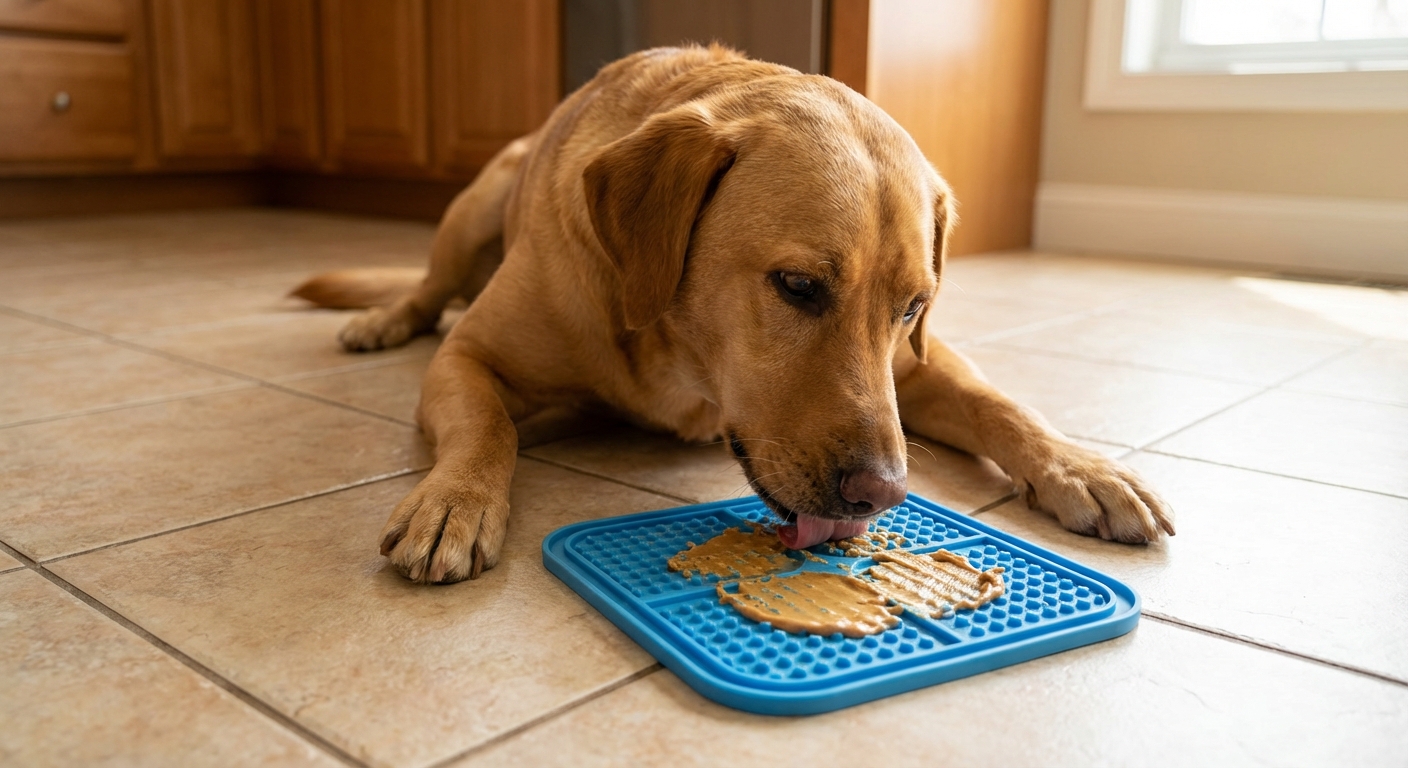
- On a lick mat: A very thin smear can keep portions tiny.
- Frozen treat: Mix a small dab into plain, unsweetened yogurt (if your dog tolerates dairy) and freeze.
- Medicine helper: A tiny amount to help a bitter pill go down, only if your vet says the medication can be given with food.
Always use plain honey. Avoid flavored syrups, “honey spreads,” and anything with added sweeteners.
Safety tip: offer honey in a calm setting and do not force it. Sticky foods can be messy, and any treat can be a choking risk if a dog gulps.
Raw vs. regular honey
Many owners ask if raw honey is “better.” Raw honey may contain slightly more naturally occurring enzymes and compounds, but it can also contain more particulates and, in rare cases, contaminants like botulism spores.
Commercial honey is often pasteurized or processed, which can reduce microbial risk, but it does not guarantee sterility. For most dogs, the bigger issue is not raw versus pasteurized. The bigger issue is total sugar intake.
If your dog is a puppy, pregnant, elderly with chronic illness, or immunocompromised due to illness or medications, talk with your veterinarian before offering raw products of any kind.
Honey for allergies
You may hear that local honey helps with seasonal allergies. In humans, evidence is mixed, and for dogs we do not have strong, consistent research showing honey meaningfully improves allergy symptoms. Also, many canine allergies are triggered by environmental allergens like grasses, dust mites, and molds, or by food proteins, not necessarily pollen alone.
If your dog is licking paws, getting recurrent ear infections, rubbing their face, or has red skin, honey is not the fix. The most helpful next step is a vet visit to discuss allergy management, which may include:
- Flea prevention (a huge allergy trigger)
- Medicated shampoos or wipes
- Prescription itch control medications
- Diet trials when food allergy is suspected
Signs your dog had too much honey
Call your veterinarian if you notice:
- Vomiting or persistent diarrhea
- Bloating or signs of abdominal pain
- Sudden lethargy
- Increased thirst and urination (especially concerning for diabetic dogs)
If your dog got into a large amount of honey, it is still usually not a toxin issue, but it can cause significant GI upset and can be a bigger problem for dogs with diabetes or other health conditions. When in doubt, call your veterinarian for next steps.
If you suspect your dog ate a product containing xylitol, treat it as an emergency and seek veterinary care immediately.
Alternatives to honey
If your goal is a safe, nutrient-dense treat, these are often better choices than honey:
- Blueberries: Antioxidants, easy portion control
- Baby carrots: Crunchy, low-calorie, supports chewing
- Plain pumpkin (not pie filling): Helpful fiber for many dogs
- Small pieces of cooked lean meat: A high-value reward without the sugar hit
Bottom line
Honey is not toxic to most dogs, but it is also not a necessary “superfood.” For healthy adult dogs, a tiny dab once in a while is usually fine, as long as treats stay at 10% or less of daily calories. For puppies (especially with raw honey), dogs with diabetes, dogs prone to pancreatitis, or dogs struggling with weight, honey is typically a no.
If you are unsure, your veterinarian can help you weigh your dog’s age, size, and health history and pick the safest treat option.