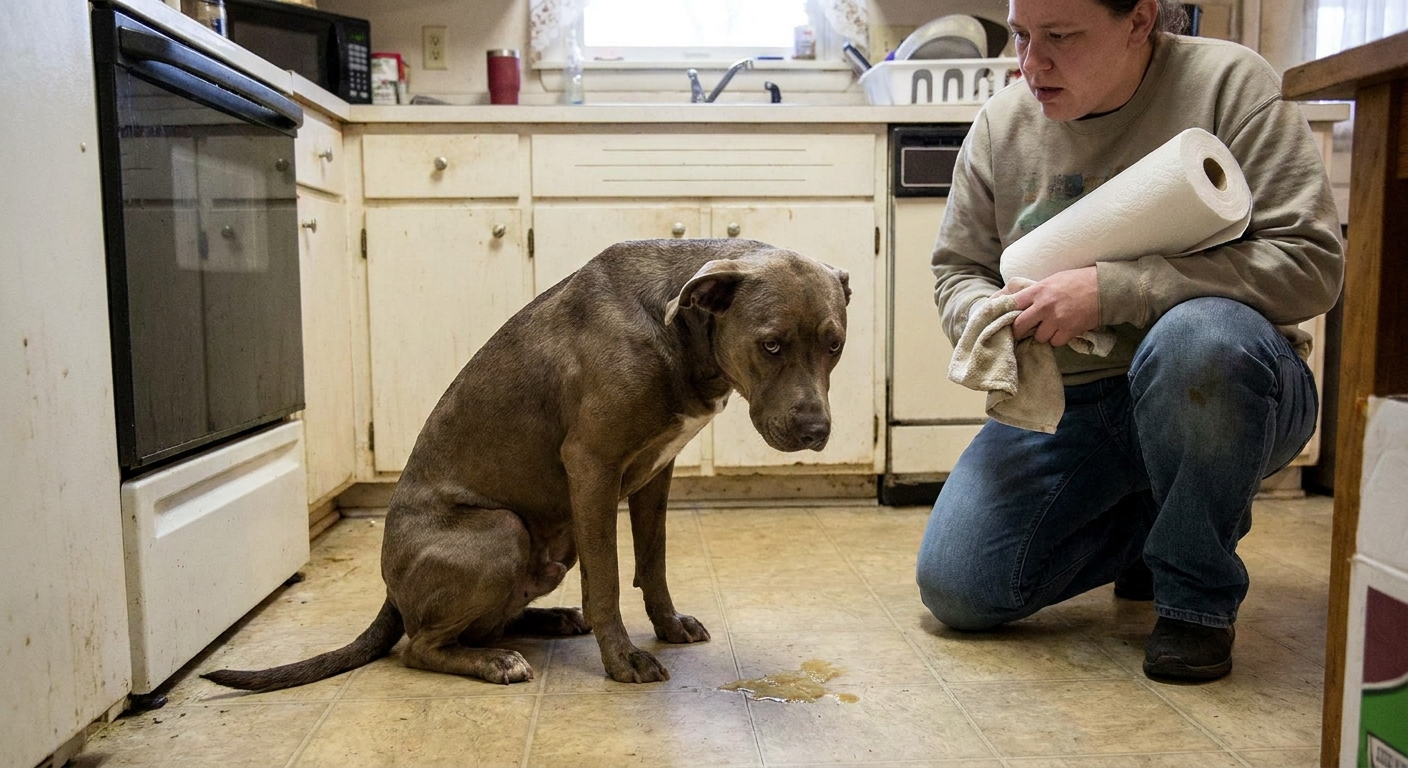
I’m a veterinary assistant in Frisco, Texas, and one of the most common panicked messages I hear sounds like this: “My dog got into the trash and now he’s vomiting. Is this pancreatitis?”
It’s a fair question because “garbage gut” and pancreatitis can look very similar in the beginning. Both can involve vomiting, belly pain, and a dog who suddenly looks miserable. But they are not the same problem, and the safest move is knowing what clues point to a simple, one-time upset versus a pancreas flare that needs veterinary care.
Garbage gut vs. pancreatitis: the simplest difference
Garbage gut is a casual term for stomach and intestinal irritation after a dog eats something they should not, like spoiled food, greasy leftovers, compost, cat food, or unknown items from the trash. Many cases are mild and improve within 24 to 48 hours, though some turn serious depending on what was eaten.
Pancreatitis is inflammation of the pancreas, an organ that produces digestive enzymes (for fat, protein, and carbohydrates) and also makes hormones like insulin that help regulate blood sugar. When the pancreas gets inflamed, digestive enzymes may activate too early and contribute to inflammation, tissue damage, and significant pain. Pancreatitis can be mild, but it can also become a true emergency quickly.
Here’s the part that confuses people: a trash raid or a fatty meal can trigger either situation. One dog gets a short-lived upset stomach. Another dog gets pancreatitis. Symptoms overlap, so in clinic, the veterinary team looks for patterns and red flags to decide how urgent it is.
Symptoms that overlap (and why it’s hard to tell at home)
Both garbage gut and pancreatitis can cause:
- Vomiting
- Diarrhea
- Decreased appetite
- Lethargy
- Belly discomfort
- Drooling or lip licking from nausea
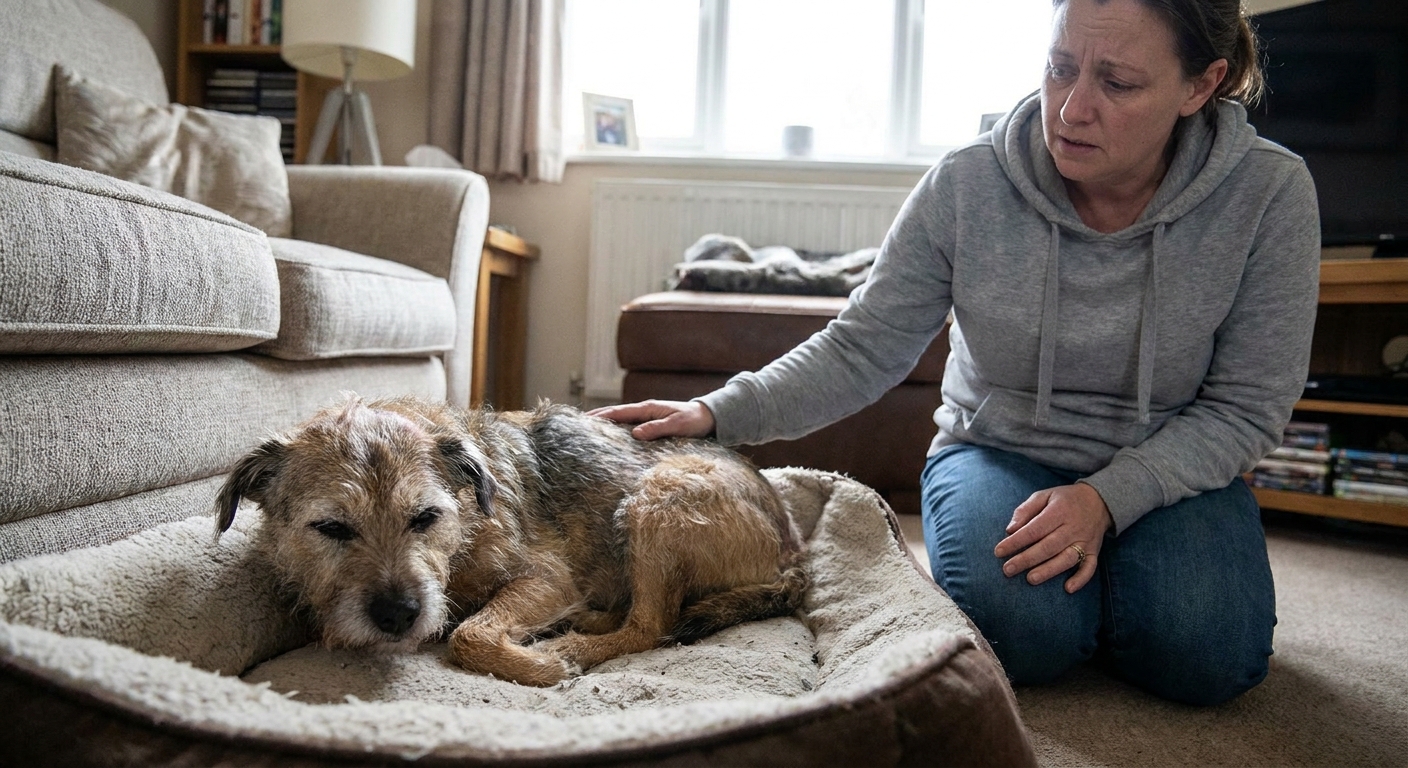
If your dog is bright, still interested in water, and the vomiting is limited, that leans more toward a mild dietary indiscretion. If your dog looks truly painful, weak, or “shut down,” I want you thinking pancreatitis or another urgent issue.
Clues that the pancreas may be involved
There is no single at-home sign that proves pancreatitis, but these clues make me much more suspicious that the pancreas is part of the problem:
- Repeated vomiting that continues through the day, especially if your dog cannot keep water down.
- Marked belly pain. Dogs may tense their abdomen, flinch when picked up, cry, or refuse to lie down comfortably.
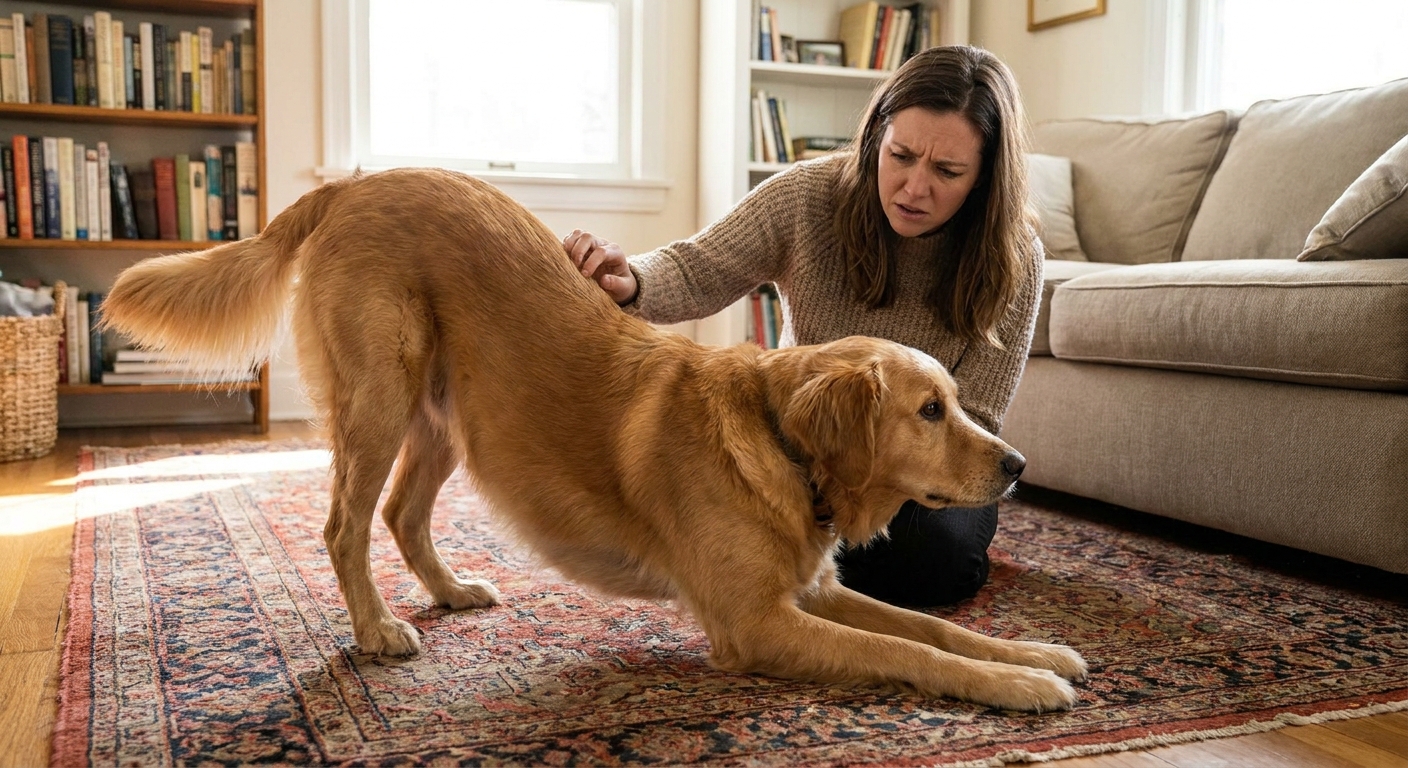
- The “prayer position” (front legs down, rear end up) can be a sign of abdominal pain. It is not specific to pancreatitis, but it is meaningful.
- Severe lethargy that feels out of proportion to “just an upset stomach.”
- Loss of appetite that is complete, especially paired with vomiting and pain.
- History of pancreatitis or known sensitivity to fatty foods.
- Recent very fatty meal (bacon grease, sausage, fried foods, rich holiday leftovers) or a binge of high-fat food like table scraps.
- Dehydration signs that can include sticky gums, reduced urination, weakness, or eyes that look more sunken than normal.
Some dogs with pancreatitis also develop fever, or they may seem restless, panting, or unable to get comfortable. Others become quiet and withdrawn. Either way, the overall impression is often: “My dog seems really sick.”
When it’s not pancreatitis, but it still is not “just garbage gut”
Another reason I encourage caution is that “trash vomiting” can be caused by problems that are unrelated to pancreatitis and can be equally serious, such as:
- Foreign body obstruction (corn cobs, bones, toys, packaging, tampons, cloth, string)
- Toxic exposure (xylitol, grapes and raisins, medications, marijuana, rodent poison, moldy food)
- Acute hemorrhagic diarrhea syndrome (sudden severe diarrhea that can be bloody, and can also include vomiting and rapid dehydration)
- Gastroenteritis from infection or parasites
- Bloat or GDV (deep-chested dogs especially, life-threatening)
So even if it is not pancreatitis, you still may need help fast. The goal is not to diagnose at home. The goal is to recognize when home monitoring is no longer safe.
Do not wait at home if you see any of these
If your dog got into the trash or ate a fatty meal and you notice any of the following, call your veterinarian, an urgent care, or an ER right away:
- Suspected toxin exposure or you know something dangerous was eaten
- Repeated vomiting or vomiting that lasts more than several hours
- Cannot keep water down
- Blood in vomit or black, tarry stool
- Significant abdominal pain (crying, snapping when touched, a tense belly)
- Bloated abdomen, unproductive retching, or signs of distress (possible bloat)
- Weakness, collapse, pale gums, or difficulty breathing
- Very young, very old, pregnant, or immunocompromised dogs
- Underlying conditions like diabetes, Cushing’s disease, kidney disease, or prior pancreatitis
Pancreatitis can become a dehydration and pain spiral quickly. And obstructions can look like “simple vomiting” until they suddenly are not.
What your vet may do to sort it out
In clinic, we typically combine the story you provide with an exam and targeted testing. Depending on the dog, your veterinarian may recommend:
- Physical exam focused on hydration, abdominal pain, temperature, and overall stability
- Bloodwork to look for dehydration, electrolyte changes, inflammation, liver values, kidney values, and blood sugar issues
- A canine pancreas-specific lipase test (often called Spec cPL or a similar in-house version). This is helpful, but it is not perfect by itself. Results are best interpreted alongside symptoms and imaging.
- Abdominal ultrasound to assess the pancreas and look for other causes like obstruction or gallbladder issues
- X-rays especially if there is concern for a foreign body or bloat
If pancreatitis is suspected, treating early matters. That usually means controlling nausea and pain, supporting hydration, and monitoring for complications. If it looks like simple dietary indiscretion, care may be lighter, but your vet still helps you decide what is safe for your individual dog.
At-home monitoring: the next 12 to 24 hours
If your dog had a small trash incident, seems mostly normal, and your veterinarian agrees home monitoring is reasonable, these are the practical things I recommend you track like a detective:
- Vomiting frequency: once versus multiple episodes, and whether it is improving or escalating
- Water intake: can your dog sip and keep it down?
- Energy level: are they still responsive, interested in going outside, and able to settle comfortably?
- Signs of pain: trembling, hunched posture, hiding, guarding the belly, whining
- Poop: diarrhea is common with garbage gut, but large amounts of blood, black stool, or severe straining need a call
- Urination: a dehydrated dog may urinate less
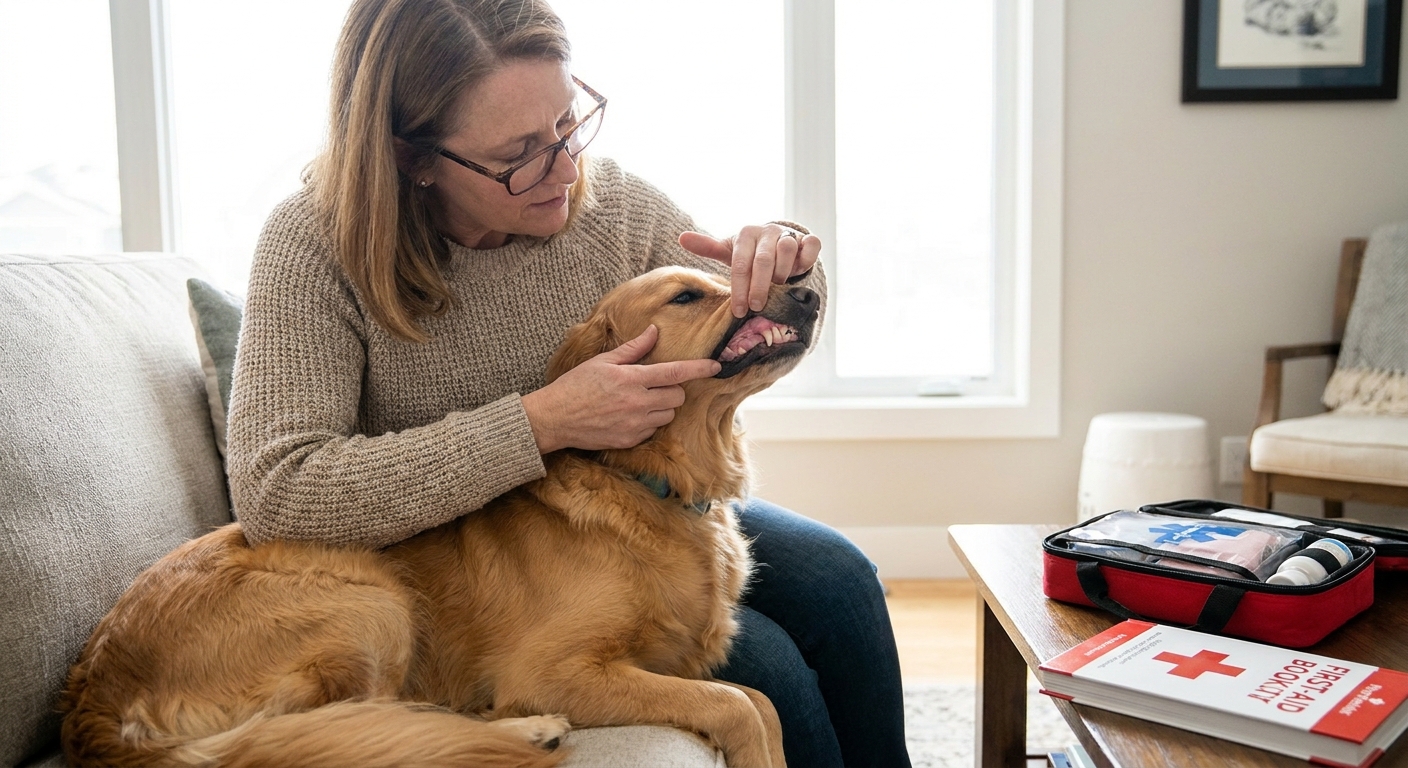
Also, do a quick gum check. Healthy gums are typically moist and pink. Sticky gums or very pale gums are not something to ignore.
If anything worsens, especially vomiting and pain, upgrade to a vet visit. Trust that instinct. Most owners can tell when their dog feels “off” versus truly unwell.
What not to do at home
Two quick safety notes I wish more people heard before they start Googling:
- Do not give human medications (like ibuprofen, naproxen, acetaminophen, or Pepto) unless your veterinarian specifically tells you to. Some can be dangerous for dogs or can complicate what your vet needs to evaluate.
- Do not force food or water if your dog is repeatedly vomiting or acting painful. Pushing it can trigger more vomiting and worsen dehydration. Call your vet for a plan instead.
You might also hear advice to “withhold food for 24 hours.” Sometimes a brief GI rest is appropriate, but many veterinarians now prefer getting gentle nutrition back on board once vomiting is controlled. The right choice depends on your dog and what your vet suspects.
Why fatty foods are such a common trigger
Fat is harder to digest than many other nutrients, and the pancreas plays a key role in digestion. A sudden high-fat meal can irritate the GI tract by itself, and in some dogs it can trigger pancreatic inflammation.
This is why so many cases happen after holidays, cookouts, or any time rich foods are within reach. And yes, “just a little” can be a lot for a small dog.
FAQ
My dog vomited after eating trash, then acted fine. Could it still be pancreatitis?
It is possible, but less likely. Pancreatitis typically does not resolve completely in a couple of hours. A dog who quickly returns to normal energy, normal interest in food, and no belly pain is more consistent with a mild upset. Still, call your vet if vomiting returns, your dog seems painful, or appetite disappears.
Does diarrhea happen with pancreatitis?
Yes, it can. Pancreatitis can cause diarrhea, and garbage gut can cause diarrhea, too. That is why we look at the whole picture: pain level, repeated vomiting, dehydration, and overall weakness.
Can pancreatitis start right after a fatty meal?
It can start within hours to a day or two. Some dogs show signs fast. Others can worsen over the next 24 to 72 hours, or longer. If your dog is getting worse instead of better, that’s your cue to be seen.
Is pancreatitis always an emergency?
Not every case requires hospitalization, but it always deserves a veterinary call. Mild cases can sometimes be managed with outpatient meds and close monitoring. Severe cases can be life-threatening and need intensive care.
Are certain dogs more at risk?
Yes. Dogs with prior pancreatitis, obesity, certain endocrine diseases (like diabetes or Cushing’s), and some breeds that are prone to lipid issues are at higher risk. But any dog can get pancreatitis.
The bottom line
Garbage gut and pancreatitis are not the same, but they can look alike at first. A simple upset is usually short-lived and mild. Pancreatitis more often involves repeated vomiting, obvious abdominal pain, profound lethargy, and trouble keeping water down.
If you’re on the fence, err on the side of calling your veterinarian. I would always rather talk a worried pet parent through “this is likely a mild upset” than see a dog wait at home while dehydration and pain snowball.