A calm, safety-first plan to introduce a new puppy to your resident dog: prep your home, follow vet health checks, use neutral meetings, read body language, ...
Article
•
Designer Mixes
Introducing a New Dog to an Old Dog

Shari Shidate
Designer Mixes contributor
Bringing home a new dog is exciting, but if you already have a resident dog, the introduction matters just as much as choosing the right match. Done well, you protect everyone’s safety, lower stress, and set the tone for a peaceful household. Done too fast, even sweet dogs can feel threatened, overwhelmed, or defensive.
As a veterinary assistant, I have seen rushed first meetings create weeks of tension, and I have also seen thoughtful introductions turn into lifelong friendships. The good news is that a calm, structured plan reduces the risk of many common issues in most homes.
Before you introduce them
1) Pick the right first meeting location
Choose a neutral, low-distraction place if you can, like a quiet park or an empty school field. Avoid your living room for the first greeting when possible, because your resident dog may feel the need to protect their space.
- Best: outdoors, neutral territory, plenty of room to move away
- Avoid: tight hallways, doorways, small patios, dog parks (too unpredictable)
2) Start with scent and space
Before a face-to-face meeting, give both dogs a chance to learn about each other at a distance.
- Let the new dog decompress in a separate room or behind a gate for the first few hours
- Swap bedding or blankets so each dog can sniff the other’s scent calmly
- Do short, separate walks on the same route (one after the other) so they can smell “who was here”
3) Prep your home like you would for guests
Before the new dog arrives, remove or manage the things dogs commonly guard.
- Pick up high-value toys, chews, and food bowls
- Separate feeding areas from day one
- Set up baby gates or an exercise pen for easy, calm separation
- Create two “safe zones” so each dog can decompress without being followed
4) Handle health needs and exposure risks
Stress can amplify health issues, and health issues can amplify irritability. If you can, schedule a vet check for the new dog early on, especially if they are a rescue with an unknown history.
- Confirm vaccines and parasite prevention are appropriate for your dog’s age and situation
- Address pain (arthritis, dental pain, ear infections) in either dog
- Ask about spay and neuter timing if relevant
If your new dog is not fully vaccinated yet, you can still do risk-managed introductions. Choose low-traffic areas, avoid dog parks and pet store floors, and talk with your veterinarian about what is safest in your region.
Evidence-based note: Dogs in pain are more likely to react defensively. If your resident dog is older, consider that stiffness or sore joints can make playful greetings feel threatening.
The first introduction: step-by-step
Step 1: Parallel walk first
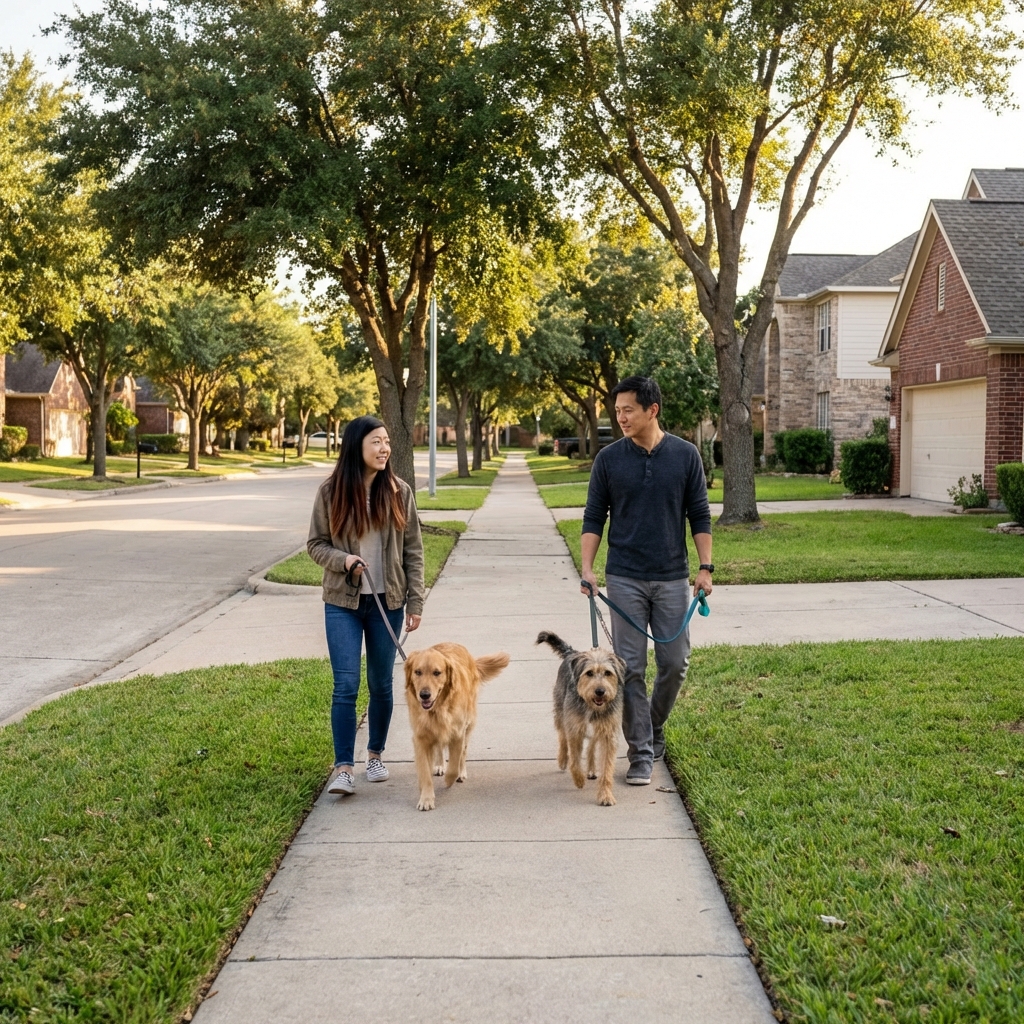
Start with a parallel walk. Two handlers, one dog per handler, leashes loose, and plenty of distance between dogs. You are looking for calm curiosity, not intense staring or lunging.
- Walk the same direction, gradually narrowing the gap
- Reward calm behavior with tiny treats and a cheerful voice
- Keep moving, movement reduces pressure
Step 2: Short sniff, then move away
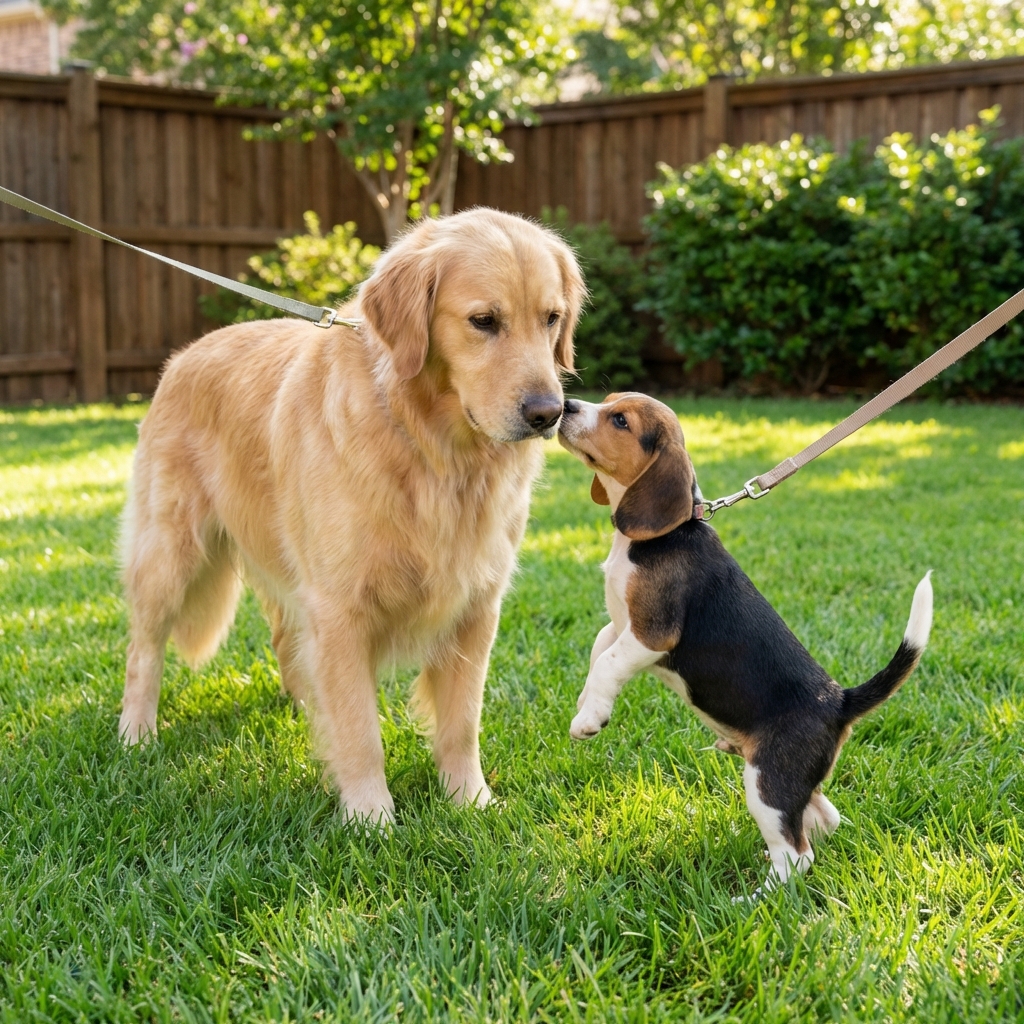
If both dogs look relaxed, allow a brief sniff with leashes loose, then gently call them away and keep walking. Short and sweet is your friend here.
- Start with 1 to 3 seconds of sniffing, then break and reset
- Repeat later if the first sniff went well
- Avoid face-to-face pressure if one dog seems unsure
Step 3: Enter the home with structure
Once the outdoor meeting is calm, enter the home in a controlled way. The exact order can vary based on temperament.
- Often helpful: bring the resident dog inside first, then bring the new dog in calmly on leash and guide them to a gated area to explore and decompress
- Sometimes better: let the new dog settle briefly behind a gate first, then bring the resident dog in to observe from a distance
- Use gates to create space and keep greetings calm and brief
- Do not force “sharing” or close contact
Optional: Muzzle as safety equipment
If either dog has a bite history, intense fear, or you are worried about safety, ask a trainer or your veterinarian about basket muzzle conditioning. A muzzle should be introduced slowly with positive reinforcement and should never be used for punishment.
Body language basics
Most dog conflicts are not “out of nowhere.” Dogs communicate often and early, but some signals are subtle and easy to miss.
Relaxed and friendly signs
- Loose, wiggly body
- Soft eyes, blinking
- Curved approach rather than straight-on
- Sniffing the ground, brief disengagement
- Play bows with bouncy movement
Stress or “I need space” signs
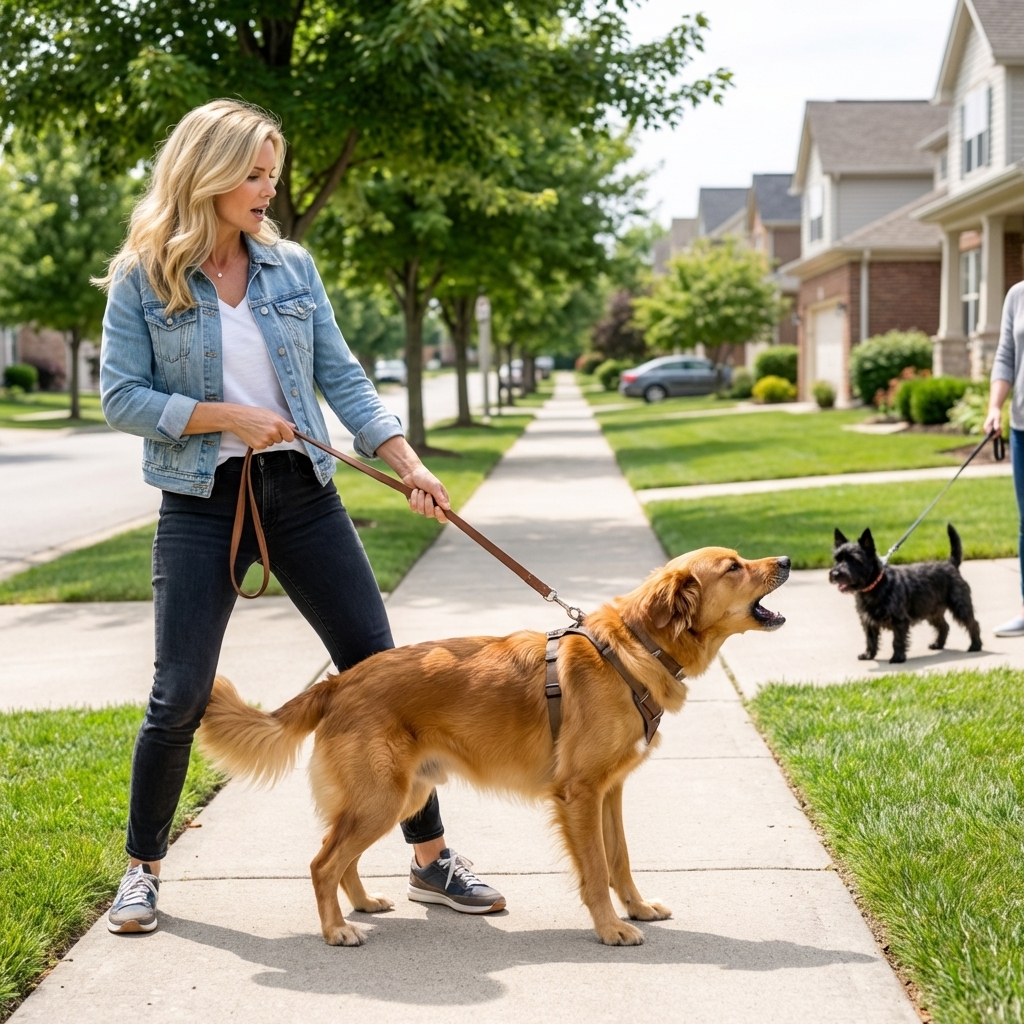
- Stiff posture, stillness, weight forward
- Hard staring, closed mouth, tight face
- Tail high and tight, or tucked tightly under
- Lip licking, yawning when not tired
- Whale eye (showing whites of the eyes)
- Growling, snarling, air snapping
If you see stress signals, pause the interaction and add distance. That is not a failure. That is good handling.
Friendly dogs take breaks. If you never see a pause, a shake-off, or a little sniff-and-walk-away, the interaction may be too intense.
The first two weeks: your management plan
Some dogs settle in within a few days. Others need weeks. Progress can be non-linear, especially after exciting days or big routine changes.
Keep routines predictable for the resident dog
Your resident dog deserves reassurance. Maintain their normal walk schedule, quiet time, and sleep spots. It helps prevent the “my life just changed overnight” stress response.
- Feed separately, ideally in different rooms
- Give your resident dog one-on-one attention every day
- Protect nap time, especially for seniors
Use gates, crates, and leashes thoughtfully
Management tools are not punishments. They are safety equipment.
- Baby gates for visual access without full contact
- Crates for calm rest, not for forced isolation after conflict
- Leashes indoors for the first few days if you need control during transitions
Introduce toys and chews later
Toys can trigger guarding, even in dogs who are normally “fine.” Wait until the dogs have a positive history together, then introduce low-value items first while supervising.
Prevent resource guarding from day one
Resource guarding is common and manageable, but you have to take it seriously.
- Pick up food bowls after meals
- No free-access to chews in shared spaces at first
- Separate when high-value items are present
- Teach simple cues like “leave it” and “go to mat” with rewards
Helping a senior dog adjust
Senior dogs often have less tolerance for energetic puppy behavior, and that is normal. A puppy does not need constant access to your senior dog to “bond.” They need structured, safe exposure and lots of outlets for their own energy.
Set gentle boundaries
- Give the senior dog an escape route at all times
- Interrupt puppy pestering early, before your senior dog feels forced to correct
- Reward your senior dog for calm coexistence
Support comfort and mobility
If your senior dog has arthritis or stiffness, talk with your veterinarian about pain control, joint supplements, weight management, and flooring changes like runners or rugs. Comfort improves patience.
Special cases to take seriously
Size and prey drive mismatch
If there is a large size difference, or if one dog has a strong prey drive and the other is very small, extra caution is warranted. Some situations carry a risk of predatory drift and should be guided by a qualified professional.
History of fights or serious guarding
If either dog has a known bite history, repeated fights with other dogs, or intense guarding, do not rely on a DIY plan alone. You can still make progress, but you will want professional support from the start.
Common mistakes to avoid
- Rushing the first greeting. Slower, structured introductions reduce the risk of many issues.
- Using a tight leash. A tight leash can add pressure and frustration and may worsen reactions. Aim for a loose leash and more distance.
- Letting them “work it out.” Scuffles can create lasting fear and distrust.
- Forcing sharing. Sharing is earned through time, not demanded on day one.
- Only correcting the new dog. Fair, calm management helps both dogs feel safe.
When to call a professional
Get help sooner rather than later if you see any of these red flags:
- Repeated growling that escalates, snapping, or bites
- One dog stalking, cornering, or blocking access to doorways
- Severe guarding of food, toys, beds, or people
- One dog hiding, shutting down, or refusing to come out
- Fights that require you to physically intervene
Look for a qualified, reward-based trainer, and ask your vet about a referral. In more serious cases, a board-certified veterinary behaviorist can be life-changing.
Fight safety
If a fight breaks out, do not grab collars with your hands. If you can, separate with barriers (a gate, chair, or laundry basket), create a loud distraction, or use water. Get professional guidance so you have a plan that fits your home and your dogs.
Simple daily routine
If you want a plan you can actually follow, here is a gentle daily structure for the first week:
- Morning: parallel walk or calm sniff walk together, then separate breakfasts
- Midday: short training session with each dog individually (5 minutes)
- Afternoon: supervised together time behind a gate or in the same room with distance
- Evening: decompression, chew time separated, then calm bedtime routine
Small, positive repetitions are what build trust.
Bottom line
Introducing a new dog to a resident dog is less about luck and more about pacing, supervision, and meeting each dog’s needs. Start on neutral ground, keep the first interactions short, manage resources, and protect your resident dog’s routine. You are building a relationship, and relationships take time.
If you would like, share your dogs’ ages, sizes, and whether either has a history of guarding or reactivity, and I can suggest a customized introduction timeline.