Worried about chronic vomiting or diarrhea? Learn feline IBD signs, how vets diagnose it, and practical care: diet trials, meds, B12, probiotics, stress cont...
Article
•
Designer Mixes
Inflammatory Bowel Disease in Cats: What Vets Want You to Know

Shari Shidate
Designer Mixes contributor
If your cat has recurring diarrhea, vomiting, gas, poor appetite, or unexplained weight loss, you are not imagining things. Chronic digestive upset is a common reason cats end up at the vet, and one possible, sometimes overlooked cause is inflammatory bowel disease (IBD).
As a veterinary assistant here in Frisco, Texas, I have seen how frustrating long-term GI issues can feel for pet parents. The good news is that many cats do very well once you start spotting the patterns, get the right testing, and stick with a step-by-step plan.
IBD vs IBS
People often say “irritable bowel” when they mean “inflammatory bowel.” In cats, IBS is rarely diagnosed. When signs are chronic, veterinarians more often evaluate for IBD along with other common causes like parasites, food sensitivity, pancreatitis, thyroid disease, kidney disease, and more.
IBD is not a single disease. It is a syndrome. That means multiple triggers can lead to the same end result: inflammation in the gut lining (sometimes the stomach, more often the intestines) that interferes with digestion and absorption.
- IBD: inflammation suspected or confirmed in the intestinal tract, often managed with diet changes and/or medication.
- Acute stomach upset: a short-term flare from eating something unusual, stress, or a mild infection.
- “Sensitive stomach”: a vague label that can sometimes delay a proper workup.
Signs that point to IBD
IBD can look subtle at first. Cats are masters at hiding discomfort, so the clues are often small.
Common signs
- Chronic or recurring vomiting, especially more than hairballs would explain
- Diarrhea, soft stool, mucus in stool, or alternating diarrhea and constipation
- Weight loss, muscle loss along the spine, or a “bony” feel
- Reduced appetite or picky eating that seems to come and go
- Gas, bloating, belly discomfort, or hiding more than usual
- Dull coat and dehydration
Helpful stool clues
You do not have to diagnose anything at home, but these details help your vet narrow down where the irritation may be:
- Small bowel pattern: larger volume stool, weight loss, sometimes vomiting
- Large bowel pattern (colitis): frequent small stools, mucus, straining, sometimes fresh red blood
A clue many people miss
Vomiting is not normal just because it is common. Cats that vomit weekly or more deserve a full GI conversation with your veterinarian. Repeated vomiting can be a red flag for inflammation, food sensitivity, parasites, pancreatitis, and other conditions.
What causes IBD in cats?
We do not have one single cause. Most cats have a combination of factors, which is why a one-and-done solution is rare.
- Dietary triggers: food intolerance, food allergy, or frequent diet changes
- Gut microbiome imbalance: shifts in beneficial bacteria can influence inflammation
- Parasites: even indoor cats can get them, and some are hard to detect
- Stress: stress can change gut motility and inflammation
- Other diseases that mimic IBD: pancreatitis, liver disease, hyperthyroidism, kidney disease
- GI lymphoma: can look very similar, especially in older cats
One important pattern to know is that chronic GI signs can be part of a bigger picture. Some cats develop a “triaditis” pattern where the intestines, pancreas, and liver and/or bile ducts are inflamed at the same time. That can look like vomiting plus appetite swings plus weight loss.
How vets figure it out
Because so many conditions overlap, your veterinarian will usually recommend a layered approach. The goal is to rule out treatable causes first and avoid guessing.
Baseline checks
- Physical exam and weight trend: even small monthly drops are meaningful
- Fecal testing: parasites and protozoa can hide
- Bloodwork and urinalysis: typically a CBC and chemistry panel plus urine testing to check organ function, inflammation clues, and dehydration
- Total T4 thyroid test (often in cats over 7): hyperthyroidism can cause vomiting and weight loss
- Vitamin B12 (cobalamin): low B12 is common in chronic GI disease and can worsen symptoms
- FeLV/FIV testing: may be recommended based on age, history, and previous test status
Imaging and next-level tests
- Abdominal ultrasound: evaluates intestinal thickness, lymph nodes, liver, pancreas
- fPLI (pancreatitis marker): helpful if appetite and vomiting are prominent
- GI panel (varies by clinic): may include folate, B12, and pancreatic markers
The most definitive test
Biopsy of the intestines (endoscopic or surgical) is the most definitive way to diagnose IBD and help distinguish it from small-cell lymphoma. Not every cat needs biopsies right away, but they can be crucial when symptoms are severe, persistent, or not responding to treatment.
One honest nuance: even with biopsies, some cases sit in a gray zone. Your vet may recommend additional testing such as immunohistochemistry and/or PARR (clonality testing) to help clarify the diagnosis.
If your cat is not improving after a thoughtful diet trial and appropriate parasite control, it is time to discuss ultrasound and possibly biopsies. Delays can prolong discomfort and postpone the right therapy.
What helps (realistic treatment)
IBD management is usually not about one miracle product. It is about stacking small wins and being consistent.
1) Do a true diet trial
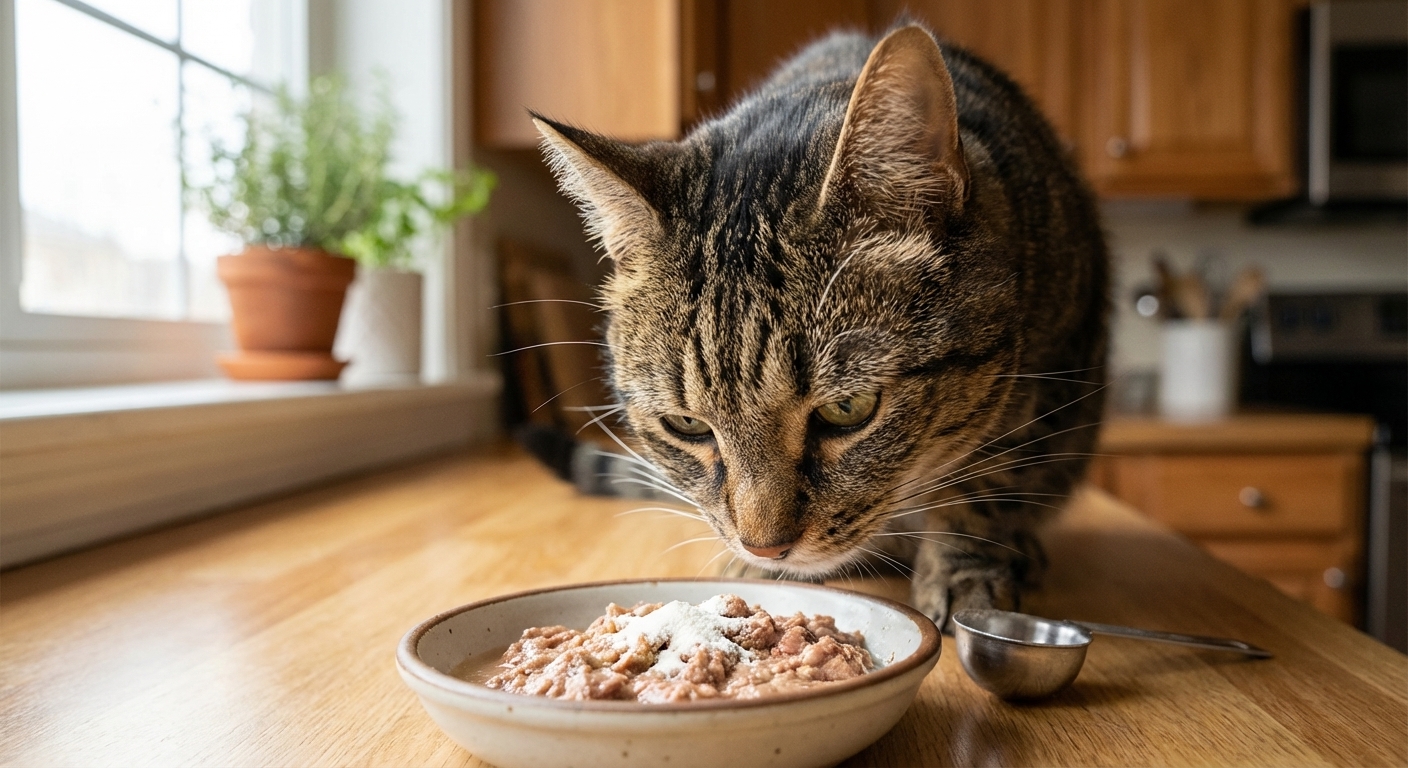
A diet trial means feeding a carefully chosen food and nothing else for a set time, often 8 to 12 weeks (your vet may tailor the timeline). No flavored medications, no treats, no table food, no “just a bite.” Those little extras can ruin the results.
Common vet-guided options include:
- Hydrolyzed protein diets: proteins broken down to reduce immune reaction
- Novel protein diets: a protein your cat has truly never eaten before
- Highly digestible GI diets: sometimes used when sensitivity is unclear
Important note: Over-the-counter “limited ingredient” diets can be cross-contaminated and may not work as a true elimination trial. Your veterinarian may recommend a veterinary therapeutic diet for the cleanest results.
Pro tip: wet food can be a big help for hydration and stool quality, but your vet will tailor that to your cat’s needs and any other conditions.
2) Parasite control still matters
Even with negative fecals, empiric deworming is commonly recommended because some parasites are intermittent shedders or hard to catch on a single test. This is a routine part of many chronic GI workups.
3) B12 can be a game changer
If your cat’s B12 is low, supplementation can improve appetite, stool quality, and overall energy. Some cats receive injections weekly then monthly, while others may use oral forms depending on the case and your vet’s guidance.
4) Medications are not “failure”
Many cats need anti-inflammatory medication to calm the immune response in the gut. Your vet may discuss:
- Corticosteroids such as prednisolone or budesonide
- Antiemetics to control nausea and vomiting
- Appetite support when needed
- Antibiotic or microbiome-directed therapy in select cases
- Immunosuppressive medications for harder-to-control IBD
The goal is always the lowest effective dose and a plan to monitor side effects and response.
5) Probiotics and fiber (individualized)
Some cats thrive with a veterinary probiotic and a specific type of fiber. Others get worse if the wrong fiber is used. This is why I recommend choosing these tools with your veterinarian instead of experimenting randomly.
At-home monitoring
You do not need to be a medical professional to gather the most important data. You just need a simple, repeatable routine.
Track these 6 things
- Weight: weekly is ideal for active cases, using a baby scale if possible
- Stool quality: note soft, watery, mucus, straining, or blood
- Vomiting: how often and what it looks like
- Appetite: normal, reduced, refusing food, begging but not eating
- Energy and behavior: hiding, sleeping more, less play
- Diet compliance: any “extras” that could trigger flares
When to call your vet quickly
- Repeated vomiting in a day or inability to keep water down
- Blood in stool or black, tarry stool
- Refusal to eat for 24 hours (sooner for kittens, seniors, or cats with other health conditions)
- Rapid weight loss, weakness, or marked lethargy
- Signs of dehydration: sticky gums, sunken eyes, lethargy
- Painful abdomen or “praying position”
Cats can also be at risk for hepatic lipidosis (fatty liver disease) when they do not eat for long enough, which is another reason appetite changes deserve prompt attention.
Myths that keep cats sick
Myth: Hairballs explain most vomiting
Hairballs happen, but frequent vomiting without producing a hairball is a red flag. Many “hairball vomiters” are actually nauseous from GI disease.
Myth: Grain-free is best for IBD
Some cats do well on grain-free diets, but grain is not automatically the villain. The bigger issue is often the protein source, overall digestibility, fat level, and ingredient consistency. For many IBD cats, the goal is limited antigen exposure and diet consistency, not chasing a grain-free label.
Myth: You can treat IBD with supplements alone
Supplements can support the plan, but untreated inflammation can lead to malnutrition, chronic nausea, and ongoing weight loss. If symptoms are persistent, your cat deserves medical care.
Can cats with IBD live normally?
Yes, many can. IBD is typically a long-term condition, but it is often manageable. The key is realistic expectations: think control, not “cure overnight.” With the right diet, targeted medications when needed, and good follow-up, lots of cats get back to stable stools, a solid appetite, and a comfortable daily routine.
Rechecks matter
Most plans work best with scheduled check-ins. Your vet may recommend reweighs, symptom reviews, repeat B12 testing, and medication adjustments based on how your cat responds over time.
If you are feeling overwhelmed, start with one step: schedule a vet visit and bring a simple symptom timeline. You are your cat’s best advocate, and the details you notice at home truly matter.