Vomiting, loose stools, or picky eating? Learn when to call the vet, common diet triggers, gentle ingredients, safe storage, and how to make homemade meals n...
Article
•
Designer Mixes
Inflammatory Bowel Disease in Cats

Shari Shidate
Designer Mixes contributor
If your cat has ongoing vomiting, diarrhea, weight loss, or a suddenly picky appetite, it is easy to feel worried and overwhelmed. One possible cause is Inflammatory Bowel Disease (IBD), which is often considered one of the more common causes of chronic, recurring GI upset in cats. IBD is a condition where persistent inflammation affects the digestive tract, most often the intestines, and sometimes the stomach as well. The good news is that many cats with IBD can feel much better with the right plan, especially when diet, medications, and stress reduction work together.
Important note from a vet assistant perspective: IBD is a diagnosis that takes a little detective work. It can look like many other issues, so the best care starts with a proper veterinary workup and a plan you can realistically follow at home.
What IBD is and what it is not
IBD is not a single disease with one simple cause. It is a pattern of chronic inflammation in the digestive tract. In cats, that inflammation is often described by the type of inflammatory cells seen on biopsy. Over time, inflammation can reduce nutrient absorption and make your cat feel nauseated, uncomfortable, and tired.
IBD vs food intolerance vs other GI problems
Many conditions can mimic IBD, including:
- Parasites (especially in kittens or outdoor cats)
- Food intolerance or food allergy
- Infections (bacterial or viral)
- Pancreatitis and triaditis (pancreas, liver, intestines)
- Hyperthyroidism in older cats
- GI lymphoma, which can look very similar to IBD
This is why your veterinarian may recommend tests before labeling it as IBD.
Common signs at home
IBD symptoms can be obvious or surprisingly subtle. Keep an eye out for patterns that last more than a week or keep coming back. That said, some cats should be checked sooner, including kittens, seniors, and any cat who seems dehydrated, very lethargic, or is vomiting repeatedly.
- Vomiting (hairballs happen, but repeated hairballs or frequent vomiting should be discussed with your vet, especially more than once or twice a month)
- Diarrhea or soft stool, sometimes with mucus
- Constipation in some cats
- Weight loss or muscle loss
- Changes in appetite including “hungry but walks away”
- Hiding, decreased play, or seeming “off”
- Increased gas or abdominal discomfort
Small bowel vs large bowel clues
If you are trying to describe stool changes to your vet, these details can help:
- Small bowel signs: larger volume stool, weight loss, poor body condition, vomiting is more common
- Large bowel signs: more frequent trips, smaller amounts, straining, mucus, and sometimes fresh red blood
How vets diagnose IBD
IBD is often diagnosed in layers, starting with less invasive tests and moving up if needed. Your veterinarian is typically trying to confirm inflammation, rule out other causes, and decide on a treatment plan that fits your cat’s situation and budget.
Tests you may be offered
- Physical exam and history, including diet details and treat list
- Fecal testing for parasites and Giardia
- Bloodwork (CBC, chemistry, electrolytes)
- Total T4 in older cats (hyperthyroidism check)
- FeLV/FIV testing (often recommended with chronic illness, weight loss, or if status is unknown)
- Vitamin B12 (cobalamin) and folate, since chronic intestinal disease can reduce absorption
- Urinalysis to assess overall health and hydration
- Pancreatitis testing (for example, feline pancreatic lipase, depending on the case and your clinic’s approach)
- Abdominal ultrasound to look at intestinal thickness and other organs
- GI biopsy (endoscopic or surgical) if diagnosis is unclear or lymphoma is a concern
After baseline testing, some cats start treatment based on the full picture, sometimes including ultrasound results. Biopsy is most helpful when symptoms are severe, recurring despite treatment, or there is significant concern for cancer.
Core treatment goals
With IBD, we are usually working toward four practical goals:
- Reduce inflammation so the intestinal lining can heal
- Control nausea, vomiting, and diarrhea so your cat feels well enough to eat
- Support nutrition to prevent weight and muscle loss
- Lower triggers such as food sensitivities and chronic stress
Diet basics
Diet changes can be truly powerful for feline IBD, but success depends on consistency and patience. In my experience, the biggest reason diet trials fail is that “little extras” sneak in, like flavored treats, people food, pill pockets, lickable treats, flavored chewable supplements, or flavored medications.
Common dietary approaches
- Novel protein diet: uses a protein your cat has not eaten before (like rabbit, venison, duck). This helps if food sensitivity is part of the picture.
- Hydrolyzed protein diet: proteins are broken into smaller pieces, making them less likely to trigger an immune reaction.
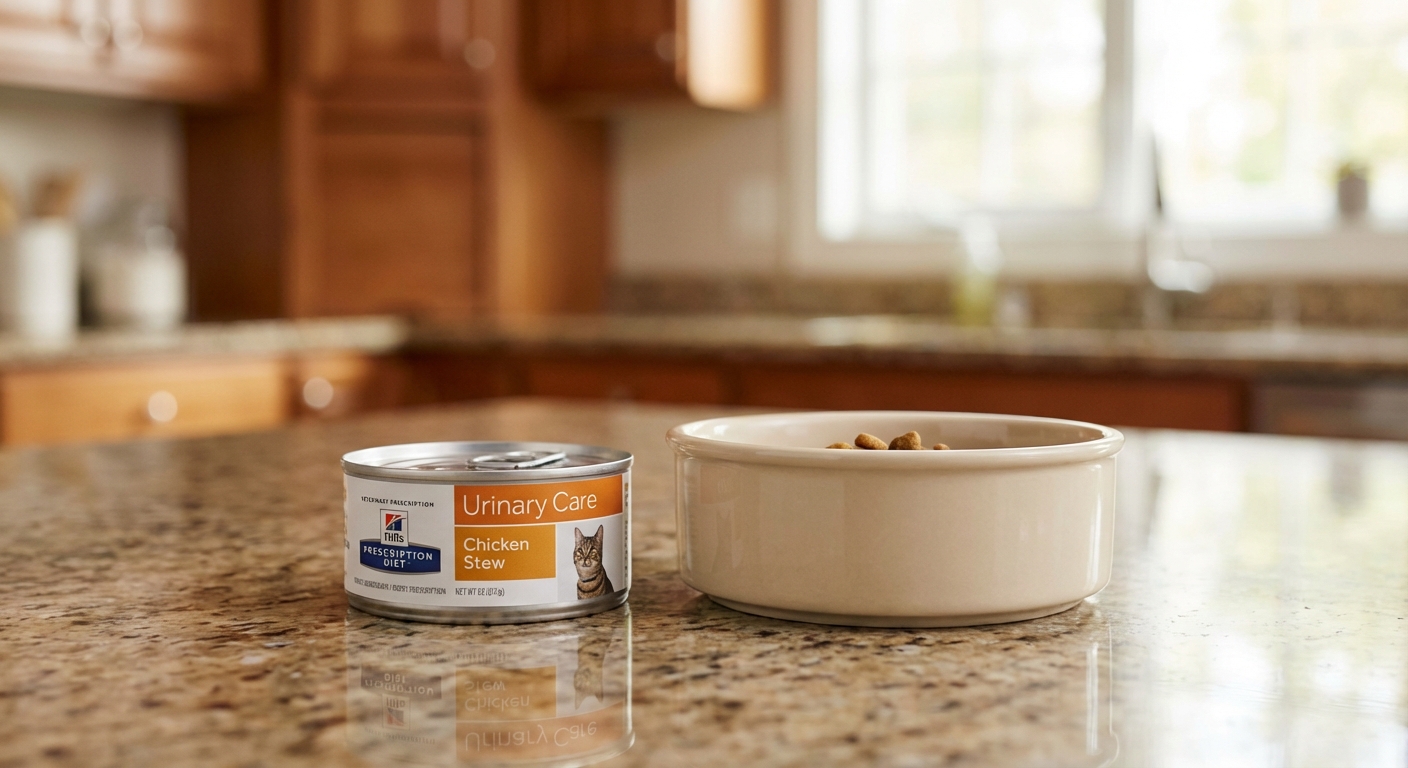
- Highly digestible GI diets: designed to be gentle on the gut and easier to absorb.
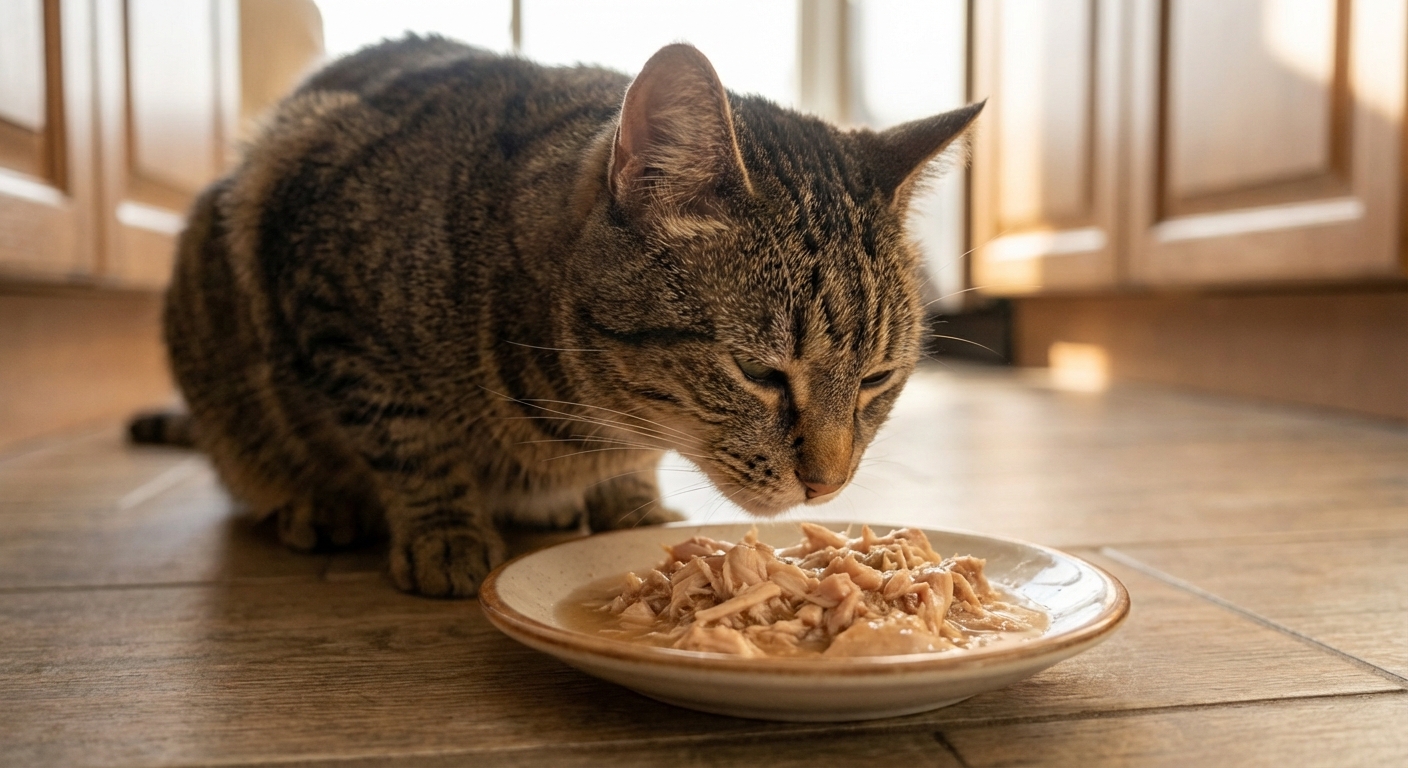
- Wet food emphasis: many IBD cats do better with higher moisture intake, which also supports hydration.
How to run a diet trial
A proper trial is often 6 to 12 weeks, depending on the diet and your cat’s response. During that period:
- Feed only the prescribed diet and vet-approved treats.
- Avoid flavored supplements and flavored treat products unless your vet confirms they fit the trial.
- Ask your vet about flavored medications (including compounded flavors). Sometimes we can switch forms to protect the trial.
- Track stool, vomiting, appetite, and weight weekly.
If your cat improves, your veterinarian may recommend continuing the diet long-term or slowly testing other foods to identify triggers.
Raw and grain-free
For IBD cats, I generally recommend being cautious with raw diets unless your veterinarian specifically guides you, since food safety and bacterial risks are a real concern. Also, grain-free is not automatically better for IBD. What matters most is digestibility, consistency, and whether the diet avoids your cat’s triggers.
Meds and supplements
Many cats need more than diet alone, especially during flare-ups. Your veterinarian will tailor choices to your cat’s symptoms, test results, and comfort level.
Anti-inflammatory and immune medications
- Corticosteroids (often prednisolone): frequently used to reduce intestinal inflammation. Your vet may taper the dose based on response and side effects.
- Budesonide: a steroid that can have more local GI effects in some cats, sometimes used when systemic side effects are a concern.
- Chlorambucil or other immunosuppressants: used in selected cases. This is typically not a first-line IBD medication and it requires careful dosing and monitoring, often with periodic bloodwork.
Symptom relief
- Antiemetics for nausea and vomiting (for example, maropitant or ondansetron as prescribed)
- Appetite support when needed (your vet may discuss options like mirtazapine)
- Antidiarrheals or gut-protectants in certain cases
Microbiome and nutrient support
- Probiotics: may help some cats, but choose veterinary-recommended options because quality matters.
- Vitamin B12 (cobalamin): low B12 is common with chronic intestinal disease and can worsen appetite and GI signs. Many cats benefit from supplementation, often by injection initially.
- Omega-3 fatty acids: can support inflammation control, but dosing should be discussed with your vet to avoid GI upset.
Please avoid starting supplements “just because they are natural.” Even gentle products can trigger diarrhea in sensitive cats, and some human products are unsafe for pets.
Monitoring matters: steroids and immune-suppressing medications can have side effects and may require recheck exams and lab work. If you notice increased drinking and urination, dramatic appetite changes, extreme lethargy, or new infections, let your vet know.
Stress and the gut
Many cats are sensitive to change. Stress can affect gut motility and may contribute to flare-ups, especially in multi-cat households or homes with frequent changes.
Stress reduction at home
- Predictable routines for feeding and play
- Enough litter boxes (generally one per cat, plus one extra) in quiet locations
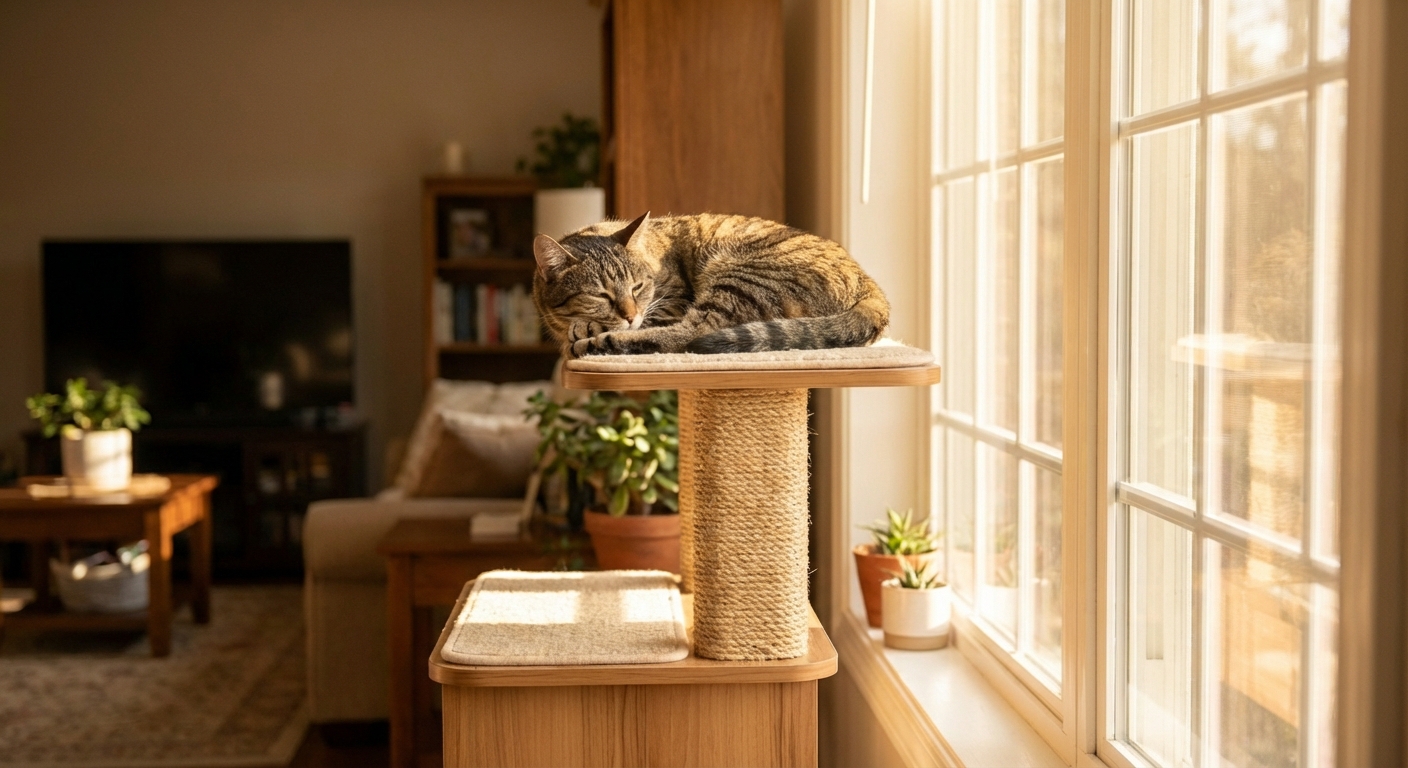
- Vertical space like cat trees and shelves for security
- Separate feeding stations to reduce competition
- Daily interactive play in short sessions
- Pheromone diffusers if recommended by your veterinarian
Feeding during a flare
If your cat is in an active flare, your veterinarian may recommend a temporary “reset” plan. That might include a strictly controlled diet, short-term medications for nausea, and close hydration monitoring.
At home, focus on:
- Small, frequent meals if your cat tolerates them better
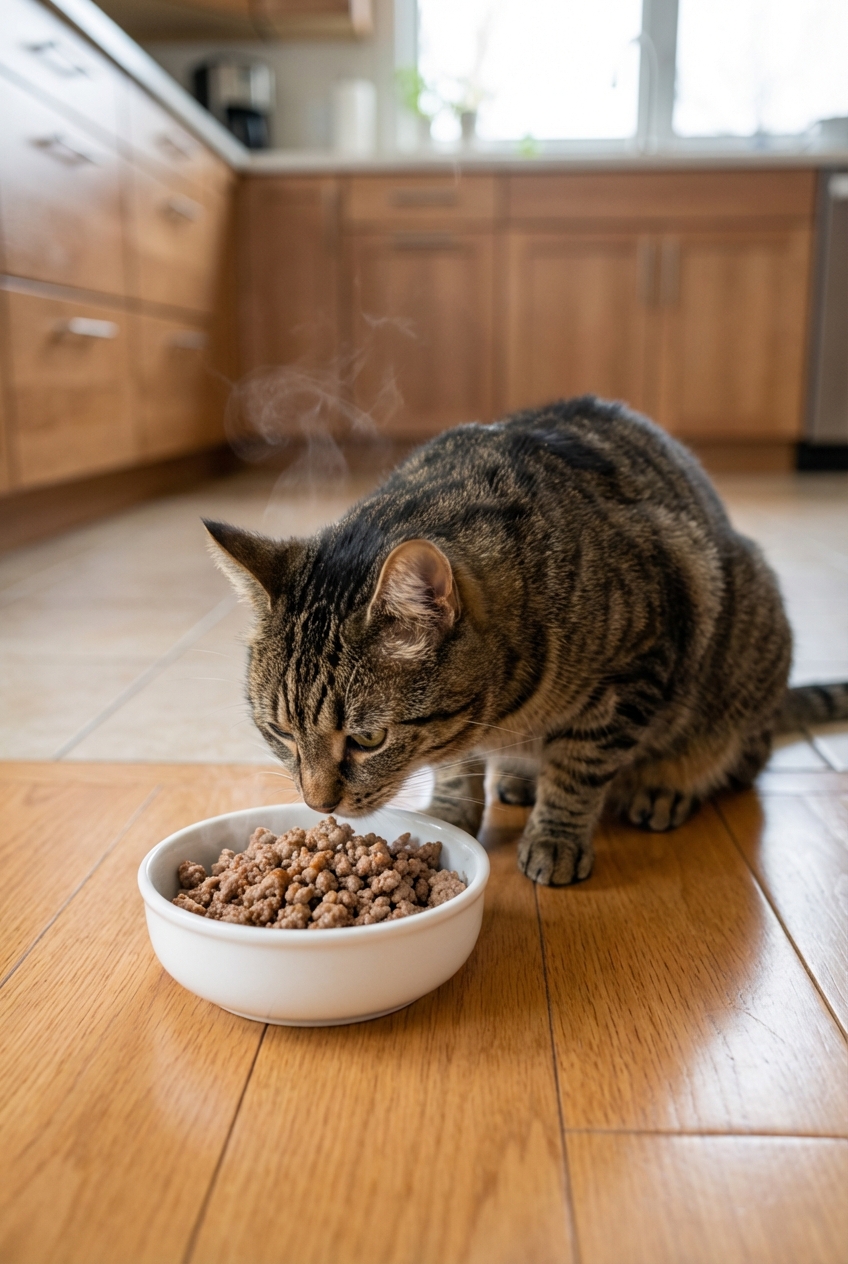
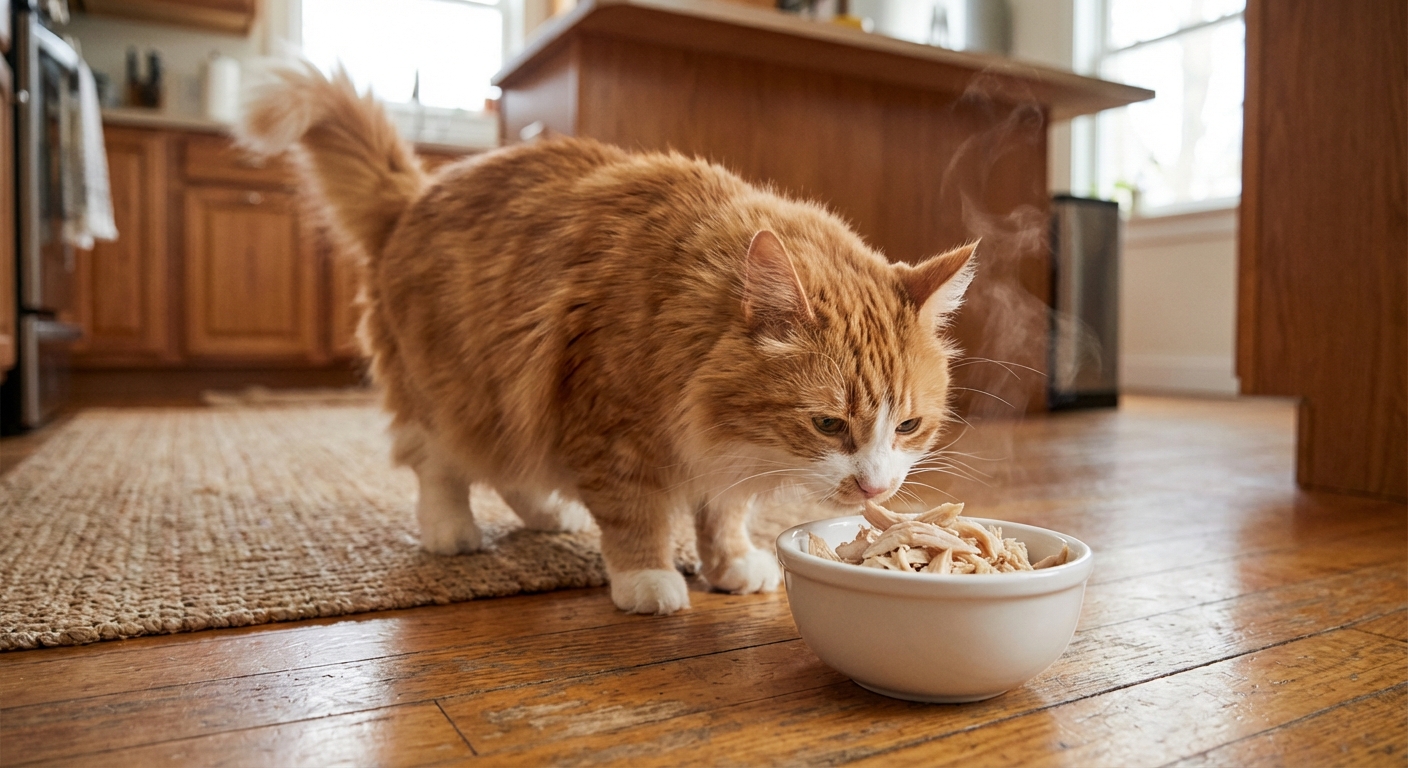
- Warm the wet food slightly to boost aroma (avoid hot temperatures)
- Hydration: offer extra water bowls, a fountain, and wet food
- No sudden food switching unless your veterinarian directs it
If your cat stops eating for 24 hours, contact your veterinarian promptly, or sooner if your cat is elderly, very young, has other medical conditions, or seems unwell. Cats are at risk for hepatic lipidosis (fatty liver) when they do not eat, especially if they are overweight.
Monitoring at home
Tracking helps your vet fine-tune the plan and spot patterns early. A simple phone note is perfect.
- Vomiting: frequency, timing, foam vs food, any hairball
- Stool: firmness, frequency, blood or mucus
- Appetite: eager, hesitant, sniff and walk away
- Weight: weekly if possible
- Energy: play, hiding, comfort level
If you can, bring a short written summary to appointments. It saves time and helps your vet make better decisions.
When to seek urgent care
IBD is often managed as a chronic condition, but some situations should be treated as urgent.
- Repeated vomiting with inability to keep water down
- Severe lethargy, collapse, or weakness
- Black, tarry stool or large amounts of fresh blood
- Rapid weight loss or dehydration
- No eating for 24 hours, or much less than normal for more than a day (sooner for kittens, seniors, or medically fragile cats)
- Signs of pain: crying, hunched posture, guarding the belly
If you are unsure, call your vet or an emergency clinic. It is always better to ask early than to wait too long with GI disease.
Living with IBD
Most cats with IBD have ups and downs. Some need lifelong diet consistency and intermittent medications, while others do well with a gradual medication taper once they are stable. Your veterinarian will guide the pace based on symptoms, weight, and follow-up tests.
The long-term goal is fewer flare-ups, better stools, steady weight, and a comfortable, happy cat. When you work closely with your veterinarian, stay consistent with diet, and address nausea early, many cats do wonderfully.
If you are at the beginning of this journey, take a breath. You do not have to solve everything in one week. Start with good diagnostics, a clear diet plan, and simple tracking. Those steps alone can change everything.