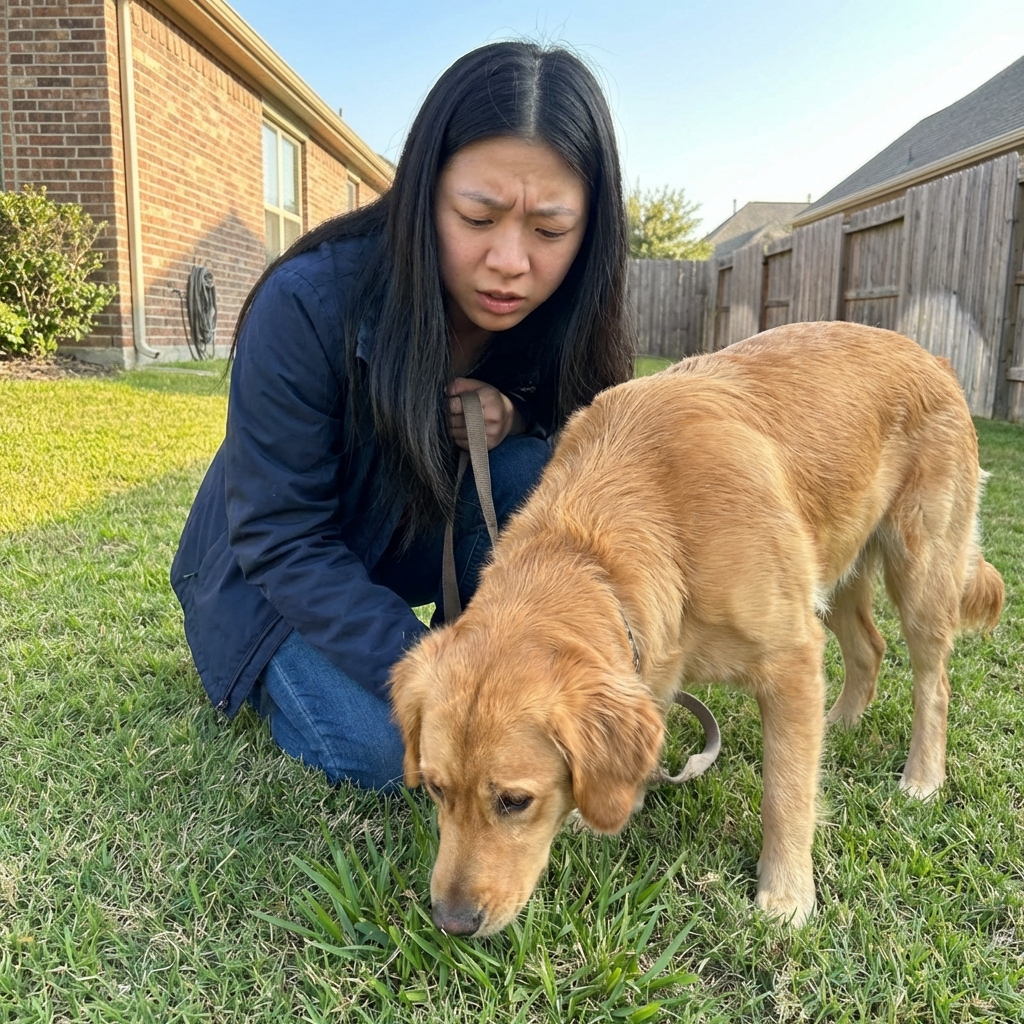
Loose stools for weeks? Learn urgent warning signs, common causes like parasites or diet issues, step-by-step home care, what to track, and vet tests for ans...
Article
•
Designer Mixes
Inflammatory Bowel Disease (IBD) in Dogs

Shari Shidate
Designer Mixes contributor
When a dog has ongoing vomiting, diarrhea, gassiness, or weight loss, it can feel like you are stuck on a frustrating loop of “better for a week, then back to square one.” Chronic GI signs have a long list of possible causes, but one common long-term cause (especially after the basics like parasites and diet issues are addressed) is Inflammatory Bowel Disease (IBD), a condition where the lining of the stomach and intestines stays inflamed over time.
As a veterinary assistant, I want you to know two encouraging things right up front. First, many dogs with chronic GI inflammation can do really well with the right plan. Second, the most effective approach is usually a combination of smart diagnostics, a targeted diet trial, and follow-up that matches your dog’s unique triggers, in partnership with your veterinarian.
Quick terminology note: You may also hear your vet use the umbrella term Chronic Enteropathy (CE). CE is increasingly used in veterinary medicine to describe long-lasting intestinal disease, and IBD is often discussed as part of that bigger category. For most owners, the day-to-day management advice overlaps, even if the label varies.

What IBD is (and what it is not)
IBD is a diagnosis that describes chronic inflammation in the gastrointestinal tract. It is not a single germ or parasite. Instead, it is usually linked to an abnormal immune response to things like dietary proteins, gut bacteria, or other environmental triggers.
IBD can affect the stomach, small intestine, large intestine, or all three. The location often influences the symptoms you see at home.
IBD vs. food allergy or food intolerance
This is one of the most confusing parts for dog families, because the symptoms overlap.
- Food allergy is an immune response to a specific ingredient, most often a protein (chicken, beef, dairy, egg). It can cause GI signs, skin itching, ear infections, or all of the above.
- Food intolerance is a non-immune sensitivity (for example, a dog that cannot handle high-fat foods). Symptoms are often digestive only.
- IBD is diagnosed when the GI tract remains inflamed over time, typically after other causes are ruled out. Some dogs with IBD also have food allergies, and many improve dramatically with a strict diet trial.
Think of it this way: a food allergy can be one trigger. IBD is the ongoing inflammatory condition that can develop or persist when triggers are not controlled.
Common symptoms of IBD in dogs
IBD signs can be obvious, or they can be subtle and slowly progressive. Many dogs cycle between “good days” and flare-ups.
Most common signs
- Recurring vomiting, especially in the morning or after eating
- Chronic diarrhea or frequent loose stools
- Mucus in the stool (common with large intestine involvement)
- Weight loss despite eating normally
- Reduced appetite or picky eating that worsens over time
- Increased gas and abdominal noises
- Straining or urgency to poop
Signs that need urgent veterinary care
IBD is often chronic, but some symptoms are red flags for dehydration, bleeding, obstruction, pancreatitis, or other emergencies.
- Repeated vomiting that will not stop
- Black, tarry stool or obvious blood in stool
- Severe lethargy, collapse, pale gums
- Swollen, painful abdomen
- Not keeping water down
- Puppies, seniors, or dogs with other diseases getting suddenly worse

How vets diagnose IBD (and why it can take time)
Because “IBD-like symptoms” can be caused by many conditions, diagnosis is usually a step-by-step process. Your veterinarian is generally doing three things: ruling out common causes, checking for whole-body illness, and assessing whether chronic GI inflammation is present.
Step 1: Rule out common look-alikes
- Fecal testing for parasites (and sometimes Giardia-specific testing)
- Deworming, because some parasites are hard to catch on one test
- Bloodwork to evaluate dehydration, anemia, infection, liver and kidney values, and protein levels
- Urinalysis for overall health context
Step 2: Dig deeper if symptoms persist
- GI-specific blood tests as needed, such as cobalamin (B12) and folate
- Pancreatic tests when indicated, such as cPLI (pancreatitis screening) or TLI (to evaluate for exocrine pancreatic insufficiency, also called EPI)
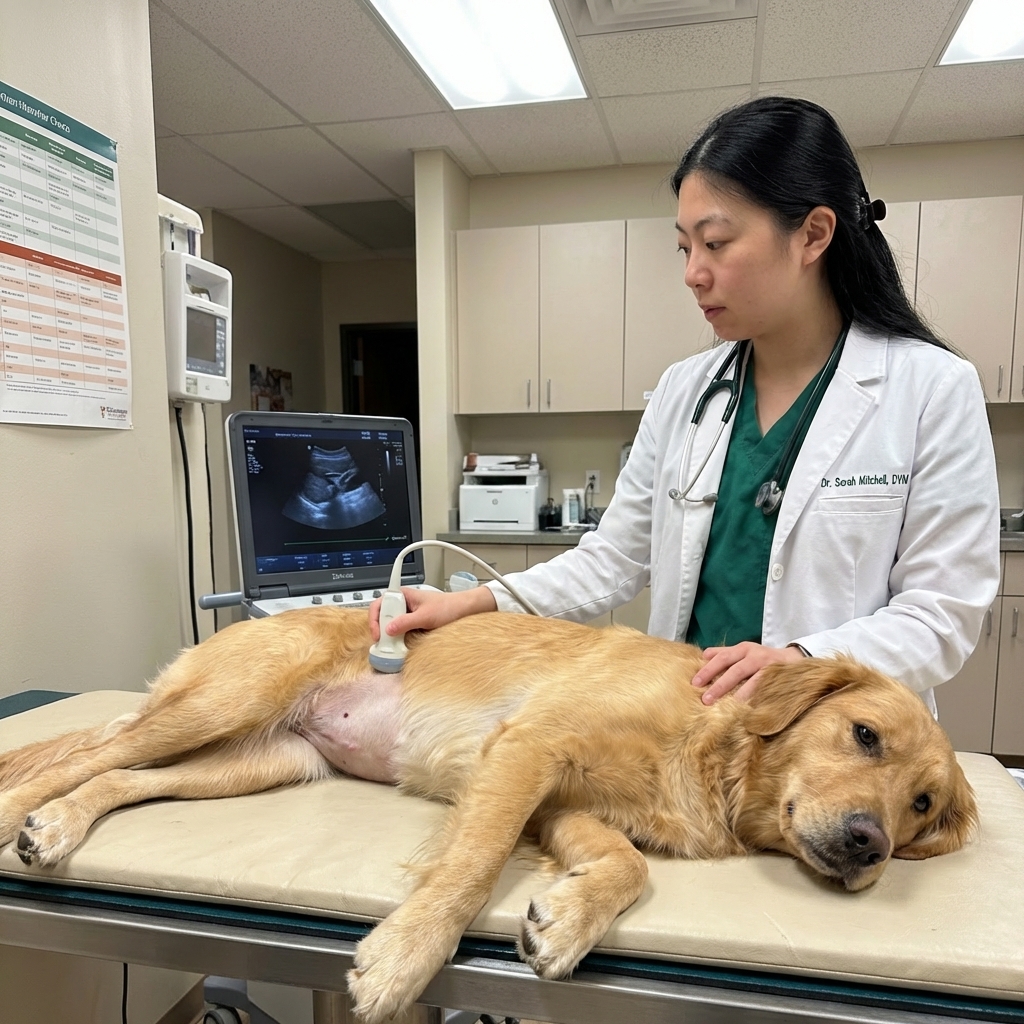
- Abdominal ultrasound to assess intestinal wall thickness, lymph nodes, liver, pancreas, and to look for foreign material or masses
- Diet trial (this is both a treatment and an important diagnostic tool)
A few other conditions that can look like IBD
This is one reason I try to discourage self-diagnosis at home. Chronic vomiting and diarrhea can also be caused by issues like intestinal parasites (yes, even in adults), pancreatitis, EPI, Addison’s disease, and cancers such as GI lymphoma. Your vet’s job is to sort through the most likely causes for your dog.
Step 3: Confirming IBD with biopsies
The most definitive way to diagnose IBD is with intestinal biopsies (endoscopy or surgery) evaluated by a pathologist. Biopsies can also help rule out cancer and identify the type of inflammatory cells involved.
Not every dog needs biopsies immediately. Many dogs are treated presumptively after an organized workup and a properly run diet trial, especially when signs are mild to moderate and the dog responds well. Biopsies become more important when:
- Symptoms are severe or worsening
- There is significant weight loss
- Blood protein is low
- There is poor response to diet and standard medications
- Your vet is concerned about lymphoma or other serious disease
Diet strategies that help manage IBD
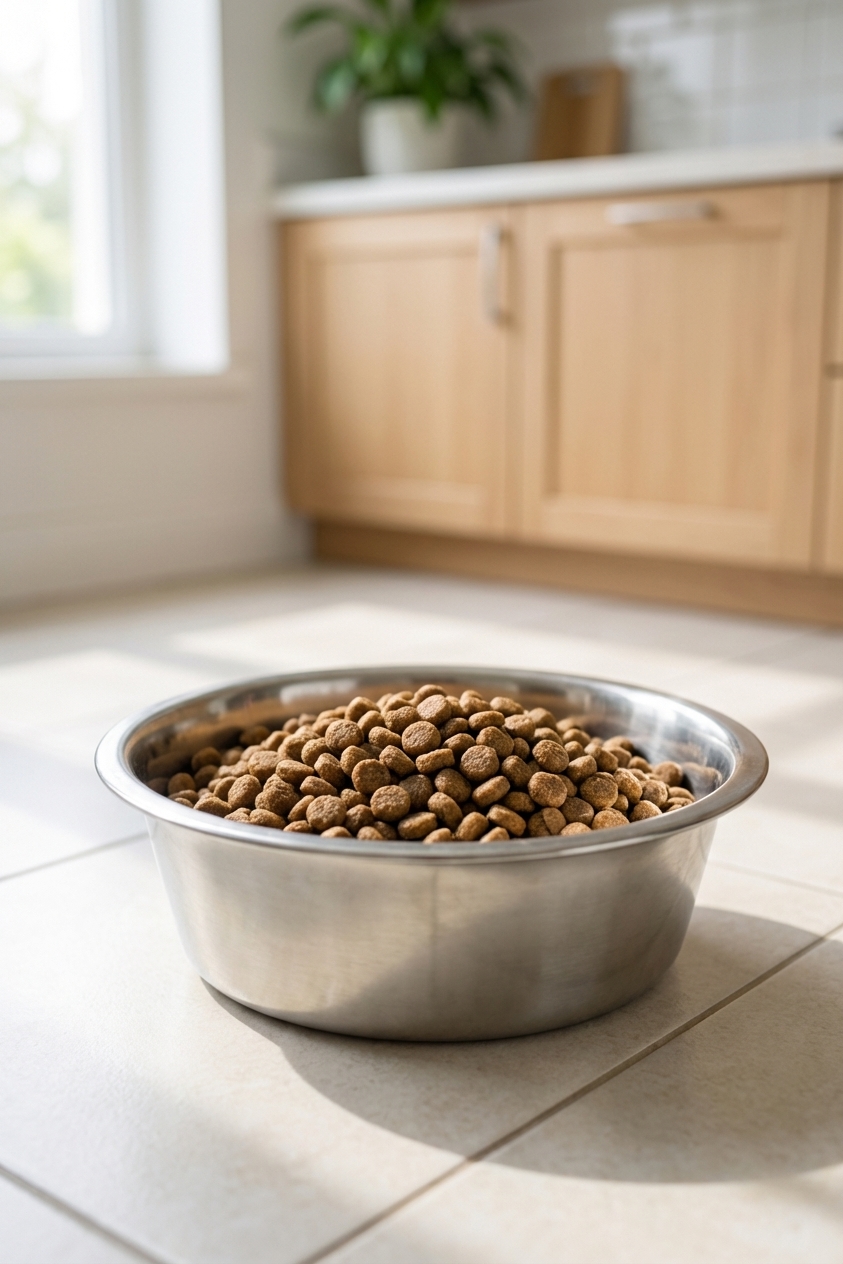
Diet is one of the most powerful tools we have for chronic enteropathy and IBD. The goal is to reduce immune stimulation and support a calmer gut environment so the intestinal lining can heal.
Most veterinary teams will recommend a strict diet trial. The exact timeline varies, but many elimination trials run 8 to 12 weeks (sometimes a bit shorter or longer depending on the case and your veterinarian’s plan). “Strict” matters because even small extras can sabotage results.
Option 1: Novel protein diets
A novel protein is one your dog has not eaten before. Common choices include rabbit, venison, duck, kangaroo, or some fish-based formulas. The idea is simple: if the immune system is reacting to chicken or beef, we remove those exposures entirely.
- Pros: Can work very well, especially when food allergy is part of the picture.
- Cons: Many over-the-counter “limited ingredient” foods still have cross-contamination or undisclosed proteins. Veterinary therapeutic diets are often more reliable for a true trial.
Option 2: Hydrolyzed protein diets
Hydrolyzed diets contain proteins broken into smaller pieces that are less likely to trigger an immune response. It is not a guarantee, but for many dogs it is an excellent next step.
- Pros: Often a strong choice when you suspect multiple food triggers or when a novel protein trial has failed.
- Cons: Some dogs dislike the taste at first, and owners sometimes want to switch too quickly. Give it time and follow your vet’s transition plan.
Option 3: Highly digestible GI diets (sometimes low fat)
Some dogs with chronic GI disease do best on highly digestible diets designed to reduce intestinal workload. Low fat can be especially important if pancreatitis is a concern, or if high-fat foods reliably trigger vomiting and diarrhea.
Fiber: a helpful clue
- Large intestine signs (mucus, urgency, frequent small stools) often improve with the right type of fiber. Many vets reach for soluble fiber (like psyllium) in carefully chosen amounts.
- Small intestine signs (weight loss, larger volume stools) may require different strategies, including B12 support and more digestible nutrition.
Because the “right” fiber type and dose is very individual, it is best to add fiber with veterinary guidance, especially during a diet trial.
Treats, chews, and flavored preventives: the common diet-trial mistake
During a diet trial, the rule is: if it is not part of the prescribed diet, it does not go in the mouth. That includes:
- All treats (unless approved)
- Rawhides and flavored chews
- Table scraps
- Peanut butter used to hide pills
- Flavored toothpastes
- Some flavored heartworm or flea preventives
If your dog needs “treats,” ask your vet about using kibble from the diet as treats, or about compatible single-ingredient options that match the trial.
Medications and supplements commonly used
Many dogs need more than diet alone, especially early in treatment or during a flare-up. Your veterinarian will tailor medications based on symptoms, lab results, and severity.
Commonly used medications
- Antiemetics to control vomiting and nausea
- Antidiarrheals when appropriate (used carefully and not in every case)
- Antibiotics only when specifically indicated, such as suspected antibiotic-responsive enteropathy or certain infections. Veterinary teams are increasingly careful about antibiotic stewardship, since many chronic cases are related to dysbiosis rather than an infection that needs routine antibiotics.
- Anti-inflammatory or immunosuppressive medications for dogs who do not respond to diet alone. Common examples you may hear about include prednisolone or budesonide, and your vet will choose the safest option for your dog’s situation.
- Appetite support if poor intake is a problem
B12 (cobalamin) support
Low B12 is common in chronic small intestinal disease. If your vet finds low cobalamin, supplementation can make a noticeable difference in energy, appetite, and stool quality.
Probiotics and gut-support tools
Some dogs benefit from veterinarian-recommended probiotics, prebiotics, or GI-supportive supplements. Because IBD dogs can be sensitive, it is best to introduce one new supplement at a time and track stool changes for a full week before adding anything else.
If your dog is on an elimination diet, do not add supplements or toppers unless your veterinarian confirms they are compatible. Even “natural” products can contain hidden proteins.
Low protein and protein-losing enteropathy
If bloodwork shows low protein, your veterinarian may discuss protein-losing enteropathy (PLE). This means the intestines are inflamed enough that the body is losing protein through the GI tract. PLE is more serious and often requires closer monitoring, a more aggressive treatment plan, and sometimes specialist involvement.
Long-term care: what owners can expect
IBD is usually a long-term condition, but that does not mean your dog cannot have a happy, active life. The goal is control, not perfection. Many dogs reach a stable routine where flare-ups are less frequent and easier to manage with their veterinary team.
Monitoring at home
These simple habits help you and your vet spot trends early:
- Track stools (consistency, frequency, mucus, blood)
- Weigh monthly at home or the vet clinic
- Keep a food and treat log, especially after guests, holidays, or travel
- Watch hydration, energy, coat quality, and appetite
Flare-up triggers to watch for
- Diet changes or new treats
- Fatty foods
- Stress (boarding, moving, new pets, schedule disruptions)
- Intestinal parasites or exposure risks
- Uncontrolled allergies and skin disease, which can overlap with food issues
Prognosis and quality of life
The prognosis depends on the severity of inflammation, whether protein loss is present, how well your dog responds to diet, and whether there are additional issues like pancreatitis. Many dogs do very well with:
- A consistent diet plan that truly fits them
- Medications adjusted to the lowest effective dose when possible
- Periodic rechecks and lab monitoring as recommended
If your dog’s IBD is severe, it may take time to find the right combination of diet and meds. Please do not interpret “needs ongoing management” as “no hope.” Working alongside their veterinarian, I have seen many dogs regain weight, stop vomiting, and return to normal activities once their plan is dialed in.

When to ask about a specialist
If symptoms are persistent or complicated, your veterinarian may recommend a board-certified veterinary internal medicine specialist. Consider asking for referral if:
- Your dog is losing weight despite treatment
- Bloodwork shows low protein or anemia
- Ultrasound findings are concerning
- Diet trials and first-line medications are not working
- You want endoscopy and biopsies to confirm diagnosis
Practical next steps
- Schedule a recheck if vomiting or diarrhea has lasted more than 2 to 3 weeks or keeps coming back.
- Bring a symptom timeline with photos of stool if you can. It really helps.
- Commit to a strict diet trial if your vet recommends one, including treats and chew rules.
- Ask about B12 testing if weight loss or chronic diarrhea is a major issue.
- Do not rotate foods rapidly. Frequent switching is a common reason dogs never fully stabilize.
With chronic GI disease, consistency is kindness. A steady plan gives the gut time to heal and gives your vet the clean information needed to adjust treatment with confidence.
What not to do
- Do not give OTC anti-diarrheals unless your veterinarian tells you it is safe for your dog and situation.
- Avoid NSAIDs (like ibuprofen or naproxen). These can be dangerous for dogs and can worsen GI injury.
- Avoid abrupt food changes, especially during a flare-up. Ask your vet about the safest transition plan.
Homemade diets
I am a big believer in real food done the right way. But with IBD, homemade feeding needs extra care because even a well-meaning recipe can be unbalanced or accidentally include triggers. If you want to go the homemade route, I recommend doing it with your veterinarian or a board-certified veterinary nutritionist, especially if your dog has weight loss, low protein, or recurring flare-ups.