Cat slipped outside? Learn what to do in the first 15 minutes, how to search nearby hiding spots, set a return station, use a humane trap safely, and when to...
Article
•
Designer Mixes
Indoor Cat Got Outside: Safety Tips

Shari Shidate
Designer Mixes contributor
If your indoor cat got out, you are not alone. As a veterinary assistant here in Frisco, Texas, I see this happen to loving, attentive families all the time. The good news is that many indoor cats are found close to home, and a calm, organized plan can make a huge difference.
This article covers what usually happens when an indoor cat gets outside, how cats navigate the world, and practical steps to help your cat come home safely.
First, take a breath
Cats are experts at finding cover. If your cat is indoor-only, they may be frightened by new sounds and smells, so they often hide rather than roam confidently.
- Many indoor cats stay close and tuck into hiding spots like shrubs, under decks, garages, and crawl spaces.
- They often move when it is quiet like early morning and evening, when the neighborhood settles down.
- Chasing can backfire because it can push a scared cat farther into hiding.
Before you start: check inside
It sounds obvious, but it matters. A surprising number of “escaped” cats are actually stuck somewhere indoors. Before you go door-to-door, do a quick, thorough indoor sweep.
- Closets, cabinets, and rooms that were briefly open
- Under beds, inside box springs, and behind furniture
- Behind or under appliances (especially washer and dryer)
- Basements, attics, garages, and laundry rooms
- Inside carriers, boxes, and any “new” hiding spot after guests or a move
How cats navigate outdoors
1) Hearing that picks up everything
Cats can detect high-frequency sounds and pinpoint where they come from. Outdoors, that means every car door, barking dog, and leaf-blower can feel intense, especially for an indoor-only cat. This is one reason they often freeze and hide.
2) Smell that builds a “map”
Cats use scent cues to understand territory. New outdoor smells can be overwhelming, which is why many indoor cats stay close and choose the first safe cover they find. For you, this means focusing your search tight to home first.
3) Whiskers that guide tight spaces
Whiskers help cats judge openings and detect changes in airflow. This is part of how they squeeze into tiny hiding spots you would never think to check.
4) Activity patterns that can shift
Cats are often more active at dawn and dusk, but they can adjust based on routine and safety. Practically, your best search windows are usually the quietest times of day.
5) Many indoor cats go silent
Even vocal cats may not meow much when they are scared. They can be just a few feet away and stay quiet, so your search has to include careful listening and patient visual checking.
Where indoor cats usually hide
Think like a cat: low, tight, sheltered, and close. Start with your property and then expand slowly to immediate neighbors (both sides and behind you). Always ask permission before entering yards, sheds, or garages.
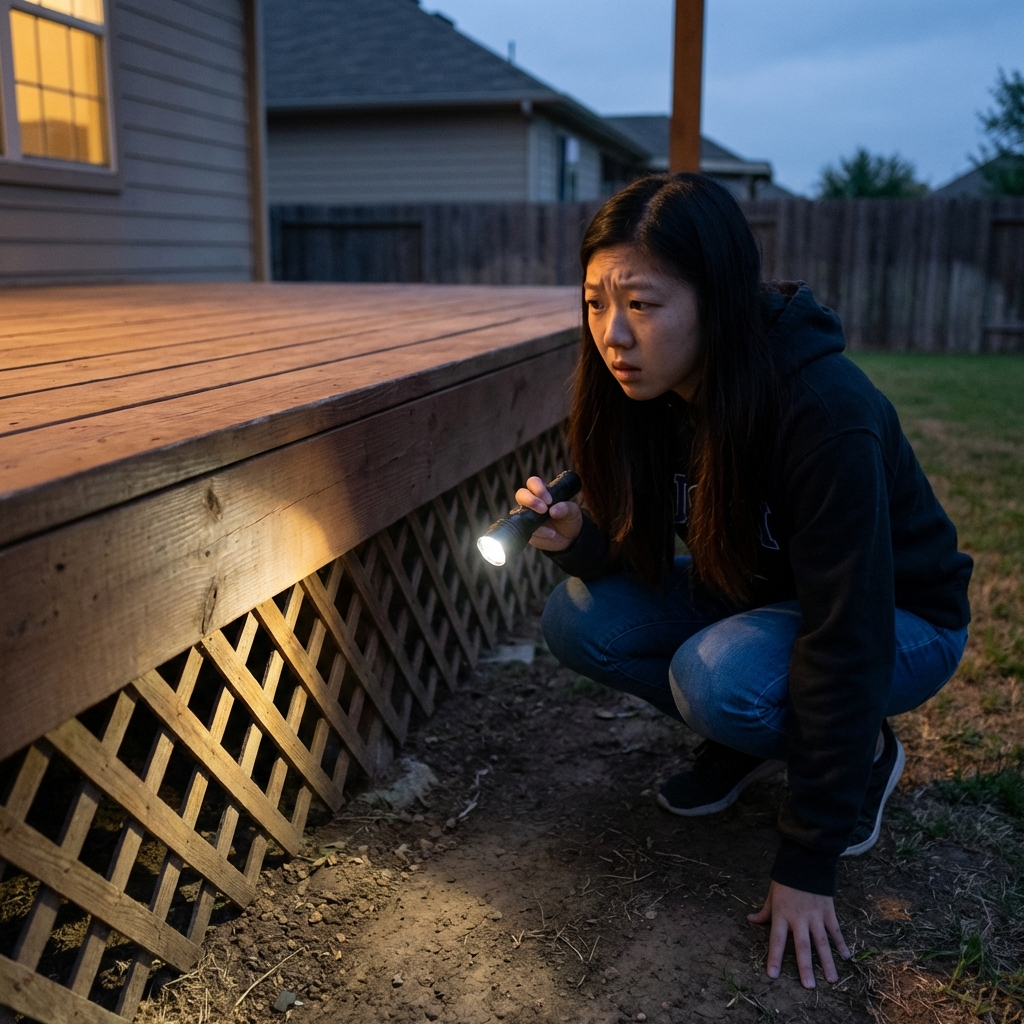
- Under porches, decks, and stairs
- Behind or under air conditioning units
- In garages, sheds, and open vehicles
- Under shrubs, hedges, and thick ground cover
- Inside window wells and crawl spaces
- Under patio furniture and grills
- Along fences where there is a narrow “safe” corridor
Tip: Use a flashlight even during the day. It can catch eye-shine in dark hiding spots.
What to do in the first hour
- Secure the home. Make sure no other doors are open and that your cat cannot get farther if they circle back.
- Search quietly and close. Walk your yard slowly. Get low. Look under everything.
- Listen. Pause often. A scared cat might rustle leaves or shift in a hiding spot.
- Use a calm voice. Softly call your cat and shake a treat bag or tap a food can, but avoid loud, frantic noises.
- Check trap zones. Ask family members to check garages and sheds before closing them.
- Start the ID plan. If your cat is microchipped, log into the microchip registry and confirm your phone number and address are correct. If you are not sure what company your chip is registered with, your veterinary clinic or local shelter can help you look it up. If your cat is not microchipped, shelters and clinics can still scan a found cat for free.
If you cannot find your cat today
Set up a home-base station
Place familiar scents near your main entry point. The goal is to help your cat recognize “this is home” if they pass nearby.
- Your cat’s used bedding or a worn t-shirt that smells like you
- Fresh water
- A small amount of their usual food on a schedule (remove leftovers to avoid attracting wildlife)
About the litter box: Advice varies. In some situations, a small amount of used litter can help with scent, but in other areas it may attract wildlife, loose dogs, or other cats and make a nervous cat more hesitant. If you are unsure, ask your local shelter or your veterinarian what tends to work in your specific neighborhood. If you do put any litter out, monitor closely and bring it in overnight.
Search when it is quiet
Early morning and evening are often best. Bring a flashlight and scan under bushes, parked cars, and along fences. Move slowly and pause often.
Use cameras and real-world help
Door-to-door help is powerful. Ask neighbors (with permission) to check garages, sheds, and fenced backyards. Also ask if they can review doorbell or security camera footage from the time your cat got out. A single clip can tell you which direction to focus on.
Post online with a plan
Neighborhood groups can help when used well. Share one clear photo, your cross streets, and a simple description. Post to Nextdoor, local Facebook groups, and PawBoost if it is used in your area. Ask people not to chase your cat if spotted, and to contact you with a time and exact location.
Put up clear flyers
Use a large photo of your cat, your phone number, and the words “INDOOR CAT” in bold. Post at neighborhood entrances and near community mailboxes. If your cat is shy, include “SHY, DO NOT CHASE.”
Call shelters and clinics
Report your cat missing with local shelters, animal control, and nearby veterinary clinics. If your cat is microchipped, contact the microchip company to ensure your information is up to date and to flag your pet as missing.
Plan for weather
In North Texas, heat can become dangerous fast. Bring water for yourself, take breaks, and never leave traps unattended in the sun. In cold snaps, check more frequently and consider focusing searches around sheltered areas like porches, crawl spaces, and warm garage spots (with permission).
How to get your cat safely
Even the sweetest indoor cat can act uncharacteristically defensive when frightened. Aim for calm, slow, and non-threatening.
- Do not chase. Sit down or crouch and let your cat decide to come closer.
- Use a carrier, not your arms. Set an open carrier nearby with a soft towel inside.
- Offer high-value food. Think tuna, sardines in water, or a strongly scented wet food.
- Use a towel for safety. If your cat panics, a towel can help you scoop and protect both of you from scratches.
When to use a humane trap
If your cat is confirmed outside but will not come to you, a humane live trap can be a safe option. Many shelters loan traps, and some rescue groups will help you set one up properly.
- Place the trap where your cat was last seen or where a camera shows activity.
- Bait with strong-smelling food like tuna or warmed wet food.
- Line the bottom with newspaper or a thin towel for better footing.
- Cover the trap with a light towel to help the cat feel secure once inside.
- Check traps very frequently. Never leave traps unattended for long periods, especially in Texas heat or cold.
After your cat is home
Coming home is only step one. Cats can pick up parasites, get minor injuries, or become dehydrated.
- Confine to one quiet room for a few hours with water, litter, and a cozy bed.
- Check for injuries like limping, bite wounds, swelling, or painful spots.
- Call your veterinarian if your cat was out overnight, got into a fight, or is acting “off.” Bite wounds can look tiny and still become serious infections.
- Restart food slowly if they were missing for more than a day to reduce vomiting and stomach upset. Offer small, frequent meals, and call your veterinarian if your cat seems extremely hungry, weak, or is not keeping food down. Cats that go without eating for extended periods can become medically fragile.
Prevention next time
Microchip and ID
A microchip is permanent ID. A breakaway collar with a tag adds a second layer. The best combo is both. If your cat is chipped, take two minutes today to confirm the registration is actually linked to your current phone number.
Door routines that work
- Create a no-cat zone near the door using a baby gate or a tall cat tree placed away from the entry.
- Teach a station cue like “go to your mat” with treats.
- Ask guests to text when they arrive so you can secure your cat first.
Enrichment reduces door-dashing
Cats who are mentally and physically satisfied are often less obsessed with bolting.
- Daily play sessions with wand toys
- Puzzle feeders
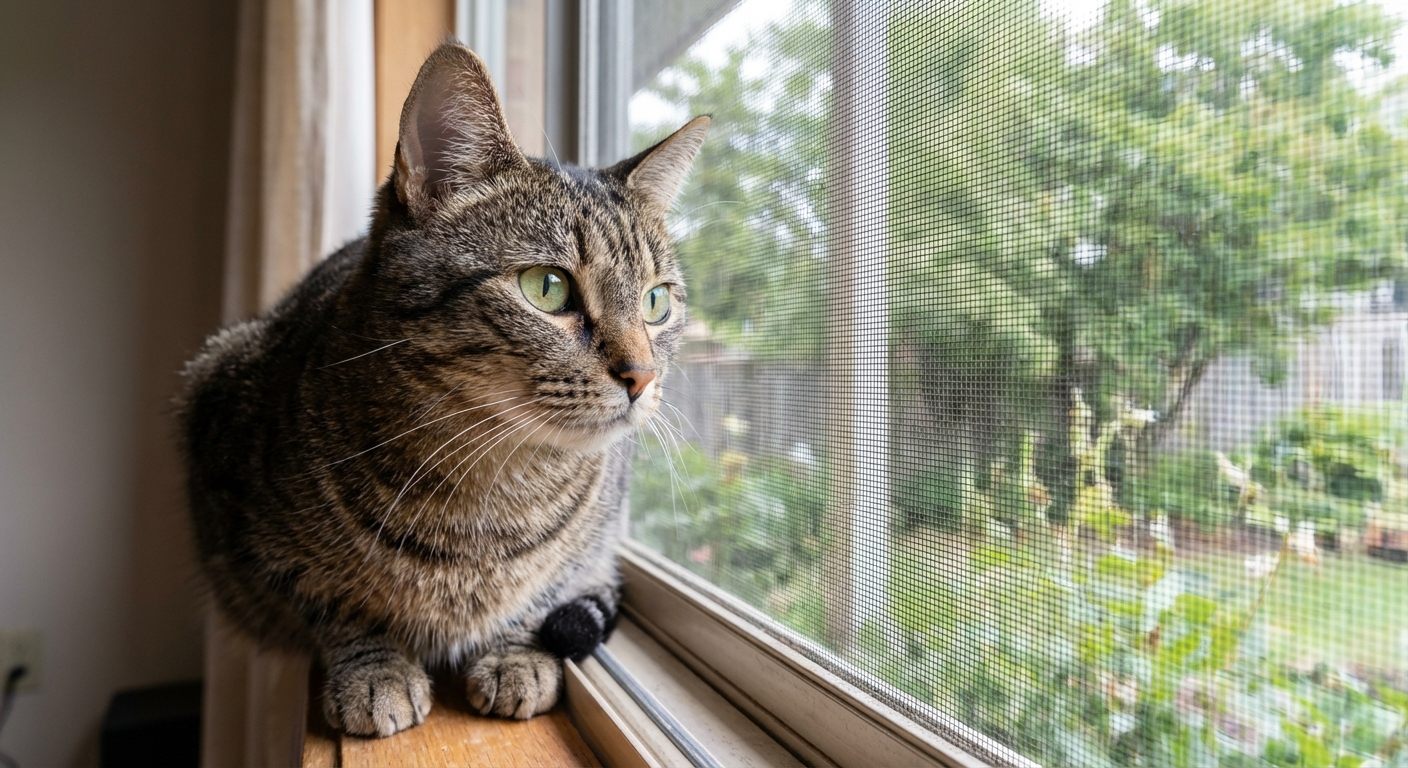
- Window perches for bird watching
- Clicker training for easy cues
Safe outdoor options
If your cat is constantly trying to escape, you might meet that need safely with:
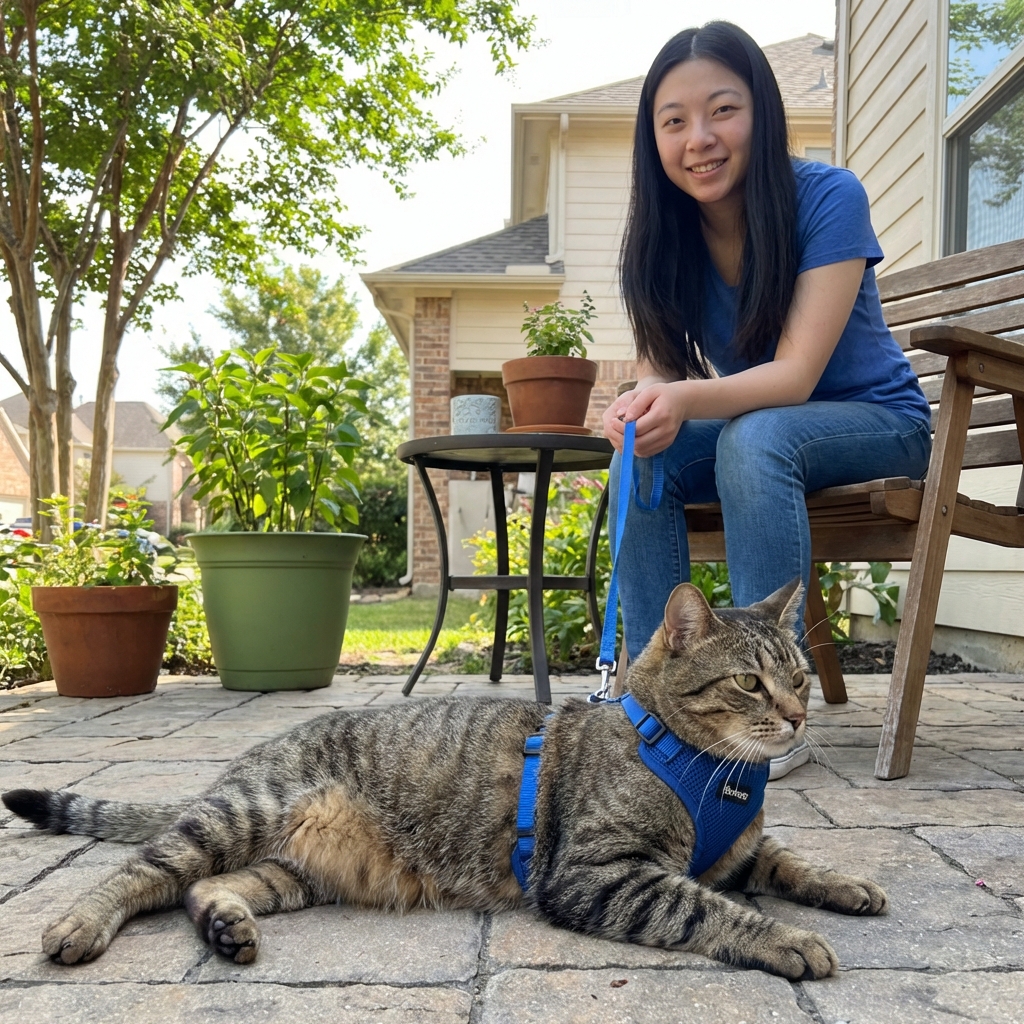
- A harness and leash with slow, positive training
- A secure catio
- A stroller designed for pets
Urgent vet red flags
If your cat comes home and you notice any of the following, contact your veterinarian or an emergency clinic right away:
- Difficulty breathing or open-mouth breathing
- Limping, collapse, or inability to stand
- Bleeding, deep puncture wounds, or rapid swelling
- Extreme lethargy, pale gums, or unresponsiveness
- Suspected toxin exposure (antifreeze, rat bait, lilies, pesticides)
A gentle reminder
Escape does not mean you failed. Cats are quick, curious, and surprisingly determined. What matters most is what you do next: search smart, stay consistent, and use your community. Many indoor cats want to come home, they just need help feeling safe enough to do it.
Keep your searches close, calm, and frequent. Quiet persistence beats panic every time.