
IMHA in Dogs: Pale Gums, Jaundice, and Emergency Care

Immune-Mediated Hemolytic Anemia (IMHA) is one of those diagnoses that can make your heart drop. I have seen how quickly a dog can go from “just a little tired” to an emergency, and I want you to have clear, calm information you can use right now.
IMHA happens when a dog’s immune system mistakenly attacks their own red blood cells. Without enough red blood cells, the body cannot deliver oxygen well. That is why you will hear vets use words like life-threatening and time-sensitive.
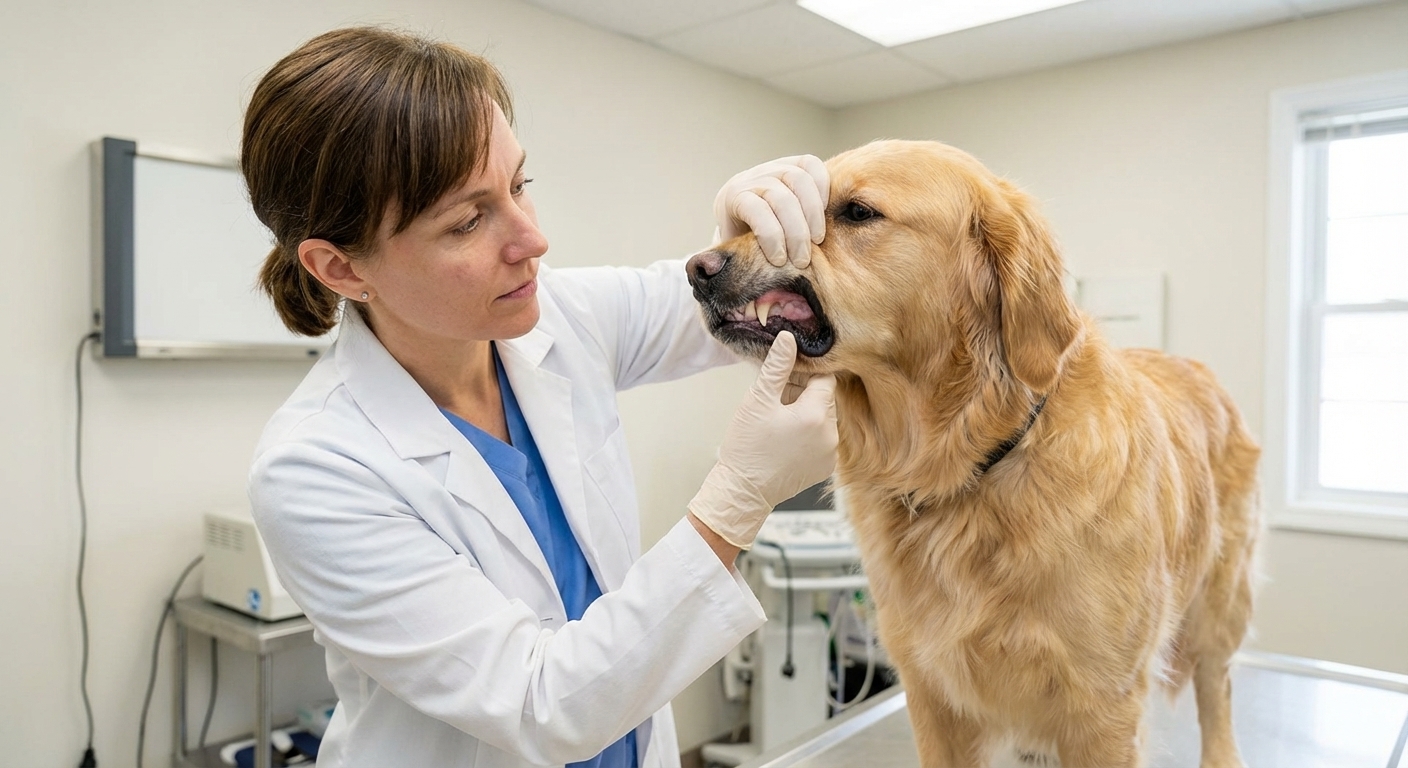
What IMHA is, in plain language
Red blood cells are your dog’s oxygen delivery system. In IMHA, those cells are destroyed faster than the body can replace them. This destruction is called hemolysis.
Two main ways red blood cells get destroyed
- Inside blood vessels (intravascular hemolysis): Red blood cells break apart in the circulation. This can cause a rapid decline, and urine may turn very dark from hemoglobin.
- In the spleen and liver (extravascular hemolysis): The immune system tags red blood cells, then organs filter them out and destroy them.
Note on dark urine: Dogs with IMHA can have dark orange, tea-colored, or brown urine for more than one reason. Intravascular hemolysis can cause hemoglobin in the urine, and extravascular hemolysis can increase bilirubin, which can also darken urine.
Some dogs also develop a second problem at the same time: the immune system attacks platelets, too. You may hear the term Evans syndrome, which usually means IMHA plus immune-mediated thrombocytopenia (ITP) (and in some descriptions, other blood cell lines may be involved). This can increase bruising or bleeding risk.
Signs owners notice first
IMHA rarely announces itself politely. Many families tell the same story: their dog was normal, then suddenly not.
Emergency warning signs
- Pale, white, or gray gums
- Yellow tint to the gums, whites of the eyes, or skin (jaundice)
- Weakness, wobbliness, collapsing, or refusing to walk
- Fast breathing or panting at rest
- Racing heart rate
- Dark orange, tea-colored, or brown urine
- Loss of appetite, vomiting, or sudden lethargy
- Cold ears or paws, or a dog who seems “checked out”
If you see pale gums plus weakness, treat it like an emergency. IMHA is not a “wait and see” situation.

Why IMHA happens
Many cases are labeled primary (idiopathic), meaning no clear trigger is found. That can be frustrating, but it is common in IMHA.
Other cases are secondary, meaning IMHA may be associated with something else. Triggers and associations vets often discuss include:
- Tick-borne disease and other infections
- Medications (your veterinarian will review recent drugs carefully)
- Vaccination timing (sometimes mentioned as a timing association, though causation can be hard to prove case-by-case). Most dogs are vaccinated without issue, and your vet weighs risks, benefits, and current evidence for your individual dog.
- Cancer or inflammatory disease
- Toxins (including some oxidative toxins that damage red blood cells)
The practical takeaway is this: your vet is not trying to “blame” anything. They are trying to find treatable contributors and reduce relapse risk.
How IMHA is different from other anemias
Anemia simply means there are not enough red blood cells or not enough hemoglobin to carry oxygen. The reason why matters a lot.
IMHA vs blood loss anemia
- Blood loss anemia: Red blood cells leave the body from bleeding, like a spleen tumor bleed, GI ulcer, trauma, or surgery complications.
- IMHA: Red blood cells are being destroyed inside the body.
Both can look similar at home, including pale gums and weakness. In blood loss, you might see black stools, bruising, or a swollen belly. In IMHA, jaundice and dark urine are more classic clues, but there can be overlap.
IMHA vs “not making enough” anemia
- Non-regenerative anemia: The bone marrow is not producing enough new red blood cells, which can occur with chronic kidney disease, chronic inflammation, marrow disease, or some drugs and toxins.
- IMHA (often regenerative): The body tries to respond by making lots of new red blood cells, unless the disease is severe or complicated.
That is why your vet will pay close attention to tests like reticulocyte count and blood smear findings.
How vets diagnose IMHA
Owners often ask, “How do you know it is IMHA and not another kind of anemia?” The answer is that vets put multiple pieces together. They look for anemia plus evidence the body is destroying red blood cells, and they look for clues the immune system is involved.
Depending on the case, that might include finding spherocytes on a blood smear, seeing autoagglutination, getting a supportive Coombs (direct antiglobulin) test, and confirming changes consistent with hemolysis (like elevated bilirubin, hemoglobinemia, or bilirubin in urine). No single test is perfect on its own, so pattern recognition matters.
What the ER is doing
When a dog comes in unstable, the immediate goals are to stabilize oxygen delivery, slow ongoing destruction, and prevent dangerous complications.
Common diagnostics you may see
- Packed cell volume (PCV) or hematocrit (HCT): A quick measure of anemia severity. You may hear the team say “PCV/HCT” and then stick to one term after that.
- Total solids/protein
- Blood smear review: May show spherocytes or autoagglutination
- Saline agglutination test
- Coombs test (direct antiglobulin test) in some cases
- Chemistry panel: Looks at bilirubin (jaundice), liver values, kidney values
- Urinalysis: Checks for bilirubin, hemoglobin, concentration
- Tick-borne testing based on region and risk
- Assessment for clot risk or clots: This can include watching for clinical signs and, depending on what is available, testing like PT/aPTT, D-dimer, or more advanced tools such as TEG/ROTEM.
- Imaging (X-rays, ultrasound) to look for underlying disease or internal bleeding
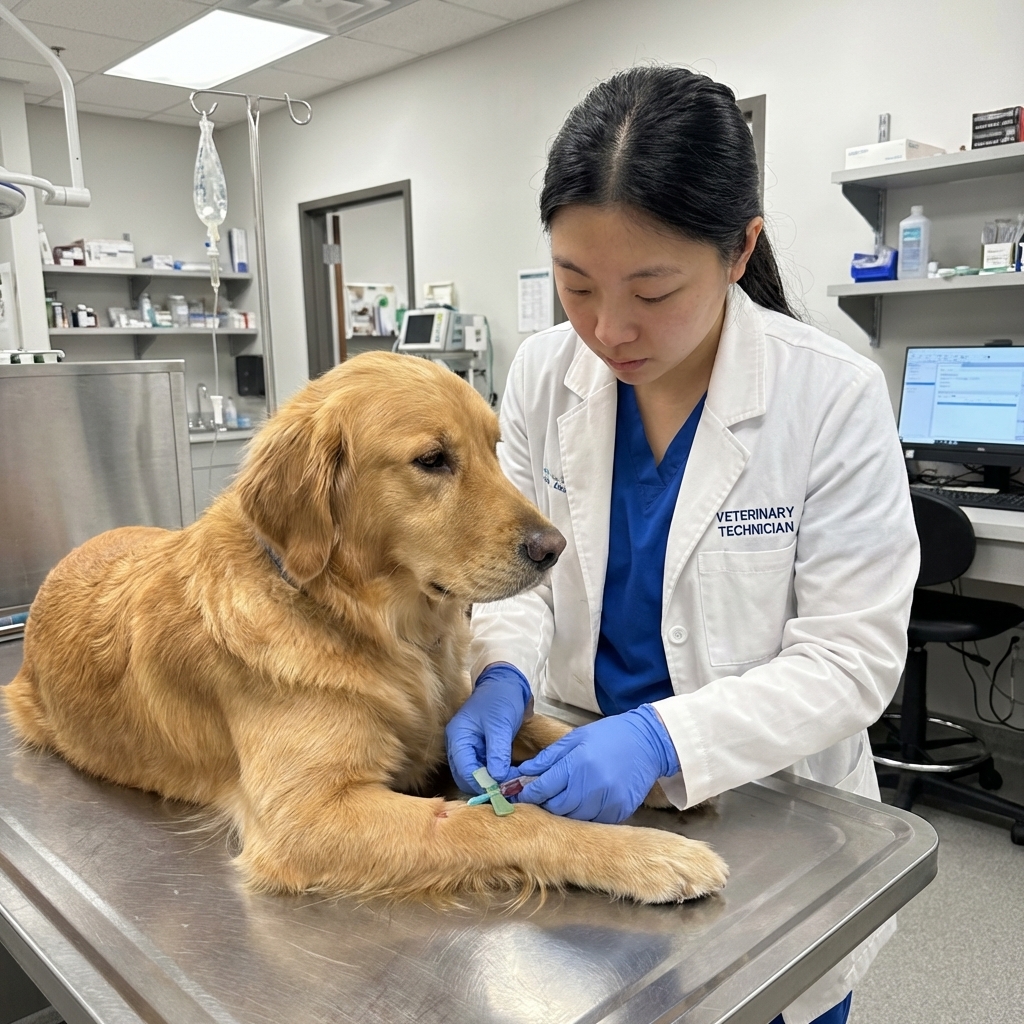
Transfusions
A transfusion does not cure IMHA. What it does is buy time.
When anemia becomes severe, a dog may not be able to deliver enough oxygen to organs. A transfusion helps stabilize:
- Energy and breathing effort
- Heart strain
- Organ perfusion
You may hear about:
- Packed red blood cells (pRBCs): The most common choice for IMHA
- Whole blood: Less common, used in certain situations
Because IMHA involves immune attack on red blood cells, transfused cells can also be destroyed. That is why vets focus on careful matching, close monitoring during transfusion, and starting immune suppression to reduce ongoing destruction.
Transfusions can also have complications. Your team will monitor closely for fever, hives, vomiting, breathing changes, restlessness, or a sudden decline during or after a transfusion.
Immune suppression
The central problem in IMHA is immune misfiring. Immune-suppressing medications aim to slow or stop the destruction of red blood cells.
What owners commonly hear about
- Corticosteroids (often prednisone or prednisolone): typically the first-line therapy
- Additional immunosuppressants if needed, based on severity and response. Common examples include cyclosporine, mycophenolate, azathioprine, and sometimes leflunomide. Your veterinarian will choose based on your dog’s case.
- GI support such as anti-nausea medications and stomach protectants, because illness and steroids can upset the GI tract
These medications can be lifesaving, but they also come with side effects. Increased thirst, urination, appetite, panting, restlessness, and muscle weakness are common with steroids. Because immune suppression lowers defenses, infections are also a real concern. Your vet will balance controlling the disease with minimizing risk.
Clot risk
One of the most dangerous parts of IMHA is that it can create a hypercoagulable state, meaning the blood is more likely to clot. Clots can affect the lungs, brain, or other organs.
Many dogs with IMHA are placed on anti-thrombotic therapy to reduce clot risk. The best choice depends on the dog, lab work, and vet preference. You may hear about medications like clopidogrel and, in some cases, heparin-type drugs. Always give these exactly as prescribed and never add over-the-counter blood thinners without veterinary guidance.
Recovery at home
Once a dog is stable enough to go home, the work shifts to careful monitoring, medication consistency, and follow-up testing.
At-home care basics
- Give meds on schedule. Missing doses can trigger setbacks.
- Keep activity low at first. Even if your dog “feels better,” they may still be anemic.
- Encourage hydration, especially on steroids.
- Reduce infection exposure. Avoid dog parks, standing water, and unknown dogs until your vet clears it.
- Nutrition matters. Aim for highly digestible, protein-forward meals unless your vet has your dog on a specific plan.
In the clinic, we celebrate the dog who starts eating again, who perks up, who wags. Those are wonderful signs. But IMHA recovery is rarely a straight line, and follow-up bloodwork is essential.
Recheck timing (general idea)
Every hospital has its own protocol, but early on, rechecks are often frequent, such as every few days to weekly, then spaced out as the PCV/HCT and hemolysis markers stabilize. Your vet will tell you what schedule makes sense for your dog.
Relapse watchouts
IMHA can relapse, especially during tapering of medications. Call your veterinarian promptly if you notice:
- Gums getting paler again
- Return of yellow tint in eyes or gums
- New or worsening lethargy
- Faster breathing at rest
- Darkening urine
- Sudden weakness, collapse, or disorientation
- New bruising, pinpoint red dots on skin, or bleeding
Tip: In bright natural light, gently lift your dog’s lip once daily during early recovery and note gum color. You are not trying to diagnose. You are simply watching for trends you can report.

Prognosis
Outcomes vary widely. Some dogs respond quickly and go on to do well, while others need prolonged hospitalization, multiple transfusions, or medication adjustments. Early, aggressive treatment and close monitoring tend to improve the odds. Your veterinary team can give you the most honest guidance based on trends in PCV/HCT, signs of ongoing hemolysis, clot risk, and how your dog is acting day to day.
Questions to ask your vet
When you are overwhelmed, it helps to have a short list. Consider asking:
- What is my dog’s current PCV/HCT, and what is the trend?
- Is the anemia regenerative or non-regenerative right now?
- Do you see spherocytes or autoagglutination on the smear?
- Are we treating clot risk? If so, with what and why?
- What side effects should I watch for with each medication?
- When is the next recheck, and what labs are we repeating?
- What is our plan for tapering, and what would make you slow down?
When it is an emergency
Please seek urgent veterinary care immediately if your dog has pale or white gums, collapse, trouble breathing, extreme weakness, or brown tea-colored urine. If your regular clinic is closed, go to an ER.
If you are standing there wondering, “Am I overreacting?” with IMHA symptoms, it is safer to assume you are not.
Important note: This article is educational and cannot replace veterinary diagnosis and treatment. IMHA requires hands-on care, lab testing, and close monitoring.