Veterinary assistant advice for dogs who ate chicken bones: cooked vs raw risks, what not to do, symptoms that need an ER visit, vet treatments, and 72-hour ...
Article
•
Designer Mixes
If Your Dog Ate Chicken Bones

Shari Shidate
Designer Mixes contributor
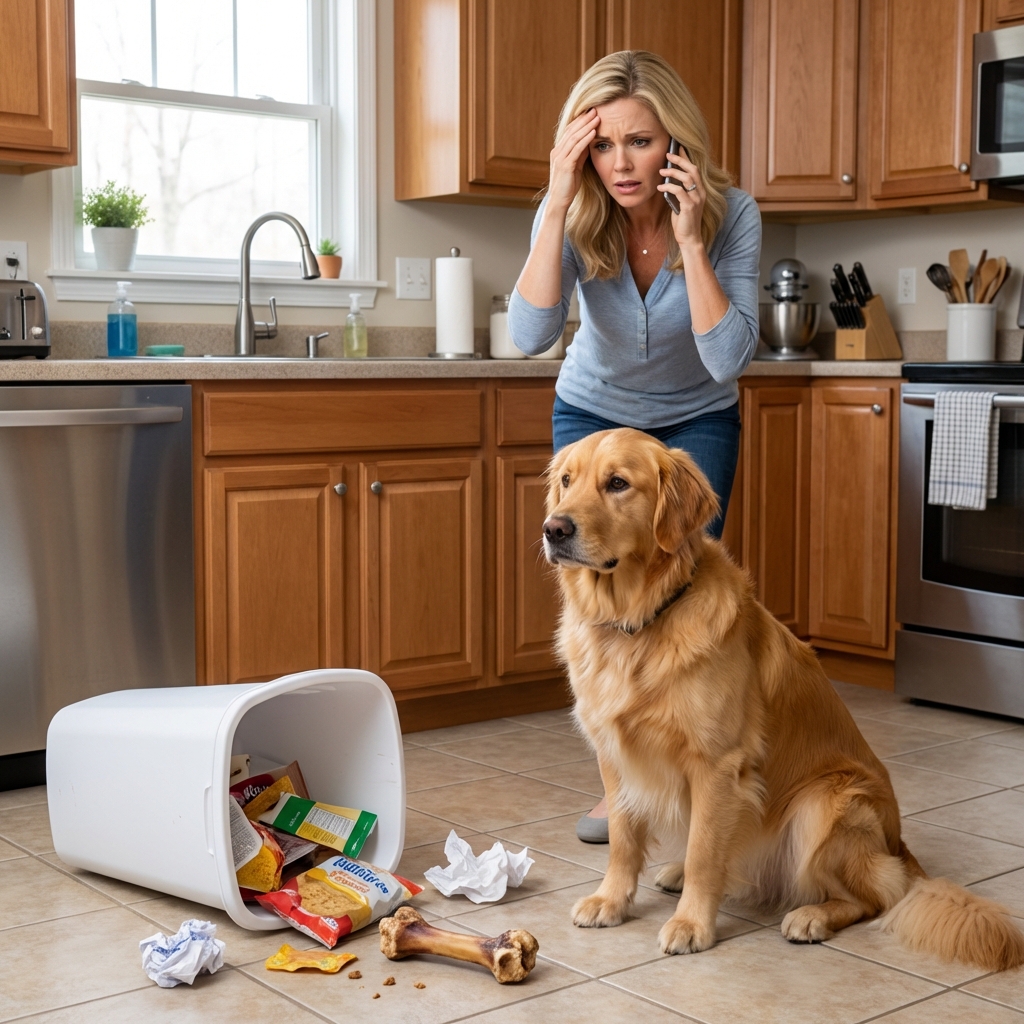
As a veterinary assistant here in Frisco, Texas, I can tell you this happens more often than you think. A dog grabs a wing off the counter, raids the trash, or gets “helpful” guests at a cookout. The important part is what you do next.
Chicken bones can be risky because cooked bones tend to splinter. Those sharp fragments can irritate the stomach, cause vomiting, or in worst cases lodge in the throat or create an intestinal blockage or perforation. The good news is that some dogs may pass a small amount without a major incident, especially if you act quickly and monitor closely. Risk depends on your dog’s size, the amount and type of bone, and any history of GI disease.
First: don’t panic, do these 5 things
1) Remove access and do a quick mouth check
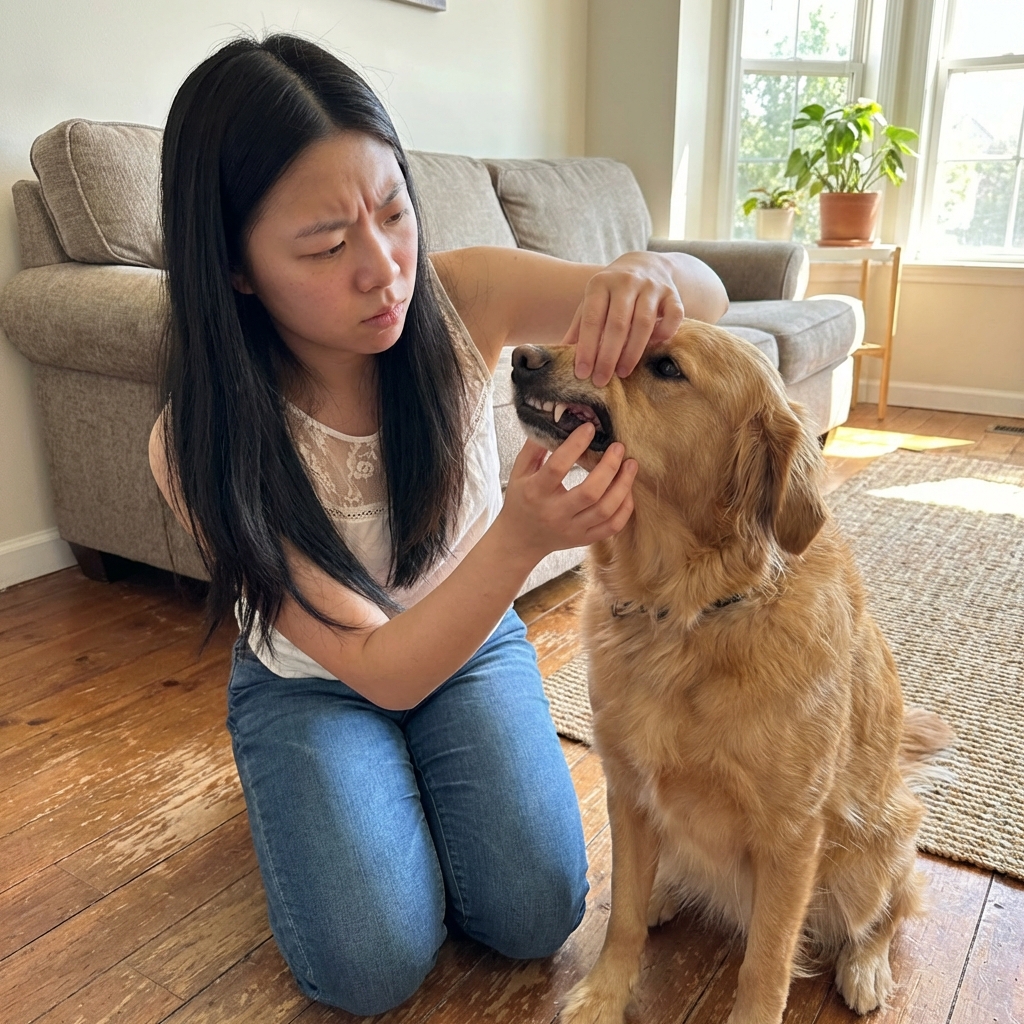
Take away any remaining bones and keep other pets away. If your dog is calm and will allow it, look in the mouth for visible bone pieces. If a piece is loose and easily reachable, gently remove it with your fingers. Do not “fish” around deep in the throat and do not use tools that could push bone further down.
2) Identify what was eaten
- Cooked or raw? Cooked bones splinter more easily.
- What size? Wings, drumsticks, and ribs are common culprits.
- How much? One small bone is different than a whole plate.
- When? Time matters for treatment options.
3) Call your veterinarian or an emergency clinic
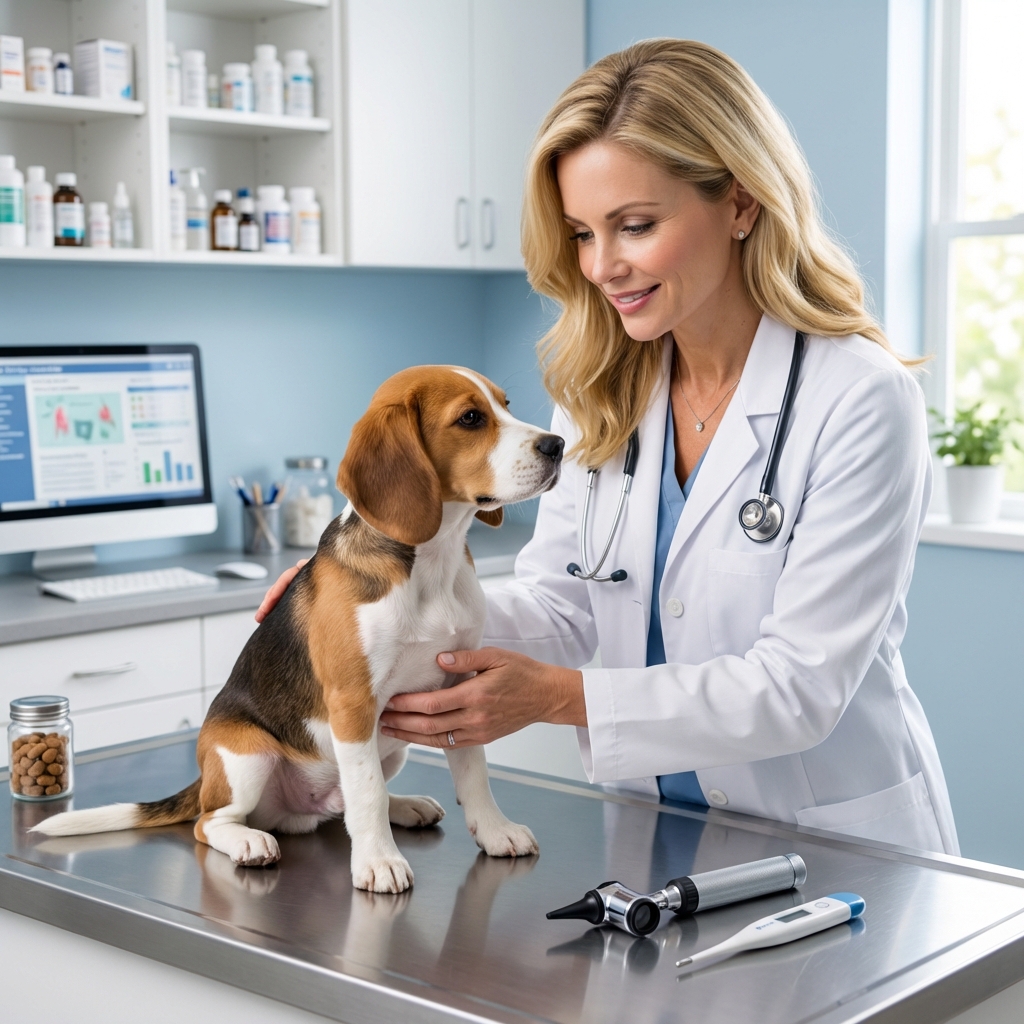
Even if your dog looks fine, it is worth a quick call. Share your dog’s weight, the type and amount of bones, and any symptoms. The team can help you decide whether to monitor at home or come in for an exam and possibly X-rays.
4) Do not induce vomiting unless a veterinarian tells you to
This is a big one. Bringing sharp fragments back up can cause additional damage to the esophagus and throat. There are situations where a veterinarian may recommend vomiting, but that decision should be made by a professional who knows the details.
5) Watch for immediate choking signs
If you see constant gagging, pawing at the mouth, drooling, distress, blue or pale gums, collapse, or trouble breathing, treat it as an emergency and go to an emergency clinic immediately.
What symptoms mean “go now”
Chicken bone problems can show up right away or hours later. Contact your veterinarian urgently or go to an emergency clinic if you notice:
- Repeated vomiting or inability to keep water down
- Swollen or painful abdomen, hunched posture, restlessness
- Loss of appetite that lasts more than one meal, or sudden lethargy
- Straining to poop, no stool, or signs of constipation
- Diarrhea that is severe or persistent
- Blood in vomit or stool, or black tarry stool
- Pain when being picked up
Important: Some signs, especially constipation or blockage symptoms, can show up days later. If anything feels “off,” trust your gut and call.
Home monitoring checklist (when your vet says it is OK)
If your veterinarian recommends at-home observation, set reminders on your phone and be a little more “hands-on” for the next 24 to 72 hours. Continue keeping an eye on stool and behavior for a few days after that, since some issues can take longer to appear.
Track these basics
- Appetite: Are they eating normally?
- Water intake: Drinking is good, but excessive thirst plus vomiting is not.
- Energy: Normal zoomies are reassuring. Unusual quiet can be an early sign.
- Poop: Look at frequency, firmness, and any blood.
Diet support (vet-guided)
Every clinic has its own advice, so follow your veterinarian’s instructions first. Sometimes a vet may suggest a bland, easy-to-digest diet for a day or two if the stomach is upset.
You may also hear suggestions about adding soft, bulky foods to help things move along. This is not one-size-fits-all and it is not a guaranteed “fix,” so ask your vet before you try anything. Depending on your dog and the situation, your clinic may or may not recommend options like canned pumpkin or other fiber sources. Avoid starting supplements or home remedies without checking in, especially for small dogs or dogs with a history of pancreatitis or GI disease.
Tip: If your dog is acting normal but you are worried, take a quick video of their breathing and posture now. If something changes later, that “before” video can help your vet judge urgency.
Key facts to know
1) Cooked bones are usually the bigger problem
Cooking changes bone structure, making it more brittle and prone to splintering. That is why a dog may crunch a cooked wing and end up with sharp fragments.
2) Size matters more than bravery
Large dogs can swallow larger chunks, which can raise the risk of obstruction. Small dogs can be injured by even tiny splinters. It is not about toughness, it is about anatomy.
3) X-rays do not always show the whole story
Some bone pieces show clearly, and some do not. Tiny fragments can be hard to see, and overlapping intestinal contents can make interpretation tricky. Depending on what your vet finds on exam and how your dog is doing, they may recommend repeat X-rays, ultrasound, or even endoscopy in certain cases.
Chicken bones: Myth vs. fact
Myth: “Bread will wrap the bones safely.”
Fact: Bread is not a reliable fix. It may not prevent sharp edges from irritating the GI tract, and it can delay proper care if symptoms are developing.
Myth: “If my dog is fine after an hour, we’re in the clear.”
Fact: Some issues show up later, especially blockage-related signs. Monitoring for a few days is smart.
Myth: “Raw chicken bones are always safe.”
Fact: Raw bones can be less splinter-prone, but they are not risk-free. They can still cause choking, tooth fractures, constipation, or GI upset. Plus, raw poultry can carry bacteria like Salmonella and Campylobacter, which can be a bigger concern in households with young kids, seniors, pregnant people, or anyone immunocompromised.
Avoid these common mistakes
- Do not give medications like ibuprofen or Pepto-Bismol unless your veterinarian tells you to. Some human meds are toxic or unsafe for dogs.
- Do not try to push food or water if your dog is actively gagging, choking, or struggling to swallow.
- Do not attempt choking maneuvers unless you have been trained and it is truly an emergency. When in doubt, head to an emergency clinic.
What your vet may do
It helps to know what to expect if you’re told to come in. Depending on your dog’s symptoms and what was eaten, your clinic may:
- Do a full exam and check the mouth and throat (sometimes with sedation if needed)
- Recommend X-rays, and occasionally repeat imaging
- Discuss endoscopy if a piece may be stuck in the esophagus or stomach
- Provide supportive care like anti-nausea meds, pain control, and hydration support
In our clinic, we often find that coming in early, before vomiting and pain escalate, gives us more options and can prevent bigger problems.
How to prevent it next time
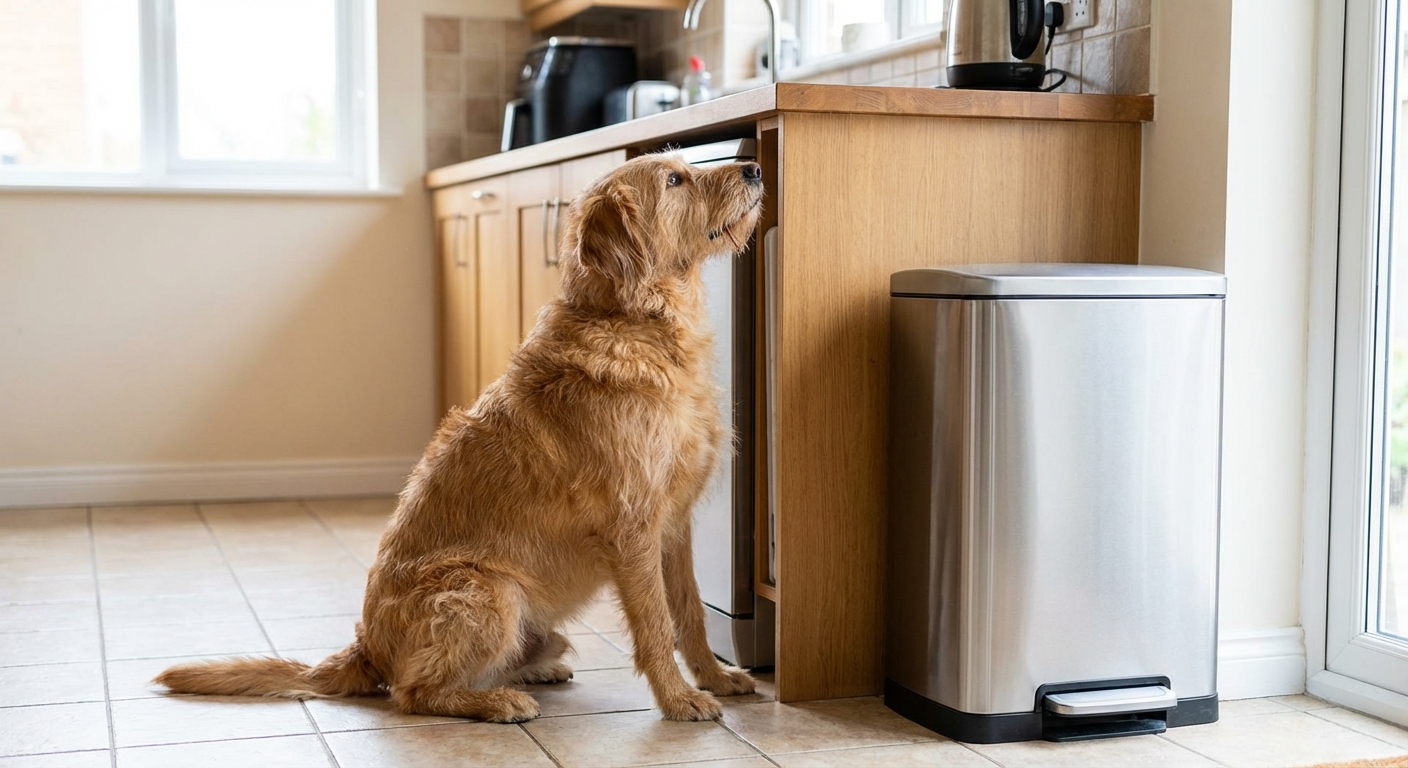
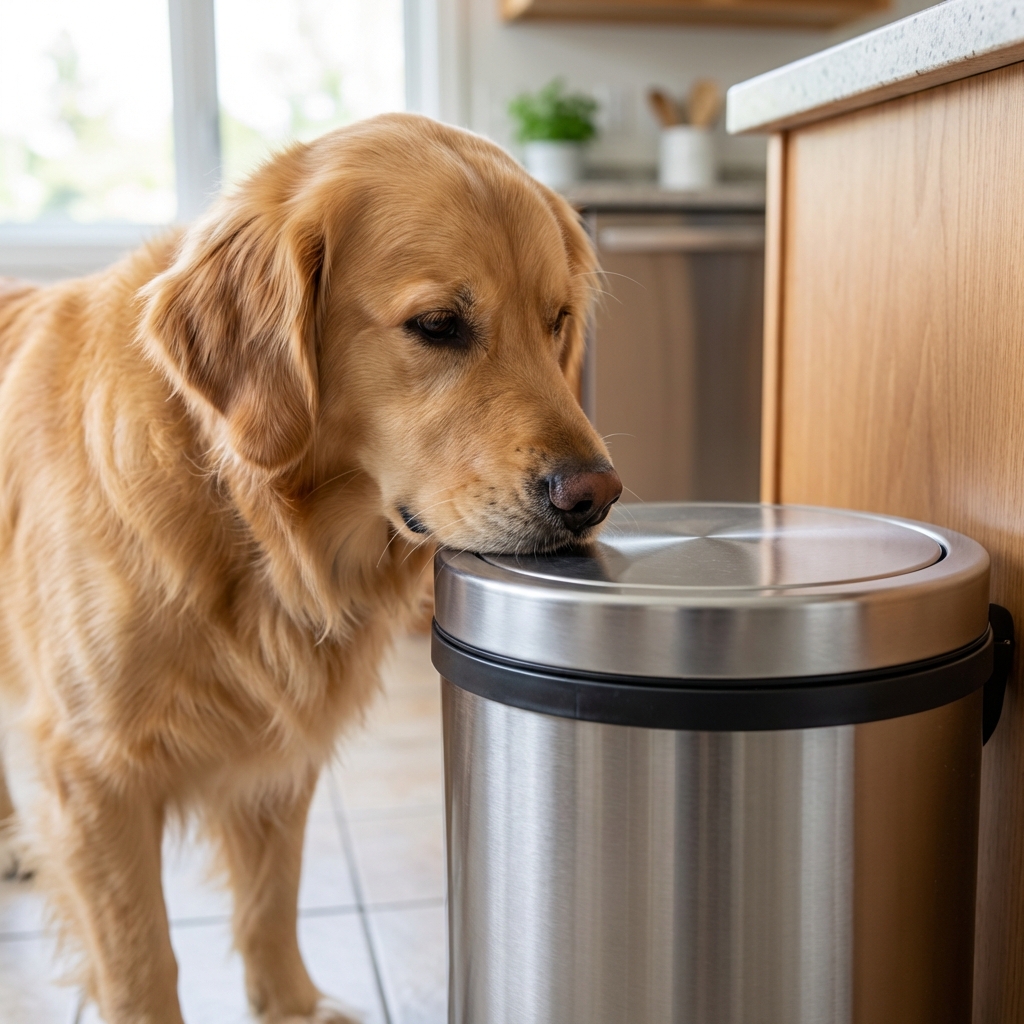
- Trash security: Use a lidded can, ideally in a cabinet or behind a baby gate.
- Counter rules: Keep plates pushed back and never leave cooked chicken unattended.
- Party plan: Tell guests, kindly and clearly, “Please don’t feed bones.”
- Trade game: Teach “drop it” and “leave it” using high-value treats so you can swap safely.
- Safe chew alternatives: Ask your vet what chews match your dog’s chewing style and dental health.
One last encouragement: if your dog ate chicken bones, you did not fail as a pet parent. Dogs are opportunists, and bones are tempting. What matters is acting quickly, knowing the red flags, and partnering with your veterinary team.