
Idiopathic Head Tremors in Dogs: Yes/No vs Seizure

If you have ever watched your dog’s head start to bob like they are saying “yes” or “no,” you know how fast your brain jumps to one word: seizure.
I am a veterinary assistant in Frisco, Texas, and I want to reassure you while also keeping you safe. There is a condition called idiopathic head tremor syndrome (often shortened to IHTS) that can look dramatic but is often different from seizures and vestibular episodes (the classic “drunk, dizzy” presentation).
Quick note: This article cannot diagnose your dog. It is a guide to help you recognize patterns, capture a useful video, and know when to seek veterinary care.
In this article, we will walk through what the “yes/no” pattern usually means, what generalized and focal seizures can look like, what vestibular signs look like, and exactly what to film so your veterinarian can make faster, more confident decisions.
What idiopathic head tremors look like
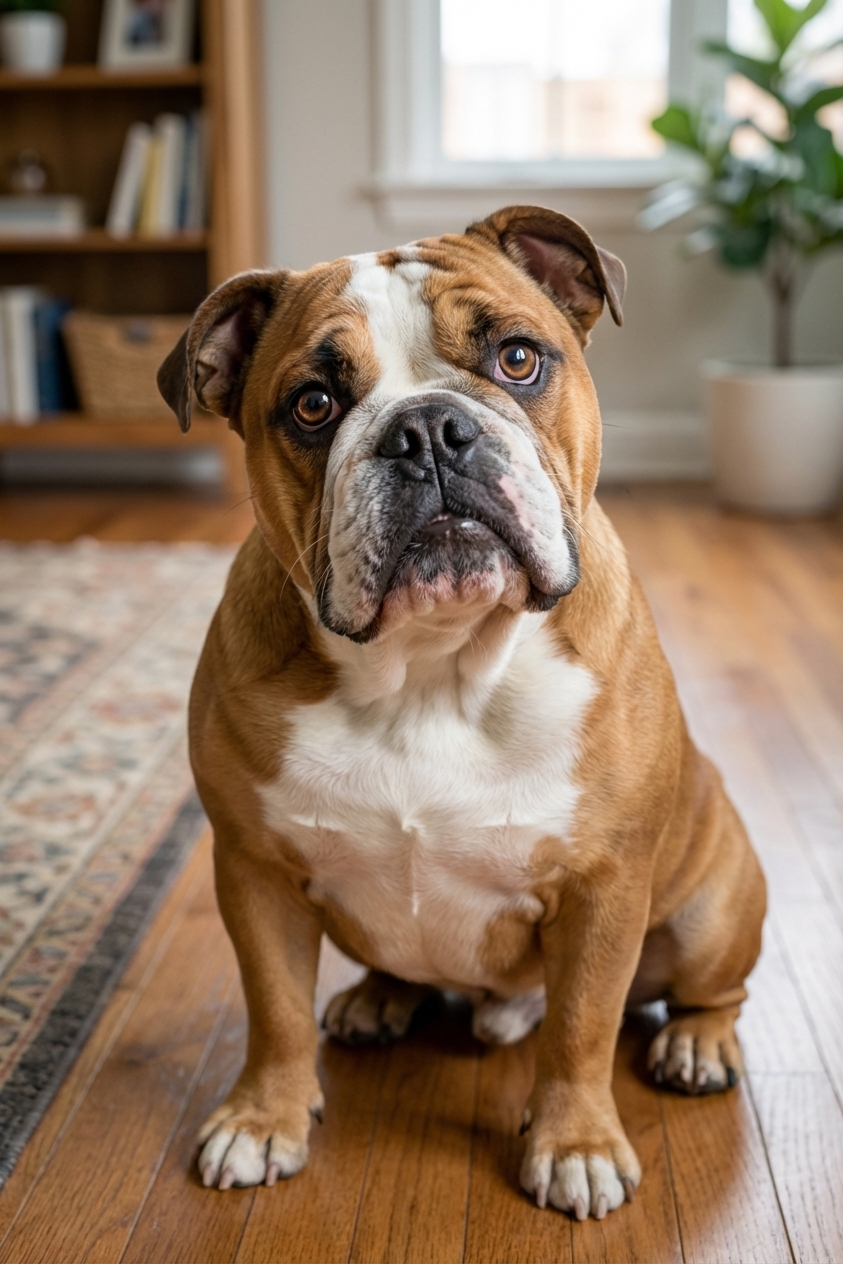
Idiopathic means we do not have one single confirmed cause. These episodes are most often reported in bully breeds and related mixes, including English Bulldogs, French Bulldogs, Boxers, American Bulldogs, and others. They can also occur in many other breeds.
Classic patterns owners notice
- “Yes” movement: the head bobs up and down.
- “No” movement: the head turns side to side.
- “Rotary” or diagonal: less common, but still rhythmic head movement.
Episodes often last seconds to a few minutes, and many dogs remain alert and responsive through the whole thing.
Key clue: your dog may stay responsive
Many owners can get their dog to shift focus by offering something interesting, such as a treat, a favorite toy, or asking for a cue like “sit.” This can be a helpful clue, but it is not definitive. Some dogs with IHTS may not take treats if they are anxious, and some focal seizures can look subtle and confusing.
If your dog can track you with their eyes, take a treat, and walk normally during the head bobbing, that leans more toward idiopathic head tremors than a generalized seizure, but it does not rule out focal seizures or other medical causes.
Because there are other issues that can mimic head tremors, it is still smart to treat the first episode as something to document and discuss with your veterinarian.

Head tremors vs seizures
Seizures can be generalized (whole body) or focal (one area of the body). Head tremors can sometimes be confused with focal seizures, so your veterinarian may still recommend an exam and possibly testing, especially if episodes change over time.
Signs that fit IHTS more
- Dog is alert and can make eye contact.
- Dog may be distractible (treat, toy, calling their name), although not always.
- No loss of bladder or bowel control.
- No whole-body stiffening or paddling.
- After the episode, dog is usually back to normal quickly.
Signs that fit a generalized seizure more
- Loss of consciousness or the dog seems “not there.”
- Whole-body stiffening, falling over, or rhythmic paddling.
- Jaw chomping, drooling, vocalizing, or involuntary urination or defecation.
- A post-ictal phase afterward: disorientation, pacing, temporary blindness, hunger, or sleepiness that can last minutes to hours.
What about focal seizures?
Focal seizures can be subtle and may involve facial twitching, odd behaviors, fly-biting, lip smacking, or repeated head movements. Some dogs can appear partially responsive early on, which is one reason videos matter so much. Your veterinarian will also consider other possibilities like pain, nausea, toxins, or metabolic problems depending on the full picture.
Head tremors vs vestibular signs
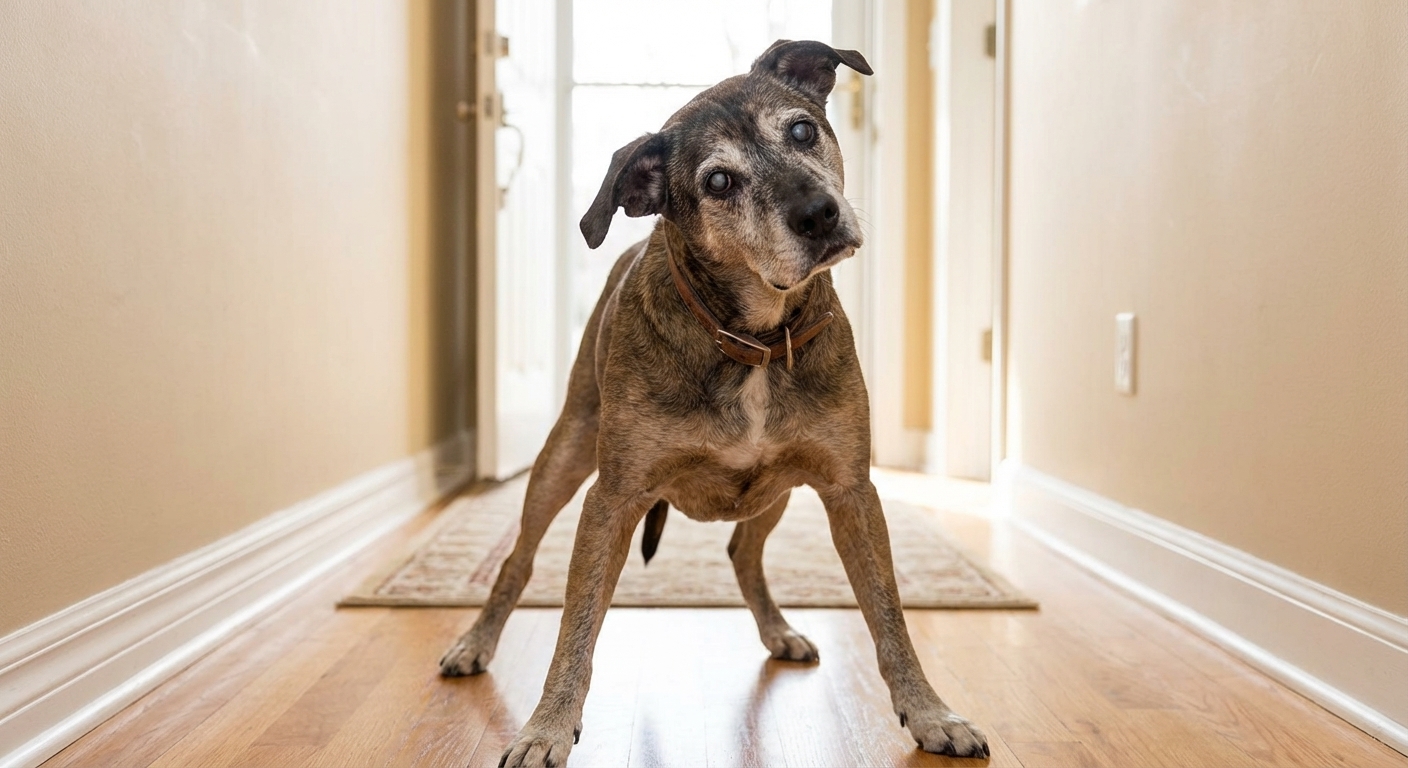
Vestibular problems are a different bucket. They are not usually a simple head bob. Instead, vestibular episodes often come with a dog who looks off balance and may appear panicked due to severe dizziness (vertigo).
Vestibular signs you might see
- Head tilt that persists rather than rhythmic bobbing.
- Nystagmus (eyes flicking side to side or up and down).
- Loss of balance, stumbling, leaning, falling, or rolling.
- Nausea, drooling, vomiting.
If your dog has strong balance issues, repeated vomiting, or cannot stand, that is not a typical idiopathic head tremor pattern and should be assessed promptly.
What else could it be?
Not every “yes/no” bob is IHTS. Your vet may also consider other causes, especially if your dog seems unwell, the tremor involves more of the body, or the episodes are new or changing.
- Metabolic issues (for example low blood sugar or low calcium).
- Toxin exposure (cannabis products, human medications, certain pest products, and more).
- Medication side effects or recent medication changes.
- Pain, including neck pain.
- Ear disease or other vestibular disorders.
- Nausea or gastrointestinal illness.
- Other tremor disorders that affect the head or whole body.
Triggers and timing
Many IHTS episodes happen during rest or downtime, such as when a dog is relaxing on the couch, waking up, or settling for the night. Some owners notice patterns like mild stress, excitement, or changes in routine, but triggers can be inconsistent.
Common owner-reported patterns
- Episodes during resting or transition states (waking up, dozing off).
- Occasional clustering over a day or two, then none for weeks or months.
- Sometimes improved when the dog is engaged (treat, toy, walk).
Because “idiopathic” means there is no proven single cause, it is smart to treat your first episode as something to document and discuss with your veterinarian. You are not overreacting. You are being a good advocate.
Video cues: what to film
When you are scared, filming can feel impossible. But a good 20 to 60 second video can save you time, money, and guesswork.
Film these details if you can
- Your dog’s whole body first, then zoom in on the head.
- Eyes: are they tracking you? Any flicking side to side?
- Responsiveness test: calmly say their name, offer a treat, ask for “sit.” Record whether the tremor pauses or changes.
- Walking: if safe, record a few steps to show balance and coordination.
- Clock it: note start time and total duration.
Do not do these things
- Do not put your fingers near your dog’s mouth if you suspect a seizure.
- Do not restrain aggressively. Gentle steadying is fine if they are at risk of falling, but avoid escalating stress.
- Do not shine bright lights directly into the eyes or shout. Keep things calm.

When it is an emergency
Idiopathic head tremors are often benign, but similar-looking signs can also show up with other neurologic or metabolic problems. Use these red flags to decide when to seek urgent care.
Go to an emergency vet now if
- Loss of consciousness, collapse, or whole-body convulsions.
- Breathing difficulty, blue or pale gums, or severe weakness.
- Repeated seizures or a seizure lasting about 5 minutes or longer.
- Multiple episodes close together with incomplete recovery between them.
- Severe disorientation, inability to stand, or signs of severe dizziness.
- Possible toxin exposure (human medications, cannabis products, xylitol, pesticides, unknown mushrooms, etc.).
- Head trauma or suspected heatstroke.
Call your veterinarian promptly
- This is the first time you have ever seen it.
- Episodes are increasing in frequency or changing in character.
- Your dog is very young, very old, or has other health conditions.
- There are other signs like vomiting, diarrhea, extreme lethargy, weakness, or behavior changes.
What your vet may ask and check
Your veterinarian’s job is to decide whether this looks like IHTS or something else that needs treatment. The workup depends on your dog’s age, history, and exam findings.
Questions you may hear
- What was your dog doing right before the episode (sleeping, playing, eating)?
- Any recent vomiting, diarrhea, not eating, or weight loss?
- Any new medications, supplements, or flea and tick products?
- Any chance of toxin exposure (human meds, cannabis, xylitol gum, compost, mushrooms)?
- Any recent heat exposure, intense exercise, or head or neck injury?
Common next steps
- Physical and neurologic exam to look for deficits between episodes.
- Baseline lab work (blood sugar, electrolytes, liver values) to rule out metabolic issues that can mimic neurologic events.
- Medication and toxin history review.
- Referral to a neurologist if episodes are atypical, worsening, or there are neurologic deficits.
Some dogs with classic, interruptible head tremors and a normal exam do not need extensive testing right away. Others do. Your vet will tailor the plan to your dog.
What you can do at home
Your goal is safety first, then good documentation.
- Stay calm and speak softly. Dogs pick up our stress fast.
- Make the area safe: block stairs, move coffee tables, add a towel for traction.
- Try a gentle distraction: offer a high-value treat or a lickable snack if your dog is fully conscious and able to swallow normally.
- Write it down: time of day, duration, what your dog was doing right before it started, and whether you could interrupt it.
If you are seeing repeated episodes, bring your notes and your videos to your appointment. Patterns matter.
Prognosis
For dogs with true idiopathic head tremor syndrome and a normal exam, the overall outlook is often good. Episodes can come and go over time, and many dogs live completely normal lives without needing long-term medication. The key is making sure it is truly IHTS and not a condition that needs treatment.
Bottom line
The “yes/no” head bobbing pattern can be a classic idiopathic head tremor presentation, especially in bully breeds and their mixes. Many dogs stay alert and may be distractible, which is a helpful clue that you may not be dealing with a generalized seizure, but it is not a diagnosis by itself.
Any new neurologic sign deserves a conversation with your veterinarian. Film what you can, track episodes, and watch for emergency red flags. You do not have to figure this out alone.